The Sharpest And Most Stubborn Weed In Louisiana Is Back
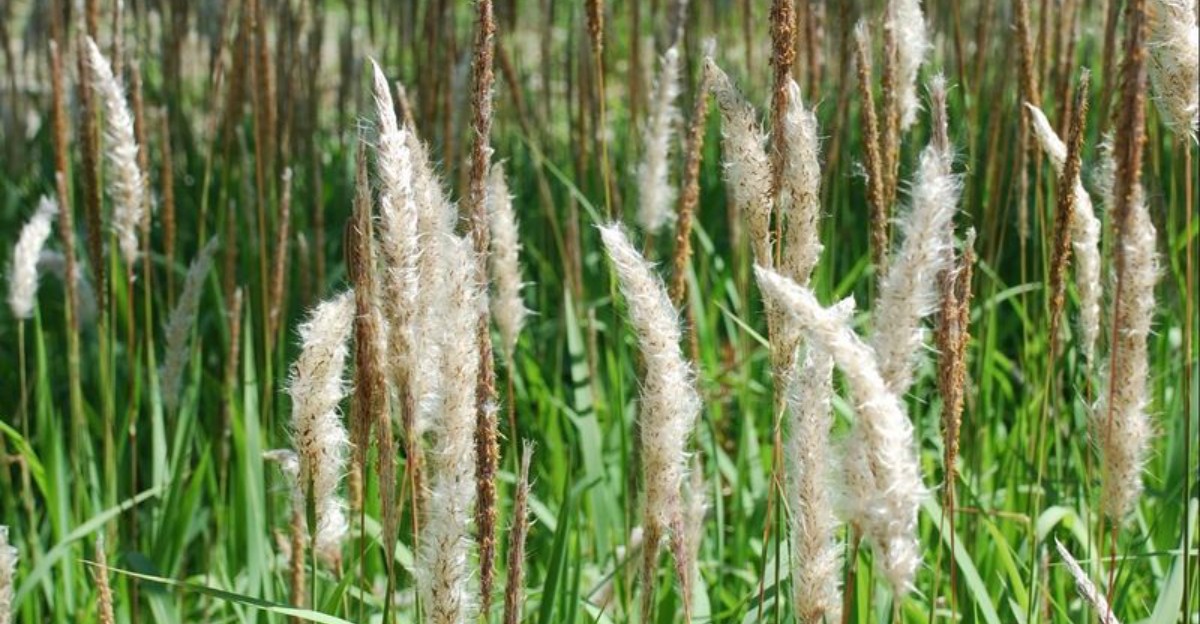
Its underground stems grow sharp, pointed tips that can stab straight through the roots of neighboring plants. I still remember reading that and setting my coffee down.
The weed behind this trick made the list of the world’s 100 worst invasive species. It showed up in Louisiana decades ago, and it has been spreading ever since.
The leaves have tiny saw-like edges, so grabbing a handful bare-handed is a mistake you only make once.
Personally, I find it a little rude how fast it grows back after mowing. Cut it, burn it, or pull it, and it often returns greener than before.
You need a real plan, not just a strong arm and a free Saturday. What is this grass, and how do you spot it before it settles into your yard?
That Fluffy White Grass Plume Along The Roadside Is A Warning Sign
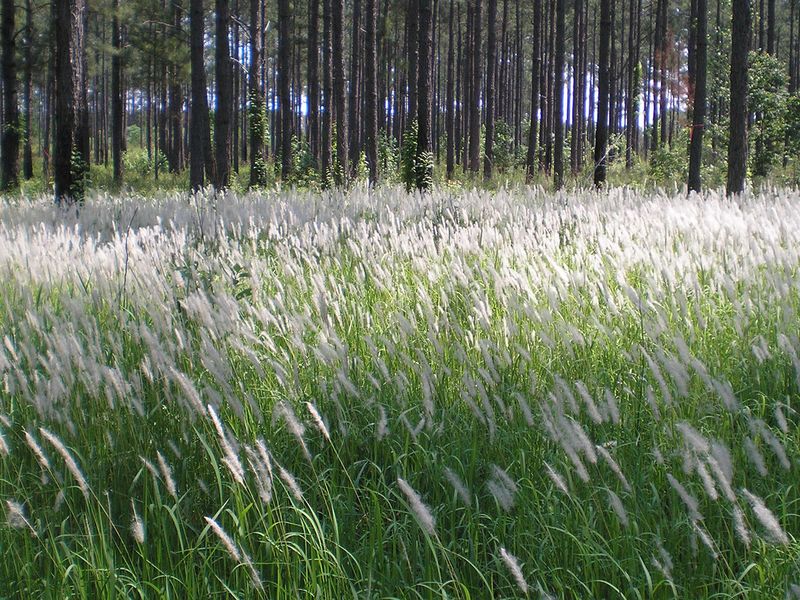
Those soft, silky white tufts waving along Louisiana highways in spring look almost pretty. I used to think they were some kind of harmless wild grass. Sadly, many of them belong to one of the toughest weeds in the South.
The plant is cogongrass, known to scientists as Imperata cylindrica. It came to the United States in the early 1900s, partly as packing material and partly as a hoped-for forage crop. Cattle mostly ignored it, and the grass took off on its own.
The Global Invasive Species Database lists cogongrass among the world’s 100 worst invasive species. In Louisiana, it has spread mostly across the southeastern parishes, with patches popping up farther north and west over time.
Roadsides, pine forests, pastures, and empty lots are favorite hangouts. Spring is when the fluffy seed heads appear, usually from late winter into early summer. That timing makes right now a great moment to look around your property.
A cottony plume sitting on a stiff stalk above bright yellow-green leaves deserves a closer look. Snap a photo if you see one. Your local parish extension office can help you confirm what it is before the patch grows any bigger.
Check The Leaf Blade For That Off-Center White Stripe
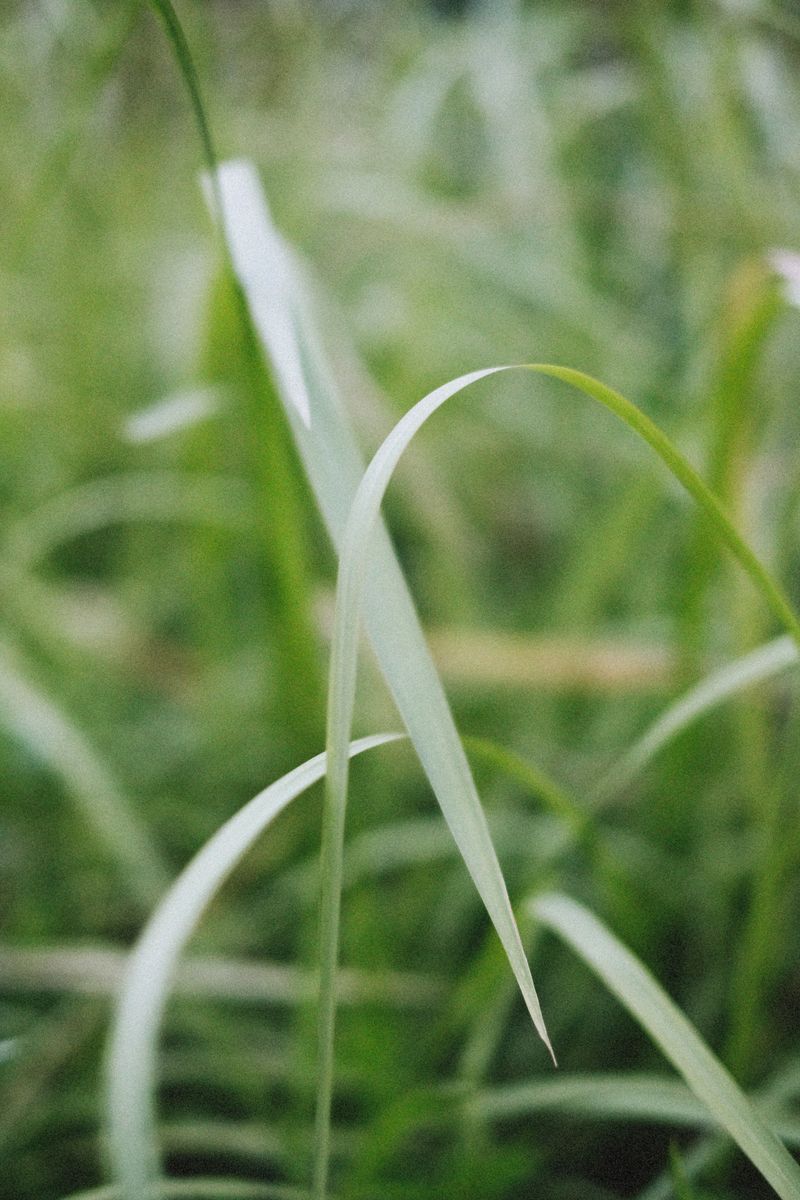
Identification is half the fight, so let’s get practical. Grab a pair of gloves first, because those leaf edges are lined with tiny saw-like teeth. Run a gloved finger along one and you’ll feel the rough, saw-like edge.
Look closely at a single blade. Cogongrass has a whitish midrib that sits noticeably off-center instead of running straight down the middle. That lopsided stripe is one of the easiest clues to spot.
The leaves are yellow-green and stand upright, usually 2 to 4 feet tall, though some reach higher. They grow in dense clumps that look almost like a carpet from a distance. Many folks also notice the blades turn reddish-brown after a cold snap in winter.
Native grasses can look similar at a quick glance, which is why a few features together matter more than one. Check for the off-center midrib, the rough edges, the bright color, and a lack of obvious above-ground stems. Dig down a few inches if you can.
Your Louisiana Garden Changes Every Week. Your Plan Should Too.
Gardening in Louisiana changes quickly throughout the season. Every Friday you’ll receive a simple weekly plan showing exactly what to plant, prune, fertilize, harvest, and protect so you never miss the right timing.
Getting the identity right saves you money and effort. Treating the wrong grass wastes herbicide and might harm helpful native plants. When in doubt, the LSU AgCenter can help confirm a sample.
Those Sharp Cogongrass Rhizomes Hide The Real Trouble Underground
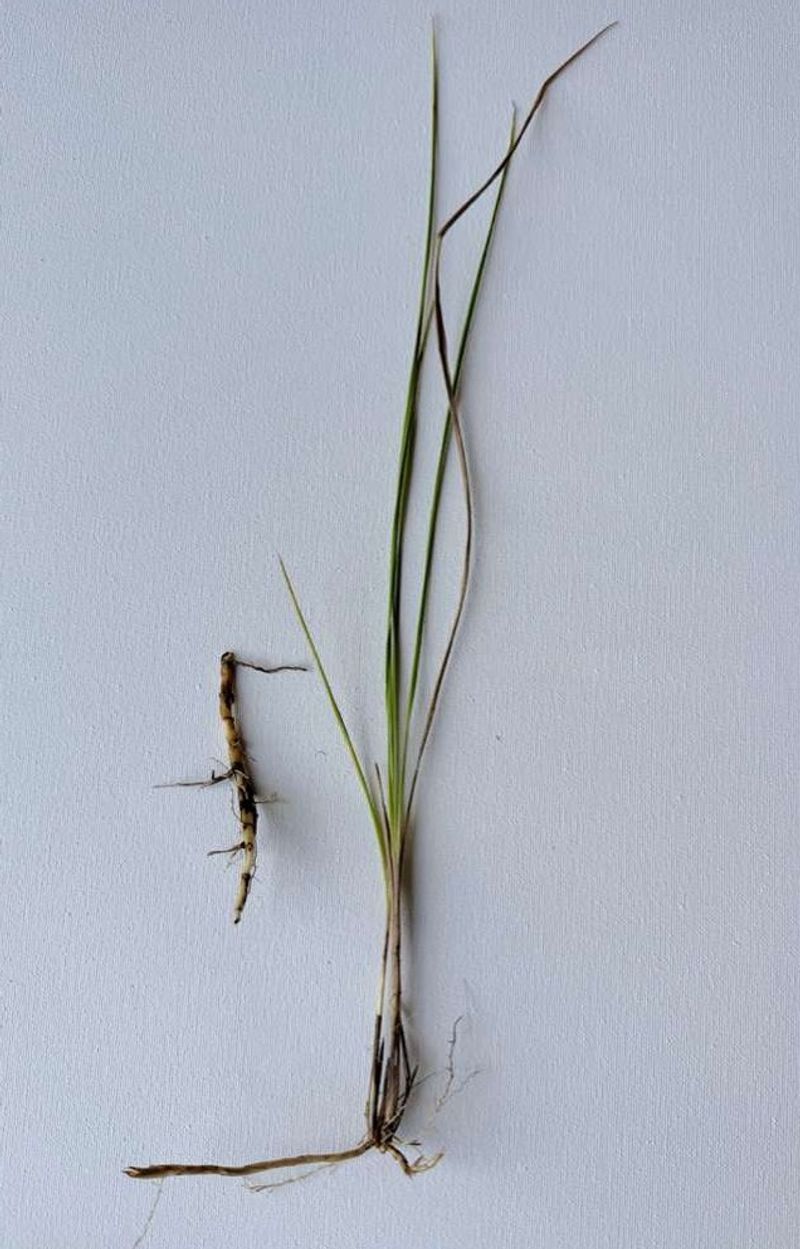
Dig up a clump and you’ll understand why this weed earned its tough reputation. Underneath the leaves sits a tangled web of white, segmented stems called rhizomes. They look a bit like pale bamboo shoots.
Those rhizomes end in hard, sharp points. Researchers have documented them poking through the roots, bulbs, and tubers of other plants. That’s a bold move for something living quietly under your mulch.
Most of the rhizome mass sits in the top several inches of soil, but pieces can run deeper. The network stores food, which helps the plant bounce back after mowing, grazing, or fire. Cutting the tops barely slows it down.
Here’s the part that surprises many gardeners. A small broken piece of rhizome can sprout into a brand-new plant. Tilling or digging a patch without a plan often spreads the problem rather than fixing it.
So think twice before grabbing a shovel and going to work on a big patch. Hand-pulling rarely gets every piece, and the leftover bits come right back. Understanding what’s going on below ground is the first step toward smart control.
Herbicide Treatments Work Best With Patience And Repeat Visits
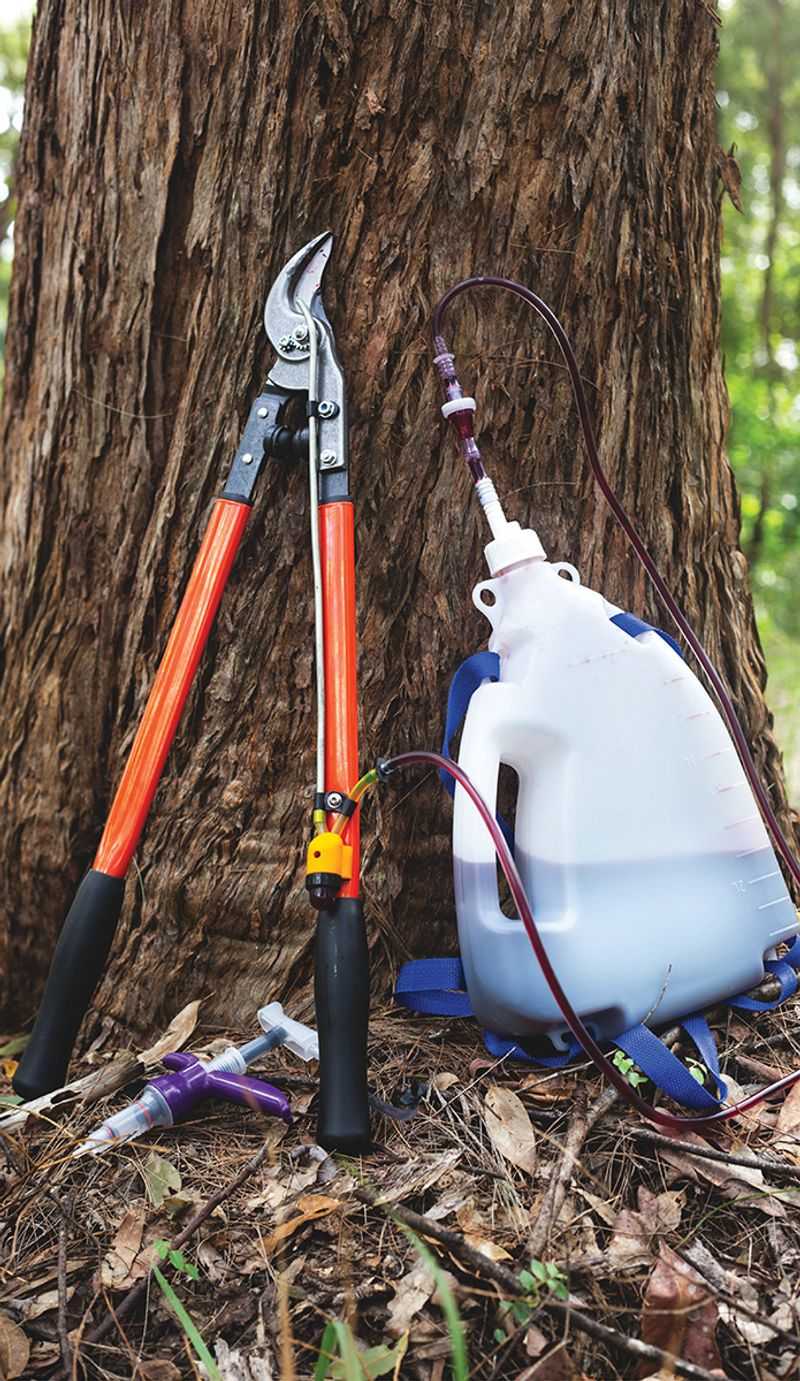
Nobody likes hearing that one spray won’t solve it, but honesty helps here. Cogongrass control usually takes several treatments over two or more years. Patience is the secret ingredient.
Extension specialists most often point to two herbicides, glyphosate and imazapyr. Glyphosate breaks down faster and is less likely to linger in the soil, though it often needs repeat applications.
Imazapyr lasts longer and can harm nearby trees and shrubs, so it needs extra care. Timing matters a lot. Fall applications, roughly September through November, are often recommended because the plant is moving food down into its rhizomes.
Treating while it is actively growing gives the best results. Some land managers mow or burn first, then spray the fresh regrowth a few months later. That approach helps the chemical reach younger, more vulnerable leaves.
Always read and follow the product label, since it’s the law. Home gardeners working near flower beds or vegetables should be extra careful.
A licensed professional or your parish extension agent can suggest the safest option for your space. Small, careful steps beat big, rushed ones.
Louisiana Offers Help With Cogongrass Treatment
Fighting this grass alone can feel overwhelming, and you don’t have to. The Louisiana Department of Agriculture and Forestry has run a Cogongrass Treatment Program to help landowners.
Availability and details can change, so check their website or call for current information. The LSU AgCenter is another great resource. Their agents can help identify suspicious grass and share treatment guides suited to your area.
Many parishes have an extension office close by. The Louisiana Department of Wildlife and Fisheries also tracks invasive species.
Reporting a patch helps experts understand where cogongrass is spreading. That data shapes future control efforts across the state.
I love that reporting takes only a few minutes. Many states, including ones nearby, use online mapping tools like EDDMapS where you can upload a photo and location.
Every report adds a piece to the bigger picture. Neighbors matter here too. Cogongrass doesn’t care about property lines, so a patch next door can creep into your yard.
Chatting with nearby landowners and working together often brings better long-term results than one person fighting alone.
Fire Burns Hotter Where Cogongrass Takes Over

Few weeds change a landscape like this one. Once established, cogongrass forms thick stands that crowd out native grasses, wildflowers, and young pine seedlings. Wildlife that depends on those plants loses food and shelter.
Fire adds another worry. Dense cogongrass carries flames that burn hotter and taller than many native grasses. That can damage trees that normally handle low, gentle burns in southern pine forests.
After a fire, cogongrass often springs back fast from its protected rhizomes. Native plants struggle to keep up. Over time, each burn can tilt the balance further in the weed’s favor.
Homeowners near wooded areas should keep this in mind. A thick patch close to a house, shed, or fence line can raise fire risk during dry spells. Keeping the area managed is about safety as well as looks.
Farmers and ranchers feel it too. Cattle and other livestock generally avoid eating mature cogongrass because its leaves are tough and low in nutrition.
Pastures overrun by it lose their value fast, which explains why so many agencies take this weed seriously.
Dirty Mowers And Hauled Fill Dirt Spread Cogongrass Fast
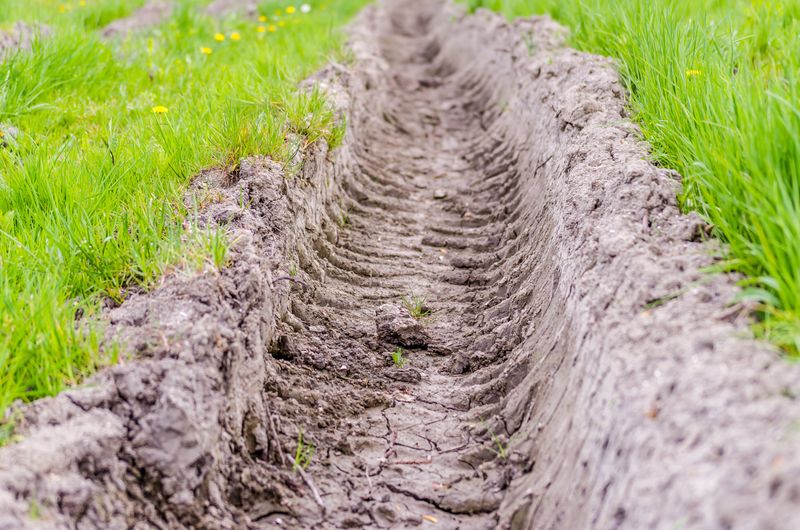
Wind carries cogongrass seeds, but people help it travel much farther. Mowers, tractors, and bulldozers can pick up rhizome pieces and drop them miles away. A single muddy tire can start a new patch.
Fill dirt, sand, and hay are other common carriers. Before buying soil for a project, ask the supplier where it came from. Avoid material from areas known to have cogongrass.
Cleaning your gear makes a big difference. Hose off mower decks, tires, and tools after working anywhere you suspect the weed. A stiff brush helps knock loose stubborn bits caught in tight spots.
Timing your mowing helps as well. Avoid mowing infested areas when the fluffy seed heads are out in spring. Otherwise, you might scatter seeds across your whole yard.
Landscapers and road crews follow these steps when they know the risk. As a homeowner, you can ask contractors about cleaning their equipment before they arrive. It’s a polite question that could save your yard a lot of trouble later.
Healthy Native Grasses Help Your Yard Push Back
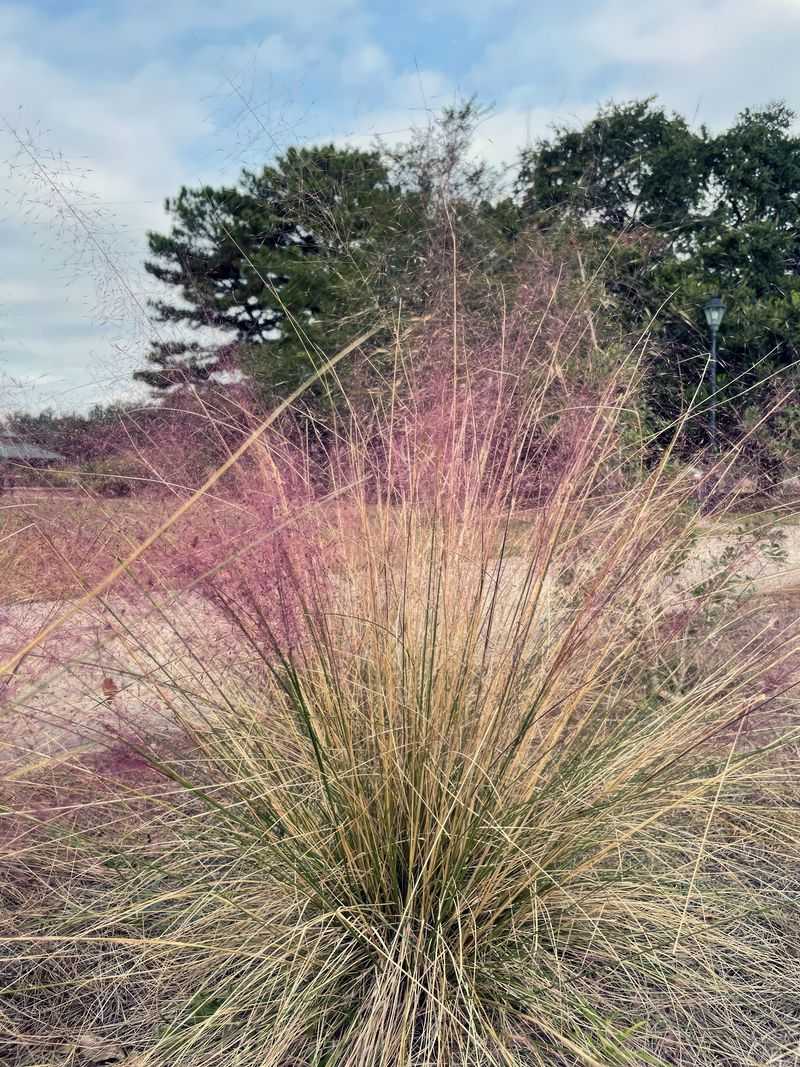
Bare ground is an open invitation for weeds. After you’ve treated a patch of cogongrass, filling that space with healthy plants gives the weed less room to return. Thick, happy vegetation makes it harder for new sprouts to settle in.
Native options are a smart choice in Louisiana. Little bluestem, switchgrass, and Indian grass handle local heat and rain well. They also feed birds, butterflies, and other wildlife.
Wait until treatments are finished before replanting, especially if a longer-lasting herbicide was used. Some products stay active in soil for months. Check the label or ask an extension agent about safe planting times.
Keep watching the area for at least a few years. A quick walk every month or so lets you catch small sprouts before they spread. Early spots are much easier to manage than big established patches.
I find it satisfying to see native plants take back ground that once belonged to a weed. The work takes patience, but each season gets a little easier. Your yard, and your neighbors, will thank you for sticking with it.