Turn Your Leftover Halloween Pumpkin Into Free Compost For Your Louisiana Beds And Pots
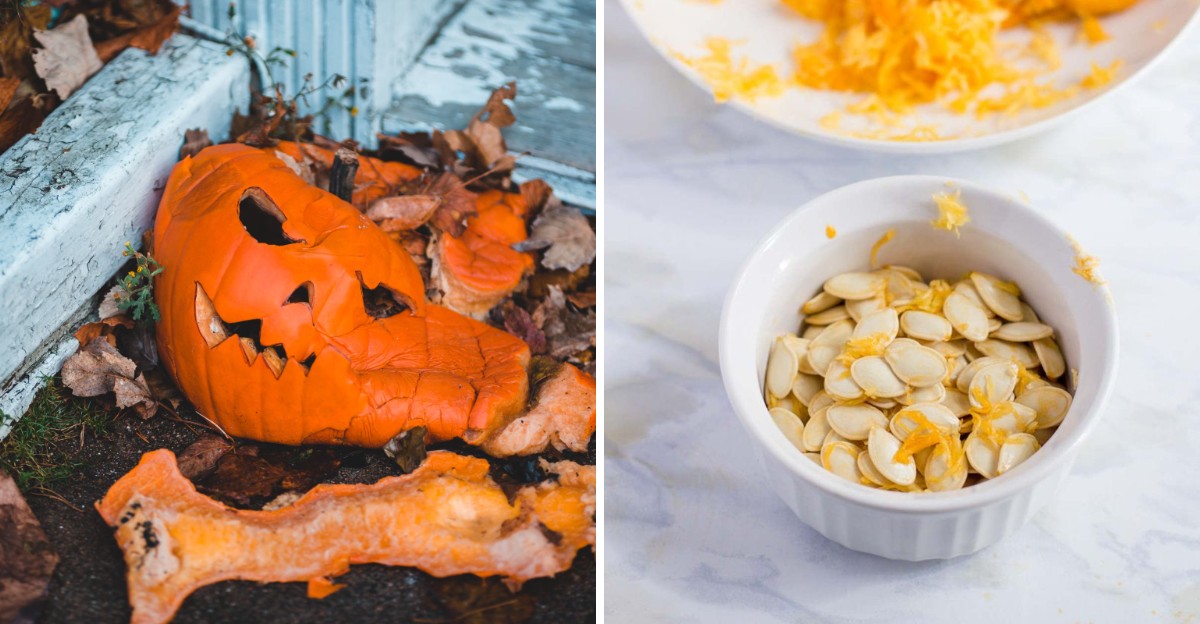
A carved jack-o’-lantern is roughly ninety percent water, so it slumps into goo within days on a warm porch. In Louisiana, our sticky October afternoons can turn that grinning face into a saggy mess before Halloween even ends.
Tossed in the trash, that soggy squash usually ends up buried in a landfill with very little air. Food scraps rotting without oxygen release methane, a gas the EPA says traps heat far better than carbon dioxide.
I have to admit, I used to drag my mushy pumpkins to the curb without a second thought. You might notice the same orange lumps on your street every November, waiting for the garbage truck to roll by.
What surprises me most is how much good stuff hides inside that rind for hungry worms and soil microbes. So why send it away, when your Louisiana beds and pots could gobble up every last orange bite?
1. Chop Your Jack-O’-Lantern Into Small Chunks
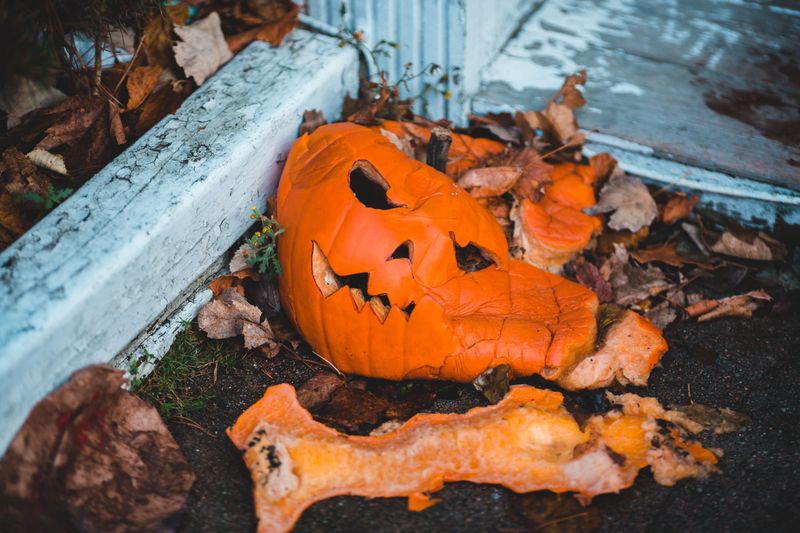
Few garden chores feel as satisfying as dropping a soft pumpkin onto a tarp and watching it split open. Personally, I treat it as a small celebration that the candy rush is finally over for another year.
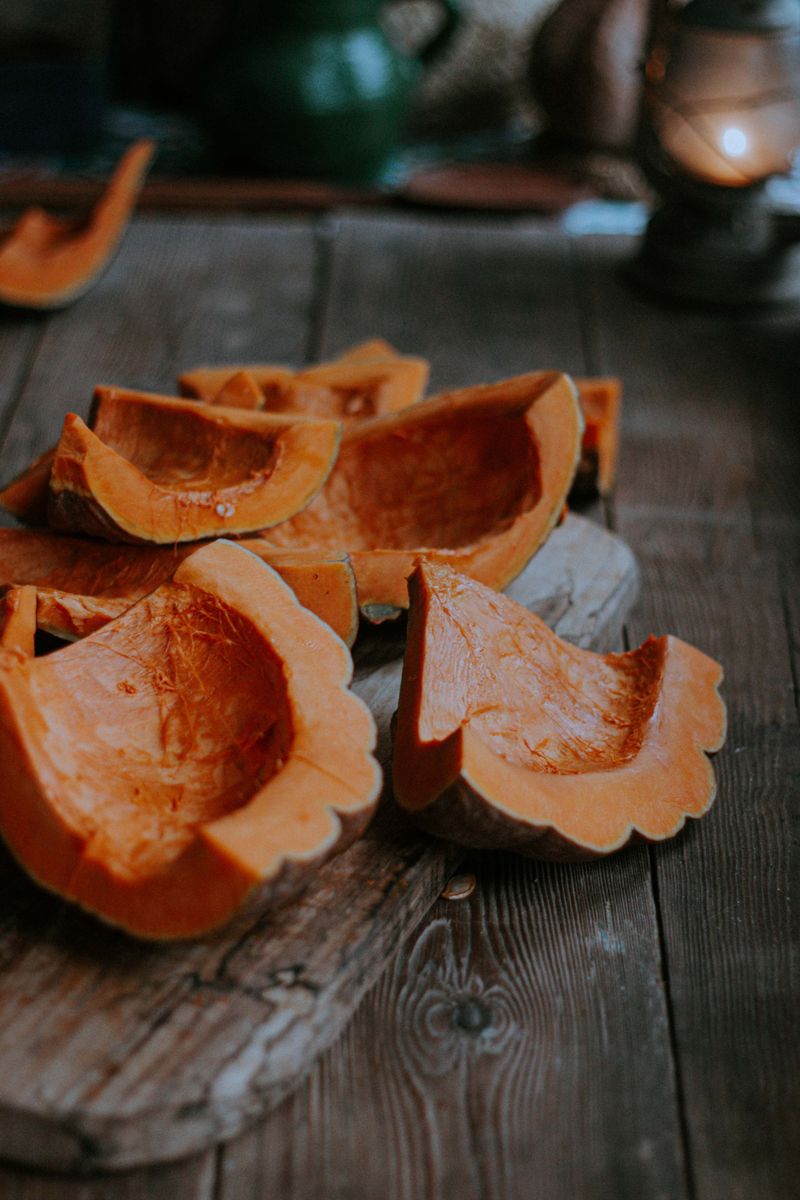
Size matters a lot here, because microbes can only munch on the surfaces they are able to reach. A whole pumpkin can sit in a pile for months, while fist-sized pieces often soften within a few weeks.
Before any smashing begins, scrape away candle wax and peel off plastic stickers or glued decorations. Painted or glittered pumpkins belong in the trash, since those coatings can leave tiny bits behind in your soil.
A sturdy shovel blade or a garden spade works nicely for chopping a pumpkin that is still fairly firm. Softer ones usually break apart with a gentle drop from waist height, so save your arm for later.
Kids tend to love this job, though you should keep them well away from the shovel’s sharp edge. Let them stomp the softer pieces in rubber boots instead, which is messy fun with far less risk.
October afternoons in the Deep South are still warm, which gives those fresh pieces a fast start on breaking down. Warmth keeps microbes busy, so a smashed pumpkin will decompose much sooner here than it would elsewhere.
Rinse your tools afterward, because pumpkin goo dries into a sticky film that is surprisingly hard to scrub away. Once your pile of orange chunks is ready, you can choose any of the methods coming up next.
2. Tuck Pumpkin Pieces In An Empty Garden Bed
Old-time gardeners called it trench composting, and it might be the laziest way to feed a garden bed. Personally, I love any method that lets the earthworms do the heavy lifting while I sip sweet tea.
Start by digging a trench or hole roughly twelve inches deep in a bed that is resting this season. That depth helps hide the scent from raccoons and neighborhood dogs that might be tempted to go digging.
Your Louisiana Garden Changes Every Week. Your Plan Should Too.
Gardening in Louisiana changes quickly throughout the season. Every Friday you’ll receive a simple weekly plan showing exactly what to plant, prune, fertilize, harvest, and protect so you never miss the right timing.
Drop in your pumpkin chunks, mix in a little soil, then backfill the hole and pat the surface firmly. Many gardeners mark the spot with a stake, so nobody forgets where the buried treat is waiting underground.
Worms and soil microbes slowly break the pumpkin down right where future roots will grow, which saves you hauling compost later. Most pieces disappear within a couple of months, though larger chunks and the tough stem take longer.
In Louisiana, many gardeners plant fall vegetables like broccoli and cabbage in October, so choose your trench carefully. Bury pumpkin between rows or in a bed you plan to fill next spring with tomatoes or peppers.
Avoid burying chunks right against young transplant roots, because fresh organic matter can briefly tie up some soil nitrogen. Giving the trench several weeks of space before planting directly on top helps your next crop settle in happily.
You can repeat this trick with other kitchen scraps all winter, moving down the row each time you dig. By spring, that once-empty bed often feels darker and crumblier, with more worms wiggling through every shovelful.
3. Toss Pumpkin Chunks Into A Backyard Compost Pile
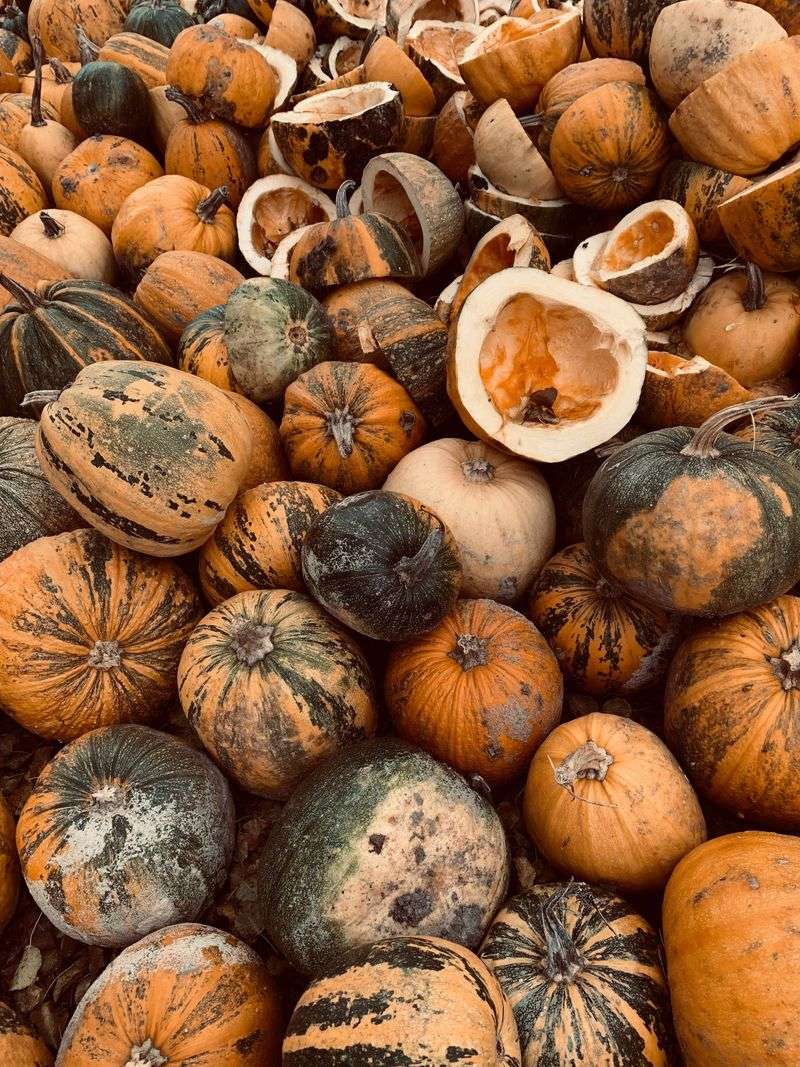
A compost pile treats a pumpkin like a giant orange snack, and the microbes inside get right to work. I can’t imagine a happier ending for a holiday decoration than feeding next spring’s tomatoes and peppers out back.
Pumpkins count as a green material, meaning they are wet and rich in nitrogen like grass clippings. Balance them with browns such as dry leaves or shredded cardboard, which bring carbon and soak up extra moisture.
Many extension services suggest roughly two or three parts brown material for every one part green by volume. You do not need perfect math, but a pile of pure pumpkin quickly turns slimy and sour.
Tuck the chunks into the center of the pile, then cover them with several inches of leaves or finished compost. Burying them this way keeps fruit flies down and helps hold heat where the microbes are busiest.
Aim for the dampness of a wrung-out sponge, since too much water squeezes out the air those microbes need. Turning the pile every week or two with a pitchfork adds oxygen and speeds everything along nicely.
Fallen oak and pecan leaves start piling up across Louisiana yards in late fall, giving you a free brown supply. Stash a few bags now, because pumpkins and leaves make a well-matched pair in any compost bin.
Finished compost looks dark and crumbly, and it smells like a forest floor after rain instead of rotting fruit. Depending on heat and turning, your pumpkin may become usable compost in a few months rather than a year.
4. Roast Pumpkin Seeds Before They Hit The Pile
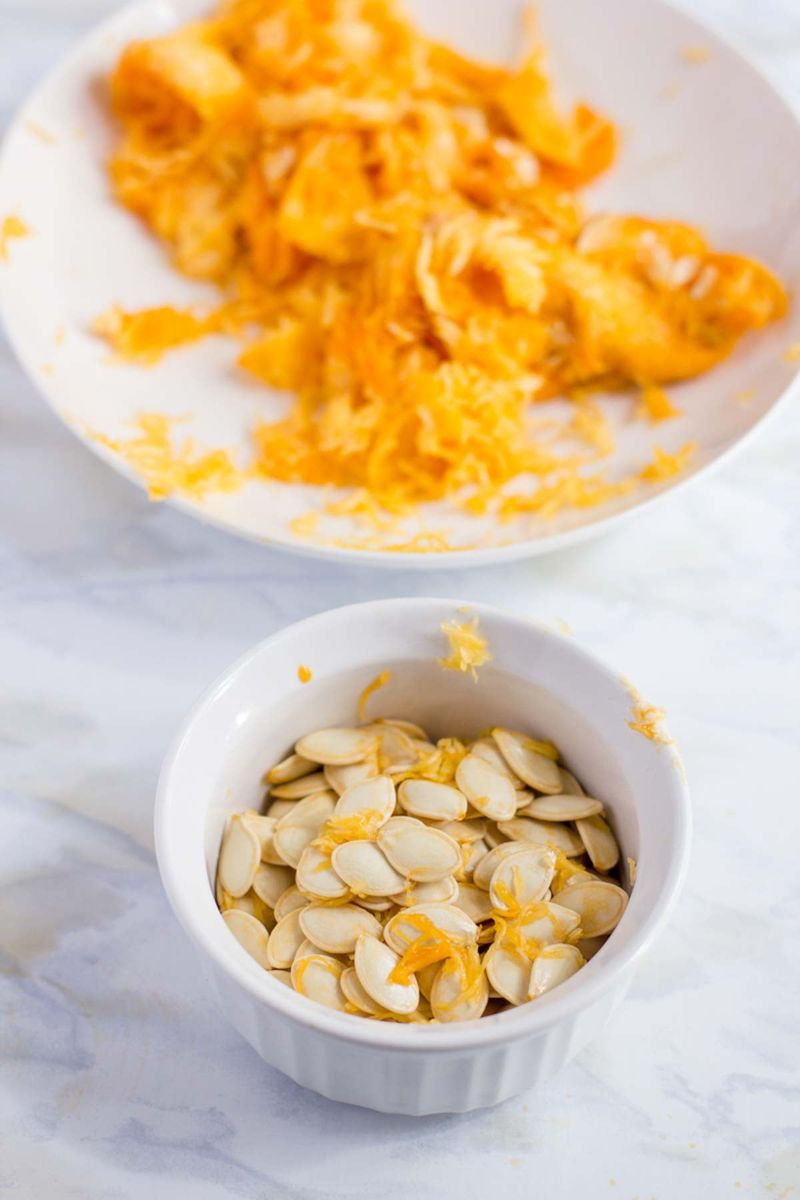
Every gardener I know has a story about a mystery pumpkin vine sprouting from a pile of finished compost. Those volunteer vines are cute at first, then they sprawl across your pepper plants like they own the place.
Most home compost piles stay cooler than the roughly 130 to 140 degrees needed to stop seeds from sprouting. A slow, cool pile lets pumpkin seeds survive the whole process and wake up wherever you spread compost.
Roasting the seeds solves the problem in a tasty way, and you get a crunchy snack out of the deal. Spread cleaned seeds on a baking sheet with a little oil and salt, then bake until golden.
Any roasted seeds you do not eat can go straight into the pile, since cooked seeds cannot sprout. Boiling the seeds for a few minutes works too, if you would rather skip the oven on a warm afternoon.
Some gardeners save a handful of raw seeds to plant, but store-bought pumpkins are often hybrids. Those seeds may grow odd-looking plants unlike the parent, which makes for a fun but unpredictable experiment.
If you want true pumpkins next year, buy fresh seed in spring rather than gambling on Halloween leftovers. In south Louisiana, pumpkins for October harvest usually go in the ground around late June or early July.
Dry any extra raw seeds on paper towels and store them in a cool, dark place until then. Label the envelope with the pumpkin variety, because memory gets fuzzy after a long winter of seed catalogs.
5. Keep Fruit Flies And Raccoons Away From Rotting Pumpkin
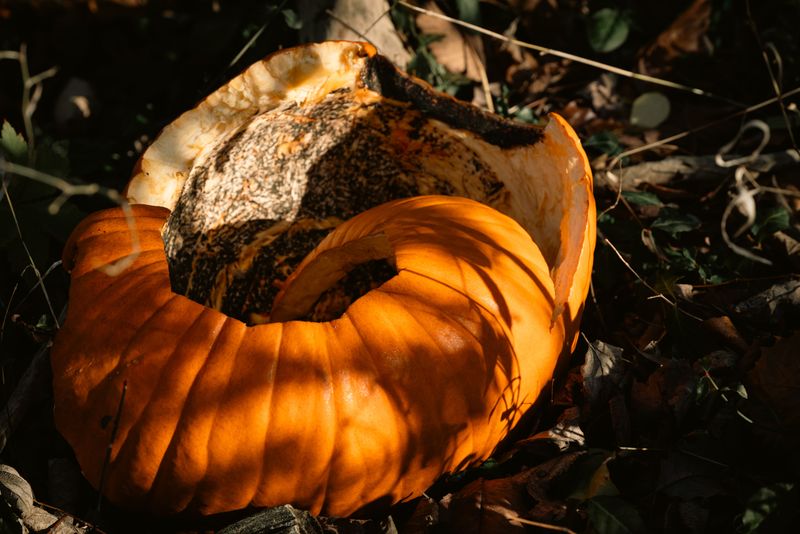
Raccoons have excellent noses, and a sweet pumpkin rotting in the open is basically a dinner bell for them. Fruit flies show up even faster, sometimes within hours, hovering over the soft orange flesh like tiny clouds.
Warm fall weather across the Gulf South keeps insects active longer than in northern states, so cover matters here. A bare pumpkin sitting on top of the pile is an open invitation you probably do not want to send.
Bury every chunk at least several inches deep in the pile, then add a fresh layer of leaves on top. That brown blanket traps smells and makes it harder for fruit flies to lay eggs on the exposed fruit.
A strong sour or rotten smell usually means the pile is too wet or packed too tightly for air. Mix in dry leaves or shredded newspaper, then turn the pile to let oxygen back into the soggy center.
Closed bins with lids or wire mesh bottoms help a lot if rodents or armadillos keep visiting your yard. Hardware cloth under an open pile stops diggers from tunneling up into the tasty middle from below.
Avoid adding meat, dairy, or greasy leftovers to the same pile, since those attract far more critters than pumpkin does. Keeping the menu mostly plant-based helps your compost stay neighbor-friendly through the rest of fall and into winter.
I like checking my pile every few days right after Halloween, when fresh pumpkin is most tempting to visitors. Once the pieces soften and blend into the mix, the pest pressure usually drops off quite quickly.
6. Moldy And Mushy Pumpkins Still Belong In The Compost
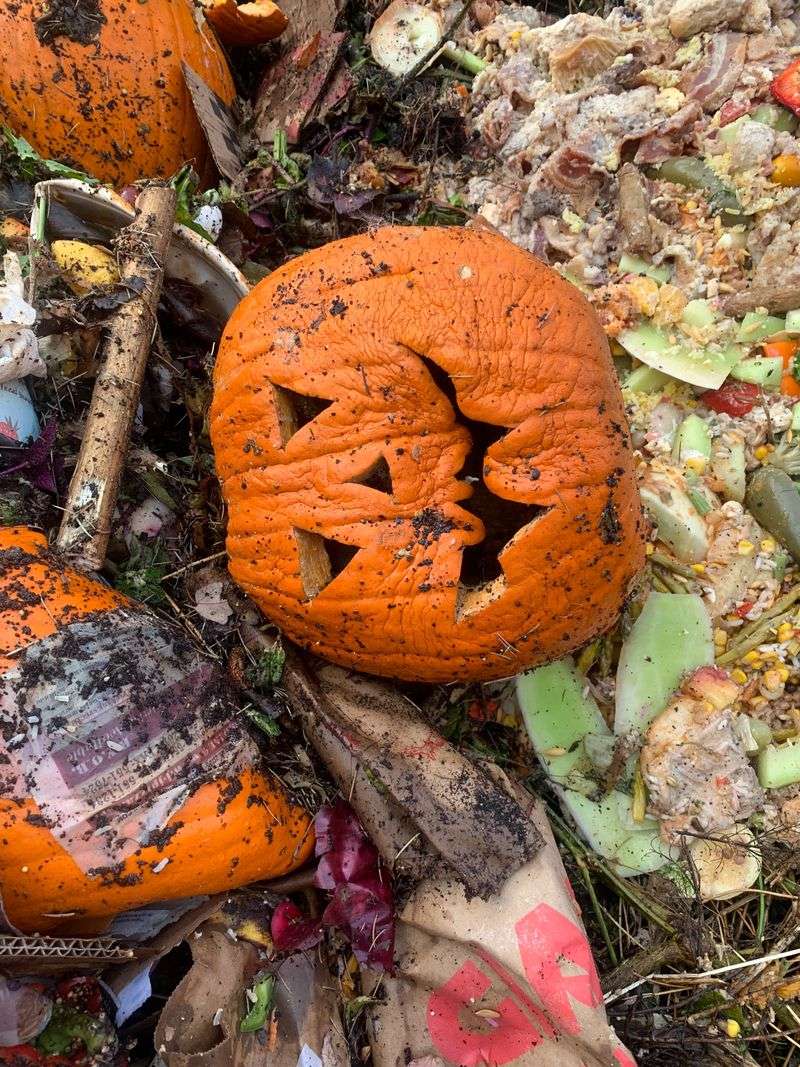
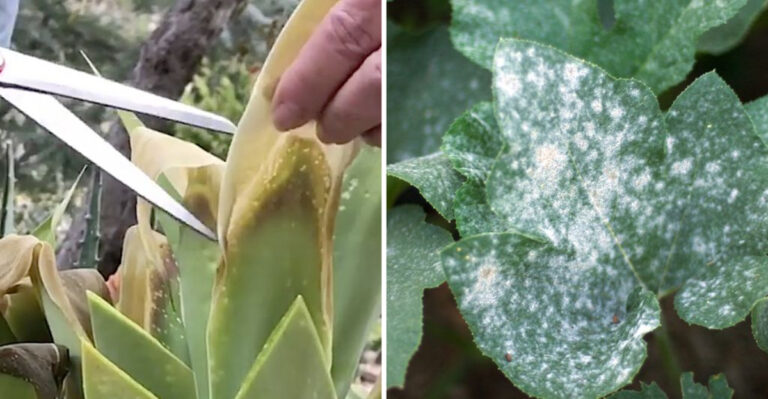
Fuzzy white and blue patches on a slumped jack-o’-lantern look gross, but they mean decomposition is already underway. Molds are simply fungi doing their natural job, and they give your future compost a head start.
So go ahead and add that sad, collapsed pumpkin to your pile, even if it barely holds its shape. Use a shovel or gloves to move it, since handling moldy produce barehanded is messy and can irritate skin.
Some people are sensitive to mold spores, so work outdoors and avoid breathing in clouds of fuzz. Anyone with allergies or asthma might want a simple dust mask while scooping up the soggiest pumpkins.
Mushy pumpkins hold a lot of liquid, so pair them with extra dry leaves or straw in the pile. That extra brown material soaks up the juice and keeps the bin from turning into a smelly swamp.
Moldy pumpkins should not go to wildlife, farm animals, or backyard chickens, because spoiled food can make animals sick. Only fresh, unpainted pumpkins are safe treats for critters, and compost is the better home for the rest.
You can also bury a squishy pumpkin whole in a garden trench if it falls apart when lifted. Just break it up with your shovel inside the hole, then cover it with soil and let worms take over.
I have to admit, the moldiest pumpkins often decompose fastest, since the fungi have already softened the tough flesh. That fuzzy mess on your front porch is much closer to rich garden soil than most folks expect.
7. Drop Off Pumpkins At A Community Compost Event
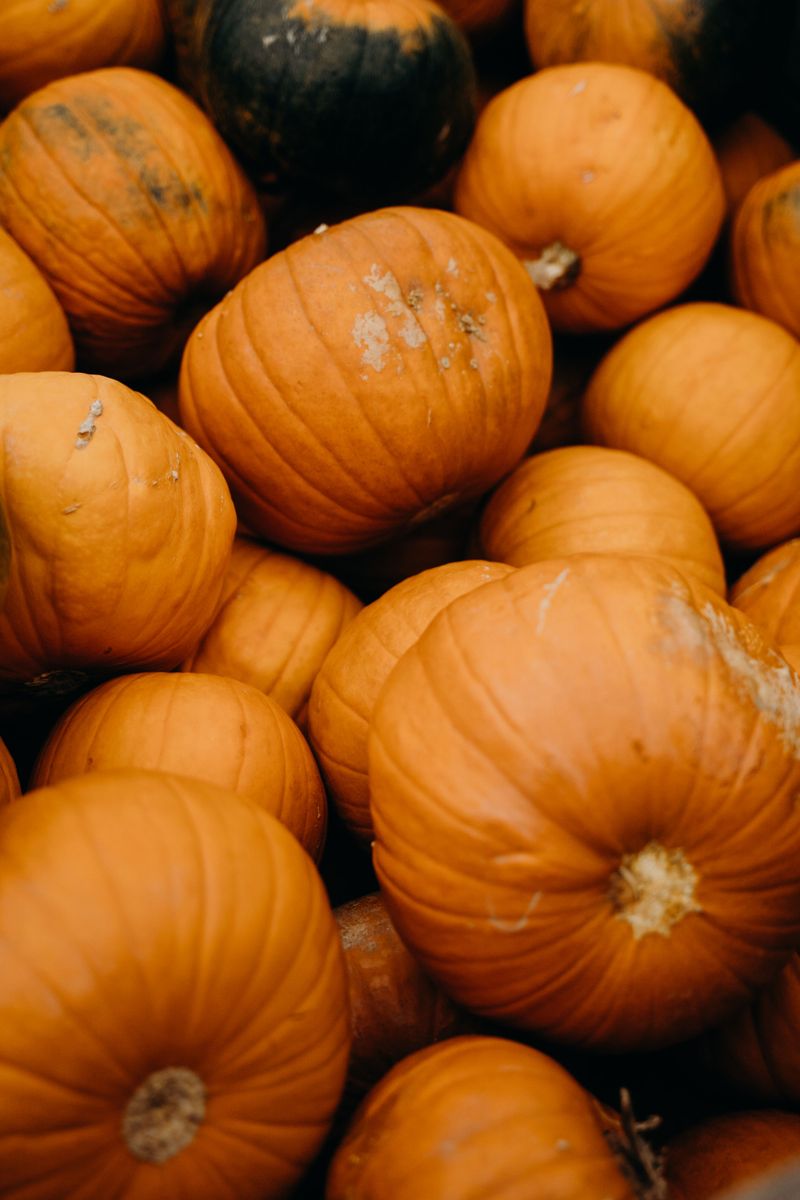
Not everyone has room for a compost pile, and apartment balconies rarely welcome a soggy forty-pound pumpkin. Community compost programs step in nicely, turning your leftovers into soil that feeds local gardens and farms across town.
In New Orleans, groups like Compost NOW collect food scraps at drop-off spots, often near local farmers markets. Some cities and nonprofits host pumpkin smash events in November, where folks hurl their jack-o’-lanterns into collection bins.
Schedules change from year to year, so check official websites or social media pages for current dates and locations. Your local parish government or LSU AgCenter office may also know about nearby drop-off sites this season.
Organizers usually ask you to remove candles and wax, plus any paint, glitter, or plastic decorations first. Plain carved or uncarved pumpkins are typically welcome, while painted ones often have to go in regular trash.
Personally, I love how these events turn a chore into a social outing with neighbors and fellow gardeners. Kids get to smash something with permission, which might be the most exciting part of their whole November.
Some programs offer finished compost back to participants, so ask whether you can bring a bucket home later. That way your pumpkin returns as dark, crumbly soil ready for your containers and raised beds in spring.
Even if you compost at home, a community event is handy when you collect extra pumpkins from friends or neighbors. One small car trip can keep a whole trunkload of squash out of the landfill this fall.
8. Spread Finished Pumpkin Compost In Beds And Pots
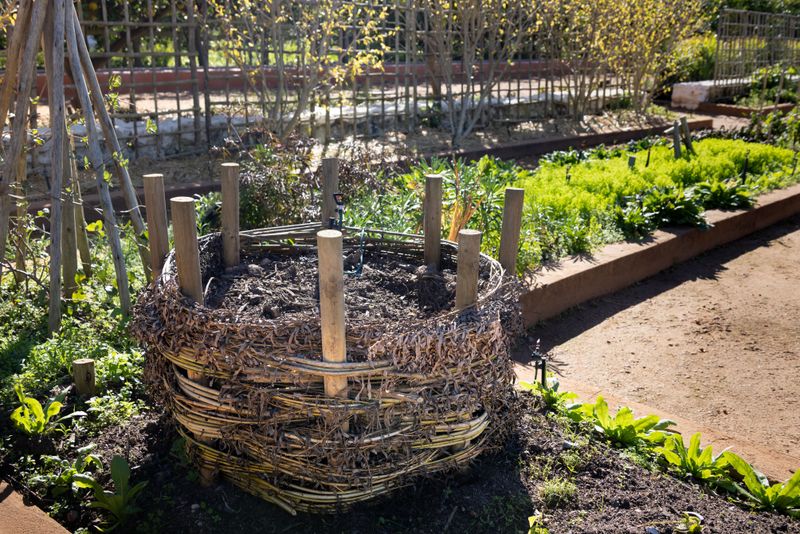
Scooping finished compost feels like opening a treasure chest, except the gold is dark brown and smells earthy. I like how a single crumbly handful can change the way a tired bed or pot drains and feels.
Louisiana soils vary from heavy clay in many yards to sandy ground in parts of the state. Compost helps both, loosening sticky clay while helping sandy soil hold more water between those passing rain showers.
For garden beds, mix two or three inches of compost into the top several inches of soil. That layer improves soil structure and gives roots an easier path as they stretch downward through the bed.
Pots need a lighter touch, so blend roughly one part compost with three or four parts potting mix. Too much compost in a container can hold excess water, which leaves roots soggy during rainy stretches.
Compost adds modest amounts of nutrients that release slowly, but it does not replace fertilizer for hungry vegetables. A soil test through your parish extension office will show exactly what your beds still need before spring.
You can also spread compost as a thin top dressing around shrubs and perennials during cooler months. Rain and earthworms gradually pull it down into the soil without any extra digging on your part.
Watching last October’s jack-o’-lantern feed next summer’s tomatoes is a small joy that makes me grin every time. Your pumpkin started as a holiday decoration, and it ends as free food for your whole garden.