These Venomous Creatures Live In Louisiana, Know What To Watch For In Your Garden
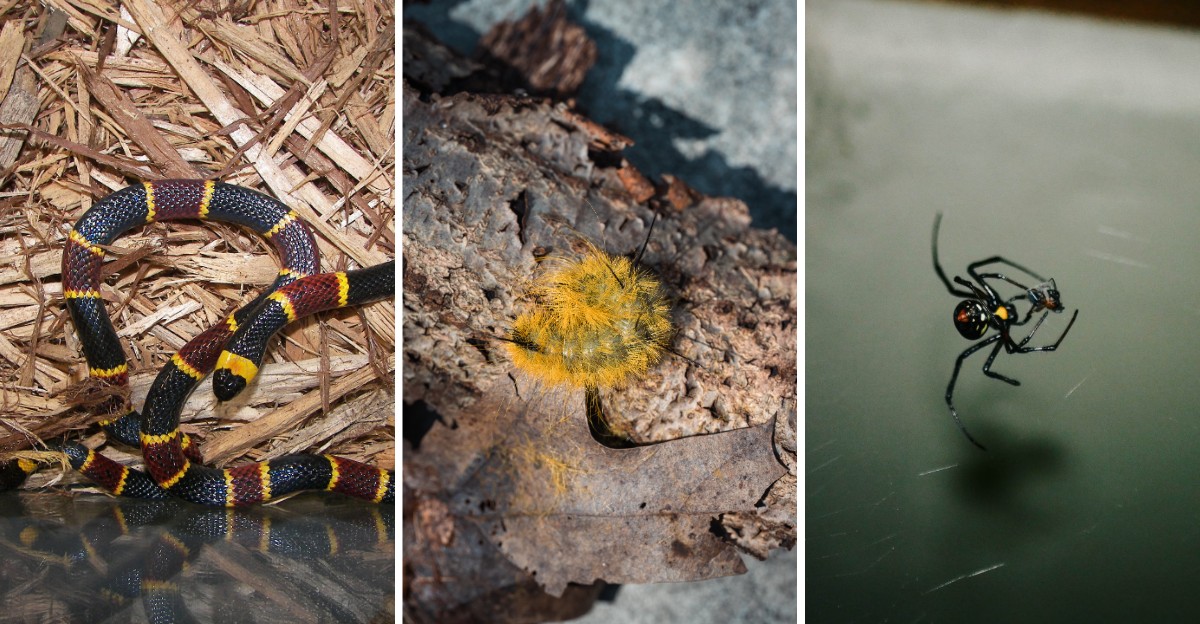
Your trowel hovers over a pile that is already occupied. Louisiana October tempts you outdoors with cool air and soft light.
Hazards hide in the places you reach without looking. Loose bark, stacked pots, and tangled hoses all offer shelter you overlook.
Pine straw looks cozy to you, and it hides more than you think. Across Louisiana, you walk beds where a careless grab sends you to urgent care. Gloves protect you, but awareness protects you faster. Tap soil with a long stick before you dig.
Shadows, textures, and odd movement become signals you can read from a safe distance. Then you spot trouble before it spots you.
Soon you will know exactly which shady corners deserve your caution. Gardeners who read hiding spots plant bolder and stay safer all season. Next comes the leaf pile you raked last weekend.
1. Copperheads In The Leaf Litter
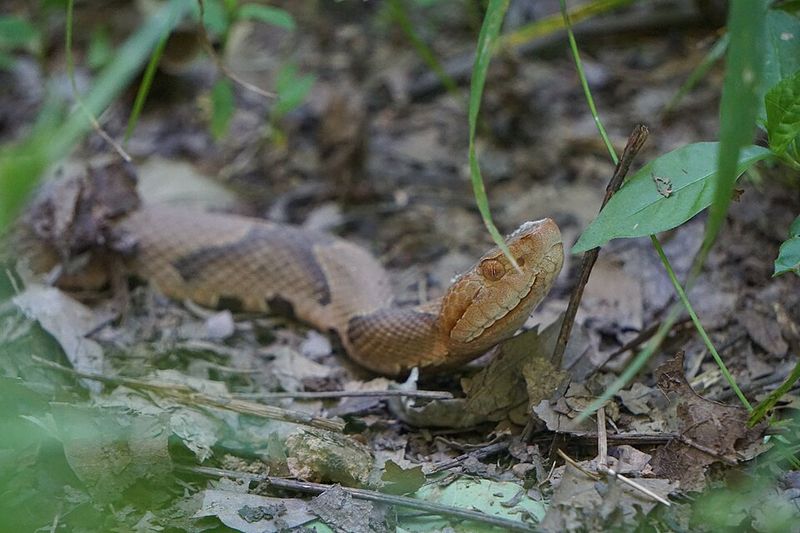
Picture raking oak leaves and spotting what looks like a pile of Hershey’s Kisses wrapped in tan foil. That pattern belongs to the copperhead, a frequent venomous visitor in Louisiana yards.
Copperheads love leaf litter, firewood stacks, and the edges of shady flower beds. Their coppery heads and hourglass bands blend so well that people step close before noticing them.
October is a busy month for these snakes because they hunt hard before cooler weather slows them down. Cicadas, mice, and frogs top the menu, so a buggy garden attracts them.
Many bites happen when someone reaches into mulch, lifts a board, or steps carelessly. Their venom is milder than other pit vipers, yet a bite still swells badly and needs a doctor.
A copperhead usually freezes instead of fleeing, trusting its camouflage. That stillness is why so many folks nearly grab one by accident.
Wear thick gloves and closed shoes whenever you clean out beds or move pots. Use a rake to fluff leaf piles first, giving any hidden snake a chance to slip away.
Keeping grass short and stacking firewood off the ground also helps a lot. Fewer hiding spots mean fewer surprise meetings near your tomatoes and pepper plants.
If you get bitten, stay calm, remove rings, and keep the bitten limb still. Skip ice, cutting, or sucking the wound, and call 911 or Poison Control at 1-800-222-1222.
Baby copperheads have bright yellow tail tips they wiggle like worms to lure frogs. Spot that little yellow flag, and you know to back away slowly.
2. Cottonmouths Near The Pond
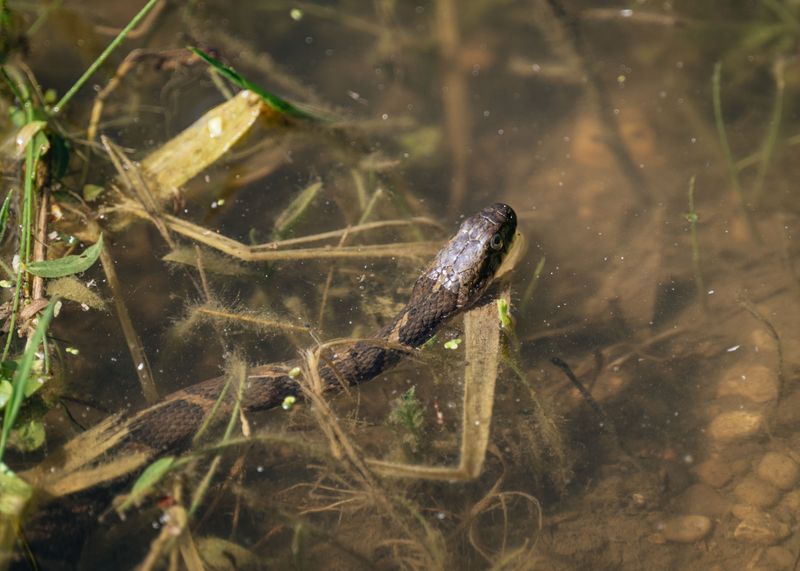
Open wide and show off a mouth as white as freshly picked cotton. That is the cottonmouth’s favorite warning, and Louisiana gardeners near water should learn to read it.
Also called water moccasins, these thick, dark snakes love ponds, ditches, bayou edges, and soggy backyard drainage areas. Rain gardens and fish ponds can look like a five-star hotel to them.
Adults look heavy-bodied, olive to nearly black, with a broad head and a dark stripe through the eye. Younger ones show bold bands and a yellowish tail tip.
Your Louisiana Garden Changes Every Week. Your Plan Should Too.
Gardening in Louisiana changes quickly throughout the season. Every Friday you’ll receive a simple weekly plan showing exactly what to plant, prune, fertilize, harvest, and protect so you never miss the right timing.
Plenty of harmless water snakes get mistaken for cottonmouths and are harmed needlessly. A cottonmouth swims with its whole body floating high, like a pool noodle with attitude.
Their venom breaks down tissue, so a bite causes serious pain, swelling, and lasting damage. Medical care is a must, and antivenom works best when given quickly.
In October, cottonmouths bask on warm banks, patio edges, and sunny rocks near water. Watch your step around pond liners, pump boxes, and tall grass by the shore.
Clear weeds and brush within a few feet of your pond or ditch. Fill low spots that hold water, since puddles invite frogs, and frogs invite hungry snakes.
Carry a flashlight on evening walks, because these snakes roam day and night. Keep pets leashed near water, too, since curious dogs can get bitten on the nose.
Should one gape at you, simply step back and give it room. A cottonmouth would rather bluff than chase you across the yard.
3. Eastern Coral Snakes Under The Mulch
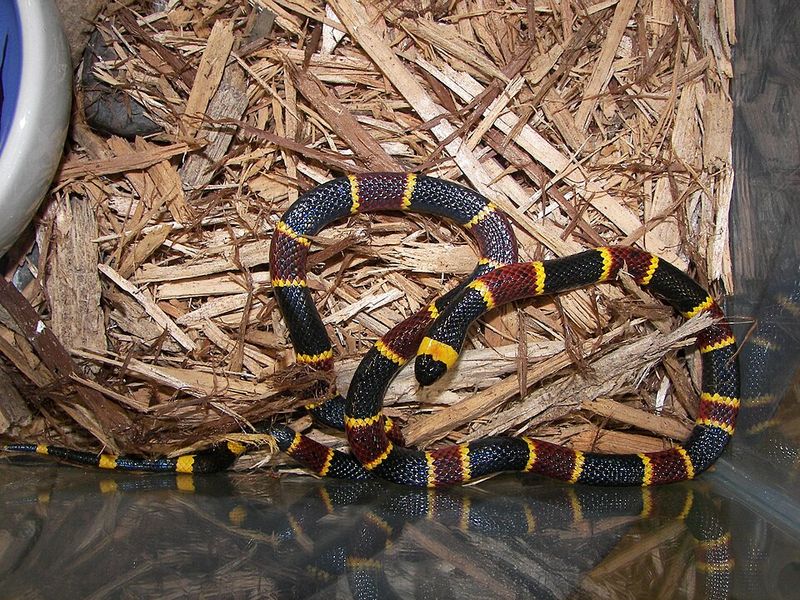
Red touches yellow, harms a fellow. That old rhyme has helped Southern kids for generations, though it only works for North American coral snakes.
Coral snakes are slender, shiny, and banded in red, yellow, and black rings. Their snouts are small and black, so they look more like a toy than a threat.
Harmless lookalikes, such as scarlet kingsnakes, have red bands touching black instead of yellow. Still, rhymes can fail with odd color patterns, so treat any bright banded snake carefully.
These secretive snakes spend most of their time buried in loose soil, mulch, and leaf piles. Eastern coral snakes lack confirmed records since the 1980s; Texas coral snakes live in western Louisiana.
Their venom affects the nervous system, which makes it more dangerous than a copperhead bite. Symptoms may stay hidden for hours before trouble with breathing or swallowing appears.
Any coral snake bite calls for a hospital visit right away, even if you feel fine. Doctors would rather watch you for a day than miss a slow reaction.
Gardeners could meet one while spreading mulch or pulling weeds by hand. Gloves and a hand cultivator keep your fingers out of their favorite hiding spots.
Coral snakes are shy and bite mainly when grabbed or stepped on barefoot. Teach kids to admire colorful snakes with their eyes, not their hands.
Oddly enough, these snakes mostly eat other snakes and small lizards. Their appetite for small snakes makes them one link in the local food chain.
4. Timber Rattlesnakes Along The Woodpile
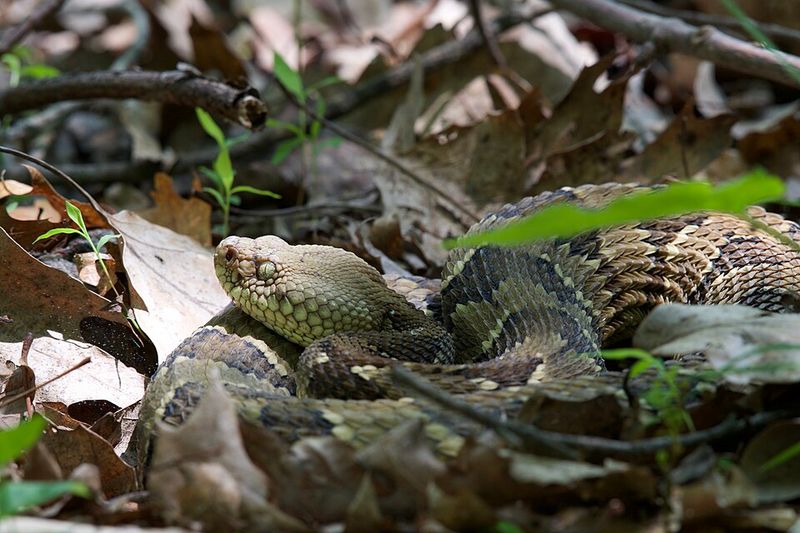
Old-timers in Louisiana call it the canebrake rattler, and the name fits its love for thick cover. Officially, it is the timber rattlesnake, and it ranks among the state’s very largest venomous snakes.
Adults can stretch over five feet, with a tan or pinkish body and dark zigzag bands. A rusty stripe runs down the back, and the dark tail ends in a rattle.
Woodpiles, brush heaps, and the edges of forests are favorite hangouts, especially where mice gather. Homes near hardwood forests or river bottoms see these snakes more than city lots do.
October brings them out to bask before they settle into winter dens. You might find one stretched across a sunny path or coiled beside a stack of logs.
Their venom is strong, and a bite is a true medical emergency. The rattle gives fair warning, but cool weather can make them sluggish and quiet.
Store firewood at least twenty feet from the house and keep it raised off the ground. Clear brush piles in stages, using long tools instead of bare hands.
Controlling rodents is one of the best ways to discourage rattlesnakes. Seal feed bins, pick up fallen birdseed, and keep pet food indoors overnight.
If you hear that dry buzz, freeze and find the snake before moving. Then step back slowly, since the snake mostly wants you gone, too.
Its smaller cousin, the pygmy rattlesnake, also lives in Louisiana and has a rattle like an insect hum. Both deserve plenty of space and a quick call to a wildlife professional.
5. Southern Black Widows Beneath The Pots
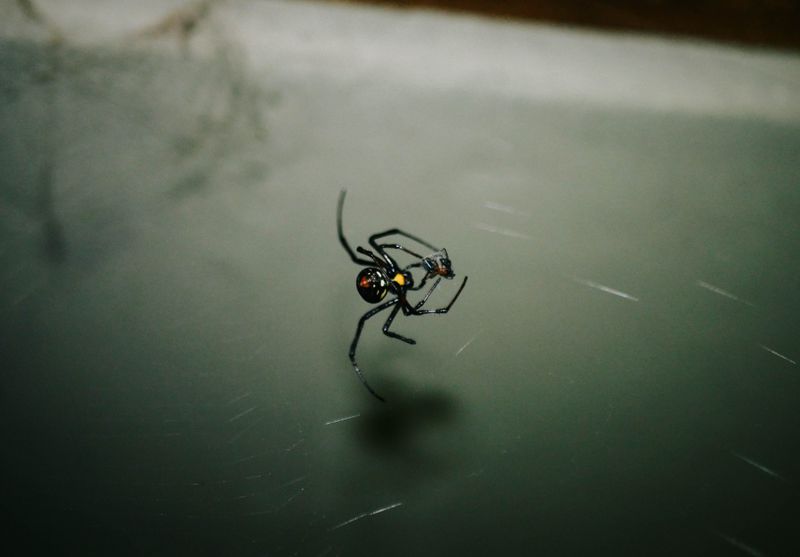
Tip over a clay pot and you might find a glossy black spider with a red hourglass underneath. Meet the southern black widow, the best-known spider on Louisiana porches.
Females are the ones to worry about, with shiny round bellies about the size of a pea. Males are smaller, browner, and pretty much harmless to people.
Widows build messy, tangled webs in dark, dry corners close to the ground. Flower pot rims, water meter boxes, garden hose reels, and outdoor toys are classic spots.
Their venom affects the nerves and can cause painful muscle cramps, sweating, and a stiff belly. Bites are seldom serious for healthy adults, but kids and older folks need quick care.
Wear gloves whenever you lift containers or reach under benches. Shake out boots and work gloves left outside, since spiders love a cozy, empty finger.
A long-handled broom clears webs safely before you start working in a corner. Clutter control matters, too, so stack pots neatly and toss broken ones.
If bitten, wash the area with soap and water and apply a cool cloth. Call poison control or a doctor, especially if cramps or chest tightness show up.
Despite the scary reputation, widows are shy and bite mostly when pressed against skin. They would much rather snack on mosquitoes and beetles than tangle with you.
Their egg sacs look like tiny tan paper balls tucked into the web. Remove them carefully with a stick to keep next spring’s spider crowd smaller.
6. Brown Recluse Spiders Inside The Shed
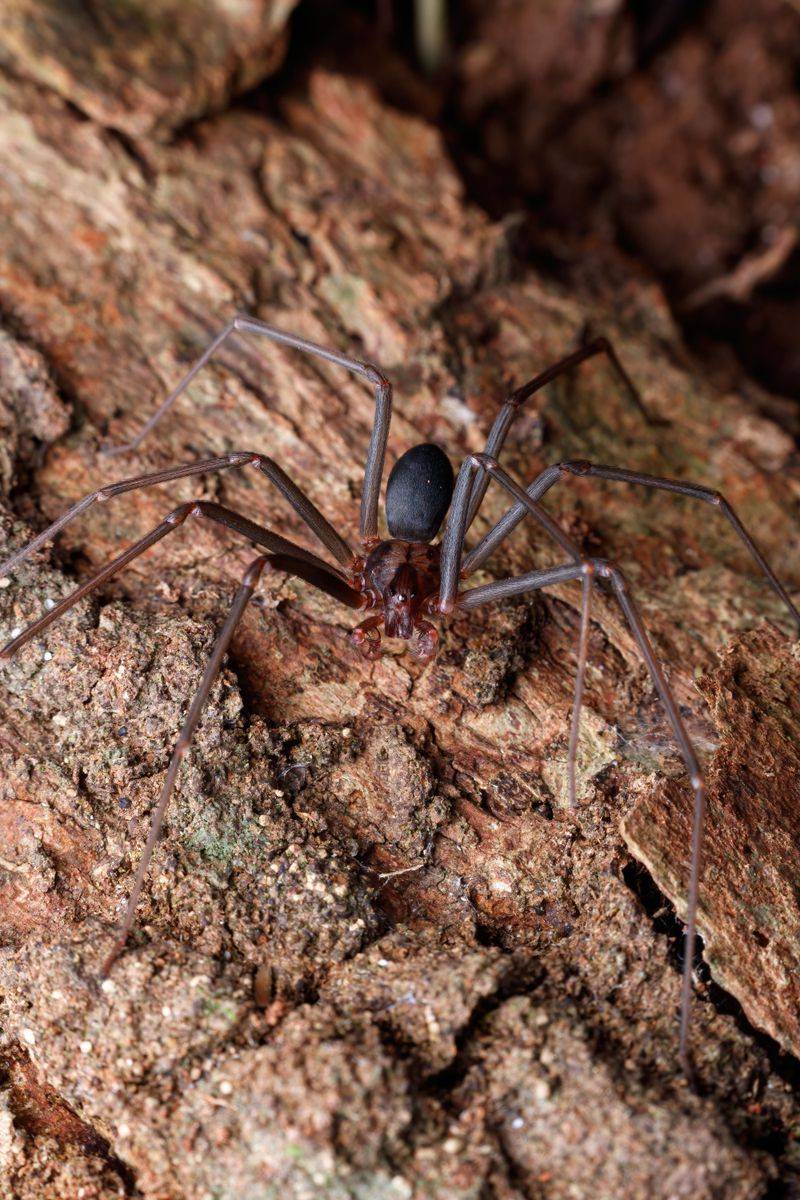
Quiet, tidy, and fond of cardboard boxes, the brown recluse sounds like a perfect roommate. Occasionally, its bite leaves a slow-healing wound that can take weeks.
Look for a light brown spider with long legs and a violin-shaped mark on its back. Six eyes in three pairs set it apart, though you will need close inspection.
Recluses avoid webs for hunting and instead wander at night searching for insects. During the day, they tuck into dark, undisturbed places like sheds, garages, and storage bins.
Garden sheds are prime real estate, especially piles of seed trays, old gloves, and folded tarps. October cleanup often stirs them up as you dig out fall supplies.
Most bites cause only mild redness, but some develop into an open sore over several days. Fever, chills, or a growing dark patch means it is time for a doctor.
Store tools and garden gear in sealed plastic tubs instead of cardboard boxes. Cardboard gives recluses cozy shelter and plenty of nearby prey.
Sticky traps placed along walls and corners help you see how many live in the shed. Check the traps every few weeks and replace them when they fill up.
Before slipping on old gloves or boots, give them a hard shake and a quick look. Keep a flashlight handy to check shelves before reaching into shadowy spots.
Clean up clutter in stages so fleeing spiders have time to scurry off. Vacuuming corners also removes egg sacs and keeps numbers down.
7. Puss Caterpillars On The Oak Leaves
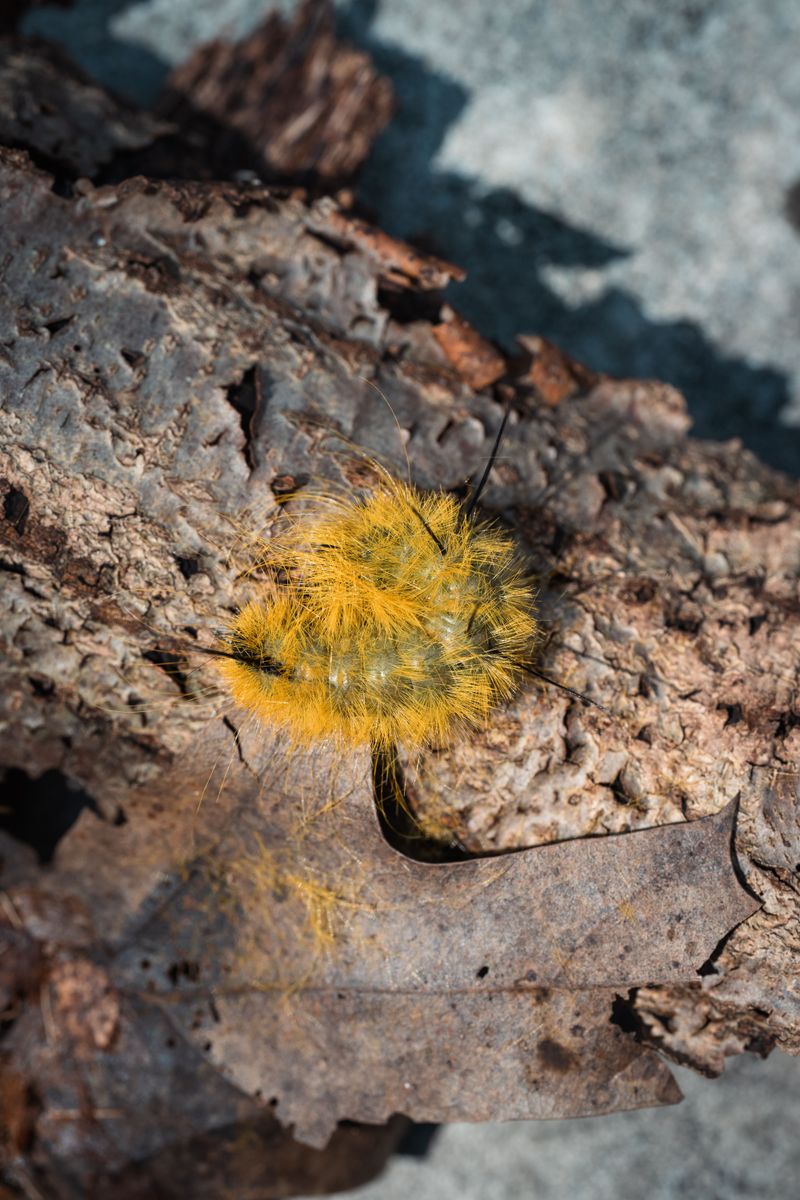
It looks like a tiny toupee, or maybe a lost cotton ball with somewhere to be. Stroke that fluff, though, and you will feel pain within seconds.
The puss caterpillar, also called the southern flannel moth larva, hides venomous spines under its soft hair. Touching one can cause burning pain that some people compare to a broken bone.
Louisiana sees a second fall generation, so October is prime time for these fuzzy pests. Oak, elm, hackberry, and citrus trees are favorite munching spots.
They also crawl onto fences, patio furniture, and playground equipment near trees. Kids often find them first, because who can resist petting something so fluffy?
Stings bring sharp pain, red blotches, swelling, and sometimes headaches or nausea. Press tape over the spot and pull it off to lift out the tiny spines.
Afterward, wash with soap and water and use an ice pack to calm the burn. Seek medical help if breathing troubles, severe swelling, or strong reactions appear.
Teach children to look but not touch any hairy caterpillar in the yard. Gardeners should wear gloves and long sleeves when pruning trees or picking citrus this season.
Knock caterpillars off plants with a stick into a bucket of soapy water. Parasitic wasps and flies curb them, so a wildlife-friendly yard pays off.
Outbreaks come and go from year to year, depending on weather. Some falls bring only a few, while others bring far larger numbers.
Later, each caterpillar becomes a fluffy tan moth with fuzzy legs. The adult moth is harmless, which feels a bit unfair after all that drama.
8. Red Imported Fire Ants Across The Lawn
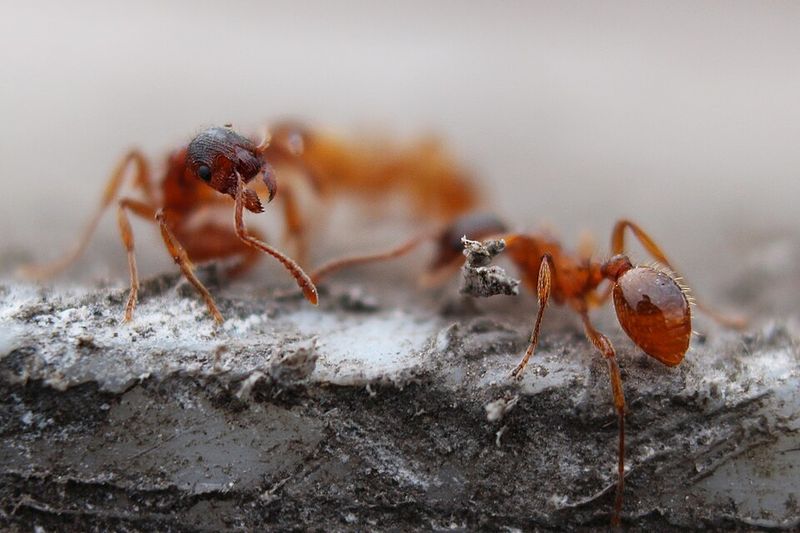
One step onto a fluffy dirt mound and suddenly your ankle feels like it caught fire. Red imported fire ants earned that burning name, and Louisiana has plenty of them.
These ants arrived in the South through Mobile, Alabama, back in the 1930s. Today, federal fire ant quarantine rules cover every parish in Louisiana.
Each ant grabs skin with its jaws, then stings again and again in a circle. Hundreds can sting at once when a mound gets disturbed by a foot or mower.
Stings form itchy white pustules within a day or so. Scratching can lead to infection, so keep the spots clean and covered.
For some people, stings trigger a serious allergic reaction with swelling, hives, or trouble breathing. That situation calls for emergency help and an epinephrine pen if one is available.
Fall is one of the best times to treat mounds, since ants forage actively in mild weather. Broadcast baits across the whole yard, then spot-treat stubborn mounds a few days later.
Apply bait when the grass is dry and rain is not expected for a day. Ants carry the bait back to the queen, which helps clear out the treated colony.
Avoid kicking or digging into mounds, because that only makes the colony move. Wear boots tucked into socks when weeding near warm, sunny spots in the lawn.
After floods, fire ants can form floating rafts by linking their bodies together. Steer clear of those living islands while cleaning up after a storm.