What To Do With Fallen Pine Needles In Ohio
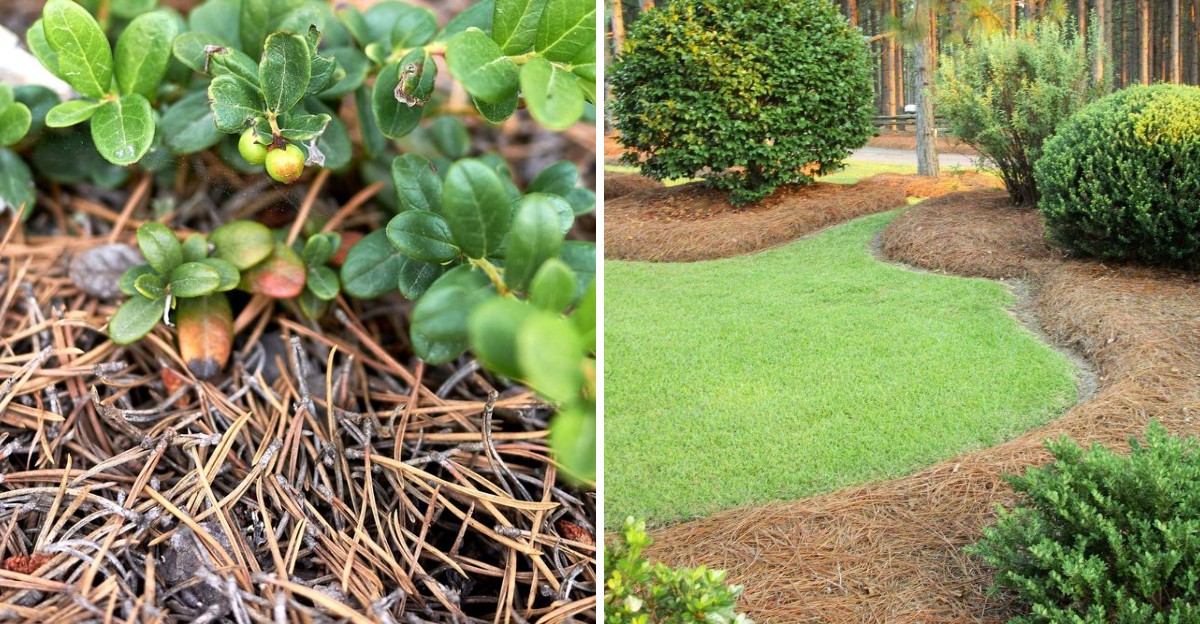
Your pine tree drops needles it grew two or more years ago, and it does this on purpose every fall. That sudden yellow shower is a normal shedding of old inner needles, not a sign of trouble.
I used to rake every last one into paper bags for the curb. Personally, I cringe thinking about it now.
Those slender brown strands hold moisture, block weeds, and cost nothing, while bagged mulch at the garden center keeps getting pricier.
Here in Ohio, white pines, Scotch pines, and Austrian pines can blanket a yard in a few weeks. You need to know one surprising detail before you toss them, though. The old warning about sour soil mostly falls apart under a soil test.
So what should you actually do with that crunchy carpet under your boots? The answer could change your fall cleanup for good.
That Golden Pine Needle Drop Inside Your White Pine Is Perfectly Normal
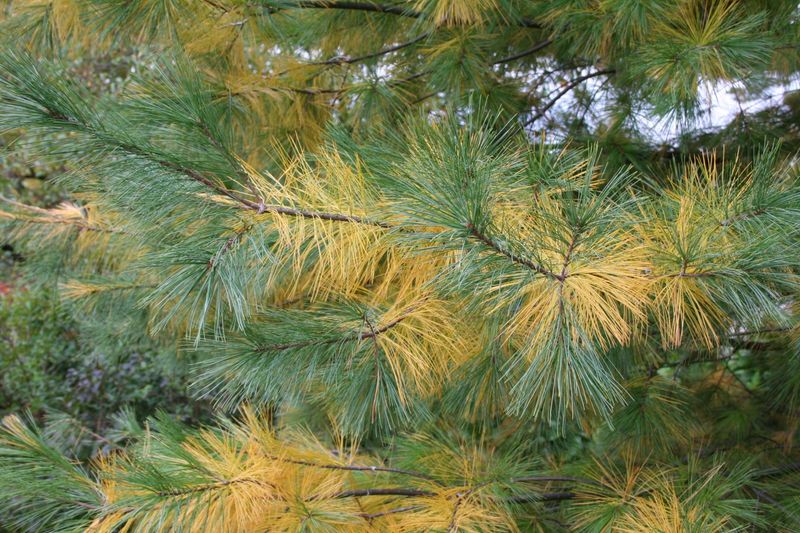
A pine tree turning yellow on the inside can look alarming in September. Relax, because eastern white pine, Ohio’s only native white pine, sheds its oldest inner needles every autumn as part of a normal cycle.
Most white pines hold each needle for about two to three years. The newest growth at the branch tips stays green, while the older needles closer to the trunk turn gold and drop between late September and November.
Scotch, Austrian, and red pines do the same thing on their own schedules.
Extension specialists call this seasonal needle drop, and it rarely signals disease. Worry only if the yellowing shows up at branch tips, appears in spring or summer, or comes with oozing sap and brown patches.
Those clues point to stress such as drought, salt damage, or pests, and a certified arborist can help sort it out.
Once you know the shedding is healthy, the pile under your tree starts to look different. That fluffy layer is a free, renewable supply of material that refills itself every year.
Gardeners down South actually pay good money for bales of it, so you’re sitting on a small treasure.
Spread Pine Straw Mulch Around Your Shrubs And Flower Beds
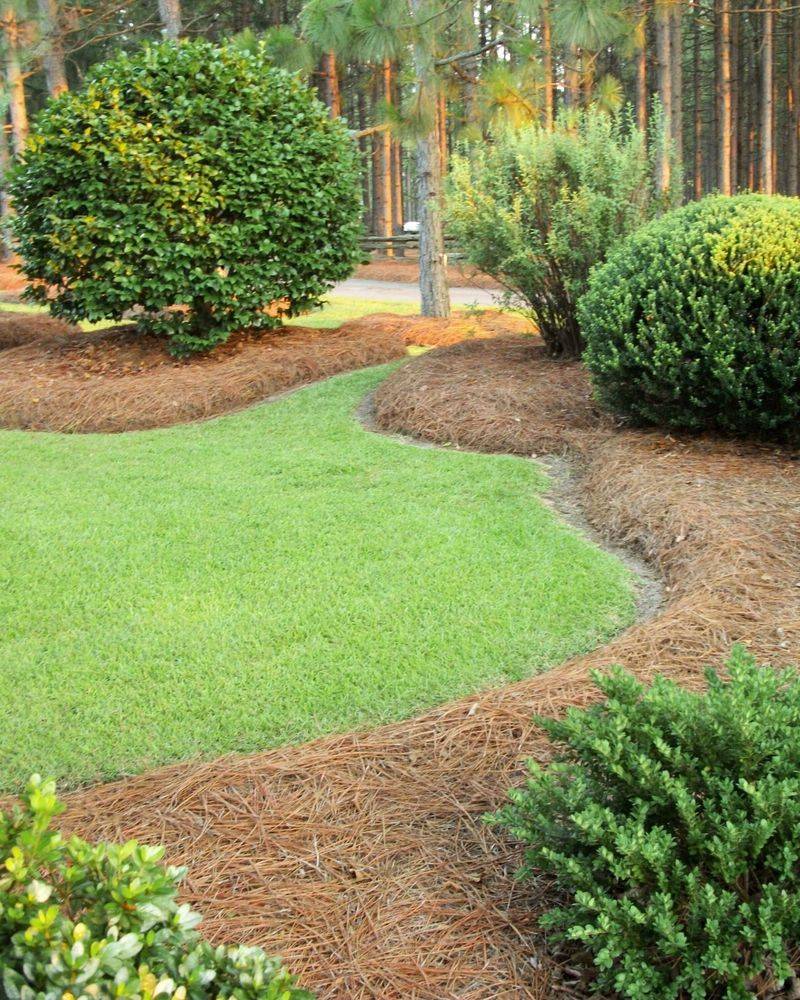
Southern landscapers have a name for this stuff, pine straw. Down in Georgia and the Carolinas, it sells by the bale as a premium mulch, and you can rake up the same thing for free.
Spread fallen needles two to three inches deep around shrubs, trees, and perennial beds. They settle down to about two inches or a bit less within a few weeks.
That layer slows evaporation, keeps soil temperatures steadier, softens the blow of heavy rain, and smothers many weed seeds before they sprout.
I love how airy pine needles are compared with shredded bark. Water and oxygen slip right through, so they rarely mat down or form a crusty cap the way wet leaves can.
They also break down slowly, which means one application can look tidy for a year or more.
Keep the needles a few inches away from tree trunks and shrub stems. Piling mulch against bark holds moisture where you don’t want it and invites rot and rodents.
Your Ohio Garden Changes Every Week. Your Plan Should Too.
Gardening in Ohio changes quickly throughout the season. Every Friday you’ll receive a simple weekly plan showing exactly what to plant, prune, fertilize, harvest, and protect so you never miss the right timing.
Fall is a smart time to spread a fresh layer, after the soil has cooled a bit but before the ground freezes in late November or December.
A Simple Soil Test Busts The Acidic Pine Needle Myth
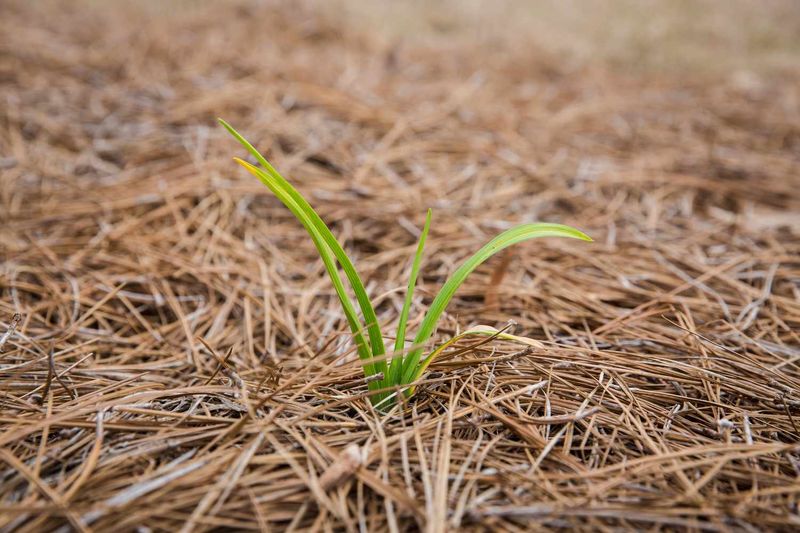
Old garden lore says pine needles turn soil sour. I believed it for years, and I bet plenty of you did too.
Fresh green needles do have a low pH, often somewhere between 3.2 and 3.8. By the time they turn brown and fall, much of that acidity has faded, and soil microbes handle the rest as the needles break down.
Research shared by Oregon State University and other extension programs shows that a mulch layer of fallen needles makes little measurable change in soil pH.
Why do people see acidic soil under pine forests, then? Pines often grow naturally on soils that were already acidic, and decades of steady rainfall leach minerals over time.
The trees were following the soil, not creating it.
Much of Ohio has neutral to alkaline soil, especially in the glaciated western and northern counties, where limestone sits close to the surface. A topping of needles won’t swing that chemistry much.
If you want to know your actual pH, a soil test from your county extension office or a lab is cheap and tells you far more than any mulch rumor.
So go ahead and use them around roses, hostas, and vegetables without fretting.
Blueberries And Azaleas Still Love A Pine Needle Blanket
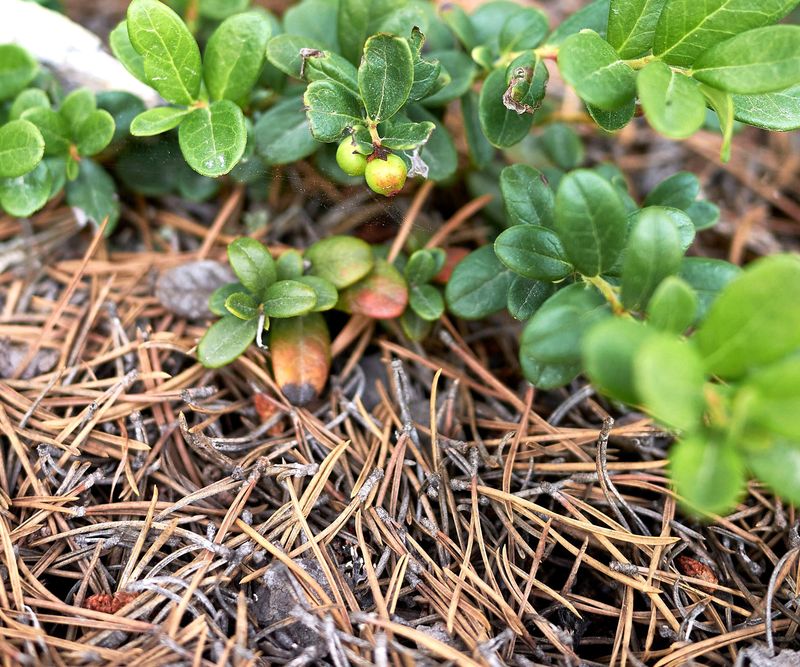
Blueberries can be fussy little divas. They want a soil pH around 4.5 to 5.5, which is lower than most Ohio yards offer naturally.
Pine needles won’t fix that pH problem on their own, so lower the pH first with elemental sulfur, guided by a soil test. Once the soil is right, pine straw becomes a lovely partner.
It keeps the shallow, fibrous roots of blueberries, azaleas, rhododendrons, and mountain laurel cool and evenly moist, which these plants crave.
Shallow roots dry out fast during summer heat waves. A three-inch layer of needles acts like a sunhat for the soil, and it won’t compact around delicate root zones the way heavy wood chips sometimes do.
Hollies and heathers appreciate the same treatment.
A fun detail for you. In the wild, many of these shrubs grow under conifers and oaks, so a carpet of brown needles looks right at home beneath them.
Top up the layer each fall as it thins, and pull it back slightly in early spring if you plan to feed the plants with an acid fertilizer. Your berry bushes will thank you with plumper fruit and fewer drought tantrums.
Toss Shredded Pine Needles Into The Compost Bin
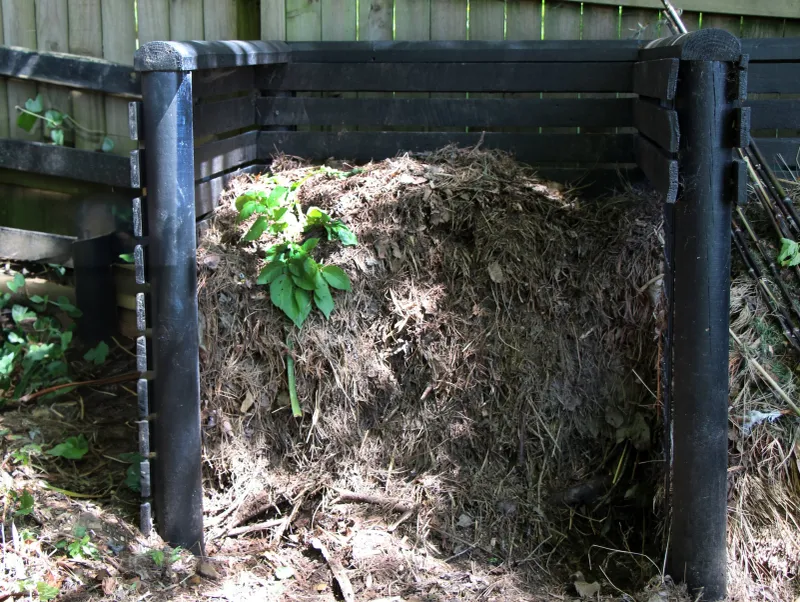
Toss a big armful of whole pine needles into a compost bin and come back in a year. Odds are many of them will still look like needles, thanks to a waxy coating that helps them shed water on the tree.
That slow pace isn’t a dealbreaker. Pine needles count as a brown, carbon-rich ingredient, and they add fluffy structure that keeps air moving through the pile.
Many composting guides suggest keeping them to about 10 percent of the total volume so they don’t slow everything down.
Shredding makes a huge difference. Run the lawn mower over a pile of needles with the bagger attached, and you’ll get chopped bits that break down much faster.
Mix them with green materials like grass clippings, coffee grounds, and vegetable scraps, then keep the pile about as moist as a wrung-out sponge.
Worried about acidic compost? Finished compost tends to land close to neutral, even when pine needles go in.
If you have more needles than your bin can handle, set the extras aside in a separate pile. They’ll keep for months and make a handy brown layer to cover fresh kitchen scraps all winter long.
Pine Needle Garden Paths And Slopes Stay Put When Rain Hits
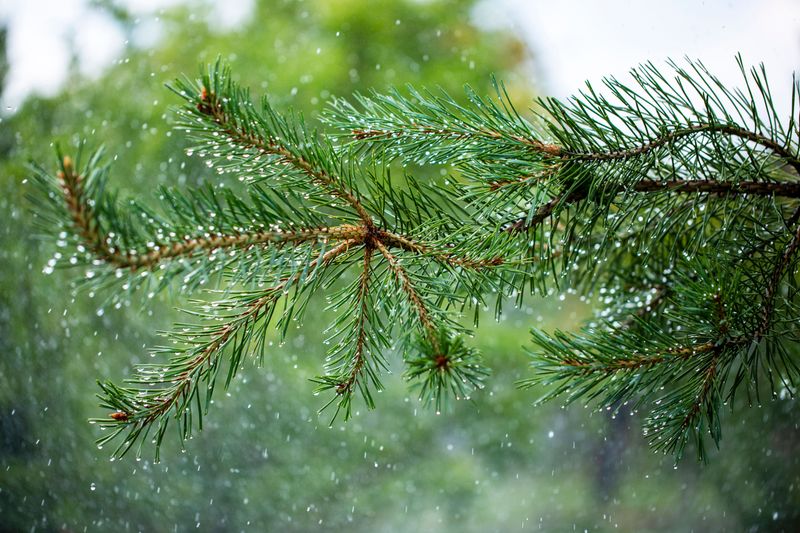
Muddy shoes between raised beds drive me up the wall. A thick layer of pine needles solves that problem fast, and it smells wonderful on a warm afternoon.
Lay down about three to four inches on lightly used garden paths, the alleys between vegetable rows, or a winding trail through a woodland garden. The needles cushion your steps, reduce soil compaction, and keep mud off your boots.
For better weed control, put a layer of plain cardboard underneath first.
Slopes are where pine straw really earns its keep. The long, thin needles knit together as they settle, forming a loose mat that stays put better than many shredded mulches during a downpour.
That grip helps slow runoff and hold soil in place on banks and hillsides, which matters in the hilly southeastern part of Ohio.
Bark nuggets tend to float and wash downhill after a summer storm. Needles mostly stay where you put them.
Just add a fresh layer each year, since foot traffic and weather slowly break the path down into soil, which is a pretty nice side effect anyway.
Keep Dry Pine Needles Away From Decks, Steps, And House Foundations
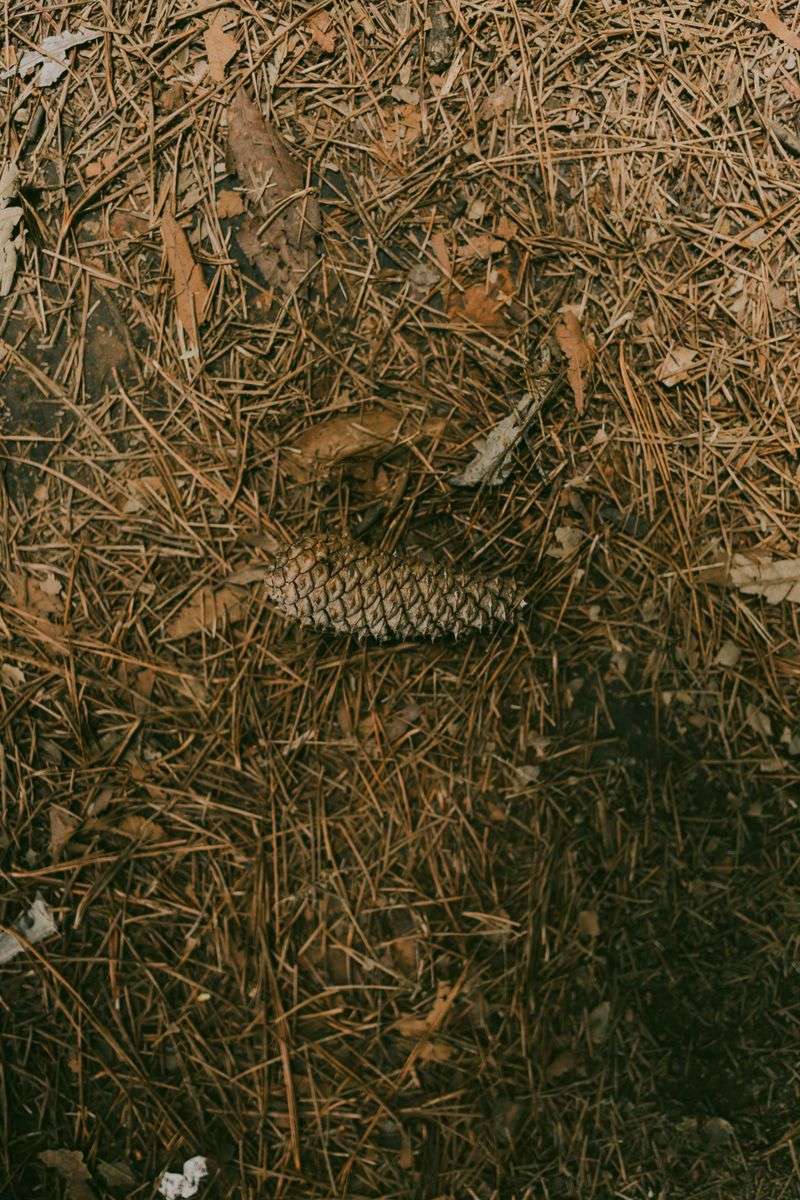
Dry pine needles catch fire easily. That fact deserves a little respect, especially during a breezy, dry stretch of fall weather.
Keep needle mulch a few feet away from house foundations, wooden siding, decks, and fire pits. Fire safety experts recommend a buffer of noncombustible material, like gravel or bare soil, right next to buildings.
Slippery footing is the other surprise. Pine needles on stone steps, paved walkways, and wooden decks get slick, especially after rain or a light frost.
Sweep those hard surfaces regularly so nobody takes an unexpected tumble on the way to the mailbox.
Gutters deserve a quick look too. Needles slide into them and clump into soggy mats that block downspouts, which can send water spilling over the edges toward your foundation.
Clean them out in late fall after most of the needles have dropped, and consider gutter guards with fine mesh if a big white pine towers over your roof.
Storm drains near the curb are worth a glance as well. Many Ohio communities ask residents to keep yard debris out of streets so it doesn’t clog drains or wash into local creeks.
Rake Pine Needles Off The Lawn And Save A Pile For Winter Strawberries
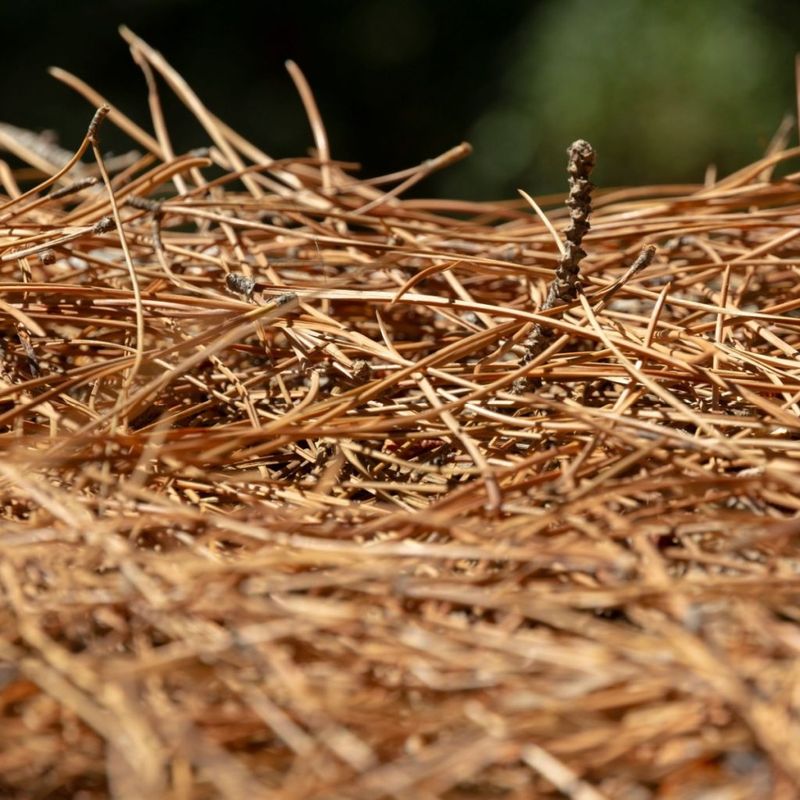
Grass and a thick carpet of pine needles don’t get along. A heavy layer left on the lawn blocks sunlight and can leave pale, thin patches by spring, so rake or blow the needles off turf every few weeks during the fall drop.
Don’t send them to the curb just yet. Stash a pile in a corner of the yard or stuff them into old feed sacks.
Once the ground freezes, usually in December, spread a loose two-inch layer over strawberry beds and tender perennials.
That cover helps prevent the freeze-and-thaw cycle that heaves roots out of the soil. It also lets water and air through without smothering the crowns.
In spring, pull the needles back as new growth appears and tuck them between strawberry rows. The berries rest on a clean, dry cushion instead of muddy soil.
I find this whole routine oddly satisfying. One tree feeds your mulch beds, compost, paths, and winter protection, and the trash bags stay in the garage.
If you truly have too many, most cities across the state collect yard waste for composting, so the extras still go somewhere useful.