These Are The Ohio Native Plants That Outperform Salvia In Hot Dry Spots And Keep Blooming Longer
Salvia is the go-to answer for hot dry spots in Ohio gardens and it earns that reputation. Tough, colorful, and reliable enough that most gardeners never question it.
But salvia has limits. Bloom time winds down earlier than anyone wants, and reseeding habits can create more work than expected.
The look also starts feeling predictable after a few seasons. Ohio has native plants that handle the same brutal conditions, including full sun, poor soil, and weeks without rain.
They keep producing blooms well past the point salvia calls it a season. Most of them fly completely under the radar at garden centers because they do not have the same marketing behind them.
But in the ground, in actual heat, they outperform salvia in ways that become obvious fast. Hot dry spots in a garden are not a problem to manage around.
They are an opportunity for the right plants to genuinely shine.
1. Wild Bergamot Brings Long-Lasting Color To Dry Sunny Borders
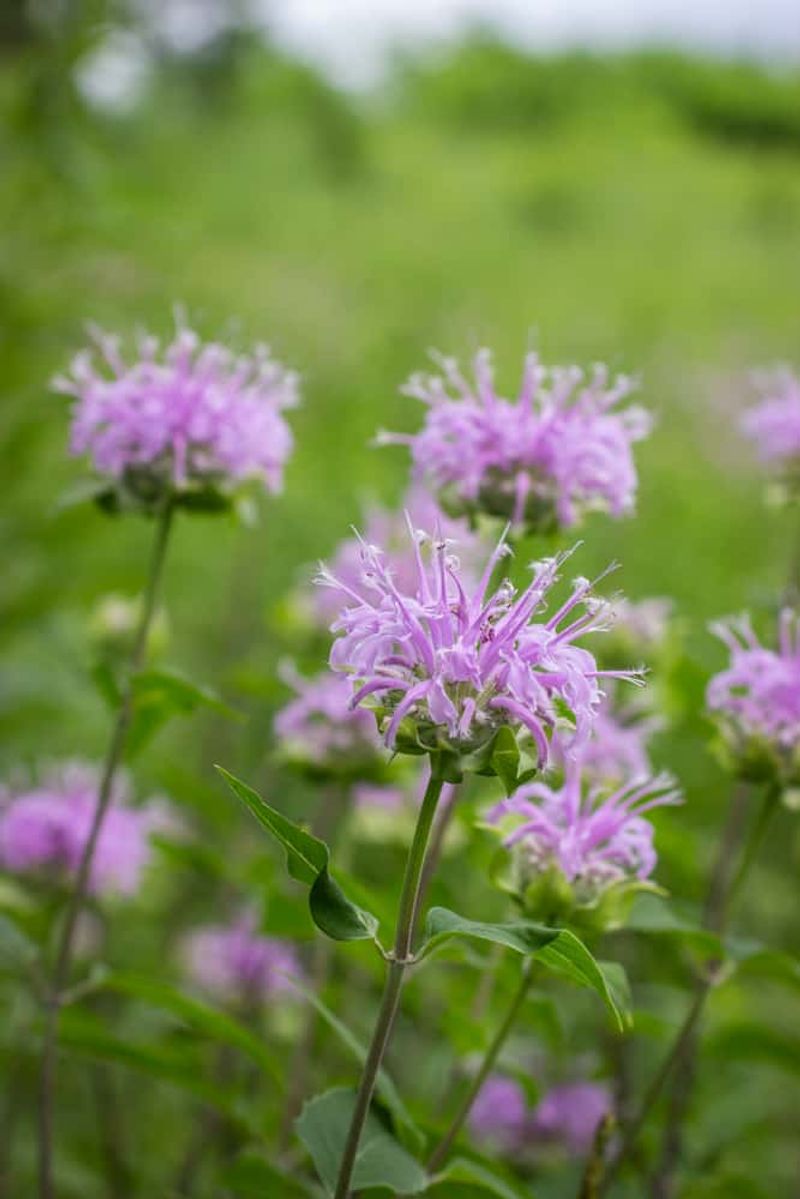
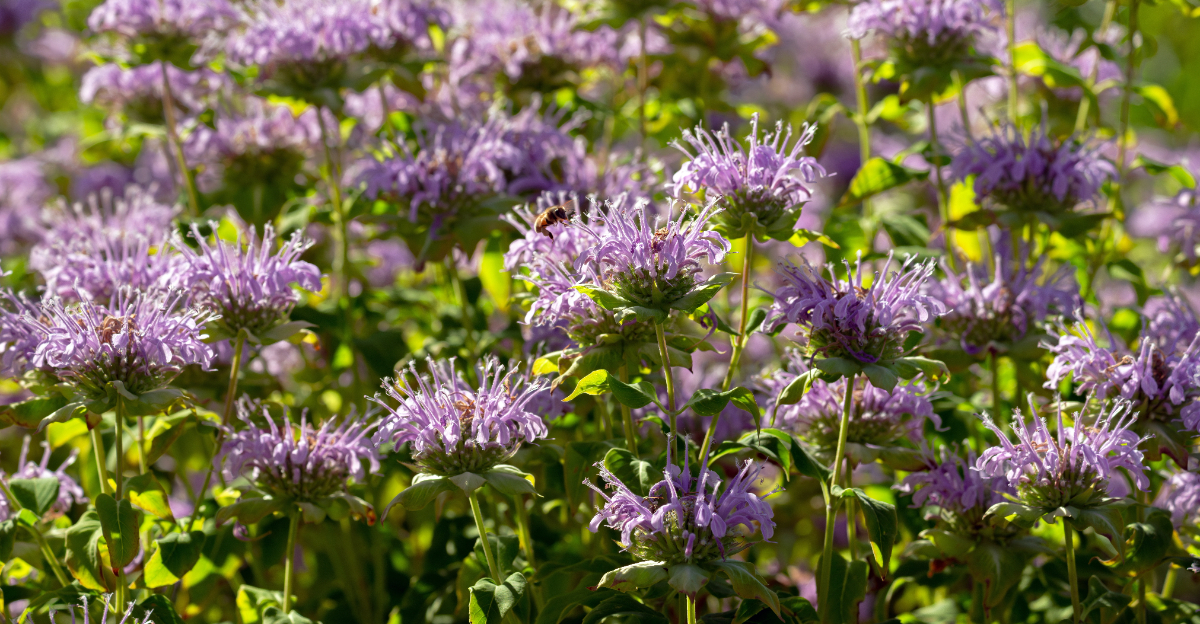
Few native perennials pull double duty quite like wild bergamot. The lavender-pink blooms open in midsummer and hold their color for several weeks, attracting bumblebees, native bees, and butterflies in serious numbers.
That kind of pollinator traffic is hard to match with most ornamental salvias, which tend to draw fewer specialist native bee species.
Wild bergamot, known botanically as Monarda fistulosa, is native to Ohio and grows well in sunny, dry to medium sites once its roots are established. State University Extension recognizes it as a strong choice for prairie-style and meadow plantings.
It handles leaner soils better than many flowering perennials, and its aromatic foliage adds sensory interest even when blooms aren’t open.
One honest caution: powdery mildew can be a problem, especially in humid summers or spots with poor airflow. Give plants room to breathe by spacing them at least 18 to 24 inches apart.
Dividing clumps every few years keeps them vigorous and helps reduce mildew pressure. The seedheads that follow the flowers are attractive through fall and provide food for small birds.
Plant wild bergamot in groups of three or more for the strongest visual effect and the best pollinator use.
2. Butterfly Weed Keeps Blooming Where Heat Builds Fast
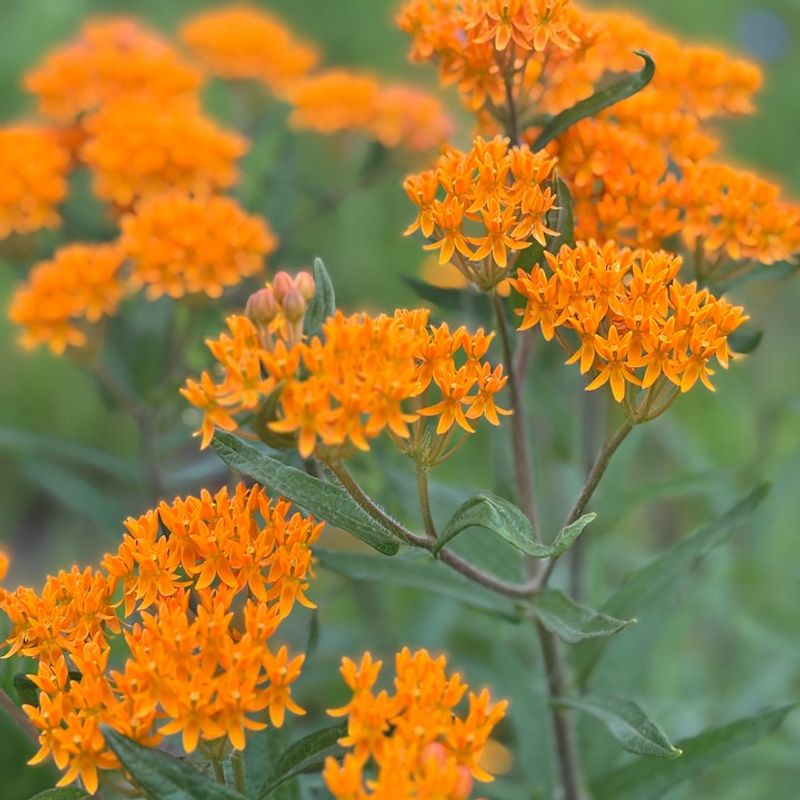
Bright orange clusters of butterfly weed flowers look almost too cheerful for the hottest, driest corner of a garden bed. Yet that is exactly where Asclepias tuberosa thrives.
Unlike many perennials that wilt and sulk through August heat, butterfly weed keeps producing blooms in full sun and well-drained soil. That includes gravelly and sandy spots that would exhaust most ornamentals.
Beyond the flowers, butterfly weed serves as a host plant for monarch butterflies, which lay eggs on its foliage. That connection to monarch conservation gives this plant a role that no ornamental salvia can fill.
The Department of Natural Resources lists it as a native species well suited to dry prairies and open sites across the state.
There is one important thing to know before planting: butterfly weed develops a deep taproot and does not transplant well once established. Choose your spot carefully and plan to leave it there.
Your Ohio Garden Changes Every Week. Your Plan Should Too.
Gardening in Ohio changes quickly throughout the season. Every Friday you’ll receive a simple weekly plan showing exactly what to plant, prune, fertilize, harvest, and protect so you never miss the right timing.
Container-grown plants establish more reliably than bare root divisions. New plants need consistent watering through their first season, but once rooted in, they are remarkably self-sufficient.
The seed pods that follow the flowers are also ornamental, splitting open to release silky seeds that drift in the breeze through late summer.
3. Purple Coneflower Handles Dry Spells With Strong Summer Flowers
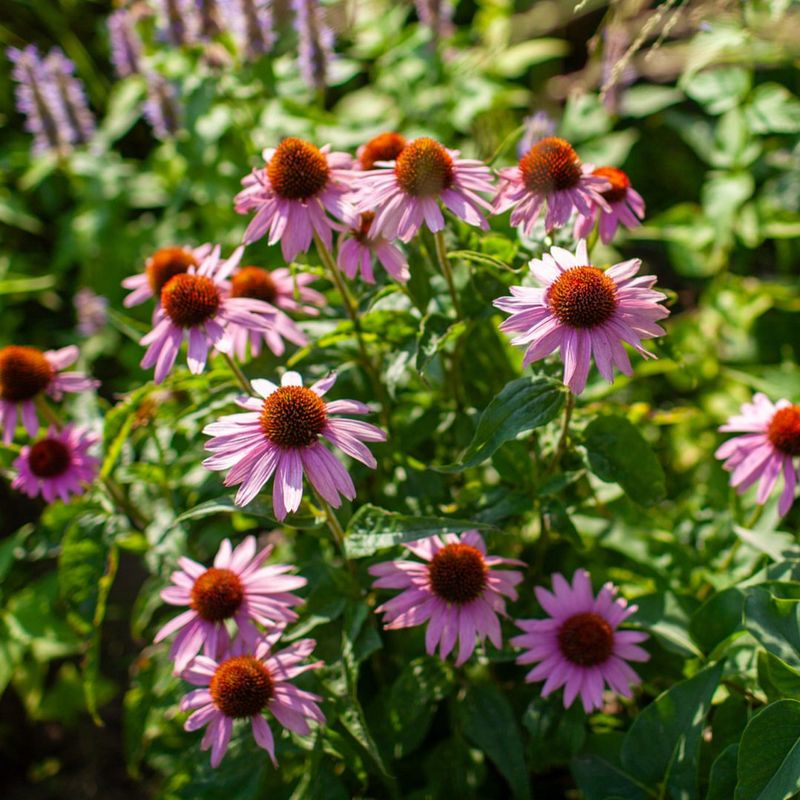
Purple coneflower has earned its reputation as one of the most reliable summer perennials for sunny beds. Echinacea purpurea produces bold pink-purple daisy-like flowers from midsummer into early fall.
The cone-shaped seedheads that follow attract goldfinches and other seed-eating birds well into winter. That combination of flower interest and late-season structure gives it a longer season of value than most ornamental salvias.
It handles dry spells reasonably well after establishment, though it performs best in well-drained soil. Heavy clay that stays wet through winter can be a problem, so improving drainage before planting pays off.
Buckeye State gardeners dealing with compacted or poorly drained beds should amend the soil or consider a raised bed approach.
Purple coneflower is not a nonstop bloomer the way some annual salvias are. It makes up for that with its extended seedhead season and strong pollinator support during peak bloom.
Native bees, bumblebees, and butterflies all visit the flowers regularly. Trimming spent blooms can encourage a second flush of flowers, but leaving at least some seedheads standing rewards birds.
Plant it in groups rather than as a single specimen for the most impact in a border or prairie-style planting.
4. Black-Eyed Susan Delivers Reliable Color In Tough Sunny Beds
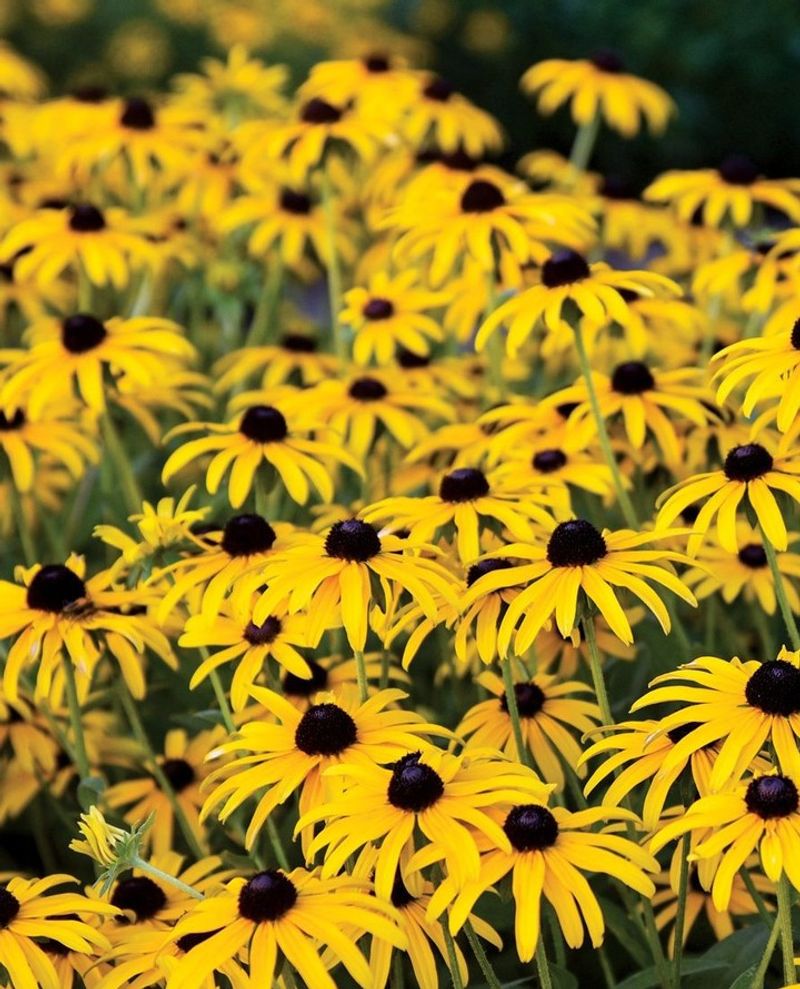
Golden yellow petals around a dark brown center make black-eyed Susan one of the most recognizable wildflowers across this state.
It is tough, cheerful, and surprisingly unfussy about soil quality, which is exactly what you need when a sunny bed bakes through July and August.
Rudbeckia hirta, the annual or short-lived perennial species, tends to reseed freely. Rudbeckia fulgida is a more reliably perennial option with a longer bloom season.
Both types handle average to dry soil once established and bring strong color to borders that might otherwise look tired by midsummer.
Compared to salvia, black-eyed Susan gives a more informal, wildflower-style look that fits naturally into cottage gardens, prairie plantings, and naturalized edges.
Native bees, bumblebees, and beetles visit the flowers throughout summer, and goldfinches rely on the seedheads in fall.
A few practical notes: some cultivars can get leggy or flop if soil is too rich or too shaded, so lean soil and full sun keep plants upright and compact. Cutting plants back by one-third in early summer can delay bloom and prevent flopping in taller selections.
Check plant tags carefully, since some cultivars are bred for compact form while others spread more aggressively. Spacing plants 18 inches apart allows good airflow.
5. Prairie Blazing Star Adds Heat-Loving Blooms That Pollinators Find Fast
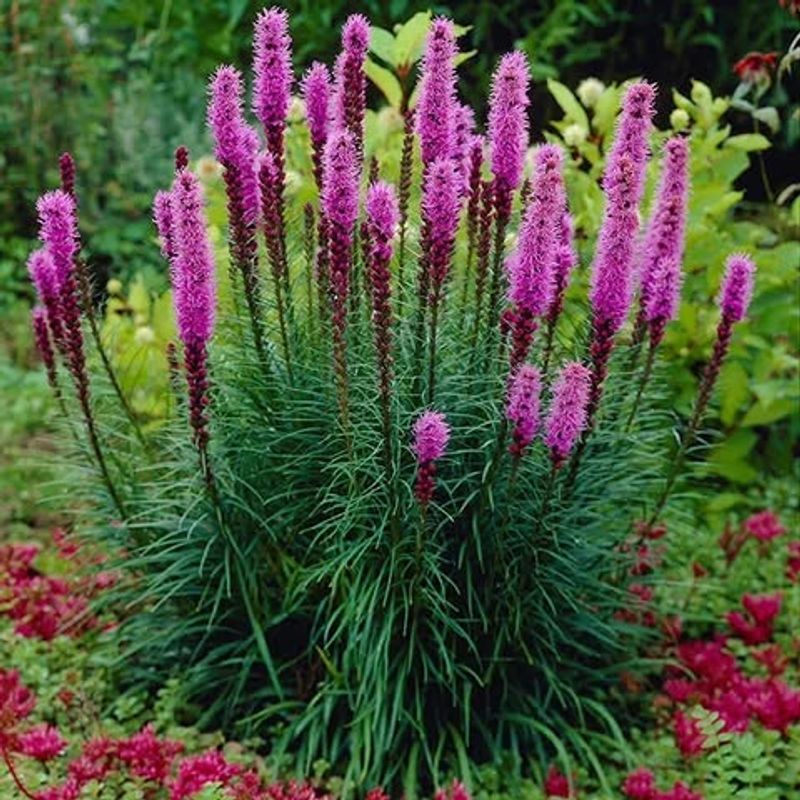
Tall purple flower spikes rising straight out of a dry sunny bed have a way of stopping garden visitors mid-step. Prairie blazing star, Liatris pycnostachya, delivers exactly that kind of vertical drama in midsummer.
Butterflies, especially monarchs and swallowtails, find those spikes fast. The upright habit echoes the vertical look that makes salvia popular in formal borders, but with a decidedly native prairie character.
This species is native to Ohio’s prairies and open sites and thrives in full sun with well-drained soil. It handles drought well once established, and its corm-like roots store energy efficiently through dry stretches.
One firm caution: soggy winter soil can cause root problems, so avoid low spots or areas where water pools after rain.
Planting blazing star in groups of five or more creates a much stronger visual effect than a single plant.
Pairing it with shorter native grasses or low-growing perennials like coneflower provides support for the stems in windy spots and adds texture to the planting.
Flowers open from the top of the spike downward, which is unusual and gives the plant a distinctive look.
After blooms fade, the fluffy seedheads persist and attract finches, extending the season well beyond the flower stage through September and into October.
6. Anise Hyssop Stretches The Flower Show Through Hot Weather
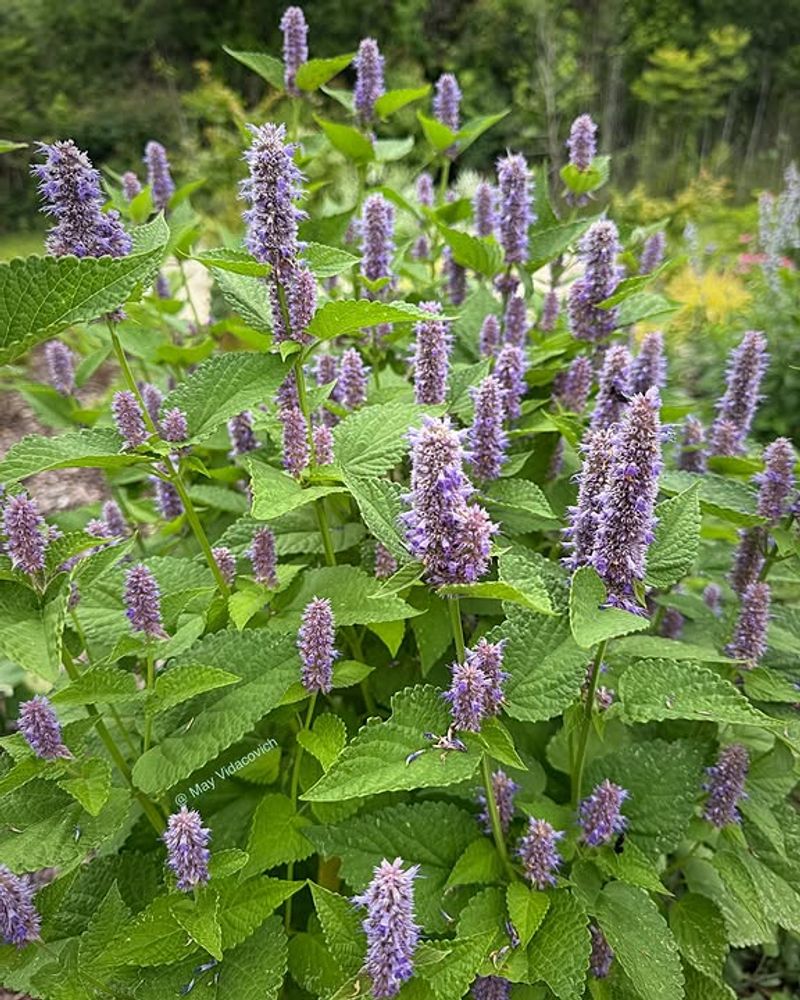
Anise hyssop is a plant worth knowing well before you label it. Agastache foeniculum is native to parts of the upper Midwest and Great Plains, and it is widely used in pollinator gardens.
Its native status within this state’s specific boundaries is not as clear-cut as plants like wild bergamot or blazing star. Think of it as a regionally appropriate, native-adjacent pollinator plant that performs well in Ohio conditions rather than a strictly local native.
That nuance aside, anise hyssop earns its place in dry sunny beds through sheer performance.
Its fragrant, licorice-scented foliage is pleasant to brush past, and the lavender-blue flower spikes bloom from midsummer well into fall if the plant is sited correctly.
Bumblebees, native bees, and hummingbirds visit the flowers consistently. It handles full sun and well-drained soil well and tends to reseed modestly, filling gaps without becoming aggressive.
Good drainage is especially important going into winter. Wet, poorly drained soil through the cold months is the most common reason this plant doesn’t return reliably.
Plant it in a spot with full sun and lean or sandy soil for the best long-term results. Cutting spent spikes back by half in midsummer can encourage a second flush of fresh blooms before frost arrives in fall.
7. Ohio Spiderwort Keeps Sending Up Blooms In Harsh Sunny Spots
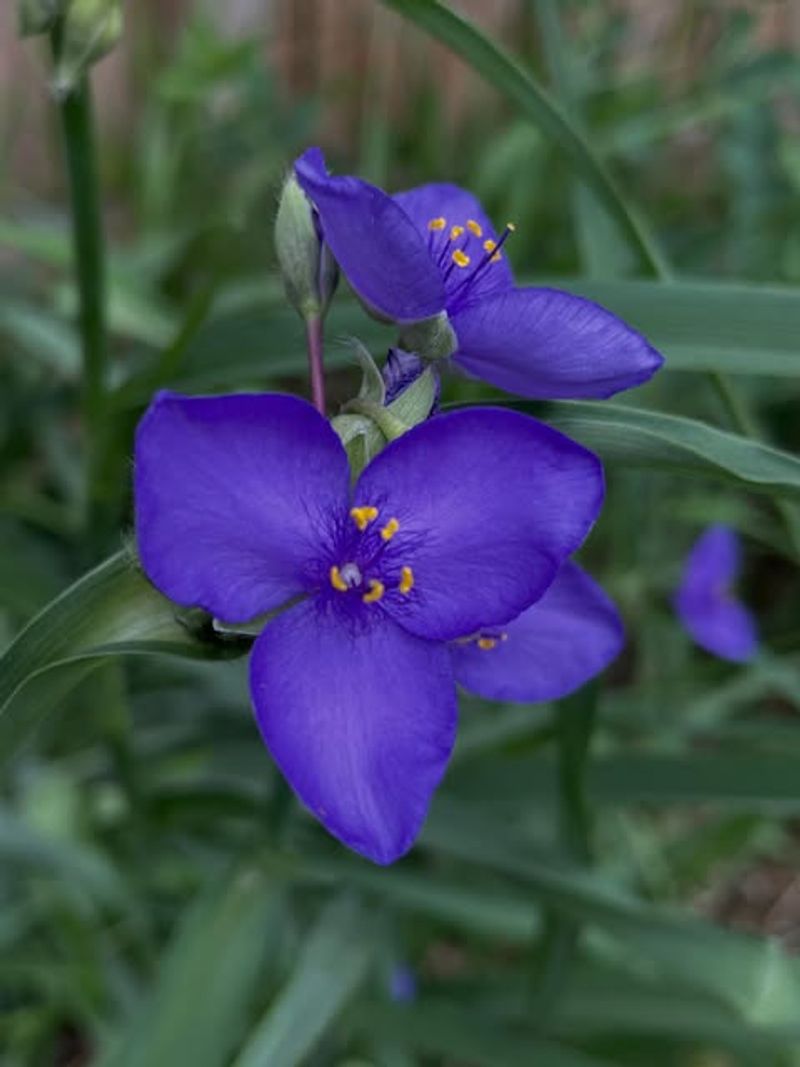
There is something almost old-fashioned and charming about Ohio spiderwort. Tradescantia ohiensis is native to this state, and its common name literally carries the state’s identity.
The three-petaled blue to violet flowers open in the morning and close by afternoon, which surprises some gardeners. The plant compensates by producing new buds over a long stretch from late spring through early summer.
It handles full sun and average to dry soils better than many people expect, especially once its roots settle in. The grass-like foliage adds a fine texture that contrasts well with bolder-leaved plants in a mixed border.
After the main bloom period, plants can get floppy and look a bit tired in hot weather. Cutting them back by half after flowering encourages fresh foliage growth and can sometimes produce a second round of blooms later in the season.
Compared to salvia, spiderwort offers a softer, more relaxed rhythm of bloom rather than a solid wall of color. That makes it a better fit for informal cottage-style or naturalized plantings than for tight, formal borders.
Native bees visit the flowers for pollen in the morning hours when blooms are open. Plant it near plants that fill in visually later in summer, so the bed stays interesting after spiderwort’s peak bloom winds down.
8. Little Bluestem Carries Dry Beds After Flowers Start Fading
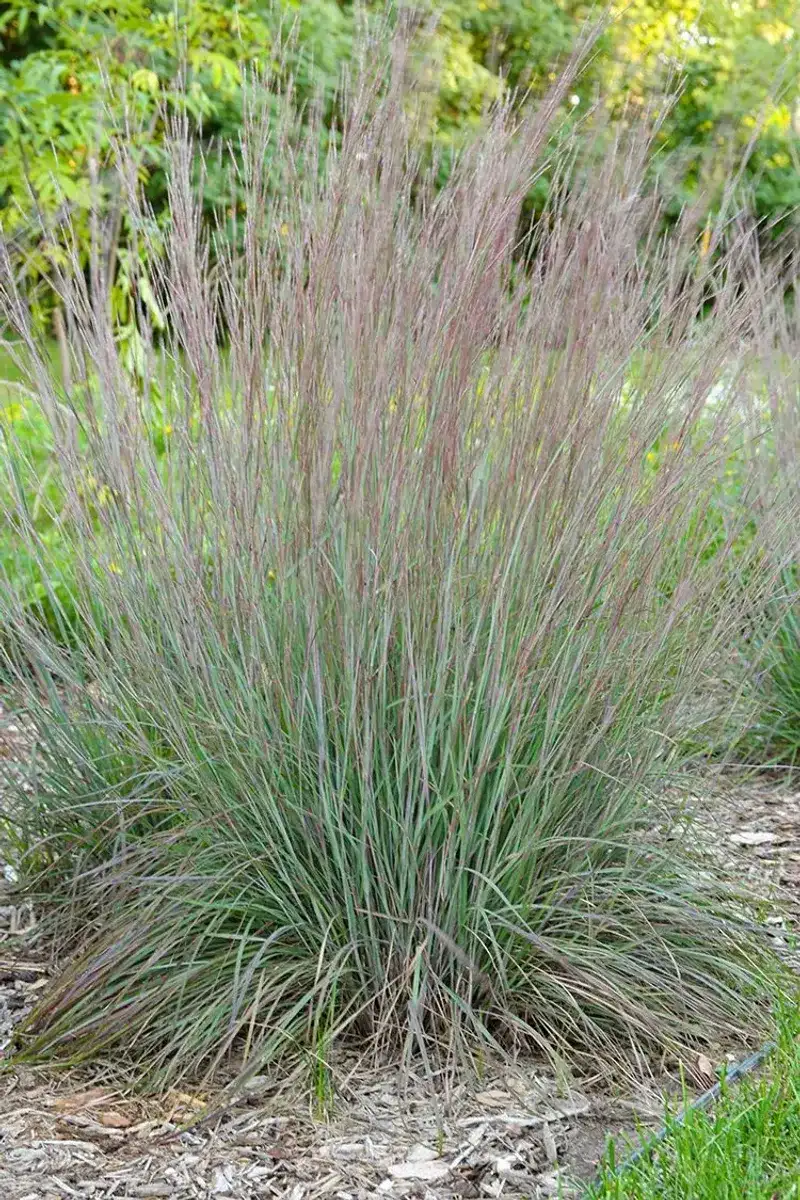
Most articles about hot dry garden plants focus entirely on flowers. Little bluestem reminds us that structure and texture matter just as much once summer blooms start fading.
This native warm-season grass, Schizachyrium scoparium, is one of the most drought-tolerant plants you can put in a full-sun, well-drained bed in this state. It earns its keep from midsummer all the way through winter.
During summer, the upright blue-green foliage creates a strong vertical presence that pairs beautifully with coneflowers, blazing star, and black-eyed Susan.
As temperatures cool in fall, the foliage turns a rich copper-orange-red that rivals any ornamental grass on the market.
The fluffy white seedheads that appear alongside the fall color attract birds and catch the light in a way that makes the whole bed glow on sunny autumn mornings.
Little bluestem thrives in lean, dry soils and actually performs worse in rich, overly fertile ground, where it tends to flop. Full sun is non-negotiable.
Cut old growth back to about four inches in late winter or very early spring before new growth begins. Cutting too early in fall can reduce winter interest and weaken the plant.
Planting it in drifts of five or more creates the most natural, prairie-inspired effect in a sunny border.