Those Leafy Balls High In Florida Oaks Are Squirrel Nests, And Winter Is When You Finally See Them
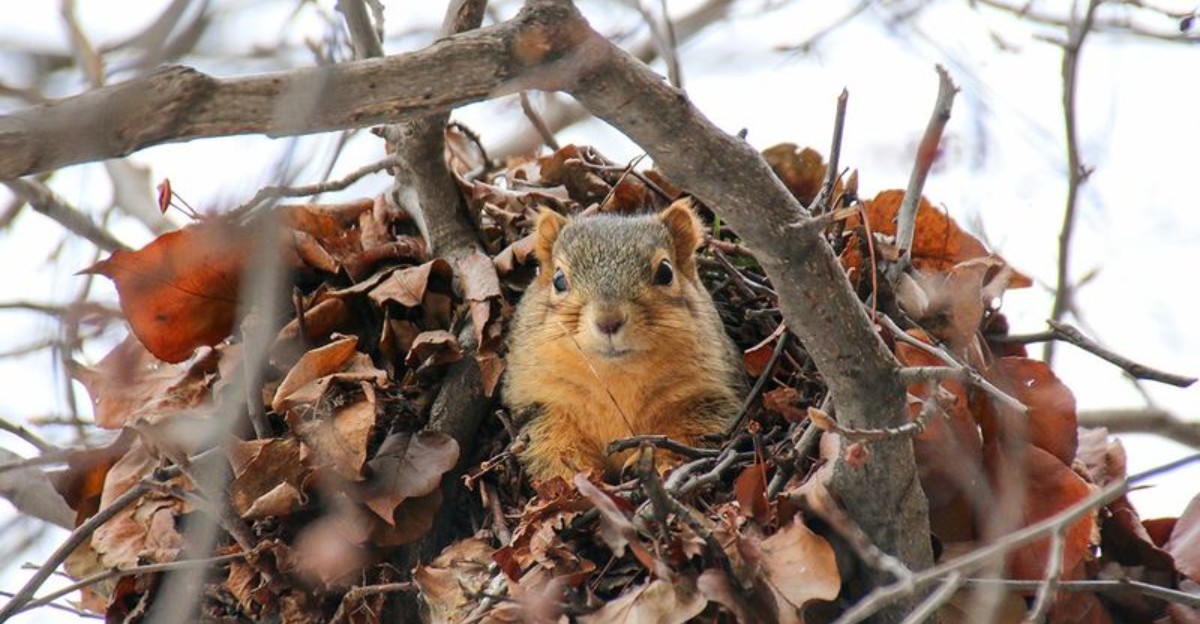
One small backyard architect often keeps two or more leafy houses at the same time. When fleas get bad or a hawk gets nosy, it simply packs up and sleeps next door.
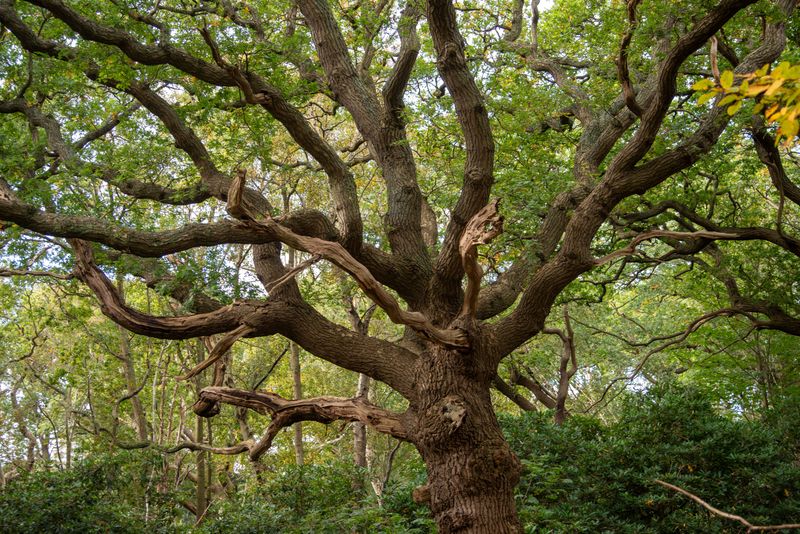
Those houses sit high in the branches all year long. For months, summer leaves hide them so well that most of us walk right underneath without a clue. Then the cooler months arrive, and the trees start telling secrets.
I love this part of a Florida winter. You step outside with your coffee, glance up, and suddenly the canopy looks dotted with brown basketballs.
Personally, I counted five in one turkey oak last year and felt a little embarrassed I had missed them.
So who builds these things, and what goes on inside? You might be surprised by how busy that tiny furry household gets by late January.
1. That Leafy Ball In The Oak Is Somebody’s Bedroom
Somebody lives up there, and it is probably watching you right now. Those brown, football-sized clumps wedged into oak forks are called dreys, the leaf nests built by tree squirrels.
Most dreys measure about one to two feet across. From the ground they look messy, like a pile of leaves got stuck after a storm.
Look closer, though, and you will notice they hold their shape for months, even through heavy wind and rain.
Squirrels usually place them 20 feet or more above the ground. They favor sturdy spots where a big branch meets the trunk or splits into a strong Y.
That height keeps the residents away from dogs, cats, and snakes on the ground, while the thick branches hold everything steady.
Bird nests are a different story. Most are open bowls on top, built so a parent can sit on eggs.
A drey is more like a hollow ball with a roof, and the squirrel slips in through a side opening.
So the next time you spot one, give a little nod. You are looking at a real home, not a pile of yard debris, and someone fuzzy may be napping inside.
2. Bare Winter Branches Finally Expose Those Squirrel Dreys
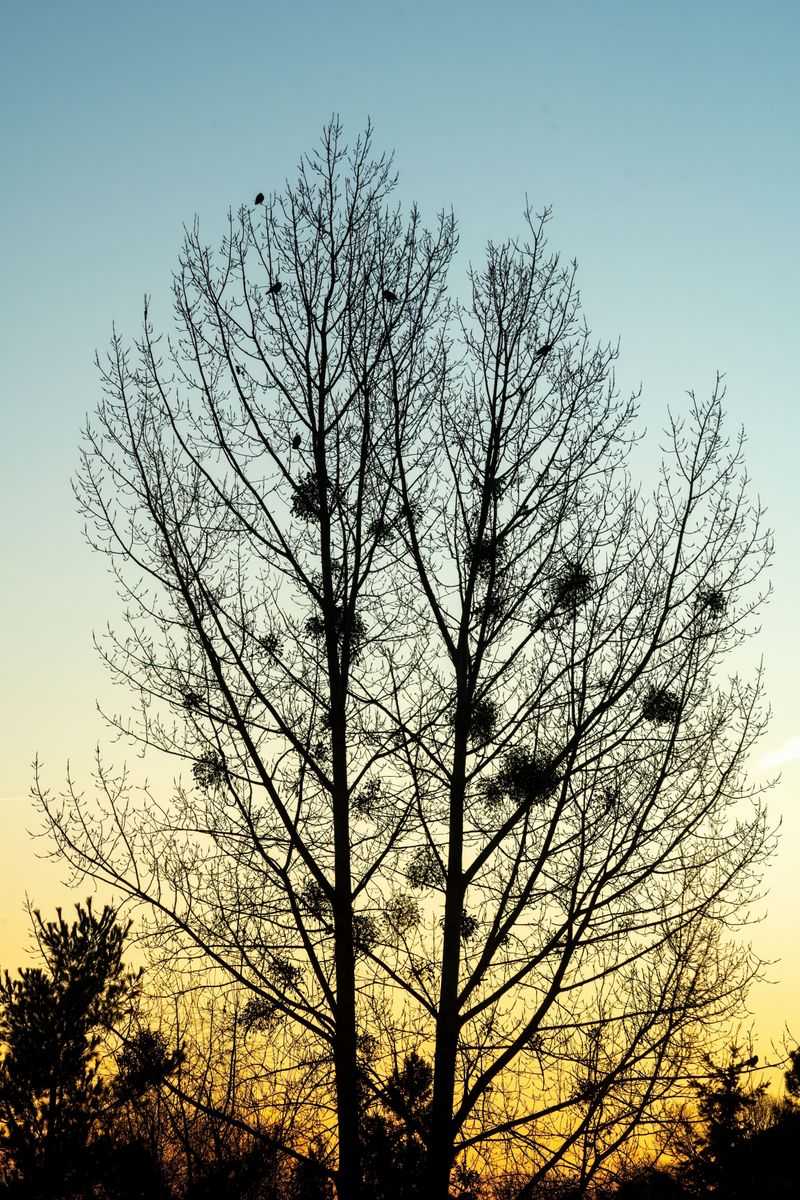
Nothing sneaky happened overnight. Those nests were up there all summer, hidden behind a thick wall of green leaves.
Winter simply pulls back the curtain. Across north and central parts of the state, trees like turkey oak, southern red oak, hickory, and sweetgum drop their leaves between late fall and midwinter.
Laurel oak and water oak thin out too, often shedding heavily in late winter. Once those branches open up, a dark clump of leaves stands out against the sky like a polka dot.
Live oaks play by different rules. They hold most of their leaves through winter and then shed and regrow them quickly in early spring.
That means a drey tucked inside a big live oak can stay hidden much longer.
Where you live matters as well. In the Panhandle and north Florida, winter canopies get noticeably bare, so the reveal is dramatic.
Your Florida Garden Changes Every Week. Your Plan Should Too.
Gardening in Florida changes quickly throughout the season. Every Friday you’ll receive a simple weekly plan showing exactly what to plant, prune, fertilize, harvest, and protect so you never miss the right timing.
Down in south Florida, many trees stay green, and nests can be trickier to find.
For the best view, try a bright morning walk after a cold front. Clear skies behind bare branches make every leafy ball pop, and you might be shocked by how many are on your own street.
3. Gray Squirrels Do Most Of The Twig-And-Leaf Building
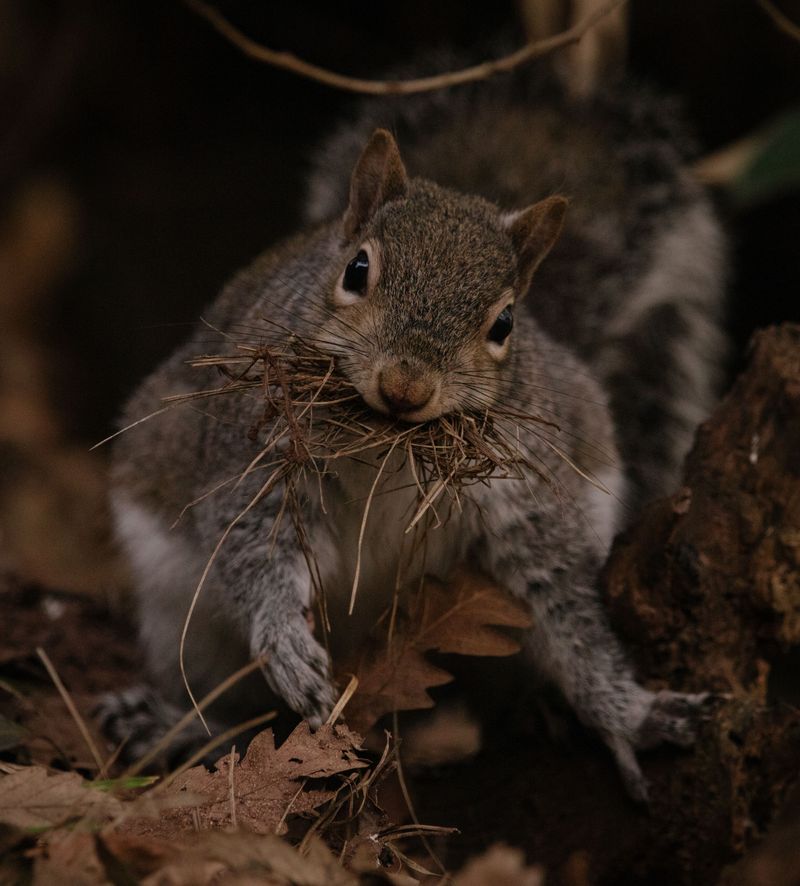
Meet the busiest builder in your backyard. The eastern gray squirrel is the most common tree squirrel across the Sunshine State, and it is the main architect behind those leafy balls.
Gray squirrels love oaks for good reason. Acorns are a top food source, so living right where dinner grows makes life easy.
You will find them in forests, parks, college campuses, and pretty much any suburban yard with big hardwoods.
Fox squirrels live here too. They are larger, often show a mix of black, tan, or silver fur, and usually stick to open pine and oak woodlands.
They build leaf nests as well, though you are less likely to see one in a busy neighborhood.
Then there is the southern flying squirrel. Most folks never spot one because it comes out at night.
These little gliders mostly prefer tree cavities and old woodpecker holes, but they will sometimes use leaf nests.
Fun fact for your next trivia night. One gray squirrel often keeps several nests at once, moving between them when parasites build up or danger gets too close.
So that cluster of dreys in one tree may belong to just one very picky homeowner.
4. Inside A Drey, Shredded Bark Makes A Snug Squirrel Mattress
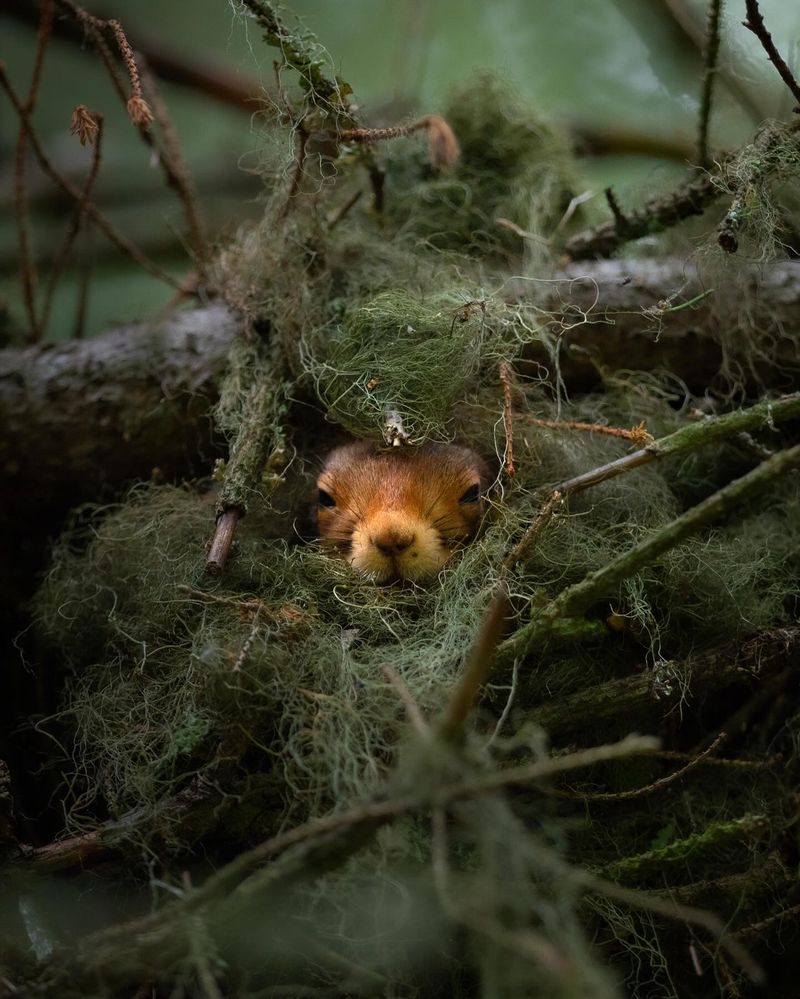
Honestly, I was impressed the first time I saw a fallen drey up close. It looked sloppy from the ground, but in my hands it felt like a tiny woven basket.
Construction starts with a frame. Squirrels snip fresh twigs, often with leaves still attached, and weave them loosely into a platform.
Many builders use green leafy twigs because they stay flexible and lock together as they dry.
Next comes the shell. Layers of leaves, moss, and twigs get packed around the frame to form a round outer wall.
That shell sheds rain surprisingly well and blocks chilly wind.
The best part is inside. Squirrels line the center chamber with soft stuff like shredded bark, grass, Spanish moss, and sometimes feathers.
The result is a cozy pocket about the size of a small bowl, just right for curling up with a tail wrapped around like a blanket.
Want to help without lifting a finger? Leave some leaf litter and fallen bark in a corner of your yard.
Squirrels and plenty of other wildlife will gladly collect nesting material from a less tidy spot.
5. Baby Squirrels Could Be Tucked In That Nest Right Now
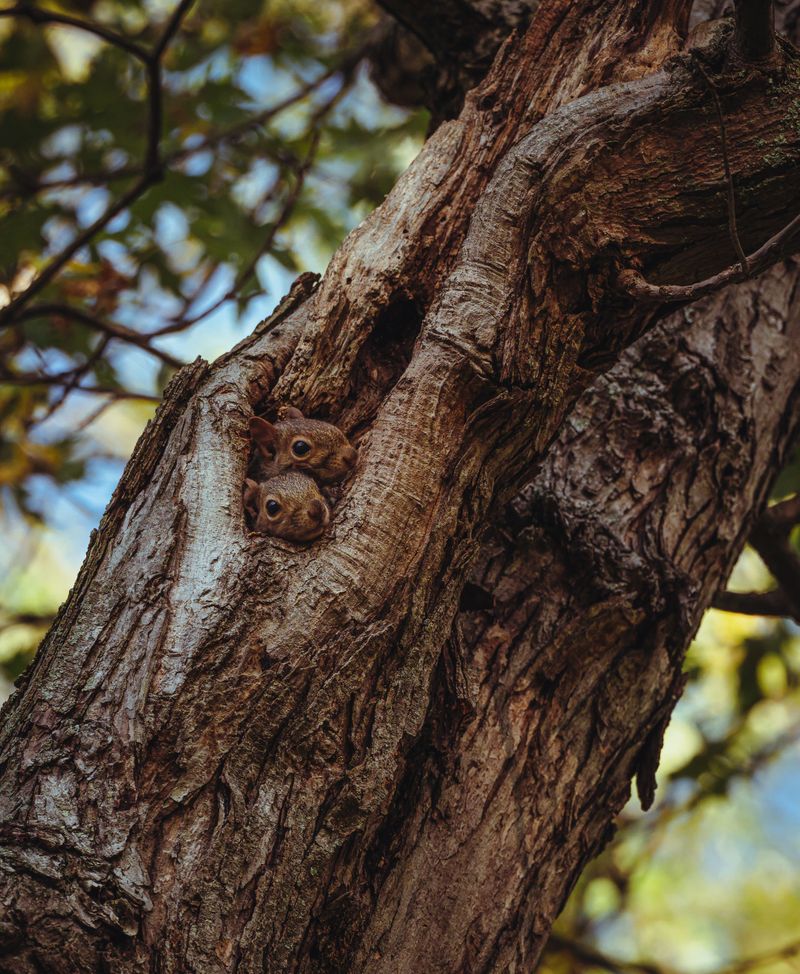
Here is a fact that made me look at winter nests differently. Many of those leafy balls may be nurseries.
Gray squirrels in Florida usually have two breeding seasons each year. One runs through late winter, roughly December into February, and the other comes in summer.
After about six weeks, a mother gives birth to a small litter, often two to four kits.
Newborns arrive tiny, pink, and hairless with eyes closed. They stay inside the nest for weeks while mom nurses them and heads out for quick food runs.
By around ten to twelve weeks, the youngsters start exploring branches and learning to forage on their own.
Moms do prefer tree cavities when they can find one, since a hollow trunk offers extra protection. When no good hole is available, a well-built drey works just fine.
So what does that mean for you? Hold off on heavy tree trimming during late winter and summer if you can.
If a baby squirrel ends up on the ground, give the mother a few hours to retrieve it before calling a licensed wildlife rehabilitator. Mothers often come back for their young.
6. Spanish Moss And Mistletoe Clumps Can Fool Your Eyes
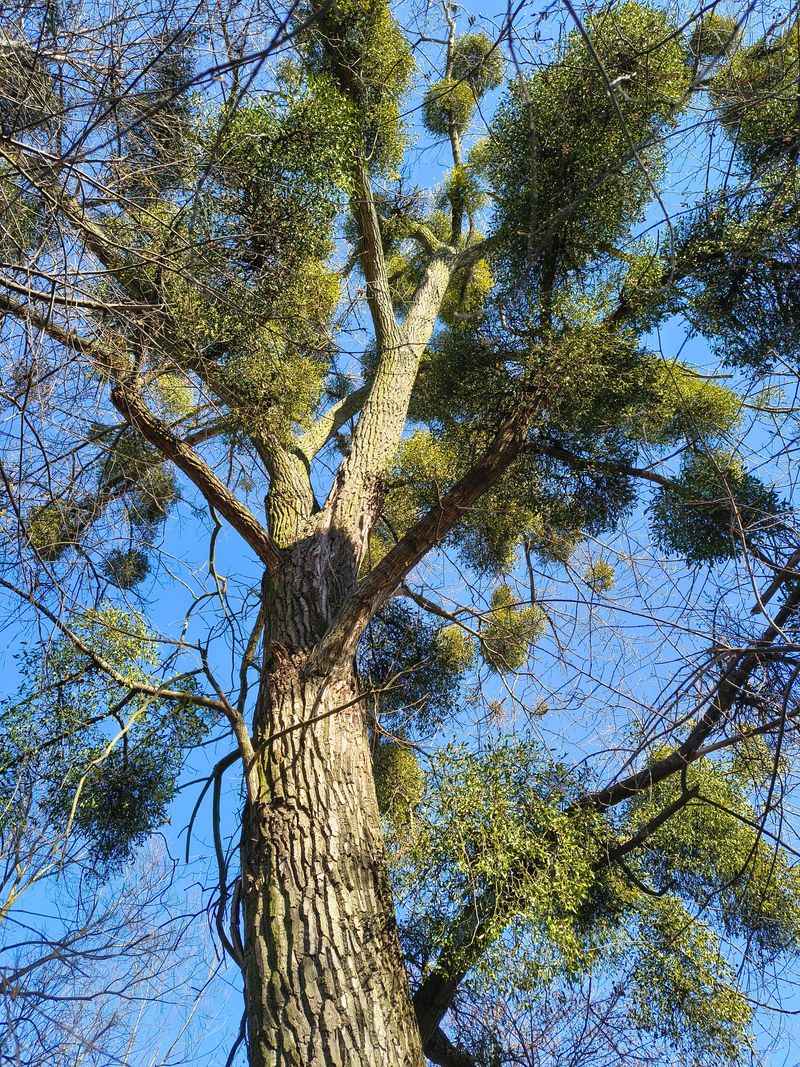
Not every lump in an oak is a squirrel house. A few lookalikes can trick even sharp-eyed gardeners.
Oak mistletoe is the big one. It is a parasitic plant that grows right out of the branch, forming a rounded green clump.
In winter it stands out because it stays green while the oak goes bare, so color is your best clue. A drey is brown and made of dried leaves.
Spanish moss can cause confusion too, especially when wind piles it into a tangled wad. Look for gray, stringy strands hanging down.
A drey looks packed and solid by comparison.
Bird nests are usually smaller and built mostly from sticks or grass. Big stick platforms high in pines or tall oaks might belong to hawks, ospreys, or even eagles, and those are flat on top rather than round.
Bald eagle nests are protected by federal law, so give them plenty of space.
My favorite trick is binoculars on a sunny day. If light shines through the clump, it is probably moss or mistletoe.
If it looks dense and dark with leaves sticking out at odd angles, congratulations, you found a squirrel home.
7. Squirrels Eyeing Your Attic Need A Gentle Nudge
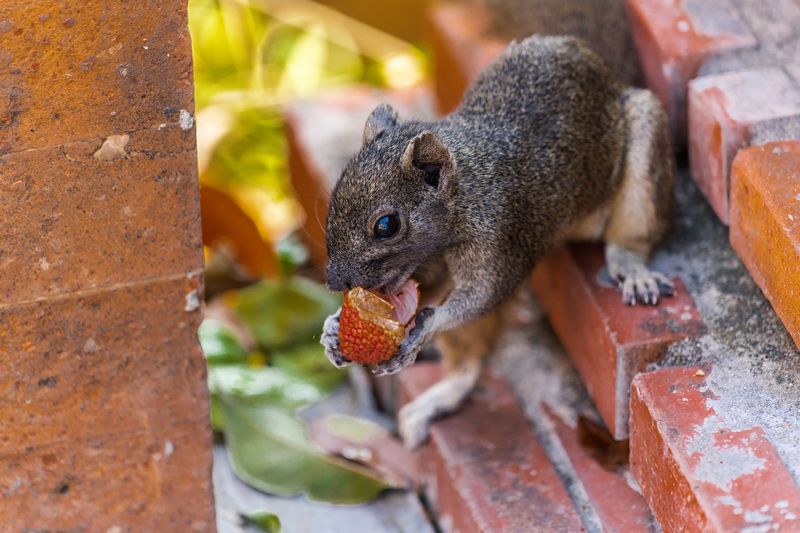
Trouble starts when a squirrel decides your attic beats a pile of leaves. Warm, dry, and roomy, it looks like a luxury upgrade to a mother searching for a nursery spot.
Watch for clues like scratching overhead in the early morning, chewed soffit edges, or gaps near roof vents. Gnawing on wires is a real fire concern, so do not ignore those sounds.
Prevention is your friend. Trim oak limbs back so they sit at least six to eight feet from your roofline, which takes away the easy launch pad.
Seal gaps with sturdy hardware cloth or metal flashing, since squirrels can chew through plastic and thin wood.
Timing matters a lot. Before sealing any opening, make sure no babies are inside, especially during the late winter and summer birthing windows.
One-way exclusion doors let adults leave without getting back in, and a licensed wildlife professional can handle tricky cases.
Gray squirrels are regulated by the Florida Fish and Wildlife Conservation Commission, so check their rules before trapping or relocating anything. Honestly, a few smart repairs usually solve the problem, and everyone goes back to living in the trees where they belong.
8. Grab Binoculars And Count The Dreys In Your Neighborhood Oaks
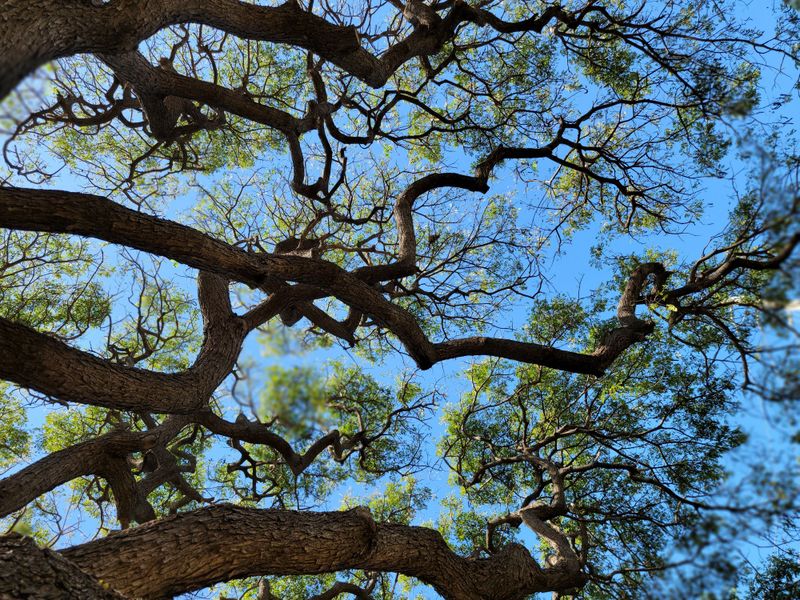
Winter is your window, so make the most of it. A slow walk with binoculars turns an ordinary morning into a fun little treasure hunt.
Try counting nests on your block and jotting notes. Which trees hold the most?
Do certain oaks get picked over and over? Kids love this game, and it quietly teaches them how wildlife uses the trees around them.
Keep a respectful distance and leave nests alone. Poking at a drey with a pole or tossing things at it can stress the residents, especially with babies inside.
If you want more squirrels and other wildlife, plant native trees. Live oak, laurel oak, turkey oak, and southern red oak feed squirrels, birds, and hundreds of insect species.
Your local UF/IFAS Extension office can help you pick the right oak for your soil and space.
Squirrels also act as accidental tree planters. They bury acorns to eat later and forget plenty of them, and some of those sprout into new oaks.
That busy little critter in the leafy ball is helping grow tomorrow’s shade, which feels like a pretty great reason to look up this season.