The Houseplants Collectors In Alabama Love To Search For At Plantmania In Daphne
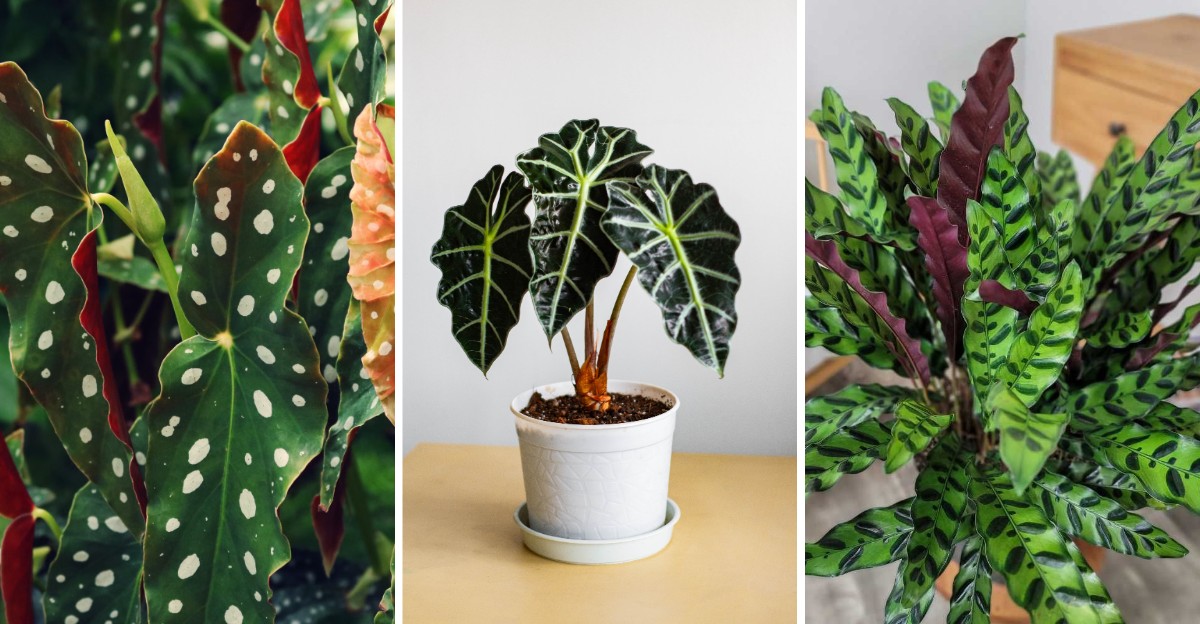
Plantmania calls itself a traveling houseplant expo, and it rolls thousands of tropical plants into one indoor market. When the show comes to Daphne, Alabama, local collectors get a rare chance to shop many growers under one roof.
I love how the tables mix easy beginner vines with pricey variegated rarities that rarely reach big box stores. You might notice shoppers comparing leaf patterns like baseball cards, debating which pink splash or white streak looks best.
Personally, I think fall is the smartest time to shop because Gulf Coast heat finally eases up a bit. New plants settle indoors more easily when you are not fighting scorching car rides and blazing summer windowsills.
Collectors across Alabama have favorite plants they hunt for whenever the expo doors swing open each season. Which leafy treasures top that list, and which one will sneak into your shopping bag this year?
1. Philodendron Pink Princess
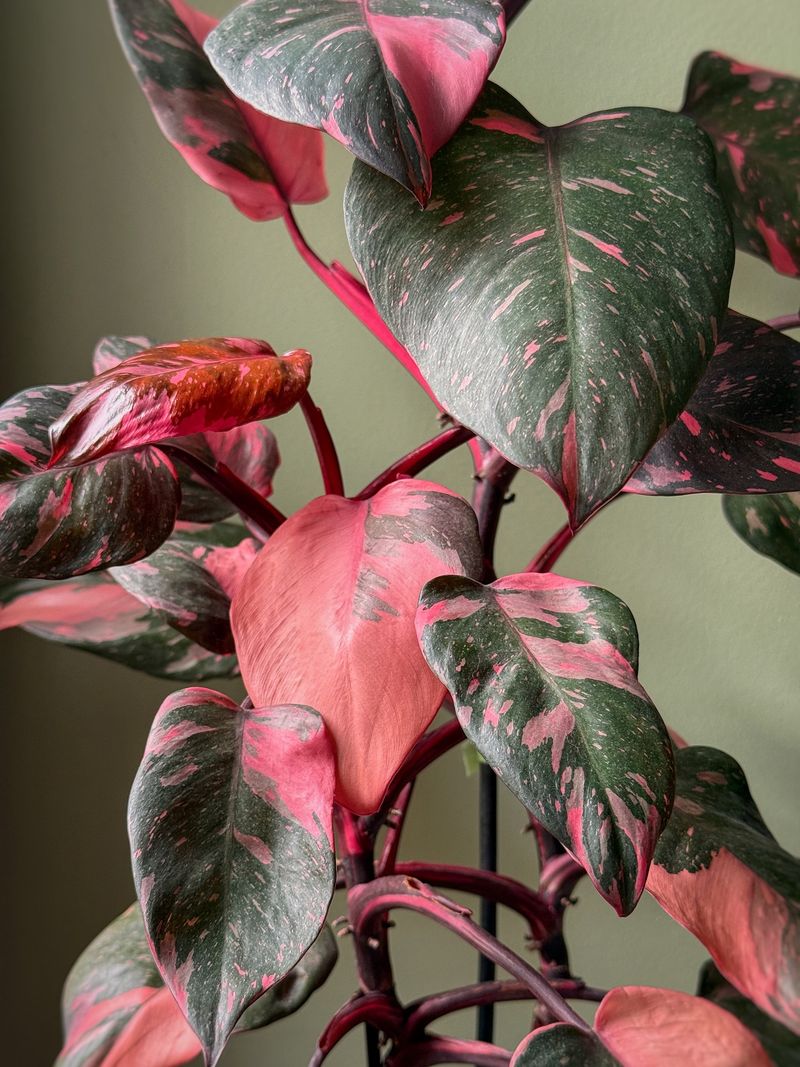
Every Pink Princess leaf unfurls like a surprise package, splashed with bubblegum pink across leaves so dark they look nearly black. I have watched shoppers at an Alabama nursery circle one plant for several minutes, just admiring a single half-pink leaf.
This cultivar of Philodendron erubescens is a climbing aroid, so it grows happiest with a moss pole or sturdy stake. Its variegation is unstable, which means two plants grown side by side can look wildly different over time.
Bright, indirect light keeps that pink coming, while dim corners often push the plant toward plain green leaves. Direct afternoon sun can scorch pink sections quickly, so a few feet back from a sunny window works well.
Water when the top inch or two of chunky, well-draining mix feels dry to your finger. Soggy soil invites root rot, so pick a pot with drainage holes rather than a pretty sealed container.
October nights along the Alabama coast start cooling down, so keep this tropical plant away from drafty doors and vents. It prefers temperatures above sixty degrees and appreciates a little extra humidity once the heater starts running.
Philodendrons contain calcium oxalate crystals, which can irritate mouths and stomachs of pets and people if chewed. Place yours on a high shelf, and you can enjoy those pink leaves without any worry.
2. Monstera Deliciosa Albo Variegata
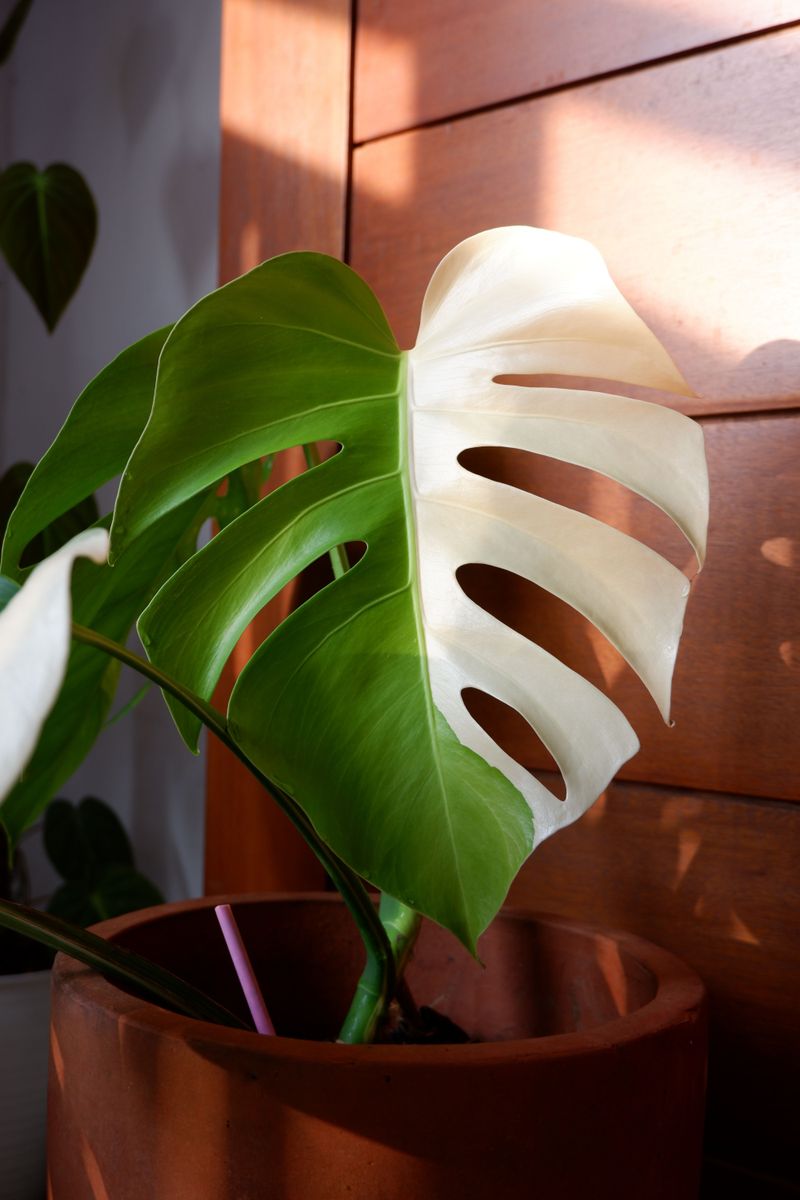
Snowy white sections slice across giant split leaves, making the Albo look like someone spilled paint across a jungle. I have to admit my heart beats faster whenever I spot a healthy one sitting on a vendor table.
Those white areas lack chlorophyll, so the plant grows slower than a regular Monstera and costs much more. Growers usually spread it through stem cuttings, because seeds rarely carry the same striking variegation to the next generation.
Give it bright, indirect light near an east window, since strong direct sun can brown the delicate white patches. Too little light may cause the plant to put out greener leaves with less of that dramatic contrast.
Let the top couple of inches dry before watering, then soak the pot until water runs out the bottom. An airy mix with bark and perlite helps roots breathe and reduces the chance of rot.
Your Alabama Garden Changes Every Week. Your Plan Should Too.
Gardening in Alabama changes quickly throughout the season. Every Friday you’ll receive a simple weekly plan showing exactly what to plant, prune, fertilize, harvest, and protect so you never miss the right timing.
Brown crispy edges on white sections are common, so do not panic if a few leaves look less than perfect. A humidifier nearby can help reduce that crisping, especially once fall heating dries out the indoor air.
Check the stem node carefully before buying, because a cutting without a healthy node will struggle to grow roots. Monstera is also toxic to pets when chewed, so keep curious cats away from those tempting leaves.
3. Rhaphidophora Tetrasperma
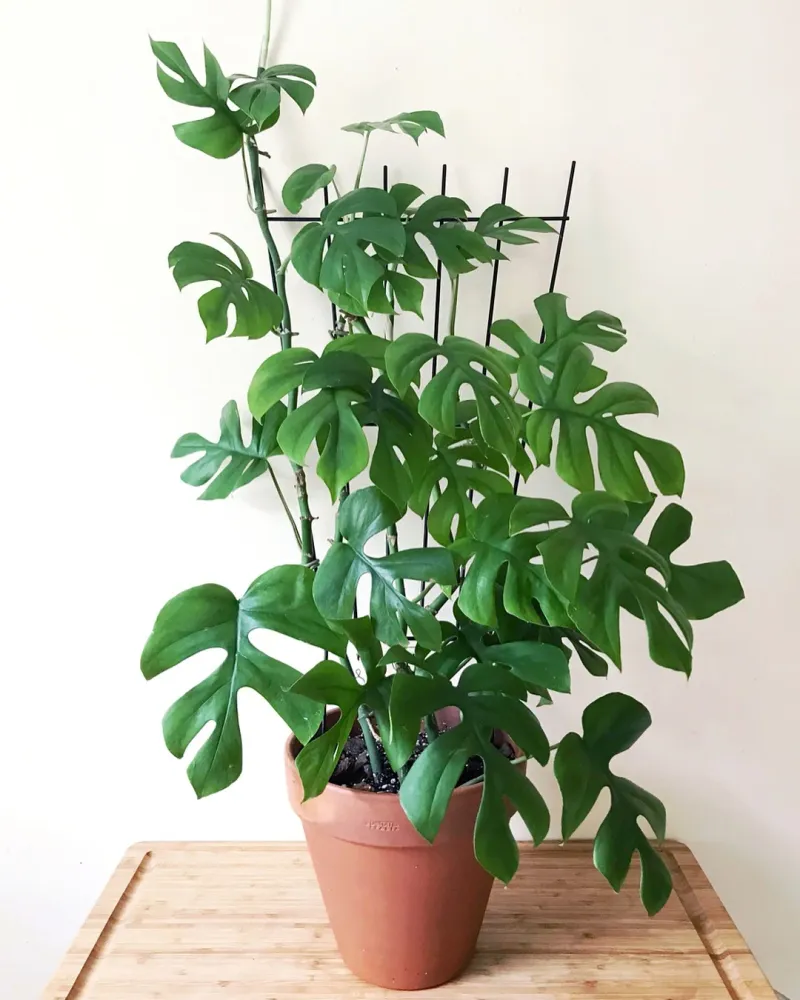
Nicknamed the Mini Monstera, this speedy vine is not a Monstera at all, though its split leaves fool many shoppers. It hails from southern Thailand and Malaysia, where it scrambles up tree trunks toward brighter light.
I like how quickly it rewards you, often pushing out new leaves every week or two during warm months. That fast growth makes it a fun starter plant for anyone nervous about spending big on rare varieties.
Bright, indirect light keeps the stems compact and the leaf splits deep and dramatic over time. In lower light, you might notice longer gaps between leaves and fewer of those signature slits forming.
Give it a moss pole or trellis, because climbing vines usually produce larger leaves when they have something to grab. Water once the top inch or two of soil dries, and empty any water that collects in the saucer.
Growth often slows in fall and winter, so stretch out your watering schedule as October days grow shorter. Pruning leggy stems now is easy, and each cutting with a node roots readily in water or moist moss.
Like many aroids, it contains calcium oxalate crystals that irritate mouths, so keep it away from nibbling pets. It is also a great trading plant, since collectors happily swap rooted cuttings at plant events and meetups.
4. Begonia Maculata
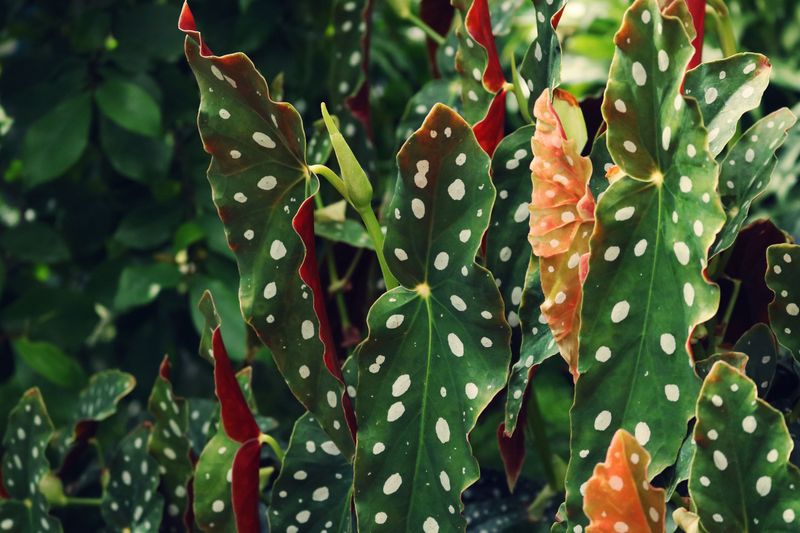
Silver polka dots scattered across olive-green wings make this begonia look ready for a fancy party every day. Flip a leaf over, and you will find a deep red underside that glows when light shines through.
Begonia maculata comes from Brazil and belongs to the cane begonia group, growing upright on bamboo-like jointed stems. Mature plants can also produce dangling clusters of small white flowers, which feel like a sweet little surprise bonus.
Personally, I think this plant rewards attention more than neglect, because it pouts quickly when its needs are ignored. Leaves droop dramatically when thirsty, then perk back up within hours after a good drink of water.
Bright, indirect light keeps the spots crisp, while harsh direct sun can bleach or burn those patterned leaves. Water when the top inch feels dry, aiming for evenly moist soil that does not stay soggy for long.
Humidity matters, but misting leaves can encourage powdery mildew, so a pebble tray or humidifier works better. Pinching the cane tips in early fall encourages bushier growth instead of one tall, wobbly stem leaning sideways.
Begonias are listed as toxic to cats and dogs, with the underground parts carrying the most irritating compounds. Keep your pot elevated on a sturdy stand, and you will enjoy those dots without worrying about curious pups.
5. Alocasia Polly
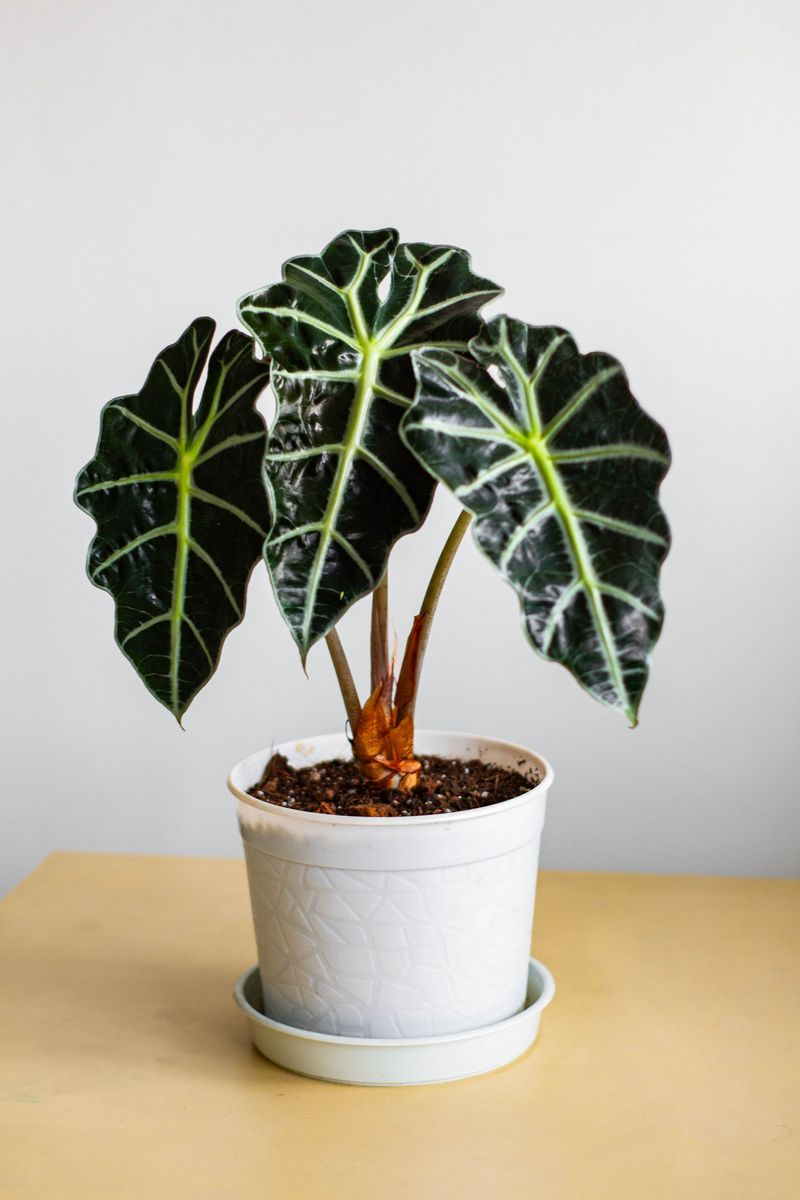
Glossy arrowhead leaves with bright white veins give Alocasia Polly a bold, mask-like look that grabs attention instantly. Many folks call it the African Mask Plant, yet its parent species actually trace back to Southeast Asia.
Polly is a compact cultivar of Alocasia amazonica, usually staying around one or two feet tall indoors. That small size makes it easier to fit on a desk or shelf than its giant elephant ear cousins.
Bright, indirect light from an east or west window suits it well, though harsh midday sun can scorch leaves. Keep soil lightly moist but not wet, letting the top inch dry slightly between your watering sessions.
You’re in for a surprise if your Polly drops leaves this fall, because it may simply be slowing down. Alocasias often rest in cooler months, so reduce watering and wait patiently for fresh growth next spring.
Spider mites love this plant, especially in dry indoor air once heaters switch on during chilly autumn evenings. Wipe the leaves with a damp cloth every week, and check the undersides for tiny webbing or speckles.
Raising humidity with a humidifier helps both the leaves and your pest prevention plans at the same time. Its sap contains calcium oxalate, so keep it out of reach of pets and small children around the house.
6. Hoya Kerrii Variegata
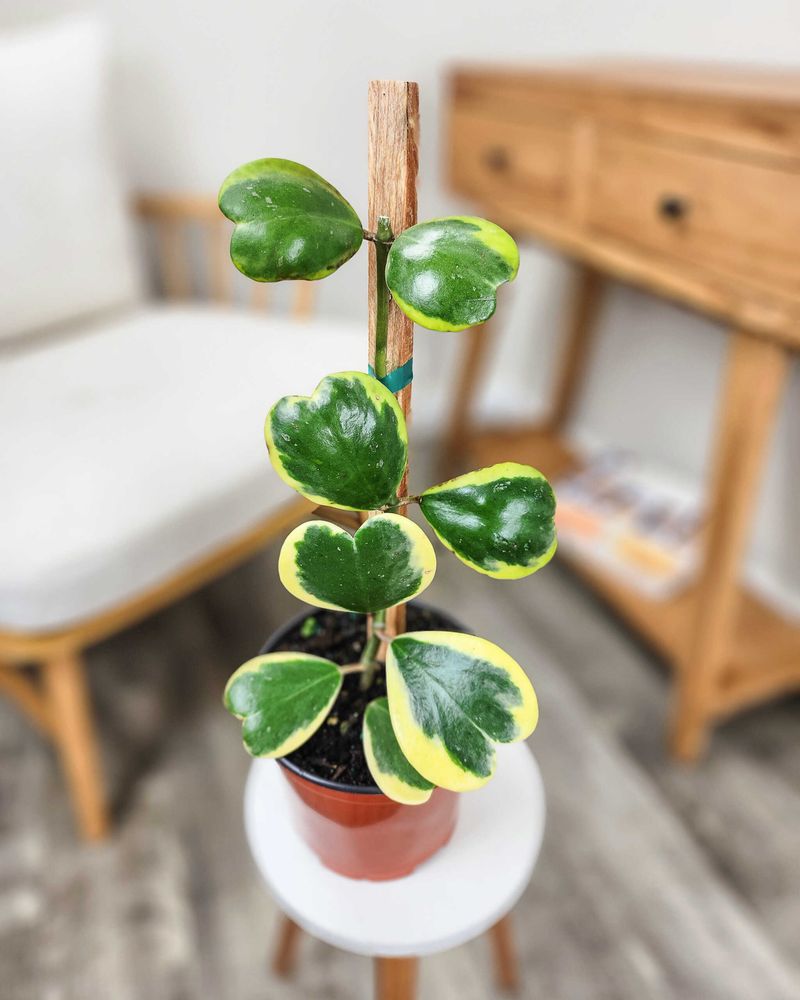
Thick heart-shaped leaves with creamy edges make the variegated Sweetheart Hoya feel like a living valentine on your windowsill. Single-leaf cuttings are sold everywhere in February, but most of those hearts struggle to grow new vines.
I believe the smarter buy at Plantmania is a rooted cutting with a node, which can actually climb and spread.
Ask the vendor to show you the stem, and you will avoid paying for a pretty but stubborn leaf. Shoppers often make this mistake when buying on impulse.
Hoya kerrii comes from Southeast Asia, where it climbs trees using its stems and grips with small aerial roots. Mature plants can produce round clusters of star-shaped flowers that drip with sweet nectar on warm days.
Bright, indirect light keeps the variegation strong, and a few hours of gentle morning sun is often welcomed. Too little light can lead to greener leaves and slow growth, which tests the patience of any collector, even in sunny Alabama windows.
Those succulent leaves store water, so let the soil dry out fully before giving the pot a thorough soak. A chunky mix with orchid bark and perlite drains fast and helps prevent mushy stems or rotting roots.
As October brings shorter days, cut back on watering and move your hoya closer to a bright window. Hoyas are listed as nontoxic to cats and dogs, which makes this one a friendly pick for pet homes across Alabama.
7. Scindapsus Pictus
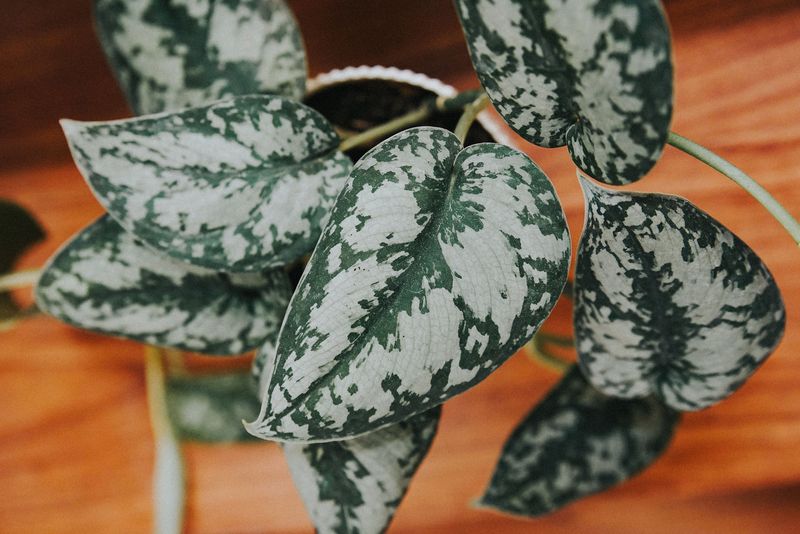
Run your finger across a Satin Pothos leaf, and you will feel a soft, almost velvety texture sparkling with silver. Despite its nickname, Scindapsus pictus is not a true pothos, though both belong to the same aroid family.
Collectors chase named varieties like Exotica with big silver patches and Argyraeus with tidy little silver dots. Watching shoppers compare those patterns side by side is honestly one of my favorite parts of any plant show.
Bright, indirect light keeps the silver markings vivid, while too much direct sun can bleach or crisp the foliage. It tolerates medium light better than many collector plants, making it a smart pick for dimmer rooms.
Let the top two inches of soil dry before watering, since these vines dislike sitting in wet soil. Curling leaves often signal thirst, and they usually flatten again within a day after a thorough watering.
Trailing stems look lovely spilling from a hanging basket, yet they grow larger leaves when trained up a pole. Snip leggy vines this fall and root the cuttings in water to fill out the original pot.
Typical household humidity works fine for this easygoing plant, so you can skip fussy misting routines altogether. Like its aroid relatives, it is toxic if chewed, so hang it well above the reach of pets.
8. Rattlesnake Plant
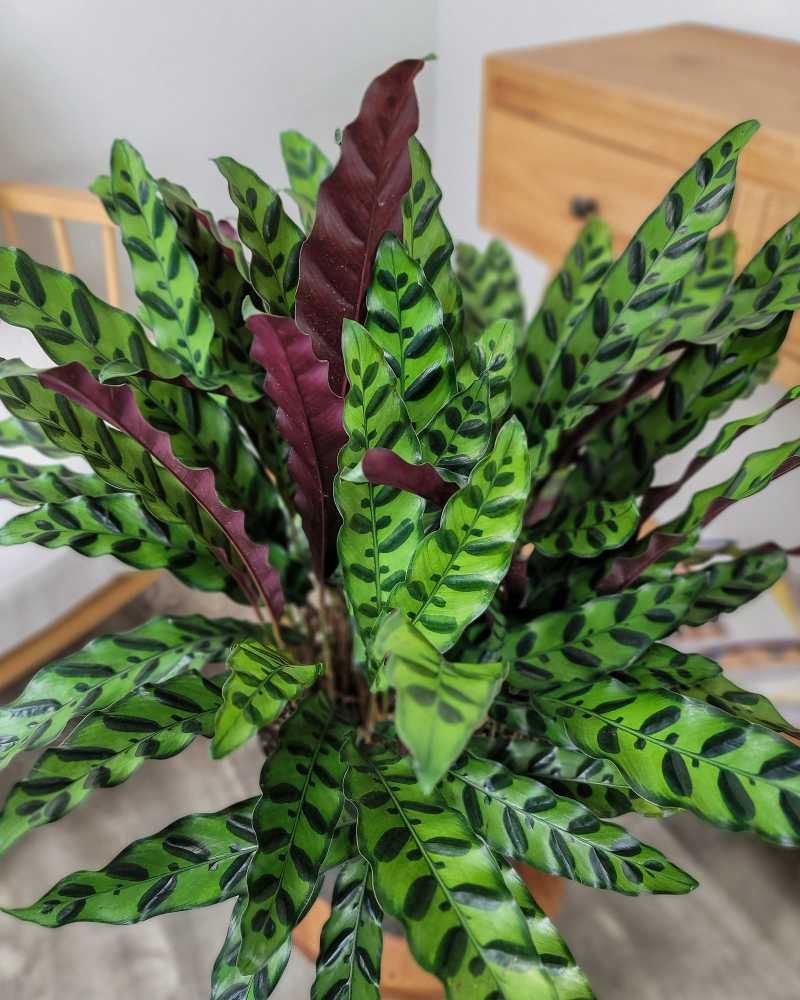
Wavy leaves with dark green spots along the edges give this plant a pattern that resembles a snake’s skin. Turn one over, and a rich purple underside appears, adding a secret splash of color to the foliage.
Botanists now call it Goeppertia insignis, though many plant tags still list its older name, Calathea lancifolia. It grows naturally in Brazilian rainforests, where steady shade and humid air keep its long leaves looking fresh.
What surprises me most is how its leaves lift and lower over the day, almost like slow, gentle breathing. Related prayer plants fold up at night, and watching this motion feels like keeping a pet that makes no noise.
Bright, indirect light suits it best, because direct sun can fade the markings and brown the leaf tips. Keep the soil evenly moist, watering when the top inch dries, and avoid letting the pot sit soggy.
Crispy edges often point to dry air or mineral buildup, so many growers switch to filtered or rain water. A humidifier helps once fall heating kicks on, keeping humidity above fifty percent for happier, smoother leaves.
Steady temperatures between sixty and seventy-five degrees keep it content, so avoid placing it beside cold October windows. Calatheas are listed as nontoxic to cats and dogs, which makes this beauty a safe choice for pet owners.
9. Philodendron Bloody Mary
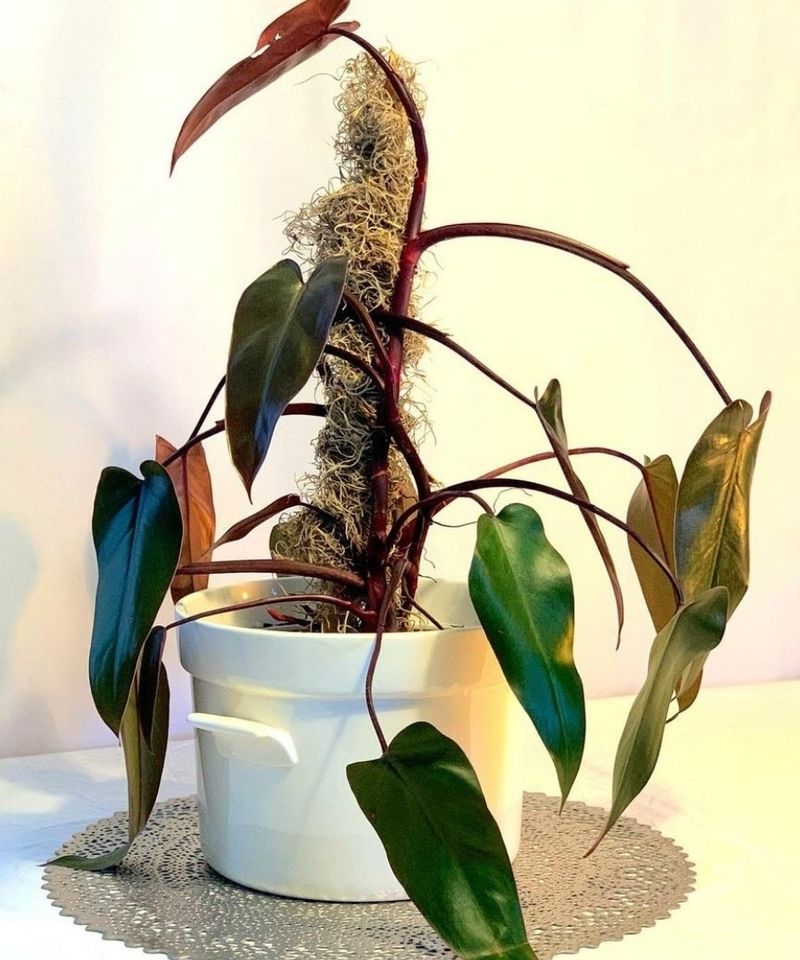
New leaves on Philodendron Bloody Mary emerge in a glossy ruby shade, then slowly mature into deep forest green. The stems and leaf undersides keep a burgundy tint, so the plant shows two-toned charm all year.
This hybrid is a climber that can be trained to stay manageable, which makes it a favorite among collectors who are running short on shelf space. I can’t imagine a better plant for anyone who wants rich color and is willing to prune or train it to keep it tidy.
Bright, indirect light keeps the red new growth vivid, while too little light leads to leggy stems and duller color. Harsh direct sun can scorch the glossy leaves, so filter strong rays with a sheer curtain when needed.
Water when the top inch of soil feels dry, and make sure excess water drains freely from the pot. An airy aroid mix with orchid bark and perlite helps roots stay healthy and breathe easily between drinks.
October is a smart month to inspect for pests before moving any outdoor philodendrons back inside for the cooler season. Coastal nights in Alabama can dip into the fifties by late fall, which slows growth on tropical plants.
Like other philodendrons, this plant contains calcium oxalate crystals, so place it well away from curious pets. Grab one at Plantmania, and you might find yourself hunting for more red-leaf varieties next season.