8 Venomous Creatures Arizona Homeowners Still Run Into After The Heat Breaks
Cooler fall evenings feel like a reward after a brutal Arizona summer. But the critters that hid from the 110-degree days are still out there, and many of them get busier when the heat finally lets up.
Knowing who might be lurking under your patio chair or behind the garage door can keep your family and pets safer. Here are eight venomous neighbors worth watching for, plus simple yard habits that may make your home less inviting to them.
1. Arizona Bark Scorpion
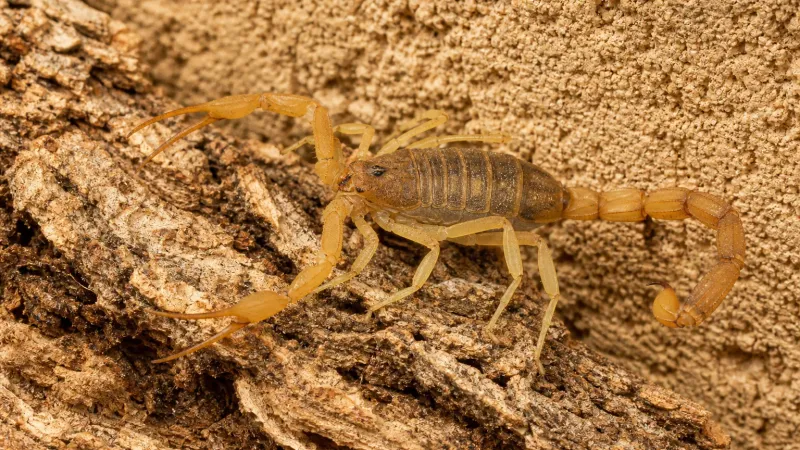
Ask any Phoenix homeowner about their least favorite roommate, and the bark scorpion usually wins by a landslide. It is the most venomous scorpion in the United States, and it does not pack up when September ends.
Warm fall nights above 70 degrees keep it hunting well into October and even November.
As evenings cool, these little climbers may look for cozier spots, and your house is a tempting option. They scale stucco, block walls, and tree trunks with ease.
A gap as thin as a credit card is enough for one to slip inside.
Start by sealing cracks around doors, windows, and the foundation, and add weather stripping where light peeks through. Clear out rock piles, stacked lumber, and yard debris, since those make perfect daytime hideouts.
Cutting back on the crickets and roaches they eat can also reduce their reasons to visit.
Here is a yard-friendly bonus. Native landscaping that welcomes roadrunners, quail, and lizards may help keep scorpion numbers in check, because those desert residents happily snack on them.
A blacklight walk around the perimeter after dark is another smart habit, since scorpions glow a bright greenish blue under UV light and are much easier to spot.
2. Black Widow Spider
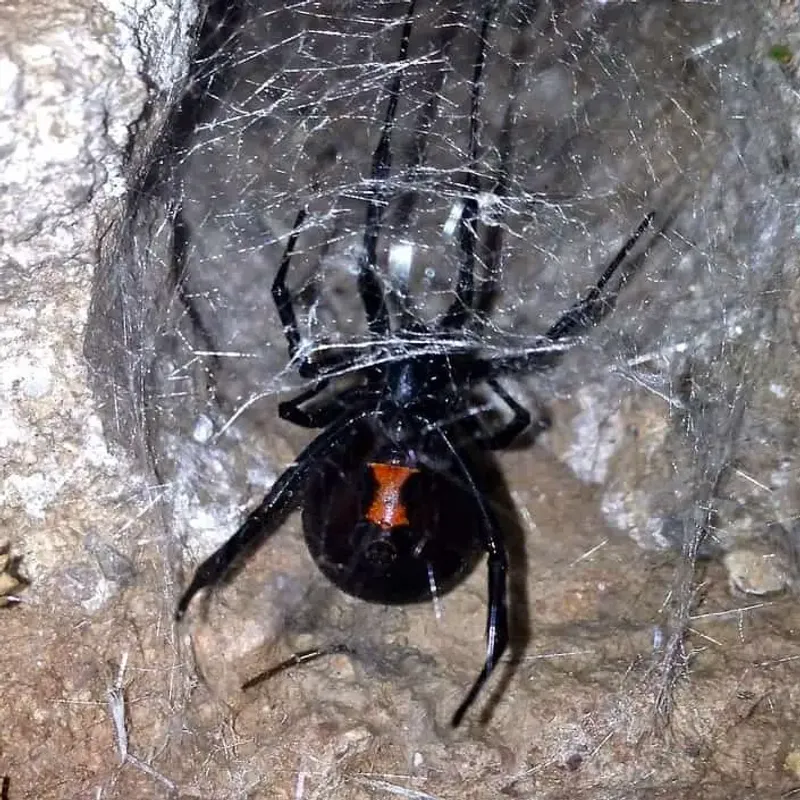
That shiny black spider with the red hourglass has earned its reputation fair and square. Western black widows stay active in Arizona from roughly February through November.
Monsoon season often triggers a burst of activity, and plenty of them are still hanging around once fall arrives.
You will rarely see them out in the open. They love dark, dry, undisturbed corners and spin tangled, messy webs low to the ground.
Garages, sheds, woodpiles, block wall crevices, patio furniture, and pool equipment boxes are all favorite haunts.
Wear gloves when you pull out holiday decorations or move firewood. Before sitting on that outdoor chair that has been stored all summer, give it a quick look underneath.
A little caution goes a long way.
To make your property less appealing, keep clutter cleared from storage areas and stack firewood away from the house. Trim shrubs so they do not touch exterior walls.
Swapping white porch bulbs for yellow or sodium vapor lights can attract fewer insects, which means less food for widows. Some homeowners also use peppermint or eucalyptus oil near entry points, which may discourage spiders from settling in.
3. Western Diamondback Rattlesnake
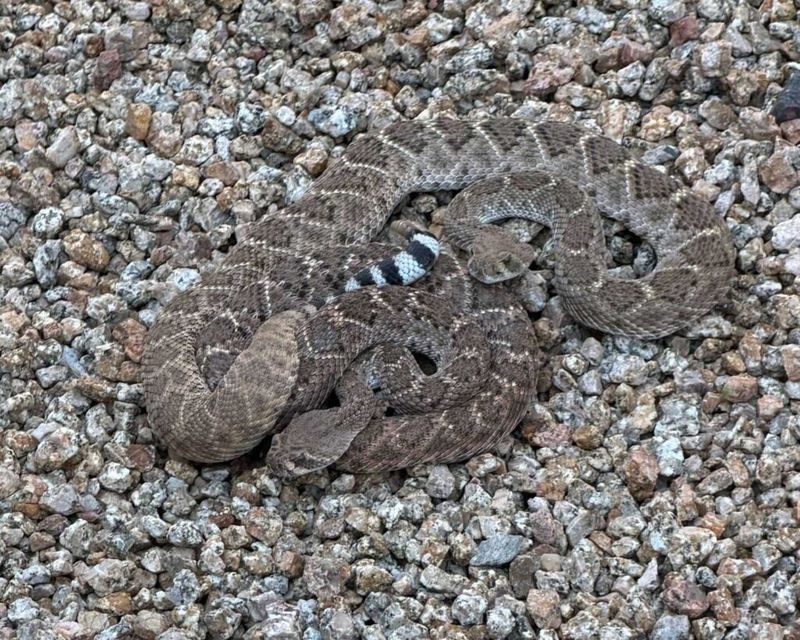
Picture this. You step outside at dusk to water the agave, and a dry buzzing sound stops you cold.
Your Arizona Garden Changes Every Week. Your Plan Should Too.
Gardening in Arizona changes quickly throughout the season. Every Friday you’ll receive a simple weekly plan showing exactly what to plant, prune, fertilize, harvest, and protect so you never miss the right timing.
Rattlesnakes account for most venomous snakebites in Arizona, and their active season runs from March through October.
Fall can be a busy stretch, since snakes are fattening up before winter brumation. Dawn and dusk are prime viewing hours.
Shady spots under patios, dense shrubs, and pool equipment all appeal to them, especially near rodent activity or leaky irrigation.
Food is the biggest draw, so rodent control matters most. Keep trash bins sealed, feed pets indoors, and clean up after backyard grilling.
Fix dripping emitters and avoid overwatering, because damp soil brings in both prey and thirsty snakes.
Tidy up rock and lumber piles, and trim shrubs up off the ground so you can see beneath them. For extra peace of mind, solid perimeter walls or quarter-inch mesh fencing at least four feet tall, buried a few inches deep, can help keep snakes out.
If you do meet one, back away slowly and give it room. Most rattlers would much rather leave than fight, and a calm retreat is your best move.
4. Gila Monster
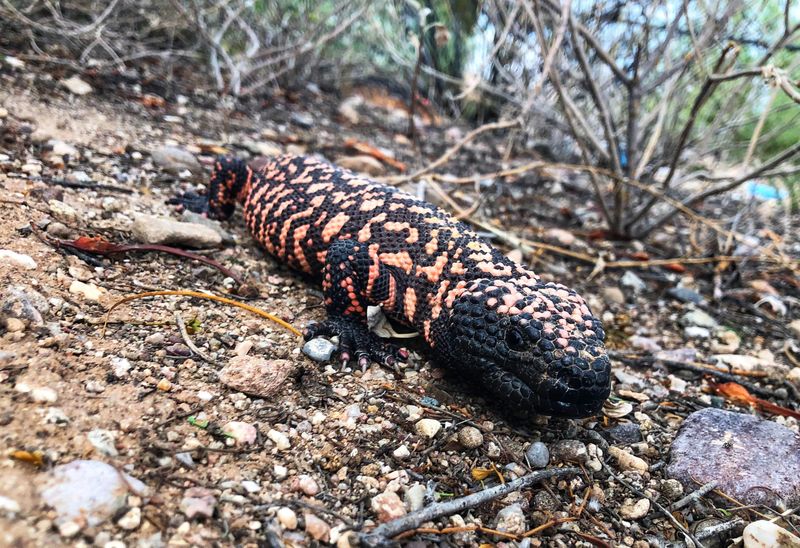
Fun fact for your next dinner party: the Gila monster is one of only two venomous lizard species on the entire planet. With its beaded skin in bold orange, pink, and black, it looks more like a piece of desert art than a backyard threat.
Spotting one is honestly a bit of a treat.
Gila monsters spend most of their lives tucked away in underground burrows. When they do come out, they favor rocky, shaded areas and feed mainly on eggs and baby rodents.
They move slowly and are not aggressive at all.
Bites almost always happen when someone picks one up or pokes at it. Their jaws hold on tight, so the simple rule is hands off.
Keep kids and dogs at a respectful distance and enjoy the moment from afar.
Here is the best part: you usually do not need to do anything. A visiting Gila monster will typically wander off on its own within a few hours.
Keep in mind that it is illegal in Arizona to harass, injure, or relocate one. Keeping rodent numbers down can make your yard a less interesting stop on its route.
5. Giant Desert Centipede
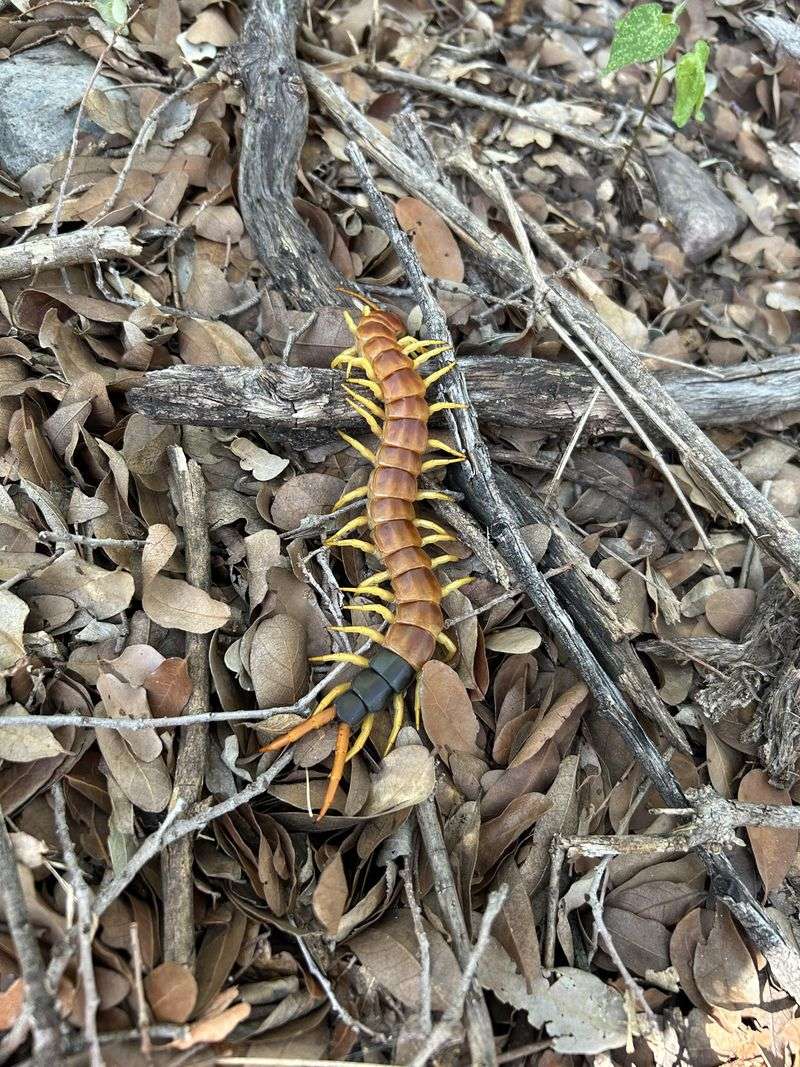
Some creatures announce themselves politely. The giant desert centipede is not one of them, often appearing out of nowhere in a bathroom at midnight, all eight inches of wiggling legs.
It is the largest centipede in North America, and its sting is known to be quite painful.
Moisture is the magic word with these guys. Outdoors, they hide under rocks, logs, and leaf litter, especially near irrigation lines.
Indoors, they head for humid rooms like bathrooms, laundry areas, and basements.
Their flat bodies slide through surprisingly tiny openings. Once inside, cluttered corners full of insects become an all-you-can-eat buffet.
That combination explains why a quiet storage room can turn into centipede territory.
The fix starts with water. Repair leaky pipes and drippy hose bibs, and make sure landscaping slopes water away from your foundation.
Running a dehumidifier in damp rooms can help too.
Rake leaves and pull debris and wood away from the house. Seal cracks in exterior walls and around windows and doors.
Cutting down on the bugs they hunt rounds out the plan and makes your home a lot less appealing to these leggy visitors.
6. Arizona Blonde Tarantula
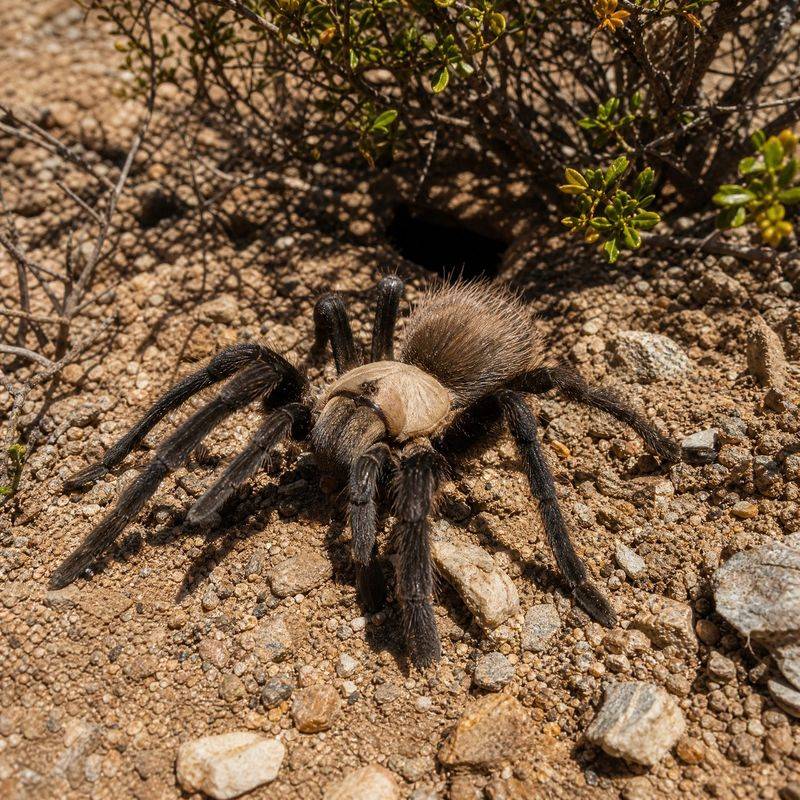
Late summer brings a surprising parade across Arizona driveways. Male blonde tarantulas leave their burrows and wander for miles in search of a mate, which is why so many folks spot them in August and into early fall.
They look intimidating, but they are far more bark than bite.
Yes, they are venomous. Their venom is mild, though, and a bite is often compared to a bee sting.
When threatened, they would rather flick tiny irritating hairs from their abdomen than fight.
These fuzzy night hunters sometimes wander into garages or shady corners while chasing prey or looking for a cool resting spot. An open door or a gap under the garage door is all the invitation they need.
Usually, it is an accident rather than a plan.
Good weather stripping on garage doors and sealed gaps around entries will help keep them outside. A tidy garage leaves fewer places to settle.
Yellow outdoor bulbs attract fewer crickets and roaches, shrinking their menu.
If one strolls past, simply let it go. Tarantulas eat plenty of insects, and many desert lovers consider them welcome, if slightly spooky, yard helpers.
7. Arizona Recluse Spider
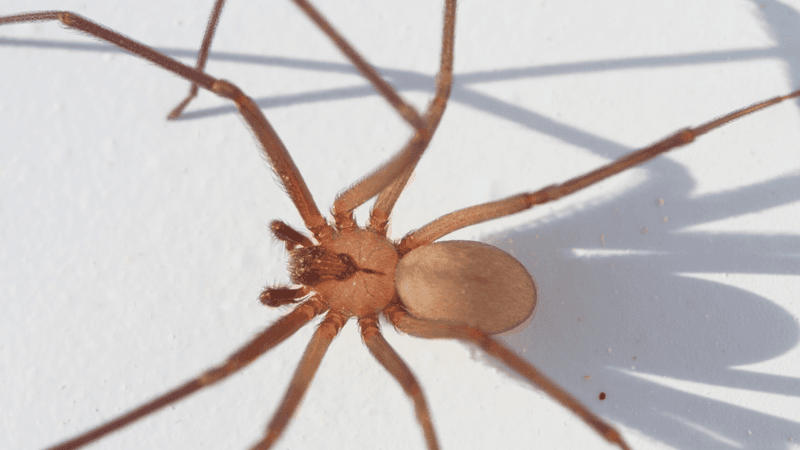
True to its name, the Arizona recluse is the shy introvert of this list. You could share a garage with one for years and never see it.
A cousin of the better-known brown recluse, its bite can cause tissue damage that takes time to heal.
These spiders crave dark, dry, undisturbed spaces. Closets, attics, sheds, garages, and cardboard boxes stacked in a corner are classic hideaways.
They build webs in tucked-away spots rather than out in the open.
Fall is when many people dig through storage for jackets, camping gear, and holiday décor. That makes it prime time for surprise encounters.
Shake out shoes, gloves, and clothing that have been sitting on the floor or packed away.
Swap cardboard boxes for sealed plastic bins, which leave fewer cozy crevices. Declutter garages and closets on a regular schedule so nothing sits untouched for months.
Seal cracks in walls and foundations, and check that door sweeps and window screens fit snugly.
A good habit is wearing gloves whenever you reach into a forgotten shelf or crawlspace. It is a small step that can spare you an unpleasant surprise.
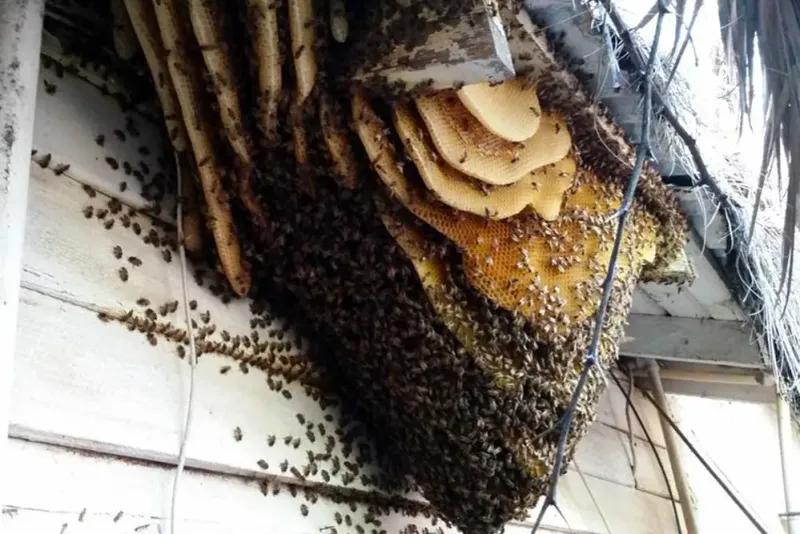
8. Africanized Bees
Bees deserve a lot of love in a desert yard. They pollinate desert willow, penstemon, and palo verde, keeping your landscape blooming.
Africanized honeybees, though, come with a serious warning label.
Out foraging on flowers, they mostly mind their own business. Near the hive, the story changes fast.
These bees are highly defensive and can sting in large numbers if they sense their colony is in danger, even from vibrations like a lawn mower or leaf blower.
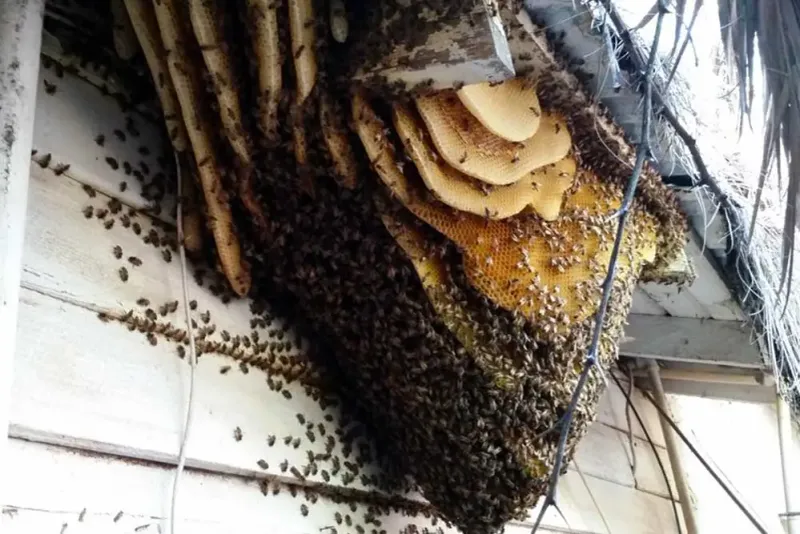
Warm fall weather keeps them busy, and colonies sometimes move into eaves, attics, irrigation boxes, or hollow walls. That is when homeowners get into trouble.
A steady hum coming from a wall or a stream of bees flying into one small hole is a big clue.
Walk your property regularly and look for new activity. Seal cracks and openings in your home’s exterior so a swarm cannot set up shop inside.
Empty water meter boxes and old pots are worth checking too.
If you find a colony, resist the urge to handle it yourself. Call a professional for humane removal, and keep kids and pets well away until the job is done.