Why Florida Lawns Suddenly Thin Out When The First Cool Nights Arrive
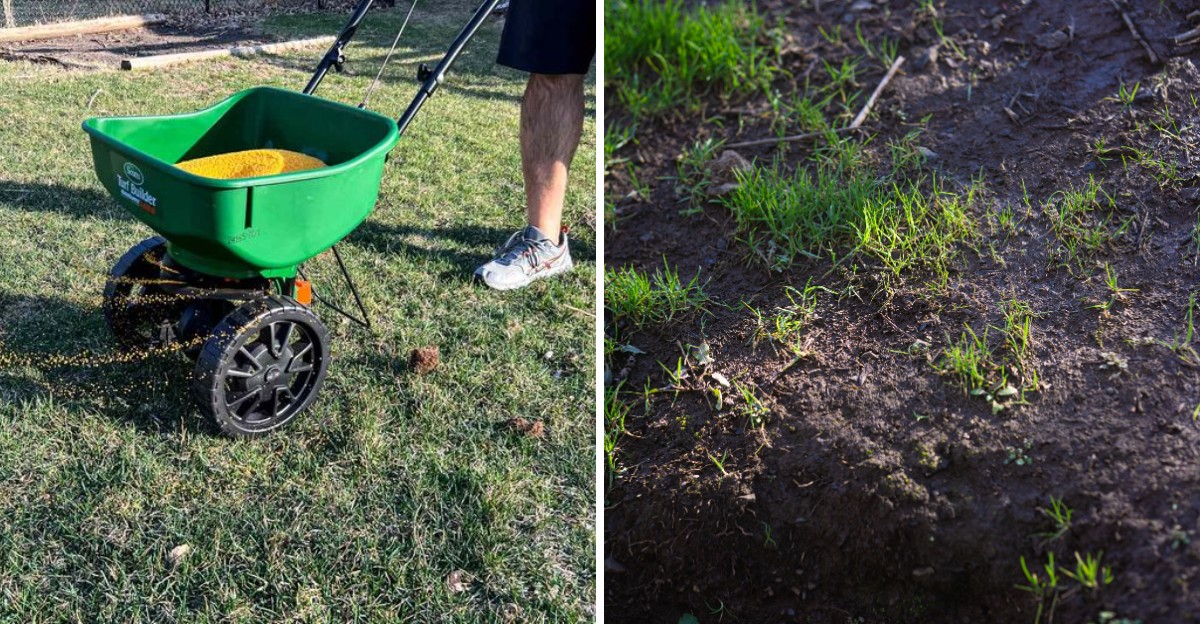
St. Augustine grass can stop growing when soil temps fall below about 64 degrees, even while afternoons still feel like summer. That surprised me the first time I learned it.
My Florida yard looked tired in a single week, and I blamed the mower.
The truth is sneakier than that. Warm-season turf runs on heat, and a few crisp nights flip a switch inside each blade. Growth slows, color fades, and weak spots suddenly have nowhere to hide.
I believe most of us panic too fast. You water more, you feed more, and you mow like nothing changed. That routine often makes the thin patches worse.
Some of that thinning is perfectly normal. Some of it is a quiet warning from fungus, bugs, or tired soil. So how exactly do you tell a sleepy lawn from a struggling one?
1. Those Slowing Grass Blades Are Reacting To Cooler Soil
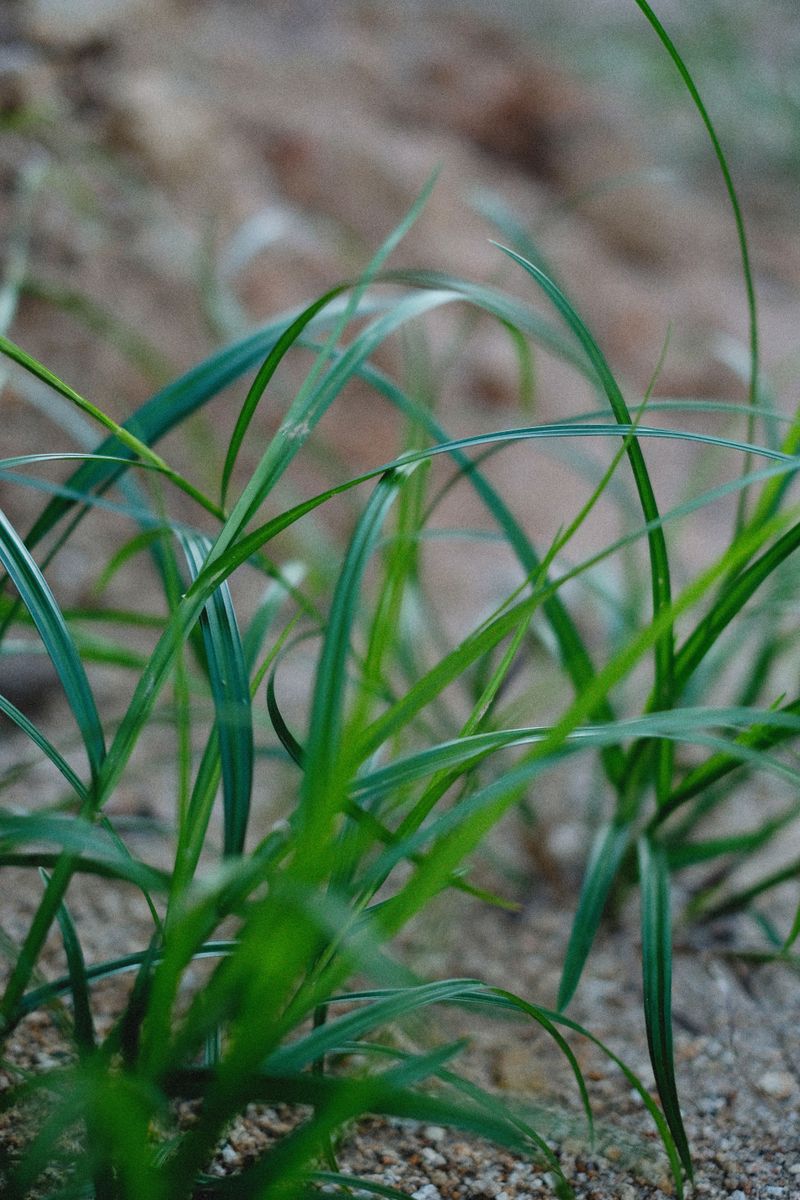
Grass does not read the calendar, but it reads the soil thermometer very well. Florida turf like St. Augustine, Bahia, Zoysia, and Bermuda grows best when temperatures stay warm day and night.
Once nights slip into the 50s and low 60s, growth slows down fast.
That slowdown is the biggest reason your lawn looks thinner. Fewer new blades are pushing up to replace older ones that wear out.
Color often shifts toward yellow, tan, or even a purplish tint, especially in Bermuda and Zoysia.
Where you live matters a lot. North Florida lawns can go fully dormant and brown for weeks.
Central lawns usually slow down and fade a bit, while South Florida grass often keeps a slow, steady pace through winter.
I find it helpful to look closely before worrying. Even, gentle fading across the whole yard usually means normal seasonal rest.
Patchy circles, ragged edges, or spots that pull up easily point to something else.
Treat this phase like a quiet season rather than an emergency. Mow less often, water less, and skip the urge to push growth with extra products.
A resting lawn mostly needs patience, and it greens back up as spring warmth returns.
2. Brown Patch Rings Love Cool, Damp Evenings
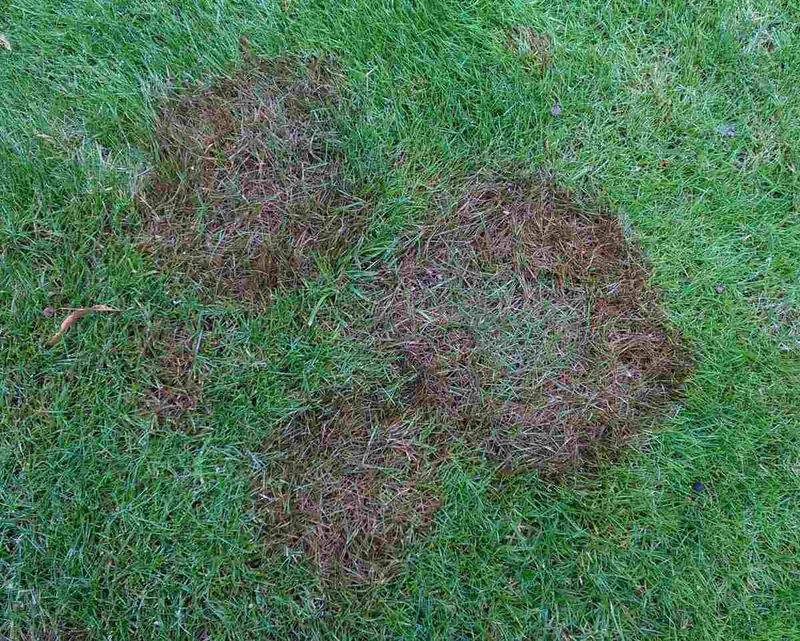
Large brown circles showing up in October or November are a classic Sunshine State fall mystery. The usual suspect is a fungal disease often called brown patch or large patch.
UF/IFAS notes it shows up most when nights turn cool and turf stays wet.
St. Augustine and Zoysia are hit hardest, though other grasses can suffer too. Patches often start small and grow into rings several feet wide.
The outer edge may look orange or darker, almost like a smoke ring.
Here is a quick test I like. Tug a blade near the edge of a patch.
If it slides out easily and the base looks rotted, fungus is likely at work, since the disease attacks leaf sheaths near the soil.
Smart habits go a long way. Water only in the early morning so blades dry quickly.
Avoid heavy nitrogen in fall, and improve drainage in low, soggy spots.
Your Florida Garden Changes Every Week. Your Plan Should Too.
Gardening in Florida changes quickly throughout the season. Every Friday you’ll receive a simple weekly plan showing exactly what to plant, prune, fertilize, harvest, and protect so you never miss the right timing.
Fungicides can help protect healthy grass around active patches, especially when applied early. They won’t regrow the damaged areas, though.
Recovery usually happens in spring as warm weather returns and runners creep back into the bare circles.
3. Summer Sprinkler Settings Can Drown A Resting Lawn
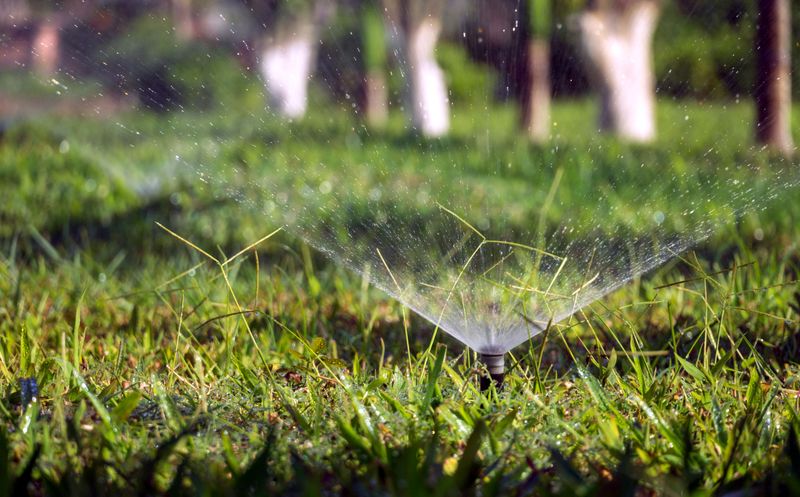
Honestly, the sprinkler timer is the most forgotten tool in many garages. It keeps running on a summer schedule long after the lawn stops needing that much water.
Cooler air means less evaporation and much slower water use by the grass.
Extra water creates soggy soil, and soggy soil causes trouble. Roots need oxygen, and waterlogged ground cuts that supply short.
Wet conditions also roll out the welcome mat for fungal disease.
UF/IFAS suggests watering only when grass shows signs of thirst. Look for folded leaf blades, a bluish-gray color, or footprints that stay pressed down.
In winter, that might mean watering every 10 to 14 days, depending on rain and your area.
Always check your local watering rules too. Many water management districts limit irrigation to one day a week once daylight saving time ends.
Those rules fit a resting lawn perfectly.
When you do water, aim for about one-half to three-quarters of an inch. Run it in the early morning, never in the evening.
Your water bill shrinks, your roots breathe, and those thinning spots get a real chance to hold steady.
4. Late Fertilizer Bags Can Feed Fungus Instead Of Grass
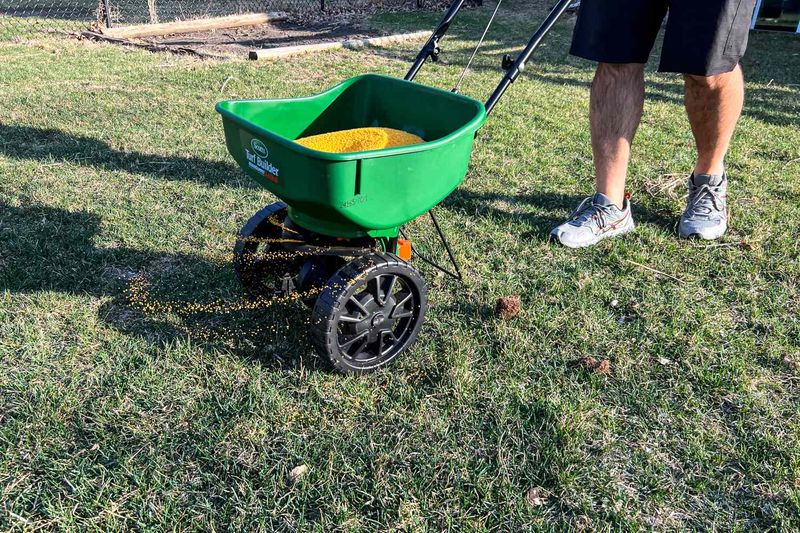
Fall fertilizer feels like a kind gift, yet timing changes everything. A big nitrogen boost late in the season pushes soft, tender growth.
That fresh growth is easy prey for cold snaps and fungal disease.
UF/IFAS guidance generally places the last nitrogen application around early October in North Florida and around mid-October in Central Florida. South Florida lawns have a longer window because growth continues through winter.
Product labels and local rules also matter here.
Many Sunshine State counties and cities have fertilizer ordinances. Some ban nitrogen and phosphorus during the summer rainy season, and others set extra limits.
A quick check with your county extension office clears up any confusion.
Potassium is a different story. Some gardeners use a low-nitrogen, higher-potassium product in fall, since potassium supports overall stress tolerance.
A soil test tells you whether your yard even needs it.
Personally, I’d rather underfeed than overfeed in autumn. Grass that is slowing down can’t use a heavy meal anyway.
Extra nutrients can wash into lakes and springs, fueling algae, which is the last thing our waterways need.
5. Armyworms And Mole Crickets May Be Chewing Away Quietly
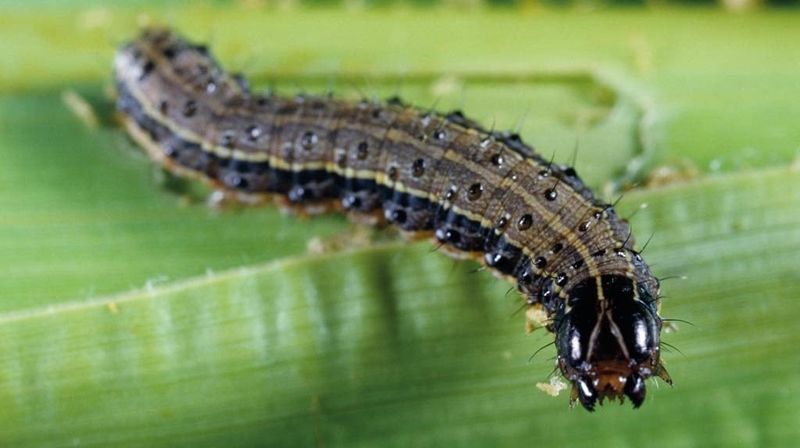
Flocks of birds pecking all over your yard might be a clue, not just a cute scene. They are often hunting caterpillars.
Fall armyworms can strip grass blades fast during late summer and early fall in the state.
Armyworm damage looks ragged and chewed, often spreading in a moving front across the lawn. Bermuda, Zoysia, and newly laid sod are favorite targets.
A soapy water flush is a simple detection trick, using about two tablespoons of dish soap in a gallon of water poured over a square yard.
Caterpillars and other hidden insects wriggle to the surface within minutes. Mole crickets often show up this way too.
Their tunneling loosens soil and damages roots, which is especially rough on Bahia lawns.
Grubs are another possibility when turf peels back like a loose rug. Their root feeding leaves grass weak right when it’s slowing down for winter.
Chinch bugs mostly cause summer trouble, so they’re less likely to blame in cool weather. Identify the actual pest before treating anything.
Your county extension office can confirm what you’ve found and suggest the most targeted control.
6. Raise That Mower Deck And Watch The Shady Spots
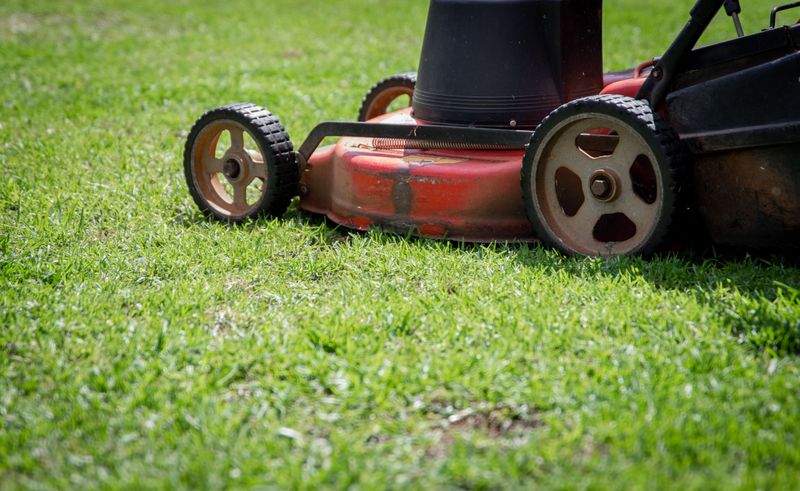
A scalped lawn heading into winter is like a person stepping outside in shorts on a chilly morning. Taller grass holds more leaf surface, stores more energy, and shades out weeds.
Cutting too low strips away that protection.
UF/IFAS recommends mowing St. Augustine at about 3.5 to 4 inches for most types. Bahia does well around 3 to 4 inches.
Zoysia and Bermuda prefer shorter cuts, so follow the guidance for your exact grass.
Fall is also when shade suddenly becomes noticeable. The sun sits lower in the sky, so tree and house shadows stretch farther across the yard.
Grass that barely got enough light in summer may now come up short.
Bermuda and Bahia struggle most in shade. Some St. Augustine cultivars handle it better, though none love deep shade.
Thinning trees carefully, by a certified arborist when needed, can let more light through.
Sometimes grass simply isn’t the right fit. Under big oaks, I’ve had far better luck with mulch or Florida-friendly groundcovers like sunshine mimosa in sunnier edges.
Working with the light beats fighting it every fall.
7. A Simple Soil Test Can Explain Stubborn Bare Patches
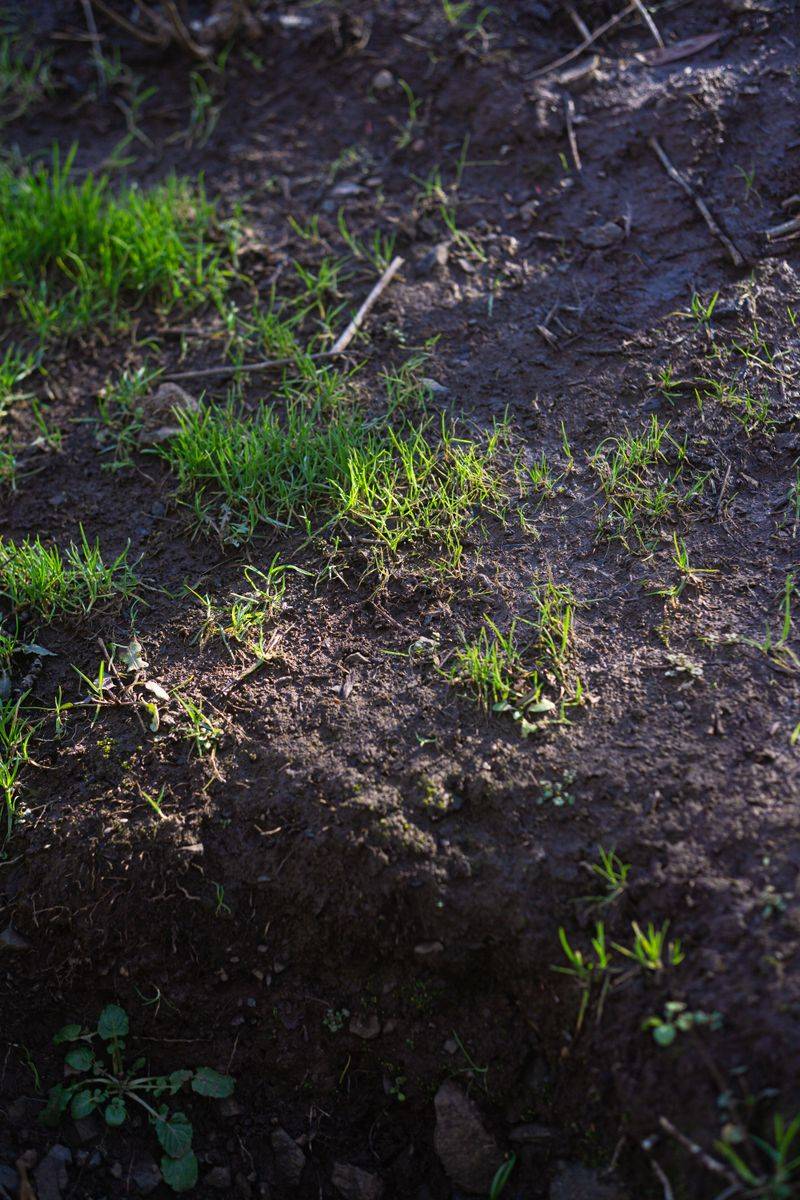
Sandy ground is part of life across much of the state, and it has quirks. Water and nutrients drain through it quickly.
Some areas also have high pH from shell or limestone fill, which can lock up nutrients like iron and manganese.
Those hidden issues often show up when grass slows in fall. A lawn that was barely coping in summer may look thin and pale once the weather cools.
Guessing at fixes usually wastes money.
A soil test removes the mystery. UF/IFAS offers affordable testing, and your county extension office can explain how to collect a sample.
Results show pH and key nutrient levels, plus advice for your specific grass.
Compaction is another sneaky factor. Heavy foot traffic, parked cars, and soggy ground press soil tight, so roots can’t spread.
Core aeration helps, but it’s best done during active growth in late spring or summer rather than winter.
My favorite takeaway is this. Mild fall fading is normal, so give your lawn rest.
Then use these cool months to observe, test, and plan, so your yard bounces back thicker when warm nights return.
So when the first cool nights roll across the state, resist the urge to water, feed, and mow harder. Instead, read the signs your grass is giving, tackle real problems like fungus, pests, or poor soil early, and trust that a well-rested lawn will reward your patience with thick, vibrant growth come spring.