Emerald Ash Borer Is Still Taking Down Virginia Ash Trees. Is Yours Next?
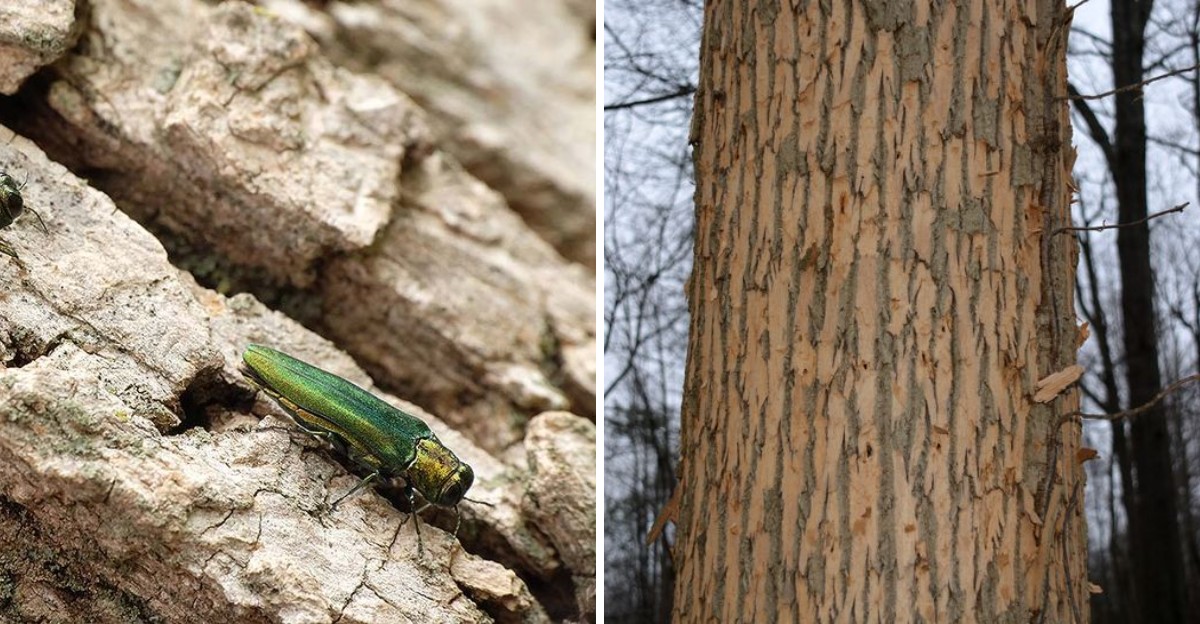
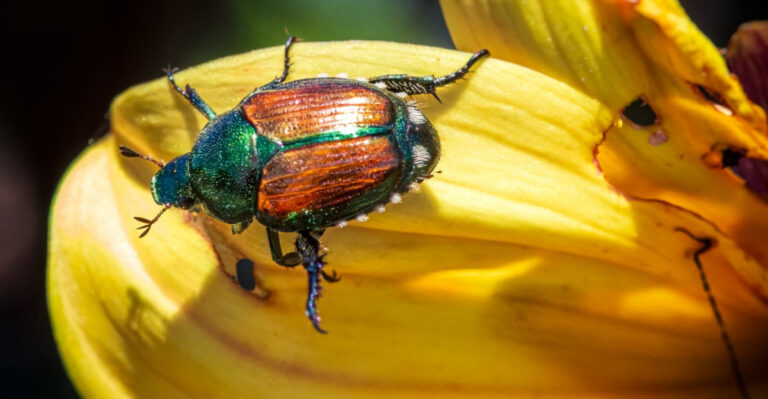
A metallic green beetle about half an inch long has been quietly rewriting the shade in Virginia neighborhoods since 2008. Most people go years without spotting one.
The adults nibble a few leaves and cause little harm. Their young are the real trouble, tunneling under bark where nobody can watch. By the time a tree looks sick, the damage has often been brewing for two or three summers.
I still remember the first time I spotted a tiny D-shaped hole in a trunk and felt my stomach drop. You start looking at every backyard tree a little differently after that. Personally, I would rather know the warning signs early than guess.
Your tree could be fine, or it could be quietly running out of time. So what is really happening under that bark, and can a beloved shade tree still be saved?
1. A Metallic Green Beetle Is Behind Those Thinning Ash Canopies
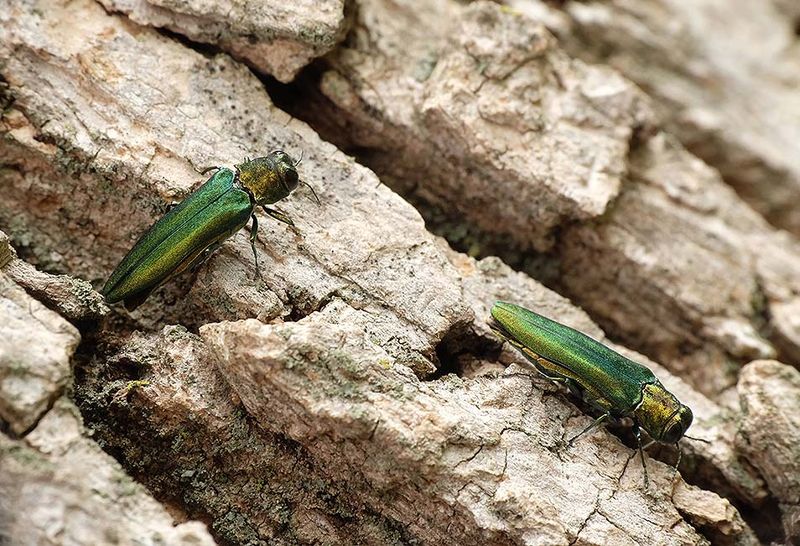
Emerald ash borer is the culprit, and it arrived in North America from Asia, probably hidden in wooden packing material. Scientists first confirmed it near Detroit in 2002.
Virginia found its first infestation in Fairfax County in 2008, and the beetle has since spread across most of the state.
The adult is a shiny, bright green beetle about half an inch long. It nibbles ash leaves for a few weeks in late spring and summer, then lays eggs in bark cracks.
Honestly, the grown-ups are not the problem.
Larvae hatch and chew S-shaped tunnels just under the bark. Those tunnels cut through the layers that carry water and food between roots and leaves.
A tree slowly starves from the inside, usually over two to five years.
Every native ash in the state is vulnerable, including green, white, black, blue, and pumpkin ash. Even white fringetree, a close relative and a popular native shrub, can host the larvae.
Researchers confirmed that surprising link in Ohio back in 2014.
Hundreds of millions of ash trees across North America have been lost so far. Mature trees in open yards and along streets are especially easy targets because the beetle loves sunny trunks.
If your ash still looks full and green, you have something worth protecting, and the next sections show you how.
2. Opposite Branches And Diamond Bark Help You Spot An Ash Tree
Plenty of folks have called me worried about their ash, only to learn it was a hickory or a walnut. Before you panic, make sure you are really looking at an ash tree.
A few quick clues will tell you.
Start with the branches. Ash twigs, buds, and leaves grow directly across from each other, which is called opposite branching.
Only a handful of common trees do this, and maples, dogwoods, and buckeyes are the usual lookalikes.
Next, check the leaves. Ash leaves are compound, meaning each one is made of several smaller leaflets, usually five to eleven.
Maples have simple, hand-shaped leaves, so that rules them out quickly.
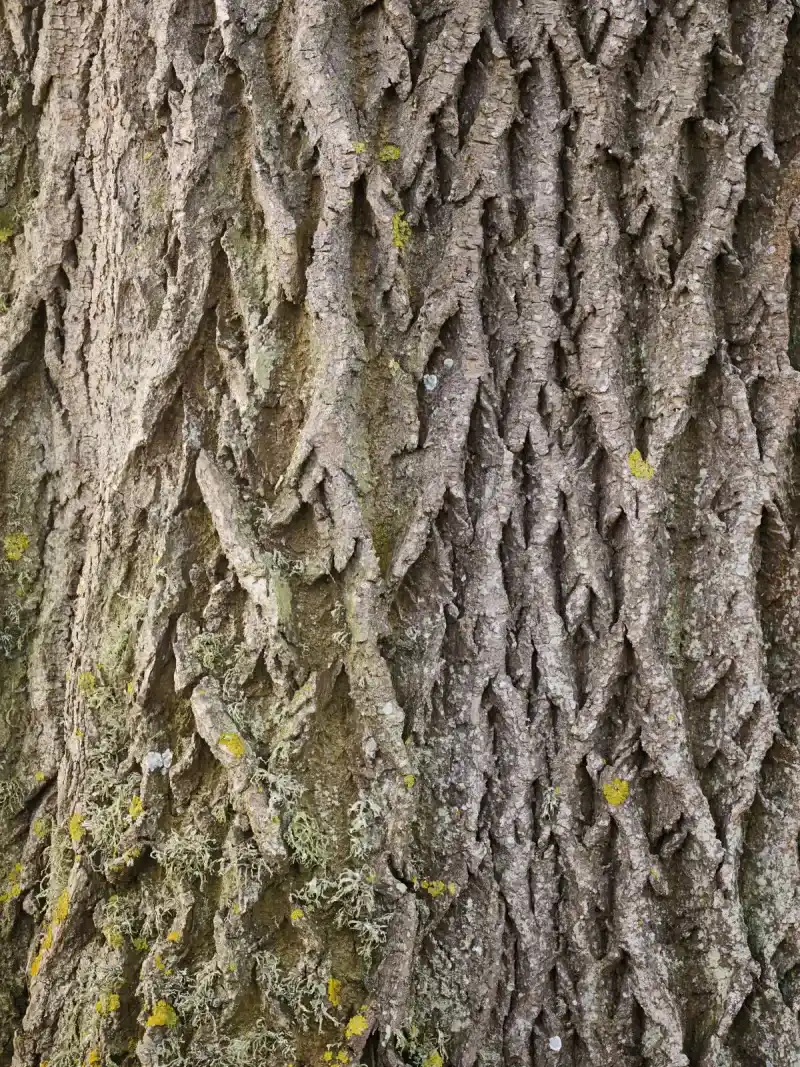
Then step back and look at the trunk. Mature ash bark often forms a tight pattern of diamond-shaped ridges, almost like woven netting.
Your Virginia Garden Changes Every Week. Your Plan Should Too.
Gardening in Virginia changes quickly throughout the season. Every Friday you’ll receive a simple weekly plan showing exactly what to plant, prune, fertilize, harvest, and protect so you never miss the right timing.
Young trees have smoother bark, so combine this clue with the leaves and branches.
Fall offers one more hint. White ash can turn lovely shades of purple and maroon, while green ash usually goes yellow.
In winter, look for thick twigs with stubby buds sitting in pairs.
If you are still unsure, snap a few clear photos of a leaf, a twig, and the bark. Your local Virginia Cooperative Extension office can help confirm what you have.
Knowing your tree for sure saves you money and worry.
3. D-Shaped Exit Holes And Woodpecker Blonding Are Major Red Flags
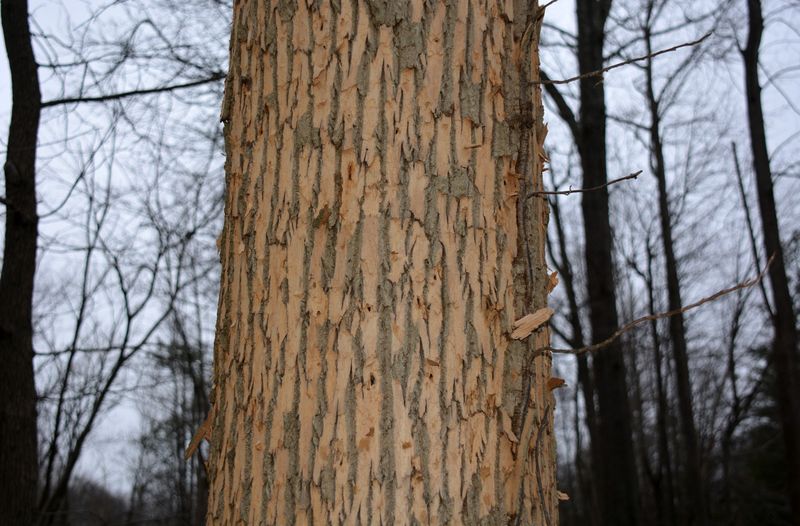
Woodpeckers are often the first to notice trouble, and they are pretty good snitches. When they find larvae under ash bark, they flake off the outer layer to reach them.
That leaves pale, light-colored patches called blonding, which stand out from a distance.
Look closely at the trunk, too. Adult beetles chew their way out through small D-shaped exit holes, roughly an eighth of an inch across.
The flat side of the D is the giveaway, since most native borers leave round or oval holes.
Other warning signs show up higher in the tree. The upper canopy starts thinning, leaves look sparse, and branches near the top may lose their leaves first.
You might also spot thin vertical splits in the bark where tunnels sit underneath.
Clusters of leafy sprouts along the trunk or at the base are another clue. Arborists call these epicormic shoots, and they signal a stressed tree trying to survive.
If you peel back a loose piece of bark, you may find winding tunnels packed with sawdust-like material.
My advice is simple: walk around your ash trees every few months with binoculars and a phone camera. Early infestations are sneaky, so small changes matter.
Catching problems before the canopy loses a third of its leaves gives you far more options.
4. Trunk Injections Can Still Save A Healthy Ash Tree
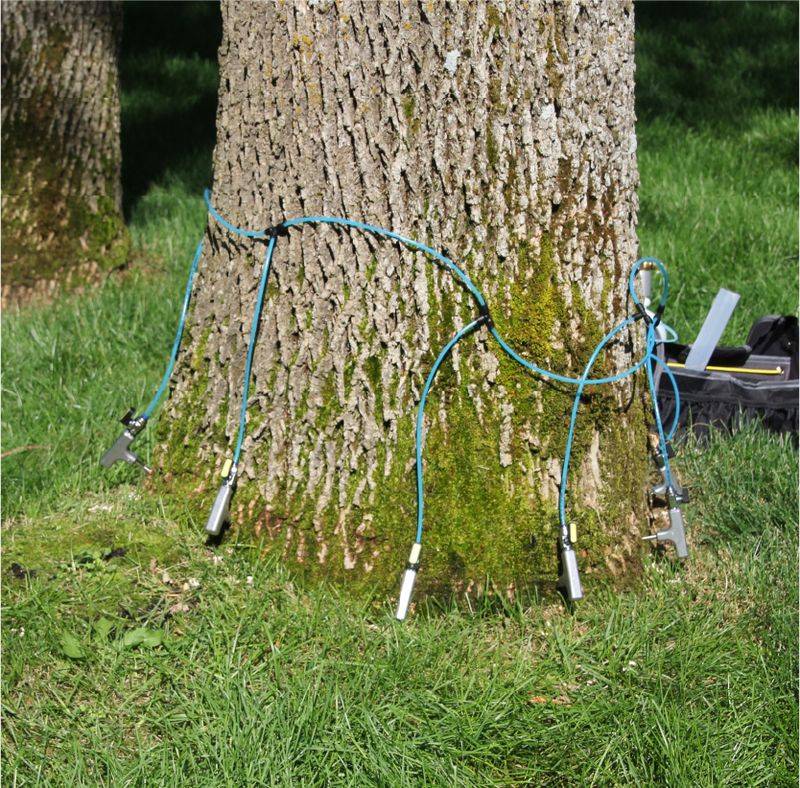
Treatment works, and it works well when you start early. Research from several universities shows systemic insecticides can protect ash trees for years.
The key is treating trees that still have most of their canopy.
Most experts suggest treating only ash trees with less than about 30 percent canopy loss. Once a tree is badly declined, its damaged plumbing cannot move the product well.
At that point, removal is usually the smarter choice.
Emamectin benzoate is the heavy hitter. A certified arborist injects it directly into the trunk, and a single treatment can protect a tree for two to three years.
Many studies rank it as the most effective option available.
Imidacloprid is the product you will see at garden centers as a soil drench. Homeowners can apply it themselves around the base, but it needs to be repeated every year.
It tends to work best on smaller trees.
Dinotefuran is another choice, sprayed on the lower trunk bark where it soaks in. It moves quickly through the tree, which helps with trees that need faster protection.
It also requires yearly treatment.
Cost matters, of course. Treating a large ash every few years usually costs far less than removing it, especially if the tree shades your house.
I think of it as an insurance plan for a tree that took decades to grow.
5. Spring Is Prime Time For Treating Ash Trees In Virginia
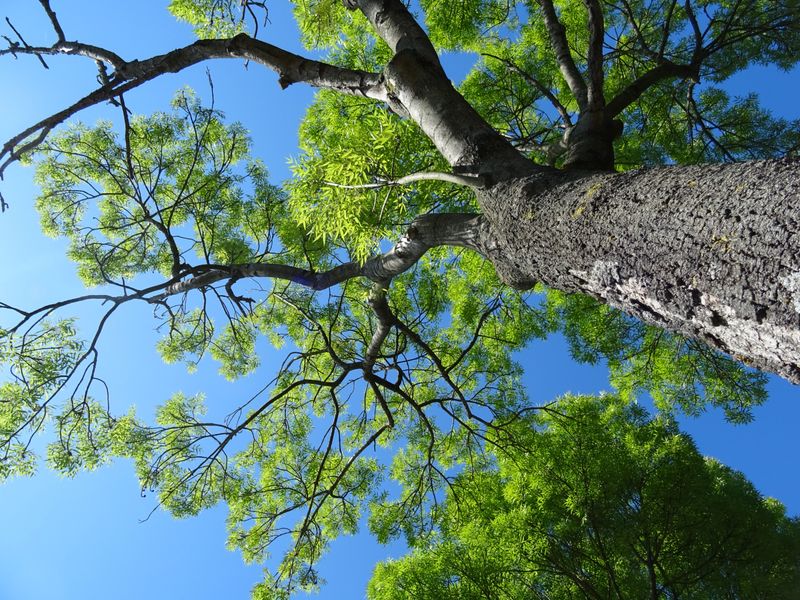
Timing can make or break a treatment, so mark your calendar. Most systemic products work best in spring, when trees are actively pulling water up from the roots.
That flow carries the insecticide where it needs to go.
Soil drenches with imidacloprid are usually applied from about mid-March to mid-May. Roots need time to absorb the product before young larvae start feeding in early summer.
A fall application can also work, though spring is generally preferred.
Dinotefuran bark sprays have a slightly longer window, often from mid-March into early June. Since it moves faster through the tree, it gives you a bit more wiggle room if spring gets busy.
Trunk injections with emamectin benzoate are usually done after the leaves fully open, roughly mid-May through June. Arborists like this window because sap is flowing strongly and the tree takes up the product fast.
Book early, since good tree crews fill their schedules quickly.
Watering helps more than people realize. A thirsty tree in a dry spell cannot move treatments well, so give your ash a deep soaking before and after application if rain has been scarce.
A slow trickle from a hose for an hour does the trick.
Remember that eastern Virginia warms earlier than the mountains. Adjust your timing by a week or two depending on where you live.
6. Brittle Ash Limbs Become A Hazard Faster Than You Expect
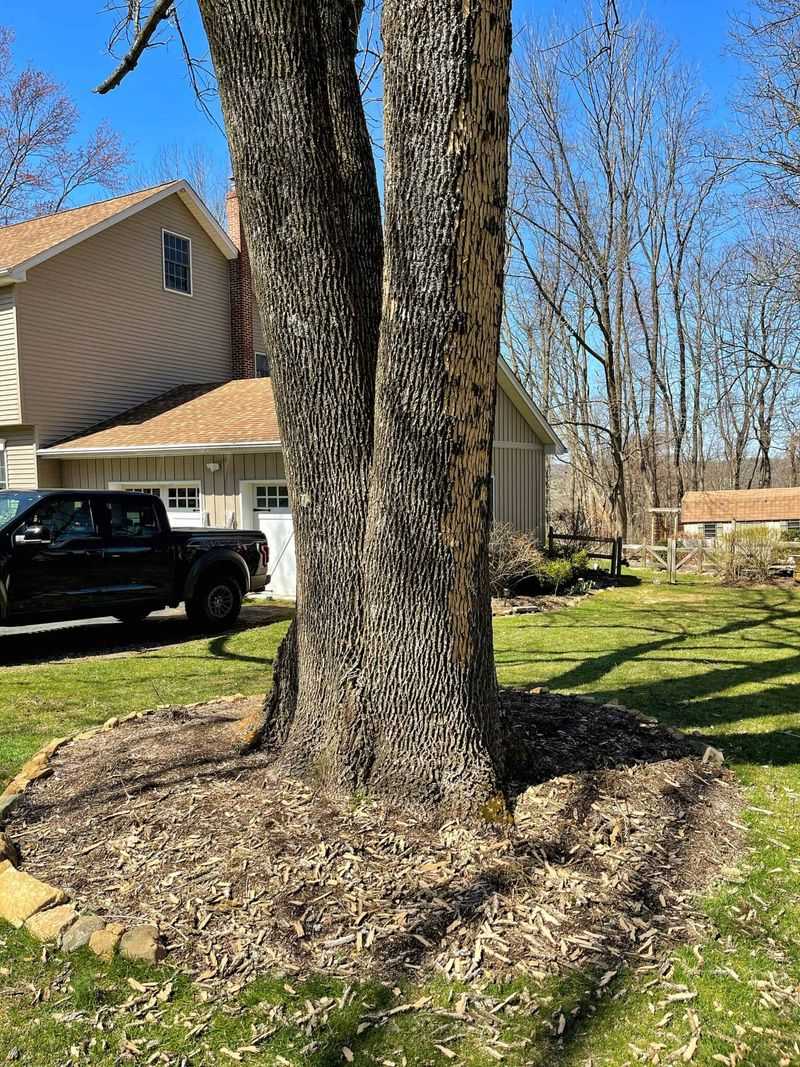
Ash wood has a funny reputation. Healthy ash is tough enough for baseball bats and tool handles, yet infested ash turns brittle surprisingly fast.
Tree workers say it can snap like dry spaghetti.
Once the borer finishes its work, the wood dries out and loses strength much quicker than with many other trees. Limbs can drop without warning, even on calm days.
Whole trunks sometimes fail within a year or two of decline.
That creates real safety concerns near homes, driveways, fences, and play areas. Many arborists also refuse to climb badly declined ash because the branches may not hold their weight.
Bucket trucks or cranes then become necessary, and the bill climbs.
So waiting has a price. Removing an ash while it still has some strength is often cheaper and safer than removing a brittle one later.
If treatment is not in your plans, scheduling removal sooner rather than later makes good sense.
Ask for an inspection from an ISA Certified Arborist if a large ash stands within reach of your house. They can judge how sound the wood is and recommend next steps.
Get more than one estimate, too.
Ash trees deep in a wooded area pose less risk and can sometimes stay put. Standing snags offer homes for woodpeckers and other wildlife, as long as they cannot fall on anything important.
7. Moving Firewood Helps The Emerald Ash Borer Hitch A Ride
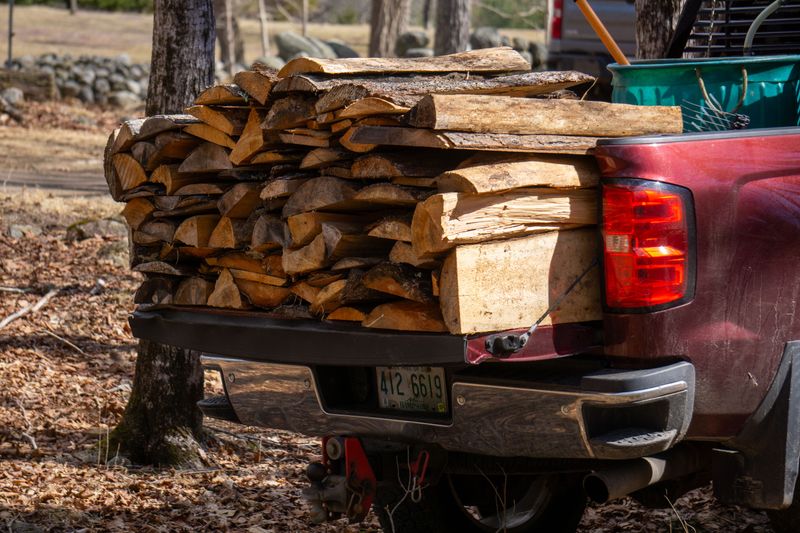
Left on its own, the emerald ash borer spreads only a few miles a year. People speed things up dramatically by hauling firewood, logs, and nursery stock.
One load of infested wood in a pickup truck can start a new outbreak far from home.
The federal quarantine for this beetle ended in January 2021, because it had already spread to so many states. That does not mean moving wood is harmless.
Firewood can still carry other pests, such as spotted lanternfly egg masses and invasive wood borers.
The safest rule is simple: buy firewood where you plan to burn it. Many experts suggest keeping it within about ten miles of its source, and certainly no more than fifty.
Certified heat-treated firewood is another solid choice for camping trips.
If you remove an infested ash, handle the wood wisely. Chipping it into small pieces reduces the chance of larvae surviving.
Burning on site may be an option where local rules allow it.
Fun fact: Virginia has also fought back with tiny parasitic wasps. The Virginia Department of Forestry has released several species from Asia, harmless to people, that lay eggs inside borer eggs or larvae.
They will not save every tree, but they help young ash trees in forests hold on.
Your local extension office or forestry office can share current disposal tips for your county.
8. Kentucky Coffeetree And Other Natives Make Smart Ash Replacements
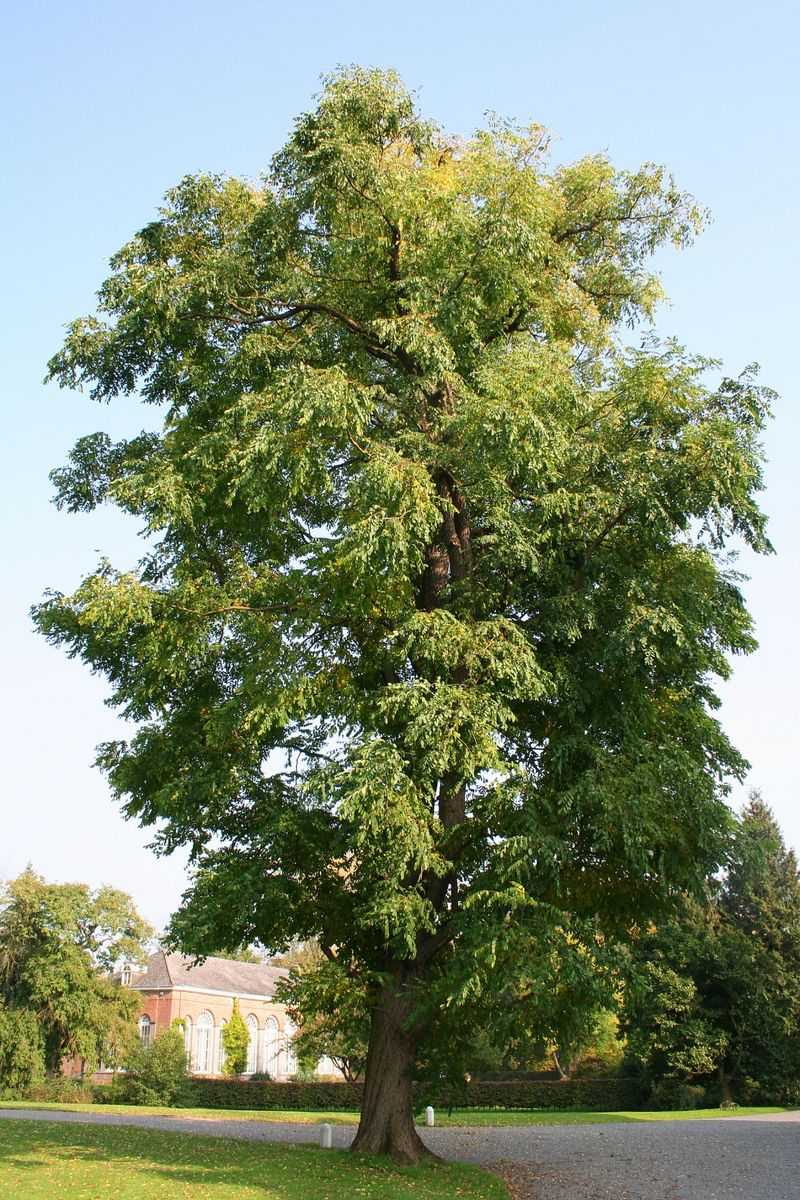
Losing a big shade tree stings, but it opens a spot for something new. I like to treat it as a fresh start rather than a sad hole in the yard.
The trick is choosing variety so one pest cannot sweep through your whole landscape again.
Kentucky coffeetree is a favorite of mine. It handles tough urban soil, offers lacy summer shade, and has chunky bark that looks great in winter.
Common hackberry is another tough native that birds adore for its small fruits.
For wet spots, swamp white oak, river birch, and bald cypress all do well in much of the state. Black gum gives brilliant red fall color and feeds pollinators in spring.
Sycamore grows fast and loves stream banks.
Disease-resistant American elm cultivars, such as Princeton or Valley Forge, bring back that classic arching shape. Ginkgo is not native, but it is non-invasive and remarkably tough in city settings.
Avoid Callery pear and tree of heaven, which are invasive and spread aggressively.
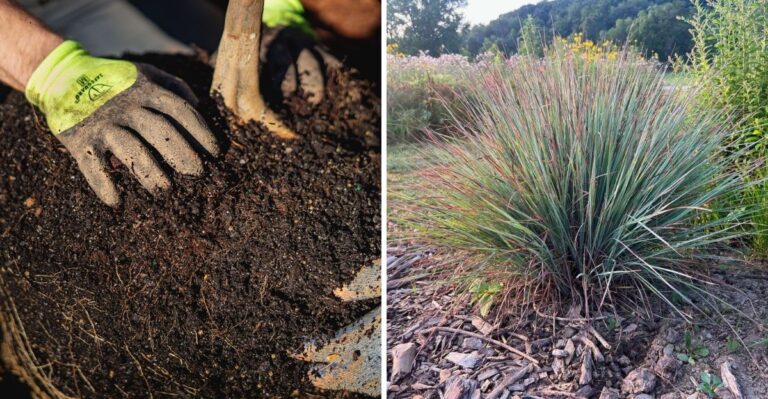
Try to plant in fall or early spring when temperatures are mild and roots can settle in. Water deeply during the first two summers, and spread mulch in a wide ring without piling it against the trunk.
If your ash is still healthy, consider treating it while planting a young replacement nearby. That way, shade keeps coming no matter what happens next.