Why Virginia Gardeners Should Plant Natives Before The Ground Gets Cold
A newly planted shrub can keep growing roots in soil that still feels warm, even after its leaves drop and the branches look asleep.
That quiet work happens underground, out of sight, while the air turns crisp and you are reaching for a sweater. I like how the garden seems to rest on top while it stays busy below.
In Virginia, autumn soil often stays warmer than the air for weeks. Fall rain usually picks up too, and the sun stops baking young leaves.
Personally, I find it a little thrilling that the slowest-looking season can give new plants one of their strongest starts.
There is a catch, though. That window does not stay open forever, and the plants you choose matter as much as the timing.
But which ones are worth digging in now, and how late is too late?
1. Warm Soil Under Falling Leaves Is Doing Secret Root Work
Soil holds onto summer heat much longer than the air does. While your mornings feel chilly, the ground a few inches down can still be pleasantly warm.
Roots love that combination. Cool air slows leaf growth and lowers water loss, so a new plant spends less energy on foliage.
Warm soil keeps root cells active, which lets fresh roots push outward into the surrounding dirt.
Virginia Cooperative Extension and many native plant groups point to fall as a prime planting season for trees, shrubs, and perennials for this exact reason. Roots of many woody plants keep growing until soil temperatures fall to around 40 degrees.
That can mean weeks of extra growth after the first frost nips the leaves.
I find this part fun to explain to friends. A plant that looks bare and quiet in November may be stretching new roots almost every day.
By spring, a fall-planted shrub has a head start. Its roots are already settled, so it can drink and feed when warm weather arrives.
A spring-planted twin often spends its first summer struggling to catch up while the heat climbs and rain grows scarce.
2. Plan To Get Plants In The Ground About Six Weeks Before Hard Frost
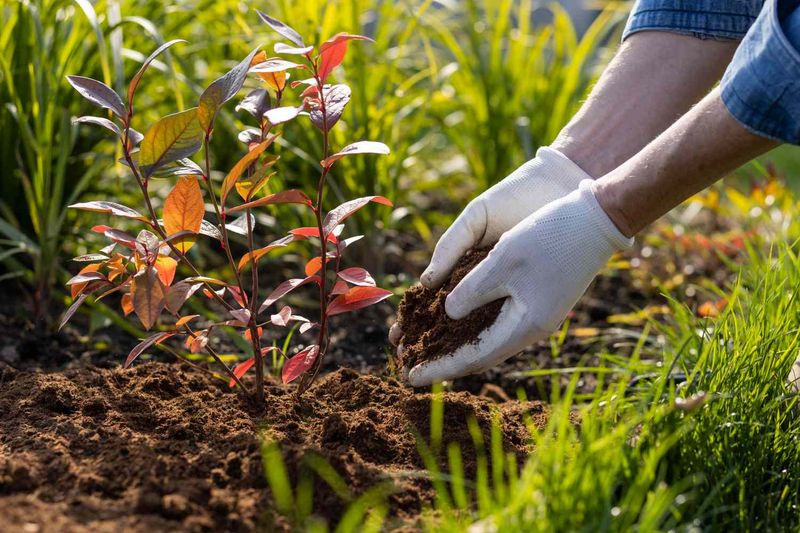
Timing is the whole game here. A handy rule from many extension experts is to plant roughly six weeks before the ground starts to freeze.
Virginia has a wide spread of conditions, so your calendar depends on where you live. Mountain areas in the west, often in USDA zone 6, cool off first.
The Piedmont, mostly zone 7, gives you more time, and coastal areas near zone 8 often stay workable well into late fall.
For many gardeners, mid-September through October is the sweet spot. Trees and shrubs can often go in through November in milder spots, as long as the soil is not frozen or soggy.
Perennials with smaller root systems like an earlier start, so October is a safer bet for them.
Check your local first frost date through Virginia Cooperative Extension or your county office. A simple soil thermometer also helps.
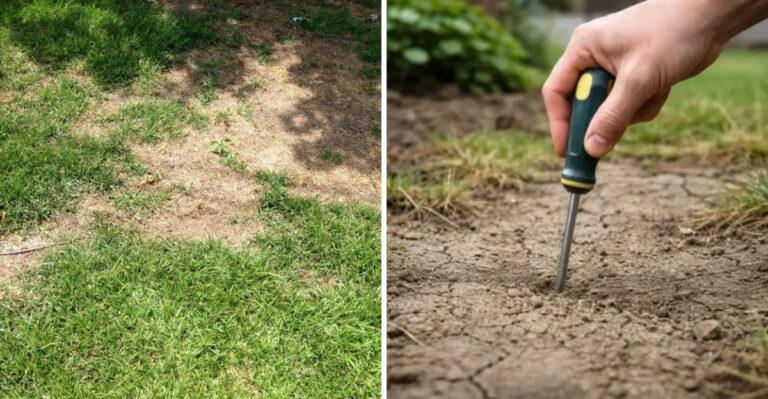
One quick test works well. Push a shovel into the ground.
Your Virginia Garden Changes Every Week. Your Plan Should Too.
Gardening in Virginia changes quickly throughout the season. Every Friday you’ll receive a simple weekly plan showing exactly what to plant, prune, fertilize, harvest, and protect so you never miss the right timing.
If it slides in and the soil crumbles instead of sticking in clumps, you are in business. If it hits a frozen crust, wait until spring and enjoy planning instead.
3. Fall Rain And Cooler Days Mean Far Less Hose Duty
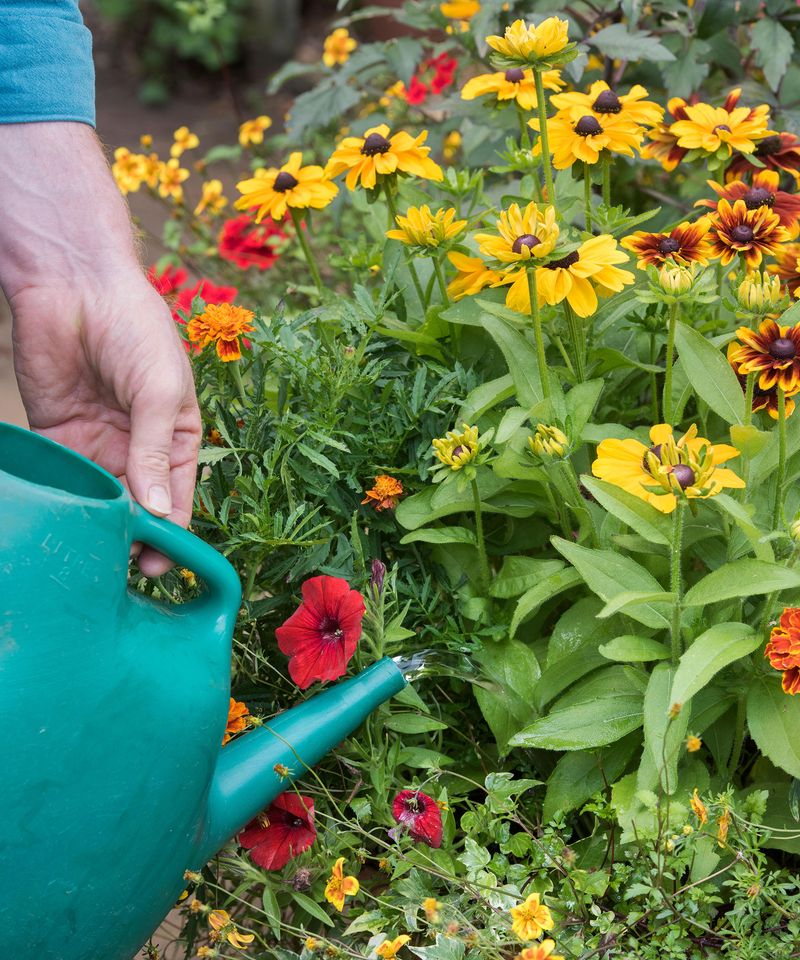
Dragging a hose around in July is nobody’s favorite chore. Fall planting cuts that job down a lot.
Cooler temperatures mean plants lose less water through their leaves. The soil also dries more slowly because the sun sits lower and the days are shorter.
Virginia usually gets fairly steady rainfall through autumn, which gives young roots a regular drink.
That does not mean you can walk away. New plants still need help during their first season, especially if a dry spell hits.
Aim for about an inch of water a week, counting rain, until the ground freezes.
Here is my favorite trick. Stick a finger about two inches into the soil near the plant.
If it feels dry, water deeply and slowly so moisture reaches the roots instead of running off.
Deep, less frequent watering trains roots to grow downward. Quick sprinkles keep roots shallow and lazy, which is the opposite of what you want before winter.
A rain gauge costs only a few dollars and takes the guesswork out. Once the leaves drop and the soil chills, most plants need very little water until spring wakes them up again.
4. Asters And Goldenrod Feed Hungry Pollinators Right Now
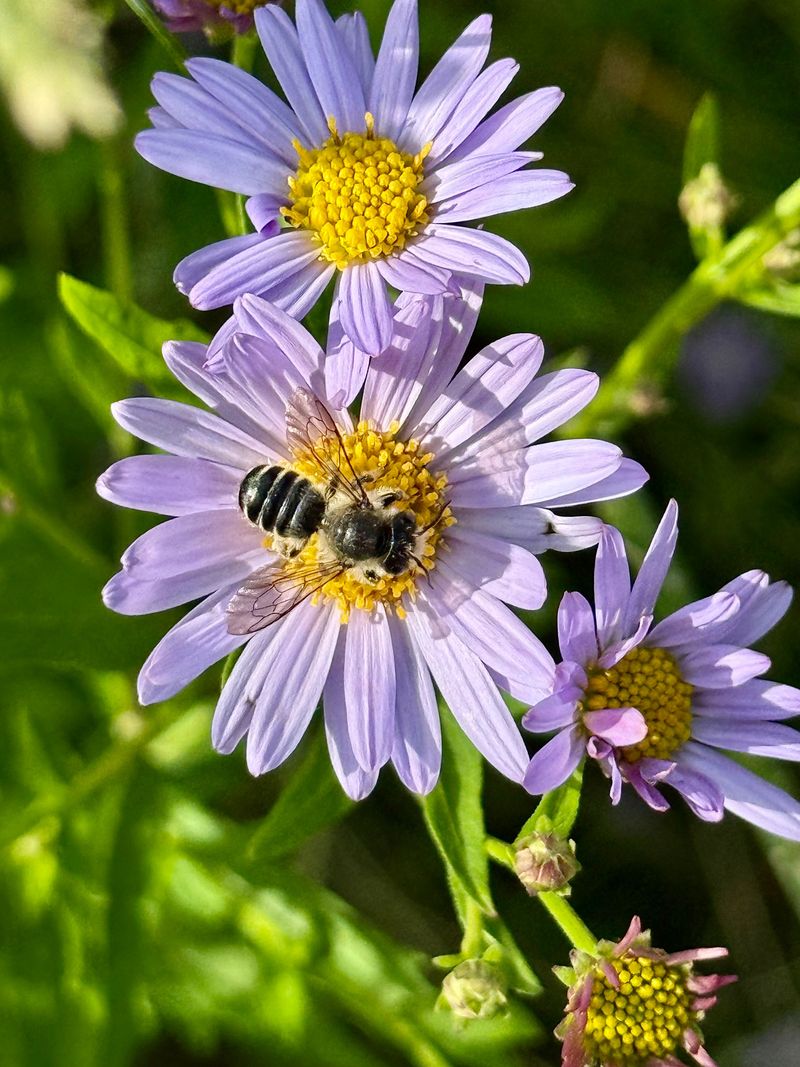
Late-season bees are running out of time. Native asters and goldenrods are among the last major food sources before winter, and many pollinators rely on them.
Goldenrod gets blamed for allergies, but that is mostly a case of mistaken identity. Its pollen is heavy and carried by insects, while ragweed, which blooms at the same time, releases the pollen that floats in the air.
Virginia has many native goldenrod species. Good choices include gray goldenrod and wreath goldenrod, which stays tidy in shady spots.
Aromatic aster, calico aster, and New England aster bring purple, white, and pink blooms that pair beautifully with that golden color.
Migrating monarchs often stop for aster nectar on their trip south. Native bees load up too, preparing to overwinter.
Planting these perennials in fall gives them time to root before they bloom next year. Many nurseries put them on sale this time of year, so you might score a bargain.
Place asters in full sun to light shade. Give goldenrods some room, since a few kinds spread quickly.
Clump-forming types work best in smaller beds where you want things to stay put.
5. Winterberry And Sweetspire Shrubs Love A Fall Start
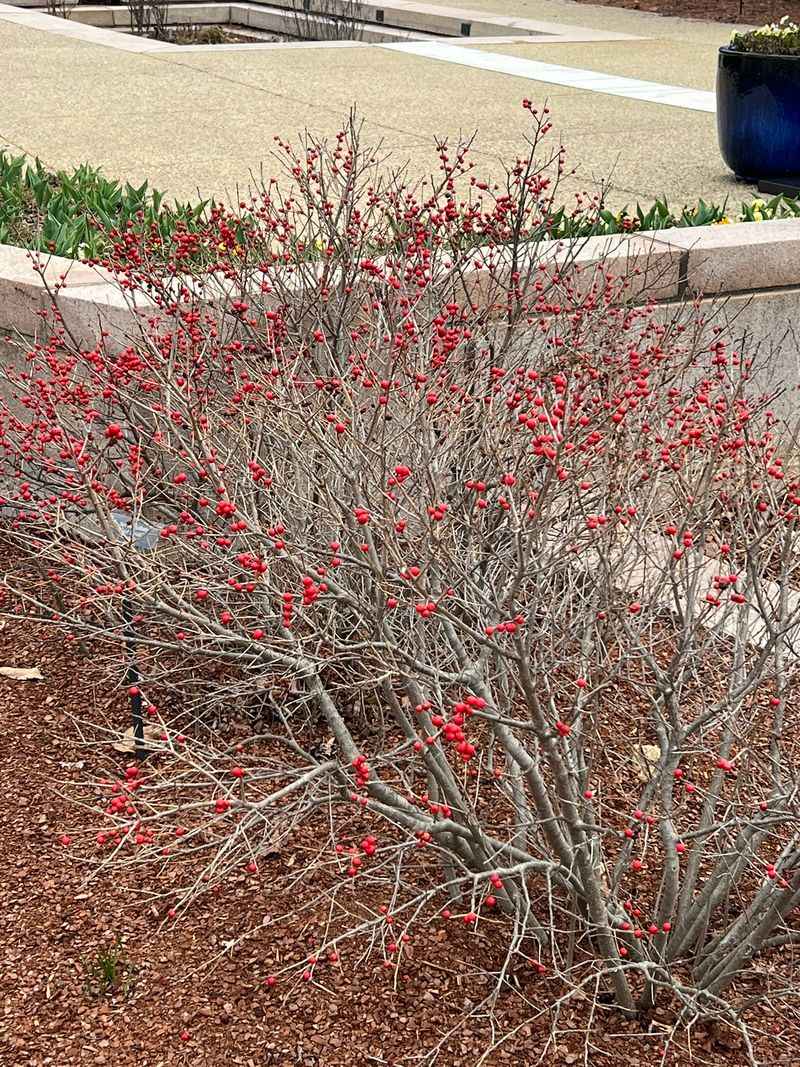
Woody plants are the true champions of fall planting. Their larger root systems benefit most from those extra weeks of warm soil.
Winterberry holly is a showstopper. It drops its leaves in autumn and reveals clusters of bright red berries that last into winter, feeding robins, bluebirds, and other birds.
Plant at least one male shrub nearby so the females can produce fruit.
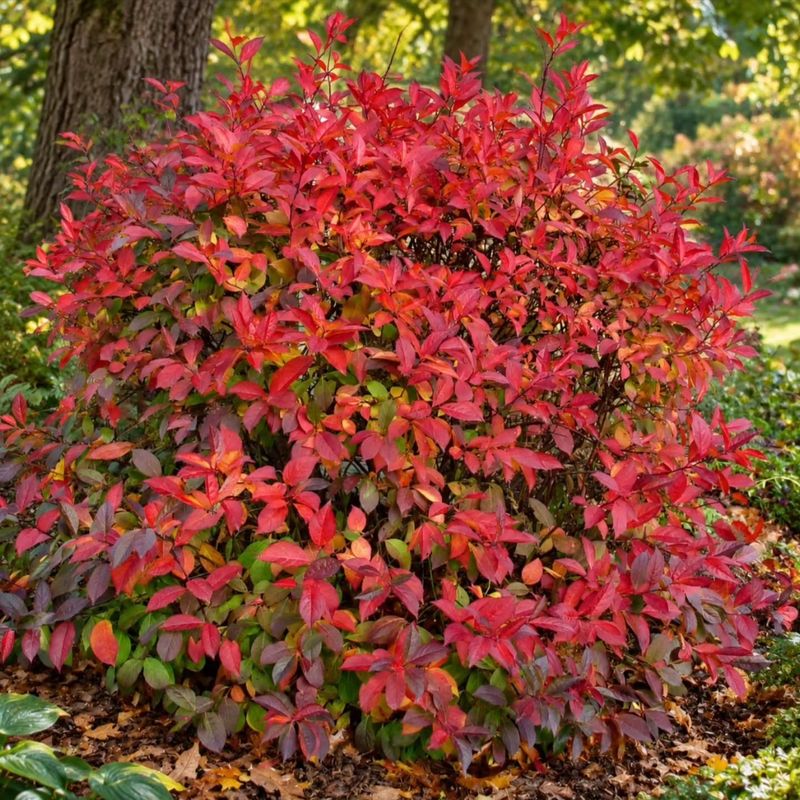
Virginia sweetspire, Itea virginica, puts on its own show. It has fragrant white flower spikes in early summer and leaves that turn rich red and purple in fall.
It handles wet spots well, making it great for rain gardens.
Serviceberry, also called shadbush, is another favorite. It offers white spring flowers, summer berries birds adore, and orange fall color.
Native trees like redbud, flowering dogwood, and oaks also settle in well this season. Oaks support hundreds of caterpillar species, which feed baby birds every spring.
Choose container-grown or balled shrubs from a local nursery. Ask whether they are straight species or cultivars, since some gardeners prefer straight species for wildlife.
Either way, fall is your moment to get them rooted.
6. Dig A Wide Shallow Hole And Skip The Fancy Soil
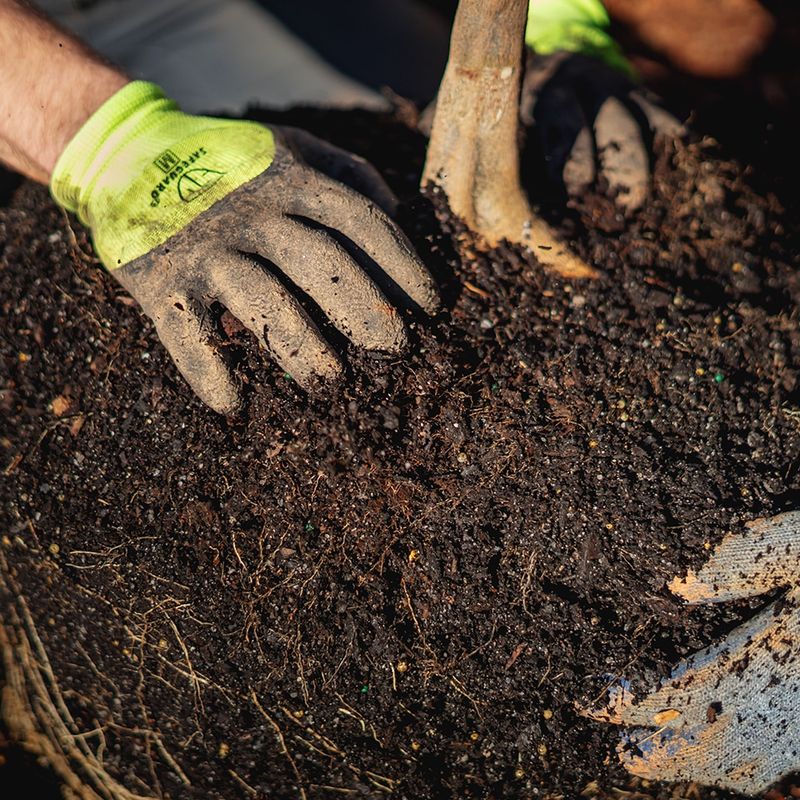
Most planting problems start with a hole dug too deep. A plant set below grade can struggle for years with soggy, airless roots.
Dig a hole two to three times wider than the root ball but only as deep as the roots. The spot where the stem meets the roots, called the root flare, should sit level with the ground or slightly above it.
Native plants are adapted to local soil, so you usually do not need to haul in bags of rich mix. Heavily amended holes can act like a bathtub in Virginia clay, holding water around roots.
Backfill with the soil you removed instead.
Gently loosen circling roots before planting. If roots wrap tightly around the pot, tease them apart with your fingers so they grow outward.
After backfilling, water slowly to settle the soil and remove air pockets. Then add two to three inches of shredded wood mulch or leaves.
Keep mulch a few inches away from stems and trunks. Piling it up like a volcano invites rot and rodents.
A flat donut shape works much better and keeps moisture steady through winter.
7. Little Bluestem And Switchgrass Add Winter Texture And Shelter
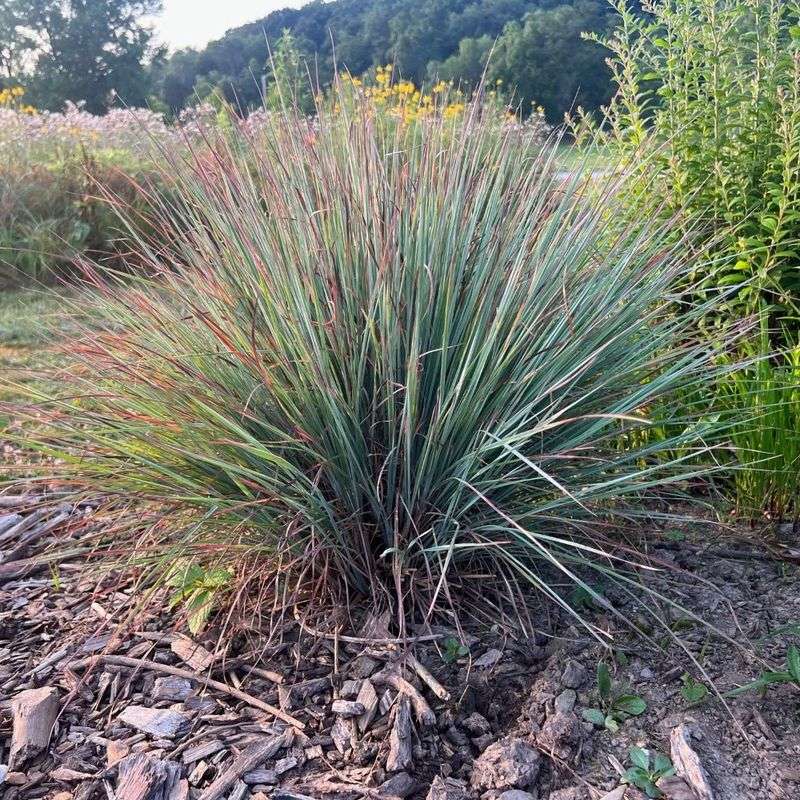
Native grasses might be the most underrated plants in a Virginia yard. They look good in every season, including the quietest months of winter.
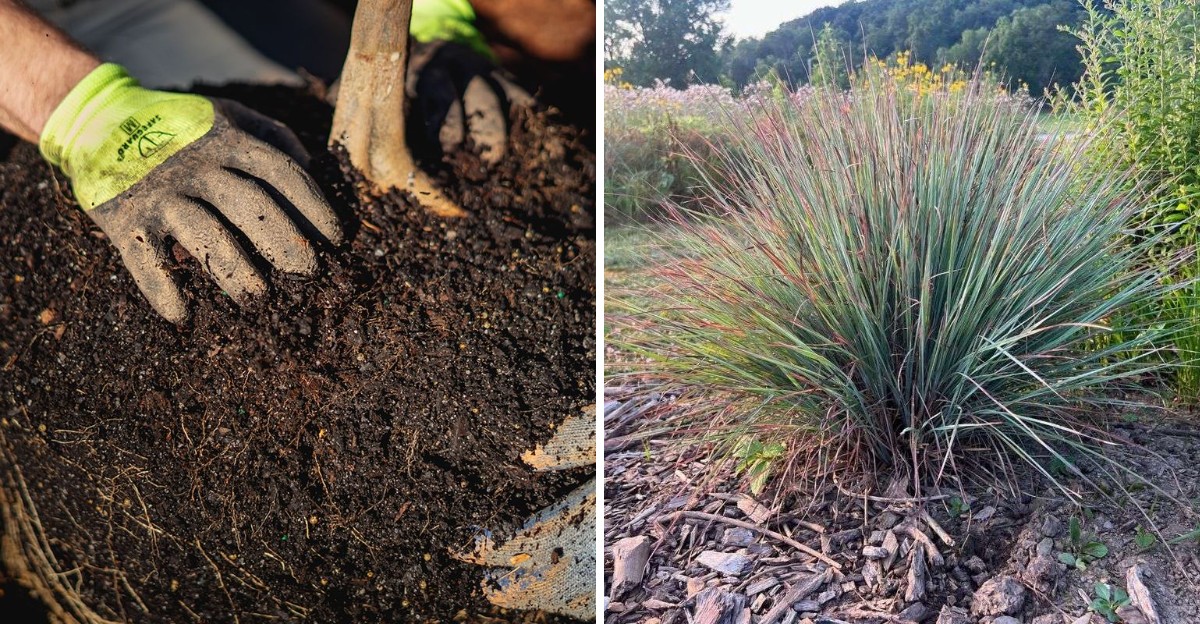
Little bluestem turns a warm copper and orange color in fall. It stays upright through winter, catching frost and snow in a way that looks almost magical on a sunny morning.
It handles dry, poor soil without complaint.
Switchgrass grows taller and forms airy seed clouds that sway in the wind. Its seeds feed sparrows and juncos, and its clumps offer cover for small creatures in cold weather.
Both grasses have deep roots that help soak up stormwater and hold soil in place. That makes them helpful on slopes or near downspouts.
Fall is a fine time to plant them, as long as they go in early enough to anchor before the deep cold. Warm-season grasses root a bit slower in cool soil, so aim for September or early October.
Leave the stems standing all winter. Cut them back in late winter, before new green shoots appear, and you will enjoy months of texture and plenty of busy wildlife visits.
8. Leave The Leaves And Seed Heads For A Garden That Keeps Giving
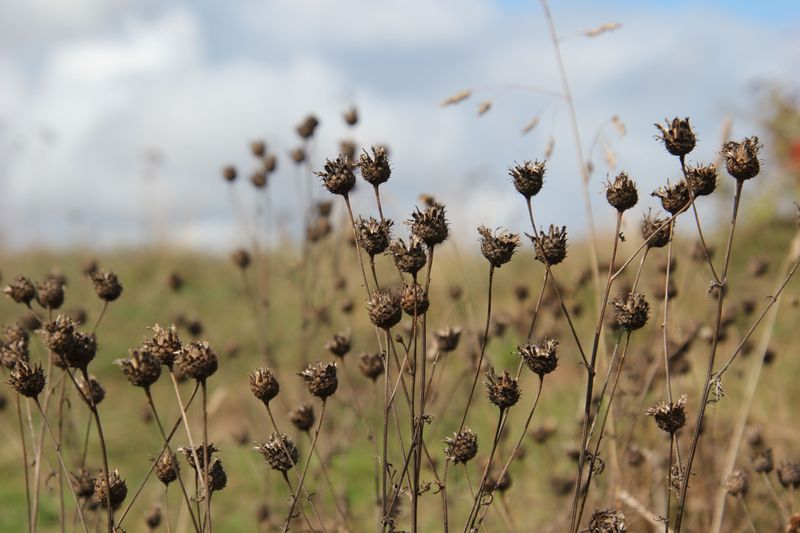
Raking every leaf might feel productive, but your new natives would rather keep them. A light leaf layer is free mulch that also builds healthier soil.
Many insects spend winter in leaf litter. Some butterflies and moths overwinter as eggs, caterpillars, or cocoons tucked in fallen leaves.
Fireflies and beneficial beetles hide there too.
Spread leaves over planting beds, keeping them a bit away from crowns and stems. If you have a thick layer on the lawn, mow it into small pieces or move it to the beds.
Hold off on cutting back perennials until late winter or early spring. Coneflower and blazing star seed heads feed goldfinches and other birds.
Hollow stems give native bees a place to nest.
Tall stems also catch snow and help insulate the soil around new roots. That extra cover can reduce frost heaving, which sometimes pushes small new plants out of the ground.
Walk your garden after cold snaps. If a plant has lifted, gently press it back down.
Plant now, tidy less, and watch in spring. Your yard will likely buzz with more life than ever before.