8 Mistakes Florida Gardeners Make Keeping a Christmas Cactus Alive
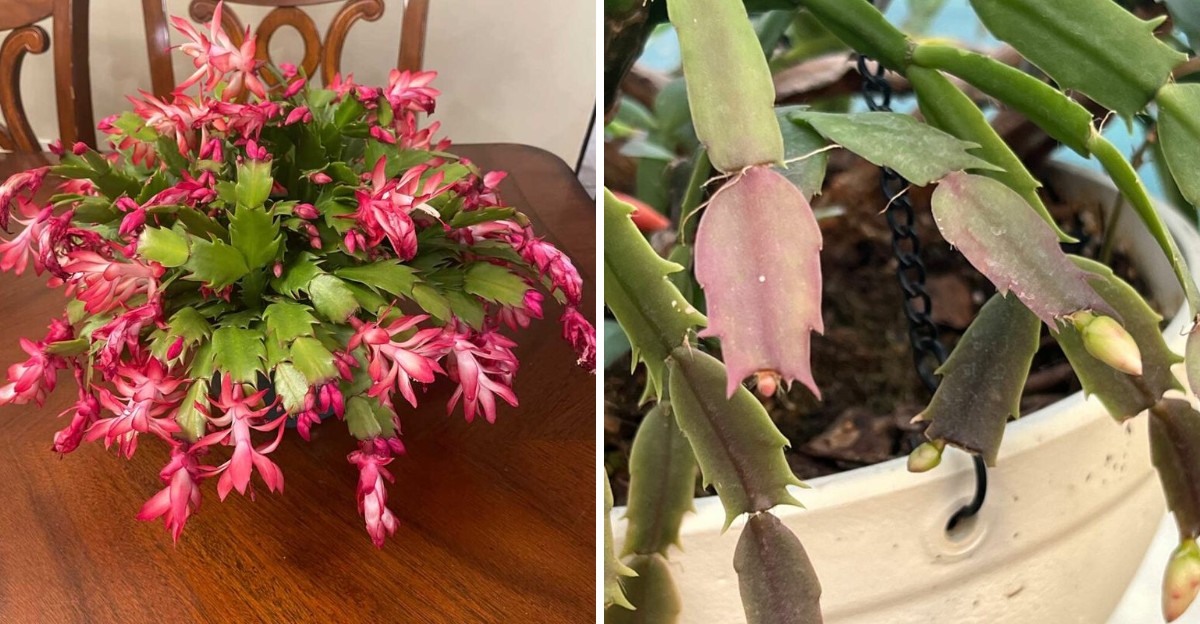
My holiday plant once dropped every single bud overnight, and I nearly cried into my morning coffee. The culprit turned out to be a tiny mistake I made weeks earlier in the fall.
Florida growers face a strange puzzle with this flat-stemmed beauty from the misty mountains of Brazil. Our warm nights and generous watering habits often work quietly against it during the whole season.
I believe most failures come from love, not neglect, and that surprised me more than anything. We fuss over these plants too much, and they quietly sulk in their pots on the windowsill.
Early October is the perfect moment to fix things here in Florida, with bud season just ahead. These eight slipups are easy to spot, and each one has a simple fix you can try today.
Drowning Roots With Daily Drinks
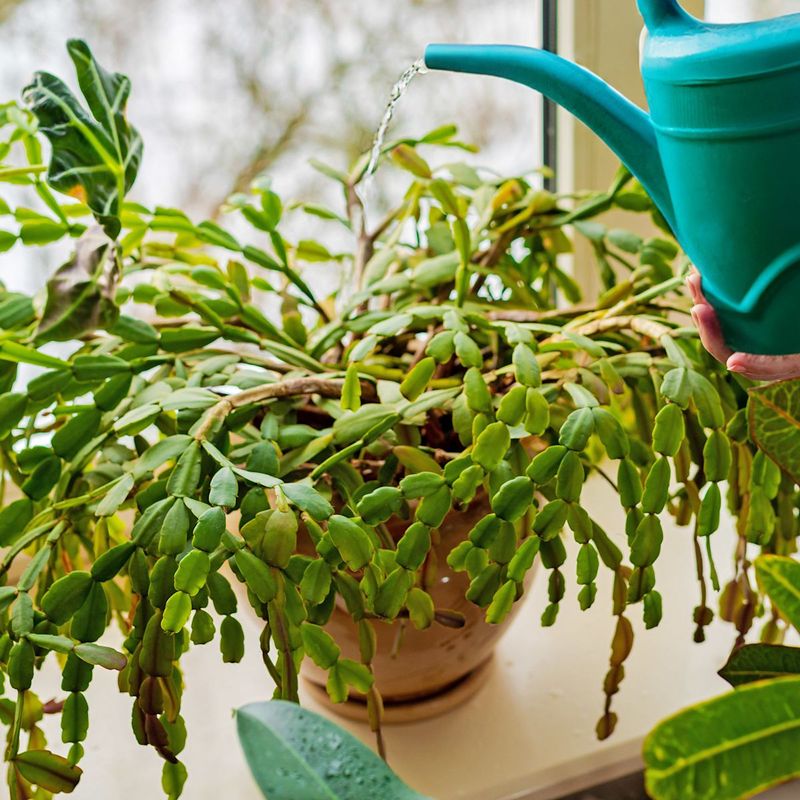
Your watering can might be the biggest threat sitting on your windowsill right now, and that stings a little. I learned this lesson the soggy way, with mushy stems that smelled like an old swamp.
In the wild, these plants grow on tree branches in Brazilian forests, not buried in wet dirt. Their roots cling to bark and moss, catching quick drinks of tropical rain that drain away fast.
When soil stays wet for days, roots run short on air and start to rot below the surface. You may notice limp yellow segments or a plant that wobbles loosely when you touch its pot.
A simple finger test works wonders, so poke the soil about an inch deep before you grab the can. If it still feels damp and cool, walk away and check again in a few more days.
Humid Florida air also slows how fast pots dry out, especially on shady porches and patios in fall. Afternoon showers can soak outdoor pots too, so move them under a roof during long rainy stretches.
Drainage holes matter just as much as your watering schedule, so check every pot you own today. Empty saucers after watering, because standing water quietly wicks back up into the root zone below.
Personally, I water deeply until it drains out, then wait patiently for the top inch to dry. That rhythm keeps roots firm and white, which is exactly what a happy plant shows off underground.
Baking Pads In Afternoon Sun
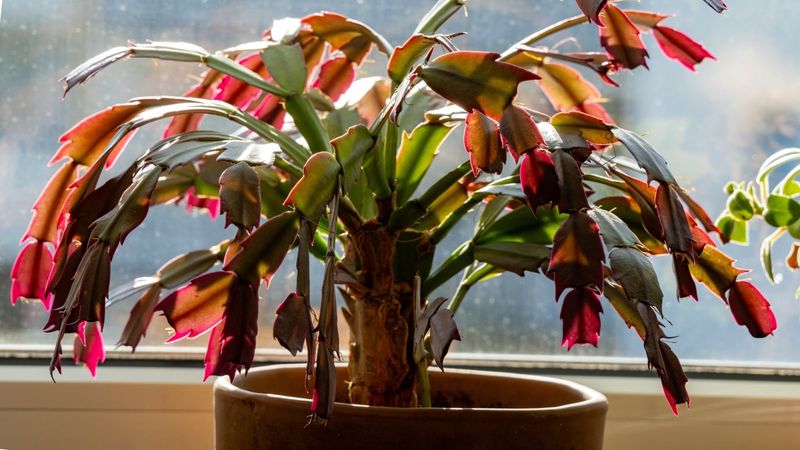
Those flat green segments can turn reddish purple, and many gardeners blame a disease that is not there. Most of the time, the plant is simply sunburned and begging for a softer, shadier spot.
Our sunshine packs a serious punch, even in October, and a south window can feel like an oven. These forest plants evolved under a leafy canopy, where light arrives filtered and gentle all day.
Bright, indirect light is the sweet spot, like the glow near an east window in the early morning. Morning rays are mild and short, so they warm the plant without scorching its tender, flat pads.
Outdoors, a covered porch or the deep shade of a big live oak tree makes a lovely home. Dappled light dancing through leaves copies the native forest better than any fancy grow lamp can.
Watch for bleached tan patches on the stems, because those spots mean the tissue already took damage. Burned areas will not turn green again, but new growth will look healthy after you move it somewhere softer.
Shift the pot gradually over a week or so, since sudden changes in light can stress it. A plant used to deep shade also needs time before it handles brighter conditions near a bright window.
I like how quickly a sun-stressed plant bounces back once it finds the right amount of light. Within a few weeks, the reddish tint usually fades and fresh green segments start popping out again.
Ignoring The Long Dark Nights
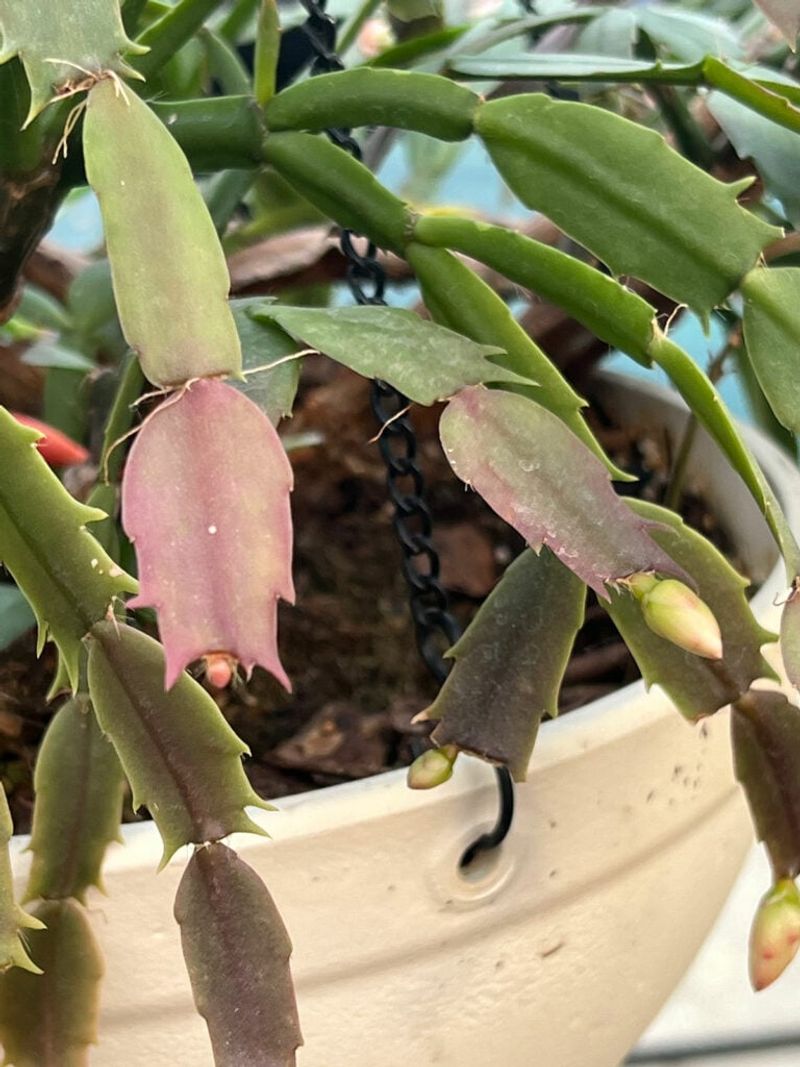
Your lamp could be the reason your plant skipped the holidays last year, and that surprises plenty of growers. These plants count the hours of darkness each night, and they decide about flowers based on that clock.
Scientists call them short-day plants, but long nights are what really trigger the bud-making process inside. University of Florida experts suggest about 12 or more hours of steady darkness for good bud set.
Early October is prime time to start, since buds often take several weeks of long nights to form. Even a quick flick of the kitchen light at midnight can interrupt the signal and confuse your plant.
Streetlights and porch lamps sneak in too, so look around the room after sunset with fresh eyes. A spare bedroom with closed curtains often works better than a busy living room full of screens.
Some gardeners slip a cardboard box over the plant each evening and lift it off every morning. That trick works nicely, but forgetting the box for a few days can leave the plant hungry for light.
Daytime light still matters during this stretch, because the plant needs energy to build all those buds. Keep it near a bright window during the day, then let natural darkness take over at night.
I can’t imagine a more satisfying sight than tiny pink nubs appearing at the tips of each segment. Once those buds show up, you can relax the dark routine a bit and enjoy the countdown.
Feeding Plants Past Late Summer
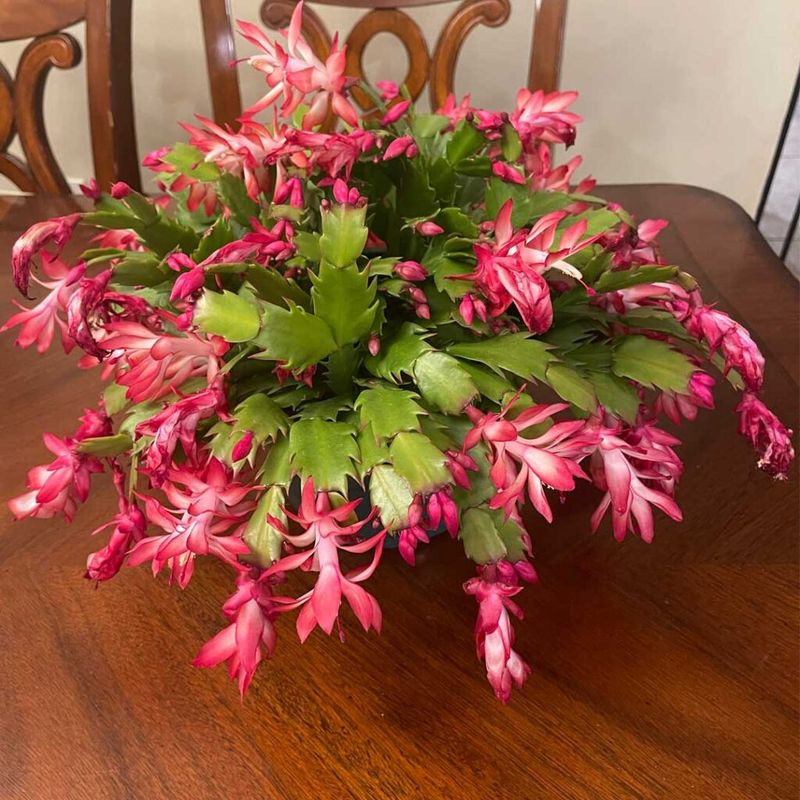
More food does not equal more flowers, and this plant proves that point every single autumn. Generous feeding in fall tends to push leafy growth while the flower buds quietly take a back seat.
During the warm growing months, a balanced houseplant fertilizer helps build strong, plump segments for later blooms. Many growers use a half-strength liquid mix about once a month, which keeps things steady and safe.
By late summer, the plant starts shifting gears from growing stems to preparing for its holiday show. Stopping or sharply cutting back fertilizer around this time helps signal that the season is truly changing.
Too much fertilizer also leaves salty crusts on the soil, which can burn tender roots over time. White flaky rings on the pot rim are a clear clue that salts are building up inside.
Flush the pot with plain water every few months, letting it run through the drainage holes freely. Pots that sit under a covered porch miss our heavy rains, so salts can pile up faster there.
Some gardeners swear by Epsom salt for this plant, though research backing that habit is fairly thin so far. A good houseplant fertilizer with trace minerals usually covers magnesium needs, so extras are rarely necessary.
You need patience here, because the payoff arrives in December when your restraint turns into a burst of color. Resume gentle feeding after the blooms fade, and the cycle starts fresh for another year of growth.
Expecting Buds During Warm Nights
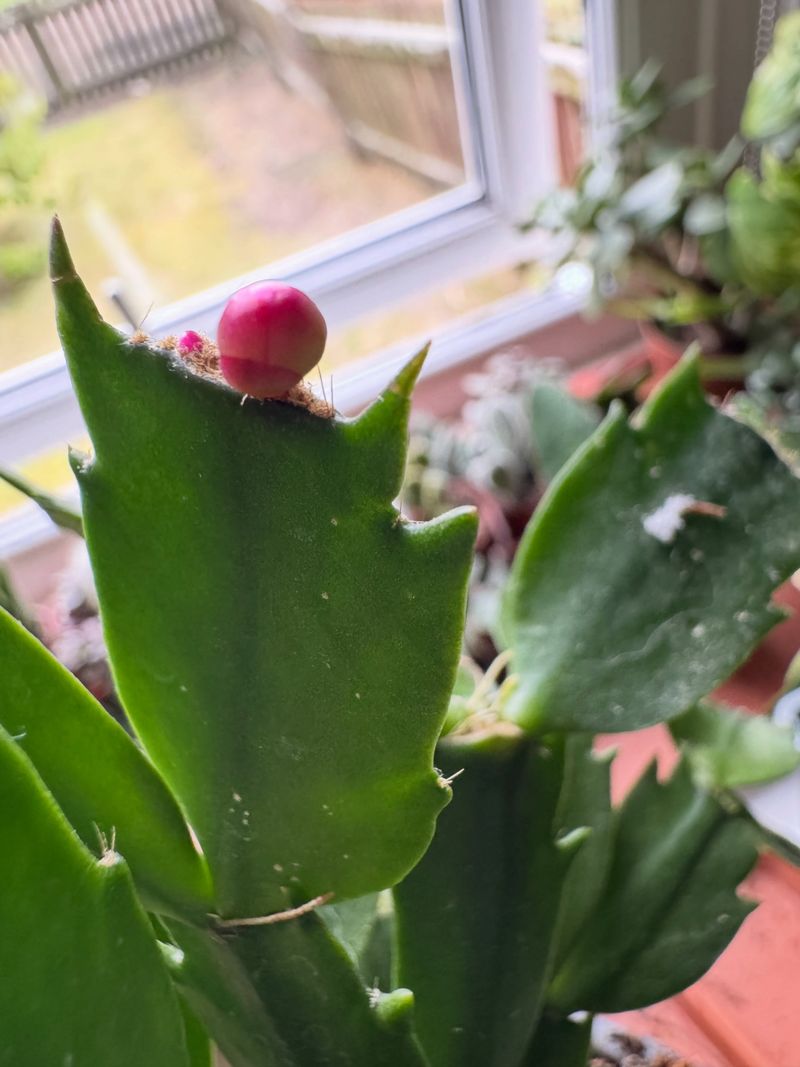
October nights in much of Florida still feel sticky and warm, and your plant notices every single degree. Cool evenings act like a second alarm clock that tells these plants to start making flower buds.
Research shows nights around the 50s to low 60s Fahrenheit encourage buds, while hot nights slow things down. Temperatures that stay above roughly 70 degrees at night can hold flowering back, even with long dark hours.
That explains why northern growers seem to have easier luck than folks living down in Miami or Naples. It is not your skill at all, just the stubborn heat that lingers well into our autumn.
Indoors, try placing the pot in the coolest room of the house, away from sunny kitchen counters. Air conditioning set a few degrees lower at night can help, especially in a quiet back bedroom.
Outdoor plants in North Florida may get naturally cool nights by late October or early November. Keep an eye on the forecast, though, because frost or freezing temperatures can harm these tropical plants.
Patience pays off in warmer regions, since buds may simply appear later than the calendar suggests. Plenty of southern plants bloom closer to New Year or even January, and that still counts.
Personally, I think a late bloom feels like a bonus gift after the holiday rush settles down. Fun fact, a close cousin called the Thanksgiving cactus usually flowers earlier and often gets sold under the same name.
Choosing Dense Soggy Potting Soil
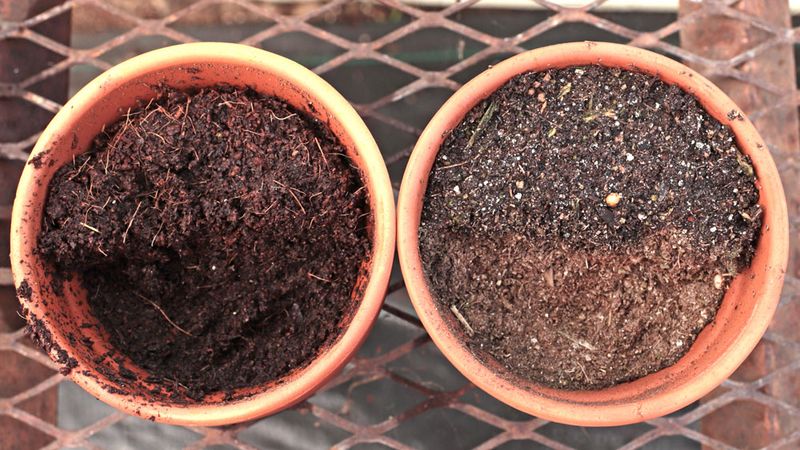
Grab a handful of your potting soil and squeeze it, because that simple test reveals a lot. If it clumps into a heavy, muddy ball, your plant’s roots are probably gasping for air.
Remember, these are tree-dwelling plants that grow in pockets of crumbly leaf litter high above the ground. Their roots expect loose, airy material that holds a little moisture but lets the rest drain away.
Heavy garden soil or cheap dense mixes pack down over time, especially with our frequent watering habits. Compacted soil stays wet for days in humid weather, which sets the stage for root rot trouble.
A good fix is mixing regular potting soil with chunky perlite or fine orchid bark for better airflow. Many growers also use bagged cactus mix and add a bit of extra organic matter for balance.
Pure sand is not the answer either, since this plant is not a desert cactus at all. It likes a slightly acidic, organic blend that feels springy and light when you press it gently.
Old mix breaks down after a couple of years, turning fine and soggy even if it started out fluffy. Refreshing the soil gives roots a clean start and cuts down on fungus gnats buzzing around the pot.
My own plant perked up within weeks of a soil swap, showing firmer segments and brighter color. Spring is the best time for repotting, so jot a note in your garden calendar now.
Jumping Up To A Giant Pot
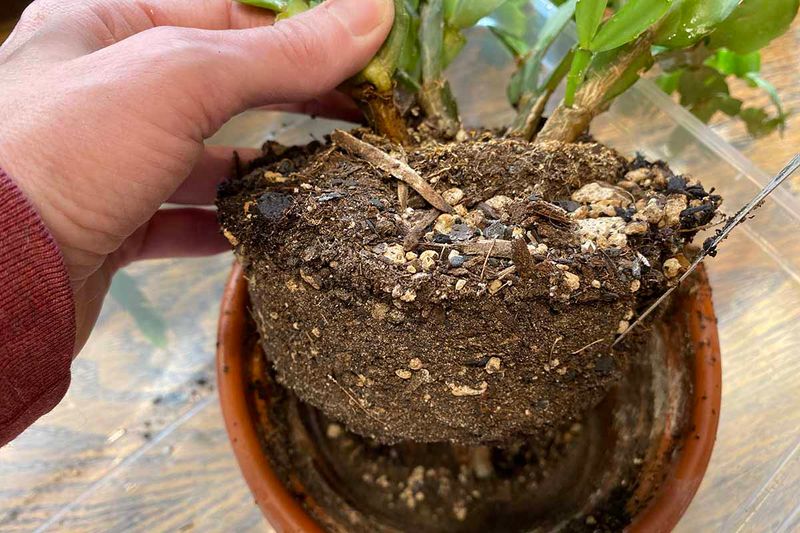
Bigger feels kinder, but a huge pot can actually leave your plant sulking with zero flowers to show. These plants seem happiest when their roots fill the container snugly, almost like a cozy pair of socks.
Extra soil around a small root ball holds water for a long time, with no roots to drink it. That leftover moisture lingers and invites rot, which ties right back to the watering trouble we covered.
Experts generally suggest repotting only every two or three years, and only when roots truly crowd the pot. Choose a new container just one size larger, about an inch or two wider than the old one.
Timing matters too, so skip repotting right now while the plant is busy preparing its holiday buds. Disturbing roots in October can cause stress, and stressed plants are famous for dropping their flower buds.
Wait until blooming wraps up in late winter or early spring, when fresh growth starts to appear. The plant recovers faster then, and it has months to settle in before the next bloom cycle.
Pot material makes a difference as well, especially in steamy southern climates with high summer humidity. Unglazed clay breathes and dries faster than plastic, which helps many growers avoid soggy roots each week.
Did you know some of these plants live for decades and get passed down through families? Many of those old heirlooms have spent years in snug, crowded pots, blooming happily every single winter.
Moving Plants Once Buds Appear
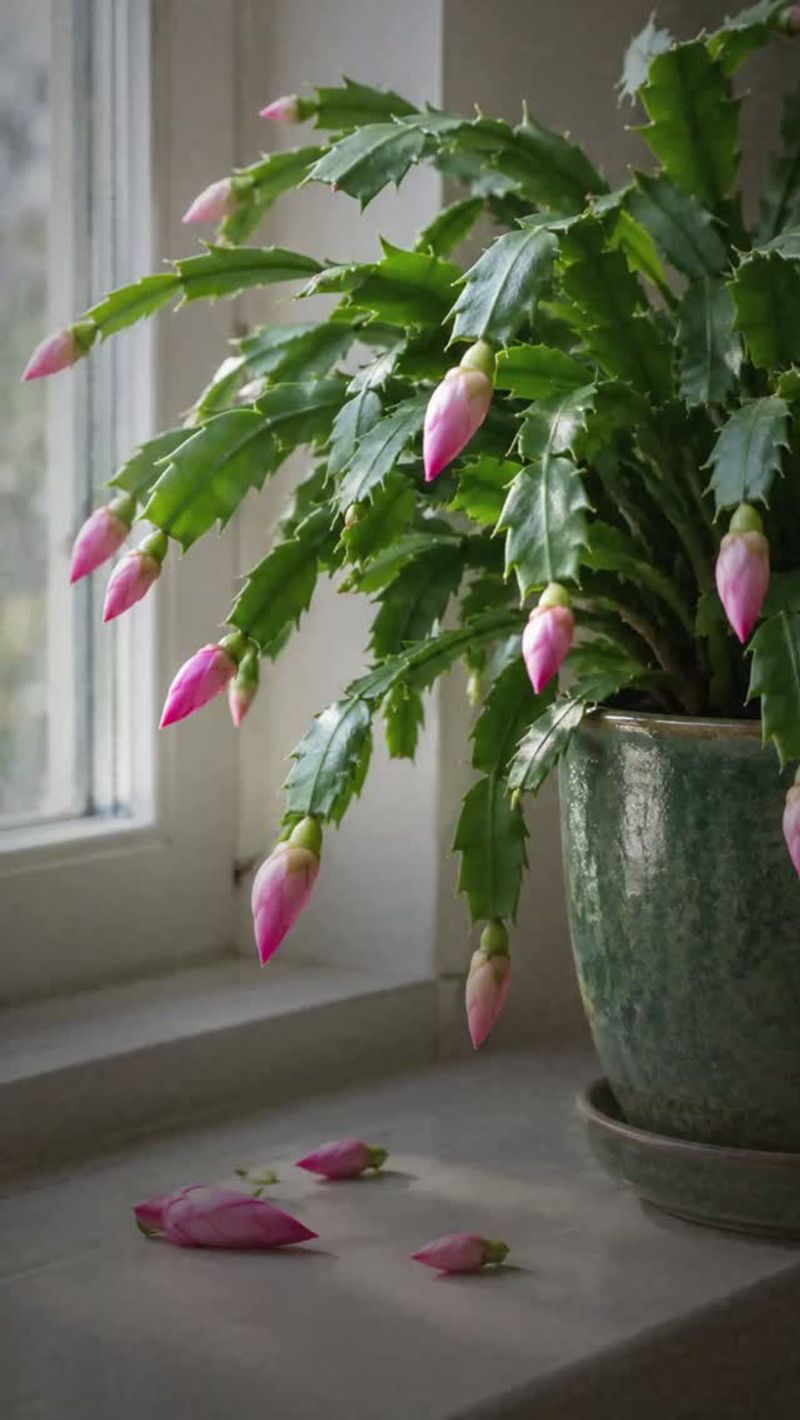
Nothing hurts quite like watching plump pink buds tumble onto the floor one sad morning in November. Bud drop is one of the most common complaints, and it often starts with a simple, well-meaning move.
Once buds form, these plants get picky about sudden changes in their surroundings and daily routine. Carrying the pot from a cool porch into a warm, bright living room can trigger a quick tantrum.
Drafts are another sneaky problem, especially near doors that open often or air vents blowing all day. A sudden blast of cold air conditioning can shock buds just as easily as a hot breeze.
Pick the display spot early, ideally before buds show up, and let the plant settle there. Turning the pot to show off its best side can also nudge buds loose, so resist that urge.
Watering swings matter during bud season too, because letting soil go bone dry stresses the plant fast. Aim for lightly moist soil while buds swell, then ease back a bit after the flowers finish.
Store-bought plants face extra stress, since they travel from greenhouse to truck to store shelf to home. Losing a few buds after purchase is normal, so give the plant a stable spot and some grace.
Your patience during these next weeks decides whether those buds open into glowing pink or red flowers. I believe that first full bloom feels like a reward for every careful choice you made this fall.