How Late Is Too Late To Divide Ohio Perennials This Fall
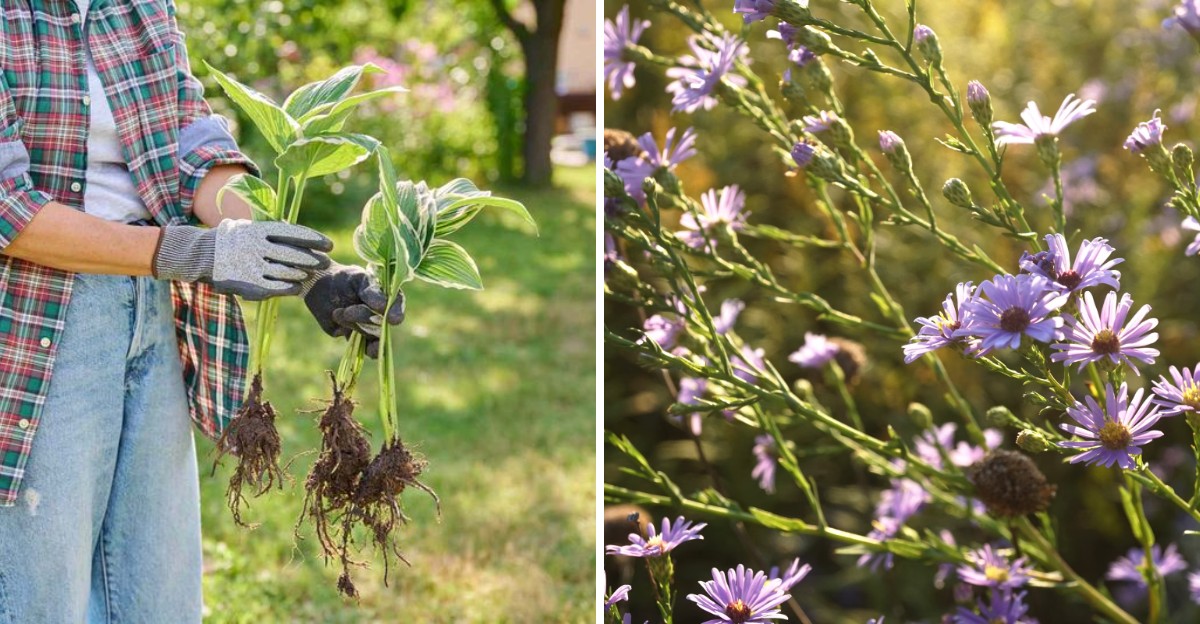
Shovel in hand, clump of daylilies at your feet, and a nagging voice asking whether the calendar still allows it.
Ohio gardeners have been arguing about this for generations. Some say you can divide right up until the ground freezes.
Others swear the window shut weeks ago. Both camps have a story about a plant that thrived or flopped, and both stories sound convincing.
The truth hinges on two things most people never consider, and neither one is the date on the wall. One lives in the soil.
The other lives in the plant itself. Ignore them and you could hand your perennials a rough winter instead of a fresh start.
Not every plant follows the same rule, which complicates the picture further.
Check the ground before you commit to the dig. A quick test settles the argument.
1. Divisions Need Time To Root Before The Ground Freezes
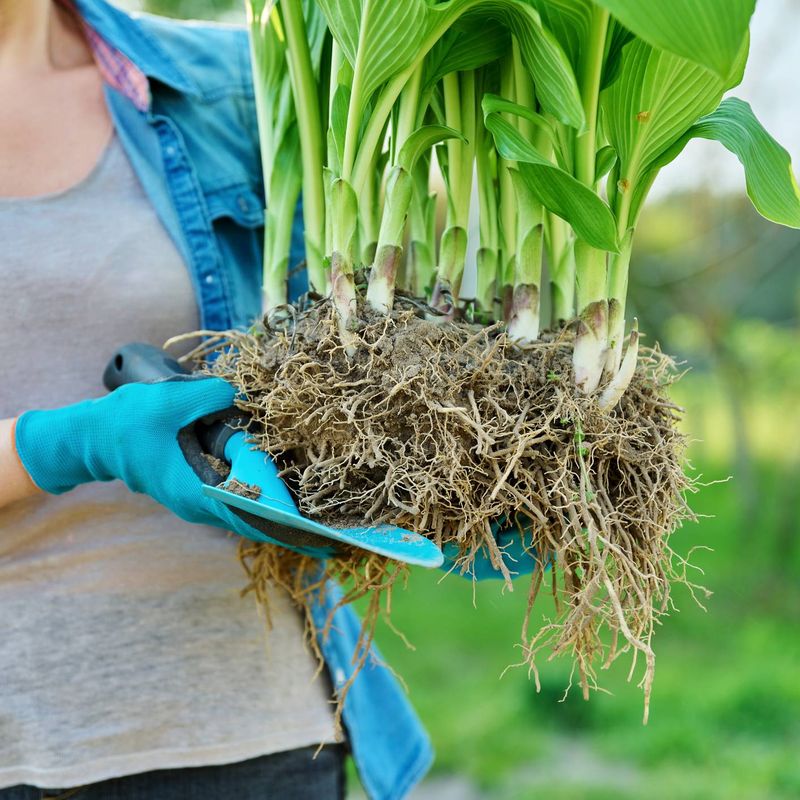
Picture a freshly split daylily sitting in its new hole. Up top it looks fine, but underground it has lost a big chunk of the roots it counted on.
New roots are the real goal after any division. Those fine, white feeder roots grab water and anchor the plant in place.
Without them, a perennial is a bit like a tent with no stakes on a windy night.
Roots keep growing in fall even as leaves fade. Warm soil holds heat longer than the air does, so plants can keep building underground well after summer ends.
That growth slows to a crawl once soil temperatures drop near freezing.
Here is the tricky part for Ohio gardeners. The air might feel pleasant in late October, yet the soil could be cooling quickly.
Once the ground freezes, root growth stops until spring.
A plant that went into winter with weak roots will struggle. It may dry out, shift in the soil, or come back small and slow next year.
Some divisions may not return at all.
Think of fall dividing as a race against the thermometer. The earlier you start, the more time those roots have to settle in.
Give your plants a head start, and they will thank you with sturdy clumps and plenty of blooms when the weather warms again.
2. Most Sources Say Allow At Least Four To Six Weeks
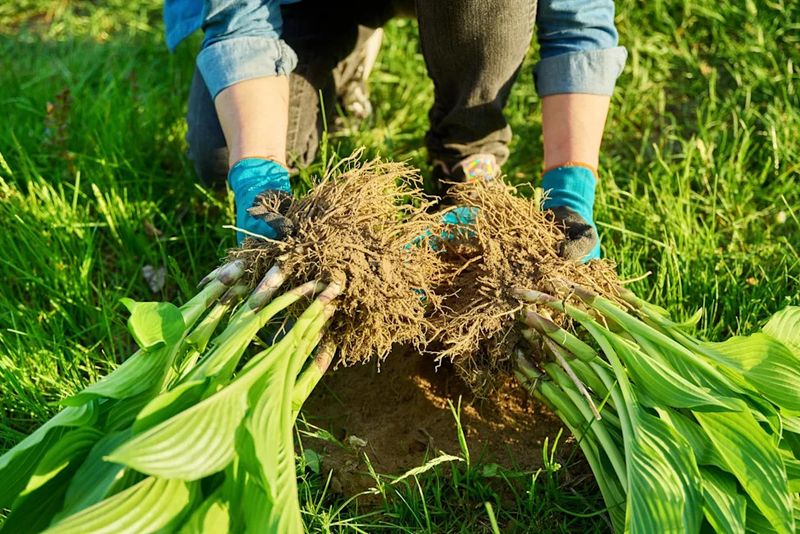
Ask ten gardeners about fall timing and you might get ten answers. Still, one number pops up again and again in guides and extension advice.
Four to six weeks before the ground freezes is the common rule. That stretch gives most perennials enough time to push out new roots and grip the soil.
It is not a magic formula, but it is a solid starting point.
So how do you count backward? Start with your area’s typical hard freeze or frozen soil date.
Then subtract about a month to a month and a half. That gives you a rough end date for getting plants back in the ground.
Keep a simple notebook or phone reminder each year. Jot down when you divided plants and how they looked the next spring.
After a few seasons, you will have your own local data that beats any general chart.
Watering matters during these weeks too. Freshly divided plants need steady moisture, especially if fall turns dry.
Give them a good soak once or twice a week unless rain does the job for you.
Four weeks is the bare minimum, not the sweet spot. If you can squeeze in the full six, your plants get a little more breathing room before the big chill arrives.
3. Some Experts Recommend Six To Eight Weeks For Safety
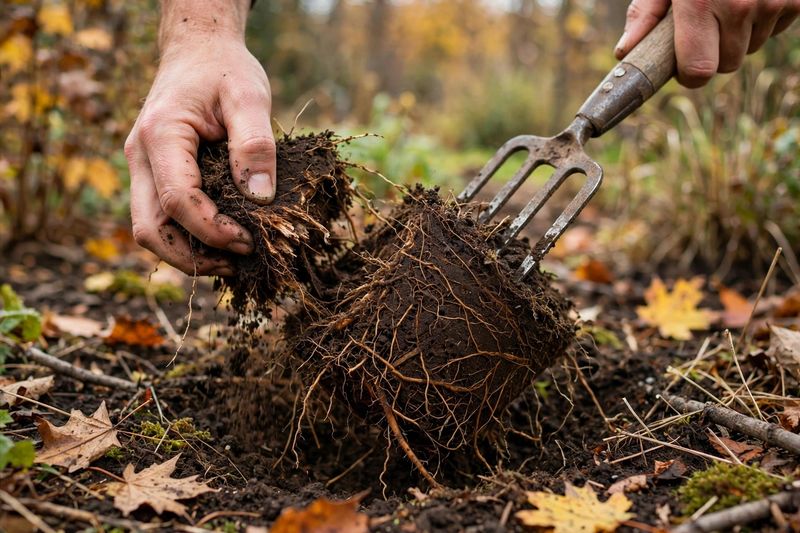
Cautious gardeners, this one is for you. Some specialists, especially in Northeast Ohio, like to play it extra safe with a longer runway.
Six to eight weeks before the first hard freeze is their preferred target. That added time builds a stronger, deeper root system.
It also gives a cushion in case winter shows up early, which Ohio weather loves to do.
Why the extra caution up north? Colder inland pockets, like the snowbelt hills east of Cleveland and the area around Akron, can bring frost sooner than expected.
A plant with eight weeks of growth handles those surprises much better than one with four.
Fast-rooting plants like daylilies and hostas often do fine with six weeks. Slower types, such as peonies, appreciate every extra day you can give them.
Matching your timing to the plant is a smart move.
Fun fact: peonies can live for decades, even a century, in the same spot. Giving them a strong fall start helps protect that long-term investment.
For many gardens, this means dividing in late August through mid-September. It may feel early while flowers still bloom nearby.
Yet that early effort pays off when your plants wake up strong next spring, ready to grow without missing a beat.
4. By Mid-November, Many Ohio Gardens Are Past That Window
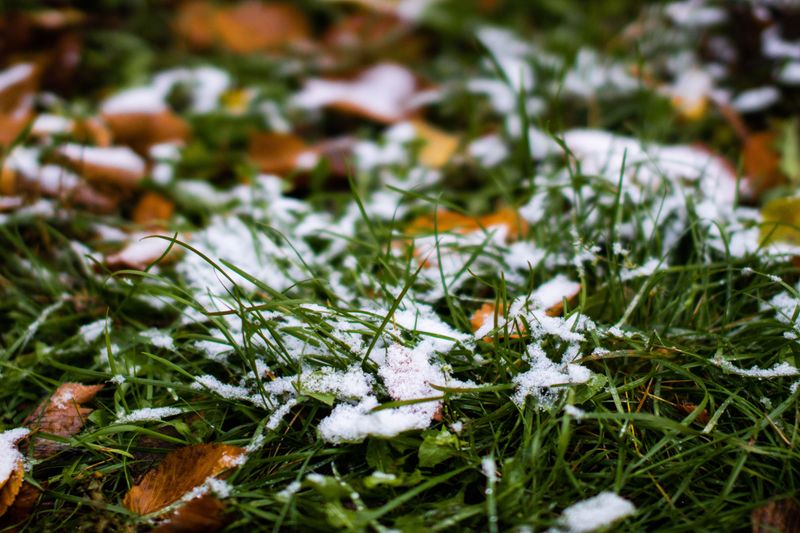
Let’s talk numbers. Ohio’s average first freeze lands around October 16, though it shifts from place to place.
Columbus usually sees its first freeze near October 25. Akron-Canton averages around October 19, while Cleveland holds out until about October 28.
Southern Ohio often stays milder a bit longer.
Now do the math. If you need four to eight weeks before the soil freezes, mid-November simply leaves too little time.
By then, many gardens have already had several hard frosts, and root growth is slowing fast.
That is why many Northeast Ohio experts treat mid-October as the practical planting cutoff date. After that, you are gambling with your plants.
Sometimes a warm fall helps, but you cannot count on it.
A handy trick is to check soil temperature with an inexpensive probe thermometer. Once soil stays below about 40 degrees, roots barely grow at all.
That reading tells you more than the air temperature ever could.
If November sneaks up on you, do not panic. Your crowded clumps will survive another season just fine.
Mark your calendar for early spring or next September instead.
Gardening rewards patience. Waiting a few months beats losing a favorite plant to bad timing, and your perennials will be ready when you are.
5. Late Divisions Can Heave Right Out Of The Ground
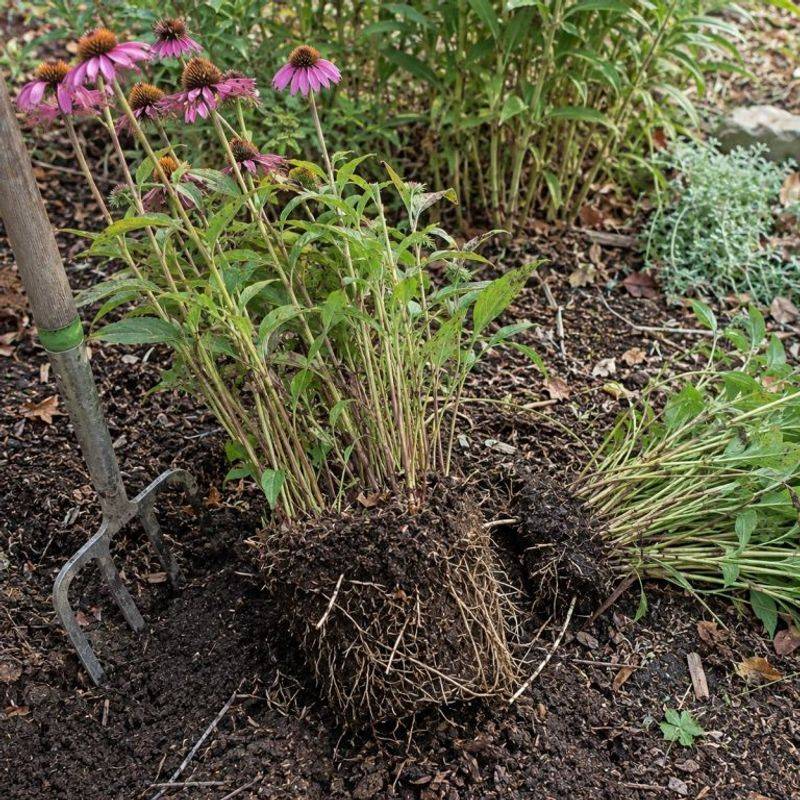
Imagine walking outside in January and finding your coral bells sitting on top of the soil. Spooky, right?
Ohio gardeners see it more than you might think.
Frost heave is the culprit. When soil freezes, water inside it expands.
Then it thaws, then freezes again. Each cycle pushes plants upward like a slow-moving elevator.
Winters here are famous for this back-and-forth pattern. One week brings snow, the next brings a 50-degree thaw.
That seesaw is rough on anything without a firm grip in the soil.
Newly divided plants are the easiest targets. Their roots have not spread out yet, so they lack a strong anchor.
Shallow-rooted plants like heuchera, creeping phlox, and young asters are especially at risk.
Once roots get exposed, cold air and drying winds go to work. The plant cannot take in water well, and its crown can suffer damage.
Come spring, it may limp along or fail to return.
Check your beds after big thaws during winter. If you spot a lifted plant, gently press it back down with your foot or hands.
Add a little soil around the crown if needed.
Better yet, divide early enough that roots hold tight. Strong roots are the best defense against this sneaky winter trick.
6. Spring And Summer Bloomers Are The Fall Candidates
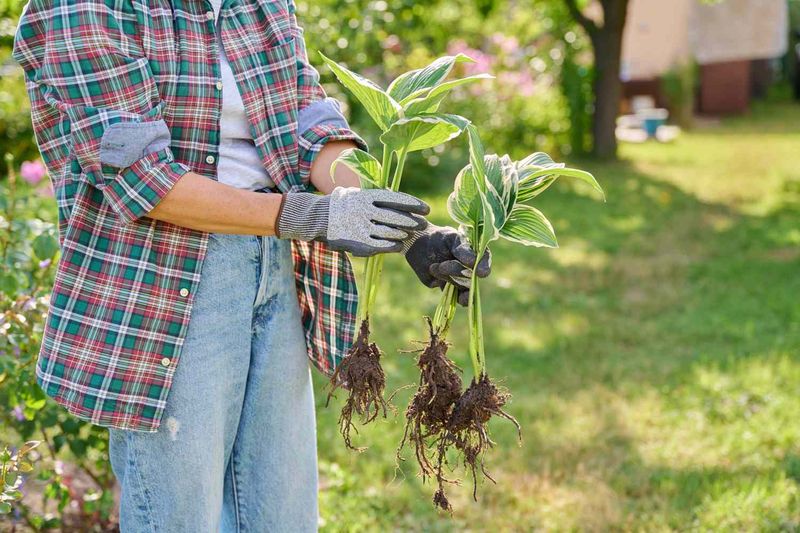
Gardeners have a handy saying: divide in the season opposite the bloom. It sounds simple, and it really works.
Plants that flower in spring or early summer are finished showing off by fall. Their energy can go straight into roots instead of blossoms.
That makes them great choices for autumn dividing.
Here are some favorites that handle fall splitting well:
Hostas, daylilies, peonies, and bearded iris top the list. Oriental poppies, coneflowers, coreopsis, and yarrow also do nicely.
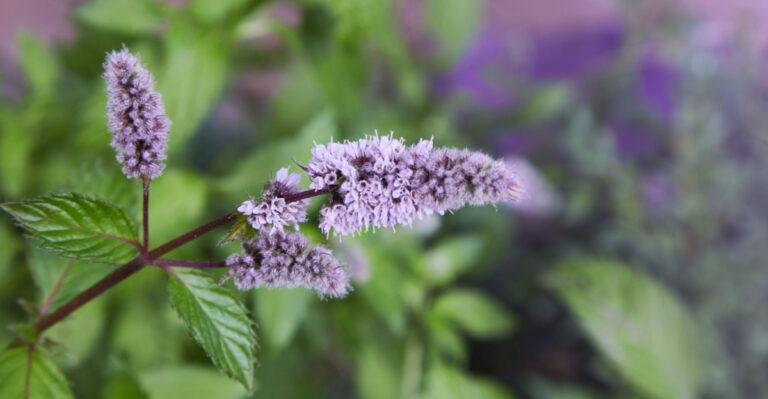
Creeping phlox, bee balm, and catmint round out the group.
Peonies deserve a special mention. Many gardeners say fall is truly their best time for dividing.
Just make sure each piece has three to five pink buds, called eyes, and plant them no deeper than two inches.
Iris can even be divided in late summer, right after the heat fades. Look for firm, healthy rhizomes and toss any soft or mushy parts.
When you divide, cut the foliage back by about half. Fewer leaves mean less water loss while new roots form.
Replant at the same depth the plant grew before.
Ornamental grasses are a toss-up. Some folks divide them in fall, but many sources suggest waiting for spring.
When in doubt, hold off.
7. Fall Bloomers Should Wait Until Spring Anyway
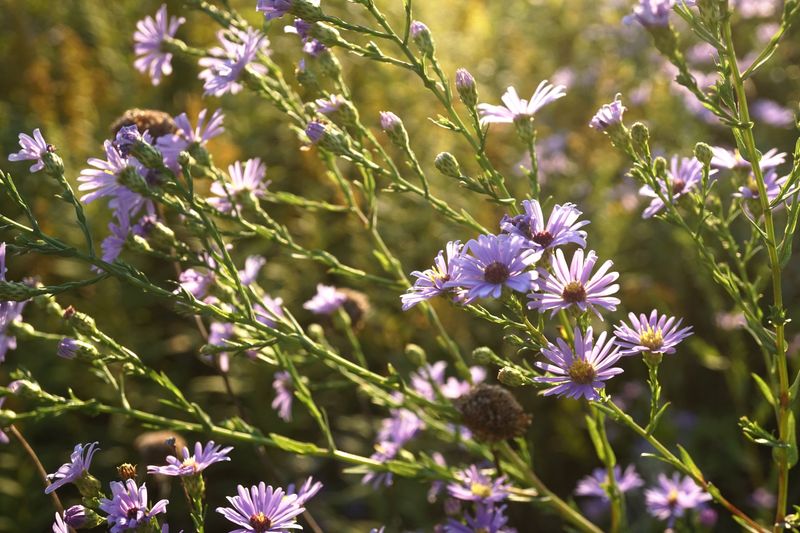
Your asters are buzzing with bees, and the sedum is turning a rich rusty pink. Grabbing a shovel right now would be like interrupting a concert halfway through.
Plants that bloom in late summer or fall are busy putting their energy into flowers. Splitting them now forces them to handle two big jobs at once.
That is a lot of stress heading into winter.
Common late bloomers to leave alone this fall include:
Sedum, fall-blooming asters, and black-eyed Susans are classic examples. Ornamental grasses usually belong in this group too.
Many of them prefer warm soil to recover, which spring offers.
Waiting until spring lets these plants focus on roots first. By the time they start forming buds, they have a full season of growth under them.
The result is a healthier clump and often a better flower show.
Bonus perk: their seed heads look lovely in winter. Black-eyed Susan seeds feed goldfinches, and grass plumes catch snow beautifully.
Leaving them standing adds charm and helps wildlife.
Make a note of which clumps look crowded while they bloom. A plant marker or quick photo helps you remember.
Then, when green shoots poke up next spring, you will know exactly which ones to divide.
8. If You Must Divide Late, Mulch Heavily Once The Ground Freezes
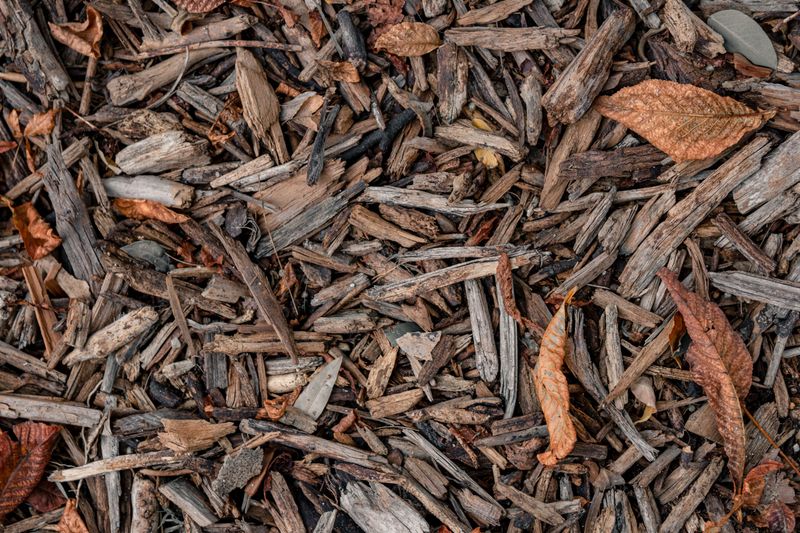
Life happens. Maybe a friend offered you plants in late October, or a construction project forced you to move a bed.
Late dividing is not ideal, but a good mulch plan can improve the odds. The secret is all about timing.
Wait until the ground freezes before adding mulch. Mulching too soon keeps soil warm, which can delay dormancy and confuse the plant.
Once the top layer is frozen, then you pile it on.
Aim for about four to six inches of mulch. For more tender plants, six to eight inches gives extra protection.
Shredded leaves, straw, and pine needles all work well.
Why does this help? Mulch acts like a blanket that keeps the soil frozen and steady.
Fewer freeze and thaw swings mean less frost heave pushing your divisions out of the ground.
Keep the mulch from piling right against plant crowns, though. Trapped moisture there can lead to rot.
Leave a small gap around the center of each plant.
Evergreen branches from an old holiday tree make a great top layer too. They hold mulch in place and catch snow, which adds even more insulation.
In spring, pull the mulch back gradually as the weather warms. Your late divisions get a fair shot at a fresh start.
9. Spring Is The Best Time To Divide Most Perennials
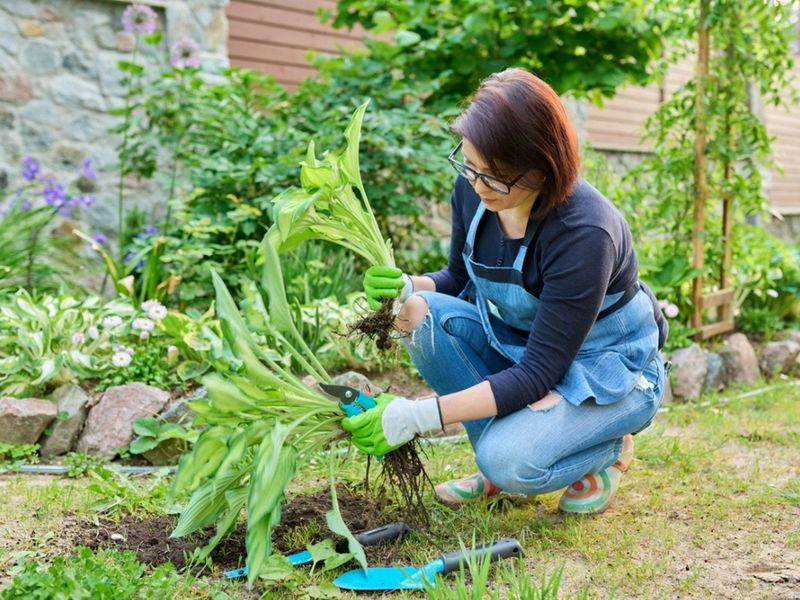
Fall gets plenty of attention, but spring quietly wins the prize for most perennials. Many gardeners consider it the easier and safer choice.
Dividing in spring hands your plants an entire growing season to recover. They have months of warm soil, steady rain, and long days to build strong roots.
By winter, they are well settled and ready for the cold.
The best moment is when new shoots are just two to four inches tall. At that stage, you can easily see the plant’s shape and spot healthy sections.
Leaves are small, so they do not demand much water yet.
Ohio springs are usually cool and damp, which helps divisions bounce back fast. Plan to work on a cloudy day if you can.
Less sun means less stress on freshly cut roots.
Spring dividing also lets you fill garden gaps right away. You can see empty spots after winter and place new clumps exactly where they look best.
So if fall slipped away this year, relax. Your perennials are not going anywhere.
Sharpen your spade over the winter and keep a list of crowded clumps.
When the forsythia blooms and the soil crumbles in your hand, it is time. Your garden will be off to a great start.