Blacklegged Ticks Become More Active In Georgia As The Weather Turns Cold
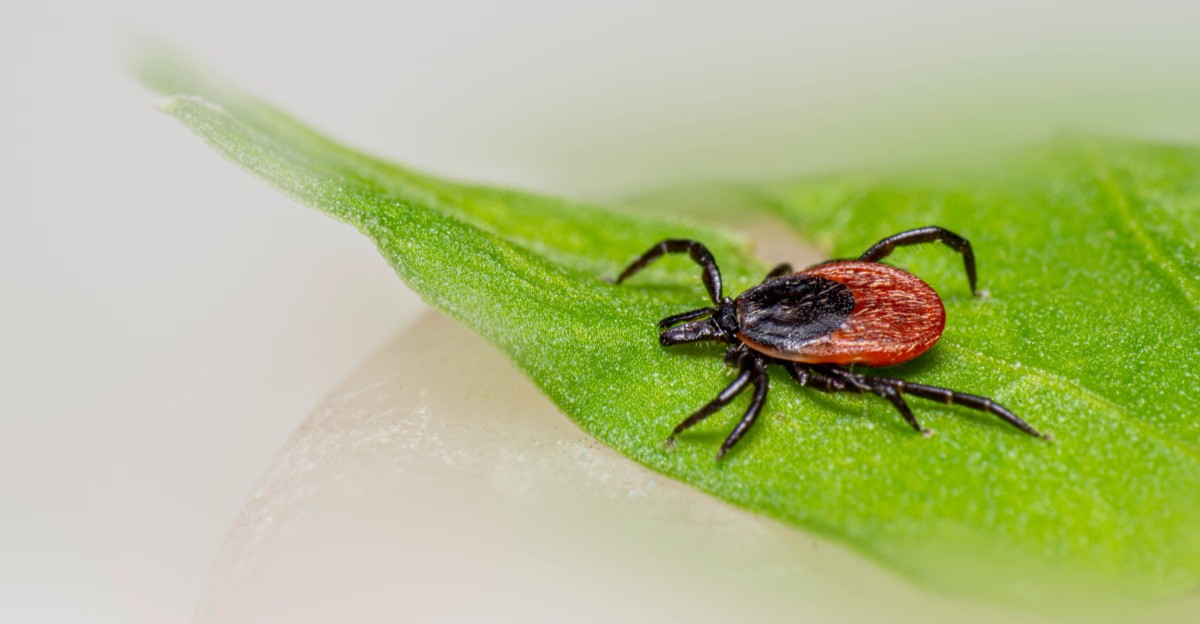
A tiny creature in my backyard prefers sweater weather to summer heat. Georgia tick surveys have found more of one species in November than in July.
That fact stopped me mid-rake the first time I read it.
Most of us treat the first frosty morning like a pest holiday. Mosquitoes fade, gnats vanish, and the garden feels calm again.
Yet one eight-legged hitchhiker is just warming up when the leaves start falling.
I love fall chores more than any other season’s work. Raking, mulching, and splitting perennials all put me knee-deep in leaf litter.
You need to know that those cozy brown layers are exactly where this critter waits for a passing ankle.
So who is this cold-loving little visitor, and why does it ignore the rules everyone else follows? The answer might change how you spend your next chilly Saturday outdoors.
1. That Tiny Black-Legged Arachnid Has Its Own Calendar
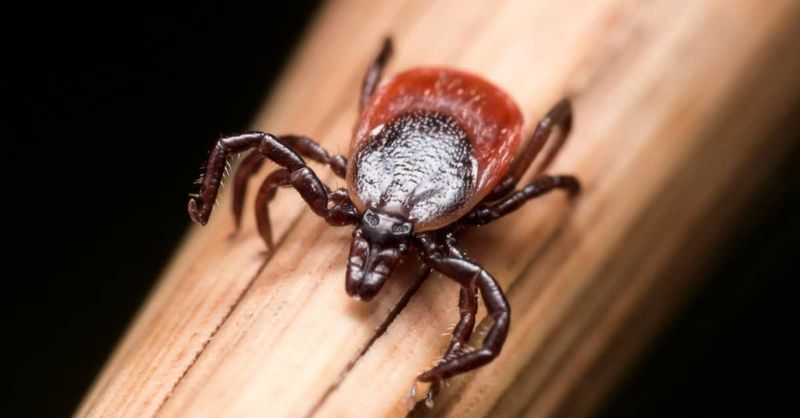
Most bugs follow the summer playbook, but adult blacklegged ticks run on a cool-weather schedule. In Georgia, the adults of this species, often called deer ticks, show up mostly from October through April.
University of Georgia researchers have noted that November is often the peak month for finding them.
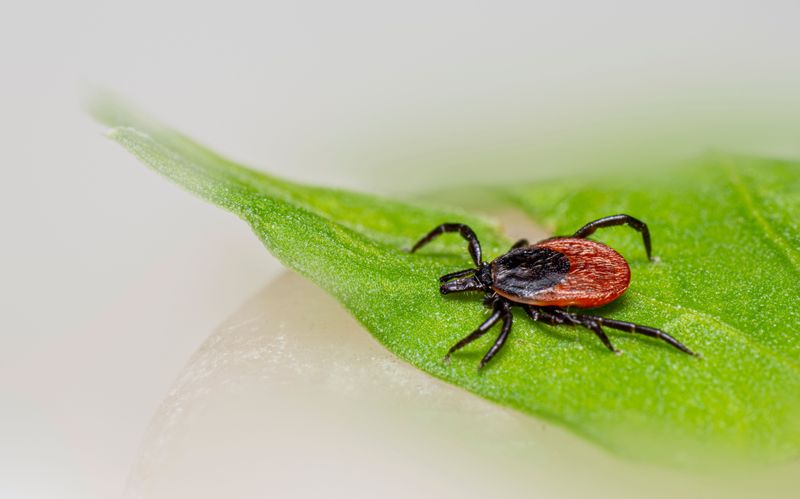
Those adults are the ones you are most likely to meet during fall yard work. Females have a reddish-orange back half and a dark shield near the head, with eight black legs.
Males are smaller and mostly dark brown or black.
Why the winter timing? Adult ticks need a large animal for their final blood meal, and white-tailed deer are their favorite host.
Deer are moving a lot in fall during the breeding season, so the timing lines up nicely for the tick.
Younger ticks, called nymphs and larvae, are more of a spring and summer story. In the South, though, those young ticks often feed on lizards like skinks hiding in leaf litter.
That habit is one reason they bite people less here than in northern states.
So when your neighbors say ticks disappear after the first frost, you can smile and share the real scoop. Cold weather slows down many pests, but this one simply switches into its busiest season.
Knowing the calendar is your first and best tool for staying a step ahead.
2. Mild Southern Winters Keep Deer Ticks Climbing Grass Stems
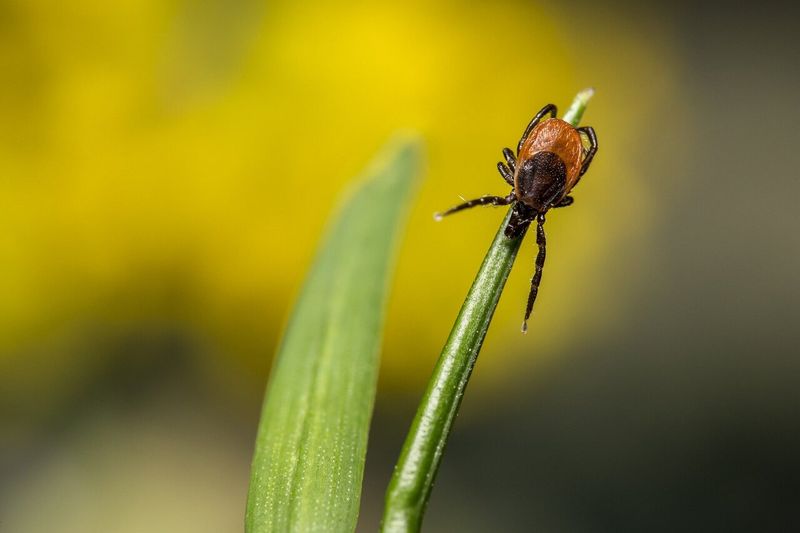
Ticks cannot jump or fly, so they climb. Scientists call this behavior questing, and it looks a little like a tiny arm wave.
The tick grips a grass blade or twig with its back legs and holds its front legs out, ready to grab anything that brushes past.
Here is the twist that surprises many gardeners. Adult blacklegged ticks can stay active on days when temperatures sit just above freezing.
Some studies show they move around at temperatures in the upper 30s Fahrenheit, as long as the ground is not frozen solid.
Georgia winters are usually mild, with many days in the 40s, 50s, and even 60s. That means ticks get plenty of chances to quest between the occasional cold snaps.
A sunny January afternoon can feel like a gift to you and to them.
On very cold nights, they simply tuck down into leaf litter, where the temperature stays steadier. Once the air warms again, they climb right back up and wait.
That’s a patient little strategy.
The practical lesson is simple. Do not judge tick risk by the calendar alone, and do not assume a frosty morning makes the whole day safe.
If the afternoon turns pleasant and you head into brushy areas, treat it like any spring day and take your usual precautions.
3. Leaf Litter And Woodland Edges Are Prime Tick Real Estate
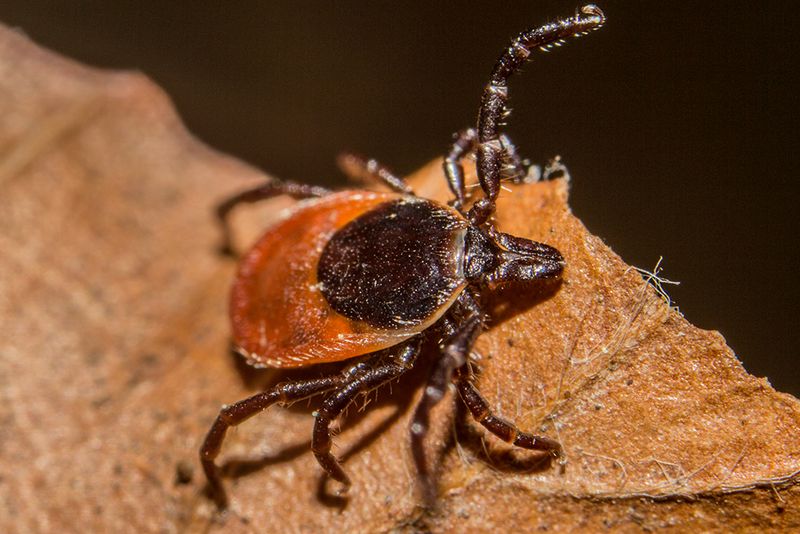
Picking a tick’s favorite address is easy once you know what they crave. Moisture is everything to them.
Ticks dry out quickly in open sun, so they settle where shade and damp leaves keep the air humid.
That makes the edge of your woods the hottest spot on your property. The strip where a mowed lawn meets shrubs, tall grass, and trees is often busier than the deep forest.
Deer, raccoons, and other animals travel along these edges, bringing ticks with them.
Other hideouts to watch include:
Thick leaf piles you raked and forgot about. Overgrown flower beds near the tree line.
Stone walls, woodpiles, and brush heaps where mice and chipmunks live.
A sunny, short lawn in the middle of your yard is usually a low-risk zone. Ticks rarely hang out in open turf that bakes in the afternoon sun.
The risk climbs as soon as you step into shady, leafy corners.
I like to walk my yard once each fall and mentally mark the shady edges. Those are the places where I wear protective clothing and check myself afterward.
It takes just a few minutes and makes every later chore feel a lot less mysterious.
4. Lyme Disease Is Less Common Here But Worth Respecting
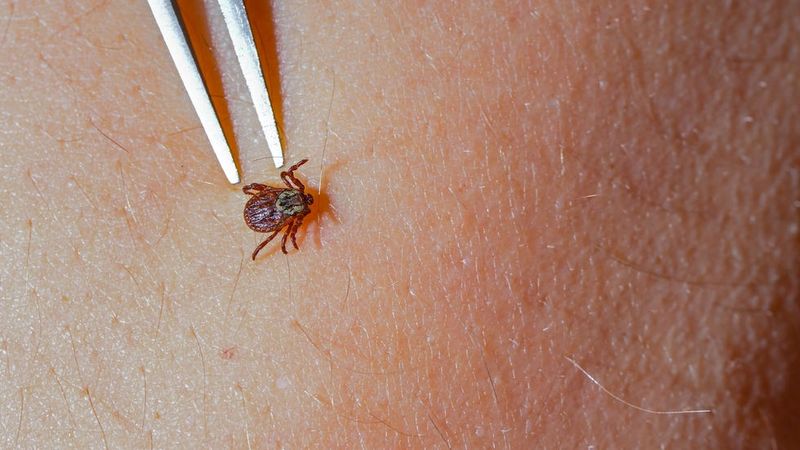
Plenty of people hear blacklegged tick and immediately think of Lyme disease. That link is real, since this species is the main carrier of the Lyme bacteria in the eastern United States.
Still, the Georgia picture looks a bit different from New England.
Lyme cases in the state are reported far less often than in the Northeast or upper Midwest. Researchers believe part of the reason is that southern young ticks feed heavily on lizards, which do not carry the bacteria well.
Southern adult ticks also tend to bite people less often while questing.
Less common does not mean zero, though. Lyme cases do get reported here, and people also pick up ticks while traveling.
Blacklegged ticks can carry other germs as well, so any bite deserves attention.
Watch for these signs in the weeks after a bite:
An expanding red rash, sometimes shaped like a bull’s-eye. Fever, chills, or tiredness that does not feel like a normal cold.
Joint aches or headaches that show up without a clear cause.
If you notice any of these, call your doctor and mention the tick bite. Early treatment works well for many tick-borne illnesses.
Snapping a quick photo of the tick or saving it in a sealed bag can help your doctor too.
5. Raking And Mowing Make Your Yard Far Less Tick Friendly
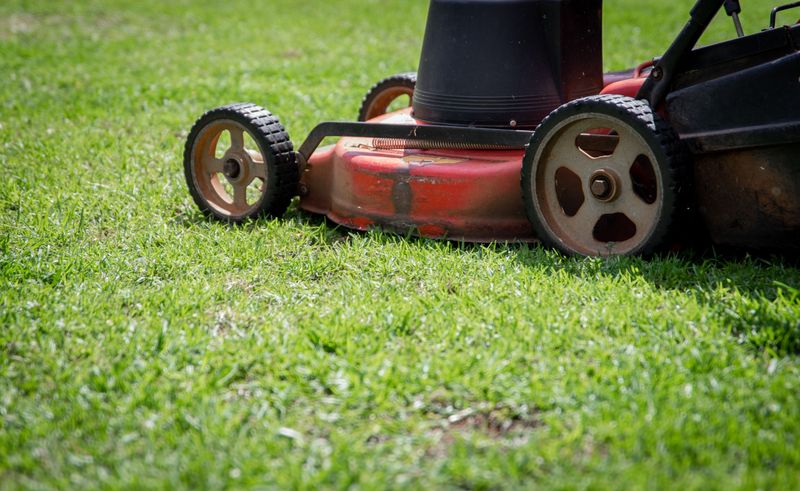
Fall cleanup does double duty for me. I get a tidier garden, and the ticks lose some of their favorite cozy hiding spots.
Simple habitat changes are among the most effective tools recommended by extension experts.
Start with the leaves. You do not need to strip every bed bare, but remove thick piles near paths, patios, play areas, and doorways.
Bagging them, composting them away from busy areas, or mulching them with the mower all help.
Keep the lawn mowed at a reasonable height even as growth slows. Short grass dries quickly and gets more sunlight, which ticks dislike.
Trim back overgrown shrubs and tall weeds along fence lines too.
A few more helpful moves:
Stack firewood neatly off the ground and away from the house. Clear brush piles that shelter mice, which are important tick hosts.
Prune low tree limbs to let more sunshine reach the ground.
Leaf litter still has value for pollinators and soil life, so consider keeping a natural area farther back in the yard. That way insects and butterflies get a winter home, and you avoid trampling through it often.
Balance is the goal, not a spotless lawn.
6. A Wood Chip Border Can Slow Ticks At The Tree Line
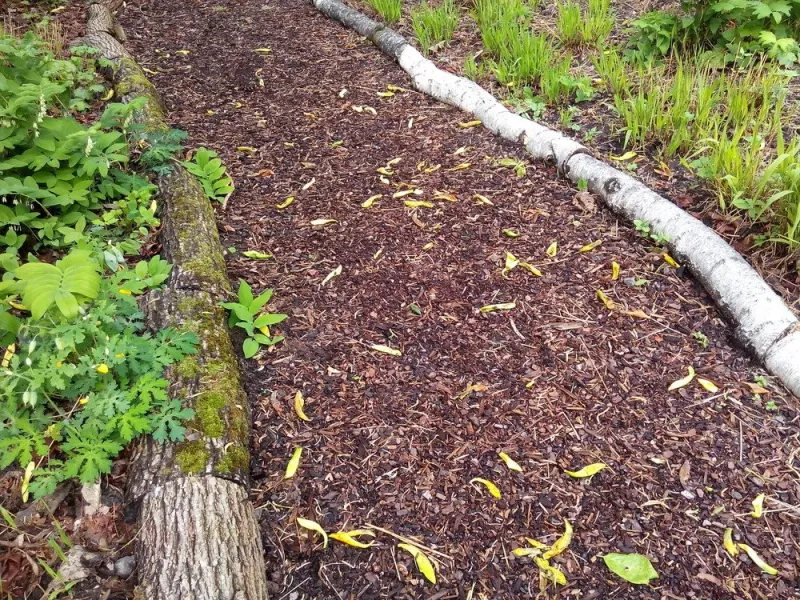
One landscaping trick I wish more people knew about is wonderfully low-tech. A barrier of wood chips or gravel about three feet wide between your lawn and the woods can reduce how many ticks wander into your play areas.
The CDC and many university extensions recommend this simple strip.
The idea works because ticks avoid dry, open surfaces. Crossing a sunny band of chips or stones is uncomfortable for a creature that loses moisture quickly.
It will not stop every tick, but it does reduce traffic.
Placement matters as much as the barrier itself. Keep swing sets, sandboxes, patio chairs, and garden benches well away from wooded edges.
Sunny, open spots are your friend when planning where people sit and play.
Deer bring adult ticks right into yards, so it helps to discourage them. Fencing works best for keeping them out.
Choosing plants deer rarely browse can also make your garden less of a buffet.
Bird feeders deserve a quick look too. Spilled seed attracts mice and chipmunks, which carry young ticks.
Place feeders away from the house and clean up fallen seed regularly to cut down on rodent visits.
None of these steps is fancy. Together, they create a buffer zone that keeps your favorite outdoor spaces calmer.
7. Tucked Pants And Light Clothing Help During Garden Chores
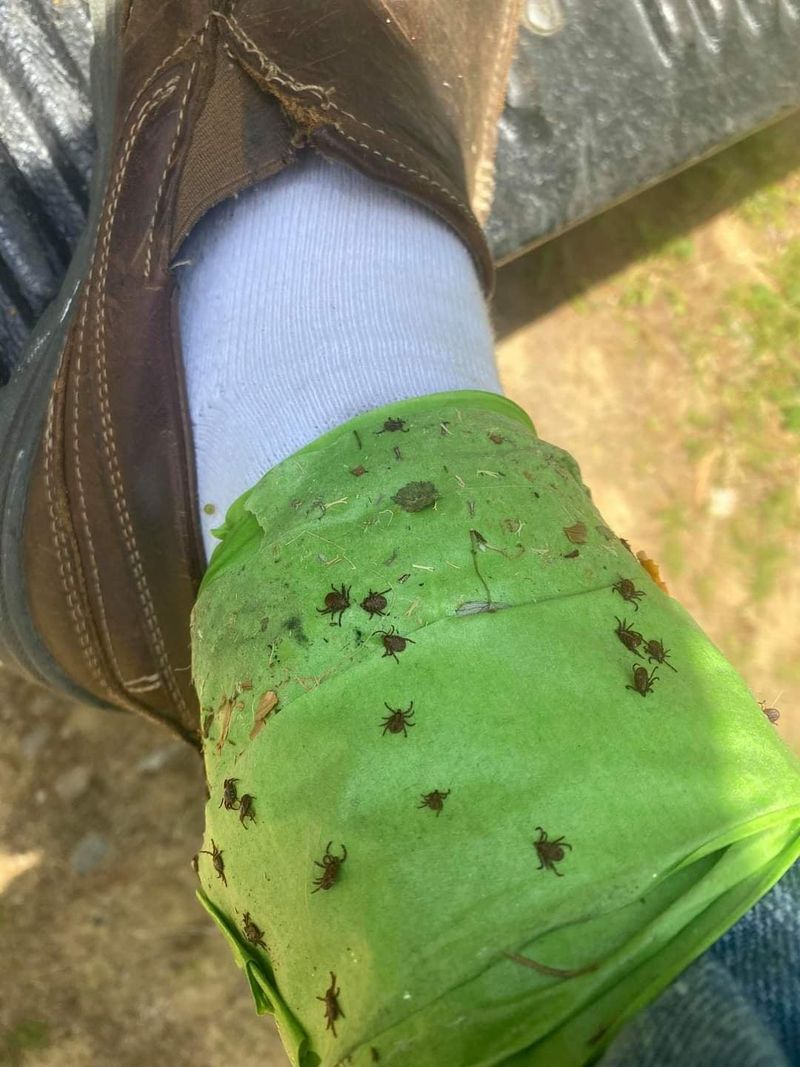
Fashion takes a back seat when I head to the back fence line in November. Long pants tucked into socks, a long-sleeved shirt, and sturdy boots are my uniform.
It may look a little goofy, but it keeps ticks crawling on the outside of my clothes.
Light colors make a real difference. A dark tick stands out against tan or pale gray fabric, so you can brush it off before it finds skin.
Adult females are about the size of a sesame seed, which is easy to miss on dark jeans.
Repellents add another layer of protection. EPA-registered products with DEET, picaridin, or oil of lemon eucalyptus can be used on skin.
Clothing treated with permethrin works well too, but apply it only to fabric and follow the label.
After working outside, try this quick routine:
Toss clothes in the dryer on high heat for at least 10 minutes. Shower within a couple of hours of coming inside.
Check hidden spots like behind knees, around the waist, under arms, and along the hairline.
If you find an attached tick, use fine-tipped tweezers and pull straight up with steady pressure. Clean the area with soap and water afterward.
Skip folk remedies like nail polish or heat.
8. Pets And People Both Need Year-Round Tick Checks
My dog thinks a crunchy leaf pile is the best toy in the world. That enthusiasm also makes her a furry tick magnet in late fall.
Pets often carry ticks indoors, where they can then find their way to people.
Talk with your veterinarian about tick prevention that lasts through winter. Many pet owners stop treatments in October, which is exactly when adult blacklegged ticks are hitting their stride here.
Year-round protection is often the safest plan in the Southeast.
Run your hands through your pet’s fur after every outing in brushy areas. Pay close attention to ears, toes, the neck, and under the collar.
A small bump that was not there yesterday might deserve a closer look.
For the whole family, the main takeaway is refreshingly simple. Tick season in Georgia does not really end.
It just changes characters. Lone star and American dog ticks rule summer, while blacklegged ticks take over in the cool months.
So keep enjoying those crisp gardening days. Rake the leaves, plant your bulbs, and soak in the fall color without worry.
Just build a few habits into your routine: dress smart, keep your yard tidy, and do a quick check before settling in for the evening. That small effort keeps the season feeling cozy rather than itchy.