Summer Snowflake Is One Of The Toughest Spring Bulbs Georgia Gardeners Can Plant Now
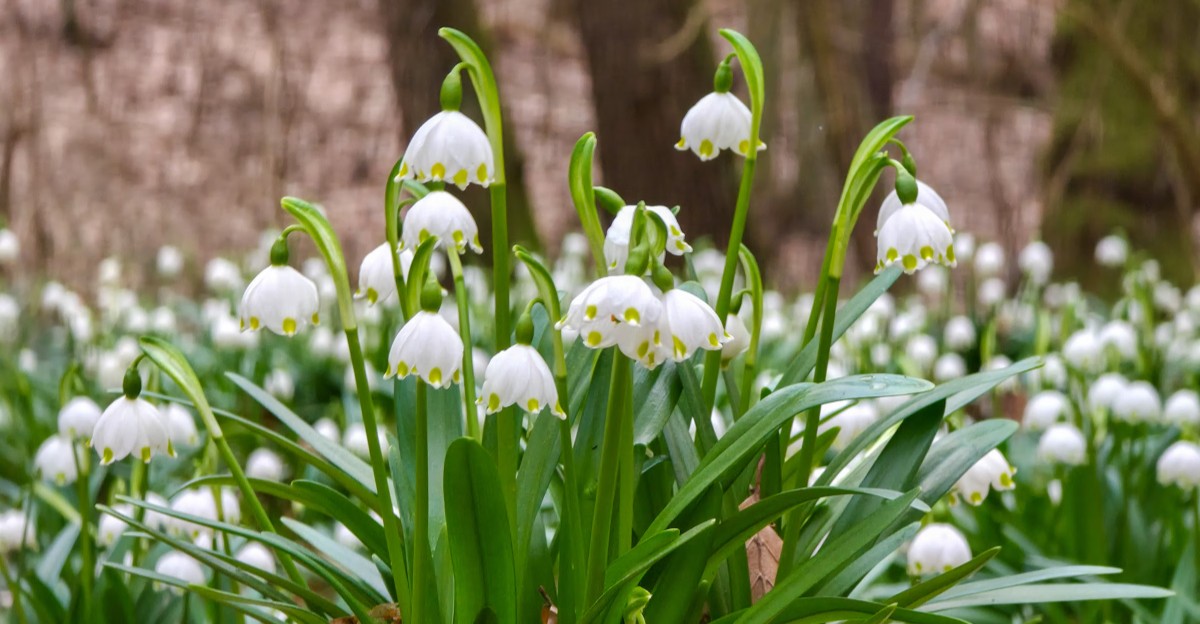
Despite its name, this bulb usually blooms in early spring, not summer. In much of Georgia, the nodding white bells often show up in February or March, while frost still nips the lawn.
Each petal carries a tiny green dot at its tip, like someone dabbed it with a paintbrush. I like how that small detail makes people stop and lean in for a closer look.
The plant grows wild in damp meadows and riverbanks across Europe. That soggy heritage helps explain why it shrugs off heavy clay and wet spots that rot tulips.
I’ve always had a soft spot for spring bulbs that brighten up those damp corners near the downspout. Deer walk right past it, voles leave it alone, and old plantings keep blooming around abandoned farmhouses for decades.
But why do so few gardeners grow it?
1. Those Green-Tipped White Bells Are Tougher Than They Look
Old Southern homesteads hold a clue about this bulb. Long after the houses fall in and the owners move on, clumps of Summer Snowflake often keep blooming in the yard every spring.
That staying power is the heart of its reputation. Leucojum aestivum is a hardy perennial bulb that grows well across Georgia’s USDA hardiness zones.
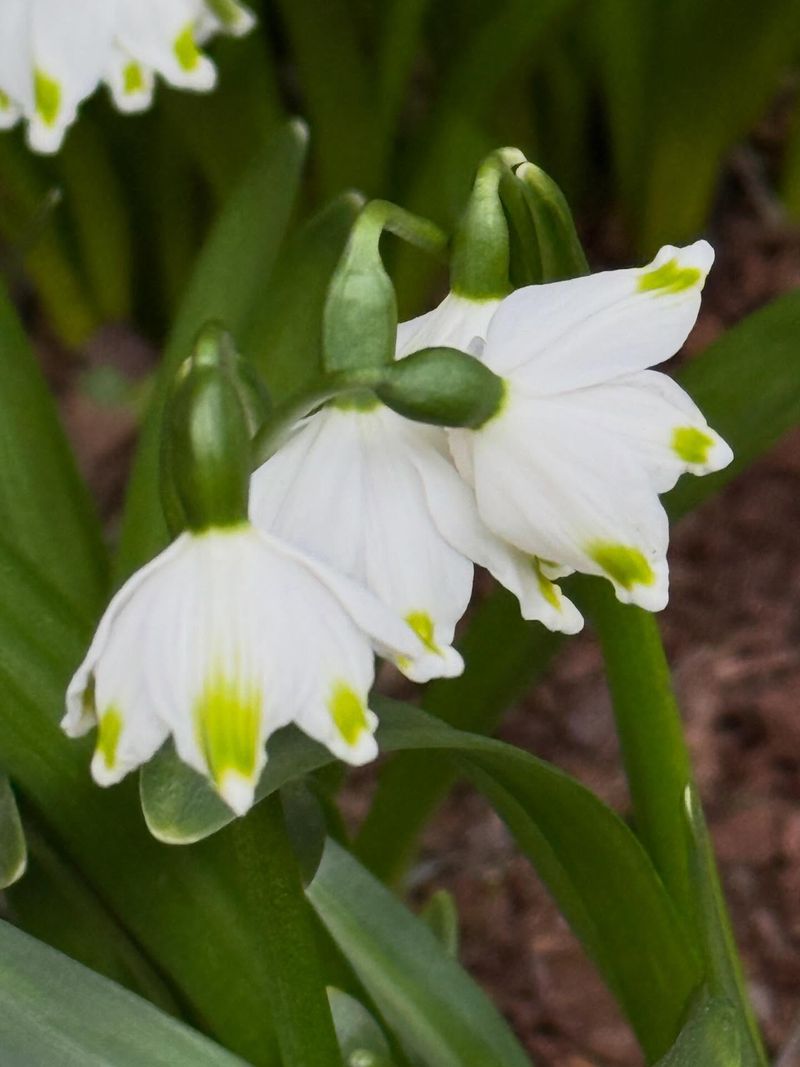
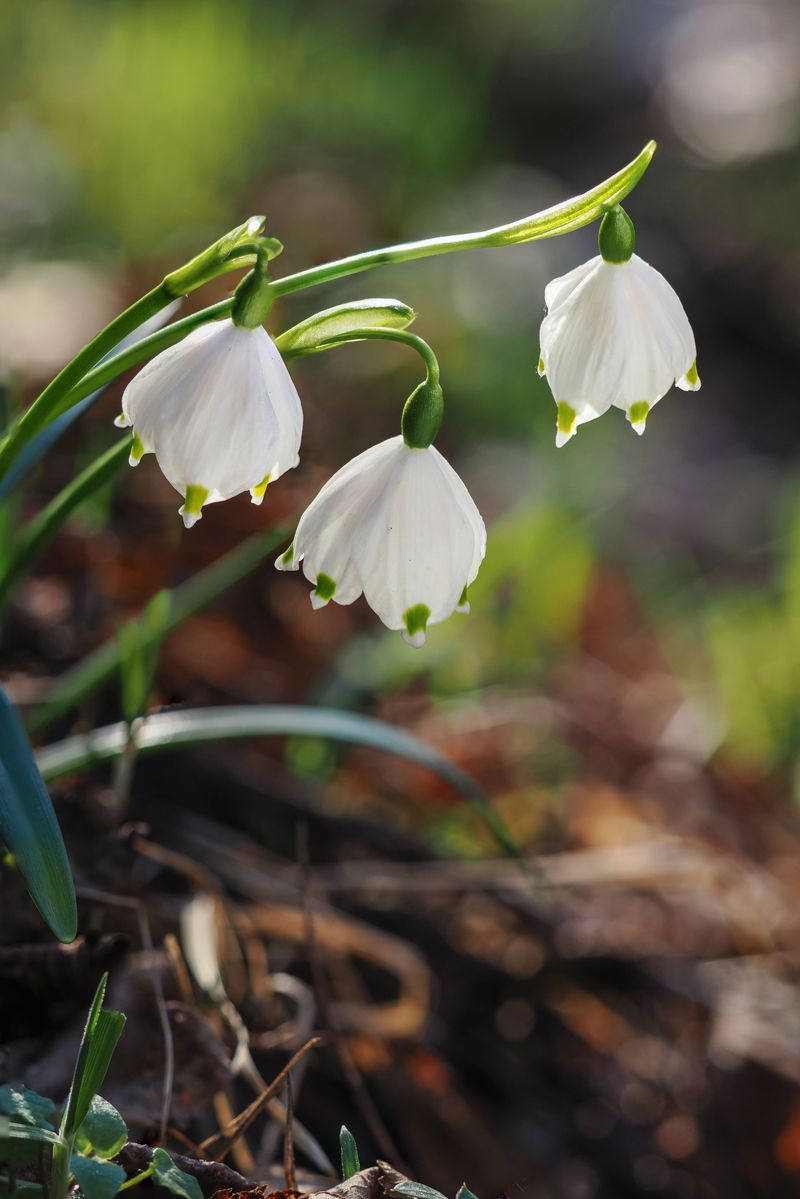
Each stem holds two to seven small white bells that hang down like tiny lampshades. Every petal has a bright green spot at the tip, which is the easiest way to recognize it.
Many folks confuse it with snowdrops, which belong to a different genus called Galanthus. Snowdrops have three long outer petals and three short inner ones.
Summer Snowflake has six petals that are all the same size, and the plant grows taller, often 12 to 18 inches.
Toughness here means more than cold hardiness. The bulb handles hot Georgia summers by going dormant underground, so heat and humidity rarely bother it.
Many tulips struggle to rebloom in the South because winters are too mild. Summer Snowflake does not need a long chill, so it returns year after year without the replanting chore.
2. Fall Is Prime Time To Plant Summer Snowflake Bulbs
Timing is half the trick with spring bulbs. Summer Snowflake goes in the ground in fall, so now is the window to get busy.
In north Georgia, aim for October into November once soil temperatures cool.
Middle and south Georgia gardeners can plant from November through December, since the ground stays warm longer there.
You want the bulbs to settle in and grow roots before winter. Those roots fuel the late winter leaves and early spring flowers.
Plant bulbs about 4 to 6 inches deep, following the supplier’s instructions, and space them roughly 4 to 6 inches apart. Set the pointy end up, though bulbs planted sideways will usually find their way.
Planting in groups looks far better than single rows. I like to drop five to ten bulbs in a loose cluster so the bloom reads like a little bouquet from across the yard.
Water the area after planting to settle the soil around the bulbs. After that, fall and winter rains in Georgia usually handle moisture until spring growth begins.
Your Georgia Garden Changes Every Week. Your Plan Should Too.
Gardening in Georgia changes quickly throughout the season. Every Friday you’ll receive a simple weekly plan showing exactly what to plant, prune, fertilize, harvest, and protect so you never miss the right timing.
Shop early, since bulb suppliers often sell out of less common varieties. The cultivar Gravetye Giant is a popular choice with taller stems and slightly larger flowers.
3. Heavy Red Clay Barely Slows This Spring Bulb Down
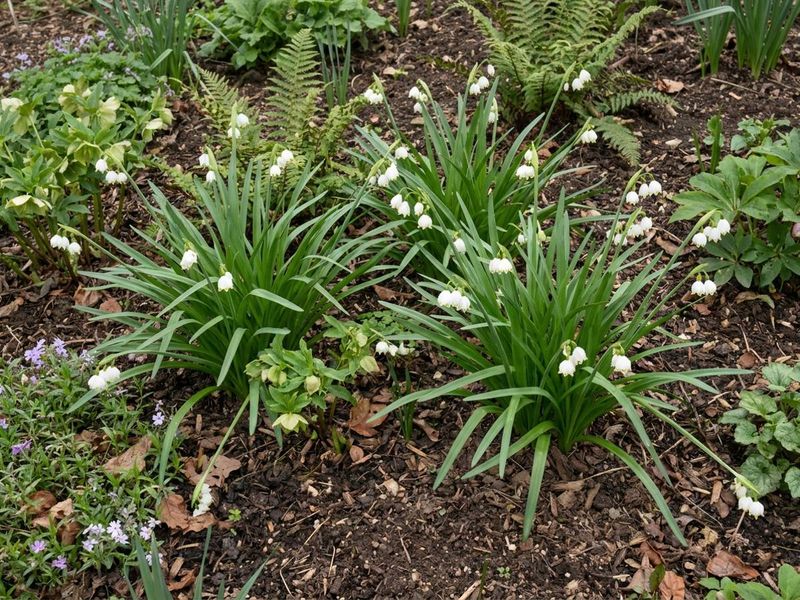
Georgia red clay has a reputation, and most of us have cursed it while digging. Sticky in winter, rock hard in August, it chews up shovels and rots plenty of bulbs.
Summer Snowflake handles it better than most. Its wild relatives grow in wet meadows and along streams, so dense, moist soil feels like home rather than a threat.
Tulips, crocus, and many alliums want sharp drainage. Put them in soggy clay over winter, and the bulbs often turn to mush.
Summer Snowflake tolerates heavy soil that holds water, which opens up spots you may have written off.
Still, a little prep helps. Mix a few inches of compost into the planting area to loosen the soil and feed helpful microbes.
Rich organic matter keeps moisture steady in spring without turning the bed into a brick.
Soil pH matters a bit too. These bulbs tolerate a range of soil conditions, from slightly acidic to alkaline.
Many soils run on the acidic side, so a soil test through your local Cooperative Extension office can tell you if lime would help.
Testing costs very little, and your county extension office can explain the results. It beats guessing and tossing lime around for no reason.
4. Soggy Low Spots Near Ponds And Downspouts Suit Snowflakes Just Fine
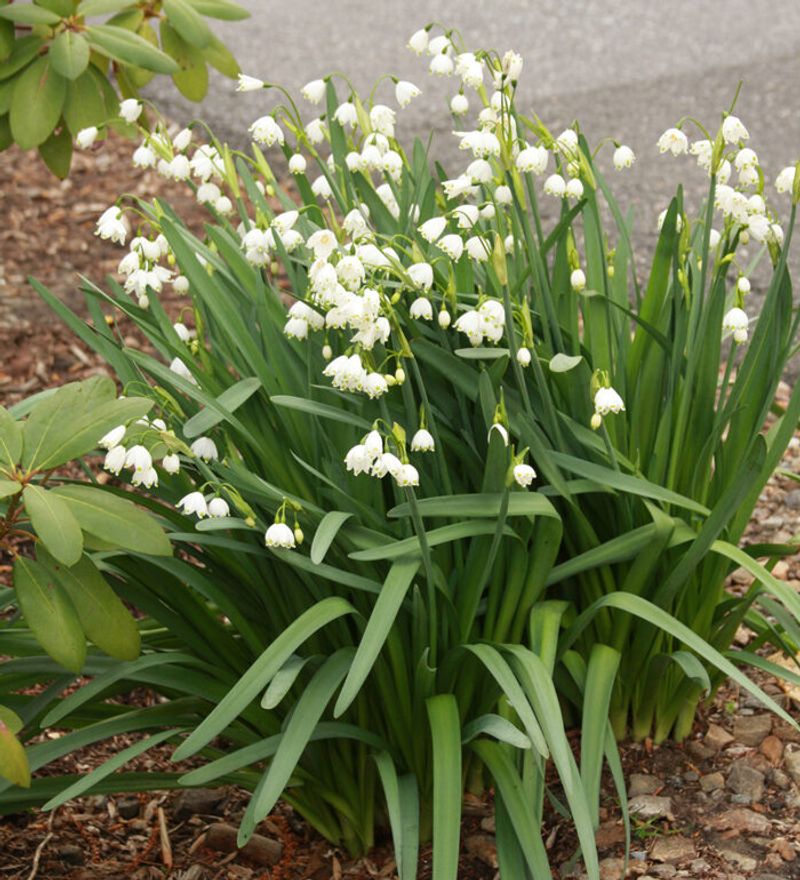
Every yard has that one spot. Maybe it’s the corner where the downspout dumps, or the low patch that stays squishy for days after a storm.
Summer Snowflake is one of the few spring bulbs happy there. It handles moist and seasonally wet soil, which makes it a smart pick for rain gardens, creek banks, and pond edges.
The bulb’s natural range includes river floodplains in Europe and western Asia. Those places soak up water in winter and dry out later, a pattern that feels a lot like Georgia’s wet winters and hot summers.
Plant above the normal waterline, though. Moist soil is great, but bulbs sitting underwater for weeks may struggle.
Choose the damp edge, not the puddle itself.
A rain garden makes a terrific home. Tuck bulbs along the sloped sides, where water drains through within a day or two after heavy rain.
During active growth from late winter into spring, steady moisture keeps leaves lush and flowers plentiful. In a dry spring, a deep soak once a week helps.
Once the foliage yellows and the bulbs go dormant in summer, they handle drier conditions. That flexibility means you don’t need to babysit them through August heat waves.
5. Hungry Deer And Voles Usually Skip These Nodding White Flowers
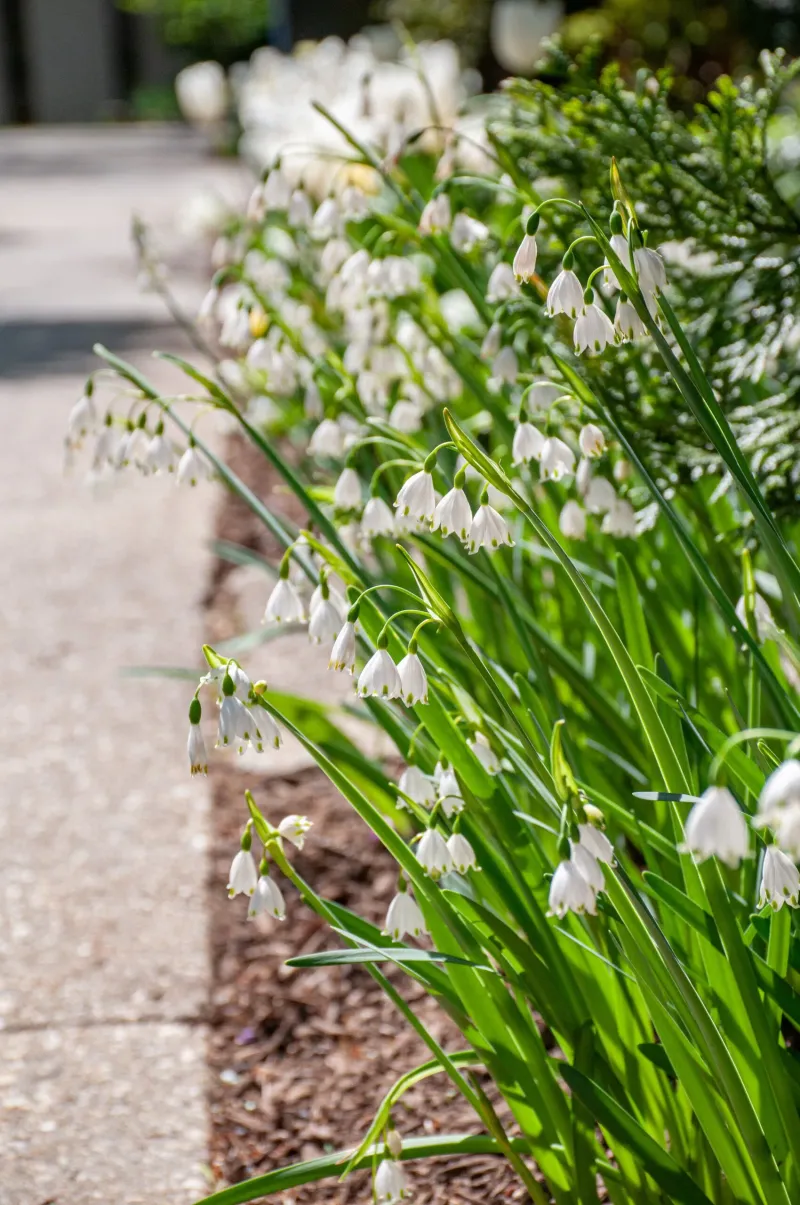
Deer treat tulips like candy. Anyone who has walked outside to find a row of beheaded stems knows that heartbreak.
Summer Snowflake is a different story. Like daffodils, it belongs to the amaryllis family, and its plant parts contain alkaloids such as galanthamine that taste bitter to browsing animals.
Deer, rabbits, squirrels, and voles mostly leave it alone. No plant is fully critter-proof, since a hungry animal in a hard winter may sample anything, but these bulbs rank among the most reliable choices for areas with heavy wildlife pressure.
That makes them handy in rural Georgia yards and suburbs alike. Even neighborhoods near Atlanta see plenty of deer wandering through gardens.
Those same compounds mean you should keep pets and kids from chewing on the bulbs or leaves. All parts are toxic if eaten and can upset the stomach.
Wear gloves while planting if you have sensitive skin. Wash your hands afterward, just as you would with daffodil bulbs.
6. Watch One Snowflake Clump Slowly Grow Into A Spring Drift
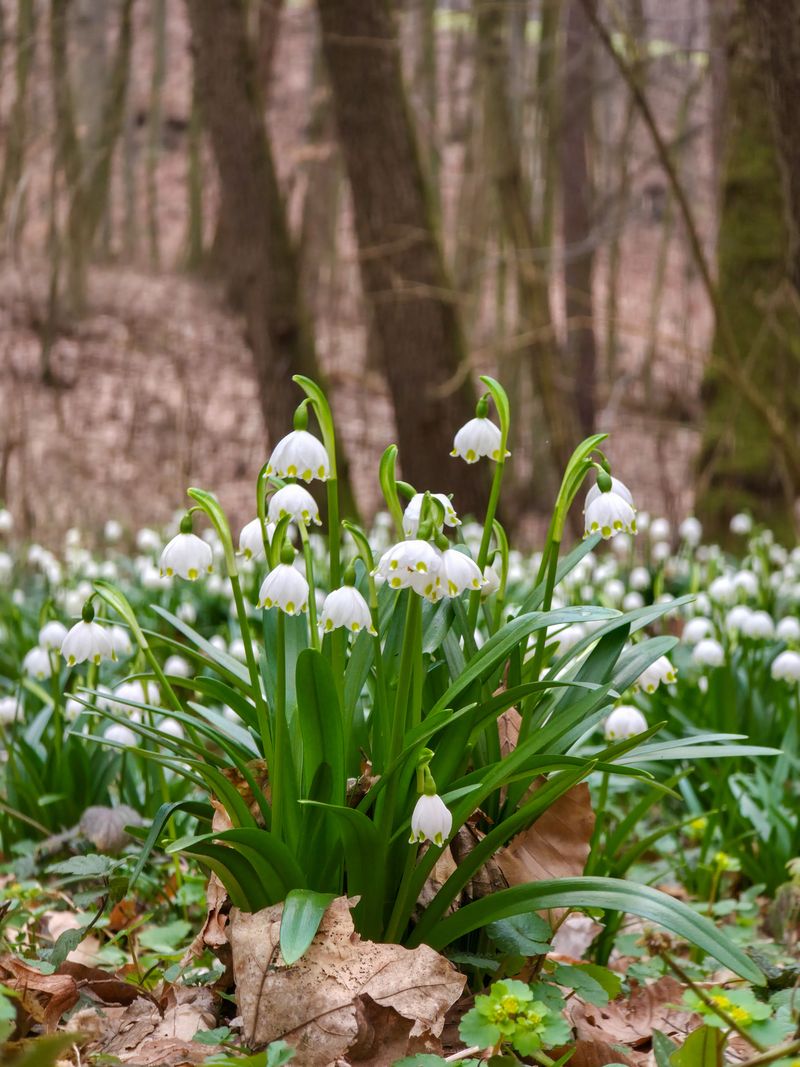
A single handful of bulbs can turn into something impressive. Give Summer Snowflake a few years, and small clusters widen into full, lush clumps.
The plant spreads mostly by making offsets, which are baby bulbs that form beside the parent. Over time, a group of five bulbs can become dozens, all blooming together.
Gardeners call this naturalizing, and it’s a big reason old plantings still flourish around Southern farmhouses. The spread is steady and polite, not aggressive, so it won’t swallow your flower beds.
Summer Snowflake is not native to North America. It has escaped cultivation in a few spots, but it is not listed as invasive in Georgia, and it’s commonly recommended by Southern extension services.
Still, keep it in your garden instead of planting it in natural wetlands.
For the best drifts, choose spots under deciduous trees like oaks or maples. The bulbs grab sunshine in late winter before the canopy leafs out, then rest in shade through summer.
Full sun to part shade works well. In south Georgia, afternoon shade keeps foliage from fading too early.
When a clump gets crowded and blooms decline, divide it. Dig carefully after the leaves yellow in late spring or early summer, separate the bulbs, and replant them right away.
7. Let Those Yellowing Snowflake Leaves Stay Put After The Bloom
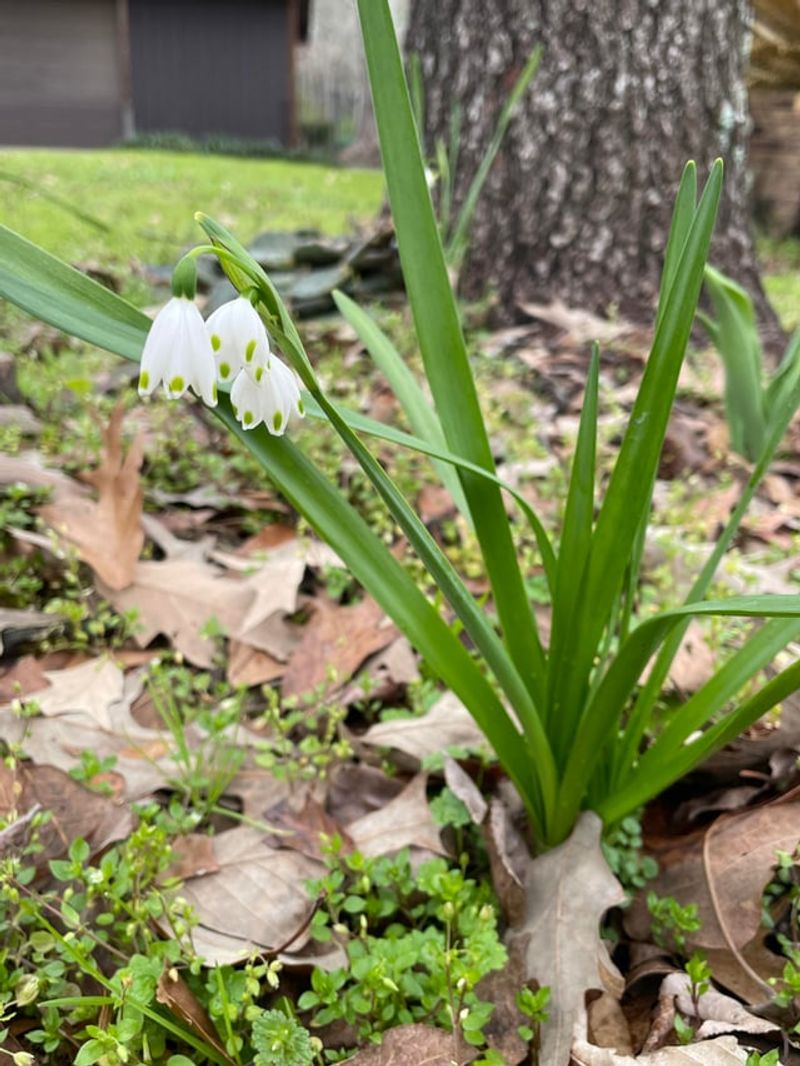
Patience pays off once the flowers finish. The strappy green leaves keep working for several more weeks, soaking up sunlight and sending energy down to the bulb.
Cutting them early is the most common mistake. Bulbs that lose their leaves too soon often bloom poorly the next year, or skip flowering altogether.
Wait until the foliage turns yellow and flops over on its own. In most of Georgia, that happens in late spring, often around May.
Then you can trim it off at ground level.
Messy leaves bug a lot of tidy gardeners, me included. A clever fix is planting summer perennials nearby that fill in as the snowflake foliage fades.
Hostas, ferns, and native coral bells work well in shady spots. In sunnier areas, try black-eyed Susans or coneflowers, which grow up just in time to hide the yellowing leaves.
Skip heavy feeding. A light dose of balanced fertilizer or compost as shoots appear in late winter is plenty for most beds.
Mark your clumps with a small stake or note their spots on your phone. Dormant bulbs vanish underground all summer, and it’s easy to slice into them while planting something new.