Why White Wood Aster Is The Native Fall Flower North Carolina Shade Gardens Need
By October, most shade gardens have given up. Hostas have yellowed, ferns are tired, and the only color left comes from fallen leaves.
Under the trees, a small native plant quietly does the opposite. White wood aster opens clouds of little daisies just as the rest of the garden fades, and it does it in the dim light where other flowers refuse to grow.
Pollinators find it right away, since late-season food is scarce. It spreads gently and fills bare spots without becoming pushy.
It also does not mind dry shade, which is the hardest spot in most yards. Many nurseries overlook it. Once you see it glowing under an oak in the last weeks of fall, you may wonder why more people do not plant it.
1. It’s A True North Carolina Native For Shade
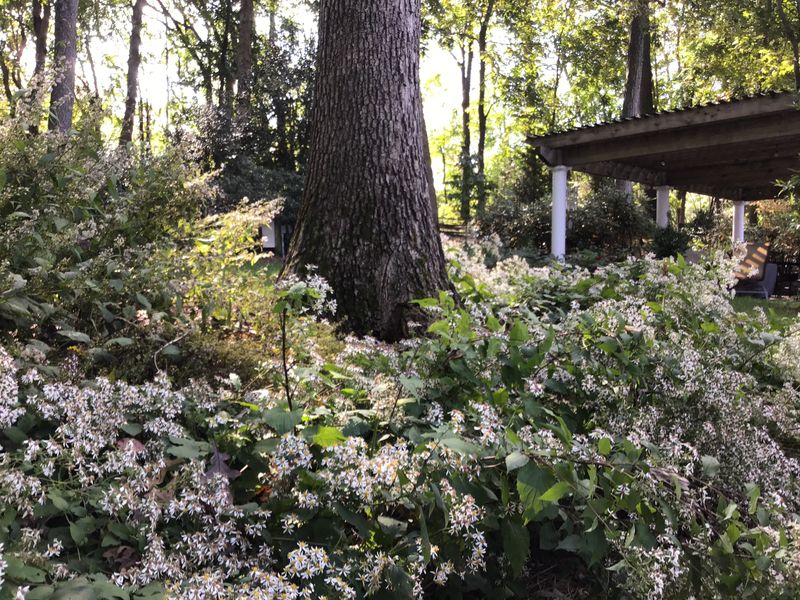
Walk a shady trail in the North Carolina mountains in September, and you will likely spot a sprinkle of tiny white stars along the path. Those are white wood asters, known to botanists as Eurybia divaricata.
They have been growing in our woods long before anyone planted a garden here. Most asters are sun lovers. They crowd roadsides and open meadows, soaking up hours of bright light.
White wood aster took a different path, adapting to the dappled shade beneath deciduous trees. That makes it one of the few native asters that actually blooms well in a shady yard instead of stretching and sulking.
You will find it growing wild across much of the state, especially in the Mountains and Piedmont. It feels right at home under oaks, maples, and hickories, where spring sunshine filters through before the leaves fill in.
That bright early season followed by summer shade is just what it likes. So where should it go in your yard? Try planting it in part shade under deciduous trees, along the edge of a wooded area, or beside the north or east side of your house.
Morning sun with afternoon shade works beautifully. Deep, all-day darkness under evergreens is less ideal.
When shopping, look for plants at native plant nurseries or local plant sales run by conservation groups. Those plants are more likely to come from regional seed sources, so they are already tuned to our climate.
Here in North Carolina, so many neighborhoods sit beneath mature trees that full sun can be hard to find. Instead of fighting the shade, white wood aster lets you work with it, bringing a true local wildflower right to your doorstep.
2. It Brightens Shade With Late Season Blooms
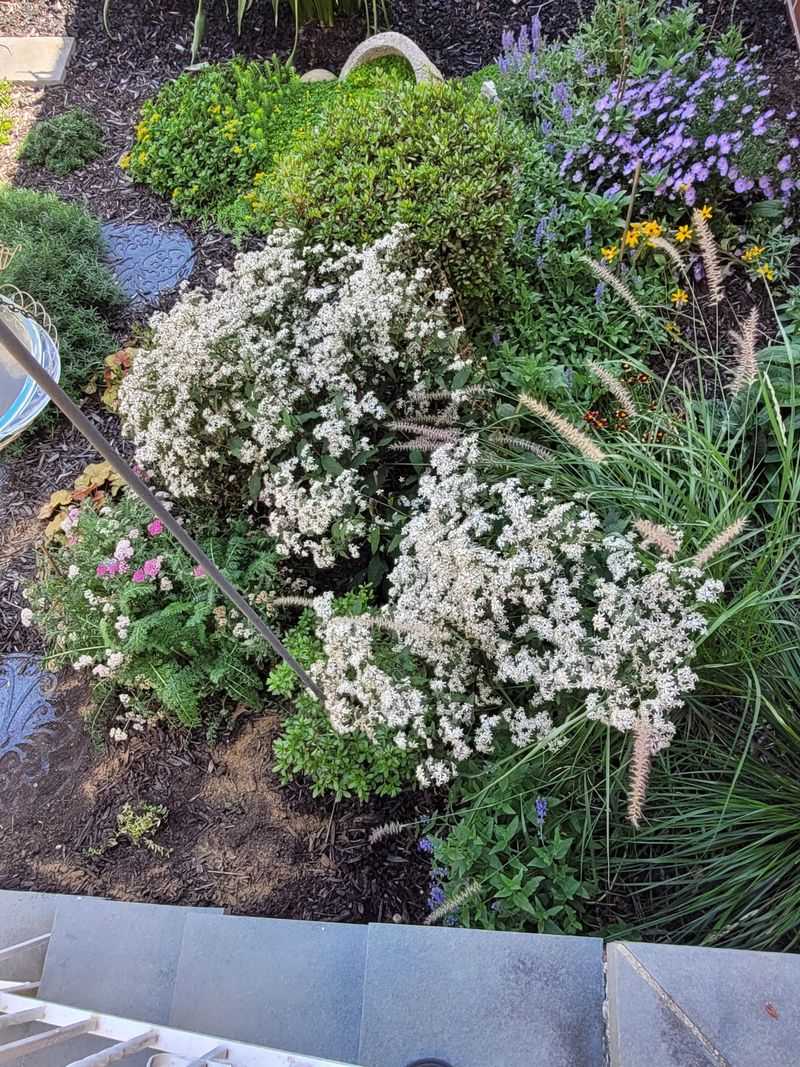
Late summer can be a little sleepy in a shade garden. The hostas have finished, the spring wildflowers faded months ago, and everything settles into plain green. Then white wood aster wakes up and throws a party.
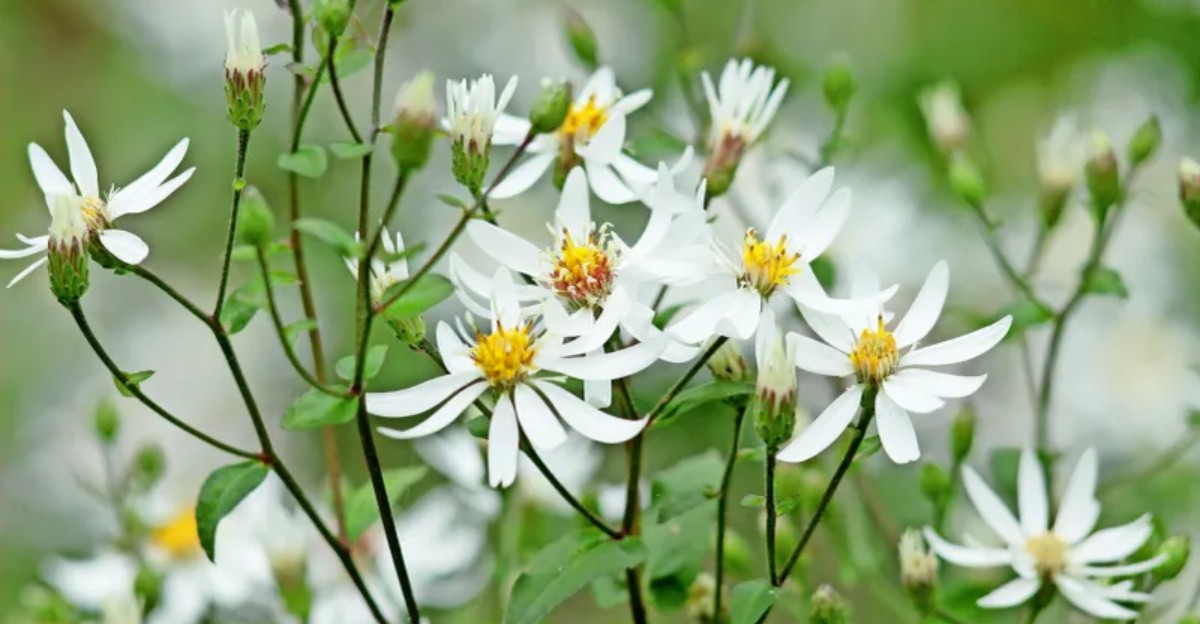
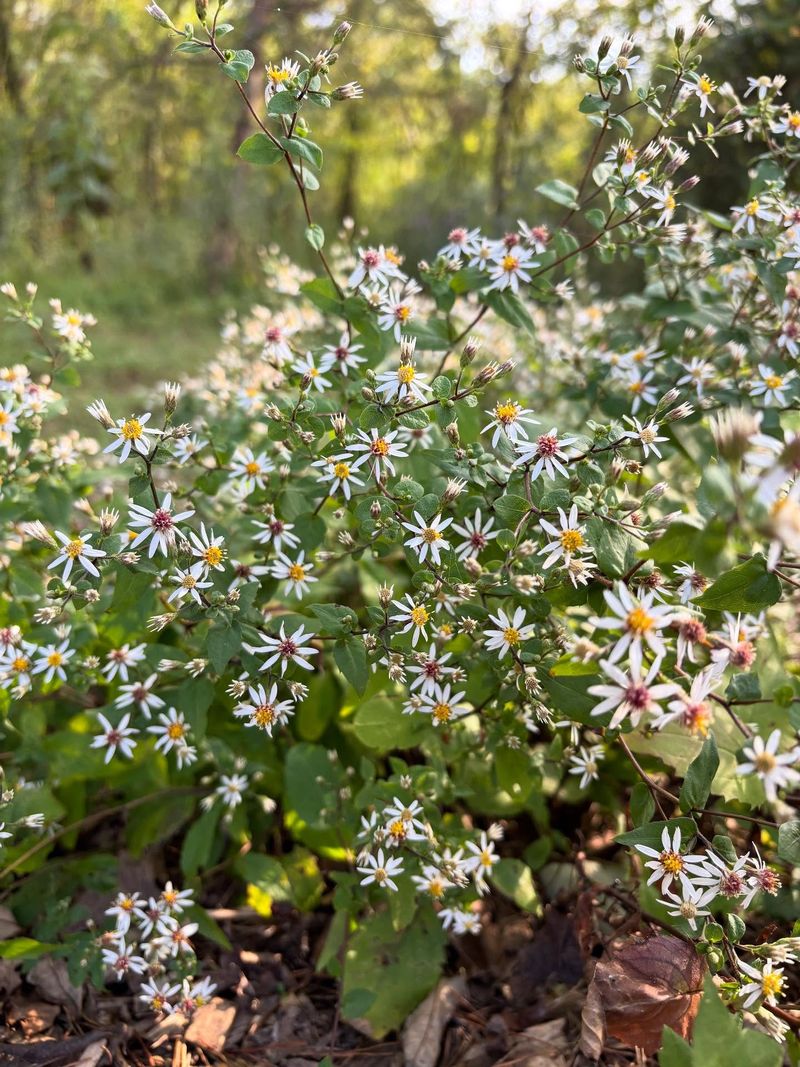
From late summer into fall, the plant covers itself in airy clouds of small white flowers. Each bloom looks like a tiny star, with thin petals circling a bright yellow center.
As the flowers age, those centers often shift to a rosy red or soft purple, so a single plant can show off several colors at once. Even the stems add charm. They are dark, almost black in some plants, and thin as wire.
Your North Carolina Garden Changes Every Week. Your Plan Should Too.
Gardening in North Carolina changes quickly throughout the season. Every Friday you’ll receive a simple weekly plan showing exactly what to plant, prune, fertilize, harvest, and protect so you never miss the right timing.
Many of them zigzag back and forth between the flower clusters, giving the whole plant a playful, sketched-by-hand look. Against shadowy ground, those white blossoms seem to glow.
The show is not a quick one, either. Blooming often lasts several weeks, carrying color well into autumn.
A small patch near a back door or under a window can light up a dim space every evening as the days grow shorter. Want the biggest impact? Plant a group of three or five rather than a single plant.
Masses of white read clearly from a distance, especially at dusk. Set them in front of darker plants like evergreen ferns so the flowers really pop.
For North Carolina gardeners hunting for fall color in shady spots, choices can feel limited. White wood aster fills that gap with ease.
It brings that crisp, cheerful sparkle right when the season starts to turn, making shady corners feel bright and alive instead of forgotten.
3. It Handles Dry Shade Under Trees
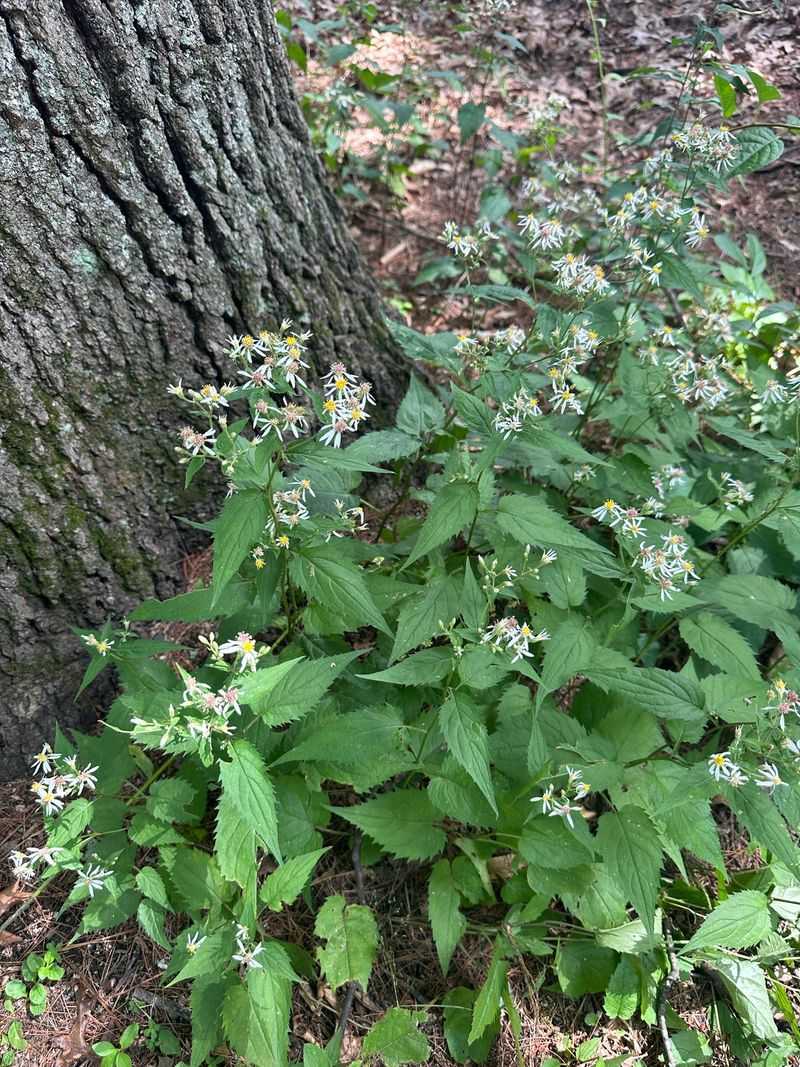
Ask any gardener about their toughest spot, and many will point straight at the dry ground under a big tree. Roots soak up every drop of rain. Leaves block the light. Plants that look great at the nursery often fade there within weeks.
White wood aster is built for that challenge. In the wild, it grows in dry, open woodlands where it has always had to share water with thirsty trees.
Once its roots settle in, it can hold its own in the same kind of tight, root-filled soil that frustrates so many homeowners.
Getting it started does take a little care, though. During the first growing season, water regularly, about once a week if rain is scarce.
Young roots need steady moisture while they spread out and find their place among the tree roots.
Mulch makes a huge difference. Spread a layer of shredded leaves around the plants, about two inches deep.
Leaves are free, they hold moisture in the soil, and they break down into the same kind of rich forest floor this aster knows from home. Just keep the mulch from piling up against the stems.
After that first year, you can mostly step back. Water only during long dry spells, when the soil feels dusty several inches down or the leaves start to droop in the morning.
That kind of toughness matters right now. Drought this year has made dry shade even harder to plant across North Carolina, and many gardeners have watched new plantings struggle.
Choosing a plant that already knows how to handle these conditions saves water, time, and plenty of frustration.
4. It Spreads Into A Natural Groundcover
Some plants stay politely in one spot forever. White wood aster prefers to wander a bit, and in a shady garden, that habit turns out to be a gift.
Over time, the plant spreads slowly through underground stems called rhizomes. It can also drop seeds that sprout nearby.
Little by little, a few plants become a loose colony that knits across the ground, covering bare soil and leaving less room for weeds to move in.
The result looks wonderfully natural. Instead of neat rows, you get drifts of green leaves and white flowers that feel like a stroll through the woods.
For anyone who loves a relaxed, woodland style, it is hard to beat. Give it space to roam. Woodland gardens, shady borders, and areas under trees where grass refuses to grow are all great choices.
Avoid tucking it into a tiny, formal bed where you want every plant to stay exactly in place. If it does wander too far, the fix is simple. In spring, pull up the extra shoots or dig and divide clumps.
Those divisions can be replanted in another shady spot or shared with a neighbor, which is a nice way to spread native plants around your street.
Good partners make the planting even richer. Ferns, wild ginger, foamflower, and other shade natives mix beautifully, creating layers of texture that resemble a real forest floor.
Many North Carolina yards have large shady areas that feel overwhelming to fill. Buying dozens of plants gets expensive fast.
White wood aster offers a budget-friendly answer, slowly covering ground on its own and turning patchy shade into a lush native carpet.
5. Pollinators Visit Its Late Flowers
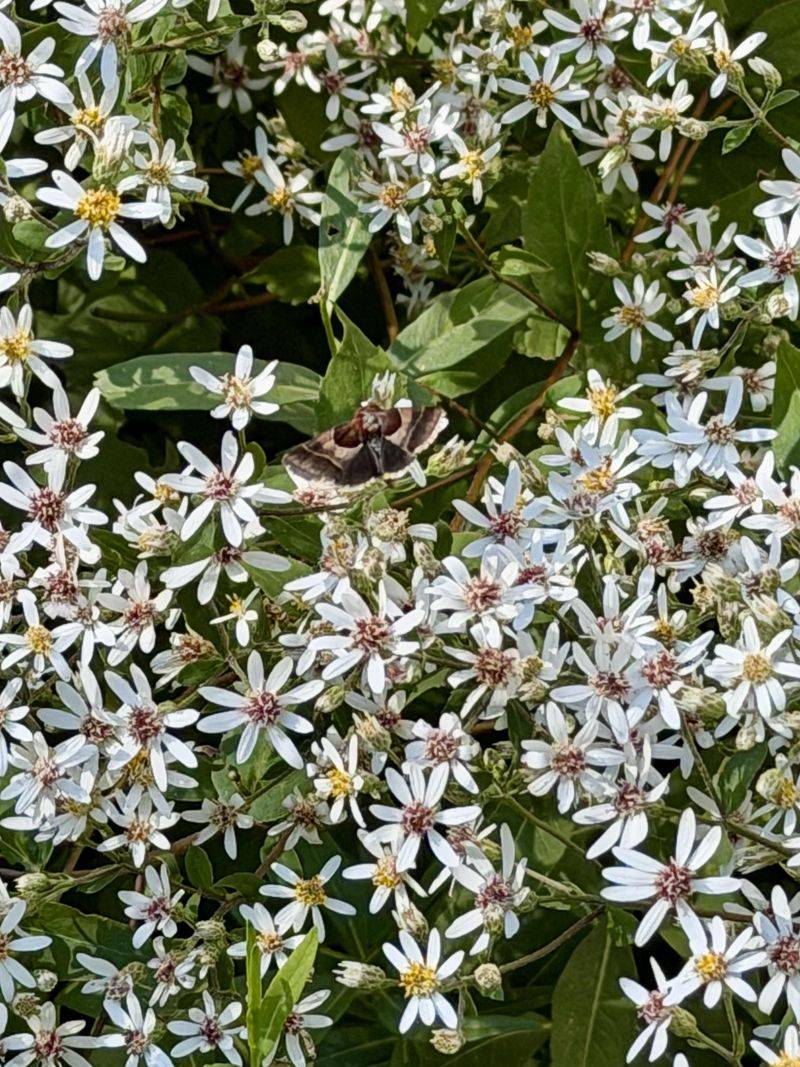
Stand quietly beside a patch of white wood aster on a warm October afternoon. Within a minute or two, you will probably hear a soft buzz. Bees, flies, and butterflies love these little flowers.
Timing is everything for pollinators. By fall, many flowers have already finished, and food gets harder to find.
White wood aster steps in with nectar and pollen just when insects need it most. Bumblebee queens, for example, fuel up in autumn before spending winter tucked underground.
Those small, open blooms are easy for many kinds of insects to use. Short-tongued native bees, hover flies, and small butterflies can all reach the nectar without trouble.
A single clump can host a busy crowd on a sunny day. You can help these visitors with a few simple habits. First, skip insecticides near blooming plants, since even products labeled as gentle can harm bees.
Second, leave the plants standing after the flowers finish. Hollow stems and leaf litter give some insects safe places to rest through cold weather.
Planting other fall bloomers nearby stretches the buffet even longer. Goldenrods and blue wood aster, also called heart-leaved aster, pair well and bloom around the same season, especially near the sunnier edges of a shade garden.
North Carolina has a special advantage here. Our falls often bring mild, sunny days, even into November, and pollinators stay active whenever temperatures warm up.
Having flowers ready on those days can make a real difference for local bees. Your shady yard can become a quiet little rest stop that keeps them going strong.
6. It Has Attractive Heart-Shaped Leaves
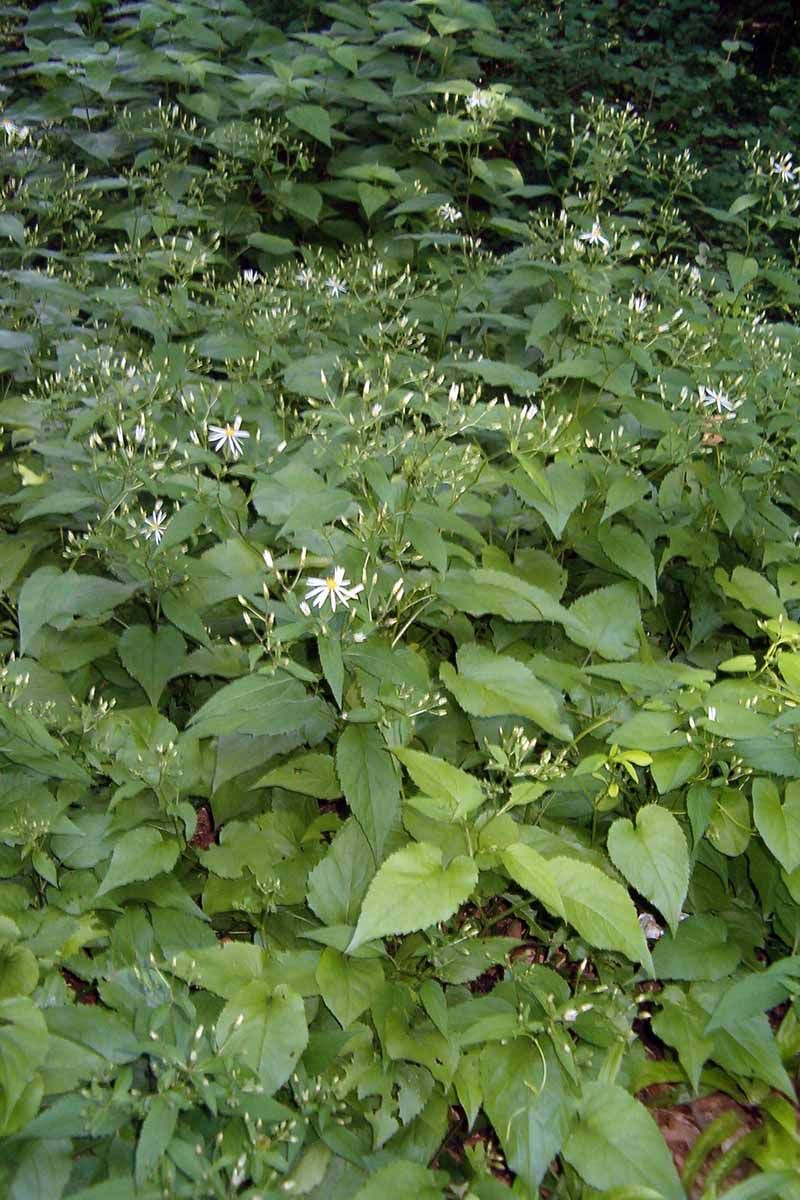
Flowers get most of the attention, but a good shade plant needs to look great for months before it ever blooms. White wood aster passes that test with ease.
In spring, fresh leaves emerge shaped like little hearts, with toothed edges that look almost hand-cut. They form a tidy, leafy clump that stays attractive through the summer heat.
Paired with those dark, slender stems, the foliage has a crisp and graceful look all on its own.
That means your shady bed does not sit empty while you wait for fall. The aster quietly adds texture and fullness from spring onward, and then the flowers arrive as a bonus.
Placement can make the leaves shine. Try planting it along paths and the front edges of beds where you will pass by often.
Up close, you can enjoy the leaf shape and the contrast of the dark stems, details that get lost when plants sit far in the back.
Mixing leaf shapes is one of the easiest tricks in shade design. Lacy ferns look wonderful beside the broad hearts of white wood aster.
Fine, grassy sedges add another layer, giving the eye something new wherever it lands. Christmas fern and Pennsylvania sedge are two native choices that work beautifully.
Shade gardens across North Carolina rely on foliage just as much as flowers. Under heavy tree cover, blooms come and go quickly, but leaves stay for the whole season.
Choosing plants with interesting foliage keeps your garden fresh and full, and white wood aster brings that steady beauty from the first spring shoots until frost.
7. It’s Easy To Care For
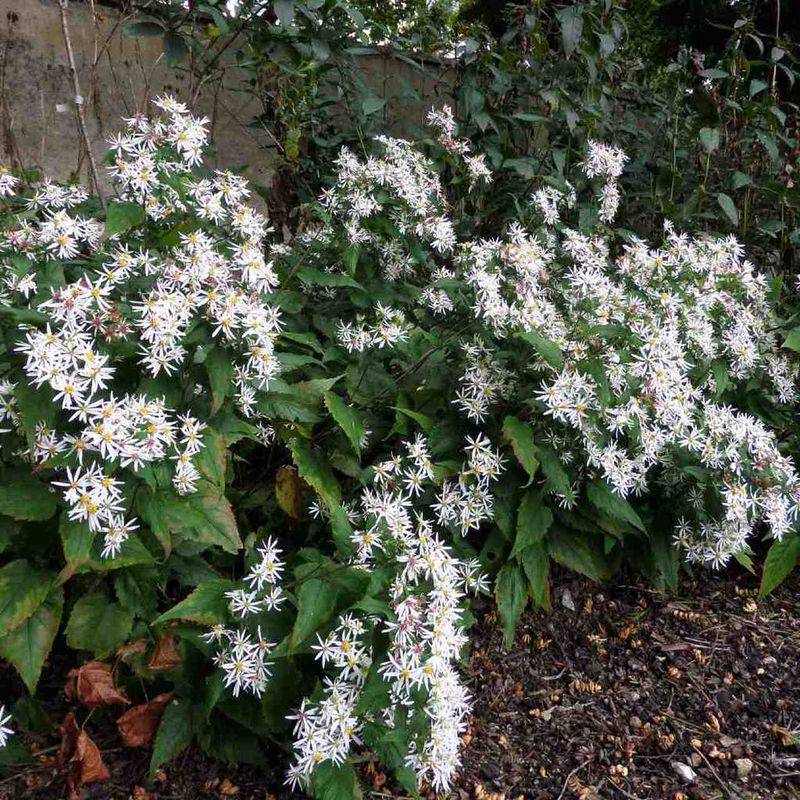
Busy weekend? No problem. White wood aster is the kind of plant that keeps going whether you fuss over it or not.
Because it grew up in North Carolina woodlands, it already knows our soil, rain, and seasons. It rarely needs fertilizer, it has few serious pest or disease problems, and it comes back reliably each spring.
In fact, rich soil and extra feeding can make it grow too tall and floppy, so less really is more.
The one quirk worth knowing is that its stems sometimes lean or flop under the weight of all those flowers. Some gardeners love that relaxed, tumbling look. If you prefer a tidier plant, there is an easy fix.
In late spring, trim the stems back by about a third. The plant will branch out, grow shorter and sturdier, and still bloom on schedule in fall.
Skip the fertilizer bag entirely, since lean soil keeps stems strong. When the flowers fade, resist the urge to clean up right away. Leave the fluffy seed heads standing over winter.
Small birds like goldfinches and juncos may stop by to snack, and the frosty stems look lovely on cold mornings.
Then, in late winter, cut the old stems back to the ground before new growth appears. That one quick chore is about all the yearly work this plant asks for.
For North Carolina gardeners, shade can already feel tricky enough. Low-maintenance natives like white wood aster take the stress out of the process.
You spend less time working and more time enjoying a lively, blooming garden that feels like a natural part of the landscape.