What It Means When Frogs Suddenly Swarm Your Florida Porch Lights After a Storm
Some frogs in my yard can spend weeks tucked underground, waiting for one hard rain. Then the storm hits, and they pop up like popcorn.
I stepped outside after a summer downpour last year. My porch light had a crowd of tiny guests stuck to the glass. A few were barely bigger than my thumbnail.
Florida storms set off a chain reaction in the backyard. Wet ground, hungry bellies, and a glowing bulb all play a part.
You’re in for a big surprise when you learn how much one light can change your yard at night.
I believe most of us walk right past this show. Not every visitor on that glass is welcome, though. So which ones should you cheer for?
Your Porch Turns Into the Hottest Spot in the Neighborhood

Rain changes everything for a frog. Their skin is thin and lets water and air pass right through it.
During dry spells, many frogs hide under bark, in soil, or inside plant leaves to stay moist.
A good storm soaks the ground and fills the air with humidity. Suddenly, frogs can move around without drying out.
Lots of them come out at the same time, so it feels like a sudden crowd showed up overnight.
Your porch sits right in the middle of this action. Walls stay damp, gutters drip, and potted plants hold water.
For a small frog, that mix is like a cozy rest stop with a view.
Young froglets add to the numbers too. In Florida summer, many tadpoles finish changing into tiny frogs around the same time.
They leave ponds and ditches in big groups, and rainy nights help them travel safely.
So that frog party mostly means your yard has healthy moisture and nearby water. It is a sign that local wildlife is busy and active.
Grab a flashlight and take a closer look before they hop away.
Those Bugs Buzzing Around the Bulb Are a Free Buffet
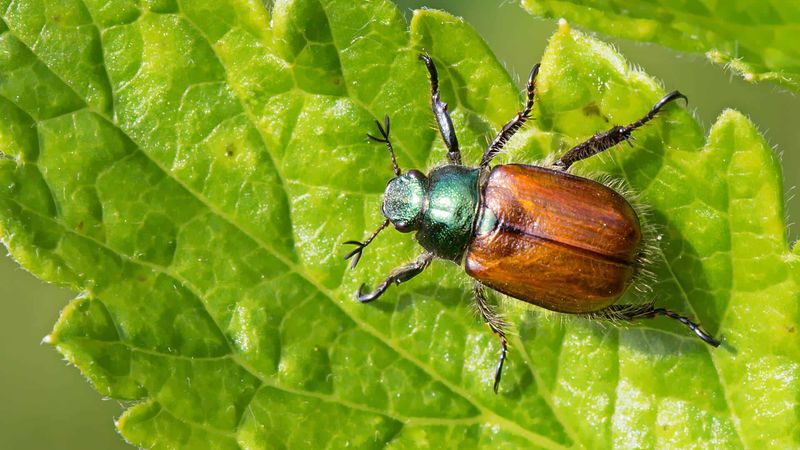
Moths, beetles, and gnats can’t resist a bright bulb. After a storm, insects often hatch and fly in big numbers.
Your light pulls them in from all around the yard.
Frogs figured this out a long time ago. A treefrog can sit still near the glow and wait.
Dinner basically flies right to its face.
I love watching one snap up a moth in a blink. The tongue moves so fast you might miss it.
Then the frog settles back down like nothing happened.
Bright white and bluish lights tend to draw more bugs than warm yellow ones. That means some porches become much busier hunting spots than others.
If your bulb is very bright, expect more frog visitors.
Native frogs earn their keep here. They help reduce mosquitoes, flies, and other pests that bug you on summer evenings.
One small frog can eat a surprising amount of insects in a single night.
So the crowd on your wall is not random. They are lined up at the best snack bar in town.
Your Florida Garden Changes Every Week. Your Plan Should Too.
Gardening in Florida changes quickly throughout the season. Every Friday you’ll receive a simple weekly plan showing exactly what to plant, prune, fertilize, harvest, and protect so you never miss the right timing.
You just happen to own it.
Heavy Rain Starts a Big Frog Love Story
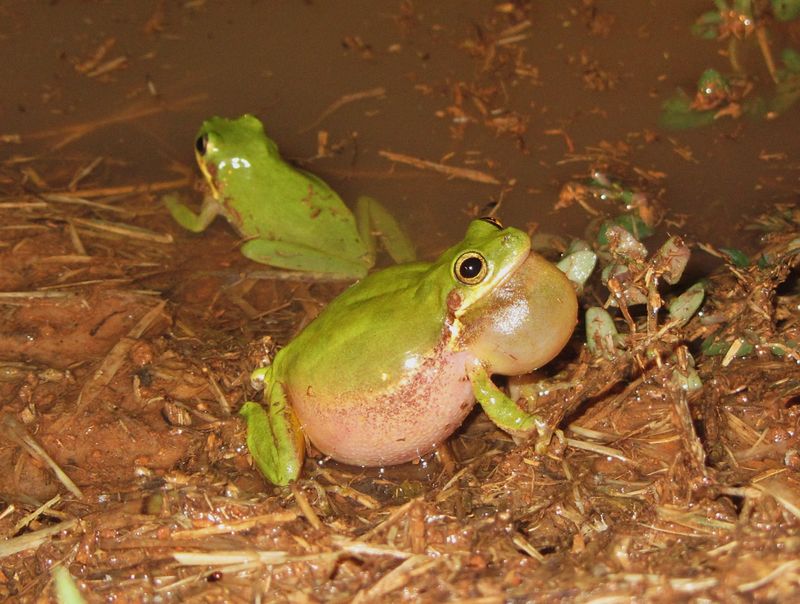
Ever hear a roaring chorus right after a summer storm? That noise is frogs looking for mates.
For many species, heavy rain is the signal to start breeding.
Storms fill ditches, low spots, and puddles with fresh water. These temporary pools often have fewer fish, so eggs and tadpoles have a better chance.
Frogs race to use them before they dry up.
Some species are called explosive breeders. They may breed in just a night or two after a big rain.
Hundreds of frogs can show up in one spot, calling as loud as they can.
Males often climb onto walls, rails, and plants to call. Your porch can become a stage for this show.
The light even helps some of them find perches.
Weeks later, the next wave arrives. Tiny froglets crawl out of the water and spread across lawns and patios.
That is often when people notice the biggest crowds.
Keep standing water near your home in mind. A clean birdbath or small native pond can help frogs.
Just change birdbath water often so mosquitoes don’t take over.
Say Hello to Florida’s Most Likely Porch Guests
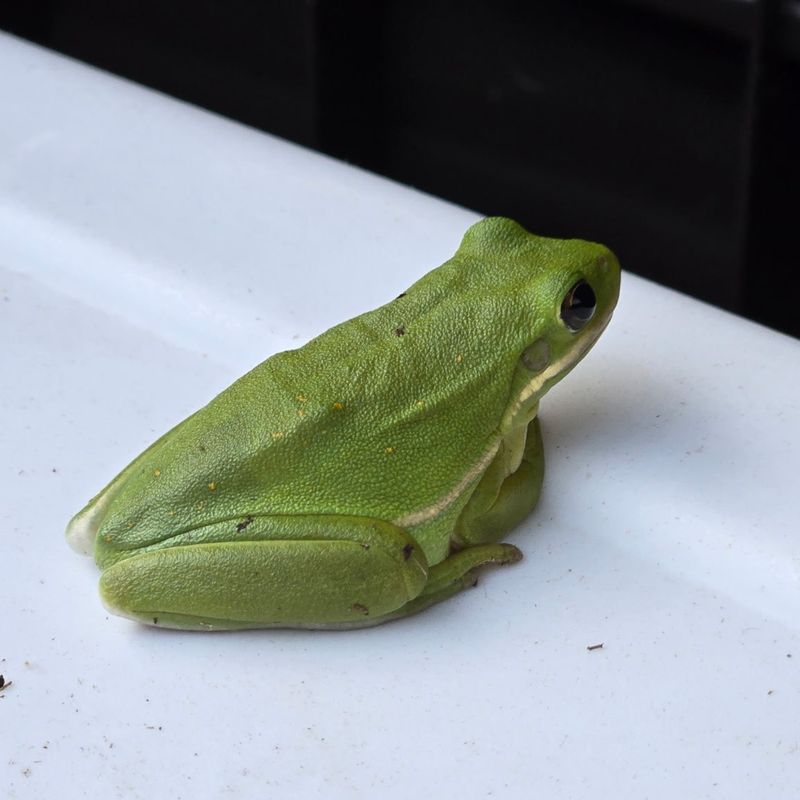
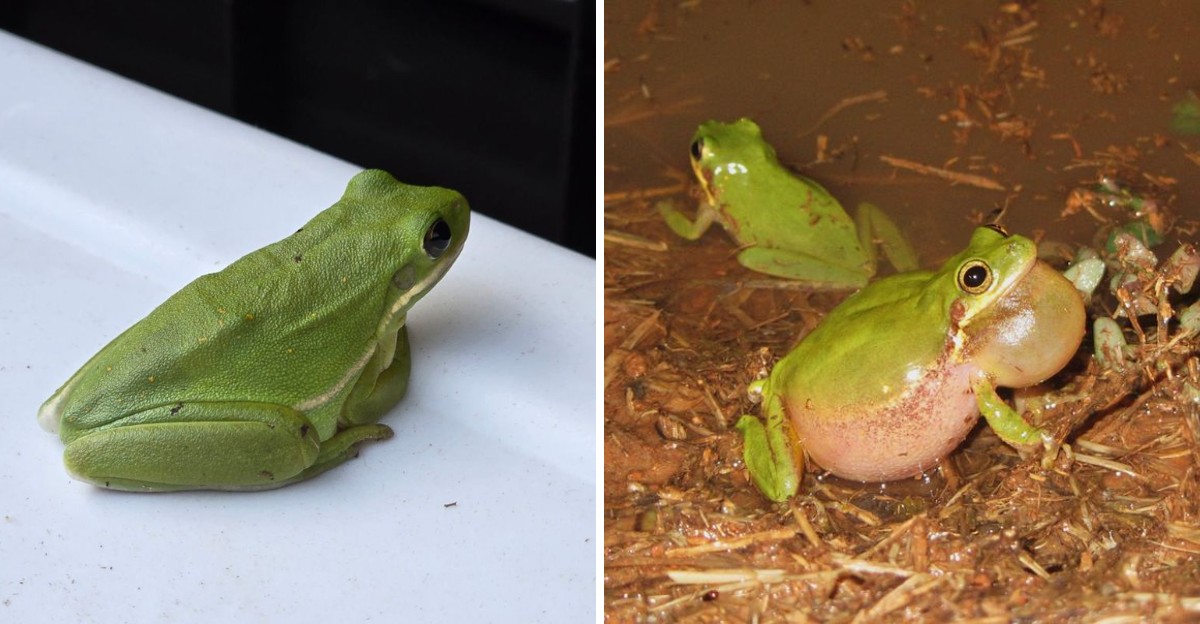
Bright green with a creamy stripe down each side, the green treefrog is a classic porch visitor. It is native to Florida and loves clinging to windows.
Many people spot it first on glass doors.
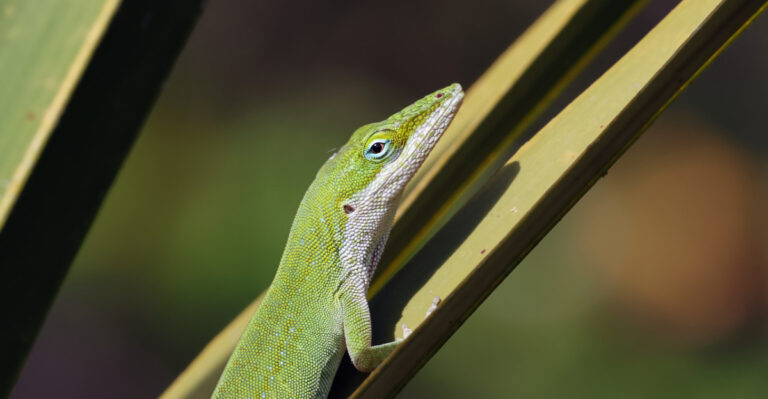
The squirrel treefrog is another regular. It is small and can change from green to brown.
Its call sounds a bit like a squirrel scolding, which is how it got its name.
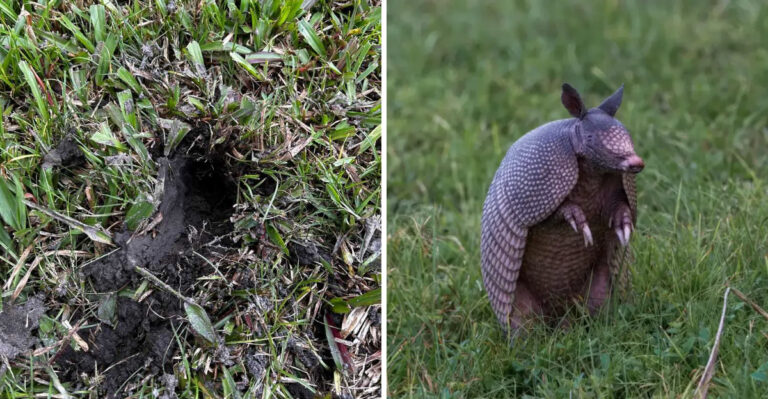
Then there is the eastern spadefoot. Some folks call it the hurricane toad.
It spends long stretches buried underground and comes up in big numbers after heavy rains.
Southern toads and narrowmouth toads may also wander close to lights. Toads usually stay on the ground.
They grab bugs that drop down from the bulb.
Native frogs have smooth, slim toe pads and modest sizes. Most fit easily on a fingertip.
Watching them for a few nights can teach you a lot about which species share your yard.
Try snapping photos and checking a UF/IFAS frog guide. You may find you have more neighbors than you thought.
Watch Out for the Big-Toed Troublemaker
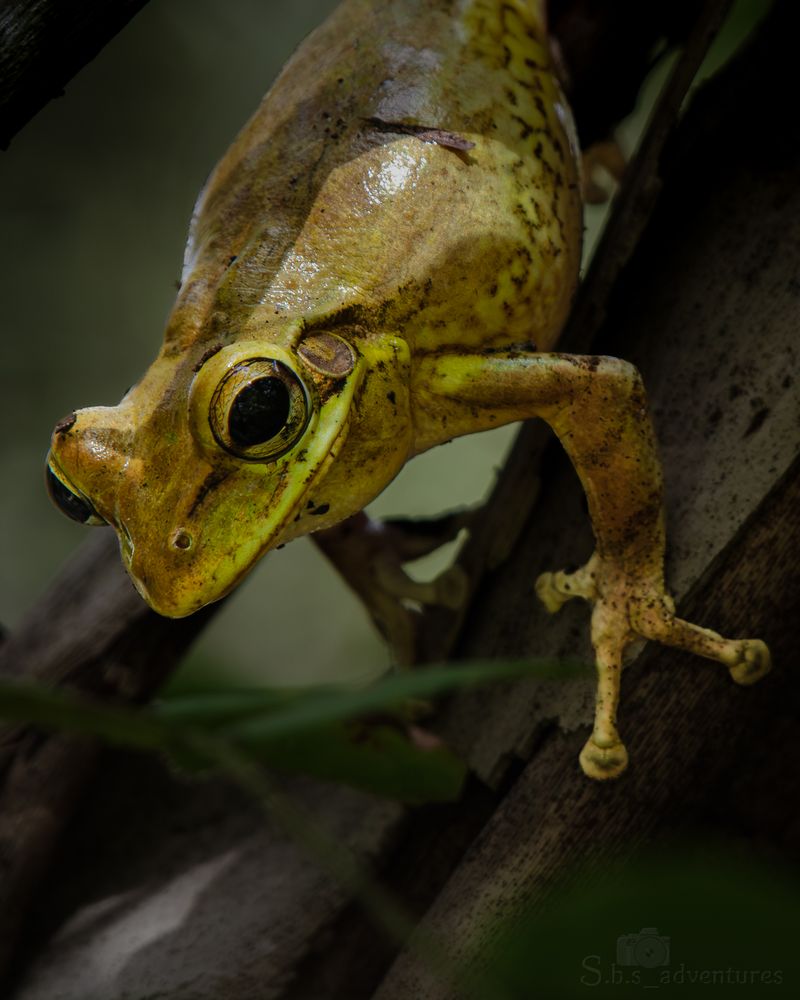
Not every frog on your light belongs in Florida. The Cuban treefrog arrived from the Caribbean and has spread across much of the state.
It is common in central and south Florida and keeps moving north.
Spotting one is easier than you might expect. Cuban treefrogs are often larger than native treefrogs, sometimes over five inches long.
They have big, round toe pads and bumpy skin that can be gray, tan, or greenish.
These frogs eat native frogs and compete with them for food. They also clog drains, sneak into toilets, and can cause power outages in utility boxes.
Their skin gives off a mucus that may irritate your eyes and nose.
UF/IFAS asks residents to report sightings and humanely remove Cuban treefrogs. Wear gloves when you handle one.
Wash your hands well afterward.
Please be sure of your ID before taking action. Native frogs look similar at a glance, and they matter for a healthy yard.
When in doubt, take a clear photo and compare it with an extension guide or ask a local expert.
Native Frogs Will Thank You for a Friendlier Yard
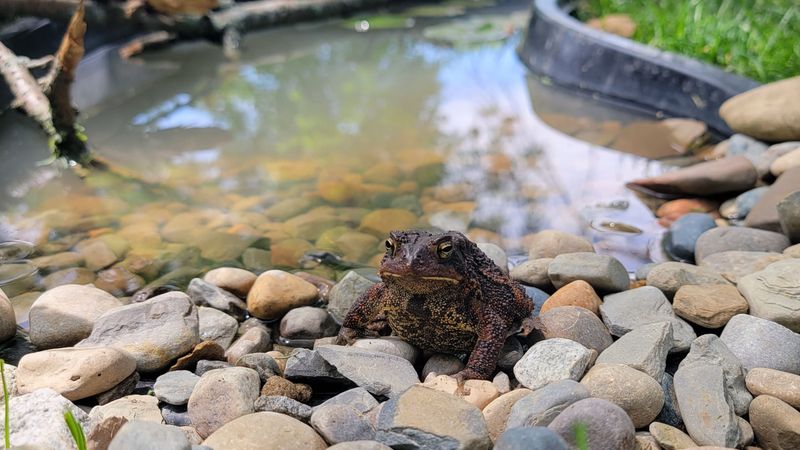
A frog-friendly yard is easier to build than you might guess. Native frogs need shelter, moisture, and bugs.
Give them those three things, and they usually stick around.
Start with native plants. Coontie, firebush, and native grasses offer shade and hiding spots.
Leaf litter in a corner also helps by keeping the ground cool and damp.
Go easy on pesticides. Frogs absorb chemicals through their skin, so sprays can hurt them.
They also remove the insects frogs rely on for food.
A small pond without fish can be a great breeding spot. Add a few native water plants and a sloped edge so froglets can climb out.
Keep it away from busy foot traffic.
Personally, I keep a couple of upside down clay pots in a shady bed. Toads love them as little hideouts.
It costs almost nothing and looks cute too.
Native frogs also signal good yard health. Scientists often call them indicator species because they react quickly to pollution.
If your frogs are thriving, your Florida backyard is likely in decent shape.
A Few Light Tweaks Can Calm the Crowd
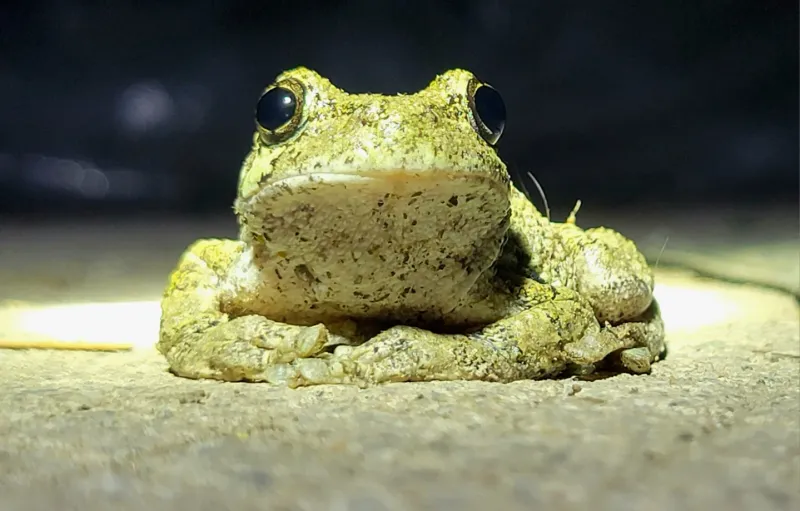
Maybe you love the frog show, but not the mess on your door. That is fair.
A few simple changes can lower the crowd without harming anyone.
Swap bright white bulbs for warm yellow or amber LEDs. These tend to attract fewer insects.
Fewer bugs mean fewer frogs waiting for a meal.
Motion sensor lights help too. They stay off most of the night and turn on only when needed.
You still get safety, and the bug buffet closes early.
Turning off unneeded lights is the easiest step. Many Florida coastal towns already ask for darker nights to protect nesting sea turtles.
Your frogs and your power bill will both benefit.
Seal gaps around doors and screens. This keeps frogs from slipping inside after a storm.
Check outdoor plumbing vent pipes and utility boxes where Cuban treefrogs like to hide.
I find a little balance works best. Leave room for native frogs to hunt, and reduce the bright glow near your door.
Then enjoy the next rainy night from your chair with a flashlight in hand.