What Michigan Ferns Need In November Before They Disappear For Winter
The tiny coiled leaves you will see next spring are already formed, packed tightly inside buried crowns right now. I love how these quiet garden plants plan a full season ahead without asking us for any credit.
Ferns have grown on Earth for more than 300 million years, long before the first flowers appeared. Across Michigan, those ancient survivors are getting ready for a long rest under snow and fallen leaves.
I have to admit that my old fall habit of tidying every bed often did more harm than good. You might notice the same thing when shady corners look bare and patchy the following April.
Simple moves over the next few weeks can protect those buds before a Michigan November hardens the soil.
So which fall chores truly help, and which ones should you happily skip in your garden this year?
1. Ostrich Fern Fronds Can Stay Put As Winter Mulch
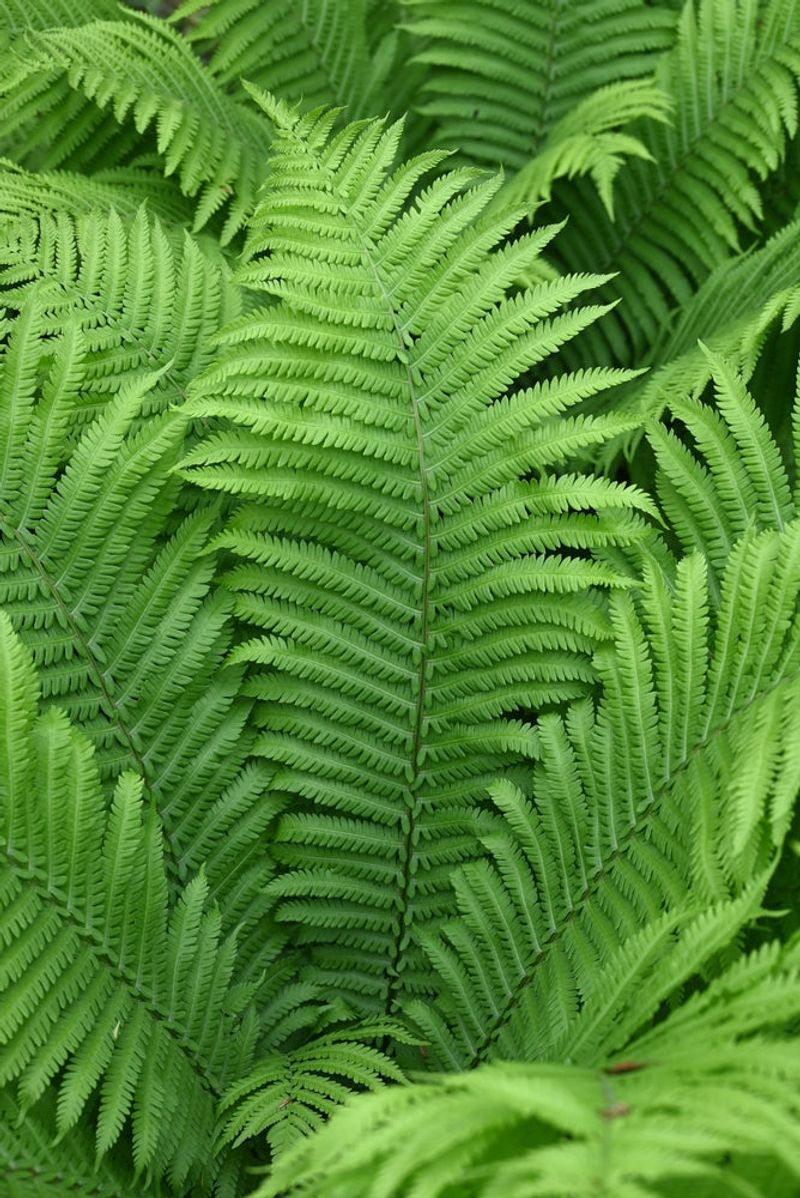
Those tall green plumes flopping across your shade bed look messy, but they are doing an important job right now.
Ostrich ferns drop their sterile fronds after frost, and that tangled brown layer shields the crown below.
Personally, I used to rake them all away, then wondered why my clumps looked thinner every spring. Leaving the fronds in place traps fallen leaves and snow, which both act like a cozy winter blanket.
Look closely and you will spot the shorter fertile fronds, stiff and brown, standing upright like feathers. Those spore-bearing fronds often stay standing through winter and release spores once warmer weather returns in spring.
Florists and crafters love those dark fertile stalks, so you can snip a few for dried arrangements. Leave plenty behind, though, because they add welcome height when snow covers the rest of your garden.
Ostrich fern, known to botanists as Matteuccia struthiopteris, spreads by underground runners and can form big colonies. Its sterile fronds commonly reach three to five feet tall, and sometimes taller in rich, damp soil.
If the floppy fronds smother nearby perennials, gently fold them back over the fern crown instead of removing them. Your neighbors in the bed get breathing room, while the fern keeps its own natural insulation layer.
Come spring, those famous fiddleheads push right up through the softened mat without any help from you. Clear the old stuff then, once new growth appears, and add it to your compost pile.
2. Deep Watering Before The Ground Freezes Helps Fern Roots
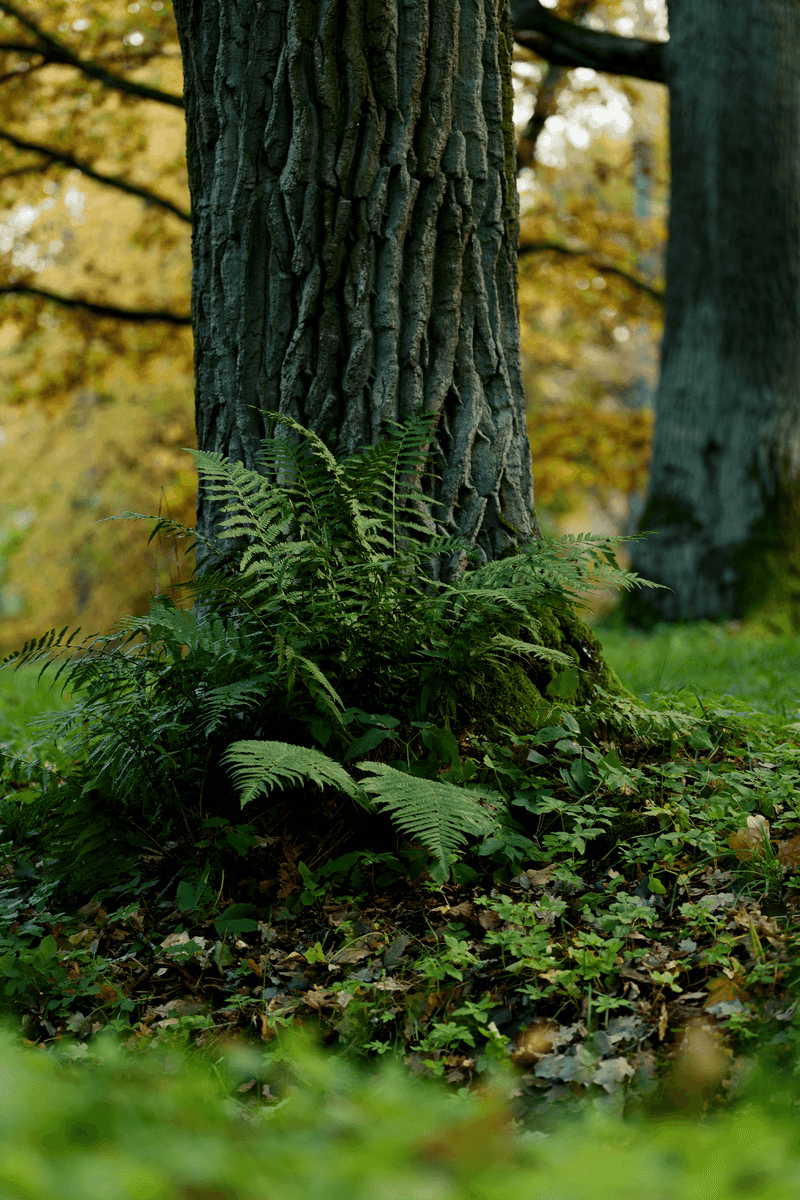
Dry autumn soil sneaks up on gardeners, especially under big maples that drink up every drop of rain. Fern roots sitting in that parched ground head into winter stressed, and they rarely bounce back quickly.
I like to push a finger two inches into the soil around each clump during October and early November. If it feels dusty rather than cool and damp, a long, slow soak is worth your time.
Ferns such as lady fern and sensitive fern love steady moisture, so they suffer most after dry spells. Even evergreen types keep losing water through their fronds on sunny winter days when roots cannot replace it.
Your Michigan Garden Changes Every Week. Your Plan Should Too.
Gardening in Michigan changes quickly throughout the season. Every Friday you’ll receive a simple weekly plan showing exactly what to plant, prune, fertilize, harvest, and protect so you never miss the right timing.
A soaker hose left running for an hour or so delivers water deep without splashing soil everywhere. Aim for moisture that reaches six inches or more, since shallow sprinkles mostly evaporate before roots benefit.
Watering in the morning gives fronds and soil time to settle before chilly nights roll in. Stop once the ground starts freezing, because extra water on frozen soil just runs off or forms ice.
Many Michigan gardeners wind up their hoses too early, right when a dry spell could matter most. Keep one hose handy near your shade garden until the forecast shows nighttime lows staying below freezing.
You will thank yourself in spring when fiddleheads rise strong and plump instead of thin and hesitant. Moist soil also holds heat a little better than dry soil, which gives buried crowns extra comfort.
3. Shredded Leaf Mulch Tucks In Fern Crowns
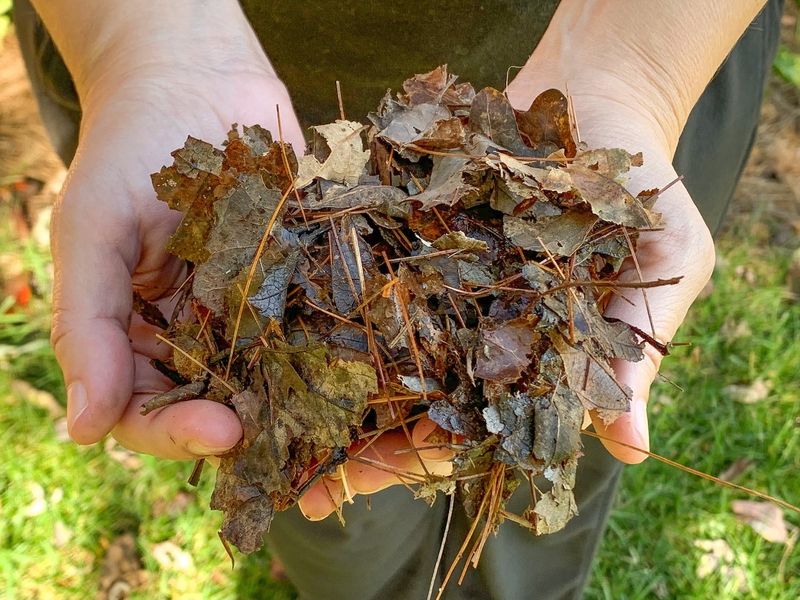
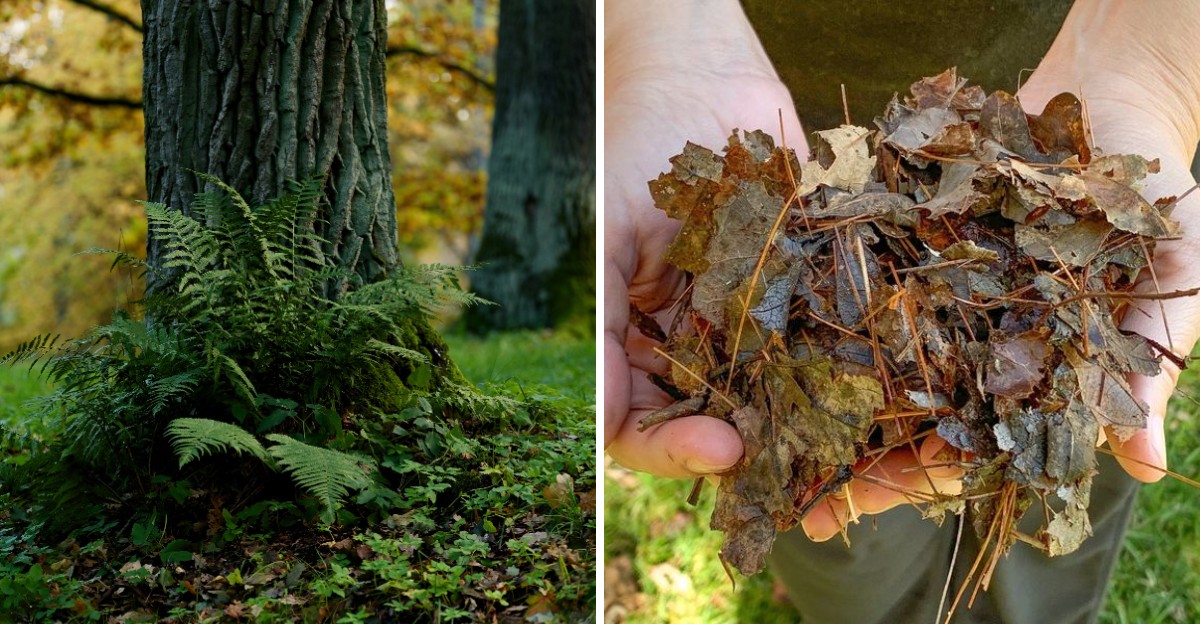
Free mulch rains down from your trees every autumn, and ferns happen to adore it more than anything bagged. In the forest, fallen leaves settle around fern crowns each year, building the spongy soil these plants crave.
I run my mower over a pile of leaves first, because whole maple leaves can mat into soggy sheets. Shredded pieces stay fluffy, letting air and water move through while still trapping warmth near the ground.
Spread about two to three inches around each clump, keeping the layer loose right over the crown itself. Piling heavy mulch directly on top can hold too much moisture and invite rot in some species.
Oak leaves break down slowly and resist matting, so they make a terrific choice if you have them. Mixing oak with faster-rotting maple or birch leaves gives you a blend that feeds the soil steadily.
Timing matters too, since mulch works best after the soil cools but before it freezes solid for winter. Late October through mid November usually lines up well, though northern gardens may need to act sooner.
Winter freeze and thaw cycles can heave shallow crowns upward, leaving them exposed to drying winds. A steady leaf blanket evens out soil temperatures and helps keep those roots snug where they belong.
By late spring, much of that mulch will have broken down into dark, crumbly organic matter. Earthworms do most of the work, and your ferns get a woodland-style meal without any fertilizer bag.
4. Christmas Fern Fronds Should Stay On Until Spring
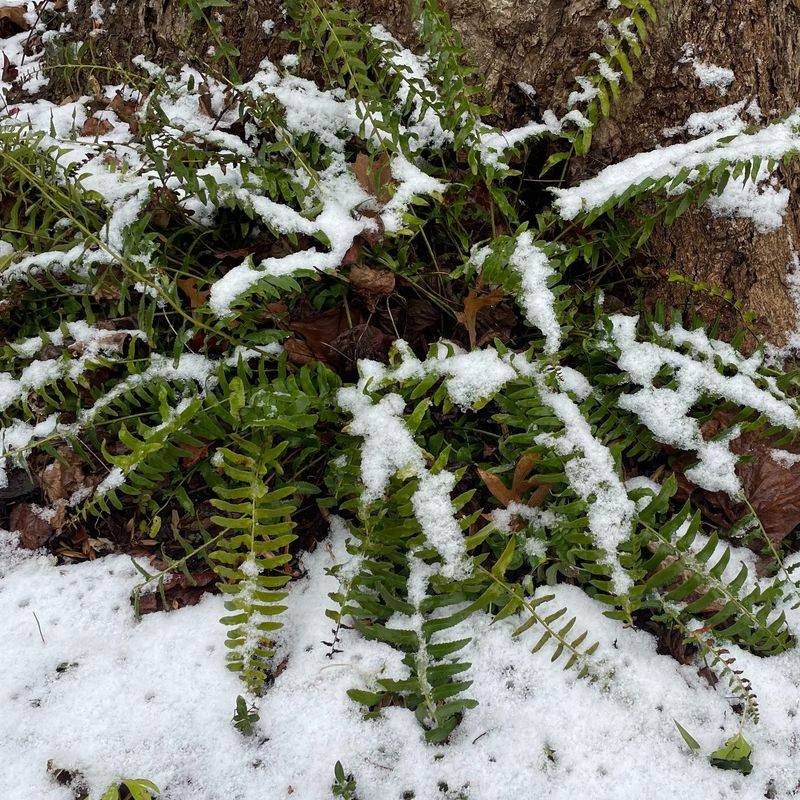
Snow can pile up for weeks, yet Christmas fern fronds are often still green when it finally melts away. Polystichum acrostichoides is one of the few native ferns that stays evergreen through cold northern winters here.
Each little leaflet has a tiny lobe near its base that looks like the toe of a stocking. Many folks credit that shape for the festive name, while others point to the fronds staying green at Christmas.
As temperatures drop, the fronds slowly bend down and lie flat against the ground under snow. That sprawl looks tired, but those fronds keep shading the crown and holding fallen leaves around it.
Please resist the urge to trim them this fall, since healthy green fronds can still make food on mild days. Cutting them back now leaves the crown bare and removes one of the few green spots in winter beds.
I wait until early spring, right before the silvery fiddleheads begin uncurling from the center of the clump. Then I snip off last year’s tattered fronds at the base, taking care not to nick new growth.
Christmas fern handles drier shade better than many relatives, which makes it handy under trees and on slopes. Its clumps stay put instead of spreading aggressively, so it plays nicely with spring wildflowers and hostas.
Deer usually leave it alone too, according to many extension guides, though hungry deer may nibble almost anything. Hardy in USDA zones 3 through 9, it fits every corner of Michigan without special winter protection.
5. Sensitive Fern Bead Sticks Bring Winter Interest
Sensitive fern earned its name honestly, because its broad fronds often brown at the very first frost. One chilly night can turn a lush green patch into a crinkled tan carpet before breakfast.
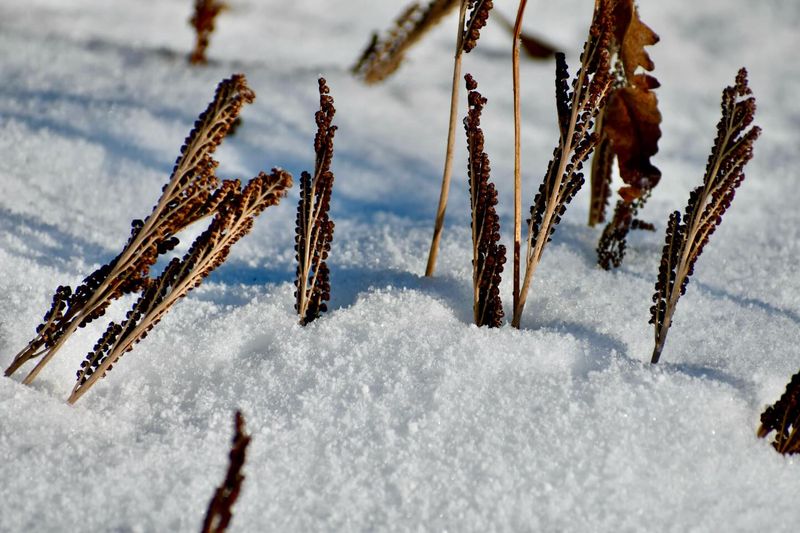
Hidden among those faded leaves are stiff, dark stalks covered in tight little beads that look like seeds. Those beads are actually rolled leaflets holding spores, and they often stay closed through the entire winter.
Onoclea sensibilis keeps those fertile fronds standing, then releases spores as the beads split open in spring. I love how they poke through snow, adding a dark, textured accent to an otherwise sleepy garden.
Leave those bead sticks standing this November, both for winter interest and for the spores they carry. Crafters also prize them for dried bouquets, so cutting a handful will not harm a healthy colony.
The floppy sterile fronds can stay where they fall, breaking down into rich mulch over the winter. If they block a path, trim them back and tuck them under nearby shrubs instead of bagging them.
Sensitive fern spreads fast by creeping rhizomes in wet soil, so fall is a smart time to check boundaries. Dig out wandering pieces while the ground is still soft, then share them with a friend who loves rain gardens.
Gardeners should know that sensitive fern can be toxic to horses that eat large amounts in hay. Keep that in mind near pastures, though it causes few worries in ordinary home shade gardens.
6. Maidenhair Fern Crowns Want Drainage Not Fertilizer
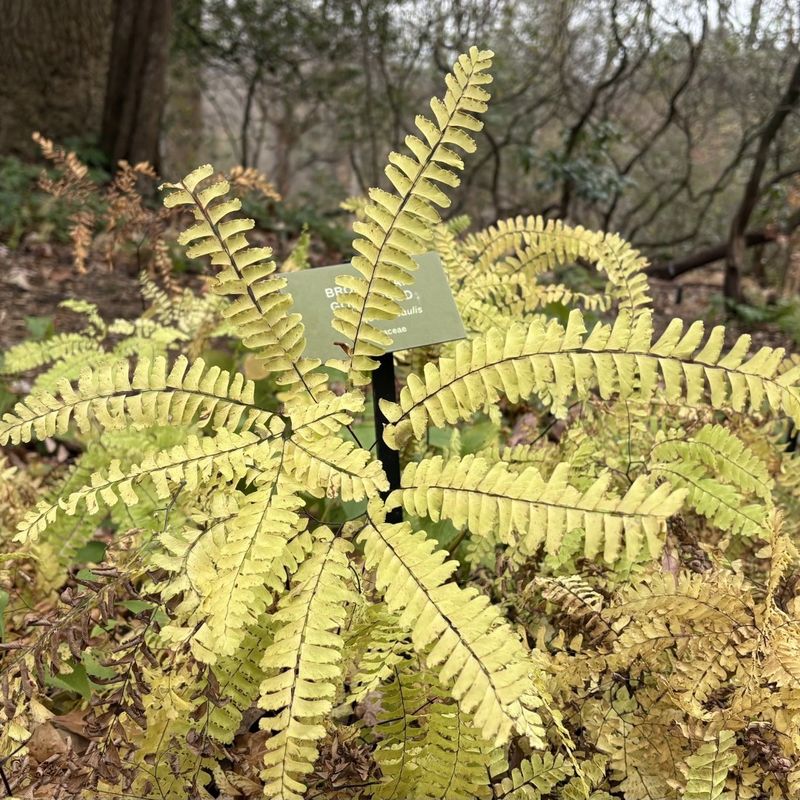
Glossy black stems and fan-shaped fronds make northern maidenhair look almost too delicate for a cold climate. Yet Adiantum pedatum is a tough native, hardy to USDA zone 3 and happy in rich woodland soil.
By late fall, its fronds yellow and fade quickly, leaving very little to show where the clump sits. That vanishing act is normal, so there is no reason to worry when the bed suddenly looks empty.
What maidenhair dislikes most in winter is soggy soil that stays waterlogged around its slender, creeping rhizomes. Check low spots now, and redirect downspouts or gutters that might flood the bed during a December thaw.
Skip any fertilizer this time of year, even if a bag in the garage tempts you. Late feeding can encourage soft growth that frost damages, and ferns generally need little extra feeding anyway.
Personally, I prefer working a handful of compost into the surface instead, letting nature release nutrients slowly. A light top layer of leaf mold mimics the forest floor where maidenhair naturally grows in rich woods.
You can trim the yellowed fronds if they bother you, cutting them near soil level with clean snips. Leaving them is fine too, because they collapse into a thin cover that breaks down by summer.
Fresh pinkish fiddleheads usually show up in spring, unfurling into those famous whorled fans within a few weeks. A little patience pays off, because that airy foliage returns each year from the same sturdy crown.
7. Potted Ferns Need A Sheltered Winter Spot
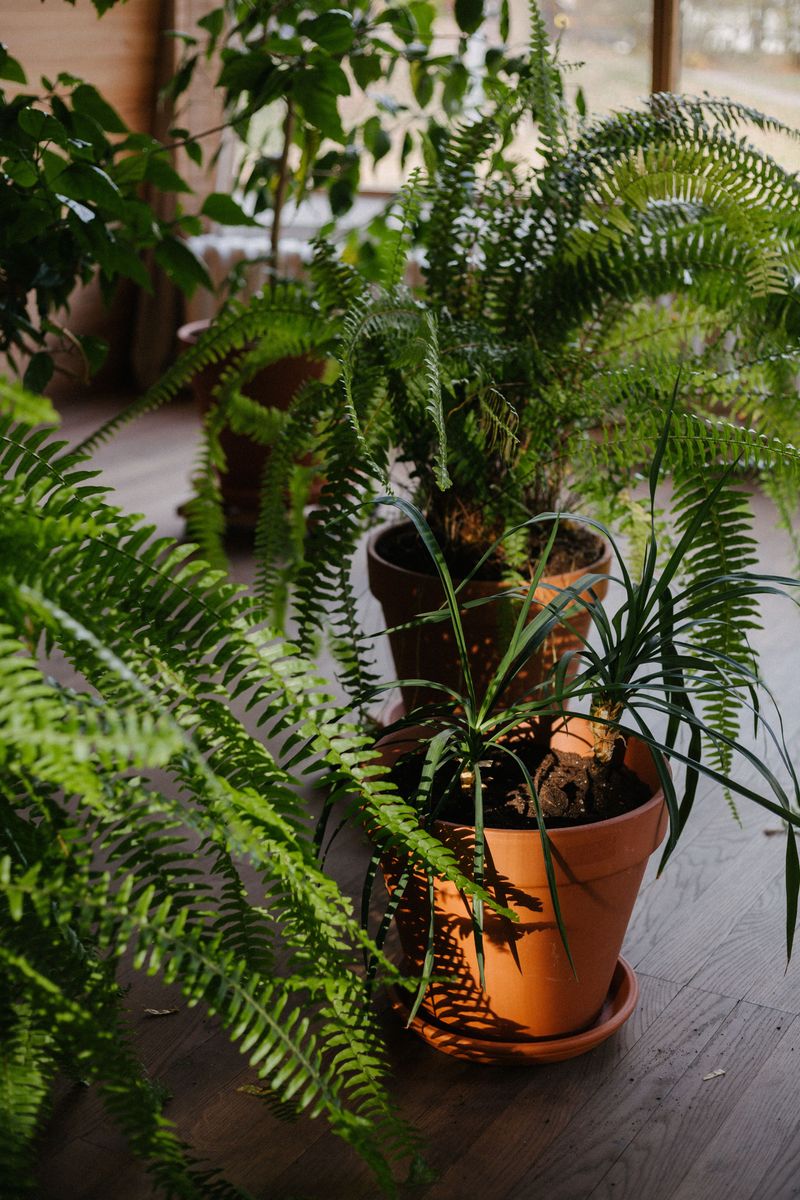
Roots in a container face a much harsher winter than roots snug in the ground, even for hardy ferns. Soil inside a pot can freeze solid from every side, while garden soil stays warmer just below the surface.
If you grew native ferns in pots this summer, now is the time to plan their winter home. An unheated garage or cold shed works nicely, keeping them chilly enough to stay dormant until spring.
Another option is sinking the whole pot into a garden bed up to its rim, then covering it with leaves. I like this trick because the ground buffers the roots, and the plant barely notices it was ever potted.
Tropical ferns like Boston fern are a different story, since they cannot handle frost at all. Bring those inside before nights dip toward 50 degrees, and give them bright, indirect light with decent humidity.
For dormant hardy ferns in a garage, water lightly about once a month so the soil stays barely moist. Soggy pots invite rot in cold weather, so empty any saucers underneath and let excess water drain.
Ceramic and terracotta pots can crack when wet soil freezes and expands, which surprises many first-time container gardeners. Moving them under cover or swapping in plastic or resin pots helps avoid that sad springtime discovery.
Check on your potted ferns every few weeks, looking for mice nesting in the soil or pots drying out. Once spring warms up and frost risk fades, roll them back outside and watch the fiddleheads wake up.
8. Plant Markers Keep Fern Clumps Safe Until Spring
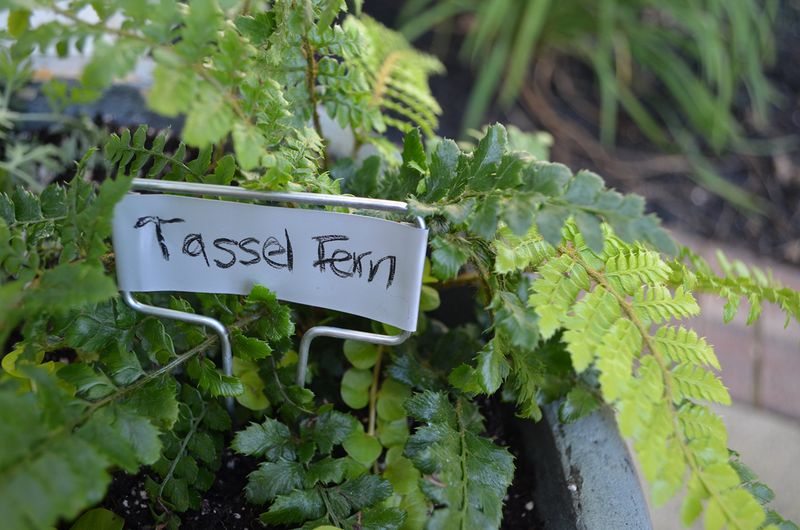
By midwinter, a bed full of deciduous ferns looks like empty dirt, and that is where trouble begins. Eager spring diggers often plant new perennials right on top of sleeping fern crowns without realizing it.
I learned this lesson after spearing a maidenhair clump with a shovel while dividing hostas one April. Ever since, I set out markers in fall while the fronds still show exactly where each plant lives.
Sturdy metal tags or painted rocks work well, as long as they can survive snow and freezing rain. Write the fern name on each one, because remembering which clump was which gets surprisingly hard by spring.
Late fall is also the perfect moment to sketch a quick map of your shade garden in a notebook. Phone photos taken now, before fronds collapse, give you a handy reference when planning new plantings next year.
Ferns that emerge late, like maidenhair and lady fern, need markers most since gardeners often assume they disappeared. Ostrich ferns tend to pop up early, but their spreading runners can surface in unexpected places.
Markers also remind you to avoid piling shoveled snow mixed with road salt over fern beds near driveways. Salt can harm roots and soil life, so keep that slushy mess directed toward gravel or paved edges instead.
With a few markers standing guard, you can relax through the long Michigan winter without worrying. When those first fiddleheads finally break ground, you will know exactly who showed up and where.