There’s Still Time To Plant Garlic In Indiana, And Early November Might Be The Sweet Spot
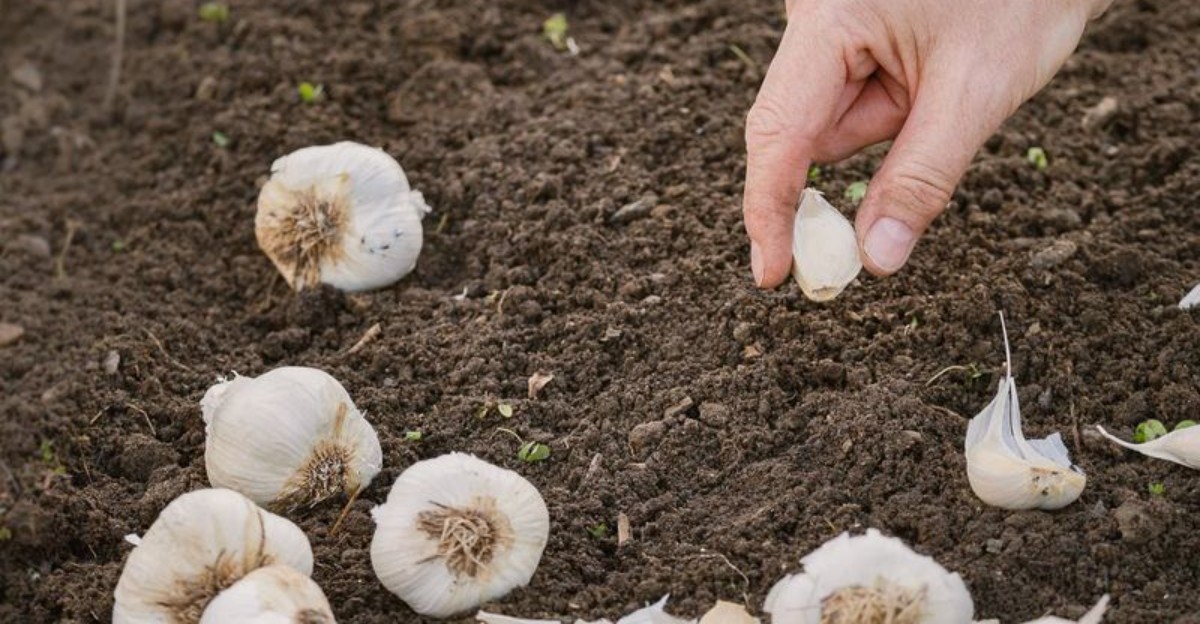
A single clove tucked into cold dirt can split itself into a dozen new cloves by next July. That trick only works if winter does part of the job.
The plant needs weeks of chilly soil to trigger bulb division. Skip the cold, and you often get one lonely round bulb instead of a fat, papery head. I love that the frost we grumble about is secretly doing us a favor.
Here in Indiana, plenty of gardeners assume the planting window slammed shut with the first pumpkin. Call me stubborn, but late fall is when the real fun starts. The soil is cooling, the weeds are sleepy, and the beds are finally empty.
You might have a bag of seed bulbs sitting in the garage right now. You might also be wondering if it is too late to bother. So, what if the best day to plant has not even arrived yet?
Those Garlic Cloves Actually Like Waiting For Cooler Soil
Patience feels strange in a garden, but garlic rewards it. Cloves planted too early in warm soil can push up green shoots before winter, and that tender top growth often gets battered by hard freezes.
What you really want is root growth without much leaf growth. Soil temperatures cooling to around 50 degrees at planting depth are a solid signal. At that point, cloves send roots down but mostly stay quiet up top.
A simple rule many growers use is to plant a few weeks after the first hard frost. In much of Indiana, that lands somewhere between mid-October and early November.
I like grabbing an inexpensive soil thermometer for this. Push it about four inches deep in the morning for a few days in a row. If readings hover near 50 degrees, your cloves are ready to go in.
Early planting is not a disaster, by the way. Garlic is tough, and a few inches of green leaves usually bounce back in spring. Still, waiting for the soil to chill gives you stronger roots and fewer worries.
That small shift in timing can make next summer’s bulbs noticeably bigger.
Early November Planting Works Across Most Of The Hoosier State
Mark your calendar for the first week or two of November. For many Indiana gardeners, that stretch hits the timing right on the nose.
Northern counties, which sit mostly in zone 6a with a few colder zone 5b pockets in the northwest, usually do best planting from early October into early November. Central Indiana tends to shine from mid-October through early November. Southern gardeners, with milder zone 6b and 7a weather, can often keep planting into late November.
That overlap is why early November works for so many people. The soil has cooled enough to keep shoots quiet, yet it has not frozen solid. Roots still have several weeks to grab hold before the deep cold arrives.
Weather matters more than the date, though. A warm spell might push you a week later, while an early cold snap might hurry you along. Watch the ten-day forecast and aim for a dry window when the soil crumbles easily in your hand.
Your Indiana Garden Changes Every Week. Your Plan Should Too.
Gardening in Indiana changes quickly throughout the season. Every Friday you’ll receive a simple weekly plan showing exactly what to plant, prune, fertilize, harvest, and protect so you never miss the right timing.
Avoid working soggy ground. Planting in sticky mud compacts the soil and can leave cloves sitting in wet pockets all winter.
If November slips away, do not panic. Garlic can still go in until the ground freezes, though bulbs may be a bit smaller come harvest.
A Well-Drained Garlic Bed Saves You A Lot Of Heartache
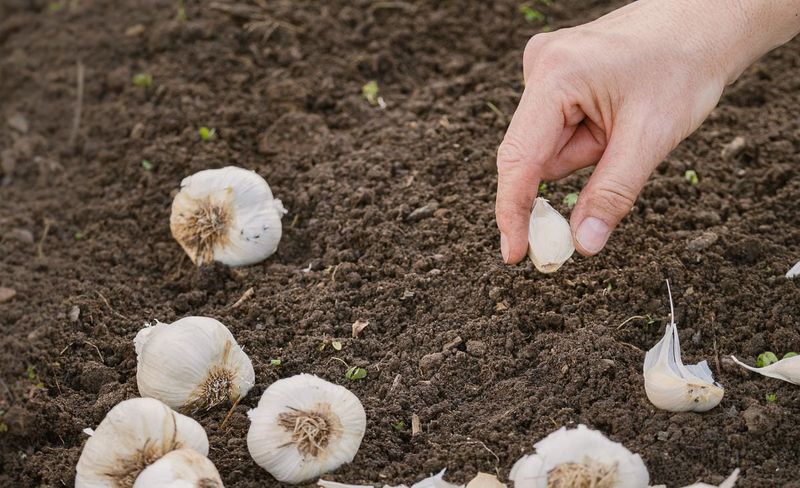
Soggy feet are garlic’s worst enemy. Cloves sitting in waterlogged soil through a long, wet winter are prone to rot, and Indiana clay can hold moisture stubbornly.
Pick a sunny spot that gets at least six hours of direct light. Garlic grows in sandy, loamy, or clay soil, but drainage is the dealbreaker. If puddles linger after rain, consider a raised bed or a mounded row a few inches high.
Working in a couple inches of compost helps on both fronts. It loosens heavy clay and helps sandy soil hold just enough moisture. Garlic is also a hungry crop, so that organic matter feeds it slowly all season.
Aim for a soil pH between about 6.0 and 7.0. A soil test through Purdue’s recommended labs tells you exactly where you stand, so you only add lime or other amendments if needed.
One more tip from experience: rotate your bed. Avoid planting garlic where onions, leeks, or garlic grew in recent years.
Those relatives share diseases like white rot that linger in the soil. A fresh location gives your cloves a much cleaner start.
Hardneck Or Softneck Garlic Bulbs Each Bring Something Different
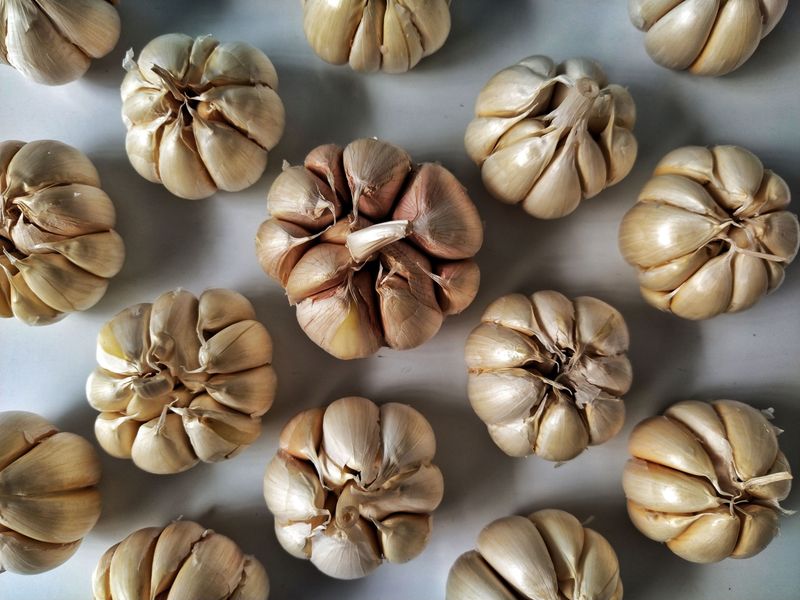
Garlic comes in two big families, and Indiana can grow both. Choosing between them is half the fun.
Hardneck types grow a stiff central stalk and tend to handle cold winters well. Varieties like Music, German Extra Hardy, and Chesnok Red are popular with Midwest growers. They usually have fewer, larger cloves that peel easily, and their flavor often runs bold and rich.
Bonus treat: hardnecks send up curly flower stalks called scapes in late spring. Snapping them off can help bulbs size up, and they taste fantastic in stir-fries or pesto.
Softneck garlic skips the stiff stalk, which makes it the braiding kind you see hanging in farmhouse kitchens. Many softnecks store longer than hardnecks, sometimes lasting well into winter. Inchelium Red is a reliable choice, and southern Indiana gardeners often have great luck with softnecks.
Here is my honest advice: try a few of each. Your soil and microclimate will show you favorites within a season or two.
Buy seed garlic from a reputable grower instead of the grocery store. Store bulbs may be treated to slow sprouting or adapted to warmer climates.
Pointy Side Up Is The Golden Rule For Planting Each Clove
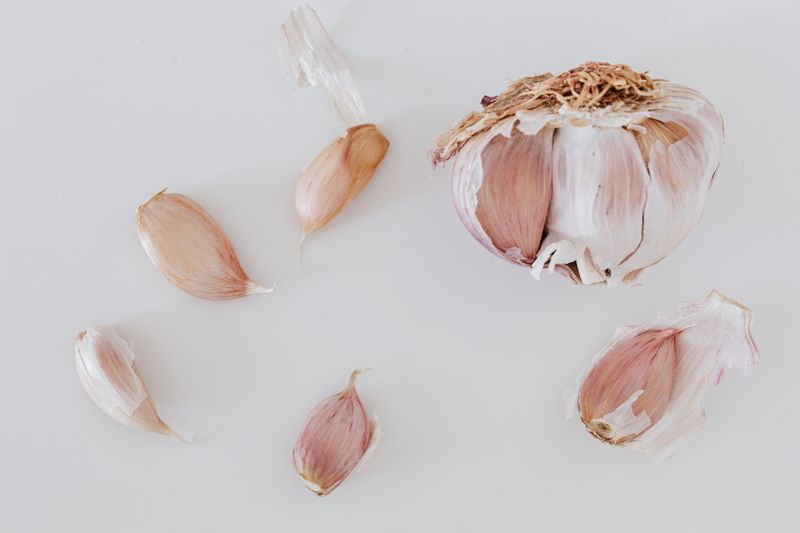
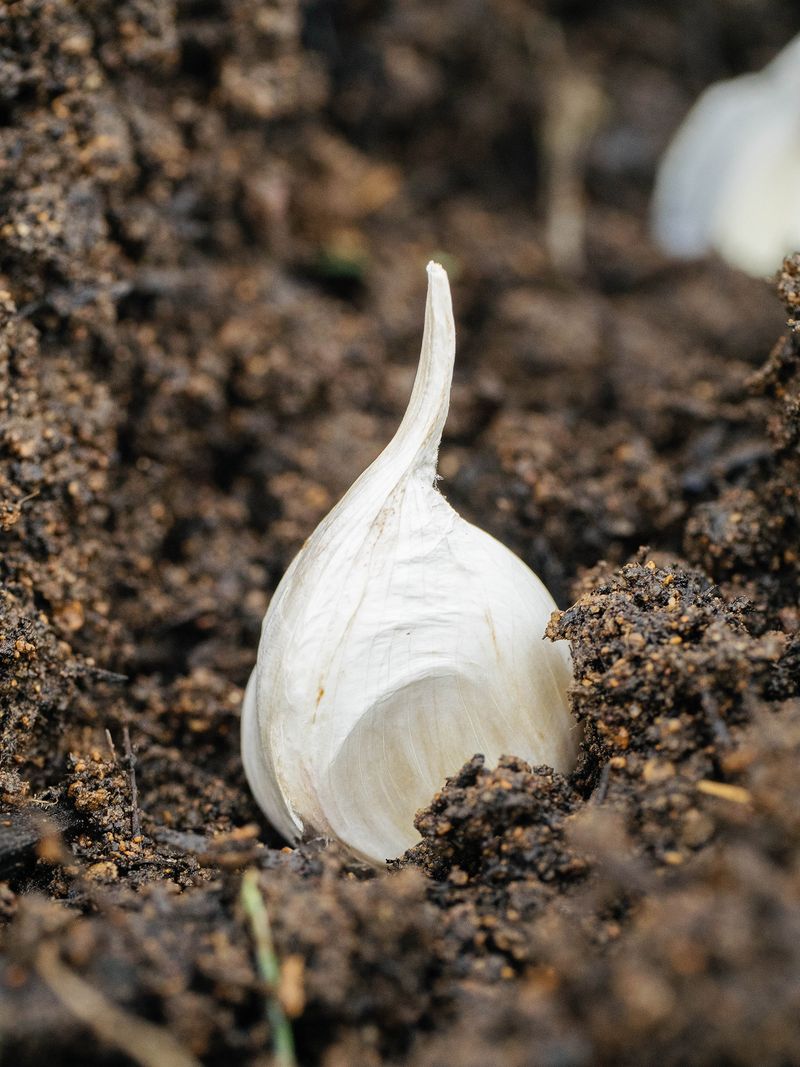
Think of each clove as a tiny rocket with the pointy tip aimed at the sky. The flat bottom is where roots form, so it goes down.
Break bulbs apart just before planting, ideally the same day. Cloves left loose for days can dry out, and that slows rooting. Keep the papery skins on, since they offer a little protection.
Choose the biggest, plumpest cloves for planting. Larger cloves generally produce larger bulbs, so save the small ones for the kitchen tonight.
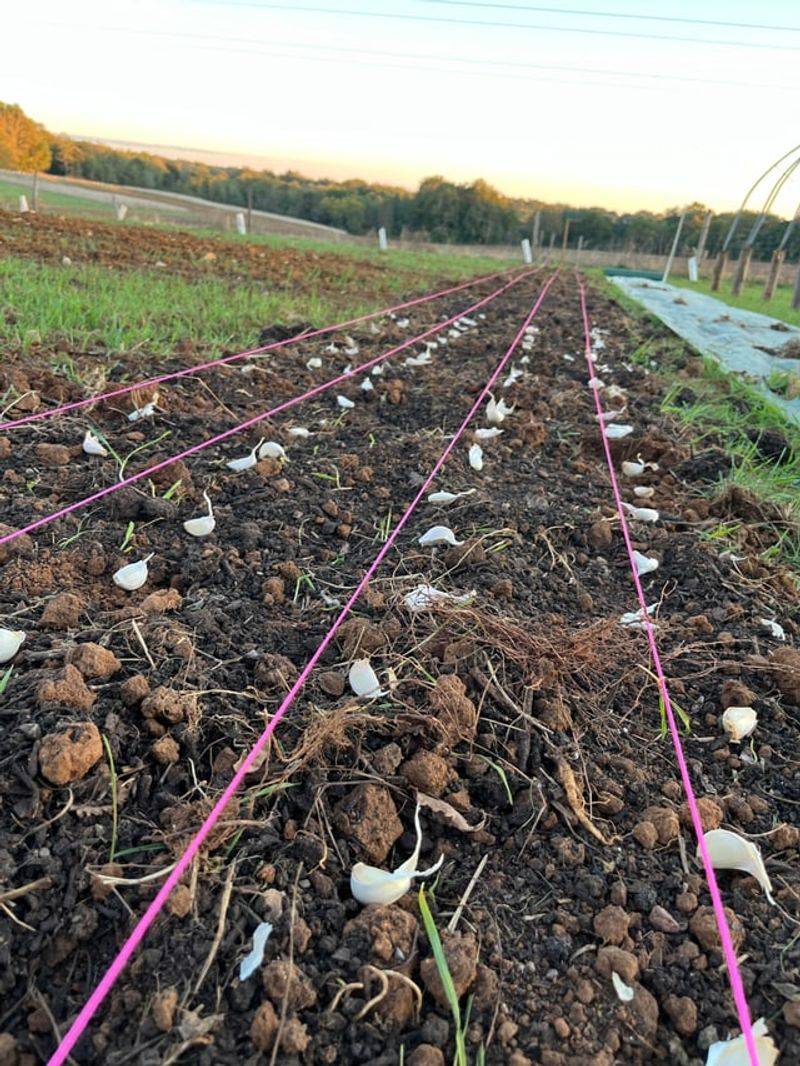
Set cloves about two inches deep, measured from the tip to the soil surface. In colder northern spots, going a touch deeper helps buffer against frost heaving. Space them around six inches apart in rows roughly a foot apart.
Crowding might seem efficient, but garlic dislikes competition. Tight spacing often leads to smaller heads and more disease from poor airflow.
Once cloves are in, firm the soil gently over them with your palm. Give the bed a good drink if conditions are dry. That watering settles the soil around each clove and encourages roots to get moving before winter.
Straw Mulch Tucks Your Garlic In For A Cozy Winter
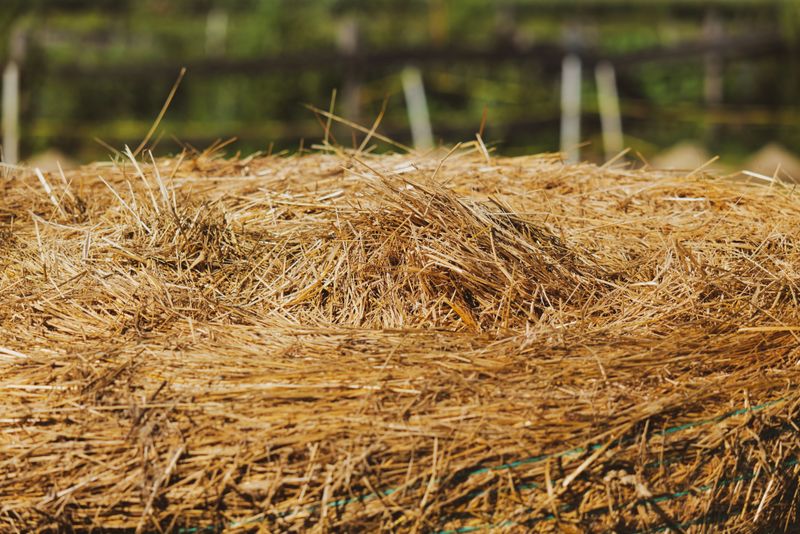
Indiana winters love to flip-flop. One week it is frozen solid, and the next it is muddy and mild. Those swings can actually heave young cloves right out of the soil.
A thick blanket of mulch evens things out. Spread four to six inches of clean wheat straw or shredded leaves over the bed after planting, or once the ground starts to freeze. The layer keeps soil temperatures steadier and holds moisture in.
Check that your straw is weed-free. Hay often carries seeds, and pulling sprouting grass from your garlic bed in May is no fun at all.
Come spring, green shoots will poke through the mulch on their own. Many gardeners pull back some of the layer once temperatures warm, letting soil heat up faster. Others leave it in place to smother weeds and conserve water.
Both approaches work, so it comes down to your soil and habits. Heavy, wet clay may benefit from thinning the mulch a bit in spring.
I find that a fluffy straw bed also makes the garden look tidy all winter. It feels like tucking the cloves in until spring.
Yellowing Garlic Leaves Next Summer Tell You When To Dig
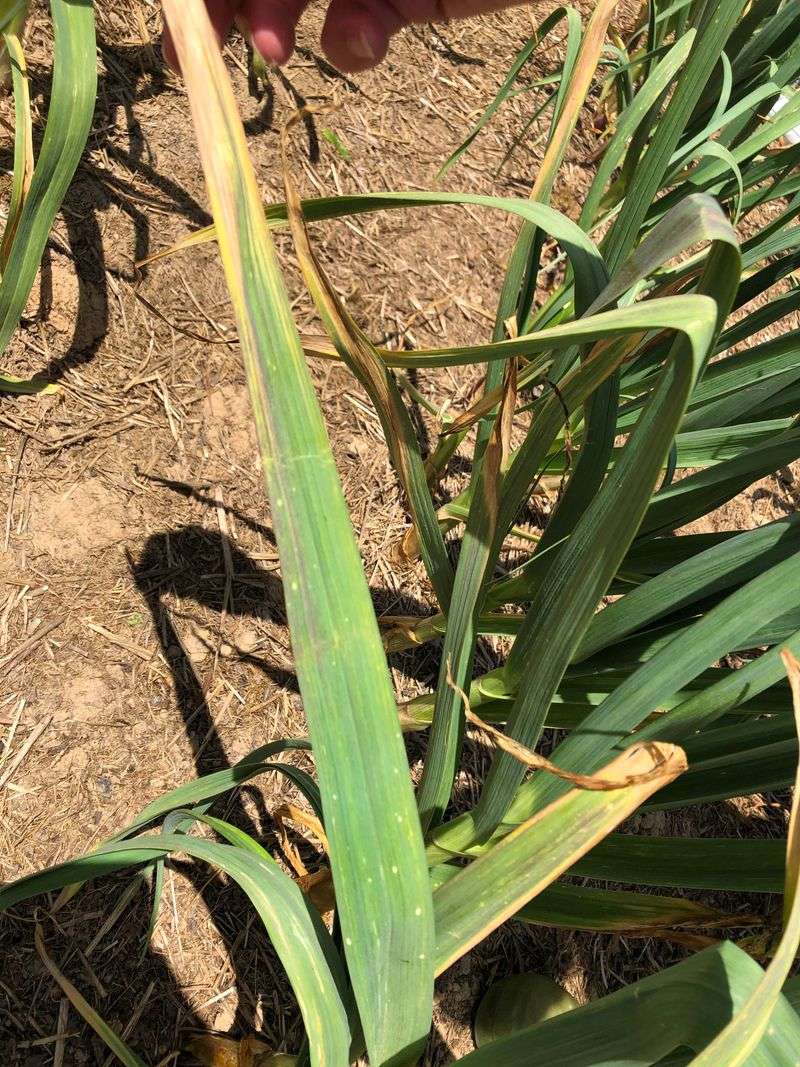
Fast forward to late June or July. Your November cloves are now full heads, and the leaves start sending signals.
Each green leaf corresponds to a protective wrapper around the bulb. When roughly the lower third to half of the leaves turn brown, it is usually time to harvest. Waiting too long can leave cloves splitting apart with fewer wrappers, which shortens storage life.
Loosen the soil with a garden fork instead of yanking stalks. Bulbs bruise easily, and damaged ones are the first to spoil.
Spring care sets you up for this moment. Feed plants with a nitrogen-rich fertilizer as shoots emerge, keep them watered during dry spells, and pull weeds early. Ease off watering a couple of weeks before harvest so bulbs firm up.
After digging, brush off loose soil and hang or spread the plants somewhere shady with good airflow. Curing for about three to four weeks lets skins dry and flavor deepen.
Save your biggest, best bulbs for replanting next fall. Over a few seasons, that habit builds a strain suited to your own backyard. Not bad for a few minutes of planting this November.