Carved Pumpkins On Maryland Porches Draw More Than Trick-Or-Treaters
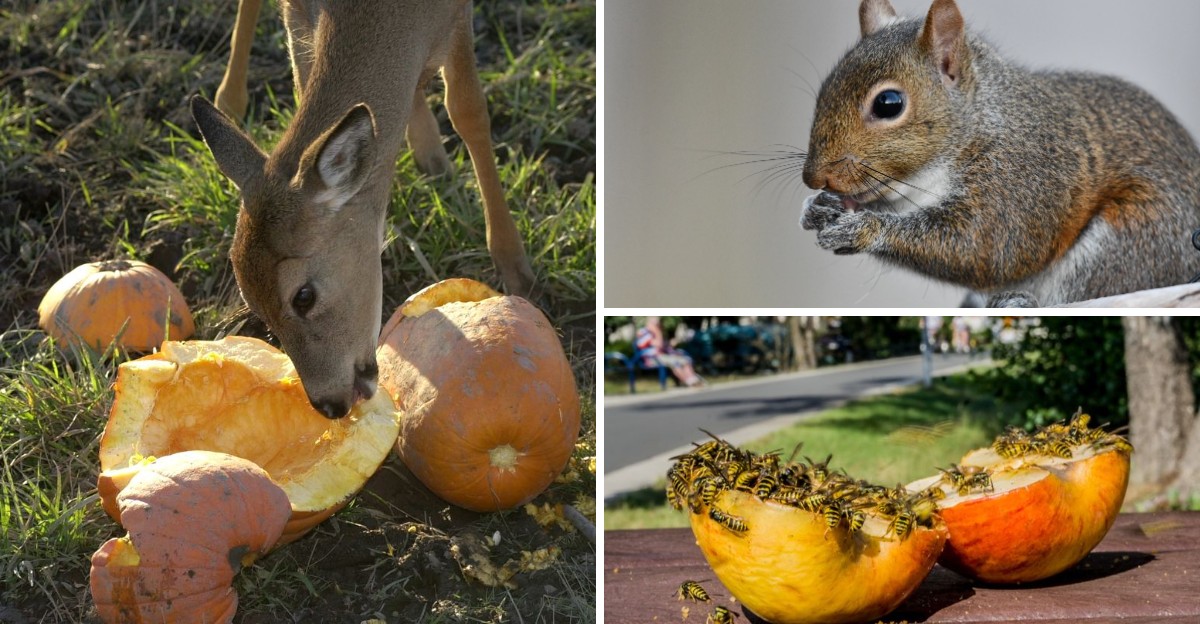
A gray squirrel can chew through a jack-o’-lantern’s grin in a single afternoon, and it often goes after the seeds first. I once watched one sit inside a carved pumpkin like it was a cozy little cabin.
Here in Maryland, late October is when backyard animals get serious about fattening up for winter. Acorns and berries start running low. Suddenly a soft, sweet, glowing snack shows up on your front steps.
I’m a sucker for the sight of a lit porch on Halloween night. I also know that the after-dark crowd has very different plans for your artwork. You worked hard on that spooky face, so it makes sense to know who is coming for it.
So who exactly is tiptoeing up your porch steps after the candy crowd heads home?
That Gnawed Jack-O’-Lantern Grin Was No Accident
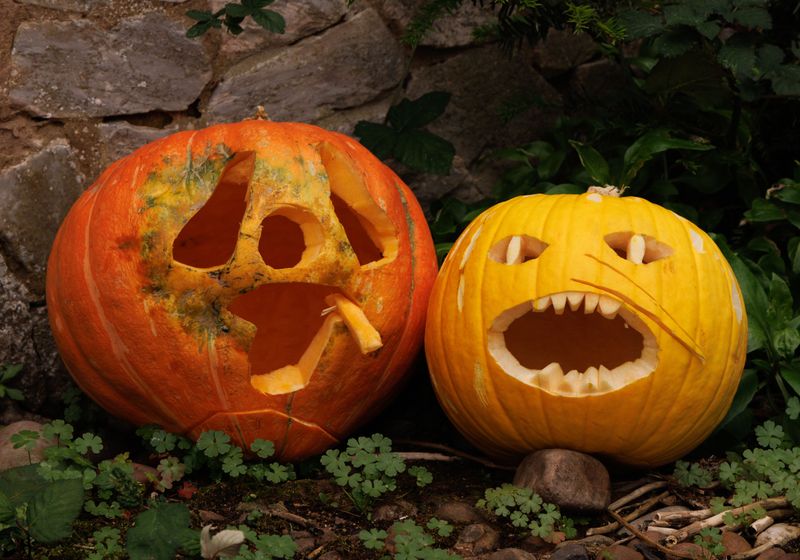
Last fall, I found my best carving with a brand-new smile, wider and much messier than the one I made. Tiny teeth marks lined every edge. The culprit had worked right along the cut lines.
Carving a pumpkin opens up its tough outer shell. That hard rind usually slows animals down, but once you slice into it, the soft, sugary flesh is easy to reach. The cut edges also release a sweet smell that travels on cool night air.
Timing plays a big role too. In autumn, many animals eat more to store fat for the cold months ahead. A pumpkin sitting out in the open is about as easy as a meal gets.
Cut surfaces also start to break down fast. Moisture, warm afternoons, and mold soften the flesh within days, which makes it even more inviting to hungry visitors and insects alike.
Look closely at the damage for clues. Small, neat scrapes usually point to squirrels or mice. Big chunks missing from the top may mean deer, and a toppled, scattered pumpkin often hints at raccoons. Once you know who is visiting, you can choose the right way to slow them down.
Squirrels And Chipmunks Treat Pumpkin Seeds Like Gold
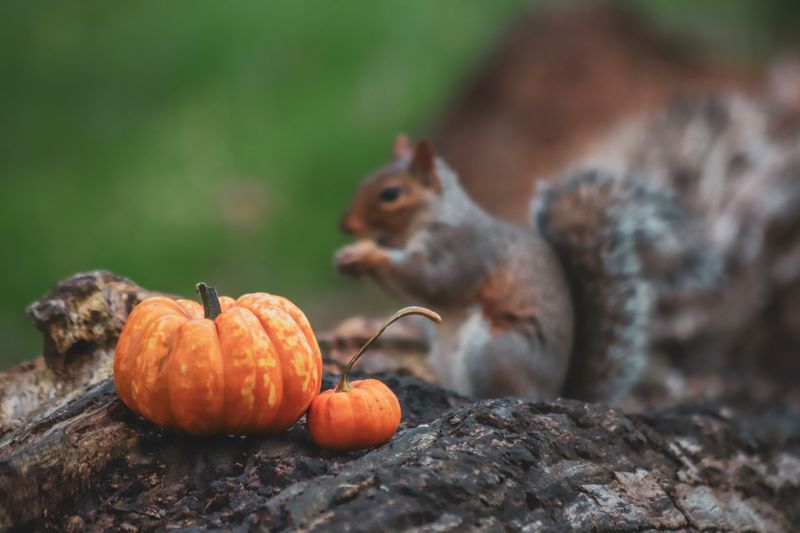
Eastern gray squirrels are probably the most common pumpkin raiders in suburban yards. They are bold, clever, and active all day. Chipmunks join in too, stuffing their cheek pouches before heading back to their burrows.
Seeds are the big prize for these little rodents. Pumpkin seeds pack plenty of fat and protein, which is exactly what they need before winter. Leftover pulp inside the pumpkin is a bonus treat.
You might notice squirrels sitting right on top of your jack-o’-lantern, chewing like they own the place. In a way, they kind of do. They return to food spots they remember, so one good meal can turn into daily visits.
Here are a few signs they have found your display:
Shallow scrapes along the rim and carved holes. Shredded bits of rind scattered nearby. Seeds dug out of the bottom and missing.
I find it hard to stay mad at them. Still, if you want your carving to last until trick-or-treat night, you need to make it less tasty for them. A clean pumpkin interior and a slick coating on the cut edges can make a real difference.
Your Maryland Garden Changes Every Week. Your Plan Should Too.
Gardening in Maryland changes quickly throughout the season. Every Friday you’ll receive a simple weekly plan showing exactly what to plant, prune, fertilize, harvest, and protect so you never miss the right timing.
Raccoons And Deer Love A Late-Night Pumpkin Snack
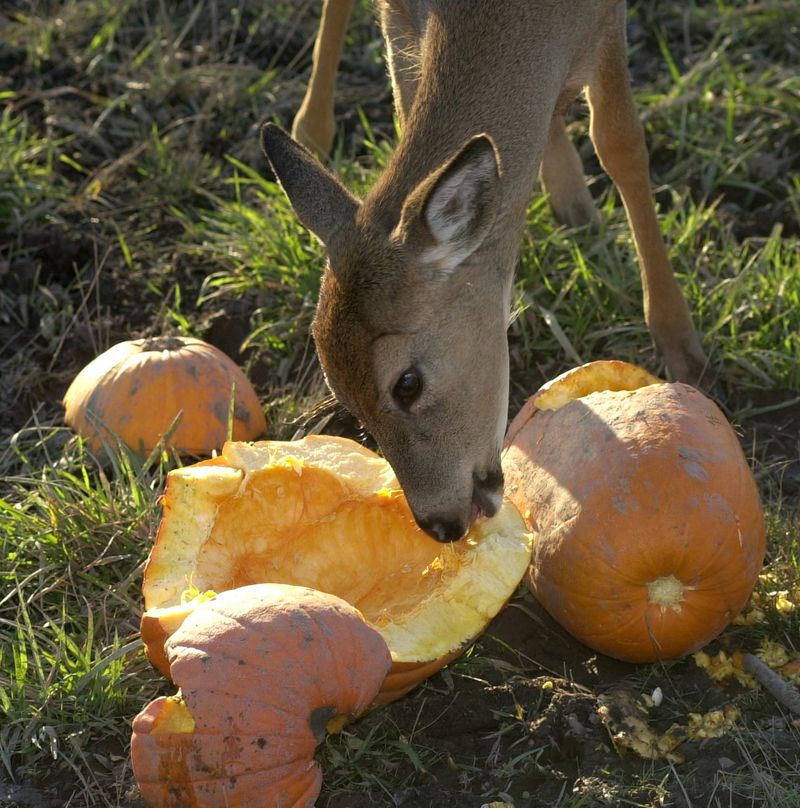
Raccoons do their best work after dark, which explains why your porch can look fine at bedtime and wrecked by breakfast. They use their nimble front paws to pull pumpkins apart. A tipped-over jack-o’-lantern with pulp everywhere is classic raccoon style.
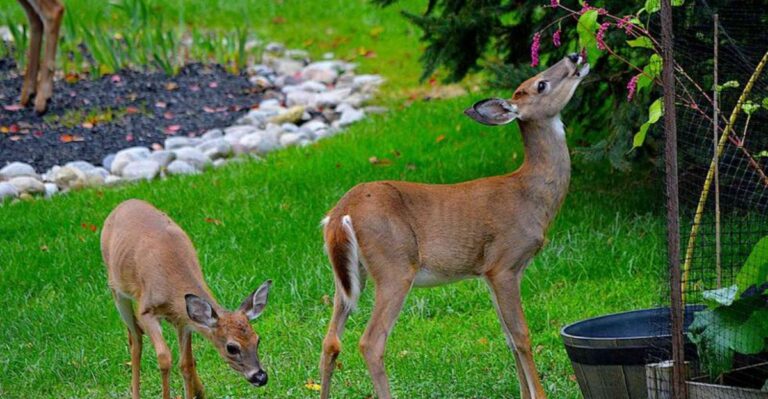
White-tailed deer are plentiful across much of Maryland, especially in suburban areas near woods. They happily munch pumpkins left on low steps or lawns. Deer bites tend to be large and ragged because they lack upper front teeth.
Both animals have adjusted well to living close to people. They know porches and yards can hold easy food, from pet bowls to bird seed to your Halloween decor.
Raccoons deserve extra respect. They can carry rabies, and Maryland health officials list them among the animals most often linked to the disease in the state. Keep your distance and teach kids not to approach them.
If deer or raccoons are regular guests, move pumpkins higher, closer to the door, and away from lawn edges. Bring them inside overnight if you can. A motion-sensor light may also make shy visitors think twice about stopping by.
Fruit Flies And Yellowjackets Crash The Pumpkin Party Too
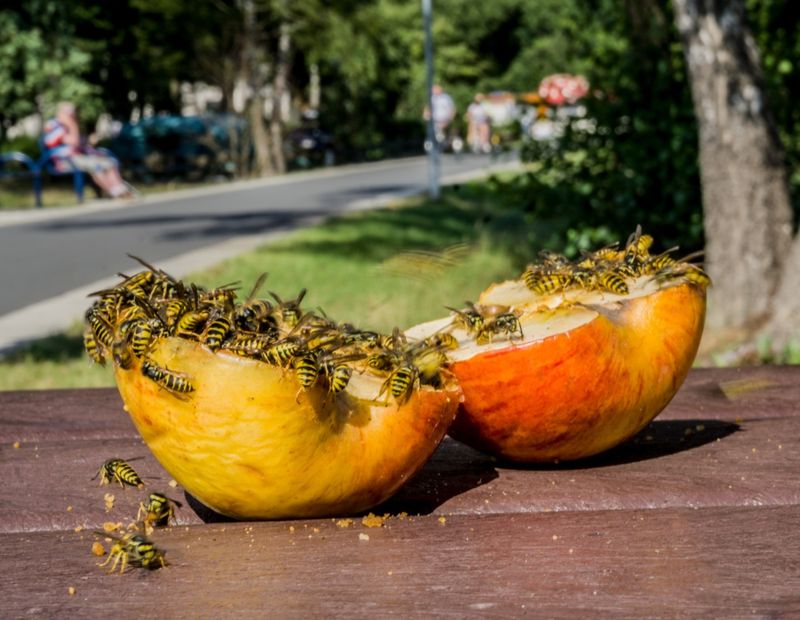
Bugs are sneakier guests than squirrels, but they show up fast. Within a few warm days, a carved pumpkin can start to soften and smell sour. Fruit flies notice almost right away.
Fungus gnats like the damp, moldy flesh inside. Ants may form neat little trails toward the sugary pulp. On sunny October afternoons, yellowjackets can buzz around the cut edges looking for sweets.
Yellowjackets are the ones to watch most closely. They stay active until hard frosts arrive, and they can sting more than once. Kids reaching in to light a candle might get an unpleasant surprise.
Slugs, snails, earwigs, and small beetles also love damp, rotting spots. If your pumpkin sits on a shady stoop or near mulch, expect a few of these crawlers.
A few simple habits help:
Scrape the inside walls smooth so less loose pulp is left behind. Keep the pumpkin dry and out of puddles. Check the inside every day or two for mold. Toss any pumpkin that turns mushy or gets swarmed. Insects mostly show up because something is breaking down, so freshness is your best defense.
Waiting To Carve Your Pumpkin Buys You Precious Days
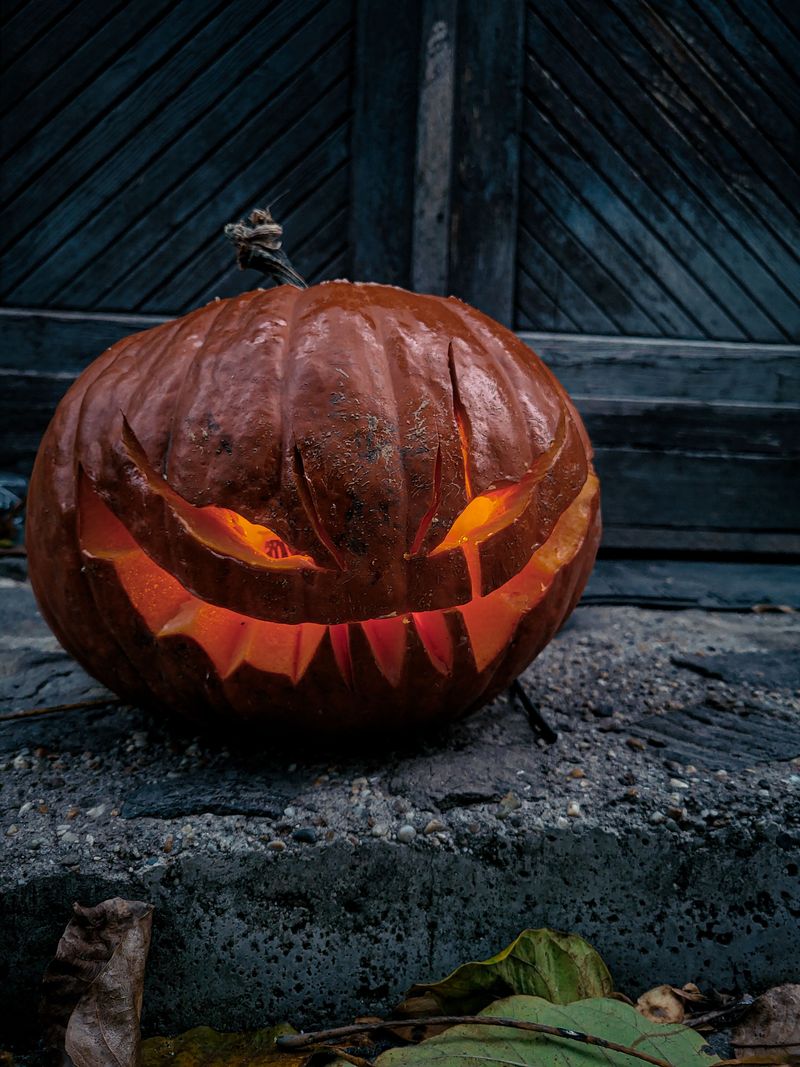
Patience might be the easiest pumpkin protection trick around. A whole, uncut pumpkin can last for weeks or even a couple of months in cool weather. Once carved, many begin to sag within about a week.
Carving just two or three days before Halloween keeps your design fresh for the big night. It also shortens the window for animals and insects to find it. I like to display whole pumpkins early and save the knife work for the final weekend.
Choose your pumpkin wisely, too. Look for one with a firm, sturdy stem and no soft spots or bruises. Never carry it by the stem, since cracks there invite rot.
When you clean it out, be thorough. Scrape away every stringy strand and seed. A smooth inner wall leaves less loose pulp to rot and holds up better.
Some gardeners wipe the cut surfaces with a mild bleach solution, about one tablespoon per quart of water, to slow mold. Let it dry well before decorating. Skip the bleach if you plan to compost later, and choose a plain vinegar wipe instead for a gentler option.
A Little Pepper And Petroleum Jelly Can Keep Nibblers Away
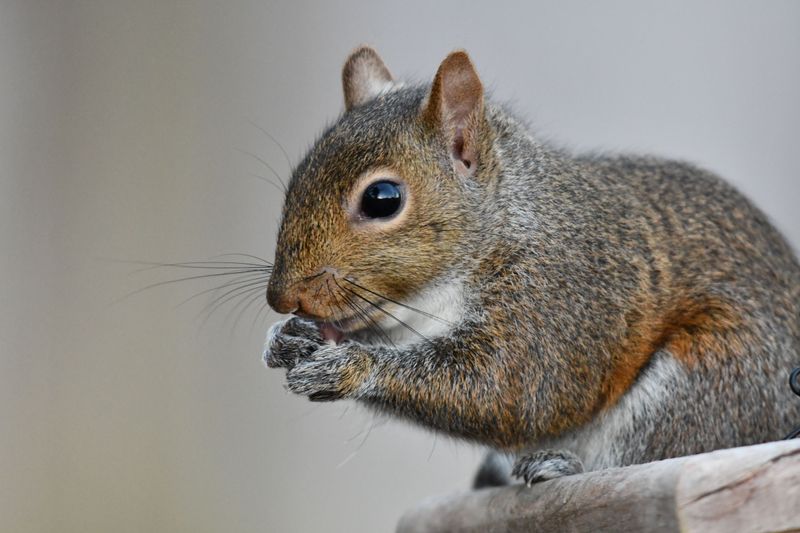
Squirrels hate getting a mouthful of something hot. That simple fact makes cayenne pepper one of the most popular homemade pumpkin protectors. Dust it lightly on the cut edges or mix it into a light coating.
Petroleum jelly or vegetable oil rubbed onto exposed flesh does double duty. It seals in moisture so the carving shrinks more slowly, and it leaves a greasy texture many critters dislike. Some people use peppermint oil mixed with water as a scented spray, though results vary.
Height helps a lot. Set pumpkins on a sturdy table, plant stand, or wide railing where ground animals have a harder time reaching. Keep them away from shrubs that give critters a sneaky path.
Motion-activated sprinklers and lights may startle deer and raccoons. Owl decoys can work briefly, but smart squirrels catch on if you never move them.
Remember to reapply sprays and powders after rain or heavy dew. I keep a small kit by the door with pepper, jelly, and paper towels. Just be careful with pepper around pets and small children, and wash your hands after handling it so nobody rubs their eyes.
Tossing Old Pumpkins Into The Woods Can Backfire
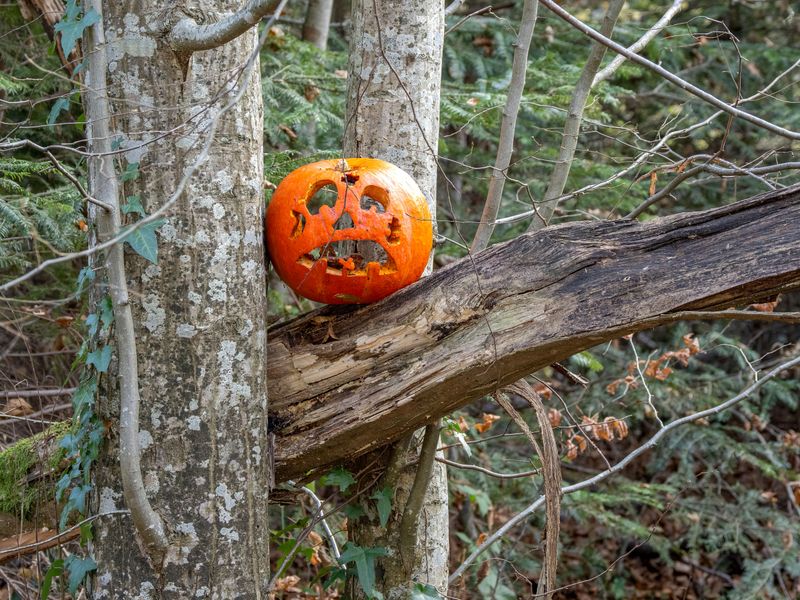
Dumping your old jack-o’-lantern at the edge of the woods feels kind and natural. Plenty of folks think they are giving the animals a feast. Wildlife experts generally advise against it.
The Maryland Department of Natural Resources discourages feeding deer and other wild animals. Handouts can draw animals together in one spot, which raises the chance of spreading illness among them. It can also teach them to hang around homes.
Once raccoons, foxes, or deer link your yard with food, they may get bolder. That can mean torn trash bags, nibbled shrubs, or more deer crossing busy roads near your house.
Sometimes our decorations cause trouble in surprising ways. A deer in Baltimore County once made news after getting a plastic pumpkin bucket stuck on its head. Small choices about what we leave outside really do matter.
Painted, glittered, or waxy pumpkins add another concern. Paint, glue, and candle wax are not food for anyone. If your pumpkin wore any of that, it belongs in the trash. Plain pumpkins have a much better destination, and that next step is easy for any home gardener.
Your Compost Pile Is The Happiest Home For Spent Pumpkins
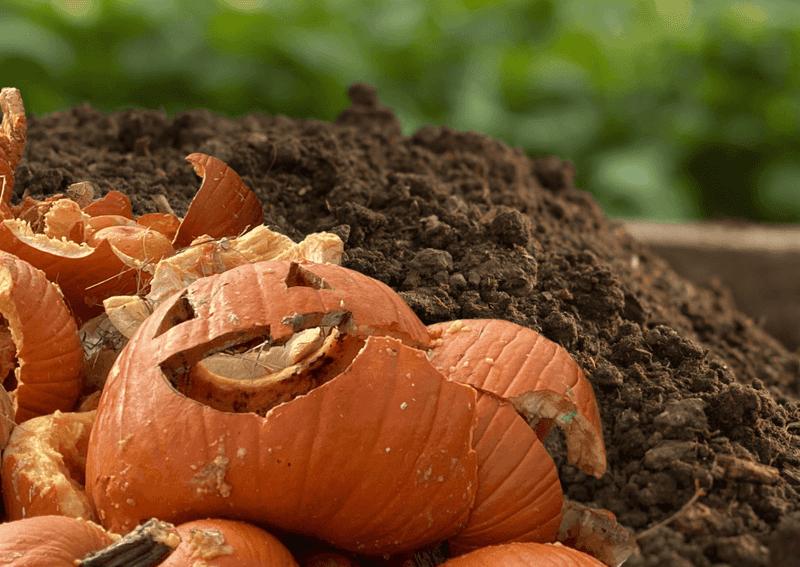
Old pumpkins are mostly water, which means they break down fast and feed your soil beautifully. A slumping jack-o’-lantern can become rich garden food by spring. I think that is a pretty great second act.
Start by removing candles, wax, and any decorations. Then smash or chop the pumpkin into smaller pieces so it breaks down quicker. Pull out leftover seeds unless you want surprise pumpkin vines next summer.
Mix the chunks with dry brown material, like the fallen leaves piling up on your lawn right now. That balance of wet and dry keeps the pile from turning slimy or smelly. Cover fresh pieces with leaves so animals are less tempted to dig.
No compost bin? You can bury pumpkin pieces a few inches deep in an empty garden bed. Some Maryland counties and towns also run fall pumpkin collection or composting drop-offs, so check your local public works page.
Watch your porch display as the season ends. When a pumpkin collapses, molds heavily, or draws crowds of insects, retire it. A quick goodbye keeps rodents from settling near your foundation as cold weather sends them looking for shelter.