This Gorgeous Maryland Native Tree Doesn’t Get The Credit It Deserves
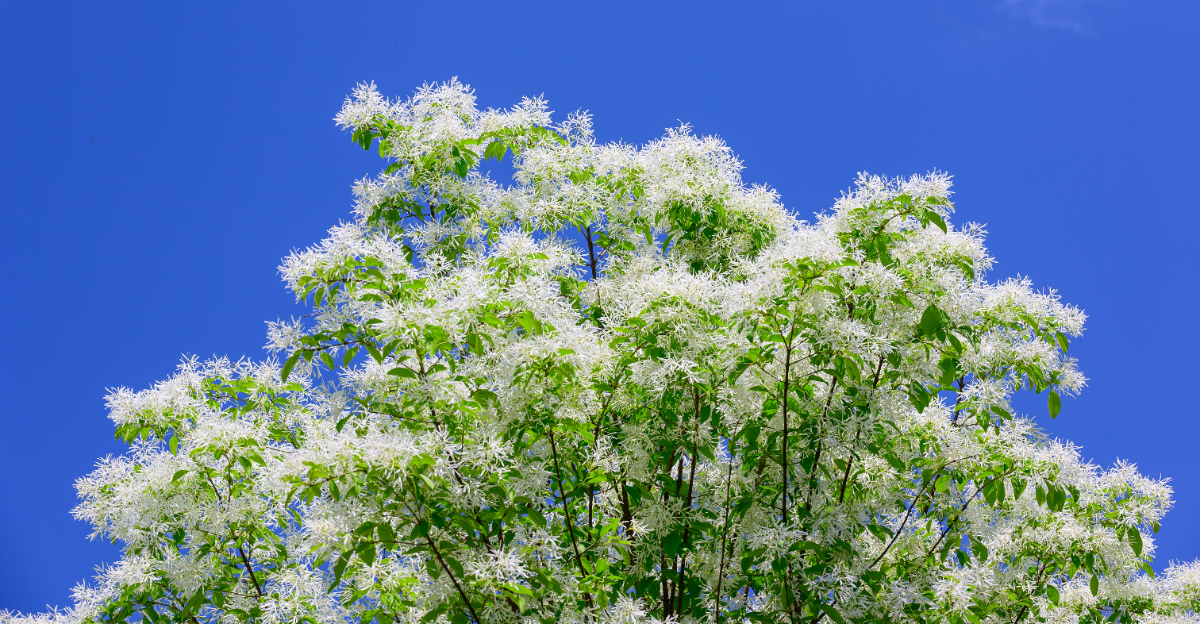
Nobody warns you about the flowers blanketing Maryland right now. You have probably walked past this exact tree so many times without ever noticing.
Scientists call it among the most underrated native trees in the entire region. Clusters of white, wispy flowers spill from every branch. Nothing else blooms quite like this so early in spring.
Homeowners fixate on ordinary roses while this native beauty waits quietly. Growth happens quickly once the tree settles into place. Few plants offer this much charm for so little real effort.
Spring reveals secrets that most local gardeners never bother to notice. Every branch seems designed purely to catch your eye. Curiosity alone should pull you toward your nearest nursery.
Fragrance drifts through the entire yard long before the flowers even fully open. The climate in Maryland suits this tree remarkably well. Something this rare and striking deserves a name you will never forget.
Introducing Maryland’s Most Underrated Native Tree
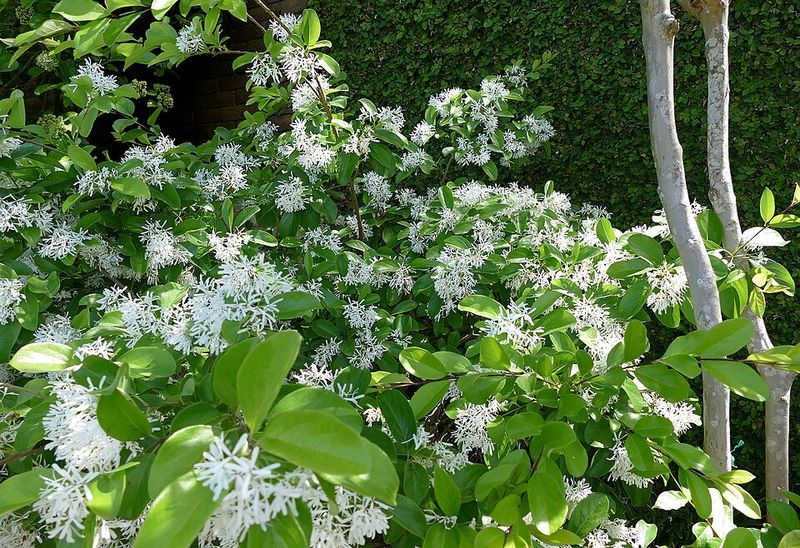
Picture a tree covered in dense white blossoms, typical of a heavy spring bloom. That is exactly what the fringe tree delivers every single spring season.
Chionanthus virginicus grows naturally across the eastern United States, including right here in Maryland. Gardeners have somehow managed to overlook it for decades, favoring showy imports instead.
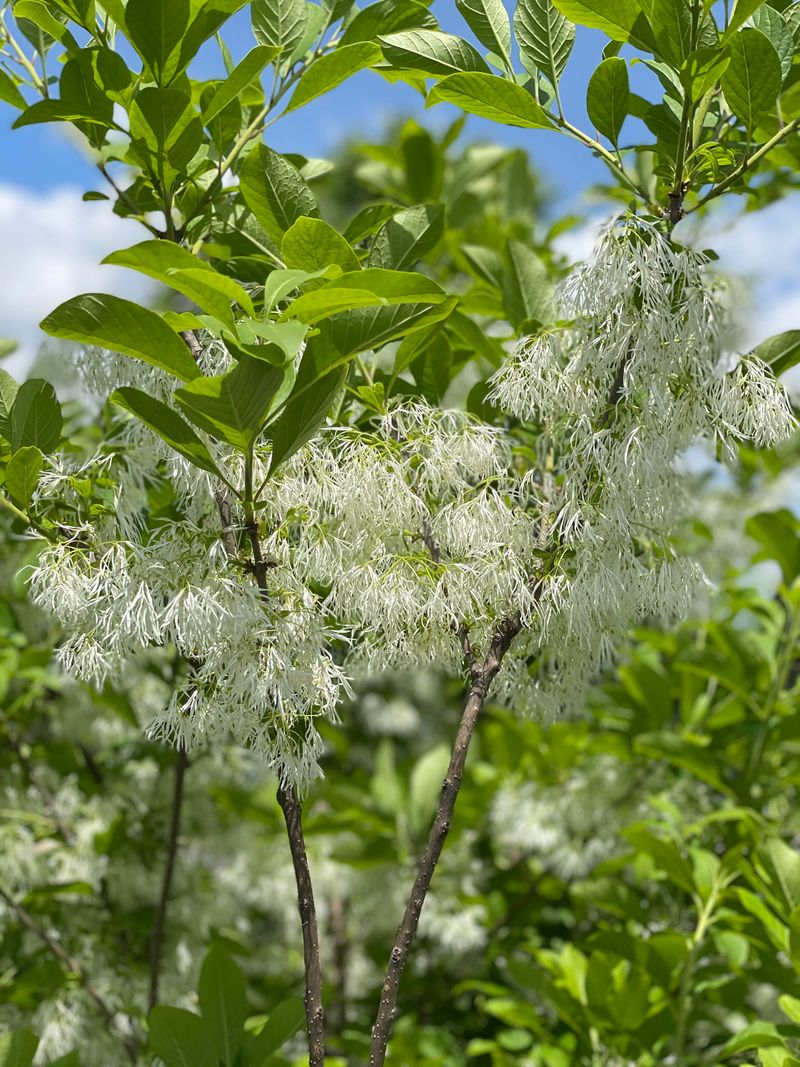
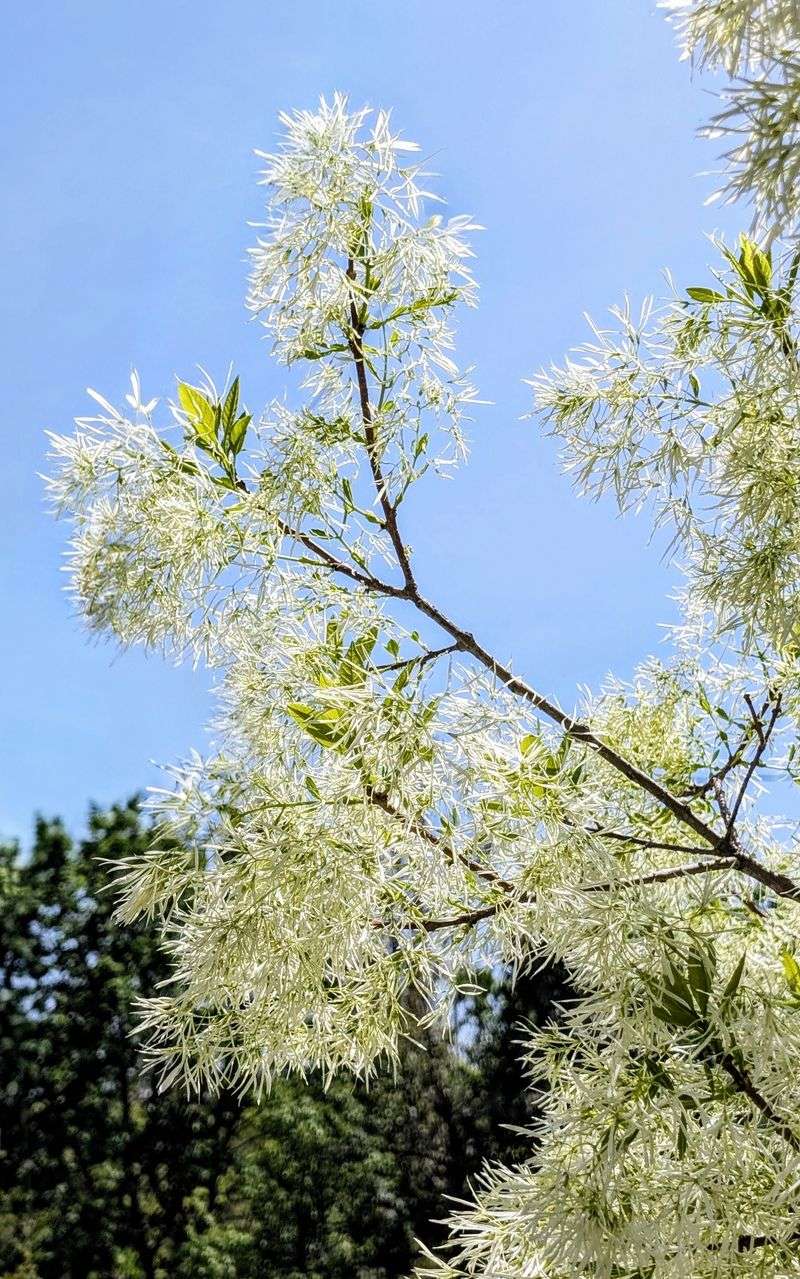
The fringe tree earns its name from the long, ribbon-like petals that hang in loose clusters. Each cluster sways gently in the breeze, catching sunlight in a visually striking way.
Interest in this species has quietly grown among native plant enthusiasts over the years. Now, with growing interest in eco-friendly landscaping, the spotlight is finally shifting toward it.
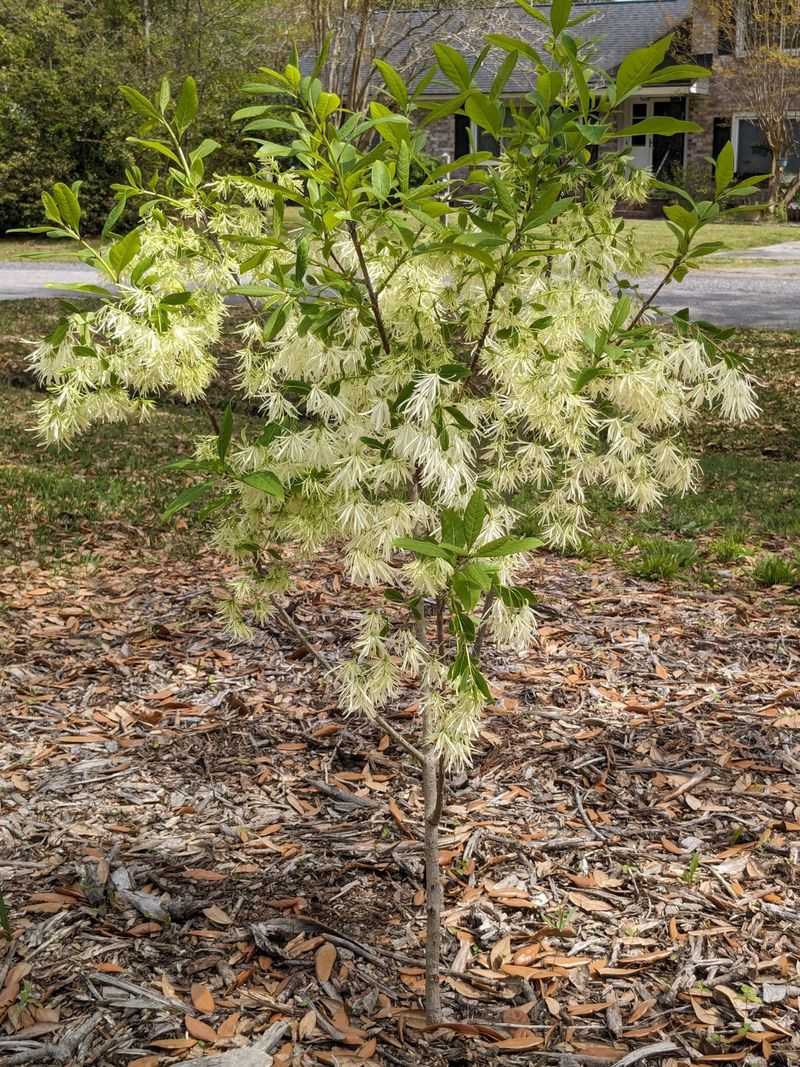
This tree is not a giant. It typically reaches between 12 and 20 feet tall, making it perfect for smaller yards.
Its modest size is actually one of its biggest selling points. You get all the drama without sacrificing your entire outdoor space.
Beyond its looks, the fringe tree supports local wildlife in ways that non-native ornamentals simply cannot match. Pollinators flock to it, and birds feast on its small blue-black fruits in late summer.
If your yard feels like it is missing something, this native beauty might be exactly what you have been searching for. Give it a chance, and it will reward you every single year.
What Makes The Fringe Tree So Stunning
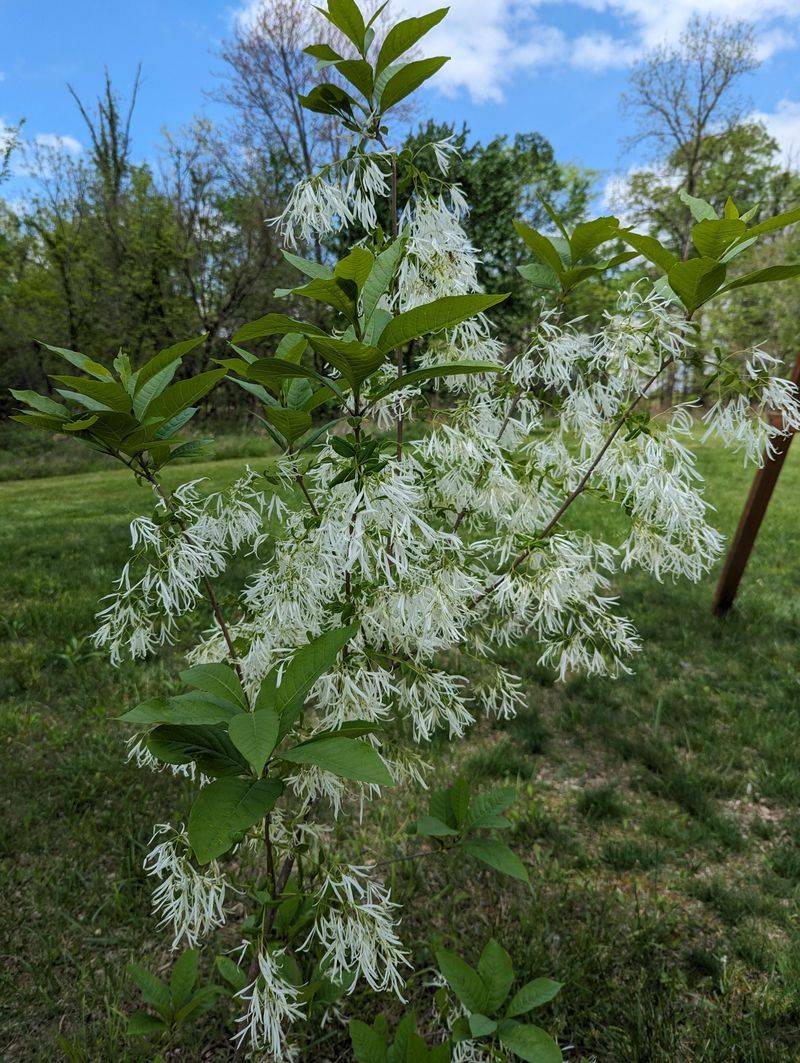
Few trees stop people in their tracks the way this one does in full bloom. The flowers appear in mid-spring before the leaves fully open, so nothing competes with the display.
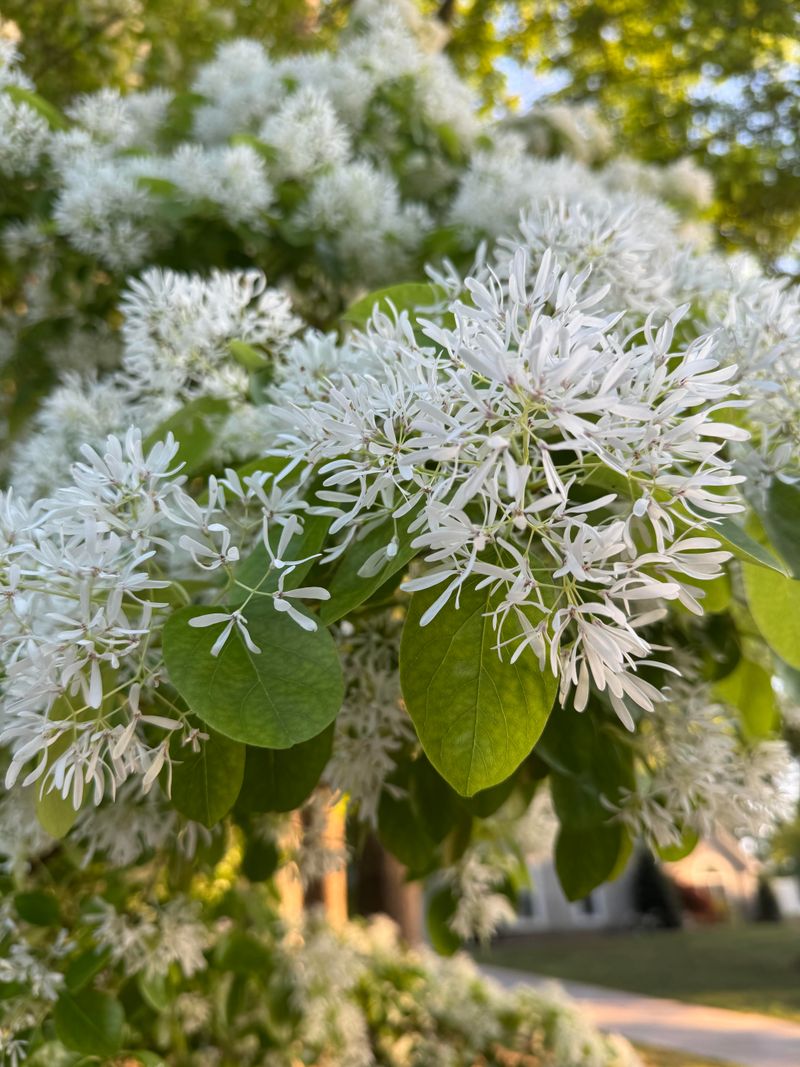
Each individual flower has four long, strap-like petals that create a fringed, airy texture. Grouped together in large panicles, they form a dense cluster of soft white blooms above every branch.
The fragrance is another layer of the experience that photos simply cannot capture. A light, sweet scent drifts from the flowers and fills the surrounding air on warm afternoons.
After the blooms fade, the foliage takes over with large, glossy green leaves that look lush all summer. The leaf color shifts to a warm yellow in autumn, adding a second seasonal moment worth appreciating.
Your Maryland Garden Changes Every Week. Your Plan Should Too.
Gardening in Maryland changes quickly throughout the season. Every Friday you’ll receive a simple weekly plan showing exactly what to plant, prune, fertilize, harvest, and protect so you never miss the right timing.
Female trees produce small, olive-shaped fruits that ripen to a deep blue-black by late summer. Those fruits are not just decorative; birds treat them like a seasonal buffet.
The bark has a subtle texture that adds quiet interest during the winter months when everything else looks bare. Even without leaves or flowers, this tree has a sculptural quality that earns its place in the landscape.
Male trees tend to produce showier flower clusters than females, so both sexes bring something unique to the yard. Planting one of each gives you the full experience this species has to offer.
The fringe tree is genuinely one of the most complete ornamental natives available to Maryland gardeners today.
Why This Tree Remains Overlooked By Gardeners
Walk into almost any garden center in spring, and you will find rows of Japanese cherry trees and Bradford pears front and center. The fringe tree, if it appears at all, is usually tucked in a back corner with a small tag and no fanfare.
Part of the problem is that nurseries stock what sells quickly, and shoppers tend to grab what they recognize. Familiarity wins over merit at the checkout counter more often than most gardeners admit.
The fringe tree also grows slowly compared to many popular ornamentals. Impatient buyers often skip it in favor of something that fills space faster, even if that faster tree causes problems later.
Marketing plays a huge role in what plants become popular. Non-native species often have aggressive nursery campaigns behind them, while native gems like this one rely almost entirely on word of mouth.
There is also a misconception that native plants look weedy or unfinished. The fringe tree challenges that idea with its refined, elegant appearance at peak bloom.
Some gardeners have simply never seen one in person. Without that visual moment of awe, it is hard to feel motivated to seek one out at a nursery.
Educational gaps in mainstream gardening media have not helped either. Most popular gardening shows and magazines still default to the same tired plant recommendations season after season.
Once someone sees a mature fringe tree in full bloom, the conversation changes instantly. That single sighting tends to create a lifelong fan on the spot.
Growing Conditions This Native Tree Prefers
The fringe tree is not a fussy plant, but knowing its preferences helps it thrive faster. Getting the basics right from the start makes a noticeable difference in how quickly it establishes.
Full sun to partial shade suits this species well, though more sunlight generally means more flowers. A spot that gets at least four to six hours of direct sun per day is a solid starting point.
Moist, well-drained soil is the sweet spot for this native tree. It naturally grows near stream banks and forest edges, so it appreciates consistent moisture without sitting in standing water.
Maryland’s climate suits the fringe tree well, which is generally hardy across the region’s typical growing zones. Hot, humid summers and cold winters are not a problem for this adaptable species.
Slightly acidic soil tends to produce the healthiest growth and the most vibrant blooms. A simple soil test can confirm whether your yard needs any minor adjustments before planting.
Once planted, give it a generous layer of organic mulch around the base. Mulch retains moisture, moderates soil temperature, and reduces competition from weeds during the early years.
Avoid planting near areas with compacted or heavily clay-based soil without amending it first. Poor drainage can slow establishment and stress the roots during wet seasons.
The good news is that once it settles in, this tree becomes impressively self-sufficient. Choosing the right spot upfront means far less work down the road.
Benefits Of Planting It In Your Yard
Planting a fringe tree is one of the best decisions a Maryland homeowner can make for their outdoor space. The benefits stack up in ways that go far beyond just good looks.
Native bees are strongly drawn to the flowers during spring bloom. The blossoms provide an early nectar source when pollinators are hungry after a long winter.
Birds flock to the female tree’s fruit in late summer, treating it as a reliable food stop. A variety of local songbirds are known to feed on the small drupes.
Because this species is native, it evolved alongside local insects and wildlife. That relationship means it supports the food web in ways that imported ornamentals simply cannot replicate.
The fringe tree is also remarkably resistant to common pests and diseases. You will not be reaching for pesticide sprays or fungicide treatments on a regular basis.
Its small stature makes it ideal for urban and suburban yards with limited space. You get four-season interest without the maintenance headaches of a large shade tree.
Thoughtful native landscaping is often seen as a valuable addition to a property. Well-placed specimen trees like this one add curb appeal and signal a well-cared-for outdoor environment.
There is also the personal satisfaction of supporting local ecology with every plant choice you make.
Growing something that belongs here can feel more meaningful than planting a generic shrub. The fringe tree gives back to your yard and your neighborhood in equal measure.
How To Care For It Once Established
Once a fringe tree settles into your yard, caring for it is surprisingly straightforward. This is not a high-maintenance plant that demands constant attention or complicated routines.
Watering during the first two growing seasons is the most important task on your list. Deep, infrequent watering encourages roots to grow downward rather than staying shallow near the surface.
After those first couple of years, supplemental watering is rarely needed except during extreme drought. Maryland summers can get hot and dry, so keep an eye out during prolonged heat waves.
Pruning is minimal and best done right after the tree finishes blooming each spring. Removing lifeless or crossing branches at that time keeps the structure tidy without sacrificing next year’s flower buds.
Fertilizing is generally unnecessary if your soil is reasonably healthy. Over-fertilizing can actually push leafy growth at the expense of those stunning spring blooms.
Replenish the mulch layer each year to maintain about two to three inches around the base. Keep mulch pulled back slightly from the trunk to prevent moisture buildup against the bark.
Watch for any signs of scale insects or powdery mildew, though serious infestations are uncommon. A quick spray of water or a light organic treatment handles most minor issues before they escalate.
The fringe tree rewards patience and minimal intervention more than any aggressive care schedule. Treat it well in the early years, and this native gem will thrive for decades to come.