These Venomous Creatures Live In Maryland, Know What To Watch For This Fall
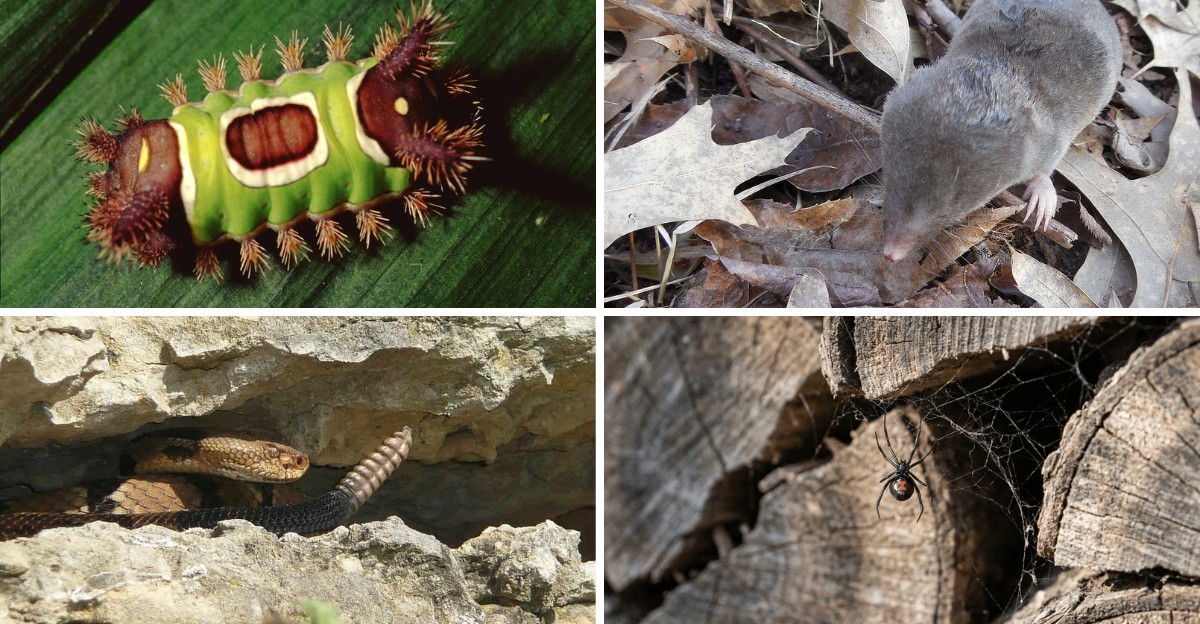
A furry backyard animal that weighs about an ounce carries venom in its spit. I learned that fact years ago and still think about it every time I rake leaves.
Fall in Maryland brings cooler mornings, crunchy leaf piles, and woodpiles stacked high by the back door. Those same cozy spots attract creatures looking for food, warmth, and a quiet place to spend winter. Many of them carry a bite or sting worth respecting.
Between you and me, fall garden chores are my favorite of the whole year. Still, I wear gloves now, and I look before I grab a log or step into tall grass. You need a little awareness, not fear, to stay safe out there.
Most of these neighbors want nothing to do with you. They bite or sting mainly when they feel trapped or squeezed. So which ones are hiding near your garden beds right now?
1. That Coppery Snake Pattern In The Fallen Leaves Deserves A Second Look
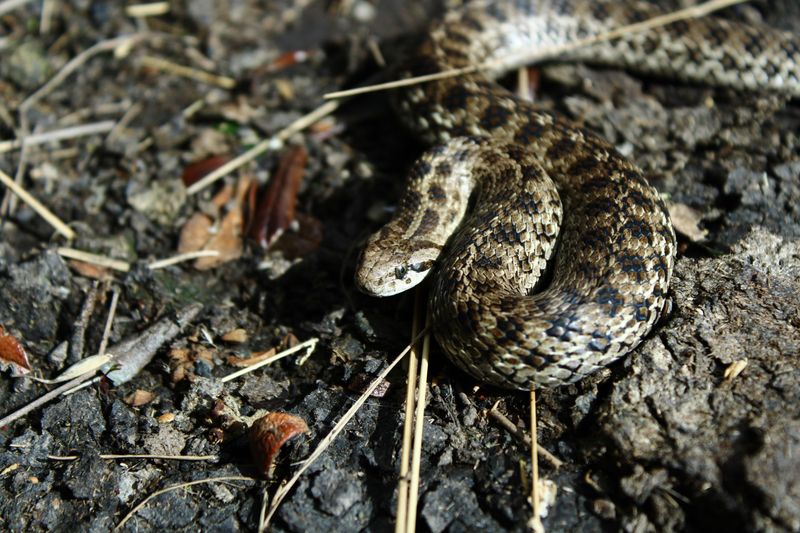
Copperheads are the most common venomous snake in Maryland, and fall is one of their busiest seasons. They live in most regions of the state, from wooded Coastal Plain areas to rocky Piedmont hillsides.
Their tan bodies carry dark, hourglass-shaped bands that look wide on the sides and narrow along the spine. On a bed of oak leaves, that pattern melts right into the background. I have walked within a few feet of one and only noticed it on the way back.
In autumn, copperheads hunt hard to store energy before winter. Many travel back toward shared dens on rocky slopes, so you may spot them crossing yards or trails in September and October.
Instead of fleeing, a copperhead often stays still and trusts its camouflage. That habit explains why most bites happen when someone steps on or reaches near one by accident. Their bites are painful but rarely life-threatening for healthy adults.
Wear closed shoes when raking, and use a rake or stick to move leaf piles before you grab them. Keep firewood off the ground and away from the house. If you see one, give it space and let it wander off on its own.
Fall is also when newborn copperheads arrive, since females give birth to live young from late summer into October. The babies blend into leaf litter even better than adults do, so take extra care around mulch beds and leaf piles.
2. Black Widows Love That Firewood Stack By The Door
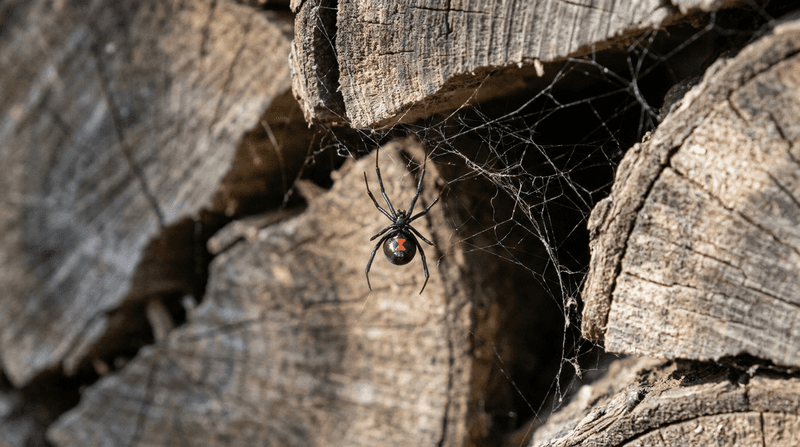
Grabbing an armload of firewood on a chilly evening feels cozy, until you remember who else likes that woodpile. Black widow spiders are native here, and both the northern and southern species turn up in the state.
The female is the one to know. She is shiny and black, about half an inch long, with a red hourglass or two red marks on her belly. Males and young spiders are smaller, paler, and pose little risk.
Their webs look messy and tangled, with strong, sticky silk. You will usually find them low and hidden in woodpiles, under deck boards, inside water meter boxes, behind stored pots, and in shed corners. As nights cool, some wander into garages and basements.
Your Maryland Garden Changes Every Week. Your Plan Should Too.
Gardening in Maryland changes quickly throughout the season. Every Friday you’ll receive a simple weekly plan showing exactly what to plant, prune, fertilize, harvest, and protect so you never miss the right timing.
A bite may feel like a pinprick at first. Within an hour, though, it can bring muscle cramps, belly pain, and sweating. Anyone bitten should get medical care, especially kids and older adults.
Gloves are your best friend here. Shake out gardening gloves and boots before putting them on, and stack firewood away from the house. Bring in only what you will burn that day, and give each log a quick look first. Personally, I keep a flashlight by the woodpile for this reason.
Black widows are shy, and most bites happen when a hand presses against a hidden spider while someone moves logs, pots, or boxes. A corner packed with thick silk may hold a round, papery egg sac, so look carefully before you reach in.
3. Timber Rattlesnakes Head Back To Their Rocky Ridge Dens
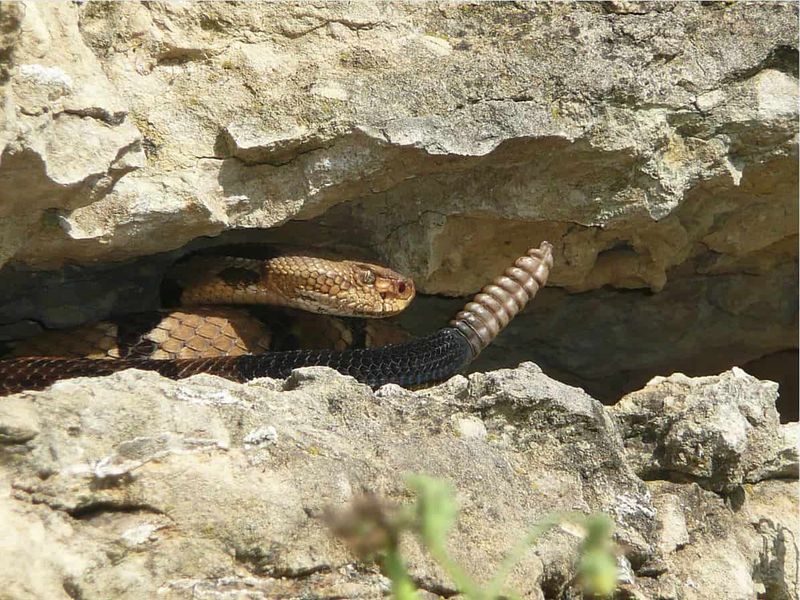
Out in the mountains of western Maryland, a much larger venomous snake makes its own fall commute. The timber rattlesnake lives mostly in Garrett, Allegany, Washington, and Frederick counties, on forested ridges with rocky outcrops.
These are heavy-bodied snakes with dark, V-shaped crossbands and a rattle at the tail tip. Colors range from yellow to nearly black. Adults commonly reach three to five feet long.
From late September into October, timbers gather near their winter dens in deep rock crevices. You might find one basking on a sunny ledge or along a trail near the den on a cool afternoon. They often stay calm and quiet, so do not expect a rattle warning every time.
State wildlife officials list the timber rattlesnake as an endangered species in Maryland, and collecting or harming one is not allowed. Respect is the rule, both for your safety and for theirs.
Hikers and gardeners near rocky woods should watch where they put their hands when climbing or moving stones. Stay on trails, use a flashlight after dusk, and back away slowly if you hear that dry buzz. A distance of several feet is plenty.
Timber rattlesnakes reproduce slowly, with females giving birth only every few years. Each adult that survives matters to the local population, so leaving a snake alone helps the species as much as it helps you.
4. Yellow Jackets Get Extra Cranky Around Your Fall Picnic Table
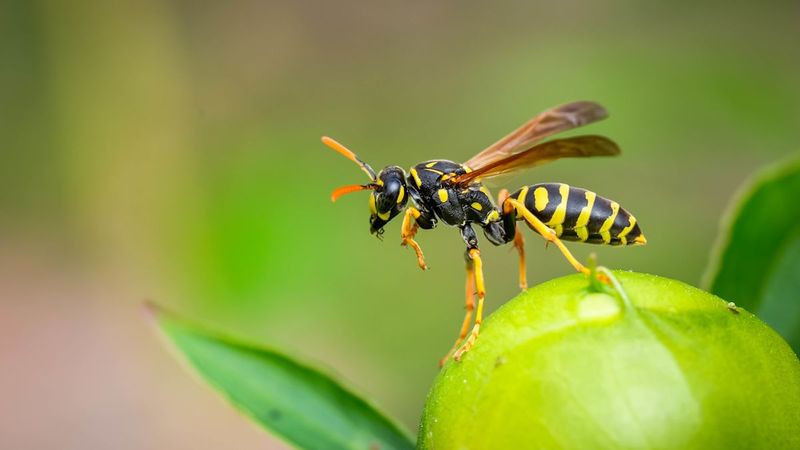
Ever notice how yellow jackets seem to crash every September cookout? That is not your imagination. By late summer, their colonies hit peak size, and the workers switch from hunting insects to hunting sugar.
These black-and-yellow wasps are venomous, and unlike honeybees, they can sting more than once. Many nests sit underground in old rodent holes, under shrubs, or inside landscape timbers. Mowing over a hidden nest is one of the most common ways gardeners get stung.
Fallen apples, ripe grapes, and open soda cans pull them in fast. Workers become more defensive as the colony nears its end in fall, and a disturbed nest can send dozens out at once.
Most people get a painful, swollen welt that fades in a few days. A person who is allergic, though, can have a serious reaction with swelling of the face or trouble breathing, and that needs emergency help right away.
Pick up dropped fruit, cover drinks, and keep trash lids snug. Before mowing, walk the yard and watch for steady traffic in and out of a ground hole. Hard frosts end the colonies, and the queens head off to overwinter alone, so relief is coming.
Yellow jacket nests are not reused the following year, since only young mated queens survive the winter and start fresh colonies in spring. An old nest found after a hard frost is empty, but waiting until freezing weather has settled in makes checking it much safer.
5. Fuzzy Saddleback And Puss Caterpillars Pack A Fiery Sting
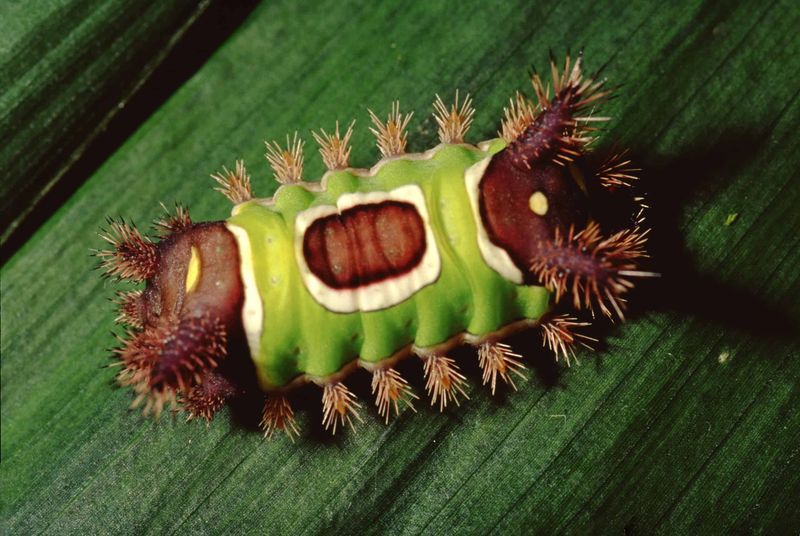
Not every caterpillar is a cute future butterfly. A few in this region carry hollow spines loaded with venom, and brushing one with bare skin can hurt like a bad bee sting.
The saddleback caterpillar is easy to spot once you know it. Its bright green middle looks like a tiny saddle blanket with a brown spot in the center, and spiny horns stick out at both ends. You might find it on oak, maple, cherry, or even corn and ornamental shrubs.
The puss caterpillar looks like a little tuft of tan or gray fur, almost like a toupee for a mouse. Under that soft-looking coat hide sharp venomous spines. Io moth and hag moth caterpillars can sting, too.
Late summer into early fall is prime time, since many of these caterpillars are finishing up before they spin cocoons. Gardeners often get stung while pruning shrubs or picking up fallen leaves by hand.
Wear gloves and long sleeves while trimming. If you get stung, press clear tape on the spot and pull it off to lift out spines, then wash with soap and water. An ice pack helps the burning ease up.
Venomous caterpillars often rest on the undersides of leaves, which is where many gardeners get caught. A quick look under the foliage before you grip a branch takes only a few seconds.
6. That Tiny Gray Shrew In The Leaf Litter Has A Venomous Bite
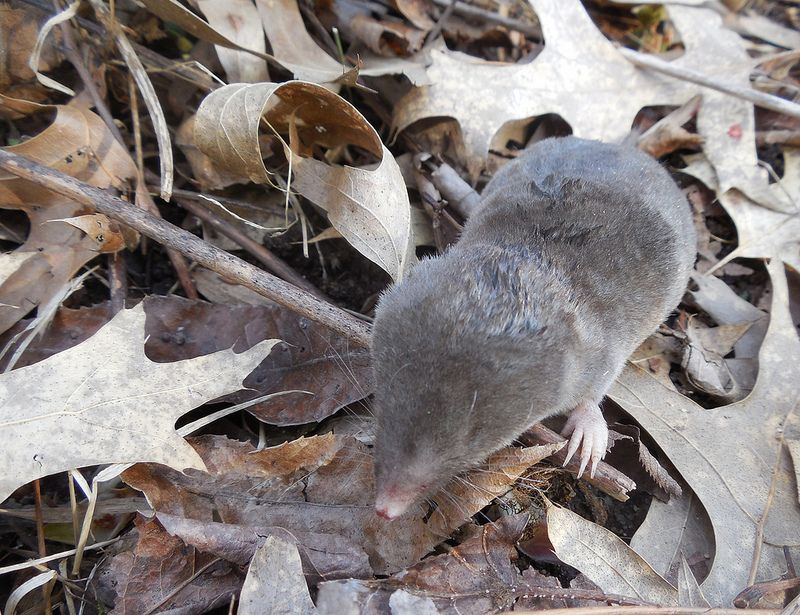
Few people expect a mammal on a venomous creature list. The northern short-tailed shrew lives across the state, and its saliva contains venom that helps it overpower prey.
This little hunter is dark gray with velvety fur, tiny eyes you can barely see, and a short tail. It weighs about as much as four or five quarters. It looks a bit like a mouse with a pointed snout.
Its venom works on worms, slugs, insects, and even small mice. Shrews can paralyze extra prey and store it for later, which is a clever trick for a creature that has to eat constantly.
In fall, you may spot shrews darting through leaf litter, mulch, and compost piles, or your cat may drag one onto the porch. For people, a bite is rare and mostly causes local pain and swelling that fades within days.
Honestly, I see these shrews as garden allies. They gobble slugs and grubs that chew on your plants. Use gloves if you have to move one, and let it go about its business in the leaf pile. Leaving a corner of leaves unraked gives them a winter hunting ground.
A short-tailed shrew burns energy at a remarkable rate and eats close to its own body weight each day. That constant hunger keeps it busy in leaf litter and mulch, even on chilly fall mornings.
7. Brown Recluse Spiders Are Rare Hitchhikers, Not Common Neighbors
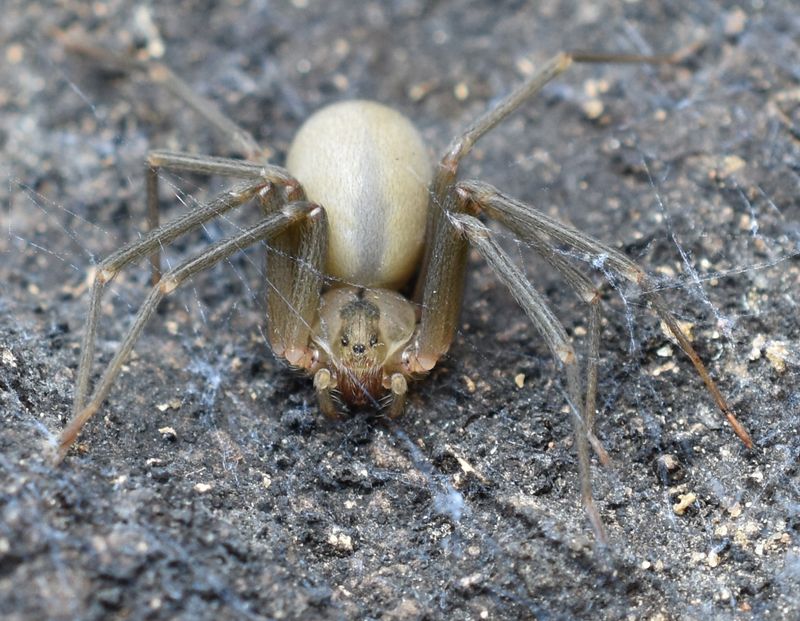
Plenty of online lists put the brown recluse on Maryland’s venomous roster, but the real story is calmer. This spider is not established here. Its native range sits farther south and west, in states like Missouri, Kentucky, and Tennessee.
Every so often, one hitchhikes into the state inside moving boxes, furniture, or shipped goods. A single stray does not usually mean an infestation. Experts say many suspected recluse bites in the Mid-Atlantic turn out to be infections or other skin problems.
A real recluse is light brown, about the size of a quarter with its legs spread, and has a dark violin shape on its back. It also has six eyes in pairs instead of the usual eight. Many harmless brown spiders, like cellar spiders and grass spiders, get blamed by mistake.
Recluse venom can cause a slow-healing wound, so a confirmed bite deserves a doctor visit. Keep the spider in a jar if you can safely catch it, since identification matters.
Since stray recluses hide in quiet clutter, store fall decorations and boxes in sealed plastic bins. Shake out clothes that have sat in the attic or basement for months. You can also send a clear photo to University of Maryland Extension for an ID.
Spider bites are often blamed for wounds that have another cause, since many skin sores turn out to be bacterial infections. If a wound looks worse after a few days, see a doctor instead of guessing at the cause.
8. Bald-Faced Hornets Guard Their Paper Nests Above The Garden Path
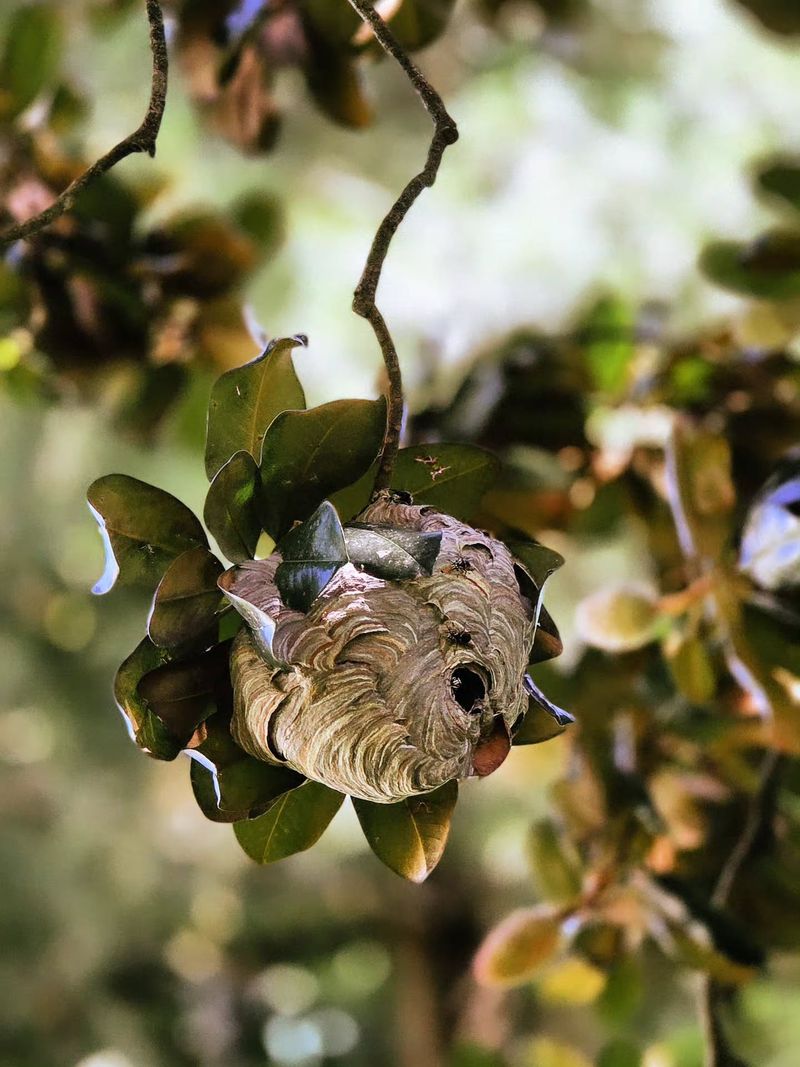
Look up the next time you trim a tall shrub, because a gray, football-shaped nest may be hanging overhead. Bald-faced hornets build these papery nests in trees, on shrubs, and under eaves, and by fall some grow as large as a basketball.
Despite the name, this insect is a type of yellow jacket rather than a true hornet. Its black body and white face markings make it easy to tell apart from the yellow-and-black wasps buzzing around your picnic table.
Workers grow up to three-quarters of an inch long, which makes them larger than most yellow jackets. Colonies reach peak size in late summer and early fall, when the workers defend the nest with real determination.
Shaking a branch, running a mower nearby, or using a loud trimmer can send a crowd of workers out at once. Like other wasps, they can sting repeatedly, and the venom causes sharp pain and swelling.
People with insect allergies should treat any sting as a medical risk. Hives, throat tightness, or dizziness after a sting call for 911 right away.
A nest is used for only one season. After the first hard frost the colony winds down, and only young mated queens survive winter tucked under bark or inside logs.
If a nest hangs near a path, door, or play area, call a licensed pest professional instead of removing it yourself. Otherwise, stay about ten feet away and let the frost do the work.