The Best Cut Flowers To Grow In Maryland For A Full Summer Of Fresh Bouquets
Growing cut flowers in Maryland is one of those gardening decisions you will never regret. Put in the work in June, and by July your kitchen table looks better than most florist windows, without the price tag.
The mid-Atlantic climate is quietly generous here. Warm summers, reliable rainfall, and a growing season that runs well into October give Maryland gardeners a longer window than most people realize. That is time worth using.
The real secret is knowing which flowers to plant. Some will let you down, short blooms, weak stems, gone in days. Others will absolutely deliver, week after week.
Pick any of these, plant them now, and your summer bouquets will take care of themselves.
1. Zinnias
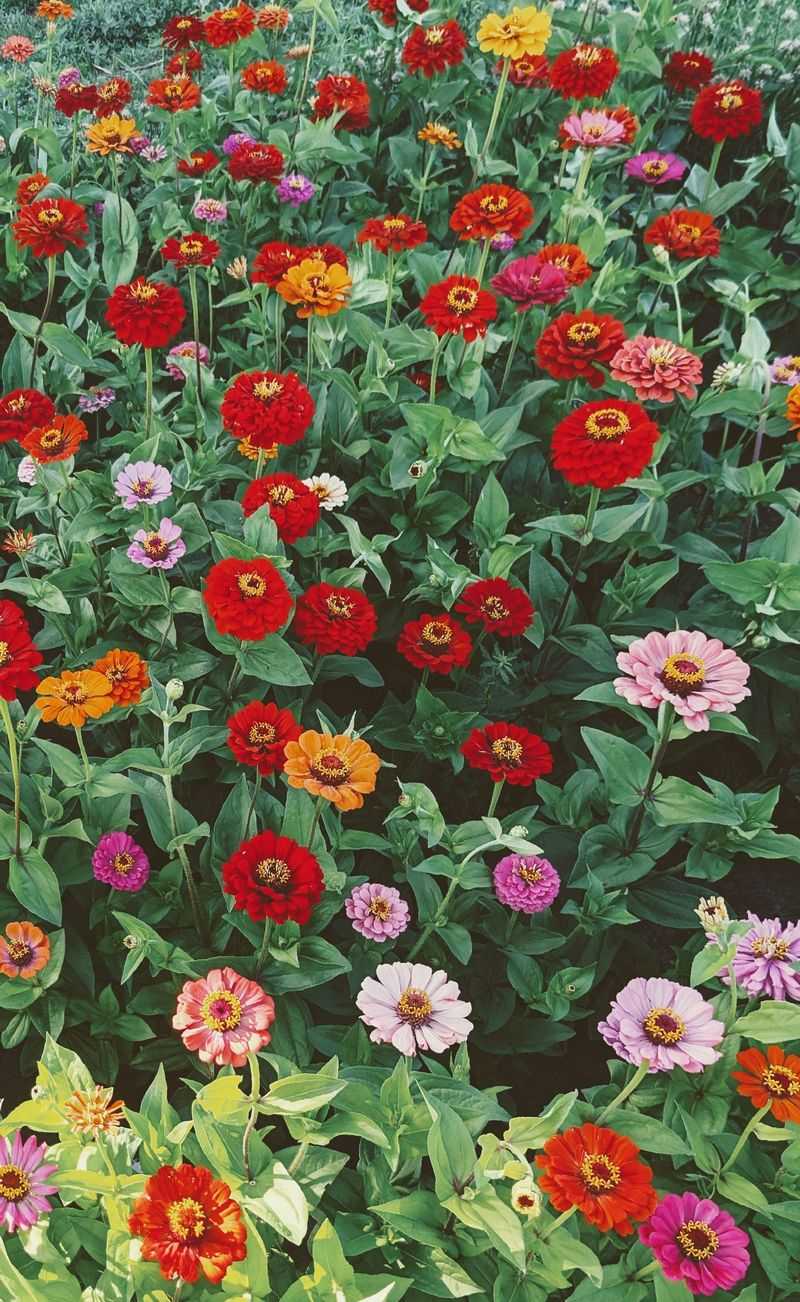
Zinnias are the overachievers of the summer garden, and they know it. Plant them once, cut them often, and they just keep going like they have something to prove.
These cheerful blooms thrive in Maryland’s hot, humid summers without complaint. They actually produce more flowers the more you cut them, which makes them an absolute dream for anyone who loves fresh bouquets.
Start seeds directly in the ground after the last frost, usually around late April to mid-May in most parts of the state. Choose a sunny spot with well-drained soil, and you will have blooms in about eight weeks.
Zinnias come in an almost ridiculous range of colors, from deep burgundy to bright coral to soft peach. The larger varieties like Benary’s Giant are especially popular for cutting because of their long, sturdy stems.
One smart trick is to succession-plant every two to three weeks. That way you always have fresh flowers coming in waves rather than all at once.
Powdery mildew can be a nuisance late in the season, especially during humid stretches. Spacing plants at least twelve inches apart improves airflow and helps keep that problem in check.
Cut zinnias in the morning when stems are firm and full of water. Drop them straight into a bucket of cool water and they will last seven to ten days in a vase with ease.
No other flower gives you this much color for this little effort all summer long.
2. Sunflowers
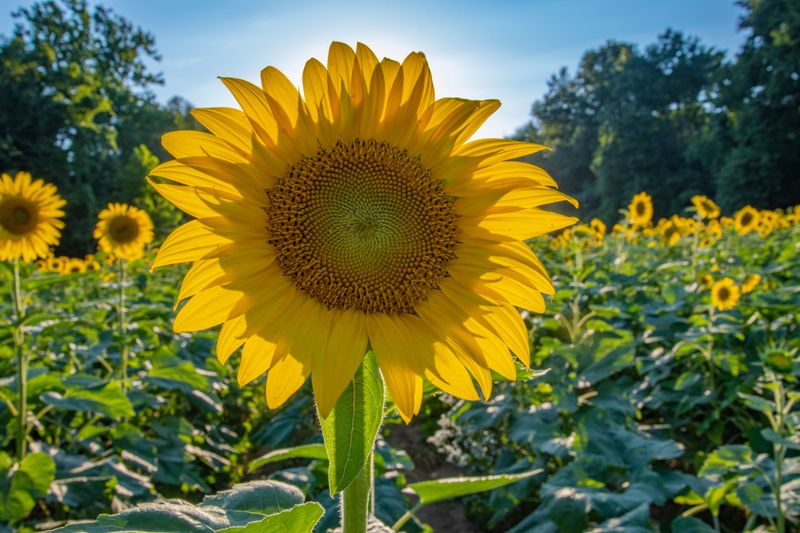
Nothing says summer like a fat, golden sunflower staring straight at the sun. Sunflowers bring a kind of bold, unapologetic joy that no other bloom quite matches.
In Maryland, sunflowers grow fast and tall, often reaching six to eight feet by late July. They love the heat, they tolerate dry spells, and they ask very little in return for their showstopping blooms.
For the best cut flower results, choose branching varieties like Lemon Queen, ProCut series, or Sunrich Orange. These produce multiple stems per plant instead of just one giant head, which means a longer harvest window.
Direct sow seeds about one inch deep after the last frost. Sunflowers do not love being transplanted, so skip the seed trays and go straight into the garden bed.
Succession planting every two to three weeks stretches your harvest from July all the way into September. A short row planted in late May will bloom right as your first planting starts to fade.
Your Maryland Garden Changes Every Week. Your Plan Should Too.
Gardening in Maryland changes quickly throughout the season. Every Friday you’ll receive a simple weekly plan showing exactly what to plant, prune, fertilize, harvest, and protect so you never miss the right timing.
Cut sunflowers just before the petals fully open for the longest vase life. Harvest in the early morning, make a fresh cut at an angle, and place them immediately in warm water.
Fun fact: sunflowers are actually made up of hundreds of tiny individual flowers packed into that central disk. Each one will eventually become a seed if left on the plant.
Pair them with zinnias and cosmos in a vase and you have got a bouquet worth bragging about all season.
3. Dahlias
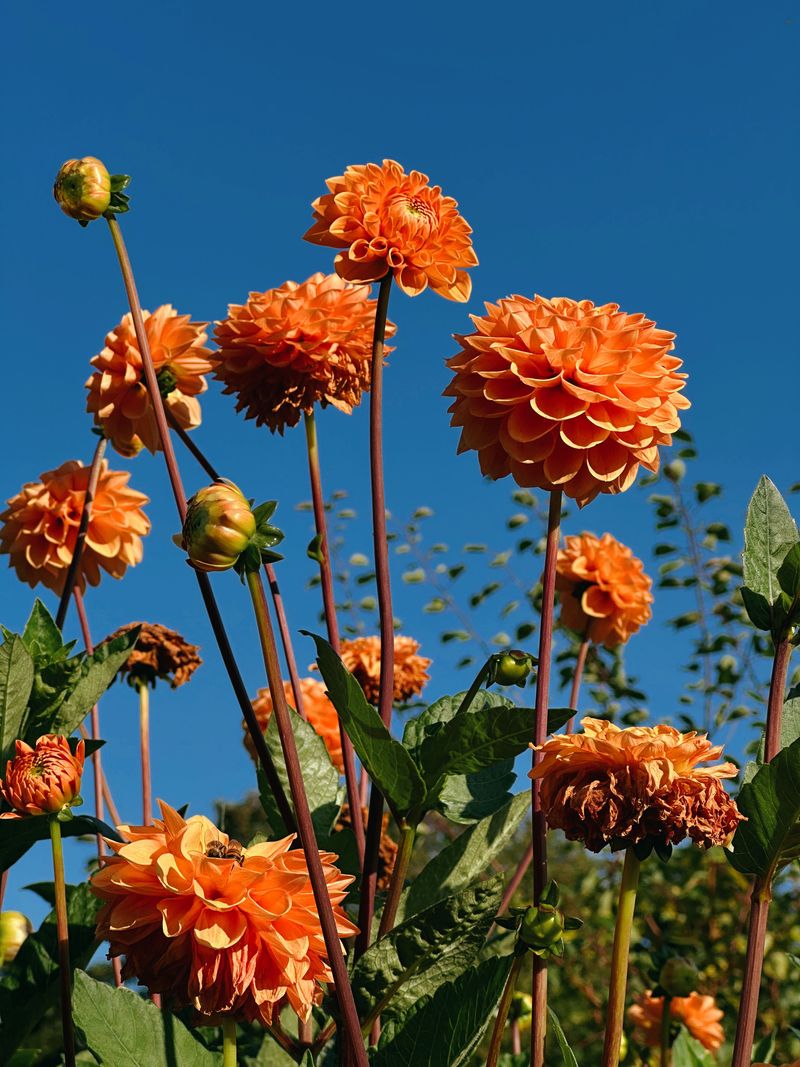
Dahlias are the showstoppers that make people stop their cars to ask what you are growing. Once you cut your first dinner plate dahlia, you will never go back to buying flowers at the grocery store.
These stunning blooms are tuber-grown, which means you plant them in spring and dig them up in fall to store over winter. It sounds like extra work, but the payoff is absolutely worth it.
In Maryland, plant dahlia tubers after the last frost, usually around late April to mid-May. They need full sun, rich soil, and consistent moisture to hit their full potential.
Pinching out the growing tip when plants are about twelve inches tall encourages bushy growth and more blooms. It feels wrong to do it, but trust the process and you will be rewarded generously.
Dahlias bloom from midsummer through the first frost, giving you a long and generous harvest window. Varieties like Cafe au Lait, Bishop of Llandaff, and Thomas Edison are beloved among Maryland gardeners for their cutting quality.
Cut stems in the morning and place the ends in very hot water, around 160 to 180 degrees Fahrenheit, for about one hour to help them hydrate quickly.
Stake taller varieties early so summer storms do not flatten them before they even bloom. A simple bamboo stake and some soft garden twine will do the job perfectly.
Dahlias reward patience, and every stem you cut feels like a genuine achievement worth celebrating.
4. Cosmos
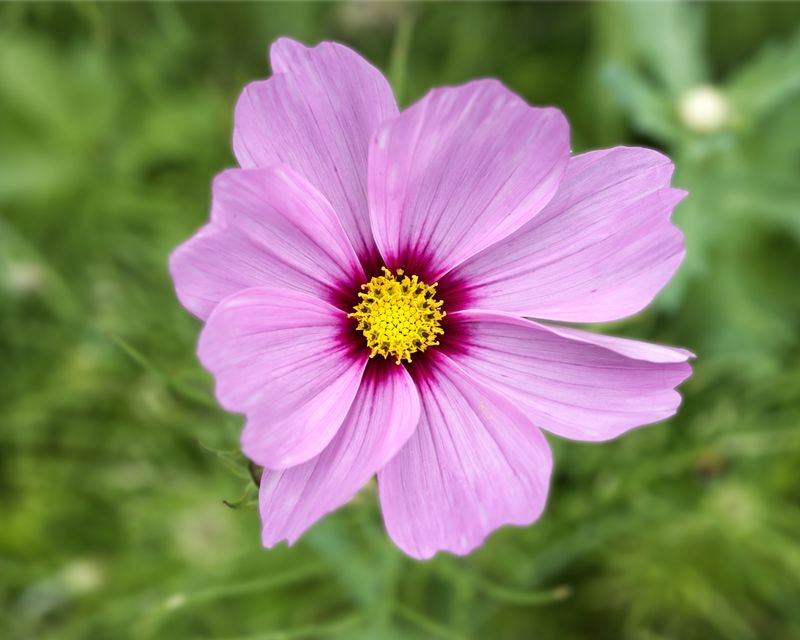
Image Credit: © Phil Mitchell / Pexels
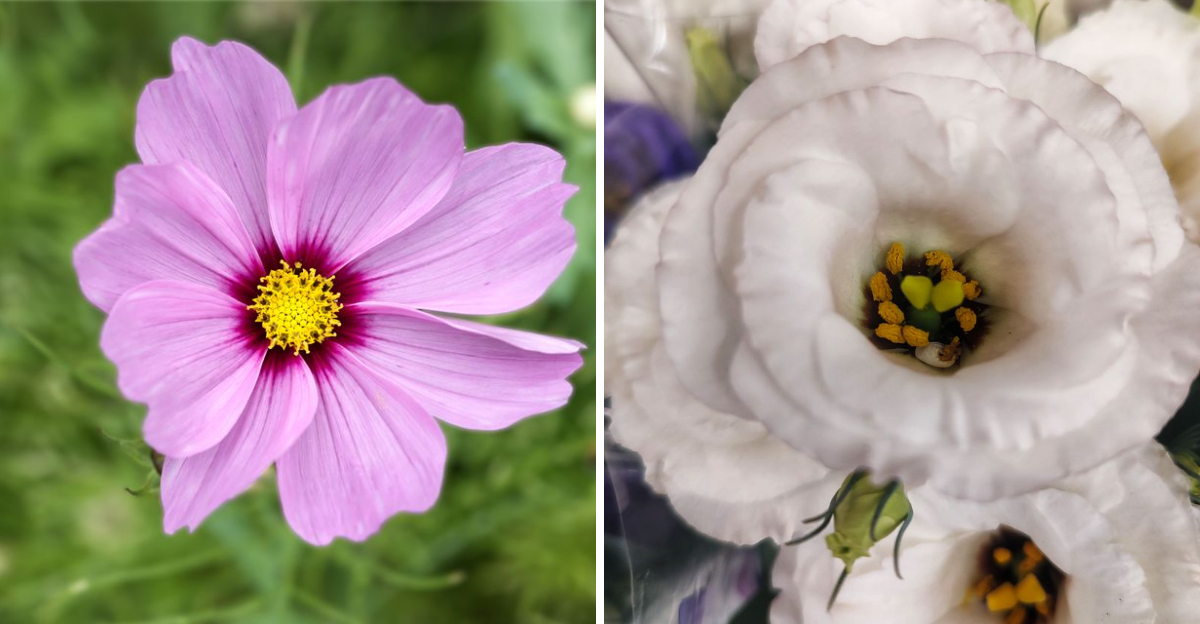
Cosmos are the free spirits of the cutting garden, waving their feathery stems in every breeze like they do not have a care in the world. They are effortlessly beautiful and almost offensively easy to grow.
Direct sow seeds after the last frost in a sunny spot, and cosmos will reward you with blooms in about seven weeks. They actually prefer lean soil, so skip the heavy fertilizing and let them do their thing.
These flowers thrive in Maryland’s warm summers and handle heat and drought far better than most other cutting flowers. They are one of those rare plants that seems to bloom harder the more you ignore them.
The classic varieties like Sensation Mix offer large blooms in shades of pink, white, and magenta on long, airy stems perfect for cutting. Double Click and Cupcake series are newer favorites that bring a fuller, more ruffly look to arrangements.
Cut cosmos when the blooms are just opening, not fully open. Fully open flowers will drop petals quickly in the vase, so catching them early makes a big difference in longevity.
Cosmos self-seed enthusiastically, which means you may find volunteer plants popping up in unexpected spots next spring. Most gardeners consider this a happy bonus rather than a problem.
Their wispy, open structure makes them perfect for adding movement and lightness to mixed bouquets. Pair them with bold dahlias or sunflowers to balance out the drama with some graceful softness.
Cosmos remind you that gardening does not always have to be complicated to be gorgeous.
5. Black-Eyed Susans
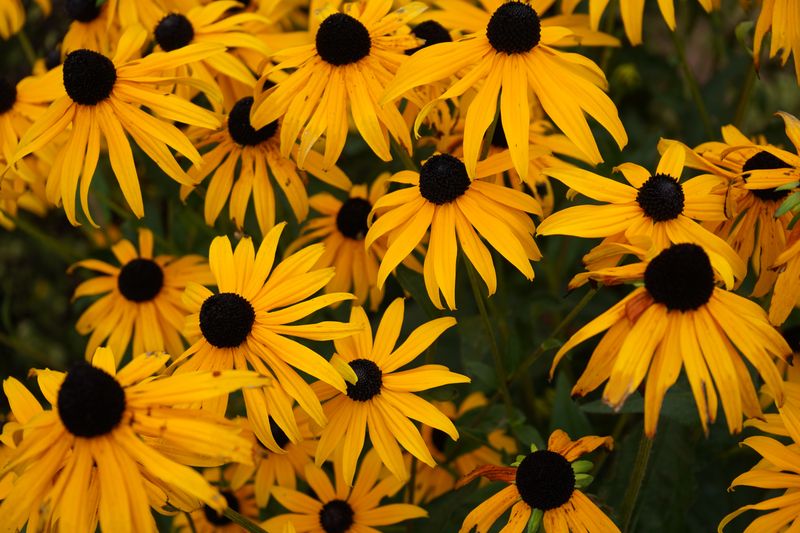
Black-eyed Susans are Maryland’s own wildflower royalty, and they belong in every cutting garden in the state. They are bold, sunny, and tougher than they look.
As the official state flower of Maryland, this cheerful bloom feels right at home in local gardens and landscapes. Growing them for cutting is a way of celebrating what makes this region special.
Rudbeckia hirta, the annual or short-lived perennial variety, is the best choice for cut flower production. It blooms more abundantly in its first season and produces long, sturdy stems that hold up beautifully in a vase.
Start seeds indoors six to eight weeks before the last frost, or direct sow after frost passes. Give them full sun and well-drained soil, and they will ask for almost nothing else from you.
Blooms typically appear in June and continue through October, overlapping nicely with other summer cutting flowers. The more you harvest, the more side shoots the plant sends up to replace what you took.
Cut stems when the petals are just beginning to open fully, before the center cone gets too dark and dry. They last about a week in a vase when you change the water every couple of days.
Black-eyed Susans attract pollinators in droves, so leaving a few blooms on the plant benefits your whole garden ecosystem. Bees, butterflies, and even goldfinches love them through fall.
They bring that unmistakable late-summer warmth to any bouquet, and no arrangement feels more authentically local.
6. Shasta Daisies
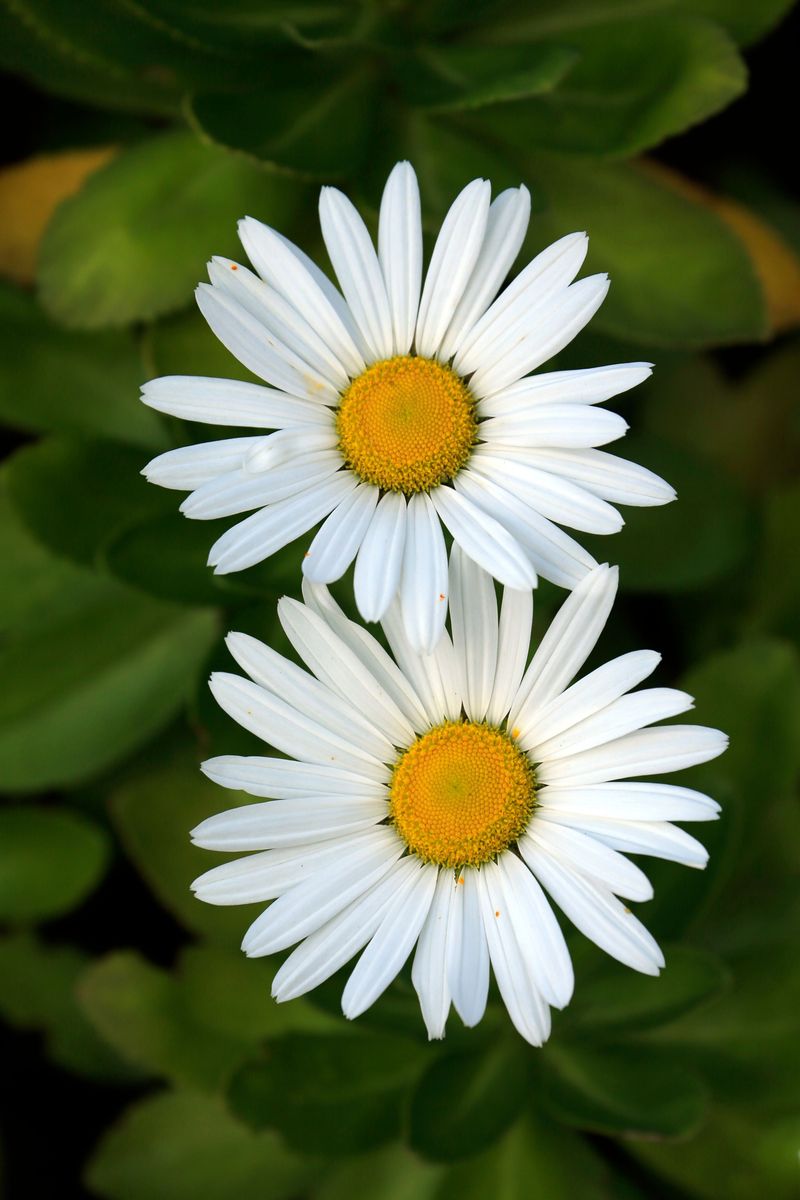
Shasta daisies are the kind of flower that makes a bouquet feel instantly fresh and clean. That crisp white petal and sunny yellow center combination never goes out of style, no matter what else is in the vase.
Unlike many summer cutting flowers, Shastas are perennials, meaning you plant them once and enjoy them for years. They come back every season in Maryland, spreading slowly into fuller and more generous clumps each year.
Plant them in full sun with well-drained soil, and they will bloom reliably from late June through August. Dividing clumps every two to three years keeps plants vigorous and prevents the center from dying out.
Becky is the most popular variety for Maryland gardens because of its exceptional heat tolerance and tall, strong stems. Alaska and Snow Lady are solid alternatives if you want slightly shorter plants with a more compact habit.
Cut Shasta daisies in the morning when temperatures are cool and stems are firm. Strip the lower leaves before placing them in water to prevent bacterial buildup that shortens vase life.
They pair beautifully with almost any other summer flower, adding brightness and a classic cottage garden feel to mixed arrangements. Their neutral color lets bolder blooms like dahlias and zinnias really pop.
Removing spent blooms encourages a second flush of flowers later in the season. A little extra effort in mid-July can extend your harvest window well into August.
Shasta daisies are the reliable backbone of any serious summer cutting garden.
7. Lisianthus
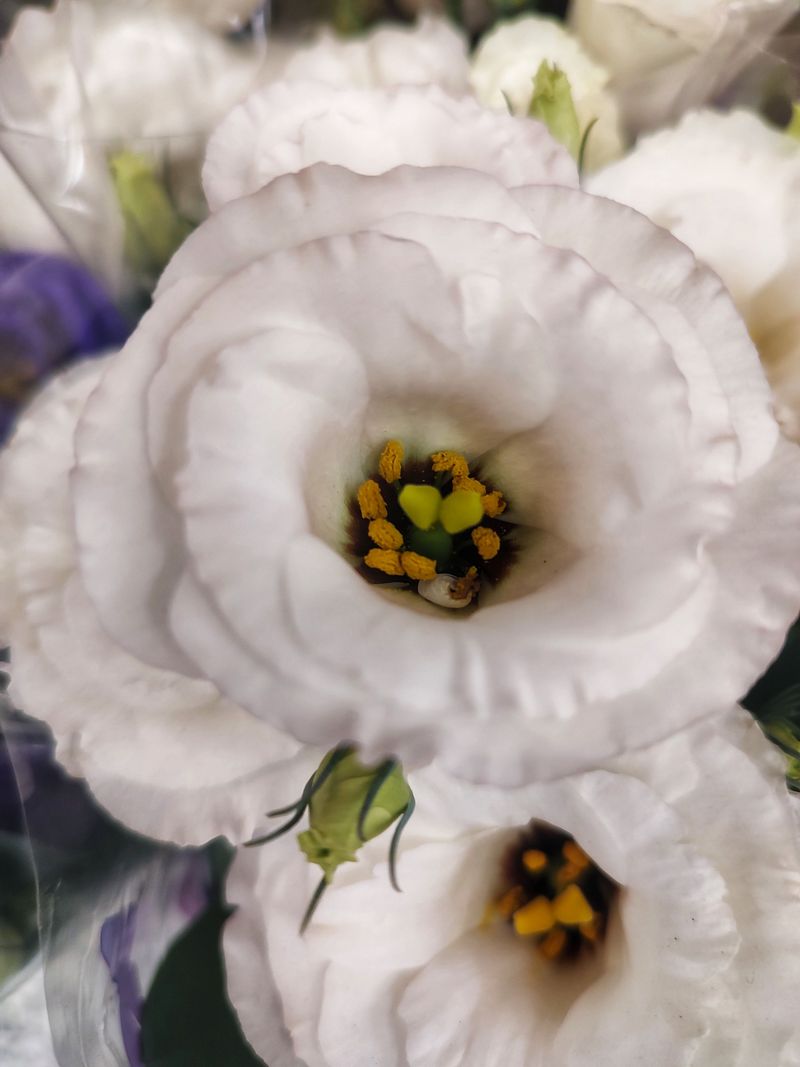
Image Credit: © Sônia Motta / Pexels
Lisianthus looks like it belongs in a high-end florist window, not a backyard garden. Growing it yourself feels like a genuine flex, and the blooms are worth every bit of the effort involved.
Often mistaken for roses or peonies at first glance, lisianthus produces layered, ruffled blooms in shades of purple, white, pink, and lavender. The flowers last up to two weeks in a vase, which is exceptional compared to most other cutting flowers.
This one requires a bit more patience than most summer flowers. Start seeds indoors twelve to fifteen weeks before your last frost date, which means beginning in January for most Maryland gardeners.
Germination is slow and seedlings are delicate at first, but once established, plants become more resilient. Transplant them outdoors after the last frost into rich, well-draining soil in a spot with full sun to light afternoon shade.
Lisianthus prefers slightly alkaline soil, so if your beds run acidic, adding a bit of lime at planting time will help significantly. Consistent moisture without waterlogging is the key to keeping plants happy through summer heat.
Cut stems when the first one or two buds on a stem have just opened. The remaining buds will continue opening in the vase over the following week, giving you a long and evolving display.
Echo and Voyage series are top picks for home gardeners because of their strong stems and wide color range. Growing lisianthus successfully earns you serious bragging rights among fellow flower lovers.
8. Celosia
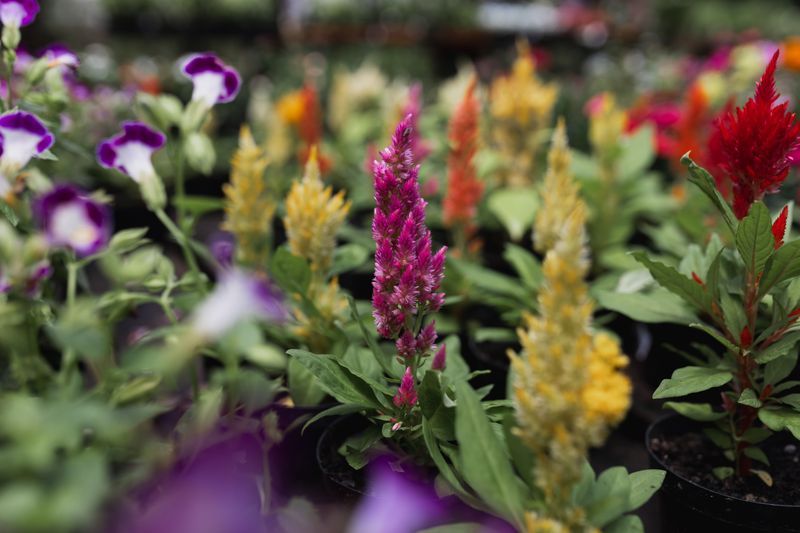
Celosia is the flower that stops people mid-sentence when they see it in a bouquet. The velvet-textured blooms in electric shades of red, orange, and magenta look almost too vivid to be real.
There are two main types worth growing for cutting: plumed celosia, with its feathery flame-shaped blooms, and crested celosia, also called cockscomb, with its wild fan-shaped heads. Both hold their color exceptionally well, even as they dry.
Maryland’s warm summers are ideal for celosia, which loves heat and humidity more than almost any other cutting flower. Direct sow seeds after the last frost, or start transplants indoors four to six weeks early for a head start on the season.
Plant in full sun with good drainage, and avoid overwatering once plants are established. Celosia is surprisingly drought-tolerant once it finds its footing in the garden bed.
Cut stems when about two-thirds of the plume or crest has fully developed its color. Harvesting too early means the color may not fully develop after cutting, so give blooms a little extra time on the plant.
One of celosia’s best-kept secrets is how beautifully it dries. Hang stems upside down in a warm, airy space and you will have stunning dried arrangements that hold their color for months into fall and winter.
Fresh or dried, celosia adds texture and drama to any arrangement in a way that softer flowers simply cannot. Growing it as part of the best cut flowers to grow in Maryland means your bouquets will stand out all season long.