Maryland Is One Of Only Three States Where This Rare Plant Grows
You won’t believe what quietly exists along the Mid-Atlantic coast. Few people know it grows so near you. Maryland is among the only known places on Earth where it remains.
Scientists say you’re standing close to an incredibly rare plant. Nothing about its plain appearance will grab your attention right away. Yet everything about it will change how you see wetlands.
Botanists insist you are witnessing something exceptionally uncommon. Wetlands hide secrets you would normally walk straight past. These marshes hold something Maryland shares with almost nowhere else on Earth.
Researchers spent years confirming what you might never have noticed. Locals had no idea what grew beneath your boots. Every soggy step you take here now carries hidden weight.
Curiosity alone won’t fully explain why this plant matters to you. You’re about to discover why this quiet sedge could change what you thought you knew.
What Plant Exists In Only Three Places On Earth
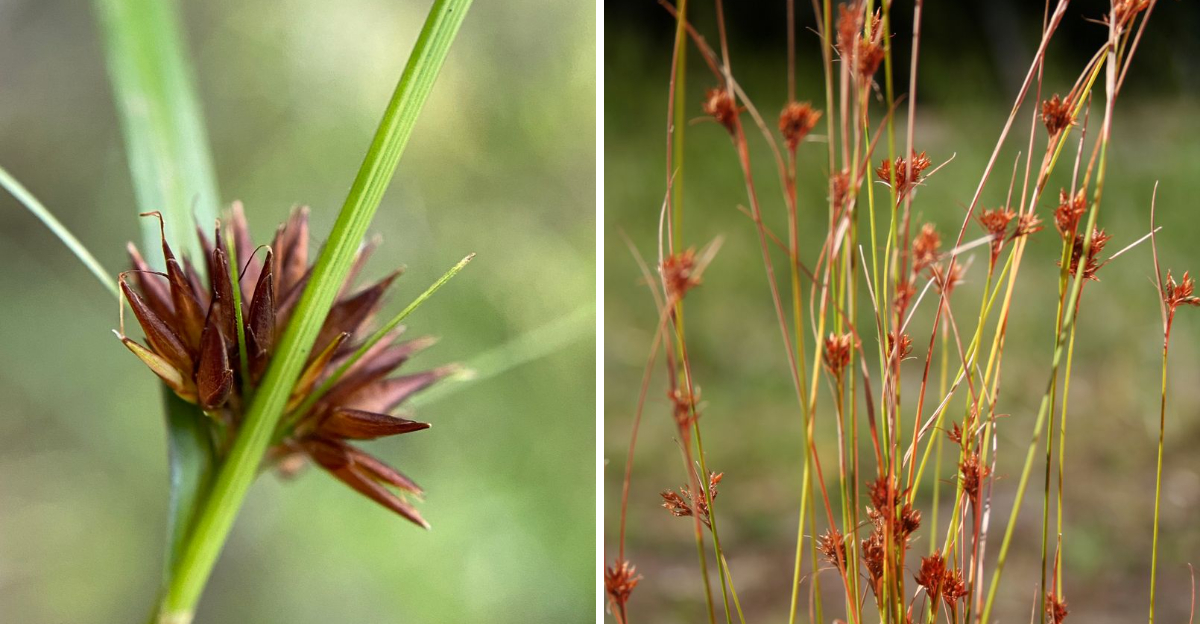
Picture a plant so rare that losing one population could erase it forever. The Mid-Atlantic beaksedge is exactly that plant, and it survives in just six known populations across three states.
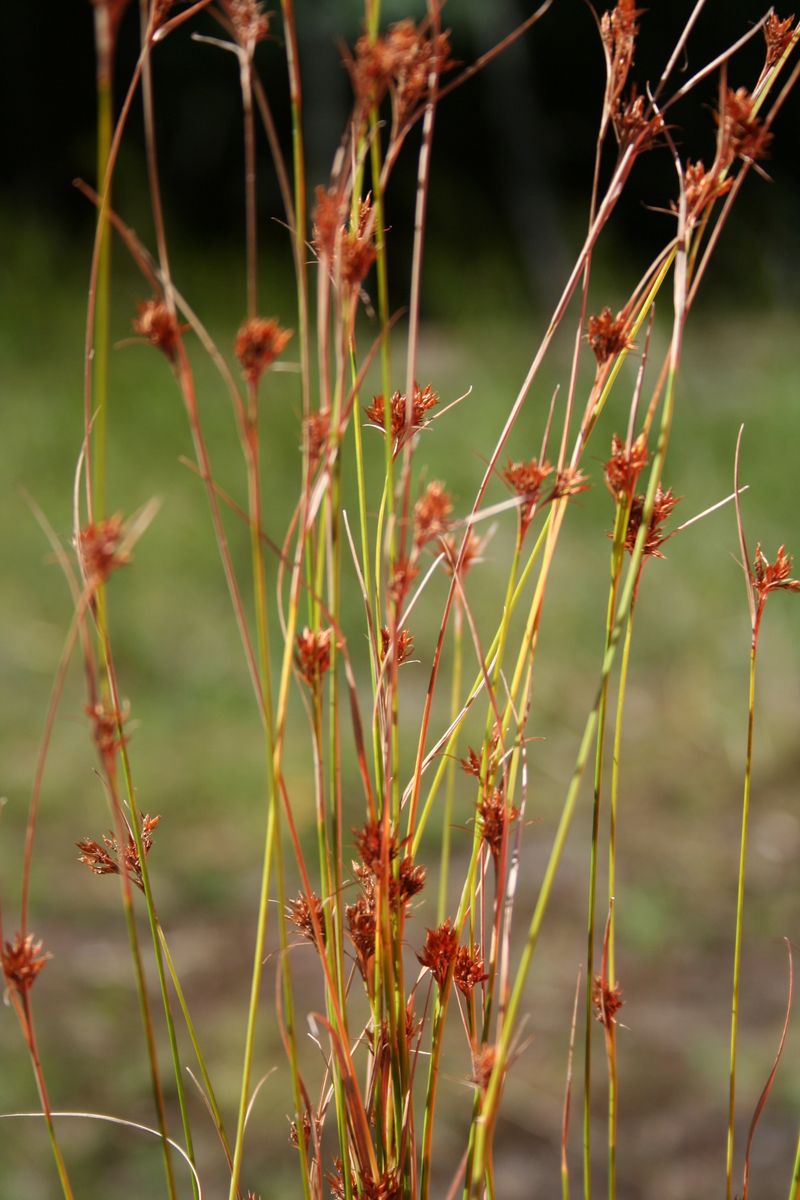
Scientifically named Rhynchospora mesoatlantica, this sedge belongs to a family of grass-like plants found in wetlands. Most people walk right past sedges without a second glance.
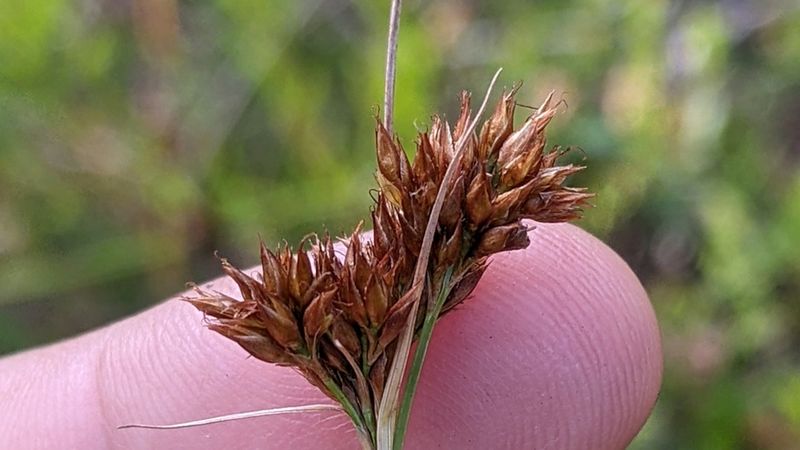
Beaksedge gets its name from the small, beak-shaped structures on its seed heads. Those tiny details make identification tricky, even for trained botanists working in the field.
What makes this species extraordinary is its absurdly narrow range. No other confirmed populations exist outside the Mid-Atlantic coastal plain of the eastern United States.
The species is known from three states: New Jersey, Delaware, and Maryland, spread across six confirmed populations. Each population clings to a very specific type of habitat.
Wetlands along the Atlantic coastal plain have shrunk significantly over recent decades. Development, drainage, and pollution have destroyed large areas of the soggy ground this plant calls home.
Conservationists warn that losing even one population would be a significant blow to the species. Scientists treat each surviving colony as irreplaceable and scientifically invaluable.
Most rare plants have wider ranges, even if their numbers are low. A range this tight is almost unheard of in the botanical world, making this sedge a true outlier.
Maryland’s role in protecting this species is not just symbolic. The state holds living proof that extraordinary biodiversity can exist in unexpected, quiet places. That is a responsibility worth taking seriously.
How Scientists Discovered The Mid-Atlantic Beaksedge
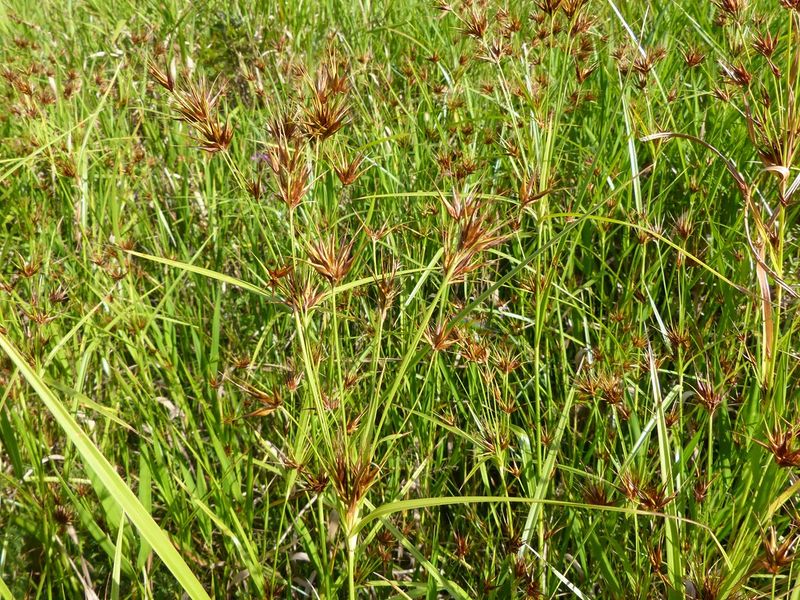
Science rarely happens in a single dramatic moment. The story of how researchers identified the Mid-Atlantic beaksedge unfolded slowly, across decades of careful fieldwork and herbarium study.
Botanists first collected specimens of this sedge in Maryland during the 1980s without realizing they were looking at something new. The plants were recorded as Harper’s beaksedge and remained mislabeled for decades.
It was not until researchers began comparing specimens from different collections that patterns emerged. Subtle differences in seed structure and plant form started hinting at a distinct species.
Your Maryland Garden Changes Every Week. Your Plan Should Too.
Gardening in Maryland changes quickly throughout the season. Every Friday you’ll receive a simple weekly plan showing exactly what to plant, prune, fertilize, harvest, and protect so you never miss the right timing.
Taxonomists, the scientists who classify living things, began running detailed comparisons. They measured beak length, examined scale color, and studied where each specimen had been collected.
Geographic clustering was one early clue. Nearly all the specimens came from a narrow strip of the Atlantic coastal plain, pointing to a regionally specific plant.
In 2023, botanists Amanda Eberly and Robert Naczi formally confirmed what morphology had suggested. The Mid-Atlantic beaksedge was not just a variation of a common species but a genuinely separate one.
Publishing a new species description is a formal process with strict scientific standards. Researchers must provide detailed measurements, illustrations, and comparison data before a name becomes official.
The formal recognition of this sedge put it on the radar of conservation agencies. Before that point, no one could legally protect something that did not officially exist in the record.
Discovery in botany is often a quiet affair, built on patience and precision. Finding the Mid-Atlantic beaksedge required both, and the scientific community is better for the effort.
Why This Sedge Was Misidentified For Decades
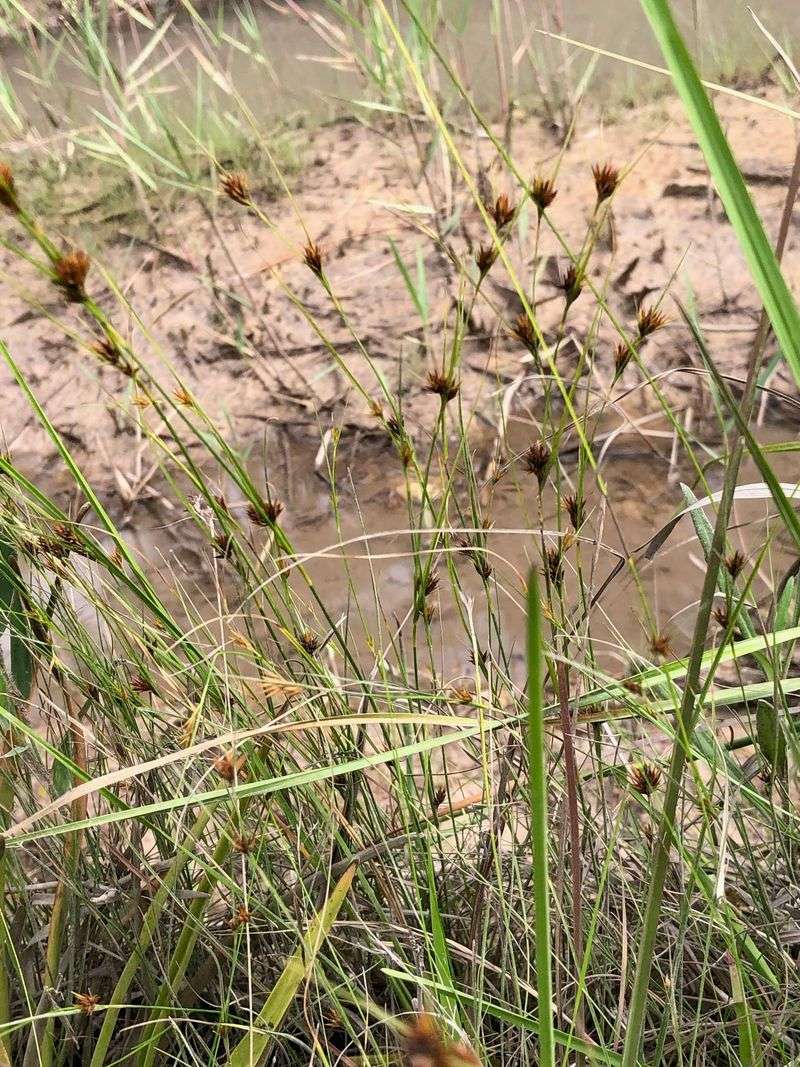
Misidentification in botany is more common than most people think. Plants in the sedge family are notoriously tricky, and the Mid-Atlantic beaksedge blended in with its cousins for a long time.
Rhynchospora species all share a similar basic structure. Thin stems, grass-like leaves, and small seed clusters make them look nearly identical to untrained eyes.
For years, collectors assumed this plant was Rhynchospora harperi, known as Harper’s beaksedge. The resemblance is strong enough to fool even experienced field botanists.
The key differences are subtle. Beak length on the seed structures, scale coloration, and the density of the flower clusters all vary in ways that require close examination.
Without a hand lens and a sharp eye, those distinctions are easy to miss. Field conditions rarely allow for the kind of careful inspection that museum specimens receive later.
Herbarium collections played a big role in untangling the confusion. Dried specimens preserved for decades gave researchers a chance to compare plants side by side without time pressure.
The problem was compounded by the plant’s habitat. Wetlands are not easy places to work, and botanists often collect quickly before conditions deteriorate.
Once researchers knew what to look for, they went back through old records and relabeled misidentified specimens. That process helped map the true range of the species.
Decades of confusion actually underscore how sharp the eventual discovery was. Catching what others missed required a level of botanical attention that borders on remarkable.
Where It Grows Across New Jersey Delaware And Maryland
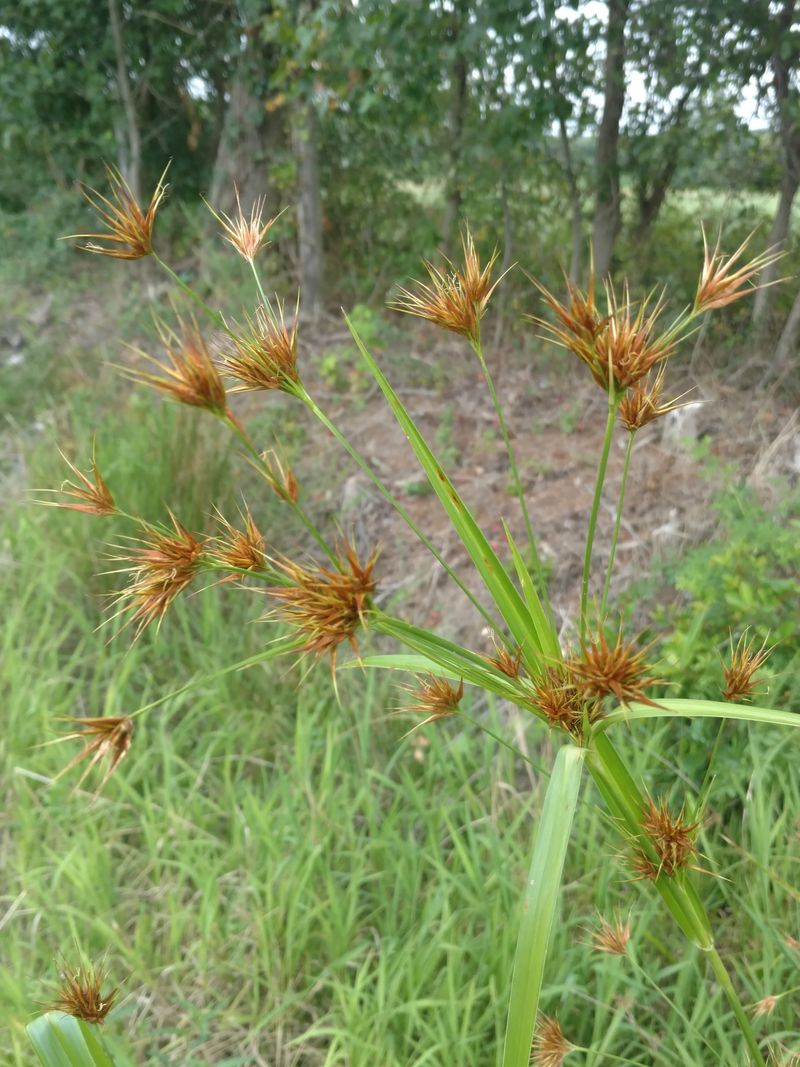
Geography matters enormously when a plant exists in only three spots. Each location where the Mid-Atlantic beaksedge grows has been carefully documented and monitored.
New Jersey hosts some of the known populations, tucked into the coastal plain wetlands that characterize much of the southern part of that state. The habitat there is low, wet, and seasonally flooded.
Delaware holds a share of the remaining populations in a similarly soggy setting. The Delmarva Peninsula, which Delaware shares with parts of Maryland and Virginia, is rich in rare wetland plant communities.
Maryland rounds out the range, anchoring several of the species’ populations along the coastal plain. These sites sit within the network of wetlands that define much of the state’s lower Eastern Shore.
All known populations share a common thread: open, wet, acidic soil with limited competition from taller vegetation.
The Mid-Atlantic coastal plain once stretched across a much larger area of undisturbed wetland. Long-term land conversion has reduced that habitat to scattered fragments.
Each surviving population is essentially an island. Plants cannot easily spread to new locations because suitable habitat no longer connects the existing sites.
Monitoring these populations is an ongoing task for state and federal biologists. Population counts, habitat assessments, and water quality checks happen on a regular schedule.
Knowing exactly where this sedge lives is the first step toward keeping it alive. Protecting these specific patches of ground is a non-negotiable priority for regional conservation.
Factors That Make Its Habitat So Rare And Fragile
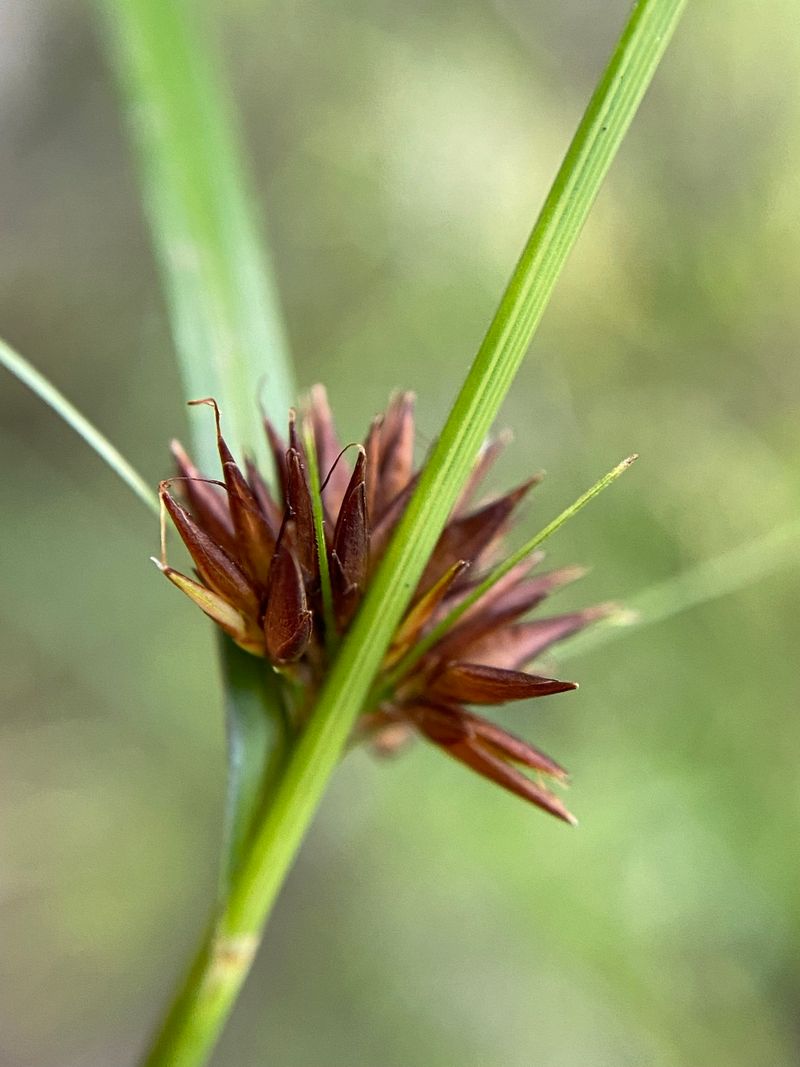
Not all wetlands are created equal. The Mid-Atlantic beaksedge needs a very specific type of soggy ground, and that type is disappearing fast.
Acidic, nutrient-poor, seasonally flooded soil is the key ingredient. Most plants struggle in those conditions, which is exactly why this sedge can survive without being crowded out.
The pH level of the water and soil matters more than most people realize. Slightly wrong chemistry, and the plant simply cannot establish or reproduce successfully.
Hydrology is another critical factor. The site must flood at the right times of year and drain properly between flood cycles to maintain the balance this species requires.
When nearby land gets developed, drainage patterns shift. Roads, buildings, and storm systems alter how water moves across the landscape, often drying out or flooding wetlands at the wrong times.
Invasive plant species add another layer of pressure. Aggressive non-native plants can move into disturbed wetlands and outcompete native species like the Mid-Atlantic beaksedge.
Herbivory from local wildlife may also affect wetland vegetation structure, though this has not been specifically documented for the Mid-Atlantic beaksedge.
Climate shifts are beginning to affect seasonal flooding patterns. Warmer winters and more intense storms are changing the timing and volume of water that reaches these fragile sites.
Each of these pressures alone would be manageable. Together, they create a gauntlet that a plant with a range this small is poorly equipped to survive without human help.
Conservation Efforts Now Underway To Protect It
Saving a plant with only six known populations requires more than good intentions. Active, coordinated conservation work is already happening across all three states where the Mid-Atlantic beaksedge survives.
State natural heritage programs in New Jersey, Delaware, and Maryland each track the species. These programs monitor population health and flag any changes that could signal trouble.
Conservationists consider land protection the most powerful tool available. When conservation organizations or government agencies secure ownership of a site, they can control what happens to the habitat long-term.
Some of the land supporting this sedge is already under protection through state natural areas or wildlife management designations. That legal status limits the types of development allowed nearby.
Invasive species removal is a hands-on part of the work. Volunteers and biologists physically pull or treat non-native plants that threaten to take over the sedge’s limited growing space.
Hydrological restoration is another active strategy. Removing old drainage tiles or filling ditches can help restore natural flooding patterns that the plant depends on to thrive.
Seed banking offers a safety net. Collecting and storing seeds from existing populations ensures that genetic material survives even if a site is damaged by a storm or other disaster.
Public awareness plays a quiet but important role. When local communities understand what grows in their backyard, they tend to support protection efforts more strongly.
The Mid-Atlantic beaksedge does not ask for much. It just needs the right patch of wet, acidic ground to keep doing what it has always done: quietly surviving.
NatureServe ranks the species as Critically Imperiled, and researchers who described the species argue it meets the criteria for IUCN Endangered status; Maryland added it to its own list of threatened and endangered plants in 2026.