The One Thing You Must Do To Hydrangeas In New York Before Winter
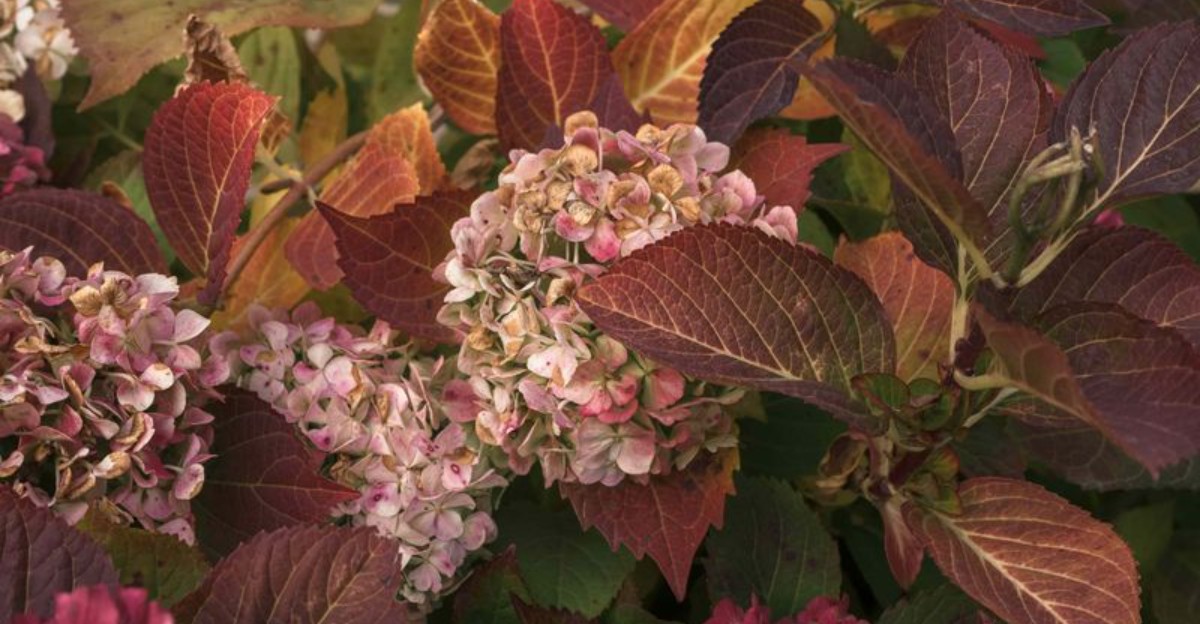
Next July’s flowers are already hiding inside your shrubs. On some of the most beloved bloomers in New York, the buds formed back in late summer and now sit tucked at the tips of bare-looking stems.
That means one frozen, dried-out winter can quietly erase a whole season of color. I learned this the hard way after a mild fall lulled me into putting the hose away early. The next summer, I got leaves and not a single blossom.
Winter wind is sneaky. It pulls moisture from stems even on sunny January days,and frozen soil can’t send any back up.
So what do you actually need to do before the ground locks up? The answer is simpler than you might expect, and I bet your garden hose is part of it. Your future blooms are counting on a little attention right now.
Those Bare Hydrangea Stems Are Thirstier Than They Look
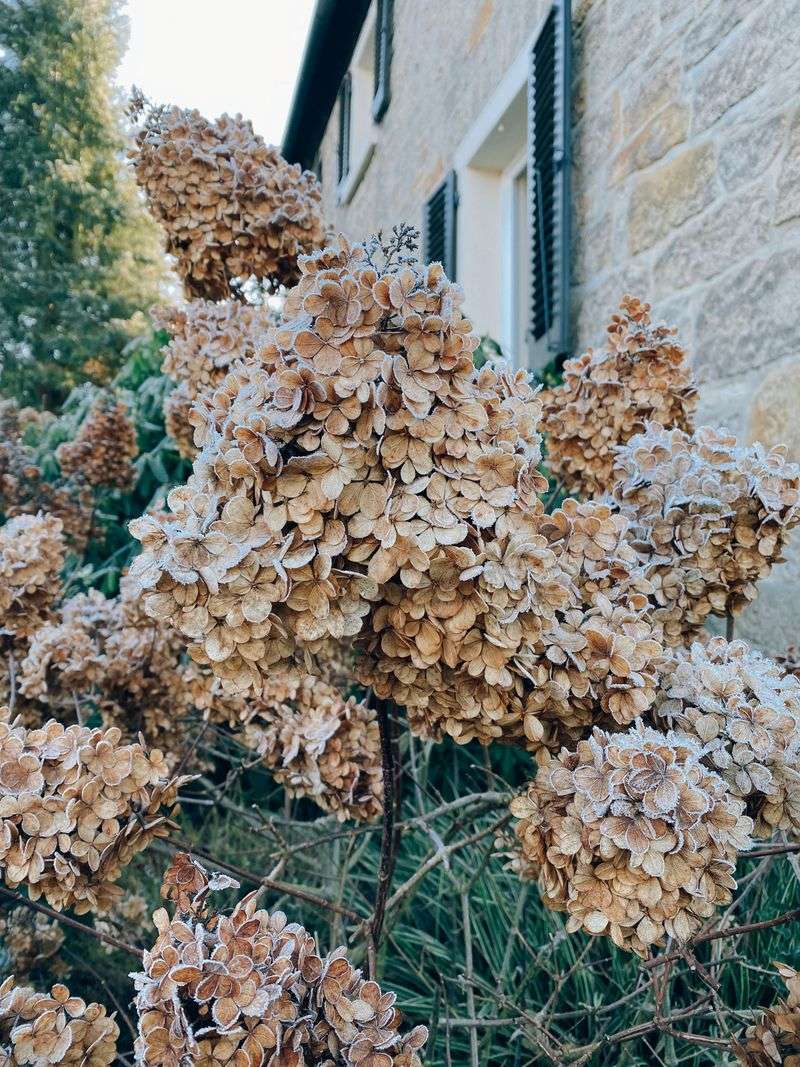
Late fall hydrangeas can look like a bundle of brown sticks, and it’s tempting to assume they’ve checked out for the year. Underneath the soil, though, the roots keep working until the ground gets too cold.
Roots of woody shrubs can keep absorbing water as long as the soil isn’t frozen. In much of the state, that window stretches into late November or even December, especially closer to the coast.
There’s a catch. Once the soil freezes, the roots can’t pull up any more water, but the stems and buds still lose moisture to cold, dry air. Garden experts call this winter desiccation, and it’s a big reason buds turn brown and crispy by spring.
So the one thing I’d put at the top of your list is simple. Make sure your hydrangeas go into winter with moist soil around their roots.
A dry autumn makes this even more important. Fall rain in the Northeast can be spotty, and a few weeks without a good soaking can leave shrubs heading into the freeze already stressed.
A well-watered plant has fuller cells and tougher buds, which gives it a much better shot at blooming next summer.
Give Your Hydrangeas A Deep Soak Until The Ground Freezes
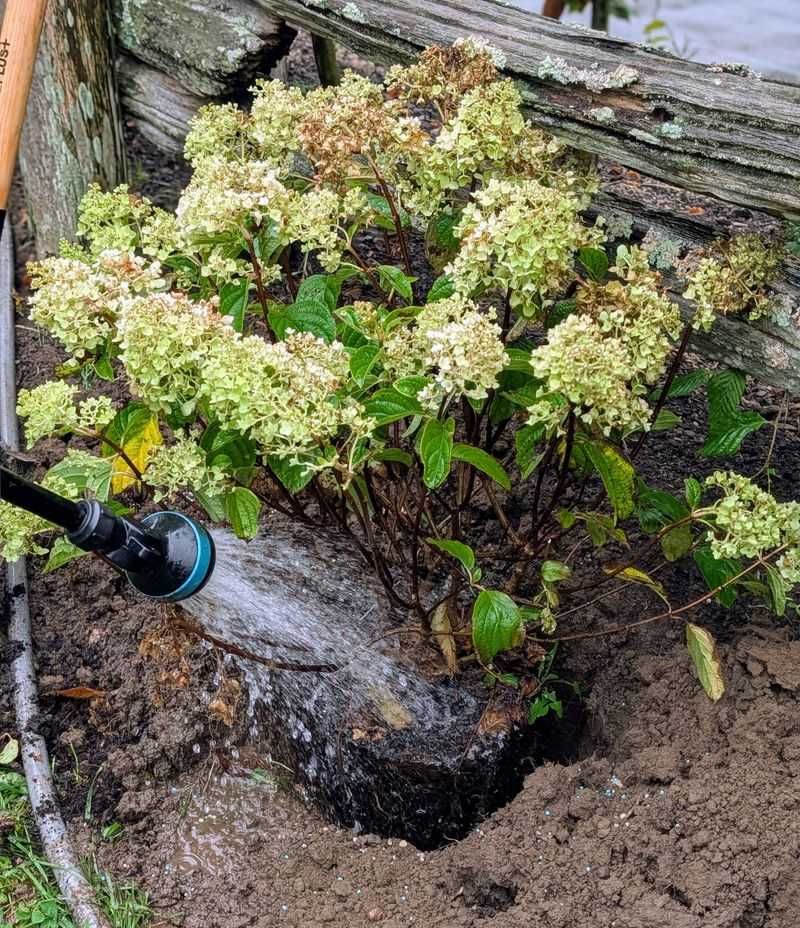
My rule of thumb is easy to remember. Keep watering until the hose freezes or the ground does, whichever comes first.
Most gardening sources, including many extension services, suggest about one inch of water per week for shrubs when rain falls short. For hydrangeas going into winter, that steady supply matters more than ever.
Grab a cheap rain gauge or an empty tuna can and set it near your plants. If nature drops less than an inch in a week, make up the difference yourself.
Timing in the day matters too. Water in the morning or early afternoon on mild days, when temperatures are above freezing, so the water soaks in before nighttime cold arrives.
Upstate gardeners in the Adirondacks or the Finger Lakes may see frozen soil by late November. Folks on Long Island often keep watering well into December.
Your New York Garden Changes Every Week. Your Plan Should Too.
Gardening in New York changes quickly throughout the season. Every Friday you’ll receive a simple weekly plan showing exactly what to plant, prune, fertilize, harvest, and protect so you never miss the right timing.
Check the soil before you water by pushing a finger two inches down. If it feels dry, it’s time for a drink, and if it feels cool and damp, wait a few days.
Once the ground stays frozen for good, you can drain and store your hoses. Your hydrangeas will head into the cold with a full tank.
A Slow Garden Hose Beats A Quick Sprinkle Every Time
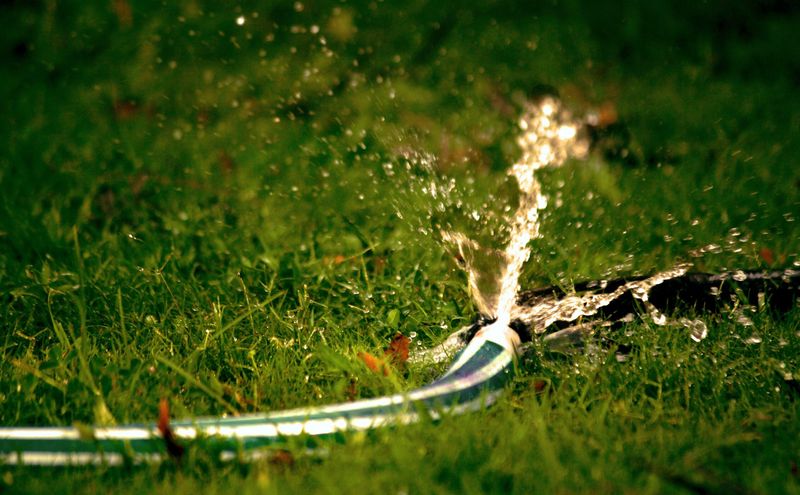
A two-minute spray from the hose feels productive, but most of that water barely wets the top inch of soil. Hydrangea roots spread wide and reach deeper than that, so a quick sprinkle mostly misses them.
Deep, slow watering is the goal. Set your hose at a gentle trickle near the base of the plant and let it run for 20 to 30 minutes, moving it once or twice to cover the whole root zone.
A soaker hose works beautifully here too. Snake it in a loose circle around the shrub out to the edge of the branches, which is roughly where the feeder roots spread.
Frequency depends on your soil. Sandy soil drains fast and may need water twice a week in dry spells, while heavy clay holds moisture longer and might only need a weekly soak.
Skip the overhead sprinkler if you can. Wet leaves and stems late in the day don’t help much, and the water you want belongs in the ground.
Personally, I like to water a few hours before a cold front rolls in. Moist soil holds heat better than dry soil, which gives roots a little extra cushion on chilly nights.
Winter Wind Steals Water From Bigleaf Hydrangea Buds
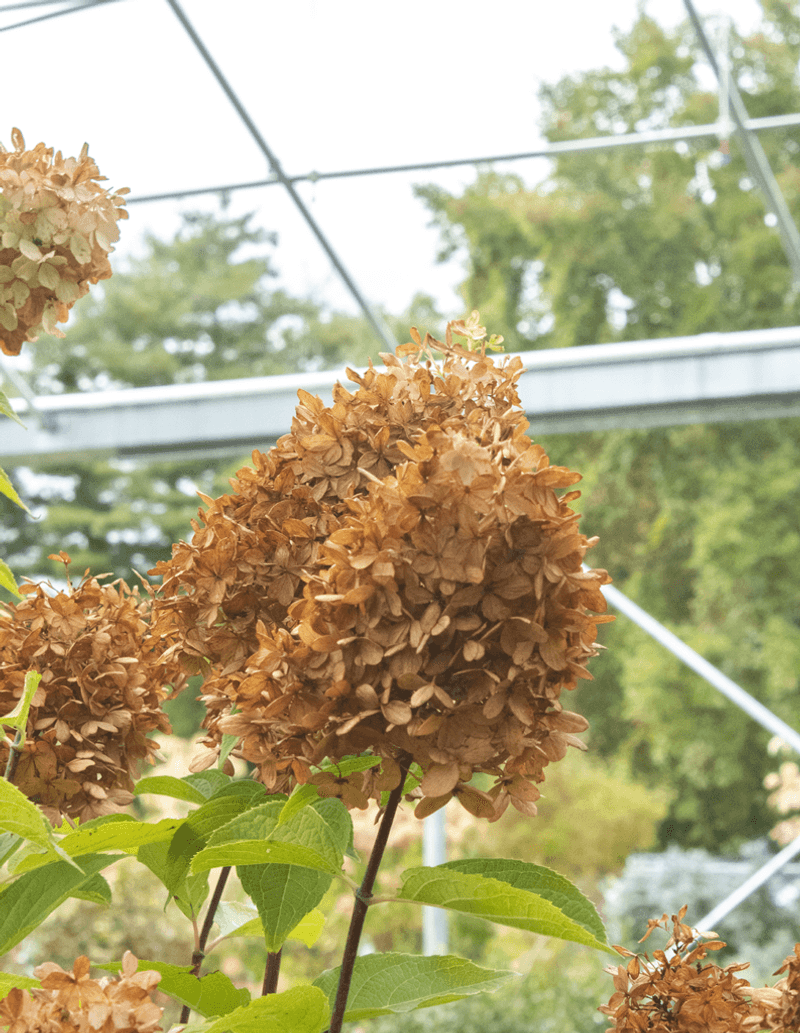
Bigleaf hydrangeas, the classic mopheads and lacecaps, are the divas of the group. They set next year’s flower buds on old stems in late summer and fall, so those buds have to make it through the whole winter.
That’s why a dry, windy winter hits them so hard. Cold northwest winds pull moisture from exposed buds, and if the stems went into winter thirsty, the buds can shrivel before spring.
Most bigleaf types are rated for USDA zones 5 or 6 through 9. Much of New York sits in zones 4 through 7, so many upstate gardens are right at the edge of what these plants can handle.
Watering well in fall is your first step. In colder or windier spots, a little extra shelter helps too.
Some gardeners build a simple cage of chicken wire or burlap around the plant and fill it loosely with dry shredded leaves after the ground freezes. Others wrap the shrub in burlap to block the wind. Avoid plastic wraps, since they trap heat and moisture and can cause more harm than good.
Remove the cover gradually in spring once hard freezes pass. Late frosts in April can still nip tender new growth, so keep an old sheet handy.
Shredded Leaf Mulch Locks In The Water You Just Added
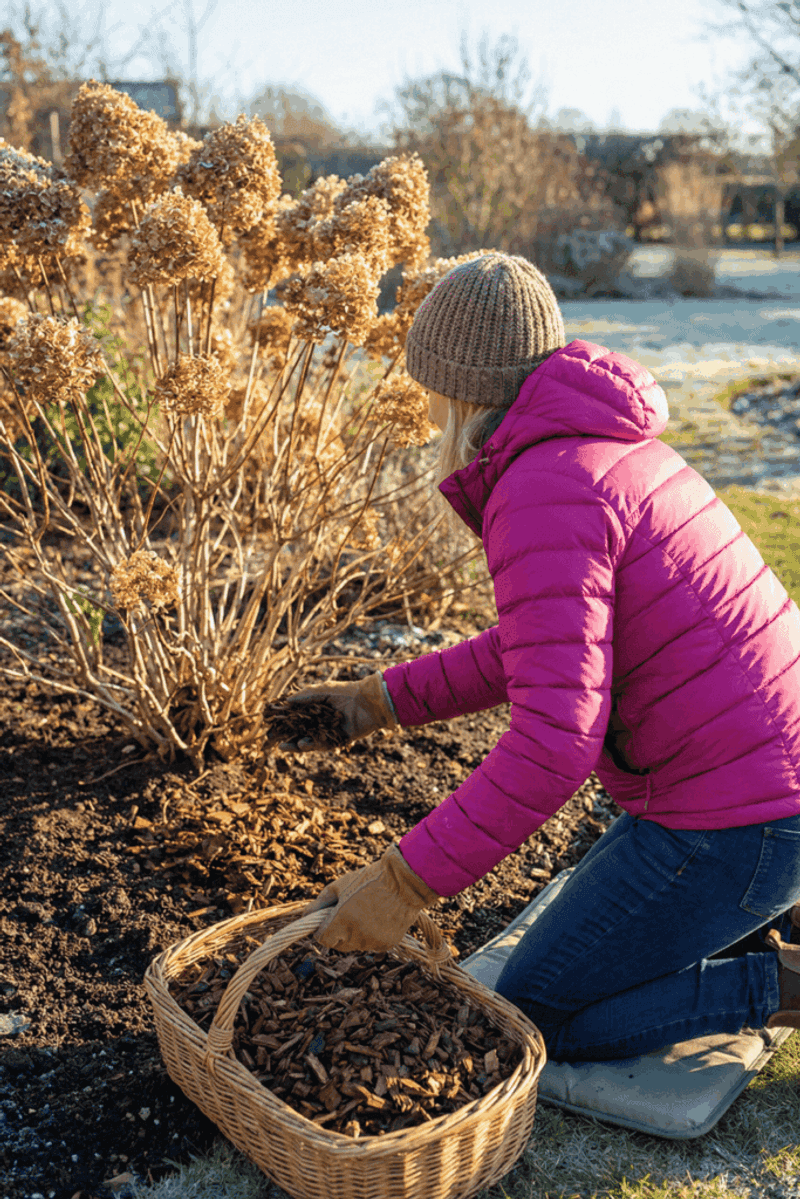
All those leaves piling up on your lawn are a free gift. Run them over with a mower a couple of times, and you’ve got one of the best mulches around for hydrangeas.
Mulch acts like a lid on a pot. It slows evaporation, so the moisture you worked hard to put in the soil stays there longer.
It also keeps soil temperatures steadier. That helps reduce frost heaving, when repeated freezing and thawing pushes plant roots up out of the ground, a problem that’s common with young shrubs planted in fall.
Aim for a layer about 2 to 4 inches deep spread out to the drip line. Pine needles, shredded bark, or wood chips work well too.
Keep the mulch a few inches away from the stems. Piling it against the bark can hold too much moisture there and invite rot or hungry voles looking for a cozy winter home.
Many experts suggest adding the final layer after the soil starts to cool, often in late fall. That way the ground has time to chill naturally, and the mulch keeps it steady from there.
Come spring, simply pull it back a bit to let the soil warm up.
Potted Hydrangeas Need Water And Shelter Before Deep Freezes
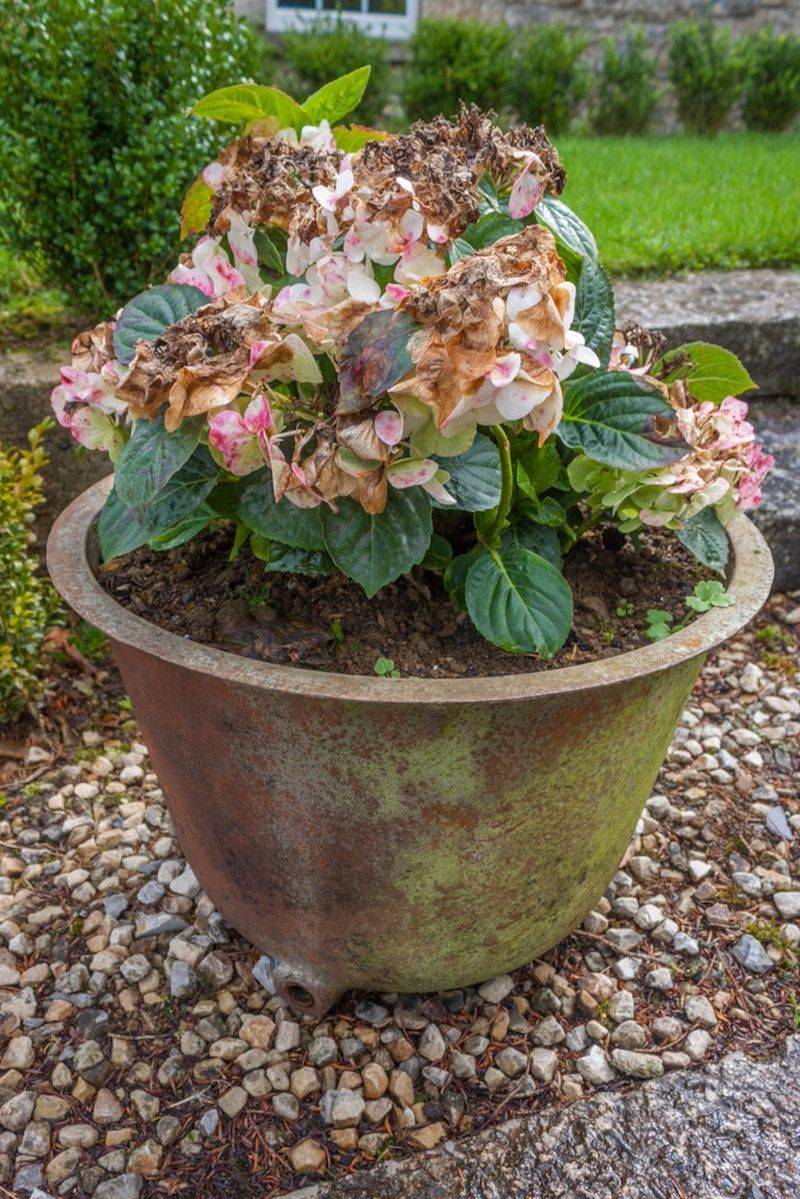
A hydrangea in a pot is far more exposed than one in the ground. The soil in a container can freeze solid all the way through, and roots are less cold-hardy than stems.
A common rule of thumb says container roots handle cold like a plant rated one or two zones warmer. So a shrub that’s fine in your garden bed could struggle in a pot on the patio.
Before the first hard freeze, move containers into an unheated garage, shed, or cold basement. You want the plant to stay dormant, so a warm living room isn’t the answer.
Water potted hydrangeas well before moving them. Then check every few weeks through winter and add a small drink if the soil feels dry.
No garage? Group pots together against a sheltered wall, out of the wind, and pile shredded leaves or straw around them. Wrapping the pots in burlap or bubble wrap adds extra insulation.
Ceramic and terracotta pots can crack when wet soil freezes and expands. Plastic or fiberglass containers handle the cold better.
Bring them back outside gradually in spring after the risk of hard frost passes, usually around mid-May in much of upstate.
Pick The Right Hydrangea For Your New York Zone
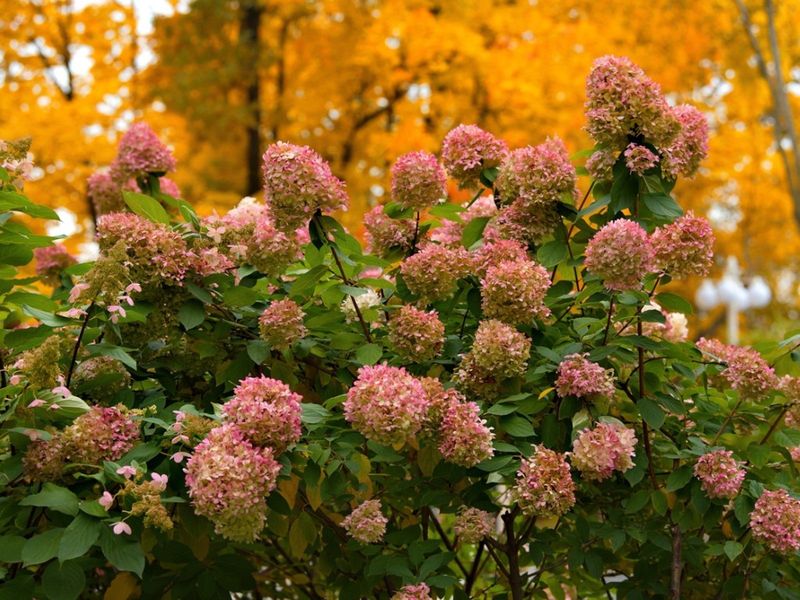
After a few winters of fussing over fussy shrubs, I’ve come to a happy conclusion. The easiest winter care starts with the right plant.
New York covers a lot of ground, from zone 3 pockets in the Adirondacks to zone 7 on Long Island and in the five boroughs. A plant that thrives in Brooklyn may sulk in Watertown. Check your exact zone on the USDA Plant Hardiness Zone Map by typing in your zip code.
Gardeners in colder areas can lean on panicle and smooth hydrangeas. Both are hardy to zone 3 or 4 and bloom on new growth, so a rough winter is far less likely to cost you flowers.
If you love the blue and pink mopheads, look for reblooming bigleaf types. Varieties in the Endless Summer series can flower on both old and new wood, which gives you a backup plan after a harsh winter.
Oakleaf hydrangea is another lovely pick for zones 5 and up. It brings rich fall color and peeling bark that looks great in snow.
Whatever you grow, the one thing that matters most stays the same. Water deeply until the ground freezes, and let a layer of mulch hold that moisture in place.
A little effort in November pays off in armfuls of blooms next July.