When Should You Really Start Feeding Birds for Winter in North Carolina?
Dark-eyed juncos spend their summers nesting in the high mountains and Canada, then drop into backyards like tiny gray snowbirds once the weather turns. Some folks swear these little visitors arrive right on cue with the first real cold snap.
I love that moment when a brand-new face shows up beneath the shrubs. It feels like a friend returning from a long trip, and I can’t help grinning at the window.
In North Carolina, the timing of that arrival matters more than most people realize. Birds scout for food long before frost settles in, and they remember where meals showed up. You need to be ready before they start shopping around.
When do the snacks really need to appear? The calendar answer surprised me, and it might change how you plan your fall chores this year.
1. Those Hungry Juncos Arrive Earlier Than Most Folks Expect
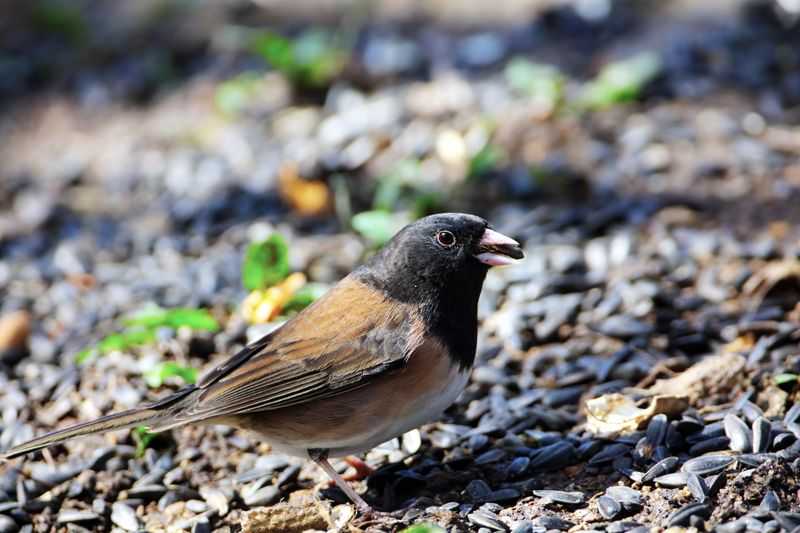
Many winter visitors start drifting into the state in October, weeks before the first hard freeze. Juncos, white-throated sparrows, and ruby-crowned kinglets are among the familiar travelers that show up during this window.
Here is what catches people off guard. Birds don’t wait for snow to start looking for reliable food. They scout neighborhoods during fall, learning which yards offer steady meals and safe cover.
If your feeders go up in January, you are late to the party. Those birds may have already settled into a routine somewhere else down the street.
Your resident birds play a role too. Cardinals, Carolina chickadees, tufted titmice, and nuthatches stay put all year, and they notice new food sources quickly. When they start visiting, their chatter and activity often draw migrants in to check things out.
Personally, I treat the first truly cool October nights as my wake-up call. I dust off the feeders, inspect the hangers, and plan my seed shopping.
Think of fall as the season when birds write their winter maps. You want your yard marked on that map as a dependable stop, so a little early effort pays off nicely when temperatures drop.
2. Fill Those Bird Feeders by Early November
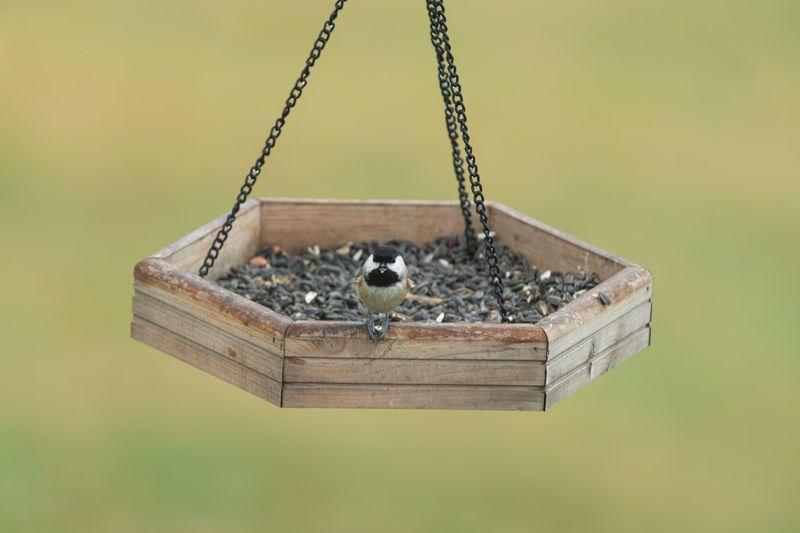
My simple rule sounds almost too easy. Get feeders hung in October and fully stocked by early to mid-November.
That timeline lines up with the main arrival of wintering sparrows and juncos across most of the state. It also gives resident birds a few weeks to discover your setup before cold fronts start rolling through.
Regional differences matter a bit here. In the mountains, cold weather shows up sooner, so starting in early October makes sense where bears aren’t a concern. Down on the coast, winters stay milder, and mid-October to early November usually works fine.
The Piedmont sits nicely in between. Around Raleigh, Greensboro, or Charlotte, late October tends to be a sweet spot for most backyard bird lovers.
You can feed birds year-round if you enjoy it, and many people do. Feeding won’t stop healthy migrants from traveling, since daylight and instinct drive migration more than seed supply.
Your North Carolina Garden Changes Every Week. Your Plan Should Too.
Gardening in North Carolina changes quickly throughout the season. Every Friday you’ll receive a simple weekly plan showing exactly what to plant, prune, fertilize, harvest, and protect so you never miss the right timing.
Once you start, try to keep going steadily through winter. Birds can find other food if you skip a day, but cold snaps and ice storms are the moments when a full feeder helps most.
Plan to continue into early spring, when natural seeds run thin and insects haven’t fully returned yet.
3. Chickadees Swap Bugs for Seeds When the Cold Moves In
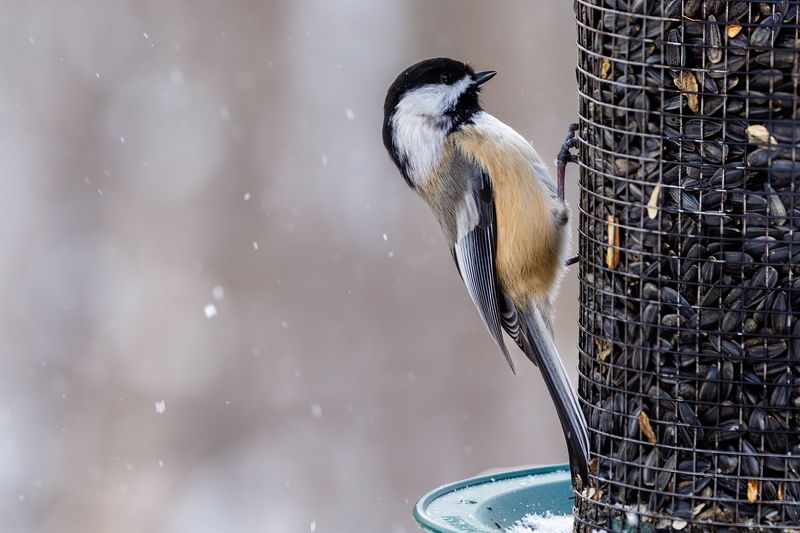
All summer long, songbirds feast on caterpillars, beetles, and spiders. Those insects deliver the protein birds need for raising young.
As fall cools things down, the bug buffet shrinks fast. Birds shift toward seeds, nuts, and berries to keep their energy up through chilly nights.
Small birds like the Carolina chickadee weigh about as much as a few coins. They burn through energy quickly, and on cold nights they rely on fat stored during the day to stay warm. Some even lower their body temperature overnight to save fuel.
Natural foods carry most of the load. Studies on chickadees show feeders usually provide only part of their daily diet, while wild seeds and hidden insects make up the rest.
Still, a dependable feeder can be a real help during ice storms or long freezes. Those are the days when seeds get buried and berries get stripped bare.
I find it fascinating to watch a chickadee grab a single seed, fly off, and tuck it into tree bark for later. That caching habit means your offerings may feed birds even on days you don’t see them visiting.
4. Black Oil Sunflower Seed Wins Over the Most Birds
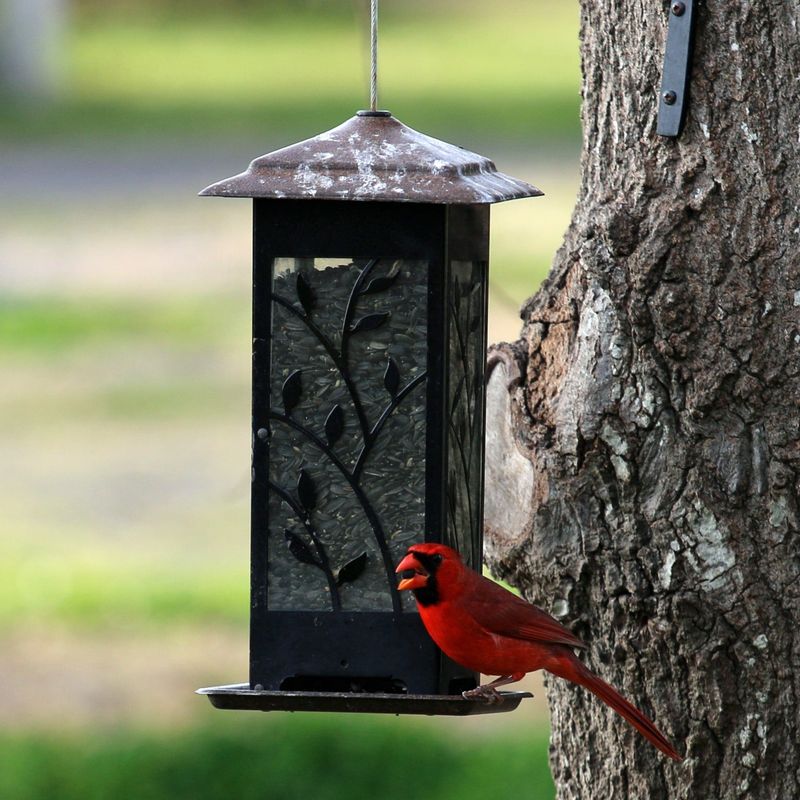
Cheap birdseed mixes often look like a bargain until you notice the pile on the ground. Fillers like red milo and wheat get tossed aside by many backyard songbirds.
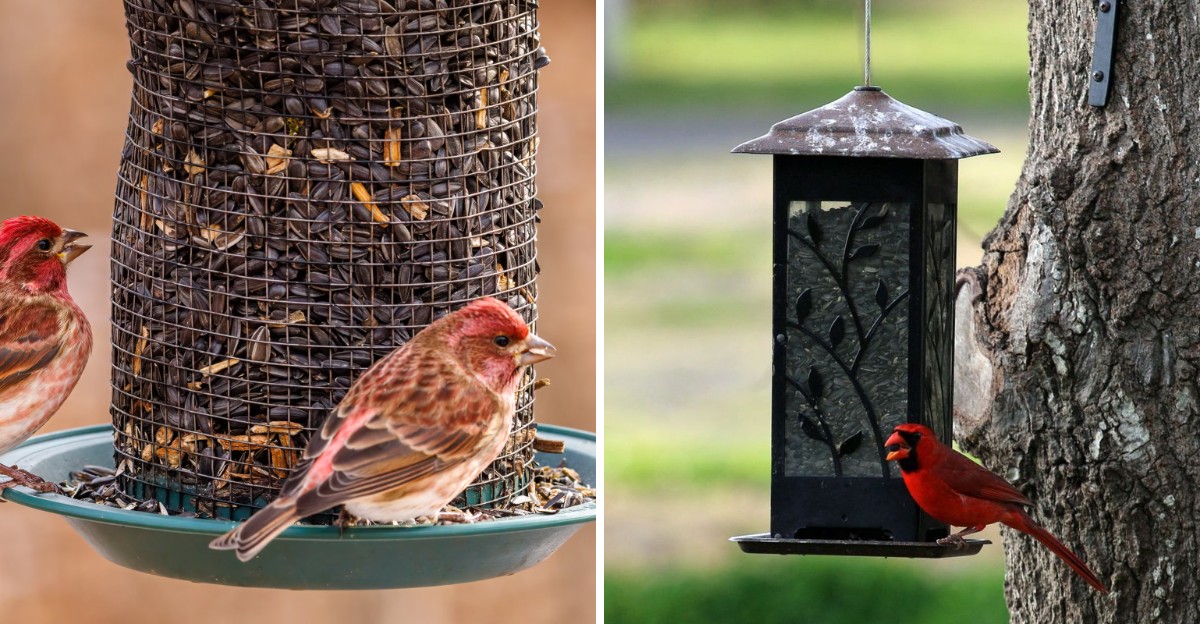
Black oil sunflower seed is the crowd favorite. Its thin shell and rich oil content make it easy to crack and full of energy, so cardinals, titmice, chickadees, finches, and nuthatches line up for it.
Suet is another winter star. Woodpeckers, nuthatches, Carolina wrens, and even bluebirds will visit a suet cake, especially on frosty mornings. Cooler weather keeps suet from softening, which makes winter a great time to offer it.
Goldfinches and pine siskins adore nyjer seed in a fine-mesh or tube feeder. Siskins show up in big numbers some winters and barely at all in others, so enjoy them when they come.
Ground feeders like juncos, sparrows, and mourning doves happily pick up white millet scattered on a tray near shrubs.
Safflower seed is handy if grackles or squirrels hog the feeders. Cardinals enjoy it, while many pushy visitors seem less interested. Fresh seed matters, so buy amounts you can use within a few weeks.
5. Place Your Feeder Where Songbirds Feel Safe
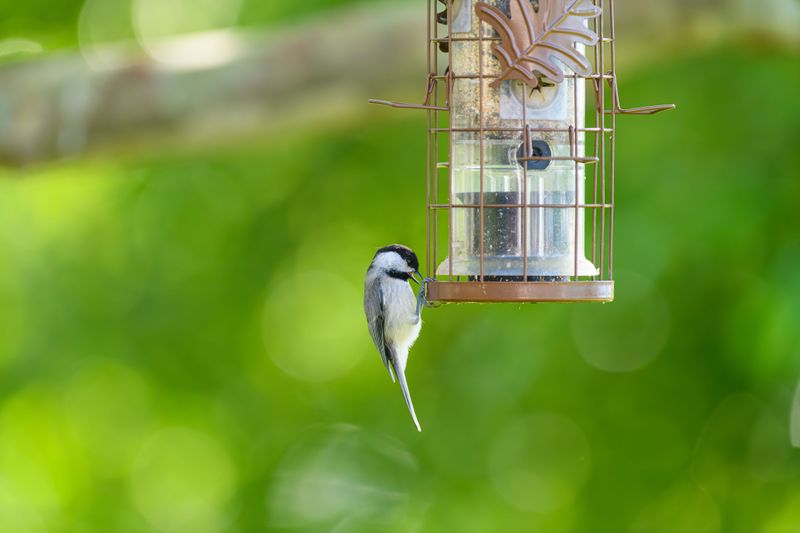
Location can make or break your feeding station. A great seed choice won’t help much if birds feel exposed while eating.
Small birds like a quick escape route. Placing feeders about 10 to 12 feet from dense shrubs or evergreens gives them cover from hawks while limiting hiding spots for cats.
Windows are a real hazard. Experts suggest placing feeders within about three feet of glass, where birds can’t build up dangerous speed, or more than 30 feet away. Decals or screens on the glass help even more.
A pole-mounted feeder with a baffle slows squirrels and raccoons. Height of around five feet works well for most setups.
Spread feeders out a bit too. Crowding many birds into one small spot can increase squabbles and the spread of illness.
I also think about my own comfort. A feeder visible from the kitchen table gets watched daily, and that means I notice right away when seed runs low.
Winter refills are easier when the path stays short and dry. Large-capacity feeders mean fewer trips outside on raw, drizzly mornings.
6. Dirty Feeders Can Make Finches Sick
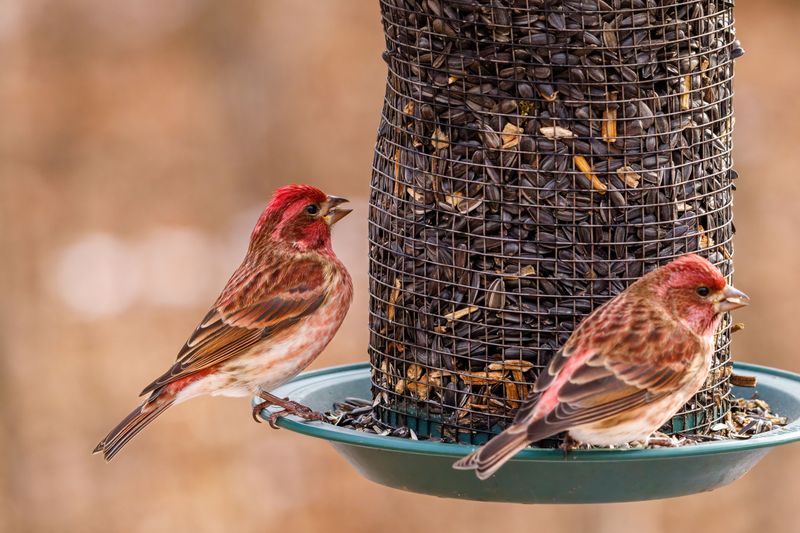
Nobody enjoys scrubbing a crusty feeder. Still, this chore protects the very birds you hope to help.
Moldy seed and droppings can spread salmonellosis and house finch eye disease. Infected finches may have swollen, crusty eyes and act sluggish around feeders.
The North Carolina Wildlife Resources Commission recommends cleaning feeders regularly. Scrub away debris, soak them for about ten minutes in a solution of one part bleach to nine parts water, then rinse and dry thoroughly before refilling.
I aim for every two weeks, and sooner after rainy spells. Wet seed clumps quickly, and our humid winters can encourage mold.
Rake up spilled hulls beneath feeders too. Old seed piles attract rodents and can harbor germs.
If you spot a sick bird, take feeders down for a week or two. Clean everything well before putting them back, which encourages birds to spread out.
Wear gloves and wash your hands afterward, since salmonella can affect people as well. Keeping a dedicated brush just for feeders makes the job faster and keeps kitchen tools out of the mix.
7. Black Bears Love Bird Feeders Too
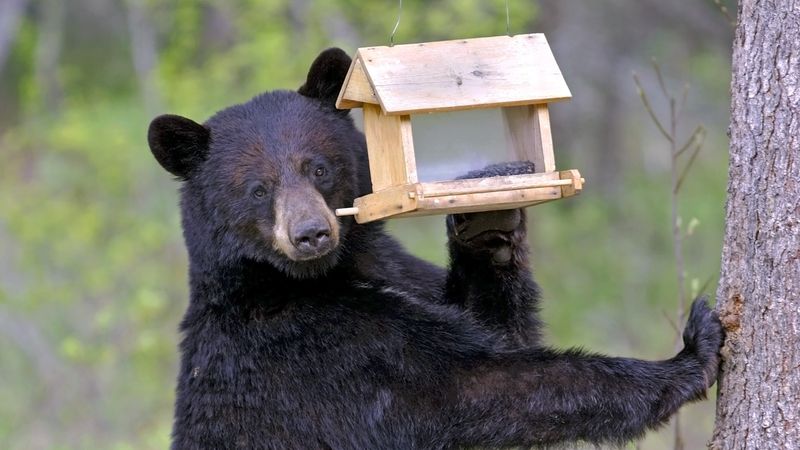
Out in the western mountains, birdseed attracts more than chickadees. Black bears have excellent noses, and a feeder full of sunflower seed is basically a high-calorie snack bar.
Bears roam much of the state, from the mountains to parts of the coastal plain. They are most active from spring through fall, though some stay out during mild winters.
Buncombe County has rules against feeding bears, including negligent feeding through attractants like bird feeders. Check local ordinances wherever you live, since rules can vary.
The state wildlife agency recommends removing feeders if bears are active nearby. Many folks in bear country wait until bears settle in for winter, often around December, before hanging feeders.
Bring feeders in at night if needed, and clean up spilled seed. A bear that learns to raid yards may become a bigger problem over time.
Raccoons, rats, and deer can also visit seed piles. Baffles and tidy feeding areas help reduce those uninvited guests.
For me, it comes down to respect. Feeding birds should help wildlife, not pull bears into risky situations close to homes.
8. Native Holly and Wax Myrtle Feed Birds All Winter
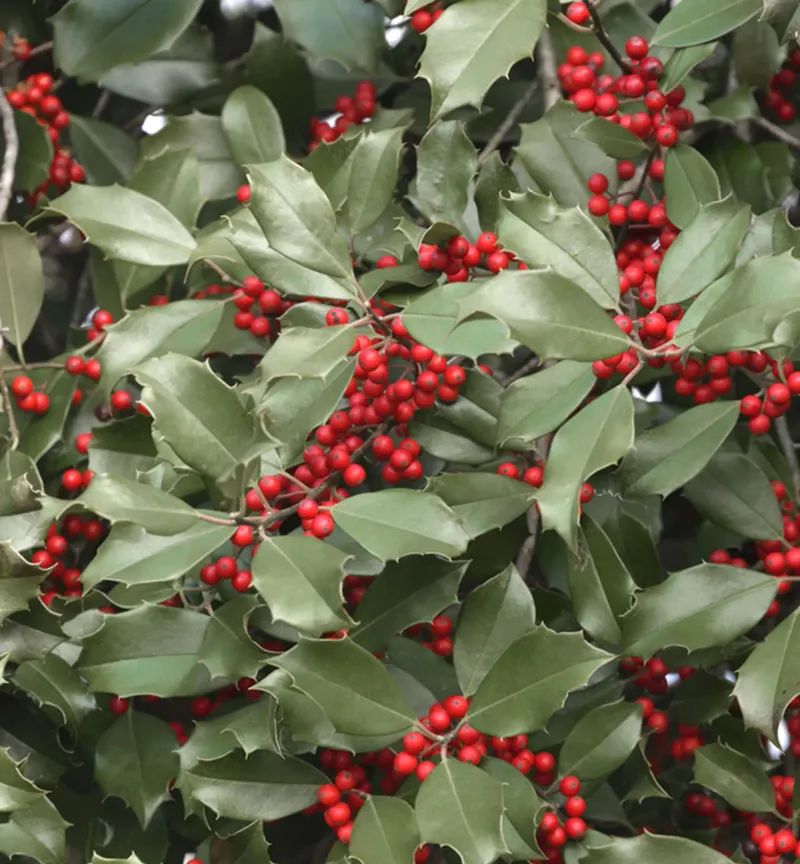
Feeders are lovely, but plants do the heavy lifting. A yard with native shrubs and trees offers food, shelter, and nesting spots with very little extra work.
American holly holds red berries into winter, and cedar waxwings, robins, and mockingbirds eagerly strip them. Southern wax myrtle offers waxy berries that yellow-rumped warblers can digest, a rare talent among songbirds.
Eastern red cedar, native viburnums, and beautyberry also feed hungry birds. Evergreens give cover from icy wind and sharp-eyed hawks.
Skip invasive plants like Bradford pear, Chinese privet, and nandina. Nandina berries can even harm cedar waxwings when eaten in large amounts.
Water matters just as much as food. A shallow birdbath, kept fresh and ice-free, draws birds that might ignore your seed entirely.
Leaving some leaves and seed heads in garden beds helps too. Coneflowers and native grasses provide seeds, and leaf litter shelters insects that wrens and thrushes hunt.
My best advice is simple. Start feeders in October, keep them clean, watch for bears, and plant natives this fall so next winter your yard feeds birds on its own.