Virginia Gardeners, Get Your Thanksgiving Cactus Ready To Bloom This November
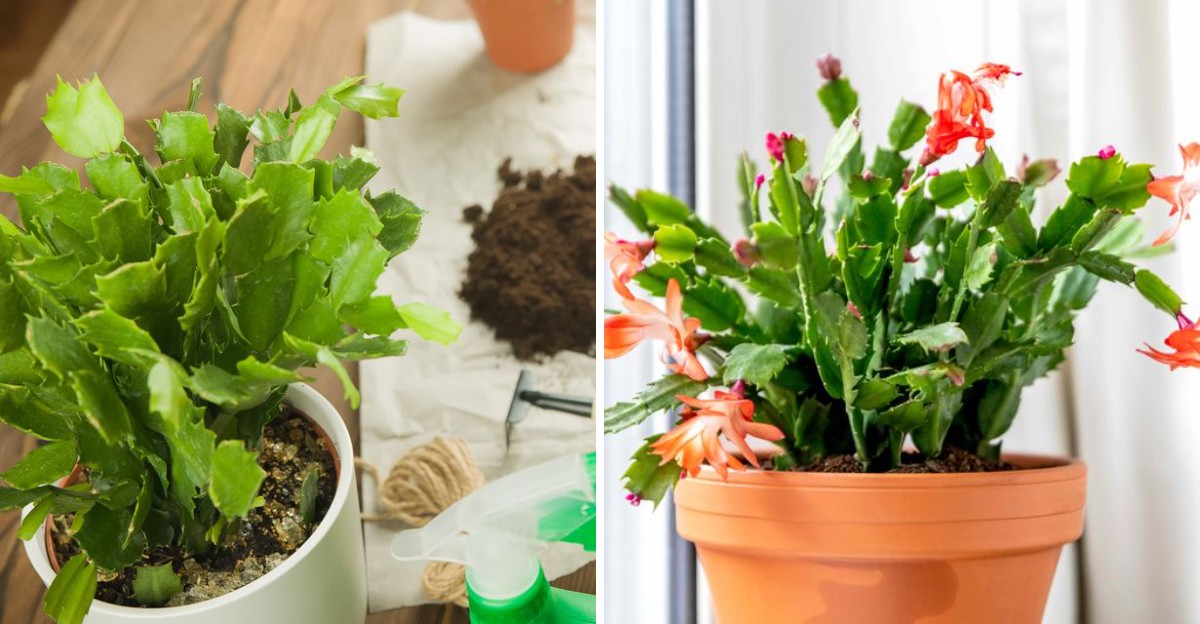
A rainforest plant that grows on tree branches in Brazil can flower in your living room right on cue for turkey day.
Its trigger is not water or fertilizer. Darkness is the secret switch.
I love that this plant reads the calendar better than most of us do. Long fall nights and cool air tell it to set buds, and it listens closely.
Here in Virginia, our autumn already offers much of what it craves. The tricky part is our cozy homes, with lamps glowing late and furnaces humming.
Personally, I think the best holiday decorations are the ones you grow yourself. You need only a few weeks of smart timing and a little patience to get there.
So how dark should those nights be, and when should you start counting?
1. Long Fall Nights Are The Secret Signal Behind Those Cactus Buds
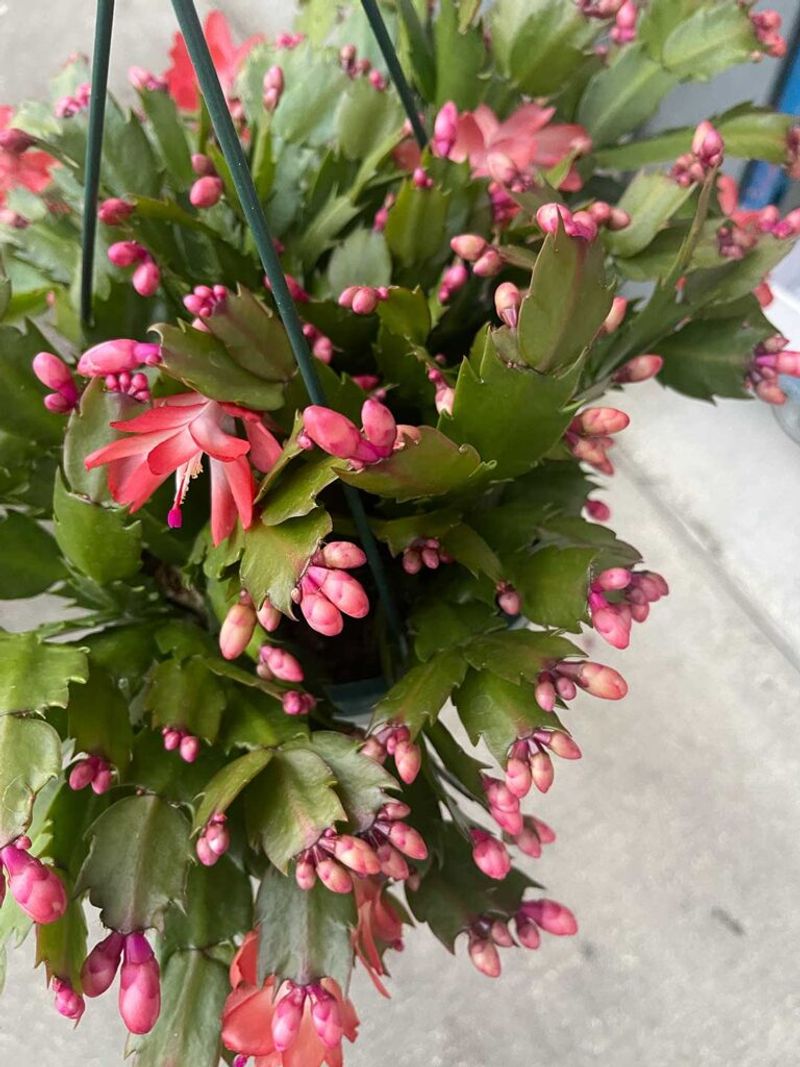
Your Thanksgiving cactus is basically a living light meter. Plant scientists call it a short-day plant, which really means it responds to long nights.
University extension experts explain that flower buds form when the plant gets about 12 to 14 hours of steady darkness each night. That routine needs to last around six weeks.
A stray lamp, a porch light through the window, or a glowing TV can reset the clock and stall your blooms.
For November flowers, start the dark routine by late September or early October. A spare bedroom that nobody uses at night works nicely.
A closet or a cardboard box placed over the plant each evening also does the job.
I set a phone reminder for this, because forgetting just a few nights adds up. Uncover the plant each morning so it still gets bright daylight during the day.
Once you spot tiny buds at the tips of the flat stem segments, you can relax a bit. The plant has received its message.
From there, it mostly needs steady care to finish the job.
Fun fact: Christmas cactus follows a similar rule, but its slower timing pushes flowers about a month later.
2. Cool Virginia Nights Can Nudge Your Holiday Cactus Into Bloom
Chilly air does more than make you reach for a sweater. It also tells your holiday cactus that flowering season has arrived.
Extension guides note that night temperatures between about 50 and 55 degrees can encourage buds, even when nights are not perfectly dark. Days around 65 to 70 degrees keep the plant comfortable.
That gap between day and night copies the cool mountain forests where its ancestors grow in Brazil.
Many Virginia gardeners take advantage of early fall weather. A shaded porch or patio in September gives the plant natural cool nights and long evenings.
Just watch the forecast closely.
Bring the plant indoors before nights drop below about 50 degrees, and well before any frost. Frost arrives in the mountains and Shenandoah Valley much earlier than in Hampton Roads, so timing varies across the state.
Indoors, a cool spare room or an unheated sunroom works well. Keep the pot away from heat vents, fireplaces, and drafty doors.
Your Virginia Garden Changes Every Week. Your Plan Should Too.
Gardening in Virginia changes quickly throughout the season. Every Friday you’ll receive a simple weekly plan showing exactly what to plant, prune, fertilize, harvest, and protect so you never miss the right timing.
I have learned that sudden temperature swings frustrate these plants more than steady coolness ever does. Aim for calm, consistent chill rather than a rollercoaster of warm and cold.
3. A Lighter Hand With The Watering Can Helps Set Flower Buds
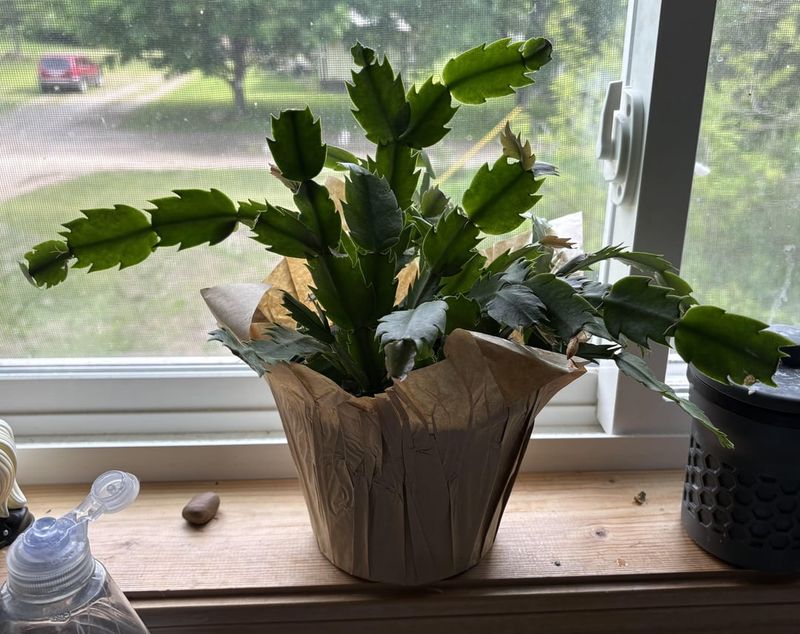
Picking up the watering can less often might feel strange, but your cactus will thank you. In early fall, a slight dry spell helps the plant shift from growing leaves to making flowers.
During the weeks before buds appear, let the top inch or so of soil dry before watering again. Do not let the whole pot turn bone dry for long periods, though.
This is a tropical plant, not a desert dweller.
When buds form, return to steady moisture. Water thoroughly until it drains out the bottom, then empty the saucer.
Roots sitting in a puddle can rot quickly.
A simple finger test works better than any schedule. Push your finger into the soil, and if it feels dry at the first knuckle, it is time.
Pot choice matters too. A container with drainage holes is a must, and a loose mix with perlite or bark keeps roots breathing.
Also pause fertilizer in late summer. Feeding during bud season can push leafy growth instead of flowers.
I usually stop feeding in August and pick it back up in spring.
4. Bright Window Light Keeps Those Flat Green Stems Strong
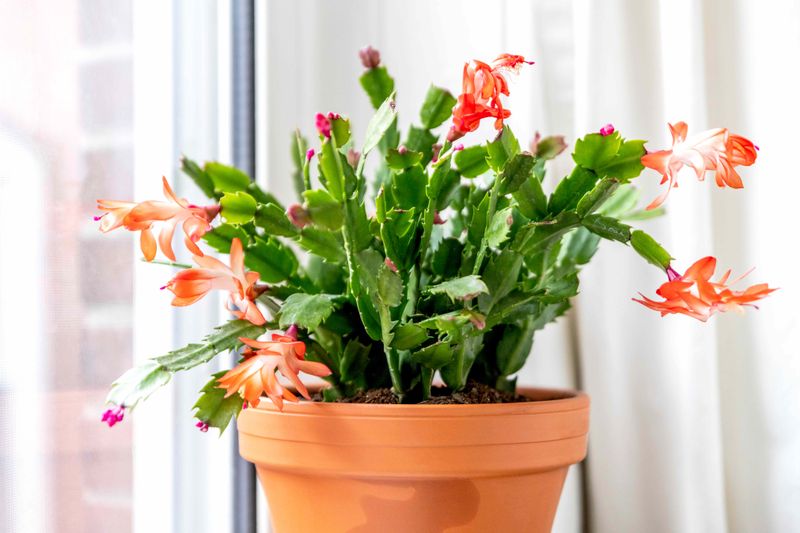
Daylight fuels the whole flowering show. Even though nights must be dark, days should be bright.
An east-facing window is a favorite spot for many growers. It offers gentle morning sun without the harsh afternoon heat.
A south or west window can work if a sheer curtain softens the light.
Watch the stem segments for clues. A reddish or purplish tint often signals too much direct sun or chilly roots.
Pale, stretched stems usually mean the plant wants more light.
Remember that you are juggling two needs at once. Bright days and fully dark nights.
A room with a good window that nobody visits after sunset is the golden ticket.
Here is a trick I like. Keep the plant in its sunny spot by day, then slide a box over it at dinnertime.
Rotating the pot every week or two helps the plant grow evenly, but stop turning it once buds show. Buds sometimes drop when they suddenly face a new direction.
Think of that as the plant asking you to leave it alone for a while.
5. Dropped Cactus Buds Usually Point To One Sudden Change
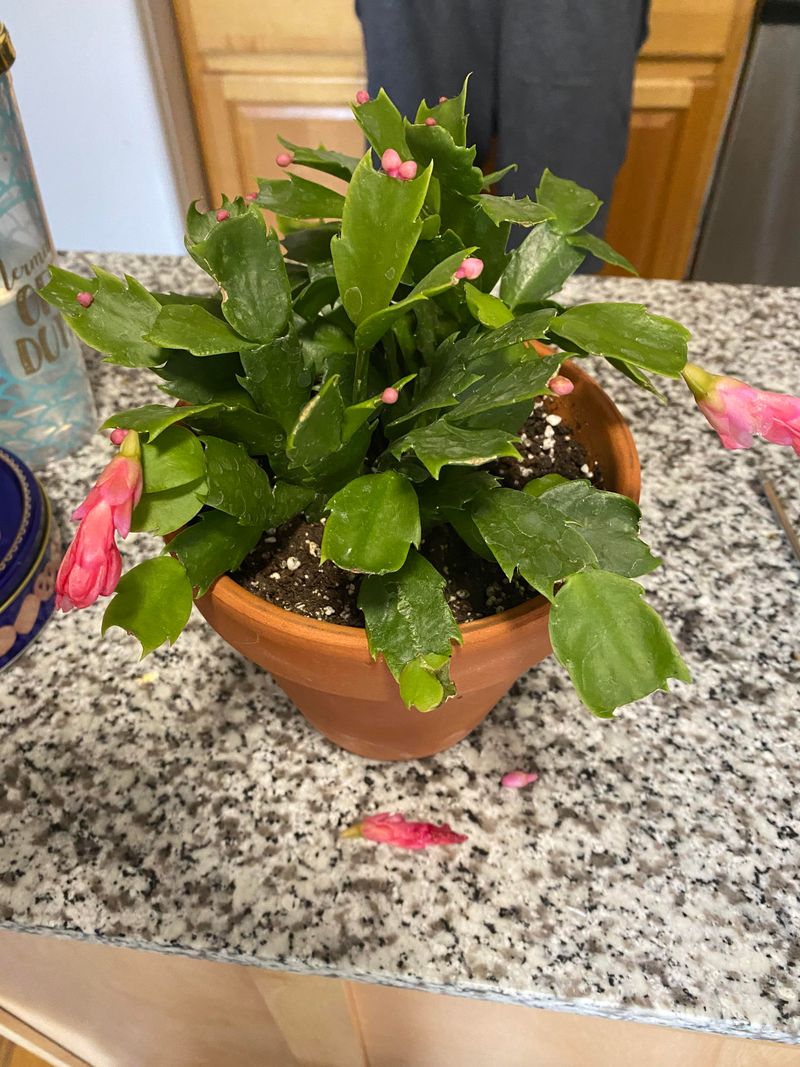
Few things sting like finding pink buds scattered across the windowsill. Bud drop is the most common complaint about these plants, and it usually has a clear cause.
Sudden changes top the list. Moving the plant to a new room, a blast of heat from a vent, or a cold draft from an opening door can all trigger it.
Big swings in watering cause trouble too.
Store-bought plants often drop a few buds after the trip home. The new spot has different light and temperature.
Give them time and stable conditions.
Dry indoor air plays a role once the furnace kicks on. Virginia homes can get quite dry in late fall.
A tray of pebbles and water under the pot adds a little moisture nearby, as long as the pot sits above the water line.
Here is my quick checklist when buds fall. Was it moved, did it get too hot, did it go too dry, or did it get soaked?
Most of the time, one of those answers fits. Fix it, keep things steady, and the remaining buds often open just fine.
6. Pointy Leaf Edges Tell You It Is Really A Thanksgiving Cactus
Plenty of folks own a holiday cactus without knowing which one it is. The answer affects when it flowers, so it is worth a quick look.
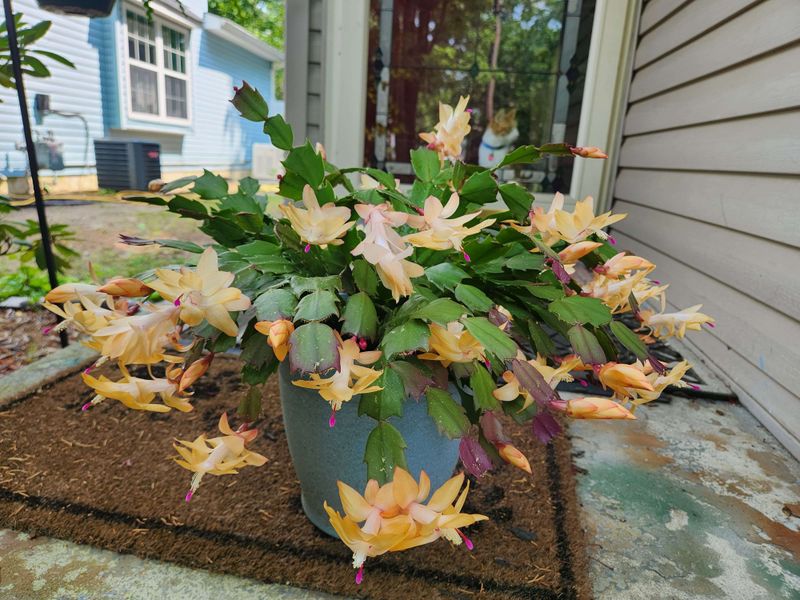
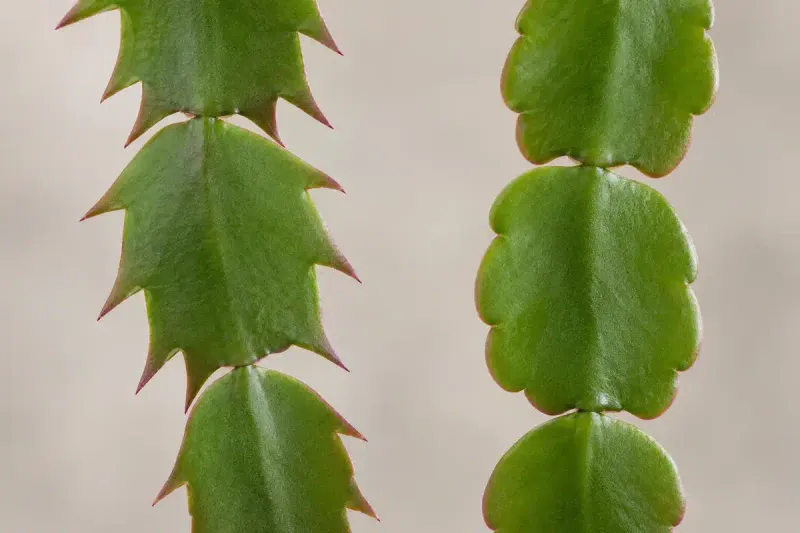
Thanksgiving cactus, known as Schlumbergera truncata, has stem segments with sharp, claw-like points along the edges. Some people call it crab cactus for that reason.
Christmas cactus has smoother, rounded scallops.
Flower details help too. Thanksgiving cactus pollen sacs are typically yellow, while the Christmas type tends to carry purplish brown ones.
Timing follows the species. Thanksgiving types usually bloom in late October through November.
Christmas types arrive about a month later, and Easter cactus is a separate plant that flowers in spring.
Most plants sold in stores in fall are actually Thanksgiving cactus or hybrids, even when the tag says Christmas. That surprised me the first time I checked my own.
So if your plant has pointy edges and you followed the dark-night routine, November flowers are a fair goal. If the edges are rounded, expect your show closer to December.
Either way, the care steps stay mostly the same.
7. Snug Pots Suit These Rainforest Cacti Just Fine
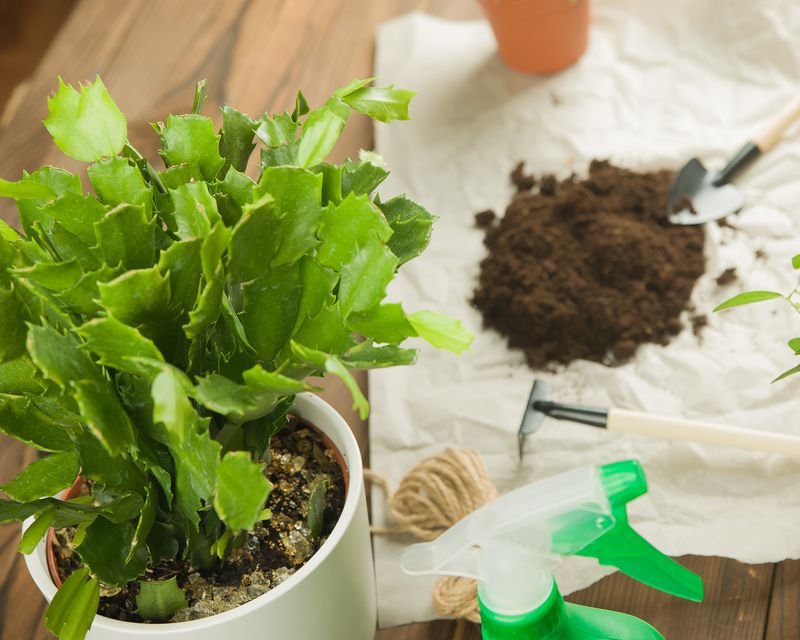
Some houseplants beg for bigger pots every year. Holiday cacti are not among them.
In the wild, these plants cling to tree branches and mossy rocks. Their roots are used to tight, airy spaces.
A slightly crowded pot often encourages better blooming.
Repotting every two to three years is usually plenty. Look for roots poking out of drainage holes or soil that dries out within a day or two.
Those signs say it is time.
Spring is the best season for this job, after flowers finish. Avoid repotting in fall, since the disturbance can upset bud formation right when you want it most.
Go up only one pot size. A container that is too large holds extra water, and soggy soil invites root rot.
For mix, a blend of regular potting soil with perlite or orchid bark works well. Cactus mix is fine, too, especially with a bit of added organic matter.
Clay pots dry faster than plastic, which I appreciate during our humid Virginia summers. Just water a touch more often in winter when indoor air turns dry.
8. Trim And Share Your Cactus After The Last Flower Fades
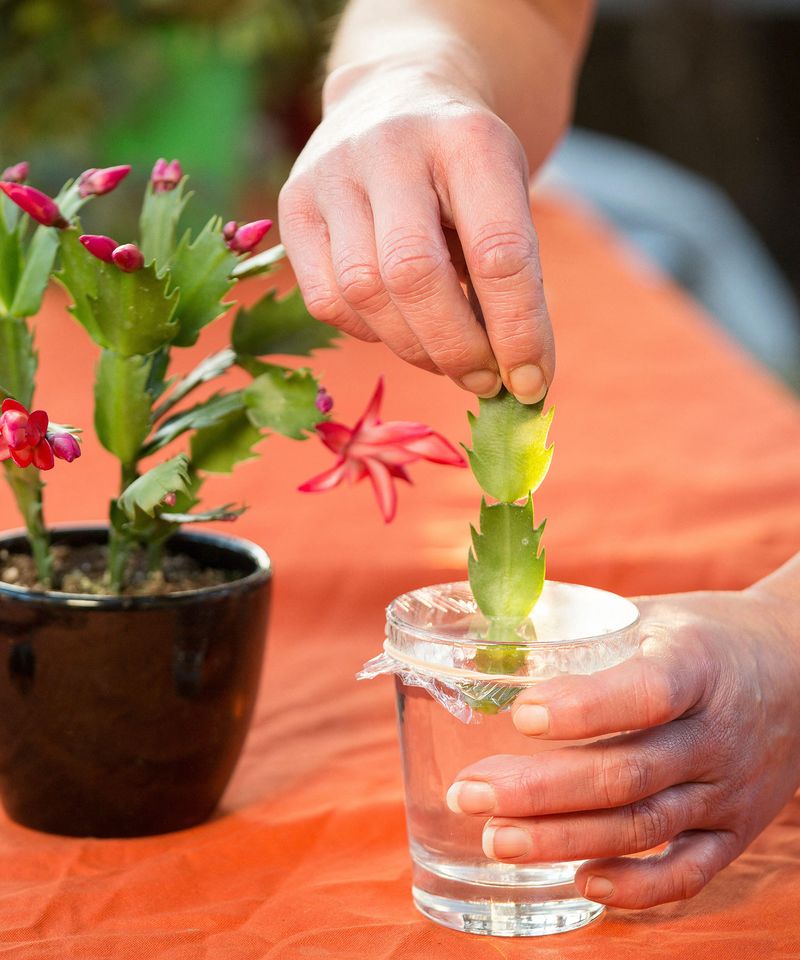
Once the final bloom drops, the fun is not over. This is your chance to shape next year’s display.
Give the plant a short rest through winter with lighter watering. In spring, pinch or twist off a segment or two at the tips of long stems.
That encourages branching, and more branch tips mean more places for flowers next fall.
Those pieces make easy new plants. Let cuttings of two or three segments sit out for a day to form a callus.
Then tuck them upright into slightly moist potting mix.
Roots usually form within a few weeks. Keep the soil lightly damp and the cuttings in bright, indirect light.
I love passing these little starts along to friends and neighbors. Many families have holiday cacti handed down for generations, and some plants live for decades with basic care.
Summer can be spent outdoors in shade across most of Virginia. Then, as September nights cool, you can restart the darkness routine.
Mark your calendar now, and next November your windowsill could be glowing again with fresh color.