Clever Ways to Use the Mint Growing in Your North Carolina Garden
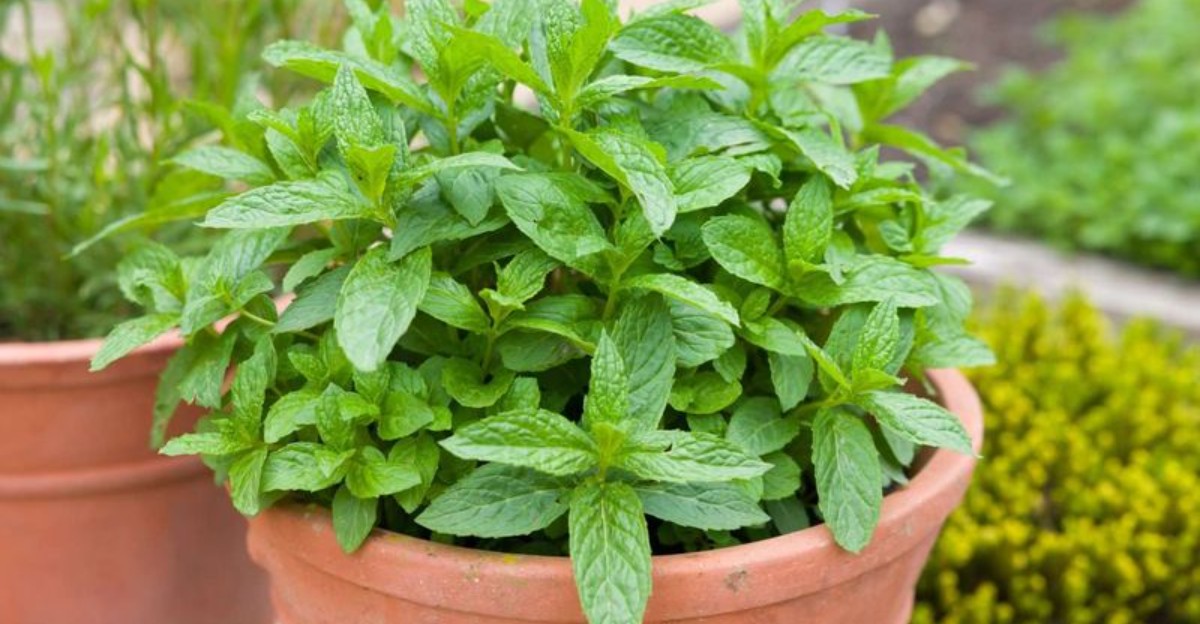
The sneaky herb in my back bed has square stems, and you can feel four corners with your fingertips. Those odd stems belong to a plant family that also includes basil, rosemary, sage, and even lavender.
North Carolina hosts 13 of roughly 20 known species of one native wildflower cousin, and pollinators adore them. Meanwhile, the garden version sneaks underground, sending runners that pop up several feet away by next summer.
I have to admit, I once planted a single sprig beside my tomatoes and lost the whole border to it. You might be wrestling with a similar patch, as cool October nights across North Carolina slow its growth.
So what should you actually do with a plant that refuses to stay in its lane? I believe the smartest answer is to put every extra leaf to work in your kitchen and home.
1. Fresh Mint Leaves Brighten A Pitcher Of Sweet Iced Tea

Southern sweet tea gets a cool, grassy lift when you bruise a handful of spearmint and drop it in. I swear the first sip on a warm October afternoon tastes like the porch swing of my childhood.
Spearmint works best here because it carries less menthol than peppermint, so the flavor stays mellow and sweet. Peppermint can taste sharp and almost medicinal in a big pitcher, though some folks love that bold kick.
For a gallon, steep your black tea bags first, then add about a cup of loosely packed mint leaves. Let the leaves sit for ten minutes while the tea is still warm, then strain them out before chilling.
Leaving the leaves in overnight sounds tempting, yet they often turn the tea slightly bitter and a little murky. A short steep pulls out the bright oils without dragging along the grassy, tannic notes from older stems.
Pick your sprigs in the morning after the dew dries, since the leaves hold their oils well at that time. Choose the tender top few inches of each stem, and the plant will branch out and stay bushy.
October is a smart month for one last generous harvest before frost knocks the tops back in many regions. Mountain gardens may see frost sooner, while coastal plants often keep producing leaves well into late fall.
Personally, I like to add a few lemon slices with the mint for a pitcher that disappears fast. Your guests will probably ask for the recipe, and you can smile and point toward that unruly garden bed.
2. Homemade Mint Pesto Swaps In For Fading Basil
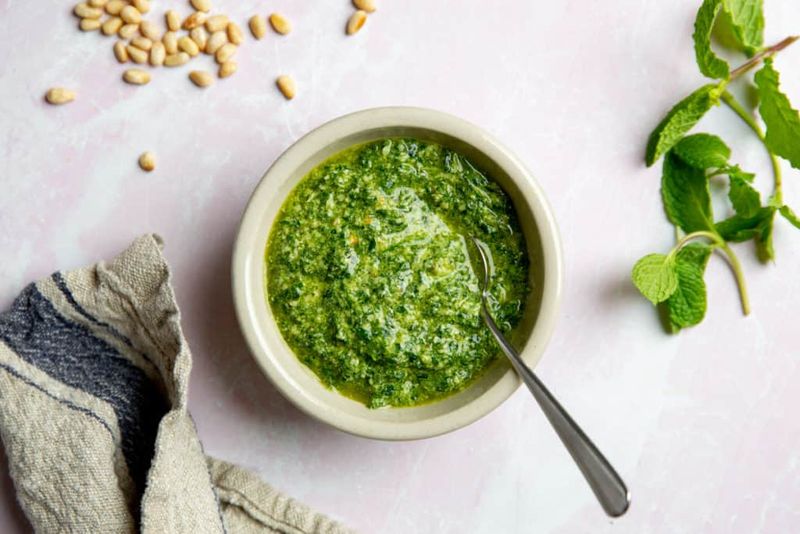
Basil gets all the pesto glory, but mint makes a zippy green sauce that tastes like springtime in a jar. My first batch happened by accident when frost took the basil and the mint bed kept right on growing.
Mint shrugs off cool fall weather much better than basil, which sulks once nights dip below fifty degrees. That toughness makes October the perfect month to turn your leftover leaves into a freezer stash of sauce.
Blend two packed cups of mint with a handful of parsley, a garlic clove, and some toasted nuts. Walnuts or almonds work nicely, and pecans add a Southern twist that pairs well with roasted vegetables.
Stream in olive oil slowly while the processor runs, then add grated Parmesan and a squeeze of lemon. The lemon juice helps keep the color bright green instead of the dull olive shade mint pesto can turn.
Toss it with warm pasta for an easy weeknight meal, or spoon it over roasted sweet potatoes instead. North Carolina leads the nation in sweet potato production, so that pairing feels right at home on local tables.
Freeze extra pesto in ice cube trays, then pop the frozen cubes into a labeled zipper bag. Each cube makes a single serving, and the flavor holds up surprisingly well for several months in the freezer.
I like using mostly spearmint for pesto, since peppermint can overpower the garlic and nuts quickly. A blend of half mint and half parsley is a gentle starting point if your family is unsure.
3. Chopped Mint Livens Up A Crisp Apple And Pear Salad
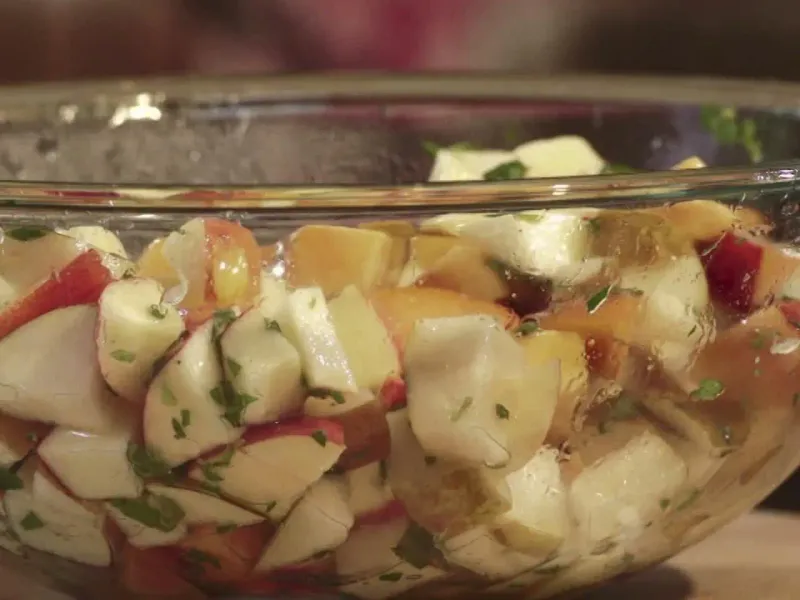
Crisp apples and chopped mint make a fall salad so fresh it practically crunches back at you. North Carolina ranks among the top apple-growing states, and October is peak picking time in the mountains.
Head to a roadside stand for Honeycrisp or Pink Lady apples, then grab a few ripe pears too. The sweet fruit balances mint’s cool bite, and the colors look lovely piled into a big wooden bowl.
Slice the fruit thin and toss it right away with lemon juice so the cut edges stay creamy white. Next, stack a dozen mint leaves, roll them like a tiny cigar, and slice them into thin ribbons.
Chefs call that ribbon cut a chiffonade, and it keeps the delicate leaves from bruising and turning dark. Use a sharp knife, since a dull blade crushes the leaves instead of slicing them cleanly.
A drizzle of honey and a sprinkle of toasted pecans finish the dish without hiding the fruit. Crumbled feta adds a salty twist if you want the salad to work as a light lunch.
Add the mint just before serving, because the ribbons wilt fast once they meet lemon juice and honey. Leftover salad still tastes fine the next day, though the mint softens and loses some of its sparkle.
I love how this bowl uses up both the apple haul and the mint that keeps spreading. Your picky eaters may surprise you, since the sweet fruit makes those green flecks far less suspicious.
4. Homemade Mint Jelly Simmers Into Pretty Glass Jars
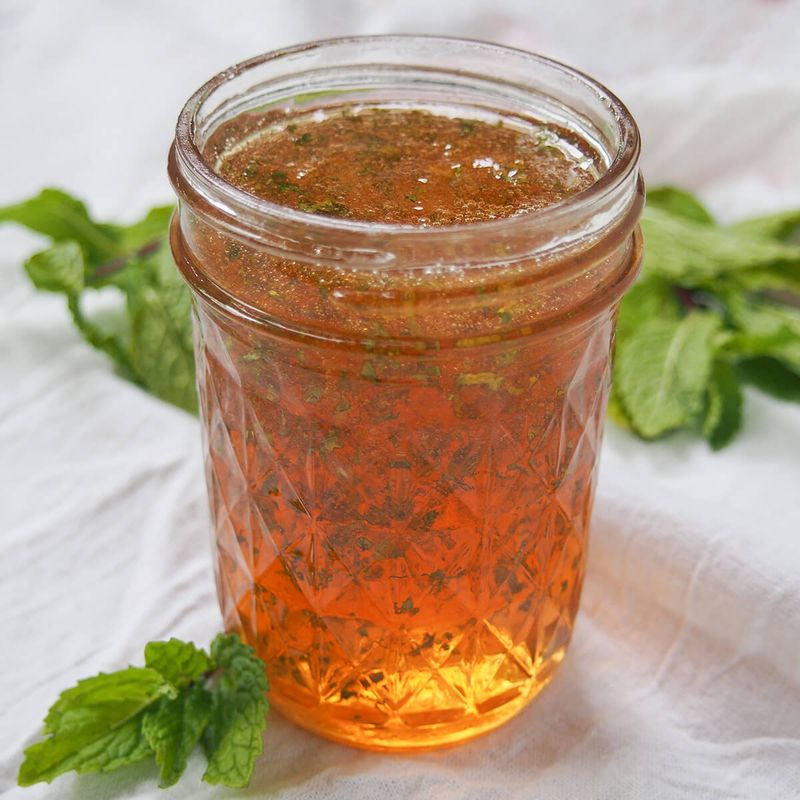
Grandma’s mint jelly earned its spot beside Sunday lamb, and homemade versions taste far better than store jars. I love how the kitchen smells while it simmers, like a cool breeze drifted in through the window.
Most homemade recipes start with a strong mint infusion made by pouring boiling water over chopped fresh leaves. Let that mixture steep for about an hour, then strain it through a fine mesh sieve or cheesecloth.
The infusion gets combined with sugar, a splash of vinegar or lemon juice, and powdered or liquid pectin. Follow a tested recipe closely because jelly sets properly only when the sugar and acid ratios stay balanced.
Store-bought versions often get their famous neon color from food dye, but yours may look pale gold. A drop of green coloring is optional, and plenty of cooks happily skip it for a natural look.
For shelf-stable jars, process them in a boiling water bath using guidance from the National Center for Home Food Preservation. NC State Extension also offers free canning resources and classes through many county offices across the state.
Beyond lamb, mint jelly tastes wonderful on cream cheese and crackers or swirled into a bowl of oatmeal. Some folks even brush it over roasted carrots during the last few minutes in the oven for a glossy finish.
Small jars tied with ribbon make thoughtful holiday gifts, and October gives you plenty of time to prepare. Your neighbors will likely be impressed, especially those who only know the bright green grocery store version.
5. Bundles Of Mint Hang To Dry For Winter Tea
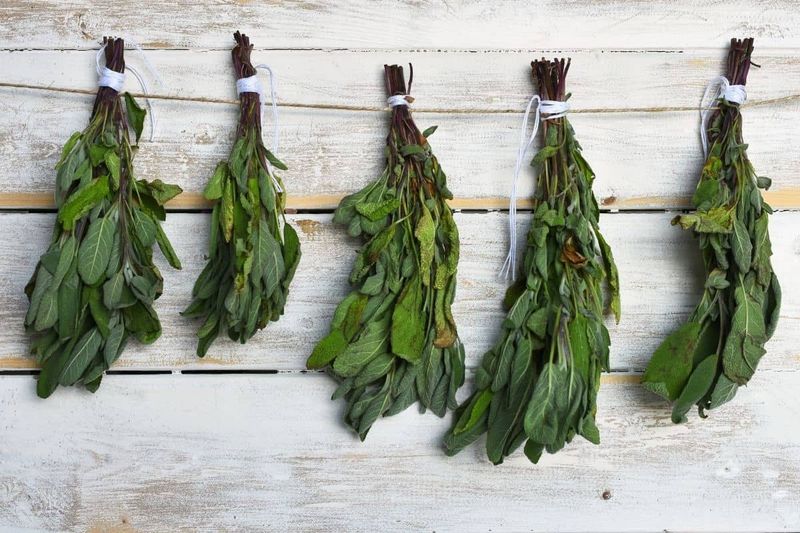
Every bundle of mint hanging upside down in my kitchen feels like a little savings account for winter. When January winds rattle the windows, those crumbly leaves turn into a steaming mug of summer memories.
October is prime time for this project, since cool weather is coming and plants still hold plenty of leaves. Cut stems in mid-morning, rinse off any dust, and pat them dry with a clean kitchen towel.
Tie small bunches with twine and hang them in a dark, airy spot away from direct sunlight. Thick bundles can trap moisture and grow mold, especially during humid spells common in the Piedmont and coast.
A food dehydrator speeds things up, and the lowest setting usually protects the delicate oils in each leaf. Most batches feel crisp and crumble easily within a day or two, depending on leaf size and humidity.
Strip the dried leaves from the stems, but keep them whole until brewing to hold more flavor. Store them in airtight glass jars in a cool cupboard, and label each jar with the variety and date.
Dried mint often tastes best within about a year, so plan to use up older jars before next fall. A heaping teaspoon of crushed leaves per cup of hot water makes a soothing, caffeine-free evening drink.
Personally, I mix dried spearmint with a pinch of chamomile for a cozy bedtime blend on chilly nights. Dried mint also shines in Middle Eastern dishes, where cooks sprinkle it over lentil soups and yogurt sauces.
6. Fresh Mint Leaves Frozen Inside Clear Ice Cubes
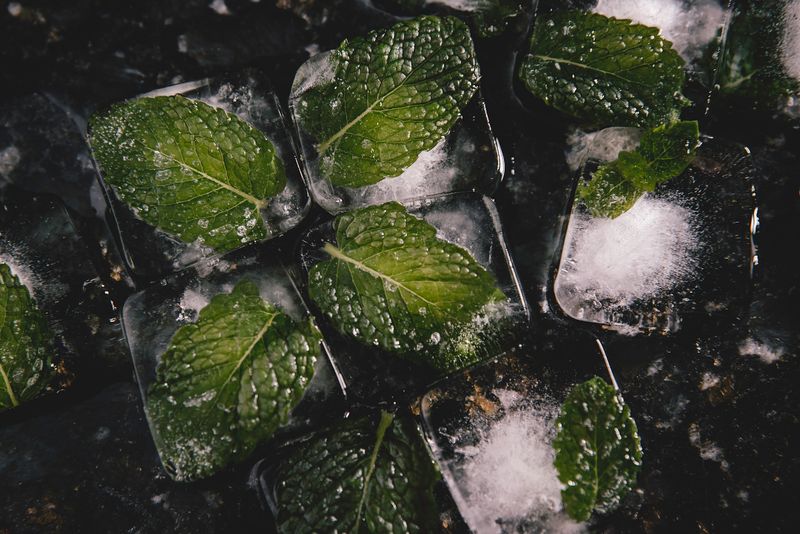
A clear ice cube with a tiny mint leaf frozen inside looks fancy, yet it takes about two minutes. I started making them for a backyard party and now keep a bag tucked in my freezer year-round.
Fill an ice cube tray halfway with water, add a small leaf or two, and freeze until solid. Top off each cube with more water and freeze again, which keeps the leaves centered instead of floating.
Boiled and cooled water often gives clearer cubes, since boiling releases some of the trapped air bubbles. Clear cubes show off the leaves beautifully, though cloudy ones still taste exactly the same in your glass.
For a fruity twist, add a blueberry or a thin strawberry slice beside each mint leaf before freezing. Kids love finding the hidden treasures as the cubes melt in lemonade or plain sparkling water.
Another clever trick is freezing chopped mint covered in olive oil, which works great for cooking later. Drop a cube into a pan of sauteed peas or a pot of lentil soup for instant fresh flavor.
Freezing rescues your harvest before cold weather arrives, especially if you garden in the colder mountain counties. Higher elevations often see the first frost in October, while warmer coastal areas may wait until November or later.
Store finished cubes in a sealed freezer bag so they do not absorb odors from frozen fish or onions. You might notice the leaves darken slightly over time, but the cool, bright flavor usually holds up nicely.
7. Potted Mint Beside The Patio Door Greets Every Guest
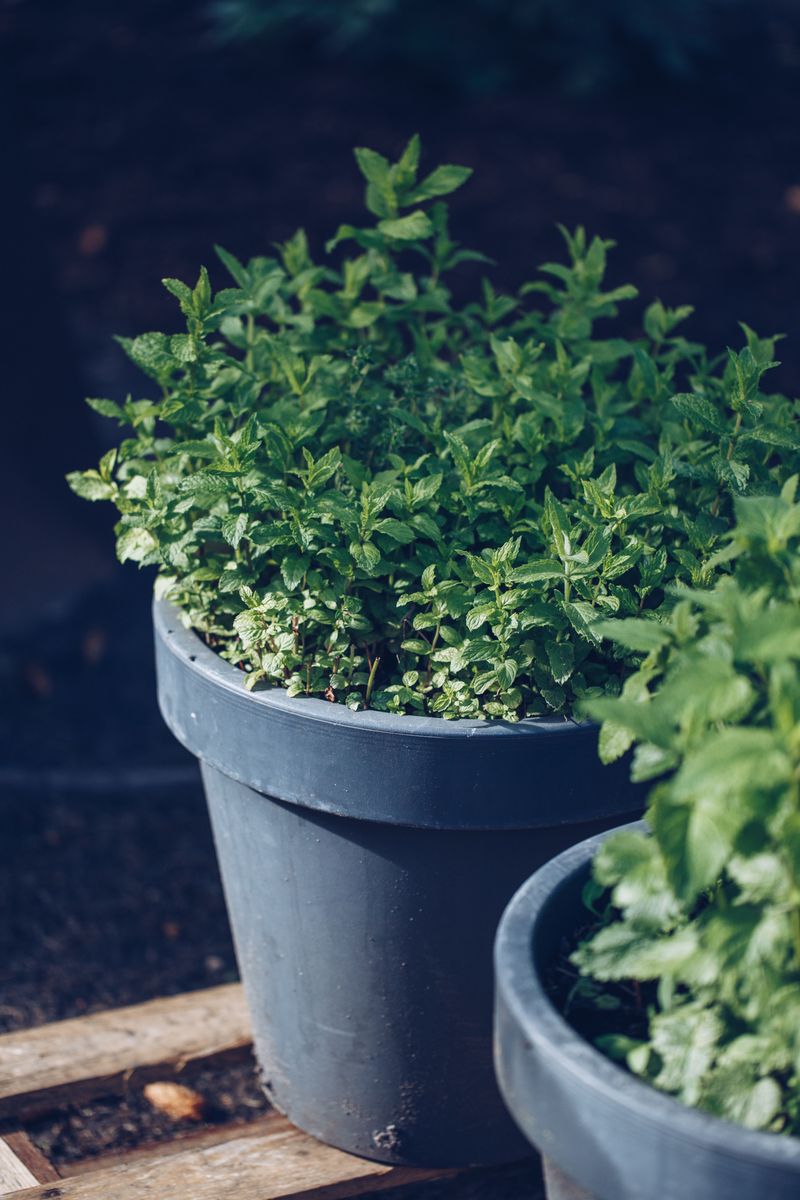
Brushing past a pot of mint by the back door releases a burst of scent that wakes me right up. That fragrance comes from oils stored in tiny glands on the leaves, and touching them sets the aroma free.
Many gardeners believe potted mint near outdoor seating helps discourage mosquitoes and flies from hanging around your chairs. Research on live plants is limited, so think of the effect as a modest bonus rather than a guarantee.
Rubbing a crushed leaf on your skin may offer brief protection, though it wears off within a short time. For serious mosquito seasons, extension experts recommend EPA-registered repellents and dumping standing water around your yard each week.
Containers solve mint’s biggest problem, since its underground runners cannot escape and take over nearby flower beds. Choose a pot at least twelve inches wide with drainage holes, and fill it with quality potting mix.
Set the container on pavers or a stand, because roots can sneak out the bottom holes into soil. In October, water less often, since cooler air keeps the mix damp longer and soggy roots invite trouble.
Yellowing lower leaves often signal too much water rather than too little, especially as fall temperatures drop. Let the top inch of soil dry slightly before watering again, and empty any saucers that collect runoff.
I love how a pair of mint pots frames a doorway with soft green color through most of fall. Clay pots can crack during hard freezes, so consider moving them against a sheltered wall later this season.
8. Crushed Mint Sprigs Tucked Around Fall Cabbage And Collards
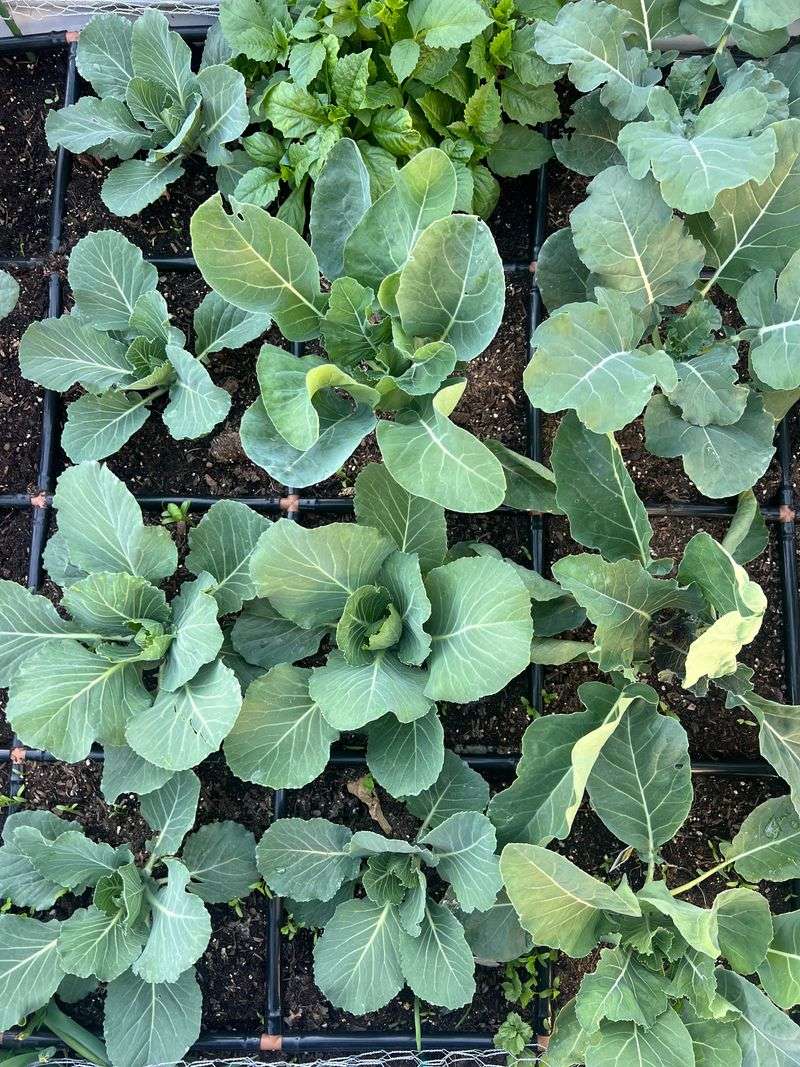
Cabbage white butterflies flutter around fall broccoli like they own the place, and their green caterpillars chew big holes. Laying crushed mint sprigs around your brassicas may confuse those butterflies, since scent helps them find host plants.
Fall is prime brassica season across much of the state, with collards and kale thriving in cooler air. Those crops attract hungry caterpillars well into autumn, so a little extra protection can really make a difference.
Harvest a handful of mint stems, crush them gently in your hands, and scatter them between the rows. Refresh the sprigs every few days, because the scent fades as the leaves dry out in the sun.
Studies on mint as a companion plant show mixed results, so treat this trick as one helpful layer. Pairing it with lightweight row covers and hand-picking caterpillars gives your greens a much better shot at staying intact.
Notice I said crushed sprigs, not live plants, because rooted mint will spread aggressively into your vegetable bed. Cuttings give you the aroma without the takeover, and they break down into the soil over time.
Check the undersides of leaves for tiny pale eggs, which cabbage white butterflies lay one at a time. Squishing eggs early keeps the caterpillar population low before the young larvae start munching through your collards.
Personally, I find this chore oddly relaxing, since the garden smells amazing every time I walk the rows. Your collards for a holiday dinner might look a lot better with this simple, fragrant habit in place.
9. A Warm Mug Of Fresh Peppermint Tea Soothes The Stomach
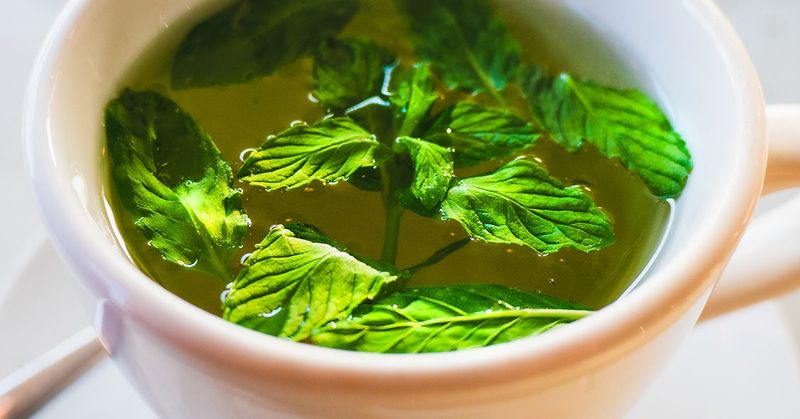
Peppermint has been sipped for upset stomachs for centuries, and modern research gives that old habit some real support. Studies show peppermint oil can ease symptoms of irritable bowel syndrome by relaxing smooth muscles in the gut.
A fresh-leaf tea is much gentler than concentrated oil capsules, but many people still find it soothing after meals. I reach for a mug after big holiday dinners, and the warm minty steam feels calming all by itself.
To brew, place about ten fresh leaves in a cup and pour hot water over them right away. Cover the mug for five to ten minutes so the aromatic oils stay in your tea instead of escaping.
Spearmint tea works too and tastes sweeter, which makes it a friendly choice for folks who dislike strong flavors. Peppermint is a natural hybrid of spearmint and water mint, which explains why the two share so many traits.
People with heartburn or acid reflux should be careful, since peppermint can relax the valve above the stomach. That relaxation may let acid creep upward, so talk with a doctor if you notice burning after drinking.
Breathing in the steam may also feel refreshing when your nose is stuffy from fall allergies or colds. The menthol creates a cooling sensation, though it does not actually clear mucus the way many people assume.
Rinse fresh leaves well before brewing, especially if pets or wild critters wander through your garden beds. A tall mug of garden tea costs nothing, and you know exactly where every single leaf came from.
10. Mint Cuttings Rooting In A Glass Of Water On The Windowsill
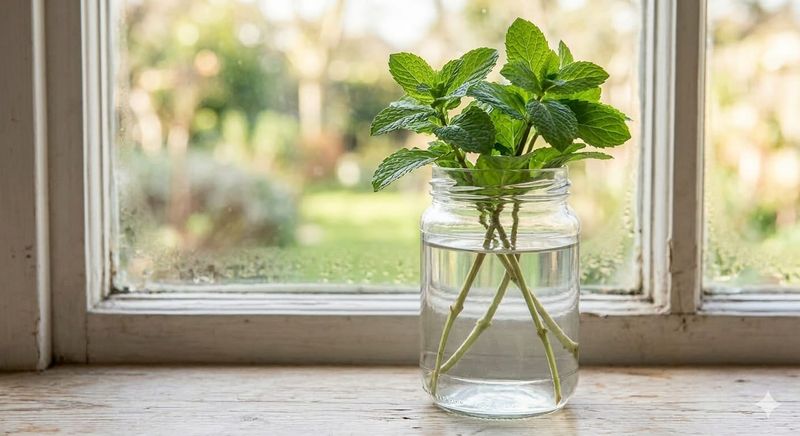
Stick a four-inch mint stem in a glass of water, and tiny white roots often appear within a week. I have to admit, watching those roots grow on my sunny kitchen windowsill is a little addictive.
Mint roots so easily because its stems carry nodes, which are bumps where leaves and new roots emerge. Strip the leaves from the bottom two inches so the submerged nodes stay clean and do not rot.
Change the water every few days to keep it fresh, and place the glass in bright, indirect light. Once the roots reach about an inch long, move each cutting into a small pot of moist potting mix.
Fall planting can work in milder parts of the state, giving young roots time to settle in before winter. In colder mountain areas, keep potted cuttings indoors on a sunny sill until spring warms the soil again.
Rooted cuttings make sweet gifts for friends or neighbors who admire your thriving herb garden. Tuck each pot into a paper bag with a handwritten tag that names the variety and gives care tips.
Remind every recipient to grow mint in a container, since one tiny plant can claim a whole bed quickly. Passing along that warning is a kind favor, and future gardeners will likely thank you for the heads-up.
Indoor cuttings also give you fresh leaves through winter for tea or a quick sprinkle on soup. Your sprawling patch suddenly becomes a generous little nursery, and that feels like a pretty clever way to share.