The Tiny Venomous Snake New Jersey Gardeners Can Miss In Mulch
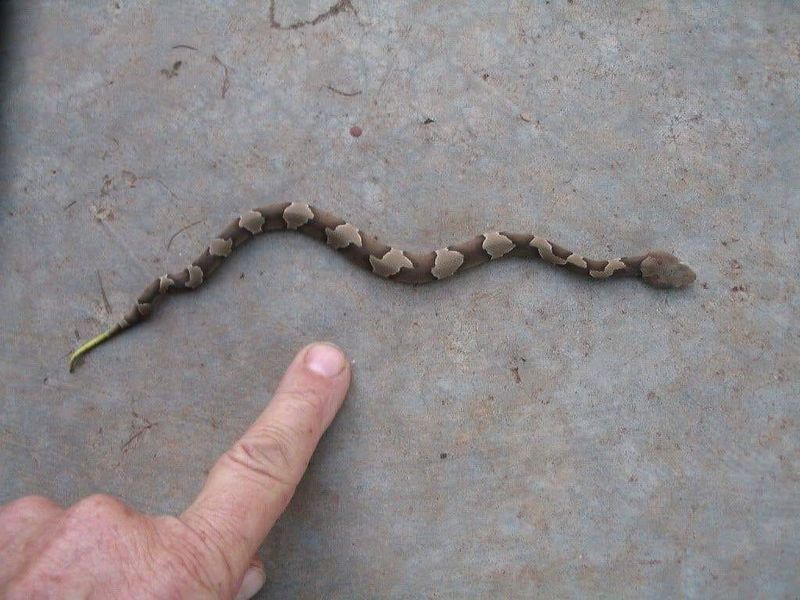
A newborn of this snake can be about as long as a pencil and still arrive with working venom and fangs. It even comes with a tail tip the color of a highlighter, which it wiggles like a worm to tempt frogs.
I learned that while spreading shredded bark around my hostas, and it changed how I garden. Those copper and tan hourglass bands blend into fresh mulch so well that a coiled baby can look like a few wood chips.
You might notice nothing at all, and that’s the point. In New Jersey, this shy native rarely starts trouble, and bites mostly happen when a hand or foot lands on one by surprise.
What is hiding in that cozy bed by your porch, and how can you work there with calm confidence? For New Jersey gardeners, the answer might be sitting closer to your trowel than you’d guess.
A Pencil-Sized Copperhead Can Hide In Plain Sight Among Wood Chips
Most garden snakes I meet are in a big hurry to leave. Copperheads take a different approach, and that habit is exactly what makes them easy to overlook. They often freeze in place and trust their camouflage to do the work.
A young copperhead measures only about 7 to 10 inches at birth, roughly the length of a new pencil. Coiled up, it can shrink to the size of a cookie.
Against shredded hardwood or pine bark mulch, those tan and copper tones blend in so well that your eyes slide right past.
That is where gardeners get surprised. You reach down to pull a weed, and what looked like a little pile of chips turns out to have a face.
Many bites in the eastern United States happen just like that, when someone touches or steps on a snake they did not see.
Size fools people too. A baby copperhead is born with fangs and venom, so small does not mean harmless. Adults usually reach 2 to 3 feet, but the little ones are the real mulch masters.
Slow down in deep, shady beds. A quick look before you reach is the simplest safety habit you can build.
Copper Skin And Hourglass Bands Give This Snake Away
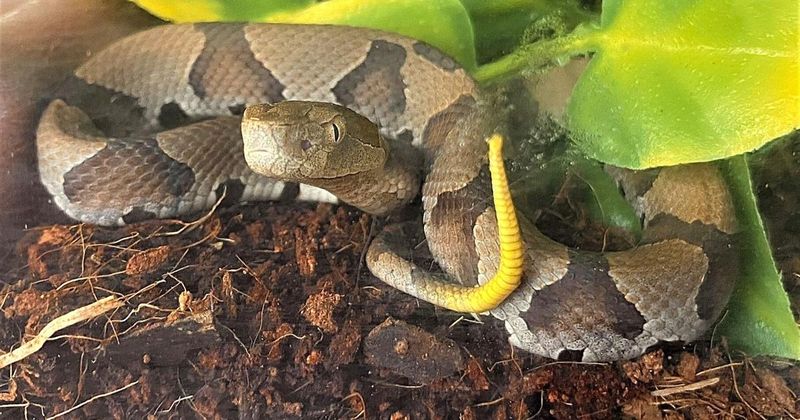
Once you learn the pattern, you will start spotting it in photos everywhere. The northern copperhead wears dark chestnut crossbands on a lighter tan, pinkish, or coppery background.
From above, each band is narrow along the spine and wide along the sides, like an hourglass.
Some naturalists describe the side view as a row of chocolate kisses. The wide base sits low on the body, and the pointed tip reaches up toward the backbone.
Most look-alike snakes have blotches or saddles instead of this neat, pinched shape. The head helps too. It is usually a plain, unmarked copper color with no busy pattern on top.
Copperheads also have vertical, cat-like pupils, though I would not recommend getting close enough to check.
Babies add one more clue. Their tail tip is bright sulfur yellow or greenish yellow for roughly the first year.
They twitch it to lure frogs, lizards, and insects within striking range, a trick called caudal luring.
Color can fade or darken from one snake to the next, so look at the whole package. Copper head, hourglass bands, and a stocky body together point to a copperhead. When in doubt, treat the snake as venomous and give it room.
Thick Gloves And A Hand Rake Outperform Bare Hands In Mulch Beds
My bare-hand mulching days ended the summer I read a few snakebite reports. The pattern was hard to ignore, since so many bites landed on fingers and hands. A pair of sturdy gloves suddenly looked like the best tool in my shed.
Choose thick leather or heavily padded gloves for spreading and fluffing mulch. Thin cotton or nitrile gloves keep dirt off but offer little protection. Pair them with closed shoes or boots, and skip sandals when you work in shady beds.
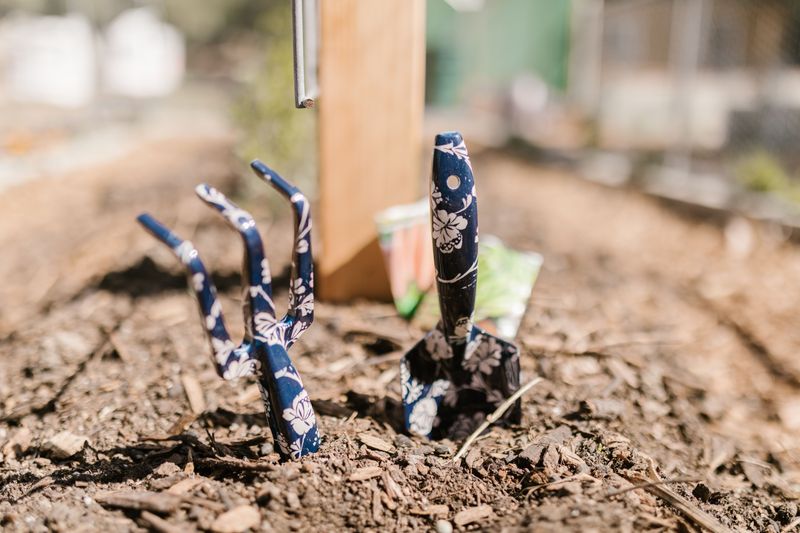
A long-handled hand rake, cultivator, or even a stick makes a great scout. Gently stir the top of the mulch before your hands go in. Most snakes slide away once they feel the disturbance and have an exit route.
Watch where you put your hands around stone edging, logs, and woodpiles too. Lift boards and rocks by tipping them away from you, so anything underneath escapes in the other direction.
A flashlight helps on warm summer evenings, when copperheads tend to be more active at night. Watering or weeding at dusk calls for extra attention along walkways.
These small habits take seconds and let you keep enjoying your garden without second-guessing every bed.
Late Summer Is When Baby Copperheads Show Up
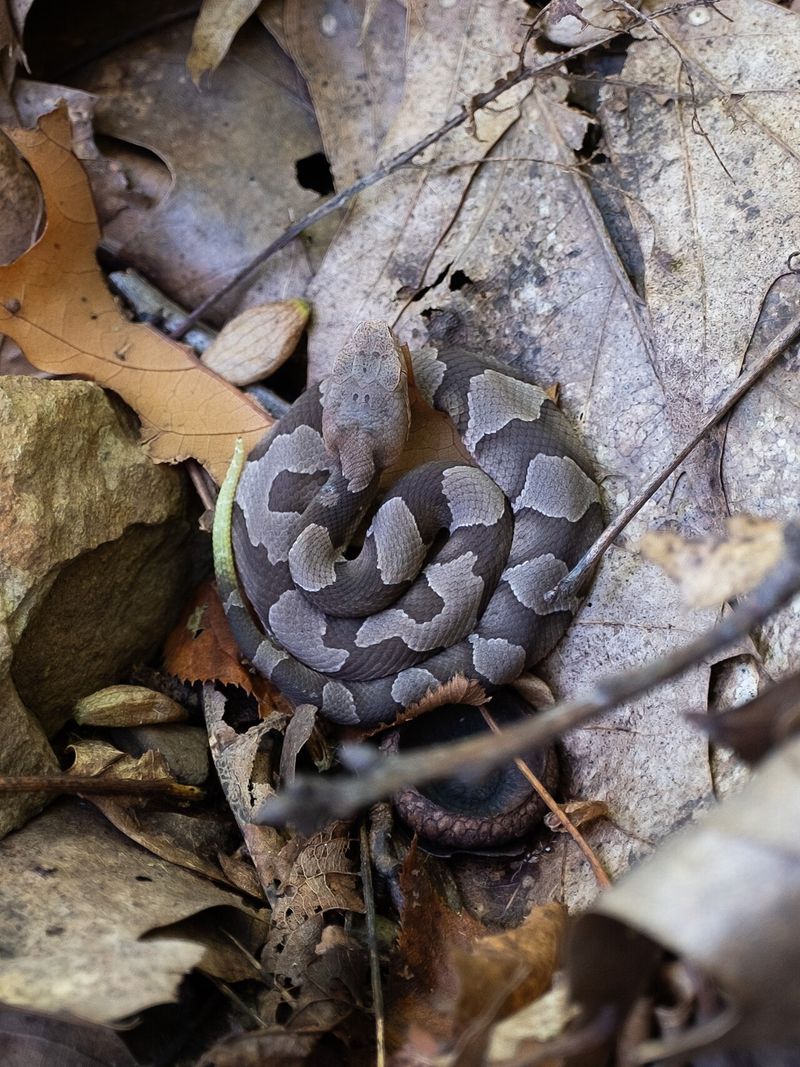
August has a sneaky side for anyone who gardens near woods. Copperheads do not lay eggs. Females give birth to live young, usually from mid-August into early October.
A typical litter holds somewhere around 3 to 10 babies, sometimes more. The newborns scatter quickly to find their own food and shelter. Leaf litter, mulch beds, and stone walls near wooded edges make tempting first stops.
That timing lines up with a busy gardening stretch. Many of us are cutting back perennials, planting fall mums, or topping up mulch around shrubs.
More hands in the beds plus more tiny snakes on the move means more chances for surprise meetings.
Adults are active too, generally from about May through October, depending on temperature. In spring they leave winter dens, often rocky crevices on hillsides, and spread out to hunt. By late fall they head back to those dens to spend the cold months together.
So keep your guard up most during late summer and early fall. Wear your gloves, scan before you reach, and pay close attention to beds that border trees or brush. Once hard frosts arrive, snake sightings drop off sharply until the next spring warm-up.
Northern New Jersey Rocky Woods Are Copperhead Country
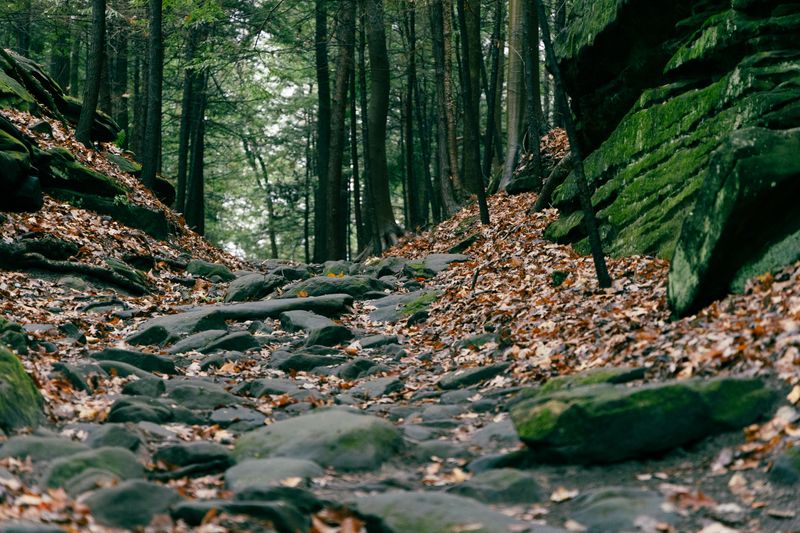
Geography matters a lot with this snake. Copperheads are not found statewide, and many gardeners will rarely or never cross paths with one. Their range is concentrated in specific parts of the state.
According to state wildlife officials, copperheads mostly live in the northern half of New Jersey.
Look to the Highlands, the Piedmont region, the Watchung Mountains, the Sourland Mountains, and the rocky Palisades along the Hudson. They are not native to the Pine Barrens or most of the southern coastal plain.
Within that range, they favor rocky, wooded hillsides with sunny openings. Stone walls, talus slopes, old foundations, and forest edges suit them well. They also use fields, wetland edges, and farmland near those woods.
Suburban yards can overlap with these habitats, especially homes backing onto wooded ridges or parks. A garden beside a rocky slope in Morris, Passaic, Sussex, Hunterdon, or Somerset County has better odds than a lawn in Cape May.
Curious about your own area? Check the NJ Division of Fish and Wildlife snake guides or your county park naturalists.
Knowing whether copperheads live nearby helps you match your caution to your real risk, without stressing over a snake that is not around.
Harmless Milk Snakes And Water Snakes Get Mistaken For Copperheads
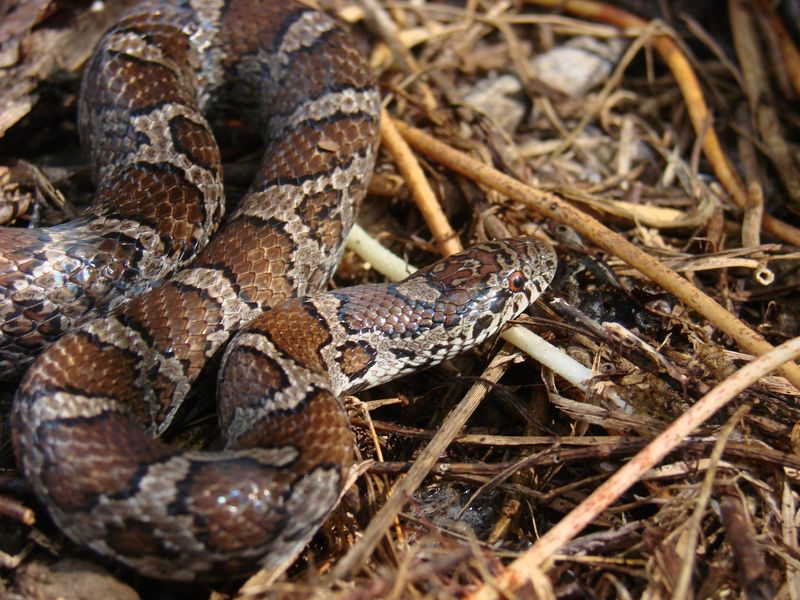
Funny thing about copperheads: plenty of reported sightings turn out to be something else. Several harmless snakes share earthy colors and bold markings. Mix-ups happen often, and these innocent snakes pay the price.
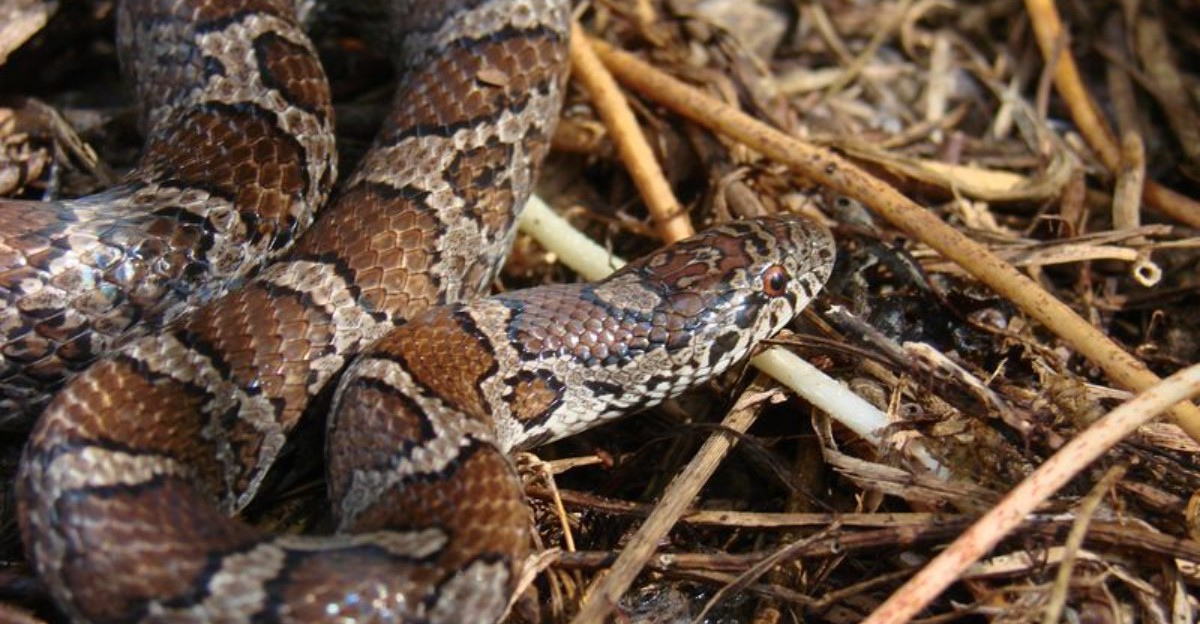
The eastern milk snake is the most common stand-in. It has reddish brown blotches outlined in black on a grayish background.
Look closely, and those markings are rounded saddles, not hourglasses, and the belly shows a black and white checkerboard.
Northern water snakes cause confusion near ponds and streams. Their bands are often wider at the top, the opposite of a copperhead’s pattern. Older water snakes can look dark and muddy, but they lack that clean copper head.
Young black rat snakes and eastern hognose snakes also wear blotchy patterns. Hognose snakes may flatten their necks and hiss, which looks scary but is mostly bluff.
Every one of these snakes helps your garden. Milk snakes and rat snakes eat mice and voles, while garter snakes chow down on slugs.
Before you panic, snap a photo from a safe distance and compare it with a reliable state field guide. Most backyard snakes are your helpers, not your problem.
A Copperhead Near Your Flower Bed Deserves Space, Not A Shovel
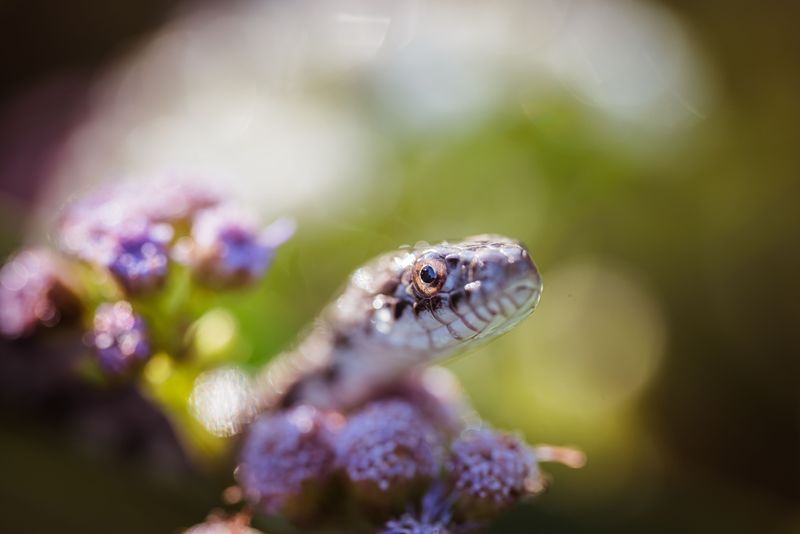
My first instinct when I see any snake is to grab my phone, not a tool. With a copperhead, that calm reaction is also the smartest one. Back up a few steps and let it move along.
Copperheads are not aggressive. They typically freeze or slip away, and they strike mostly when grabbed, pinned, or stepped on. Many bites happen when people try to handle or harass the snake.
The law is on the snake’s side too. In New Jersey, native snakes are protected nongame wildlife, and the northern copperhead is a state-listed species of conservation concern.
Harming or collecting one is not allowed. If a snake settles somewhere risky, like a garage, call your local animal control or police for help with relocation.
If a bite does happen, stay calm and call 911 right away. Remove rings or tight items before swelling starts, and keep the bitten limb still. Skip ice, tourniquets, cutting, and suction, which cause more harm.
Copperhead venom is the mildest among North American pit vipers, and serious outcomes in humans are rare with prompt medical care. Still, every bite needs a hospital visit. The New Jersey Poison Center can also offer guidance.
Tidier Mulch Beds And Fewer Mice Make Your Yard Less Snake-Friendly
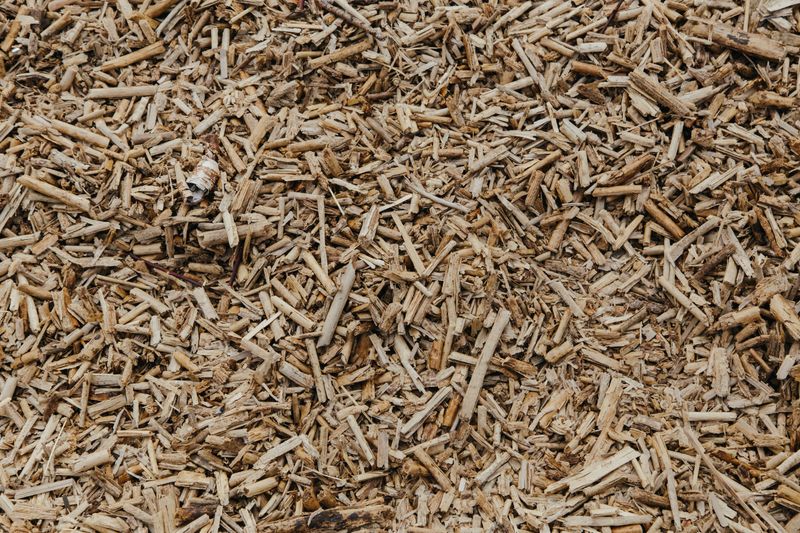
Snakes go where food and cover meet. Take away one or both, and your yard becomes a lot less appealing. A few weekend chores can shift the odds in your favor.
Start with the mulch itself. Rutgers Cooperative Extension and other experts recommend a layer of about 2 to 3 inches, which is plenty for weeds and moisture.
Deep, piled-up mulch creates extra hiding space and can also harm trees when heaped against trunks.
Keep a strip of bare ground or gravel along your foundation and walkways. That gives you a clear view where you step most often. Trim shrubs so their lower branches sit a little off the ground.
Next, look at what draws prey. Copperheads hunt mice, voles, frogs, and large insects like cicadas.
Store birdseed in sealed bins, clean up spilled seed, and move woodpiles, brush heaps, and stacked boards away from the house.
Mowing regularly near patios and play areas helps too. Snake repellents sold in stores show little proof of working, so save your money.
A neat, open garden edge, combined with gloves and a watchful eye, lets you share your yard with local wildlife safely and happily.