What it Means When Moss Starts Taking Over Your Shady Florida Lawn
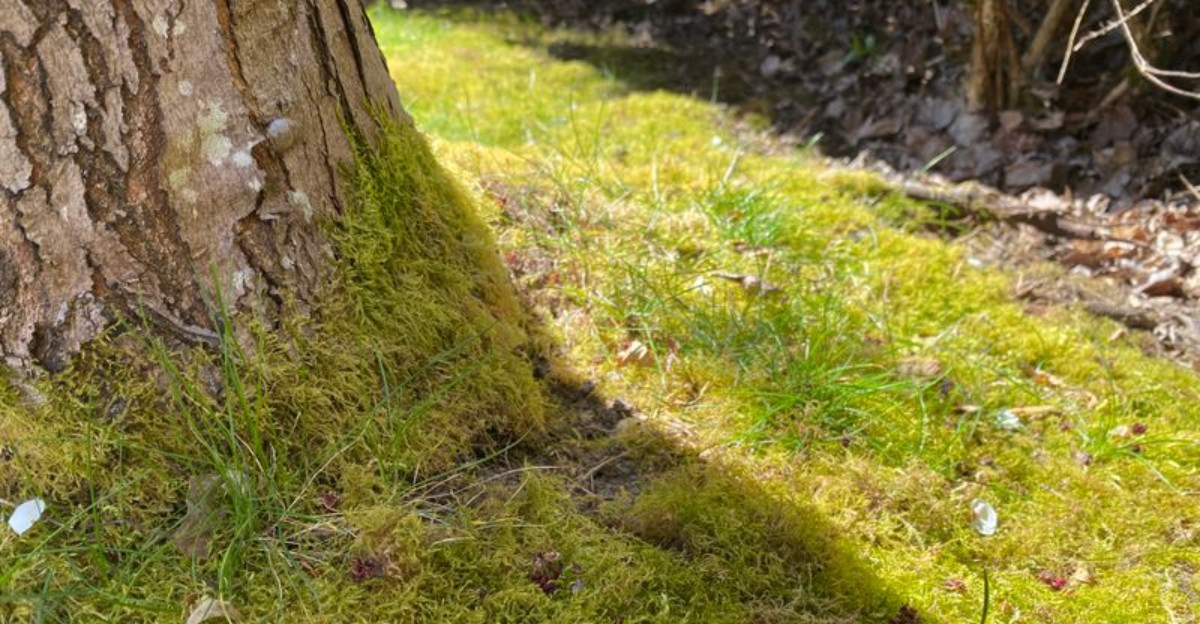
The fuzzy green stuff spreading under your oak tree has no true roots at all. It drinks water straight through its tiny leaves, almost like a sponge that learned to grow.
I remember kneeling in my own yard, poking at a soft patch that used to be St. Augustine grass. It felt like velvet, and honestly, I kind of liked it. Then I noticed the grass around it looked thin and tired.
Here in Florida, our shady spots stay warm, humid, and damp for months at a time. That mix suits some plants beautifully while leaving others struggling. Your lawn is quietly sending signals, and most of us walk right past them.
I believe every patch of green has a story to tell about the ground beneath it. A little detective work now can tell you whether to win back your grass or let the moss have its way.
1. That Velvety Green Patch Under Your Shade Tree Is Sending a Message
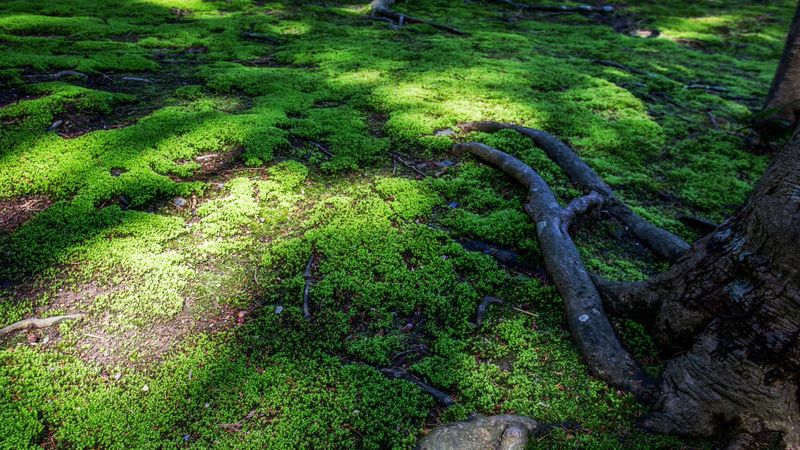
Moss is a bit like the guest who shows up after everyone else has left the party. It rarely pushes healthy grass out of the way.
Instead, it moves into spaces where turf has already thinned.
University of Florida lawn experts point out that moss mostly signals poor growing conditions for grass. Low light, damp soil, packed ground, and weak fertility are the usual suspects.
When grass loses its grip, moss happily fills the gap.
Here is a neat bit of plant trivia. Moss anchors itself with tiny threads called rhizoids, not real roots.
It soaks up water and nutrients right through its leaves, so it can live on surfaces where grass roots could barely breathe.
That means the moss itself is not the enemy you need to fight. Think of it as a friendly warning light on your car dashboard.
Pulling it out without asking why it showed up is like covering that light with tape.
Personally, I find this freeing. Instead of buying the first spray on the store shelf, you can play detective.
Walk your yard, notice where the moss grows thickest, and you will start seeing patterns about sun, water, and soil.
2. Thick Oak Canopies Are Starving Your Grass of Sunlight
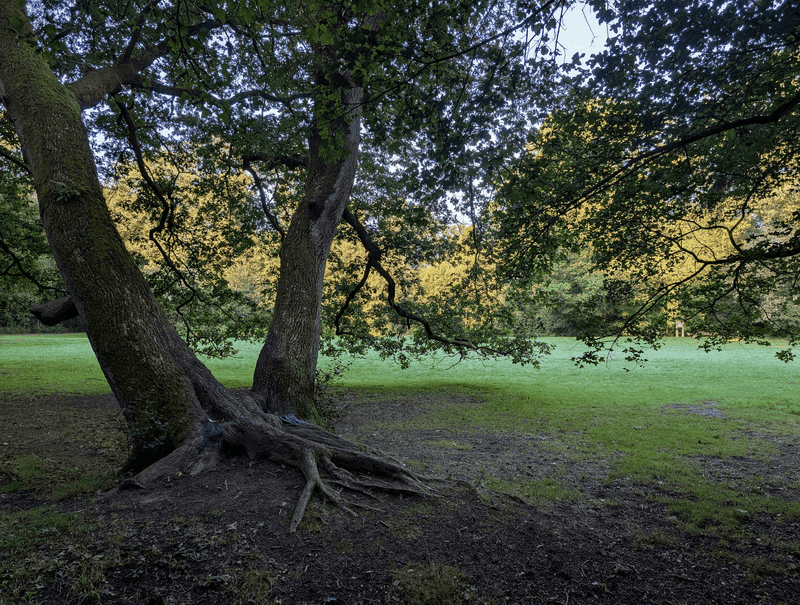
Sunlight is food for grass, plain and simple. Without enough of it, your lawn slowly runs out of energy.
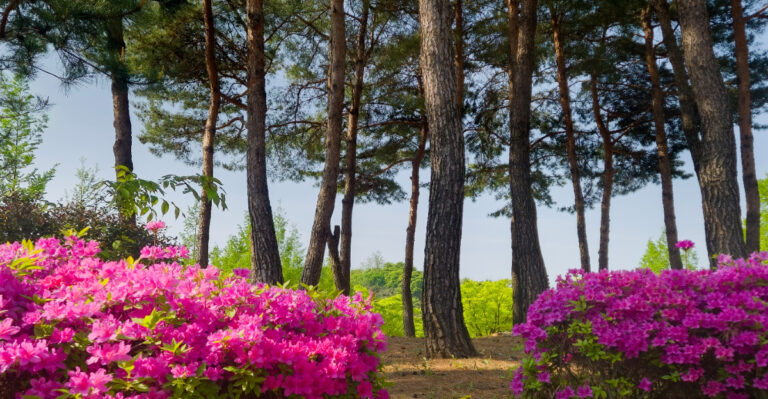
Big live oaks, magnolias, and dense hedges block a lot of that daily meal.
Most warm-season lawn grasses need roughly four to six hours of direct sun each day to stay thick. Even St. Augustine, the most shade-tolerant common choice in the state, thins out under heavy canopy.
Bahia and Bermuda handle shade even less well.
Try this simple test on a sunny weekend. Check your mossy spot every hour or two from morning to late afternoon.
Count how many hours it gets real sunshine, not just bright filtered light.
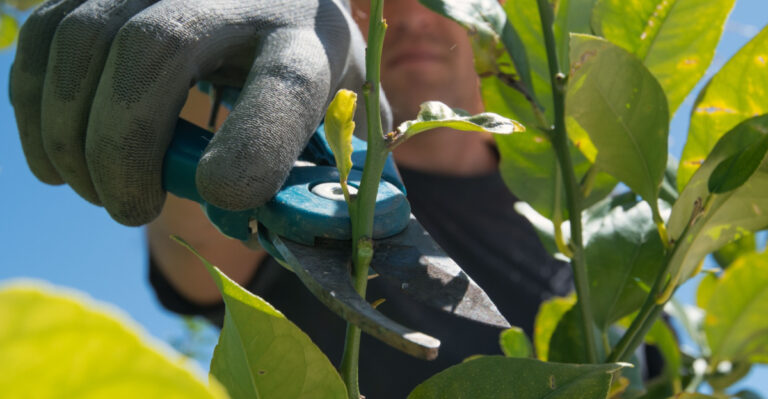
If the number is low, consider careful tree work. Raising the canopy by removing lower limbs, or thinning crowded branches, lets more light reach the ground.
Your Florida Garden Changes Every Week. Your Plan Should Too.
Gardening in Florida changes quickly throughout the season. Every Friday you’ll receive a simple weekly plan showing exactly what to plant, prune, fertilize, harvest, and protect so you never miss the right timing.
Hire an ISA certified arborist for large trees, since bad cuts can harm them.
You can also trim back overgrown shrubs that cast long shadows. Better airflow comes as a bonus, helping the ground dry faster after rain.
Sometimes a few well-chosen cuts make a bigger difference than any bag of fertilizer ever could.
3. Soggy Soil After Summer Storms Gives Moss a Head Start
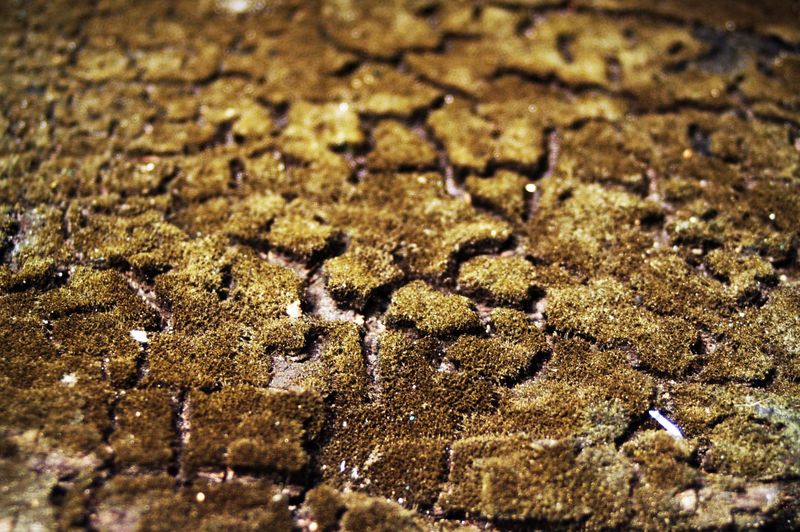
Florida summers bring those famous afternoon thunderstorms, sometimes nearly every day. In sunny areas the water dries quickly.
Under shade, though, the ground can stay wet for days.
Moss loves that steady dampness because it needs moisture to grow and reproduce. Its spores and fragments spread easily across wet surfaces.
Meanwhile, grass roots sitting in soggy soil can struggle to get enough oxygen.
Your sprinklers might be making things worse. Many shady areas need far less irrigation than sunny ones, yet one zone often waters everything equally.
UF/IFAS recommends watering only when grass shows signs of thirst, like folded blades or footprints that linger.
Look for low spots where puddles hang around after rain. Gutters and downspouts that dump water near the lawn are another common cause.
Redirecting downspouts with extensions or a splash block can dry an area surprisingly fast.
For bigger drainage trouble, gentle regrading or a French drain may help. Watering early in the morning, rather than at night, also gives leaves time to dry.
Fixing water problems often reduces fungal lawn diseases too, so you win twice.
4. Acidic Soil Could Be Tipping the Scales Toward Moss
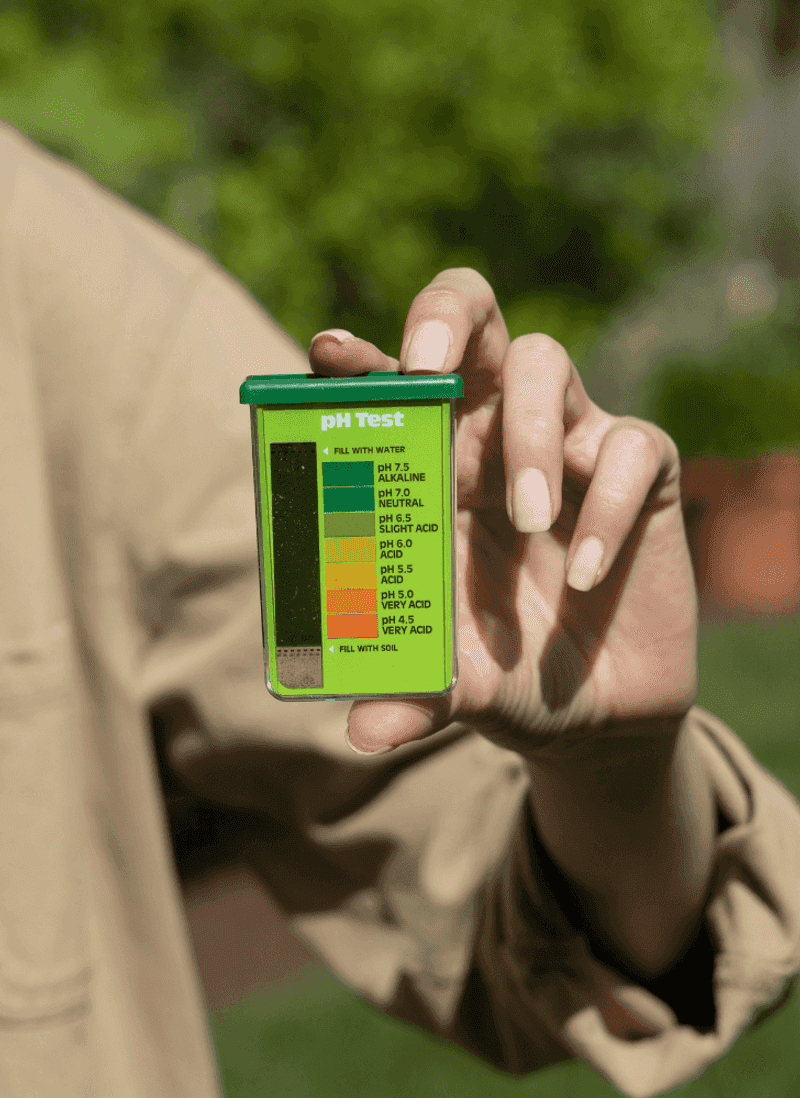
Soil chemistry sounds boring until you realize it controls so much. Many mosses tolerate acidic ground very well.
Most Florida turfgrasses prefer a pH closer to slightly acidic or neutral.
Areas under pine trees and oaks sometimes trend acidic, especially with sandy soils and lots of rainfall. When pH drops too low, grass has trouble taking up certain nutrients.
Thin, pale turf becomes an open door.
Do not guess, though, and do not toss lime around blindly. Plenty of soils, particularly in coastal and South Florida areas, are already alkaline.
Adding lime there would make things worse for your grass.
The smart move is a soil test through your county UF/IFAS Extension office. It is inexpensive, and the results tell you your actual pH plus lime recommendations if needed.
Some offices also offer nutrient testing.
Fun fact: lime works slowly, often taking months to shift pH. So patience matters here.
Test first, follow the recommendation, and retest later to see how things changed. That little bag of soil can save you money and frustration.
5. Packed Dirt From Foot Traffic Leaves Grass Roots Gasping
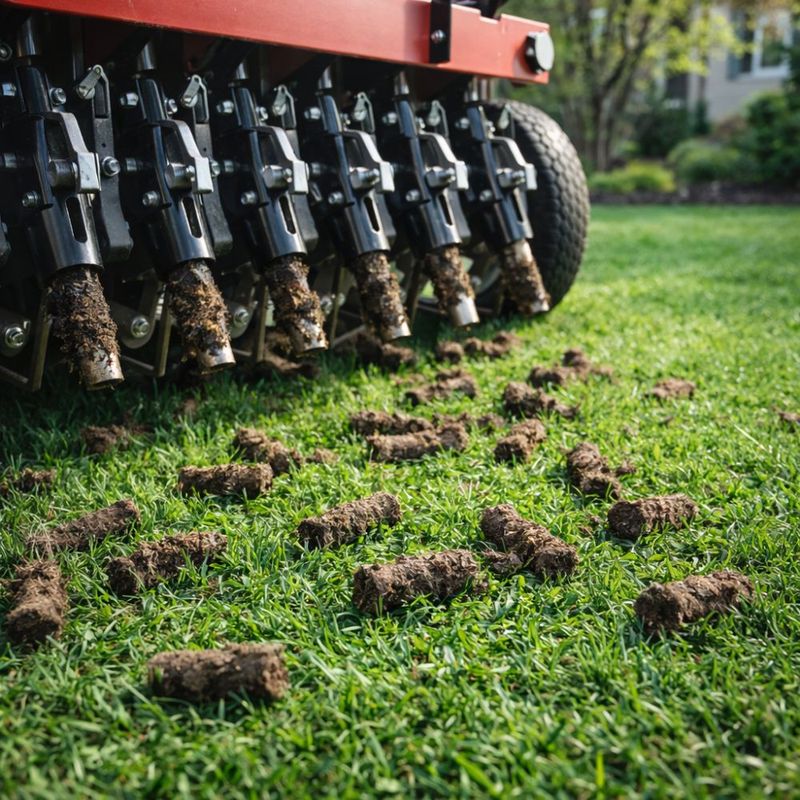
Kids, dogs, and that shortcut to the mailbox all add up. Over time, repeated footsteps squeeze soil particles together.
Air and water have a harder time moving down to grass roots.
Grass roots need oxygen just like leaves need light. In compacted ground they grow shallow and weak, and the turf thins.
Moss barely cares, since it sits on top and pulls moisture right from the surface.
A quick way to check is the screwdriver test. Push a long screwdriver into moist soil.
If it fights you after an inch or two, compaction is likely part of the problem.
Core aeration helps by pulling small plugs of soil out of the ground. UF/IFAS suggests aerating warm-season lawns during active growth, usually late spring through summer.
Grass recovers faster then and fills the holes.
Traffic patterns matter too. If everyone cuts across the same shady corner, give them a better route.
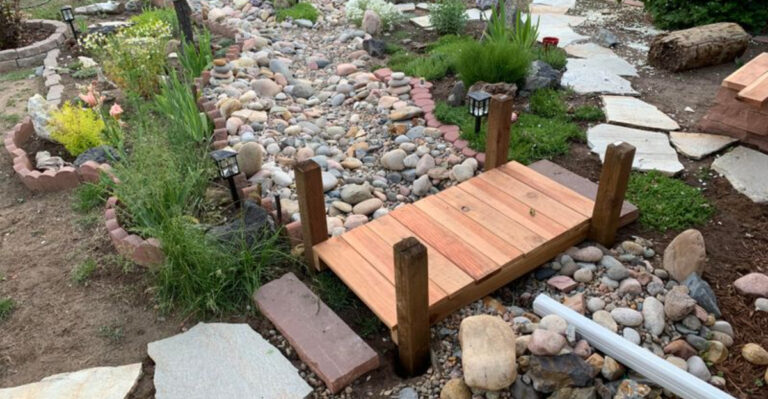
Stepping stones or a mulched path can protect the soil while looking charming. Sometimes the easiest fix is just accepting where people naturally walk.
6. Shade-Tolerant St. Augustine Varieties Can Help You Win Back Ground
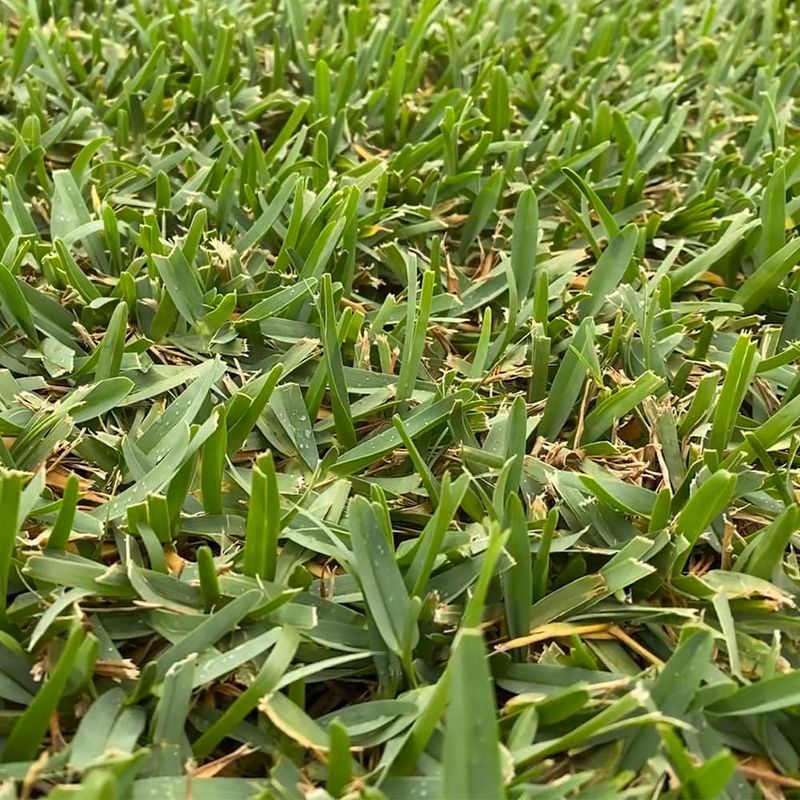
Picking the right grass is half the battle in a shady yard. Not all lawn types handle low light equally.
Here, St. Augustine is usually the top choice for partial shade.
Certain cultivars stand out. Seville, Palmetto, and CitraBlue are often recommended for better shade performance.
Some zoysiagrass varieties also handle moderate shade, though they grow slower and need careful care.
Bahia and Bermuda, two other common Florida grasses, really prefer full sun. If those are planted under trees, thinning and moss are almost guaranteed.
Switching to a better match can turn things around.
Care habits shift in shade too. Mow St. Augustine higher, around the upper end of its recommended range, so blades capture more light.
Shaded grass also needs less fertilizer and water than turf in full sun.
One honest warning from experience. Even the toughest shade grass has limits, and deep shade under dense canopy can defeat it.
If a spot gets only an hour or two of sun, grass may never thrive there, no matter what variety you choose.
7. Raking Out Moss and Using Iron Sulfate Offers a Quick Fix
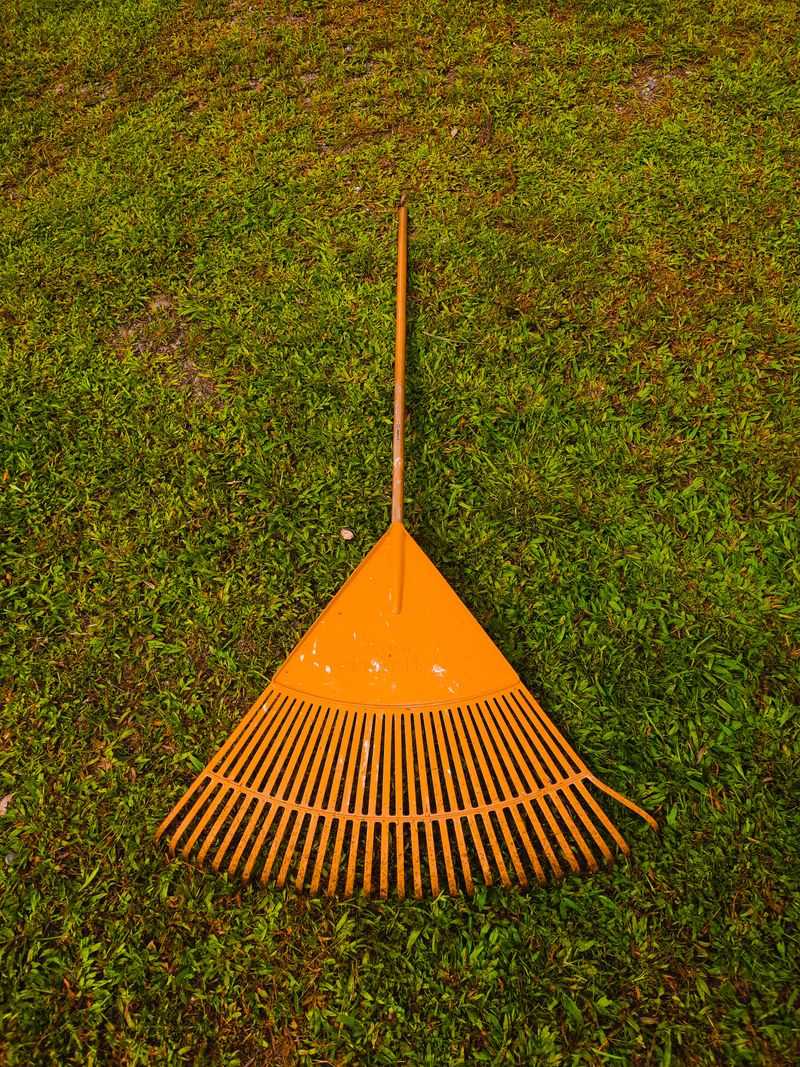
Sometimes you just want that moss gone before a backyard party. Physical removal is the simplest first step.
A sturdy metal rake pulls up small patches pretty easily.
Rake gently so you lift the moss without ripping up healthy grass runners. For bigger areas, a dethatcher or power rake can speed things along.
Bag the clumps rather than leaving them, since fragments can regrow.
Products containing iron sulfate, also called ferrous sulfate, are widely used to control moss. They work fast, often turning moss dark within days.
Read labels carefully, because iron can stain concrete, pavers, and clothing a rusty orange.
Other labeled moss products use potassium salts of fatty acids, which are soap-based. Follow every label instruction exactly, and keep pets and kids off treated areas until the product dries.
More is not better with any lawn chemical.
Keep in mind this is a short-term solution. Moss usually returns if the shade, dampness, or soil issues stay the same.
Pair removal with the fixes from earlier sections, and you give grass a real chance to fill in.
8. Letting Moss or Native Groundcovers Take the Shady Spot Might Be Smarter
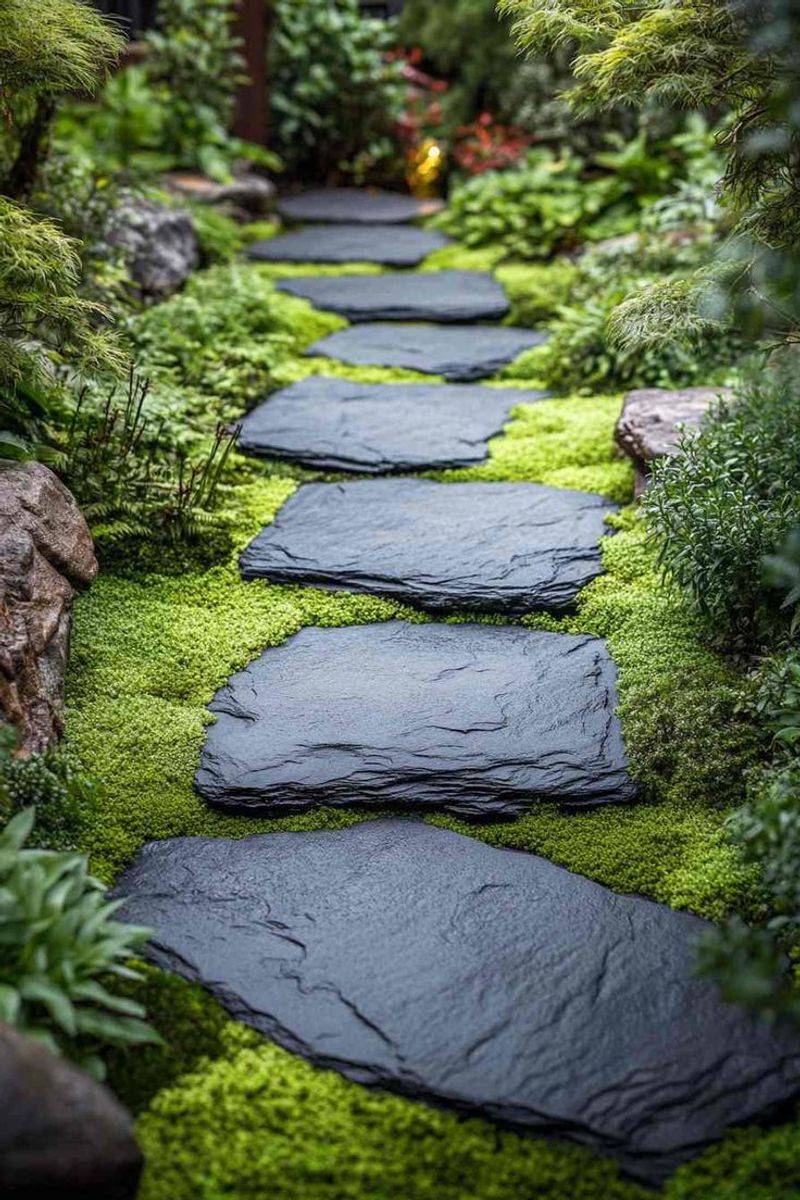
Some battles just are not worth fighting. If a spot stays shady and damp no matter what you try, maybe the yard is telling you what it wants.
Many gardeners find peace once they stop forcing grass there.
Moss can make a lovely lawn alternative in the right place. It needs no mowing, little or no fertilizer, and helps hold soil in place.
It does not handle heavy foot traffic well, so add stepping stones where people walk.
Native plants offer another beautiful option for shade. Florida favorites like sunshine mimosa for sunnier edges, plus coontie, wild petunia, and native ferns in shadier pockets, can work nicely.
Your county Extension office can suggest choices for your region, since North and South Florida differ a lot.
Be careful with groundcovers sold at big stores. Some popular picks, like certain ivies, can spread aggressively, so check the UF/IFAS invasive plant assessment before buying.
My favorite takeaway is simple. Moss is not a failure, just honest feedback.
Fix the conditions if you want grass, or welcome a shade garden that loves where it lives.