How To Refresh Tired Raised Bed Soil Before Winter In Texas
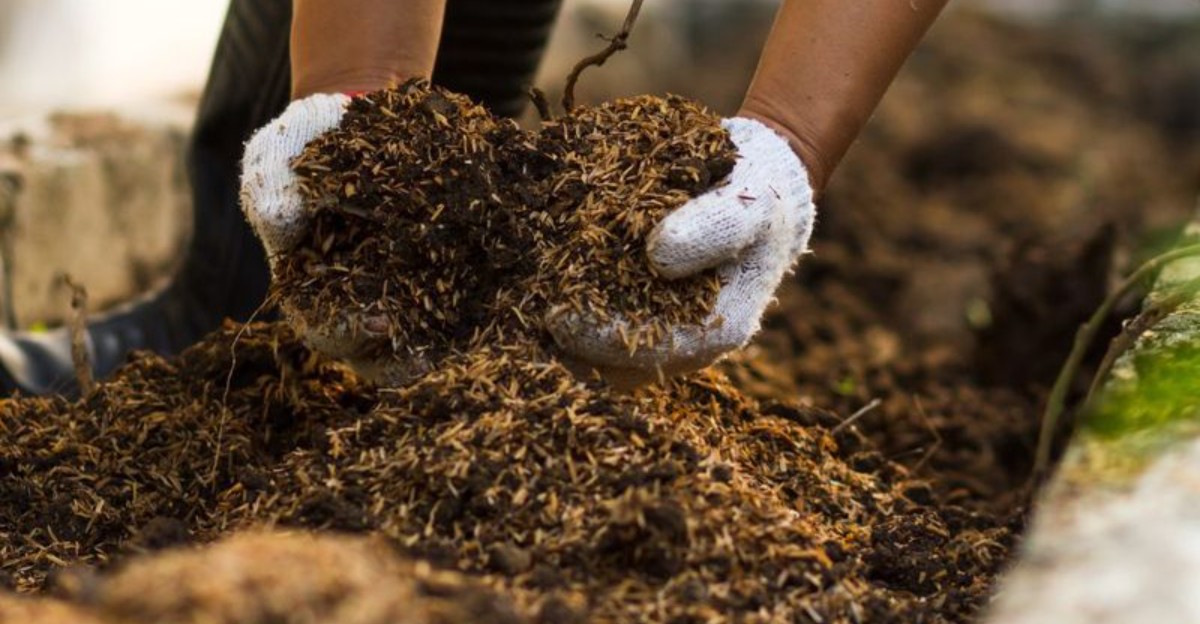
Raised bed soil can sink a few inches each year because the organic matter inside slowly breaks down and disappears. I first noticed it when my tomato bed suddenly looked half empty after a long, scorching summer here.
That missing soil is a clue, and it usually comes with tired roots and pale leaves that grow slowly. Water might pool on top, or it might rush straight through without sticking around for thirsty plants.
I love how fal in Texas finally brings cooler air, softer rain, and a little energy back into my gardening routine. You need that break too, because summer heat in Texas wears down both gardeners and the soil they tend.
What surprises me most is how a few simple fall chores can wake up a worn-out bed before spring arrives.
1. Spread Dark Crumbly Compost Across The Bed
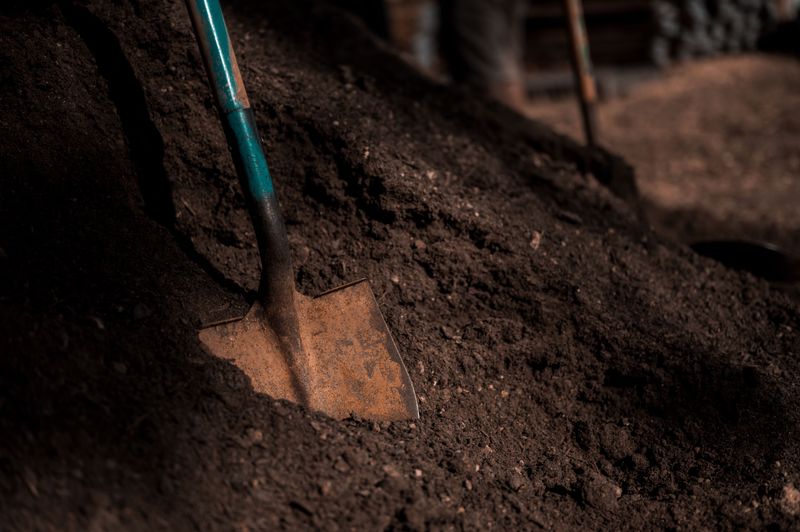
Nothing smells quite as hopeful as a fresh wheelbarrow of finished compost on a cool October morning in the garden. I swear my raised beds look grateful when that dark, earthy layer finally covers their faded and sunken summer surface.
Compost does heavy lifting because it improves soil structure, helps drainage, and holds water where hungry roots can reach it.
It also carries helpful microbes that turn old plant scraps into nutrients your next round of vegetables can actually use.
You only need a layer about one to two inches thick spread evenly across the top of each bed. Work it gently into the top few inches with a hand fork, and skip deep tilling that disturbs the soil life.
Choose finished compost or well-aged composted manure, and avoid fresh manure because it can burn tender roots and carry germs. Cotton burr compost is popular in many parts of Texas, and leaf mold makes a wonderful free addition too.
Your bed has probably settled a bit since spring, so this is also the perfect time to top it up. I mix compost with a quality raised bed blend until the soil sits close to the rim again.
Fall timing works beautifully because cooler weather and occasional rain help these materials blend into the soil over the winter months.
By spring planting time, you will likely notice softer, darker soil that crumbles nicely when you squeeze a handful.
2. Mail A Soil Sample To The Texas A&M Lab
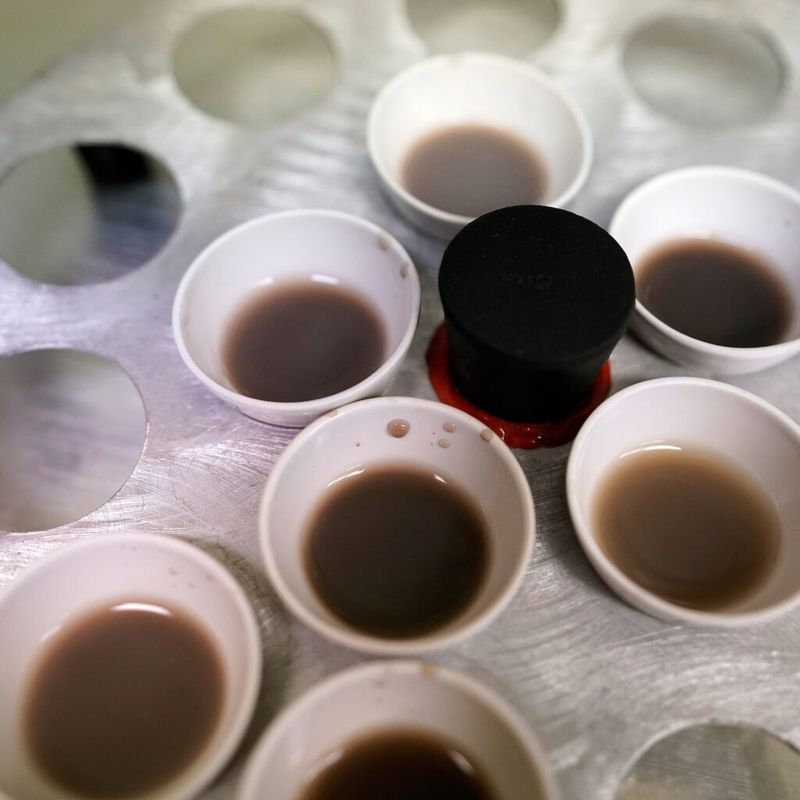
Guessing what your soil needs feels a little like cooking dinner blindfolded, and the results can get messy fast.
I wasted money on fertilizer for years before a simple soil test showed my beds already had plenty of phosphorus.
A lab test reveals your soil pH, nutrient levels, and organic matter, so you only buy what your garden truly needs. The Texas A&M AgriLife Extension Service runs an affordable lab that gives recommendations suited to local growing conditions.
Fall, roughly September through November, is a smart window for testing because you still have time to make changes before spring.
Your Texas Garden Changes Every Week. Your Plan Should Too.
Gardening in Texas changes quickly throughout the season. Every Friday you’ll receive a simple weekly plan showing exactly what to plant, prune, fertilize, harvest, and protect so you never miss the right timing.
Grab a clean trowel and collect ten to fifteen small samples from different spots, going about six inches deep.
Mix all those samples together in a clean bucket, then send about two to three cups of soil to the lab. Results usually arrive within two to three weeks, which gives you plenty of breathing room for planning your amendments.
You might notice your numbers show alkaline soil, since many soils across the state naturally sit between pH 7.5 and 8.5.
Most vegetables prefer something closer to 6.0 to 7.0, so steady compost additions can help nudge things in a friendlier direction.
Personally, I like testing every couple of years because raised beds change as amendments break down and plants pull nutrients.
Experts suggest testing every one to five years, which keeps your choices based on facts instead of hopeful guesses.
3. Sprinkle Worm Castings And Alfalfa Meal On Top
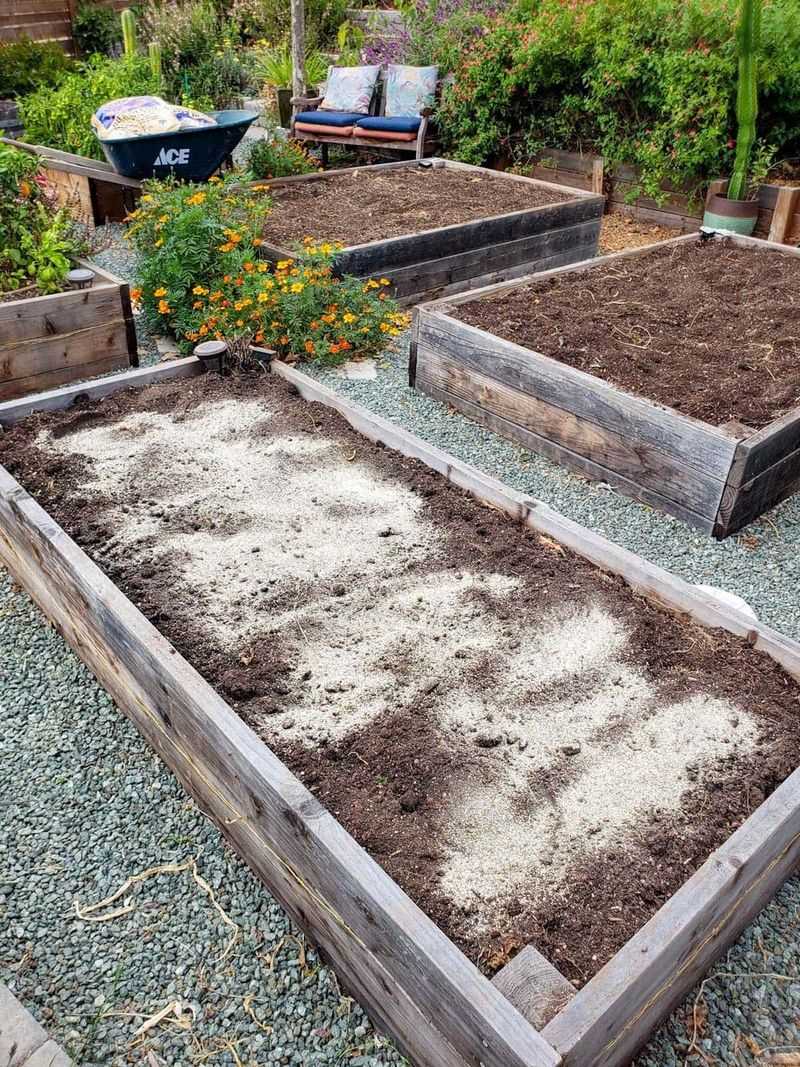
Earthworms are tiny soil chefs, and their castings might be the richest little crumbs you will ever scatter in a garden. I get a goofy grin every time I open a bag, because it smells like a forest floor after rain.
Worm castings carry helpful bacteria along with calcium, magnesium, iron, and many trace minerals that support steady plant growth.
A light layer, about half an inch, spread over the surface can give tired beds a noticeable boost before winter.
Alfalfa meal is another favorite in my shed because it supplies nitrogen along with potassium, calcium, and other useful minerals.
Many gardeners also value it as a natural growth stimulant, especially for leafy greens and flowering plants coming along next season.
Your soil test results should guide stronger additions such as bone meal for phosphorus or blood meal for a quick nitrogen push. Adding these without a reason can create imbalances, so it helps to match each amendment with a specific need.
Gypsum may help loosen heavy clay soil, and many sources suggest about three to four pounds for every hundred square feet.
Expanded shale and greensand often appear in local soil blends, where they improve drainage and add a few helpful minerals.
I like scratching these amendments lightly into the top layer and then watering well so they settle into place. Over the cooler months, soil life slowly breaks them down, leaving a richer home ready for your spring transplants.
4. Sow Crimson Clover And Daikon Radish As Cover Crops
Daikon radish roots can push deep into hard soil, leaving tunnels that let air and water travel where they belong. I find it hilarious that a vegetable can do my digging for me while I relax with warm coffee.
Cover crops protect bare soil through the cooler months by holding it in place, crowding out weeds, and adding organic matter.
Legumes like crimson clover also work with soil bacteria to capture nitrogen from the air for future plants.
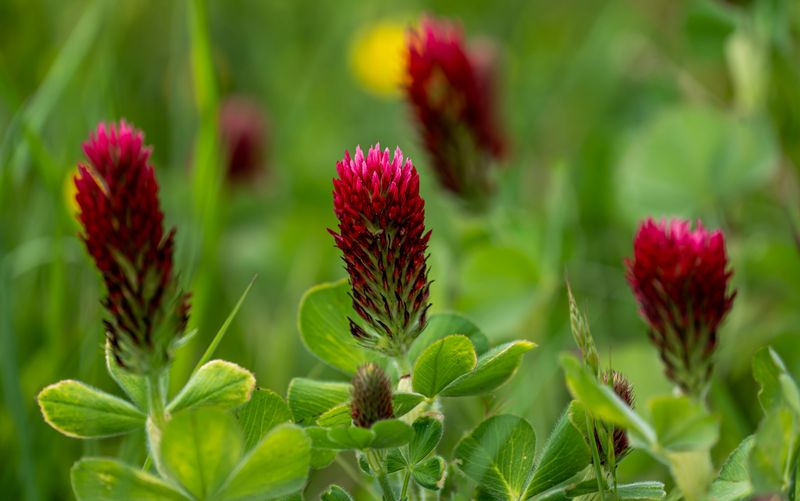
Crimson clover stays fairly compact, grows well across most of Texas, and produces bright red blooms that pollinators visit in spring.
Hairy vetch is another strong nitrogen builder, and many gardeners pair it with oats for a sturdier winter mix.
Oats sprout quickly and add plenty of leafy material, and they usually decline on their own after a hard freeze. Cereal rye grows fast with fibrous roots that hold soil, though it can get tall if you leave it alone.
Aim to sow seeds about four to six weeks before your expected first frost, which varies widely across the state.
Northern areas may need seeds in the ground soon, while southern gardens often have extra weeks before cold weather arrives.
When spring planting approaches, cut plants at the soil line and leave the tops as mulch, a method called chop and drop.
Roots stay behind and break down slowly, feeding soil life and leaving gentle channels for your new vegetables.
5. Tuck Shredded Leaves Over Soil And Keep Your Feet Off
Raindrops hit bare soil harder than most people realize, knocking loose tiny particles that seal the surface like a crust.
I learned that lesson after a stormy week left my uncovered bed hard enough to bounce a seed packet.
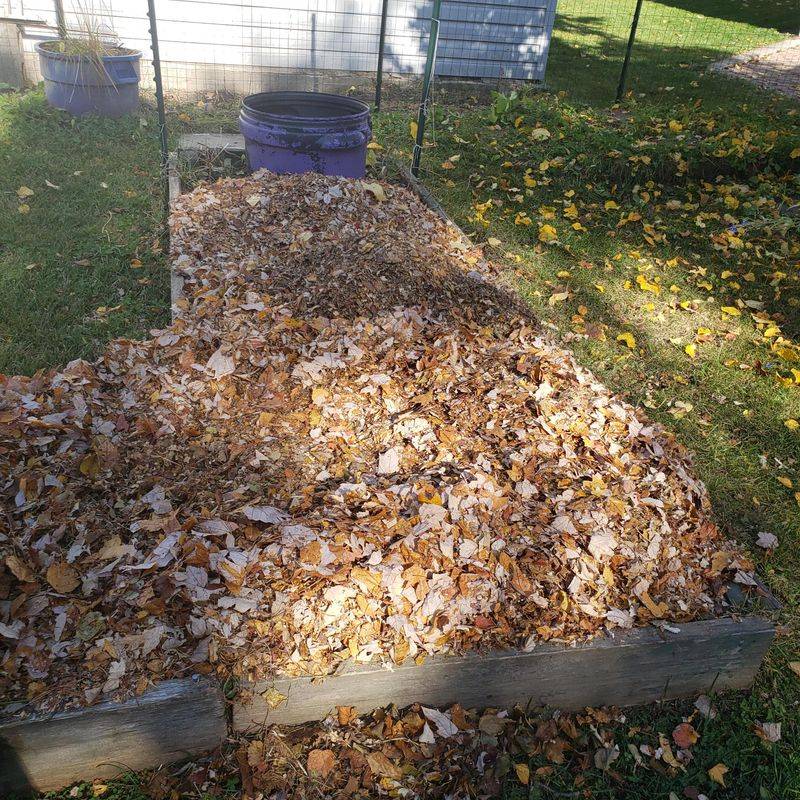
A one to two inch blanket of shredded leaves or clean straw softens that impact and keeps the soil underneath loose.
As the mulch slowly breaks down, it also feeds earthworms and microbes that work quietly beneath the surface all winter.
Fallen leaves are free, plentiful, and easy to shred with a mower, so I happily collect bags from friendly neighbors each fall.
Shredding matters because whole leaves can mat together, blocking water and air from reaching the soil you worked so hard on.
You also need to stay out of the bed itself, since stepping or kneeling on soil squeezes out the precious air pockets.
Lay stepping stones or a mulched path alongside, and keep beds narrow enough that you can reach the middle easily.
If some spots already feel firm, loosen only the top few inches with a hand fork and a scoop of compost.
Gentle work protects fungal networks and soil creatures that deep tilling can disturb, so your bed stays healthier year after year.
I have to admit this step feels almost too easy compared with hauling heavy bags of amendments around the yard. Still, mulch and careful habits keep your refreshed soil soft, so spring roots can stretch out without any fuss.