Should You Cut Back Florida Firebush In September Or Leave The Flowers For Pollinators
Grab your shears for that firebush, and you might be shutting something down that’s still in full swing.
Cutting back now feels like standard fall maintenance, but firebush in Florida doesn’t always follow that same script.
What this plant is doing right now matters more than most homeowners realize, and a trim at the wrong moment undoes weeks of work you didn’t even know was happening.
Timing changes everything here. Move too early and you cut something short.
Wait, and the payoff keeps building on its own.
Hold off on that trim for now. What looks like a messy, overgrown shrub might be doing exactly what it’s supposed to this month.
1. Leave September Firebush Flowers For The Hummingbirds
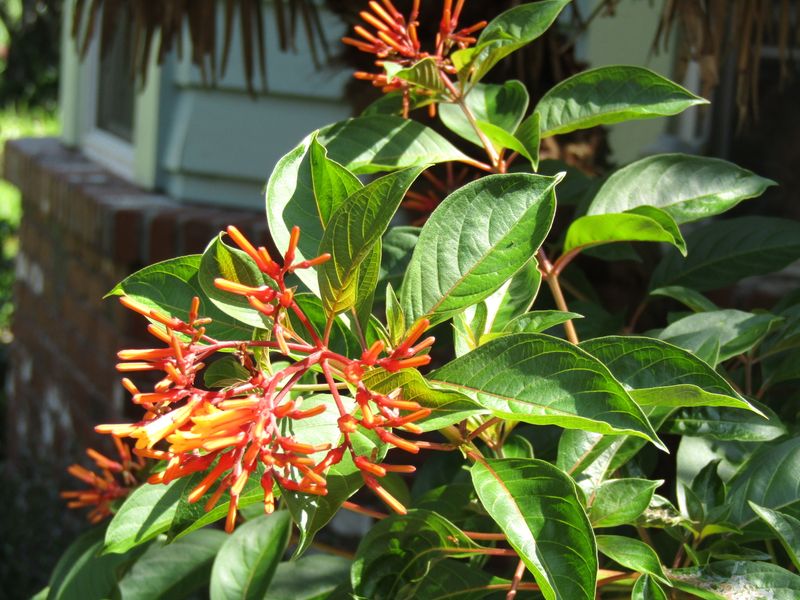
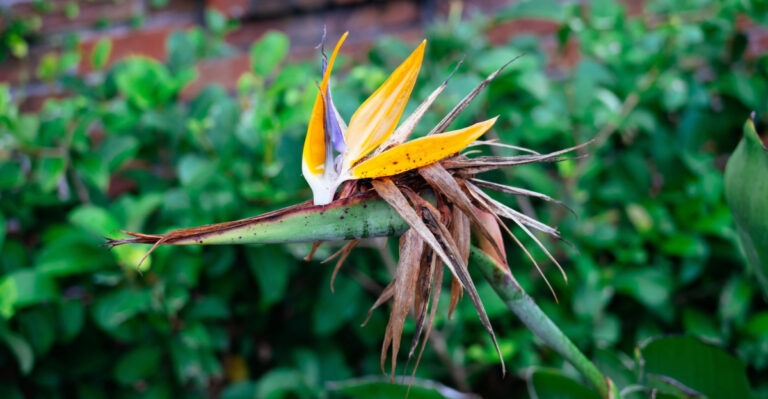
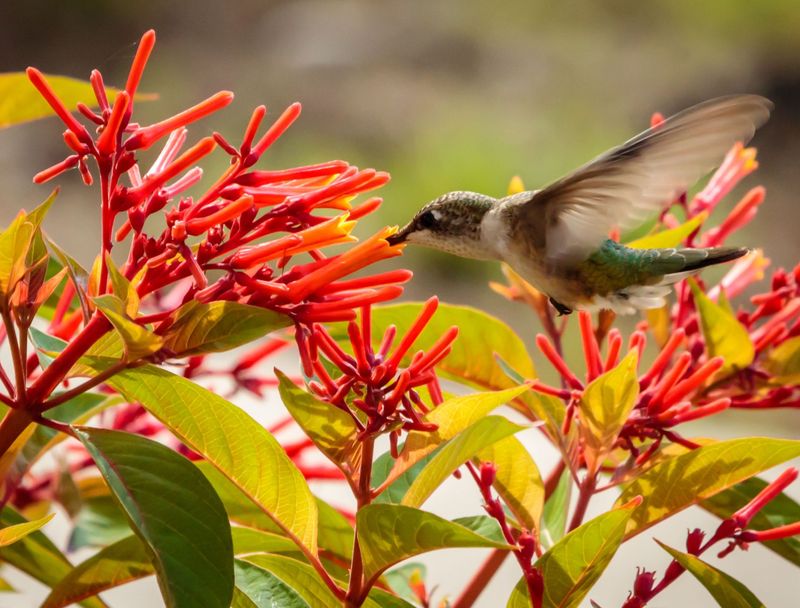
That tiny blur of wings at your fence line has a very specific reason for showing up. Florida firebush (Hamelia patens) grows clusters of slim, tubular flowers in glowing red and orange shades, and the shape is practically built for a hummingbird’s long bill and tongue.
These shrubs keep blooming for months, usually from late spring straight through fall. In steadily warm parts of the state, they can flower nearly year-round, which makes them one of the most reliable nectar stops in the whole yard.
September is right in the thick of that show. Hummingbirds passing through or staying nearby can make good use of a mature firebush while it is in bloom.
Cutting those blooms off in early fall takes that diner offline for weeks while the plant regrows. Firebush flowers form on fresh growth, so a September haircut means waiting for new shoots before the color returns.
Fun bit of trivia: the nectar-rich blossoms are so popular that some Florida gardeners plant firebush specifically as a hummingbird magnet instead of hanging a feeder.
If you want wings in your yard, let September flowers stay put. Enjoy the view from a shady chair, and save your energy for a job that actually needs doing later in the year.
2. Skip The Shears While The Blooms Are Still Coming
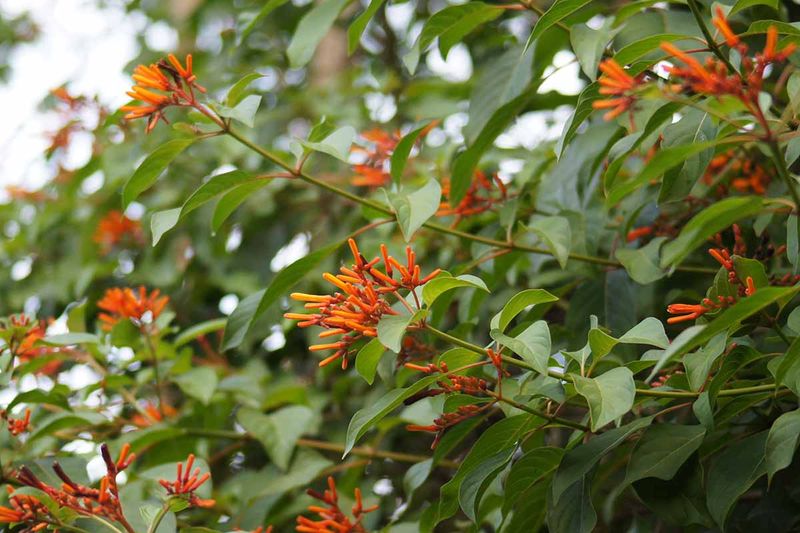
Here is the tricky part about firebush: it rarely looks finished. The shrub pushes out flowers from late spring until the first real cool stretch, and in warmer zones it barely pauses at all.
Trimming during summer or early fall snips away buds that were already lined up to open. You lose color you paid for, and pollinators lose a food source they were counting on.
Think of it like unplugging a string of lights halfway through the holidays. The plant recovers, sure, but the display goes dark for a while.
Gardeners sometimes reach for the shears because the shrub looks a little wild in September. Loose and leggy is simply how firebush behaves when it is happy and well fed.
A better move is to wait until flowering genuinely slows and cool weather has settled in. By then the plant is winding down naturally, and a cut costs you far less.
If the sprawl bothers you, try tucking shorter plants in front instead of shortening the firebush itself. Low salvias, coreopsis, or muhly grass hide bare ankles without touching a single bloom.
Your Florida Garden Changes Every Week. Your Plan Should Too.
Gardening in Florida changes quickly throughout the season. Every Friday you’ll receive a simple weekly plan showing exactly what to plant, prune, fertilize, harvest, and protect so you never miss the right timing.
Patience here pays twice. You keep the flowers, and the garden keeps its visitors.
3. Let Butterflies Keep Working The Flower Clusters
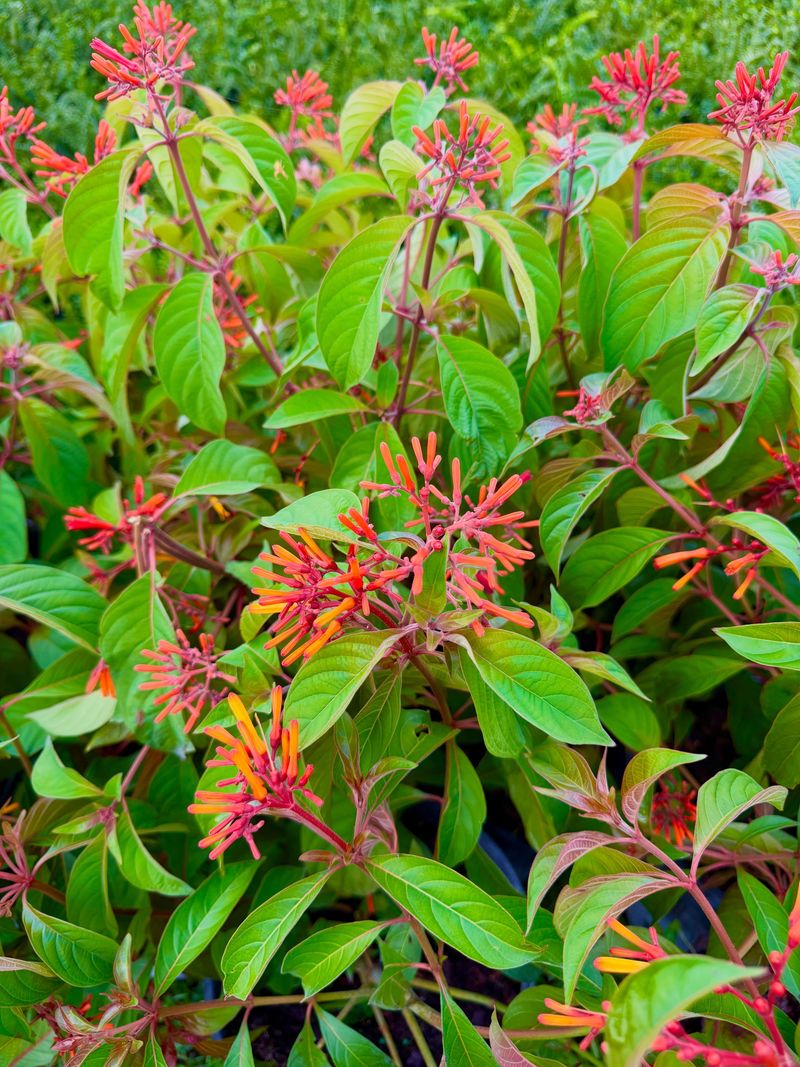
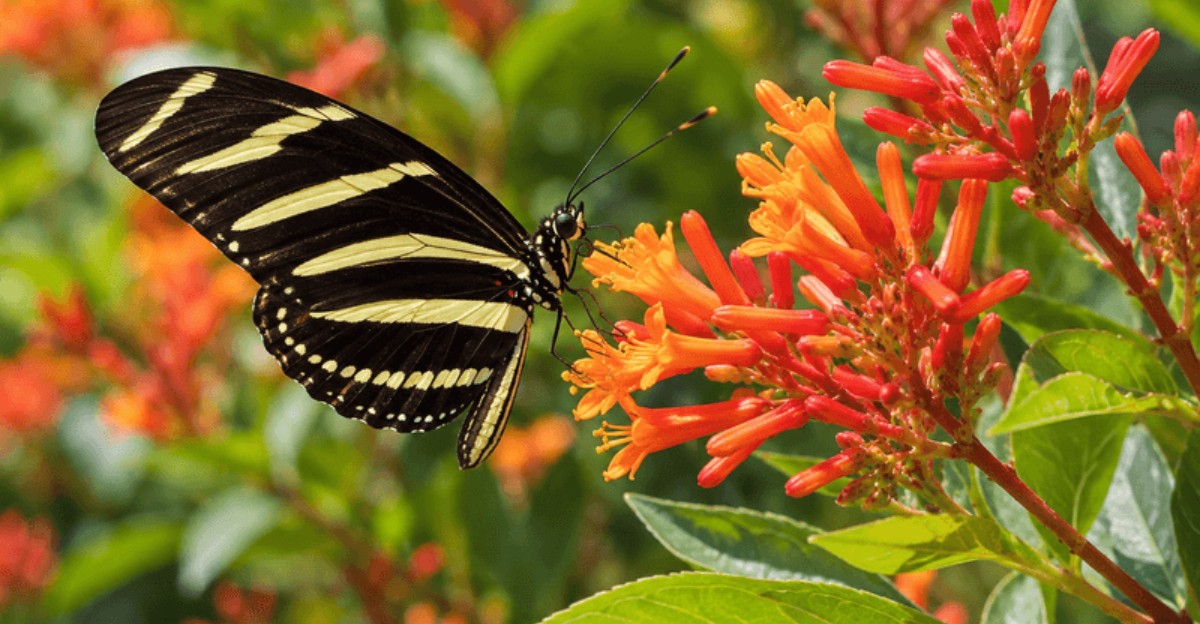
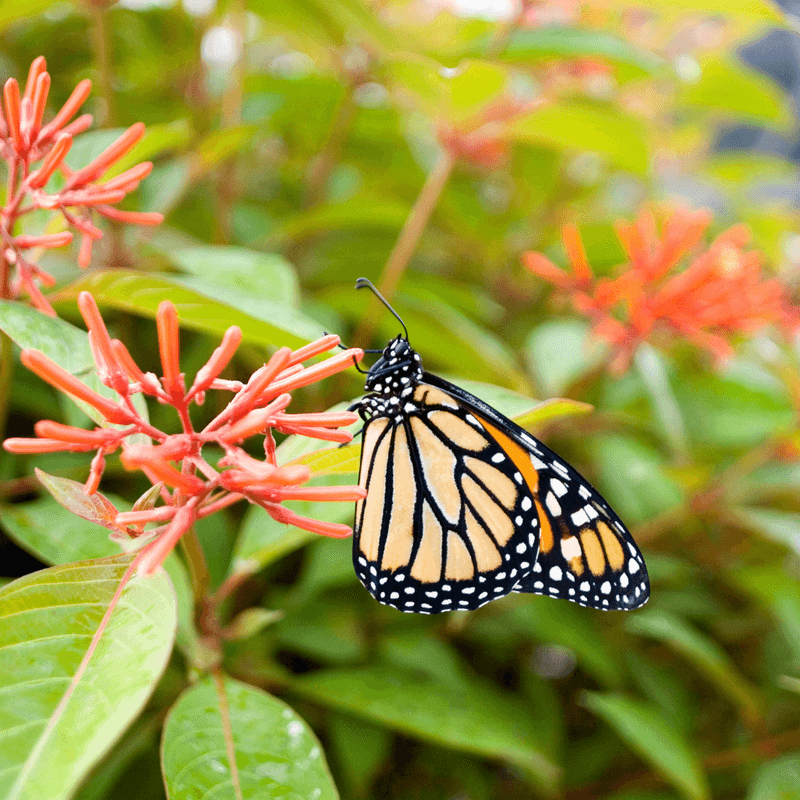
Stand near a blooming firebush for five minutes in September and you will start counting wings. Monarchs, zebra longwings, and gulf fritillaries all work the same bright clusters, sometimes three or four at once.
Those red and orange blossoms act like a neon sign for butterflies. The nectar inside is easy to reach, and the long bloom season means the buffet stays open well past the point when many other flowers have quit.
Timing matters more than people realize. Monarchs moving through Florida in fall need fuel, and late-season nectar helps them cover serious distance.
Zebra longwings, the Florida state butterfly, are regular visitors too. They tend to drift slowly between clusters, which makes them wonderfully easy to watch with kids.
Here is a small experiment worth trying. Leave one firebush untouched this fall and keep a simple tally of butterfly species you spot on it over a couple of weeks.
Most gardeners are surprised by the list. Once you see how much traffic one shrub handles, the urge to tidy it up in September fades fast.
Let the butterflies finish their shift. The flowers will fade on their own schedule soon enough.
4. Wait For Black Berries To Feed Backyard Birds
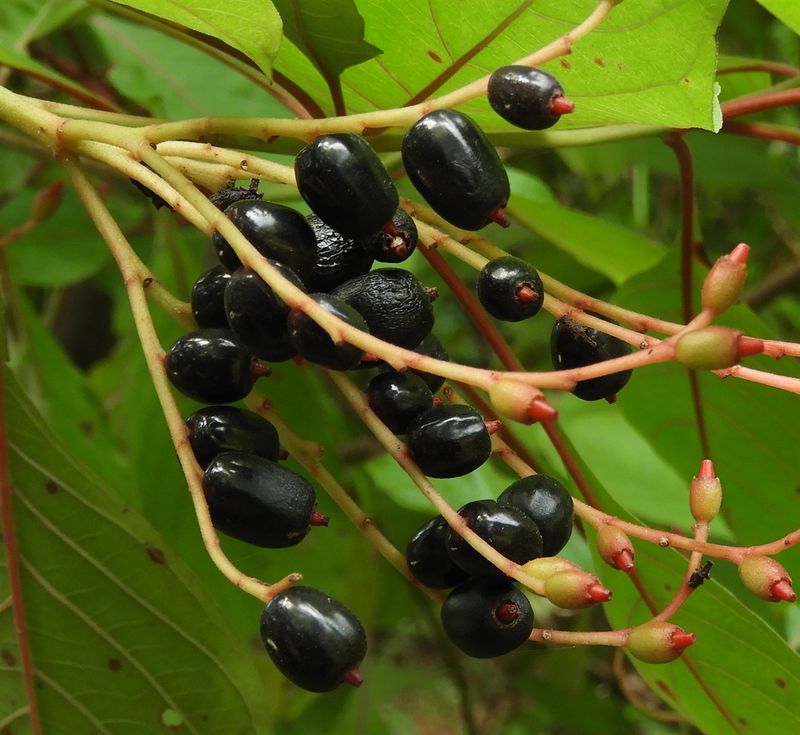
Flowers get all the attention, but firebush has a second act. After blooming, the plant forms small fruits that shift from green to reddish and finally darken to a deep, glossy black.
Songbirds notice long before you do. Birds such as mockingbirds, catbirds, and cardinals may visit the ripe clusters, along with other wildlife.
Later in the season, natural food gets harder to find. A shrub carrying dark berries becomes genuinely useful right when the pantry elsewhere starts running low.
Cut your firebush back in September and you remove the flowers plus the fruit that would have followed. Nothing ripens on branches that are sitting in the yard waste bin.
There is a bonus for you as well. Watching birds hop through the interior of the shrub is entertainment that no bird feeder quite matches.
The berries are also historically interesting. Hamelia patens has a long record of traditional use across its native range in the Americas, which is part of why it carries folk names in several languages.
Give the fruit time to develop. A shrub that feeds both nectar drinkers and berry eaters is doing double duty in your landscape.
5. Save Major Pruning For Late Winter
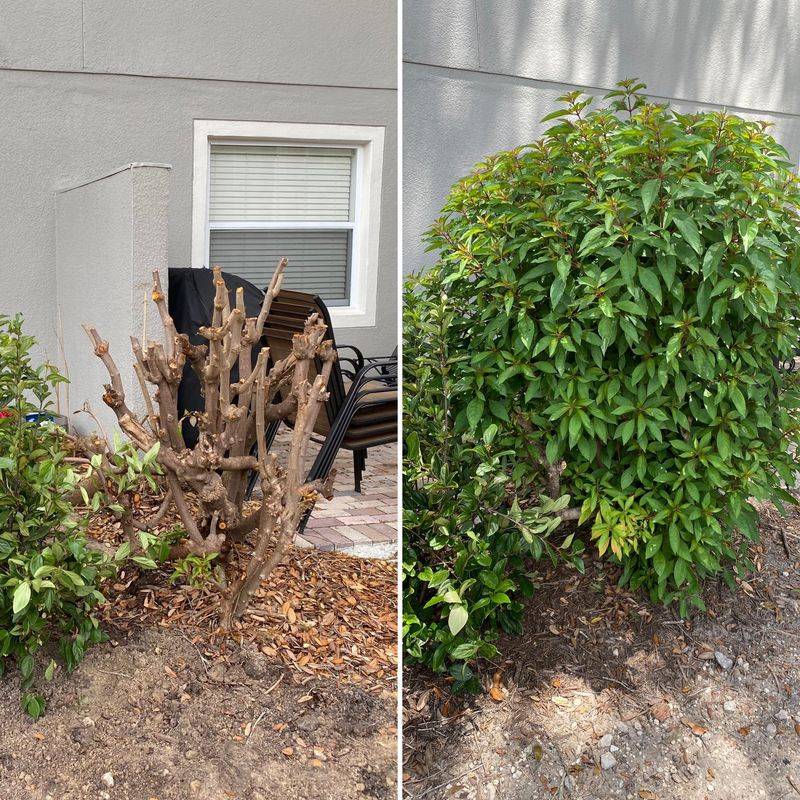
Real pruning season for firebush lands months away from September. Late winter into early spring is the window most Florida experts point to, right before fresh growth pushes out and once frost risk has mostly passed.
In central Florida, late winter into early spring is generally a better pruning window, with timing adjusted for local temperatures and frost risk.
South Florida gardeners can often work a bit earlier, while folks up north should hold off until cold snaps are behind them.
Cutting at that point is easier on the shrub. The plant is not juggling flowering and recovery at the same time, so it bounces back with real vigor.
You also protect flower buds that would have formed on wood you left alone. Prune too early in fall and you trade blooms for nothing in return.
Mark the date on a calendar now while the thought is fresh. A single reminder in February saves you from an impulsive September trim.
When the time comes, thin out crowded stems and shorten the whole shrub to the height you want. New shoots will fill in quickly once warmth returns, and flowers follow on that fresh growth.
Right tool, right season, better plant.
6. Trim Only What Is Actually Getting In The Way
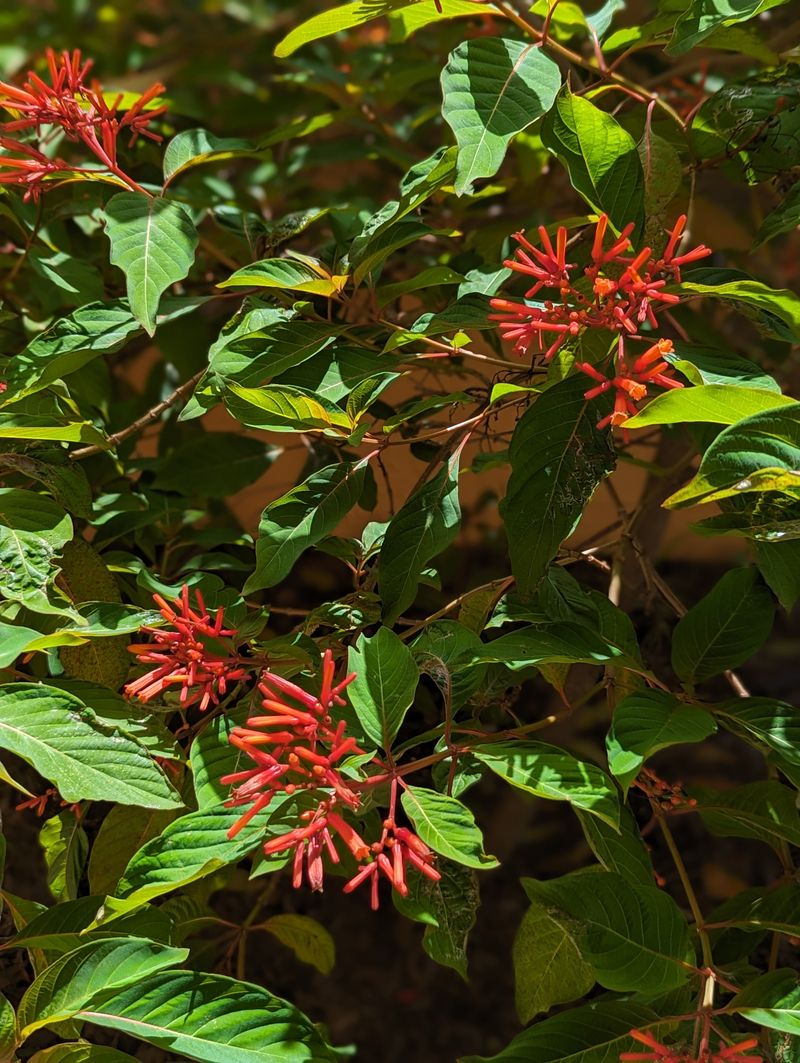
Not every cut has to wait for February. If a branch is leaning across the sidewalk or poking at a window screen, go ahead and deal with that one branch.
Light tidying after a heavy flush of flowers is generally fine. The key word is light, because repeated or aggressive trimming leads straight to fewer blooms.
Picture selective snips rather than a full shearing. Follow the offending stem back to a joint inside the shrub and remove it there, which keeps the natural shape intact.
Shearing the outside like a hedge creates a dense shell of twigs and a thin interior. Firebush looks far better, and flowers far more freely, with a loose open habit.
A quick checklist helps. Remove what blocks a path, what rubs against the house, what crosses awkwardly through another branch, and leave the rest alone.
Clean, sharp blades matter too. A crisp cut seals over faster than a crushed, ragged one.
Everything else can honestly wait. September is a fine month to walk around with snips in your pocket and use them about four times, then put them away and let the shrub do its thing.
7. Give Firebush Room To Flower Instead Of Fighting Its Size
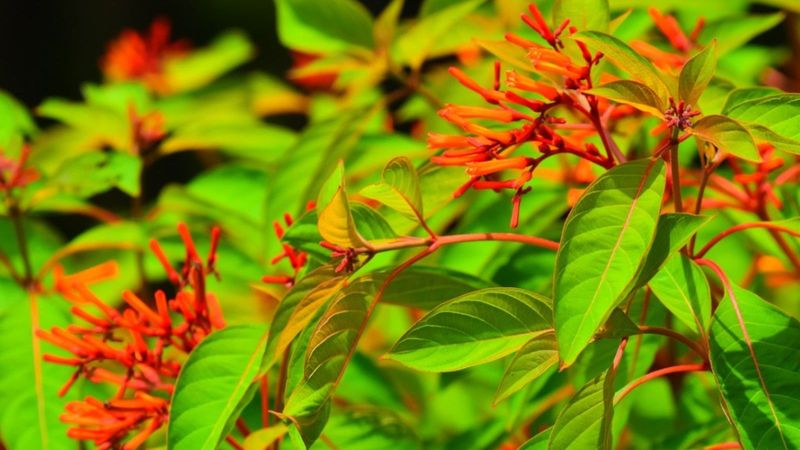
Firebush grows fast, and it grows big. Left on its own, the shrub can reach somewhere between 6 and 15 feet tall with a spread to match.
Plenty of gardeners keep theirs closer to 5 to 8 feet with steady attention. That works, though there is a trade-off worth knowing about.
Shrubs that are constantly cut back spend energy rebuilding leaves and stems instead of pumping out flowers. Ones given elbow room usually bloom more generously.
The smartest fix happens at planting time, not pruning time. Set firebush where a large shrub actually fits, like a back fence, a property line, or a spot screening the neighbor’s shed.
Squeezed into a narrow foundation bed, it becomes a chore you fight twice a year. Given eight or ten feet of space, it turns into a living privacy screen buzzing with wings.
Already stuck with a bad placement? Consider moving it during the cool season rather than committing to constant trimming.
Working with the plant’s natural size beats wrestling it into something smaller. Your shears get a rest, and the pollinators get their reliable fall nectar stop.
8. Let Fall Nectar Keep Your Pollinator Garden Busy
Autumn has a quiet problem in many gardens. Summer annuals fade, spring perennials finished long ago, and suddenly there is not much on the menu.
Firebush ignores that slump. The shrub blooms right through late summer and deep into fall, holding steady while neighboring plants taper off.
That reliability is exactly what makes it valuable. Hummingbirds prepping for migration and butterflies building reserves for cooler weather need nectar they can count on.
Pair firebush with other late bloomers and the effect multiplies. Native salvias, blanketflower, porterweed, and goldenrod stretch the season even further.
Think of your yard as a rest stop along a very long highway. Pollinators do not read calendars, they simply follow food, and a September full of blossoms puts your address on their route.
Skipping the fall haircut is honestly the easiest gardening decision available. You do less work, spend nothing extra, and get more wildlife activity in return.
Grab a glass of iced tea and watch the traffic instead. A garden that stays busy into November feels alive in a way that a neatly clipped one simply cannot match, and the shrub will still be there waiting when real pruning season arrives.
9. Prune Later Without Sacrificing Next Season’s Growth
Worried that waiting until late winter means a scraggly plant all year? The opposite tends to happen.
Pruning as temperatures start climbing lets firebush pour its energy straight into strong new shoots. Recovery is quick because the growing season is beginning rather than ending.
Since flowers form on that new growth, the timing sets up a fresh wave of blooms for the coming season. You get structure and color from the same single cut.
Holding off also protects the plant from surprise cold. Tender new shoots pushed out by an early trim can get nipped by a late chill, while unpruned stems shrug it off.
A handy signal is the plant itself. Once new growth begins and the threat of damaging cold has passed, the plant is entering its active growth period and pruning can be timed accordingly.
Follow up with a layer of mulch and a light feeding to support the flush. Water regularly for a few weeks while roots and shoots get going.
So the September answer turns out to be pretty relaxing. Leave the flowers for the hummingbirds and butterflies, let berries ripen for the birds, and circle back with your shears when winter loosens its grip.