Peanuts In New Jersey? The Crop Most Gardeners Overlook
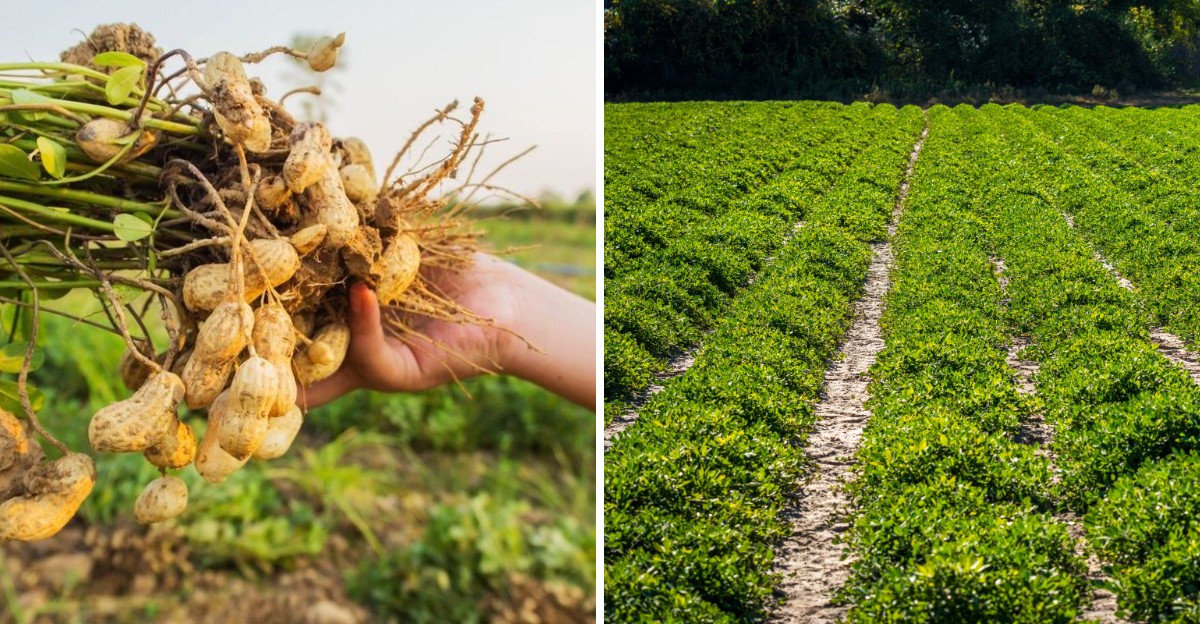
A certain backyard crop blooms above ground, then pushes its babies down into the dirt to grow. The flower stalk literally bends over and digs in.
I laughed the first time I read that. Then I learned the plant has been grown in American gardens for centuries, and not only down South.
You probably walk past its seeds at every ballgame and grocery store. Yet very few gardeners in New Jersey have ever tried growing it at home.
Turns out New Jersey summers are long enough for the right kinds. A sunny bed, sandy soil, and a little patience can carry you a long way. So why do so many of us skip it, and what would happen if you gave it one season?
Those Yellow Peanut Flowers Have a Strange Underground Secret
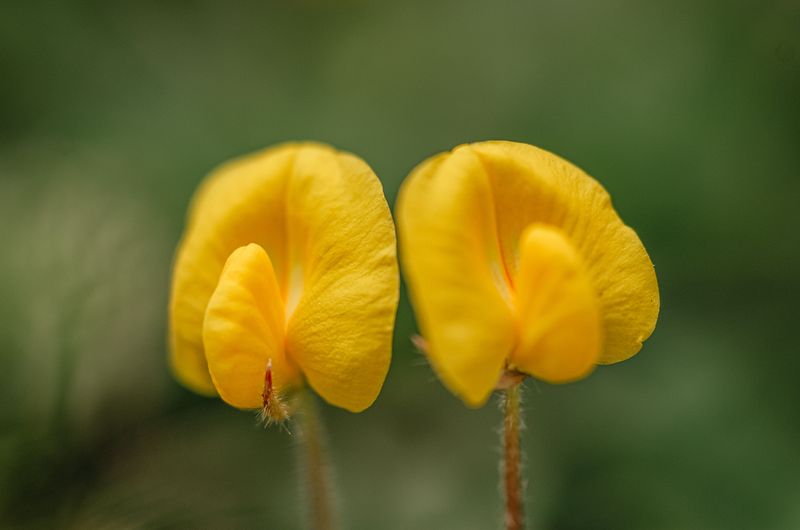
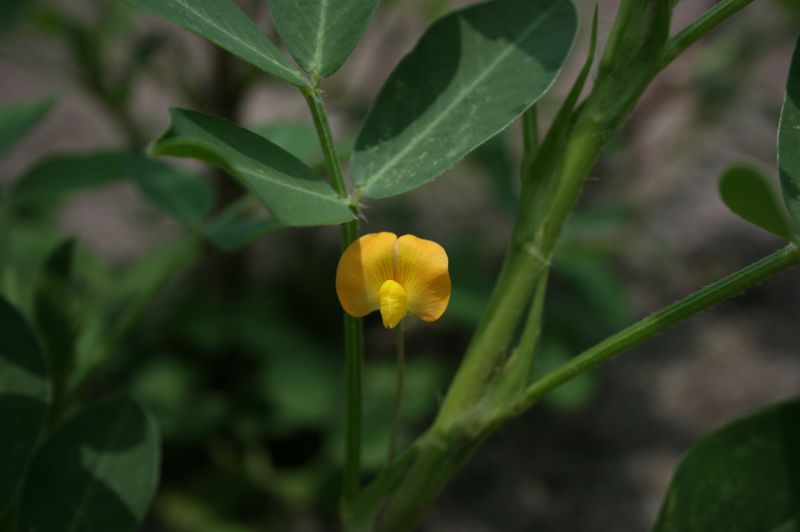
Peanut plants put on one of the oddest shows in any vegetable bed. Small yellow flowers open in the morning, pollinate themselves, and fade by afternoon.
After that, a stalk called a peg starts to stretch from the spent bloom. It bends toward the ground, pushes into the soil, and forms a pod at its tip a few inches down.
That is why peanuts are often called groundnuts, even though they are legumes like beans and peas.
I still remember checking my first plants and spotting those pale pegs poking into the dirt. It felt like the garden was hiding a surprise just for me. Kids love this part, too, so it makes a fun family project.
The pegging habit also explains most of the rules for growing them well. Soil has to be loose enough for pegs to enter.
Moisture matters while pods are forming, and calcium needs to sit right where the nuts develop.
Once you understand this one quirk, the rest of peanut growing makes sense. Every tip in this guide connects back to helping those little pegs do their job. Keep that picture in mind, and you will be ahead of most beginners.
Garden State Summers Can Grow a Real Peanut Harvest
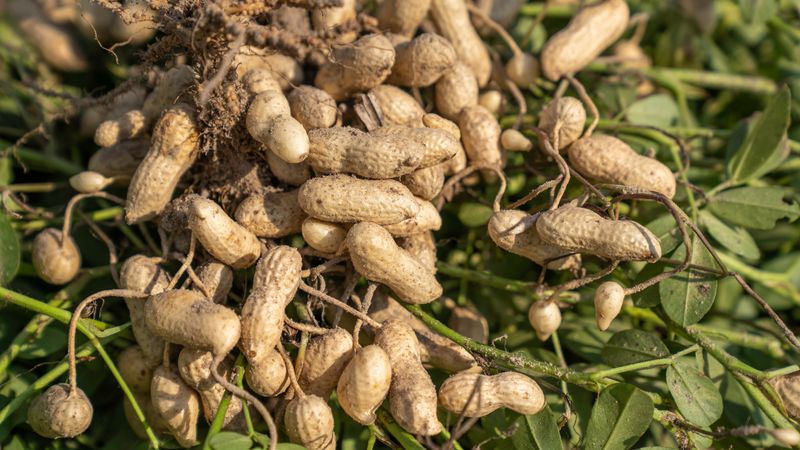
Most commercial peanuts come from Georgia, Alabama, Texas, and the Carolinas. That fact convinces plenty of northern gardeners to give up before they start.
Home growers farther north, including parts of New York and Michigan, have harvested peanuts with short-season types.
New Jersey sits mostly in USDA zones 6b through 7b, and many areas see roughly 160 to 200 frost-free days. That window comfortably covers peanut varieties that need about 100 to 130 days.
Southern and coastal parts of the state, like Cape May and Atlantic counties, offer the easiest conditions. The sandy soils of the Pine Barrens region are a bonus, since peanuts love light, loose ground.
Gardeners in the cooler northwest hills can still succeed, but they should choose the fastest varieties and plant on time.
Expect a home-sized harvest, not a farm crop. A healthy plant often gives a few dozen pods, so a short row makes a nice snack supply.
The real limits are soil temperature and the length of the warm season. Peanuts struggle in cold ground, so waiting for warm soil matters more than where you live. Get that timing right and your chances improve a lot.
Your New Jersey Garden Changes Every Week. Your Plan Should Too.
Gardening in New Jersey changes quickly throughout the season. Every Friday you’ll receive a simple weekly plan showing exactly what to plant, prune, fertilize, harvest, and protect so you never miss the right timing.
Pick a Fast Valencia or Spanish Peanut Variety First
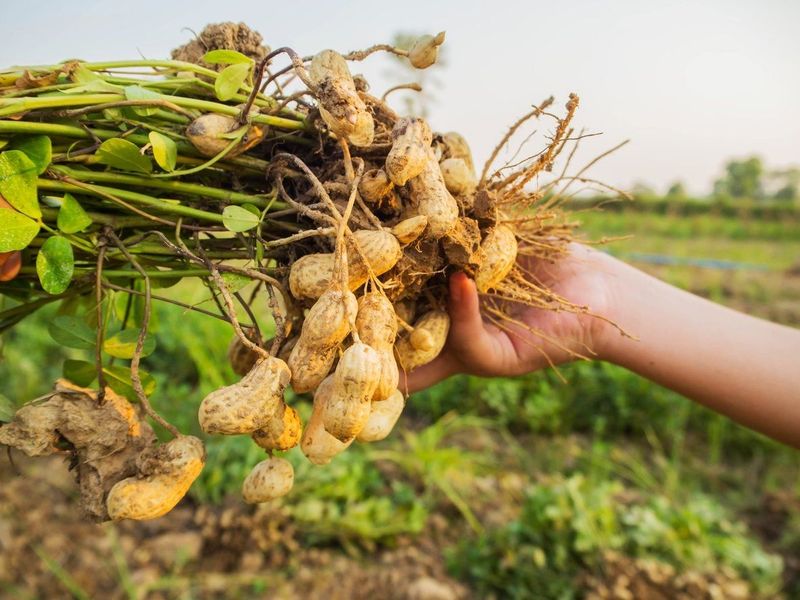
Choosing the right peanut is the biggest win you can make before planting. Not all types finish in time for a northern fall.
Valencia peanuts are a favorite for shorter seasons. Tennessee Red Valencia is a classic, often maturing in about 110 to 120 days, with three or four red-skinned kernels per pod.
Spanish types, like Early Spanish, are small and sweet, and some seed companies list them at around 100 to 110 days.
Virginia peanuts, the big ballpark kind, and Runner types usually need a longer season. They can work in warm spots, but they carry more risk if fall turns chilly early.
Fun fact for history fans. George Washington Carver promoted peanuts in the early 1900s to help Southern farmers restore worn-out soil, and he developed hundreds of uses for them.
Buy raw, unroasted seed peanuts from a garden supplier, not grocery store nuts. Roasted ones will not sprout.
You can plant them shelled or in the shell, though shelling with care, keeping the thin seed skin intact, often speeds things up. Order early in winter. Popular short-season types tend to sell out before spring arrives.
Sandy, Loose Soil Lets Peanut Pegs Dig In
Heavy clay is the peanut’s worst enemy. Pegs are soft and thin, so they struggle to push through hard, sticky ground.
Aim for loose, well-drained sandy loam. If your yard leans toward clay, as many northern and central New Jersey yards do, a raised bed is your best friend.
Fill it with a mix of topsoil, sand, and some compost, but go easy on rich manure. Sunshine is the other must. Pick the brightest spot you have, with at least eight hours of direct sun. Shady plants grow leafy and give a skimpy harvest.
Test your New Jersey soil before planting. Many extension guides suggest a pH of roughly 5.8 to 6.5 for peanuts, and Rutgers Cooperative Extension offers affordable soil tests for state residents. Lime can raise low pH if needed, based on the test results.
After the plants reach about a foot tall, loosen the soil surface gently and pull a little extra around the base.
Some growers mound it like potatoes, while others add a light straw mulch. Either way, you are making a soft landing zone so the pegs can slide right in.
Warm Soil Matters More Than the Calendar for Planting Peanuts
Cold, damp soil makes peanut seeds rot before they sprout. Patience in spring pays off all summer long.
Wait until the soil hits at least 65 degrees Fahrenheit at planting depth. In most of the state, that lands in mid to late May, a week or two after the last frost. A cheap soil thermometer takes the guesswork out of it.
Want a head start? You can sow seeds indoors in biodegradable pots three to four weeks before transplanting.
Peanuts dislike root disturbance, so handle them gently and plant pot and all. Black plastic laid over the bed for a week or two can also warm the ground faster.
Plant seeds about one and a half to two inches deep. Space them roughly six to eight inches apart, in rows about two to three feet apart, or in a block pattern for small beds.
Watch out for squirrels and chipmunks. They will happily dig up freshly planted seeds for a free snack.
Covering the bed with row cover or chicken wire until the sprouts appear saves a lot of frustration.
Gypsum Around Peanut Plants Helps Fill Out Those Pods
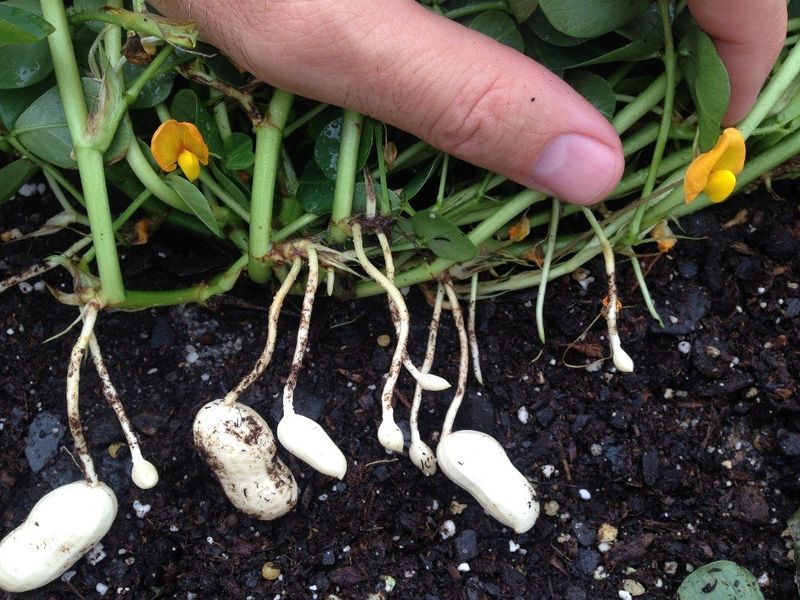
Ever cracked open a peanut shell and found it half empty? Low calcium near the pods is a common cause.
Developing pods soak up calcium straight from the soil around them, not mainly through the roots. That is why many growers side-dress with gypsum, which is calcium sulfate, right when flowering and pegging begin.
Sprinkle it over the soil around the plants, where the pegs will enter, then water it in. Gypsum supplies calcium without changing soil pH much, which makes it handy. Your soil test results can guide how much you need.
Nitrogen is a different story. Peanuts partner with soil bacteria that fix nitrogen in root nodules, so heavy nitrogen fertilizer tends to give you big leaves and fewer nuts. A modest amount of compost at planting is plenty for most beds.
Some gardeners also dust the seed with a peanut-specific rhizobia inoculant before planting. It can help in soil where peanuts have not grown before, which describes most northern gardens.
Think of feeding peanuts as targeted support rather than a big buffet. The right nutrient in the right spot beats piling on extras.
Steady Watering Keeps Peanut Pods Growing Through Summer
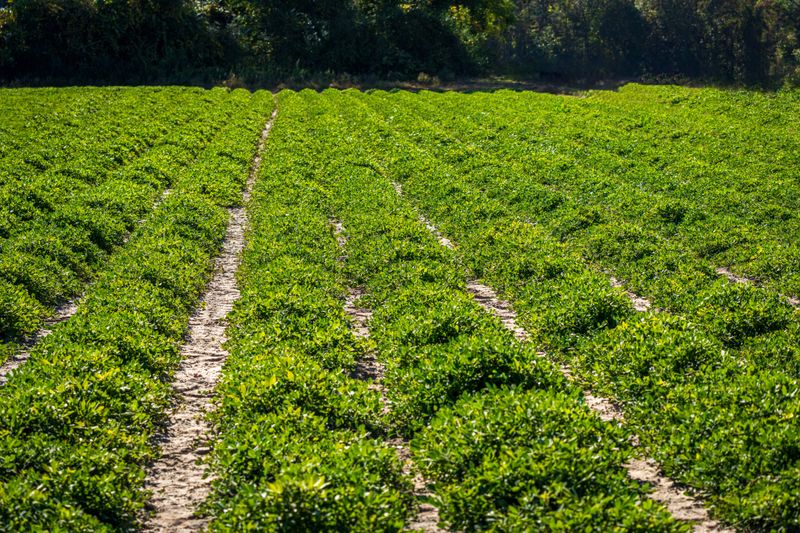
July and August decide your harvest. Flowers, pegs, and young pods all form during midsummer, and they need consistent moisture to keep going.
Give the bed about an inch of water per week, counting rainfall. Deep, even soakings work better than light daily sprinkles. A soaker hose or drip line keeps leaves dry, which helps reduce leaf spot diseases.
Hot, dry spells are common in late summer, so check the soil with your finger. If the top couple of inches feel dry, it is time to water. On the flip side, soggy soil invites rot, so good drainage still matters.
Keep weeds pulled while plants are young. Once pegs are in the soil, avoid deep hoeing near the plants, because you can snap them off. Hand-pulling and light mulch are safer choices.
I like a thin straw mulch after pegging starts. It holds moisture, keeps soil cool, and stays soft enough for late pegs to reach the ground.
As fall approaches and leaves start yellowing, ease up on water. Many growers stop watering a week or two before digging to help pods firm up.
Digging and Curing Your Homegrown Peanuts Is the Sweet Payoff
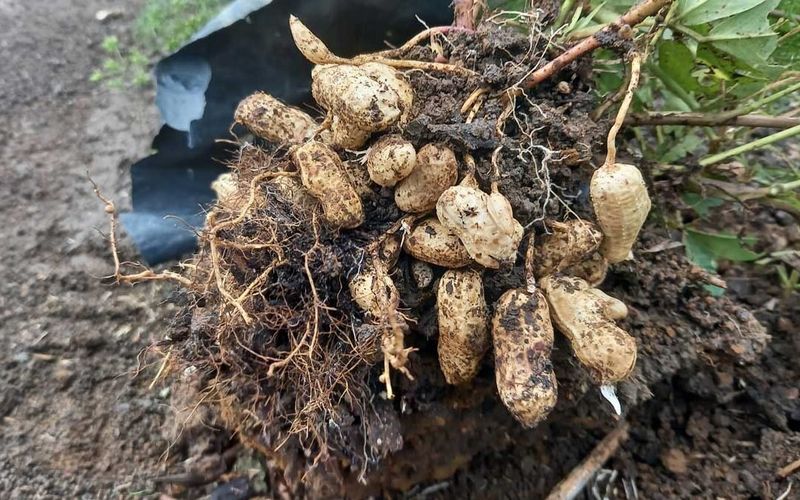
Few garden moments beat lifting a peanut plant and seeing pods dangling from the roots. It feels like finding buried treasure.
Harvest when leaves turn yellow and pods look mature. Pull up one test plant and crack a few shells.
Ripe pods usually show darker veining inside the shell, and the kernels fill the space. In most of the state, that falls from late September into early October.
Dig before a hard frost hits, since cold can harm quality. Loosen the soil with a garden fork a few inches out from the plant, then lift the whole thing gently.
Shake off loose dirt and hang plants upside down somewhere warm, dry, and airy, like a garage or covered porch. Let them cure for about two to three weeks. Curing improves flavor and helps prevent mold.
Once the shells rattle and feel dry, pull the pods off and store them in mesh bags. Roast them at around 350 degrees for 15 to 20 minutes for a snack you cannot buy anywhere.
Save a handful of your best pods as seed for next year. Your own garden line starts right there.