8 Cool Season Flowers California Gardeners Can Plant In November For Winter Color
A flower nicknamed for the French word meaning thought can handle frosty nights that dip near 25 degrees. Another winter favorite needs a few weeks of chilly weather before it will even think about forming buds.
Gardens across California often look their brightest in winter while much of the country hides under snow. Cool nights and seasonal rain create a perfect setup for flowers that sulk during our long hot summers.
I have to admit that November planting felt backward to me until I saw my first frosty flower bed. You get to dig in mild weather, and your plants settle their roots before the real chill arrives.
Some of these picks smell like cloves, and a few even end up as pretty garnishes on dinner plates. Which cheerful bloomer will earn the first spot by your California front door this winter season?
1. Pansies
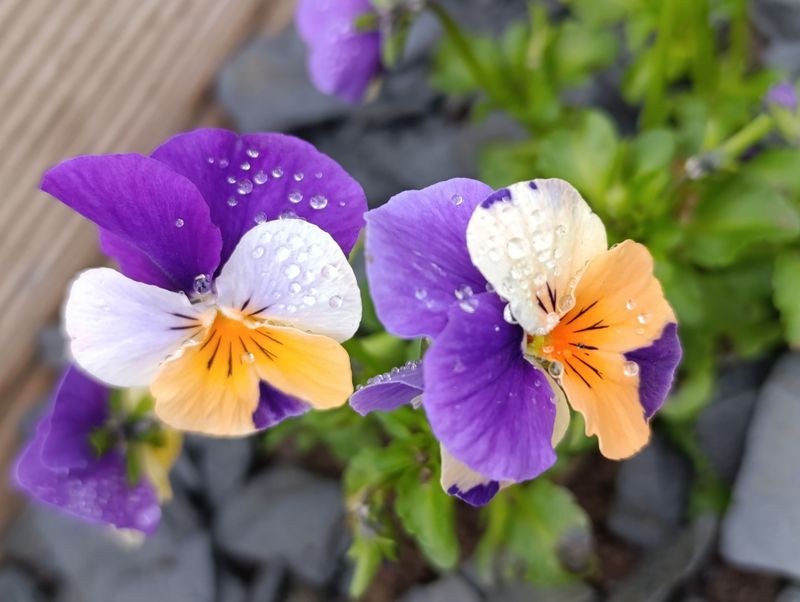
Few flowers wear such expressive faces, and pansies seem to watch you walk past with little painted frowns and grins. Their name comes from the French word pensée, meaning thought, because the blooms nod as if lost in thinking.
Flowers usually span one to four inches across, and the colors range from sunny yellow to nearly black velvet. Plants stay compact at roughly six to twelve inches, so they tuck nicely into pots and front borders.
Cool weather between about 45 and 65 degrees keeps them happiest, and light frosts near 25 degrees rarely bother them. That toughness makes November a smart planting month across the milder valleys and coastal parts of California.
Personally, I buy sturdy nursery starts that already show a few buds instead of plants in full bloom. Younger plants put energy into roots first, and that strong base pays off with steady color for months.
Give them full sun in winter, but a spot with afternoon shade helps them last longer once spring warms up. Rich, well-drained soil with some compost mixed in keeps roots healthy and helps prevent rot during rainy weeks.
Water regularly so the soil stays evenly moist, yet let the surface dry slightly between drinks. Snip off faded blooms every week, since plants making seeds tend to slow their flower production quickly.
Keep an eye out for slugs and snails on damp nights, because they love chewing ragged holes in petals. Bonus fact, the blooms are edible and look adorable pressed onto cookies or scattered across a salad.
2. Violas
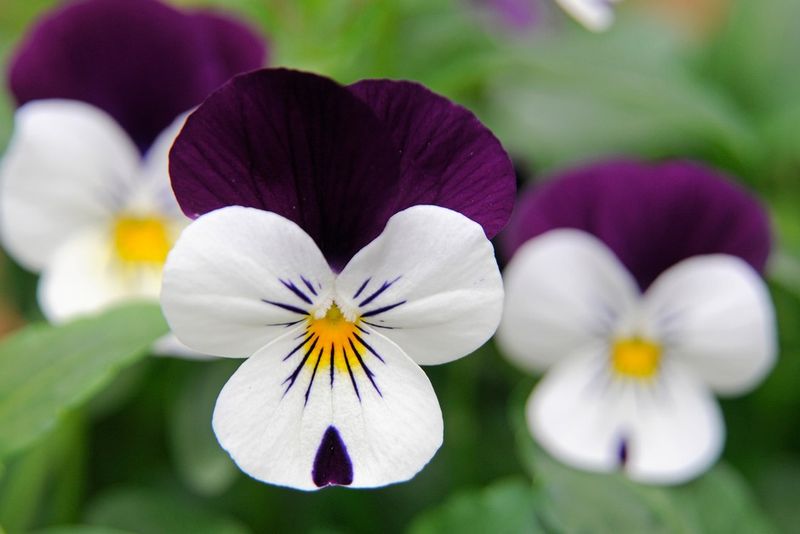
Johnny jump-ups earned their cheeky nickname by popping up in unexpected corners of the garden year after year. Violas are the smaller cousins of pansies, but they make up for size by blooming in big numbers.
Each flower usually measures under an inch, often with tiny whisker lines that make it look like a kitten face. Mounds stay low at roughly five to eight inches, which makes them lovely for edging paths and filling gaps.
What surprises me most is how well they handle a warm spell compared with their larger, showier relatives. They often keep blooming later into spring, which stretches your color show a few extra weeks.
Your California Garden Changes Every Week. Your Plan Should Too.
Gardening in California changes quickly throughout the season. Every Friday you’ll receive a simple weekly plan showing exactly what to plant, prune, fertilize, harvest, and protect so you never miss the right timing.
Fall planting from September through November works nicely in mild regions, including southern coastal areas and inland valleys. Early roots settle in quickly, and plants usually shrug off light frosts down to about 25 degrees.
Choose a sunny or partly shaded spot with moist, humus-rich soil that drains well after heavy winter rain. Water at the soil line instead of overhead, since wet leaves invite gray mold and leaf spot problems.
Pinch off spent flowers if you want neater plants, or let a few go to seed for free volunteers. I love letting them self-sow along walkways, because the surprise seedlings next fall feel like little gifts.
Bees appreciate the early nectar, and violas also host caterpillars of several fritillary butterfly species in the garden. The edible blooms look darling on cupcakes, and deer usually leave the plants alone, which feels like a nice win.
3. Snapdragons
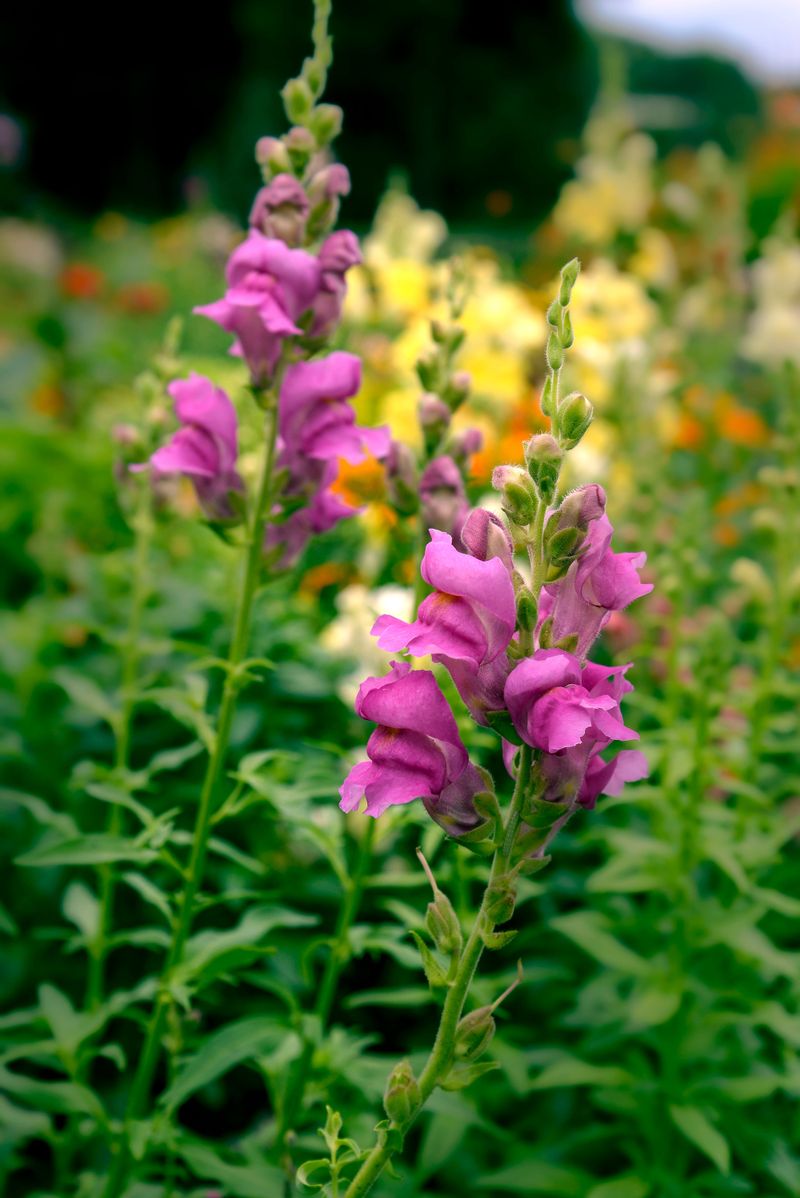
Give a snapdragon bloom a gentle squeeze on its sides, and the flower opens like a tiny dragon mouth. Kids giggle every time, and honestly, so do I after many years of growing these playful spikes.
Heights vary a lot, from dwarf types around six inches to tall cutting varieties reaching three feet or more. Colors cover nearly every shade except true blue, so matching your color scheme becomes easy and fun.
Planting in November gives roots time to grow strong before the brightest flower show of late winter and spring. Coastal gardeners can grow them nearly year-round, while hot inland valleys get the best results with fall planting.
Aim for at least six hours of sun, plus some afternoon shade in warmer regions once temperatures climb. Fertile, well-drained soil with a pH between 6.0 and 7.0 suits them well, especially with compost mixed in.
When young plants reach three or four inches tall, pinch the tips to encourage bushier growth and extra stems. That trick may delay the first flowers slightly, but you will usually gain many more spikes for bouquets.
Rust is a common problem, so water at the base in the morning and leave room for airflow between plants. Remove any leaves showing orange powdery spots right away, and avoid crowding plants into tight, shady clumps.
Bumblebees are strong enough to pry the closed flowers open, which is fun to watch on sunny afternoons. Snip faded spikes regularly, and side shoots often follow with a second round of cheerful color.
4. Calendula
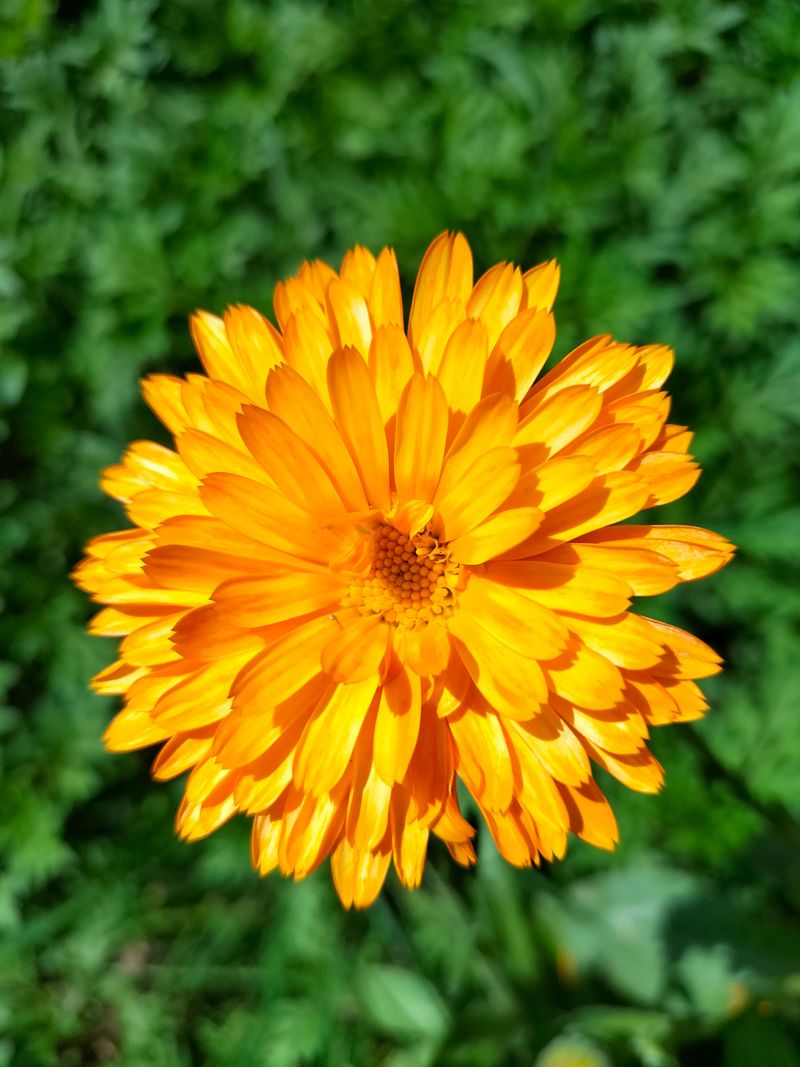
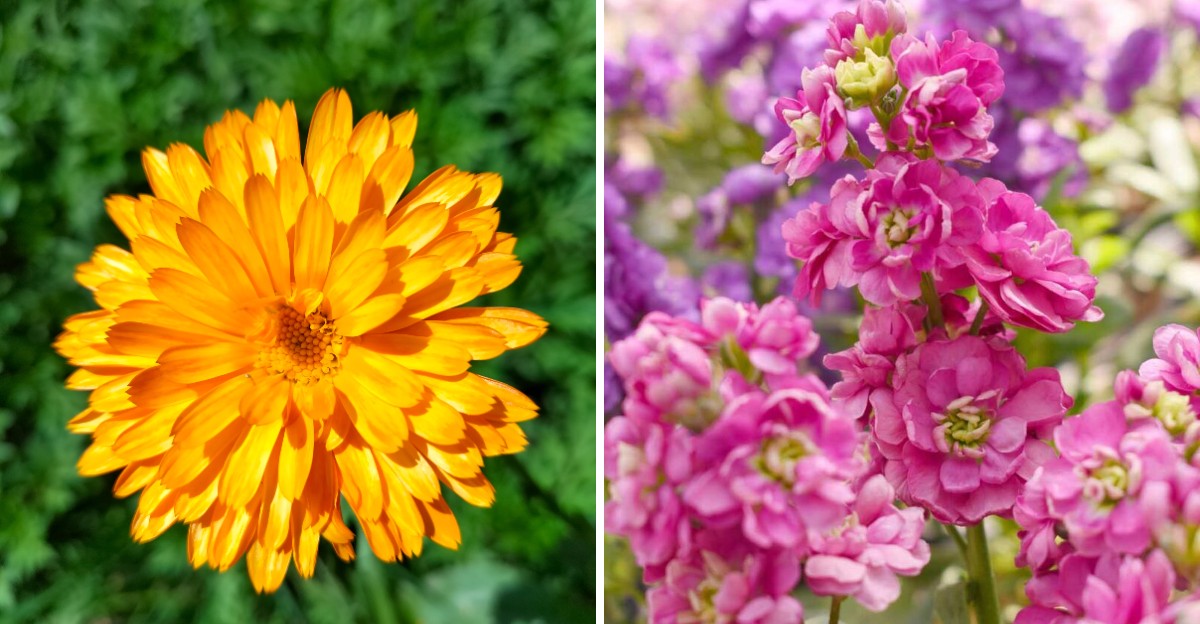
Calendula petals close up at night and during wet weather, almost like the flowers are tucking themselves into bed. Despite the nickname pot marigold, this plant is not a true marigold, which belongs to a different genus.
Blooms come in creamy white, golden yellow, apricot, and glowing orange, measuring up to four inches across. Bushy plants usually grow one to two feet tall, filling space fast without any fuss from you.
In mild regions of California, calendula can bloom from late fall clear through spring with steady color. Seeds sprout quickly, often in five to ten days, so sowing them about a quarter inch deep works well.
I believe this flower forgives more mistakes than almost anything else in my winter garden beds. Average soil suits it fine, and very rich soil tends to produce lots of leaves with fewer flowers.
Full sun brings the most blooms, though partial shade helps plants hang on longer in hot inland spots. Water young plants regularly, then ease back once they mature, since established calendula handles some dry spells.
Aphids love calendula, which actually works in your favor because it can lure them away from nearby vegetables. Ladybugs and hoverflies follow those aphids, so planting a few near lettuce and broccoli makes a lot of sense.
The peppery petals brighten salads and have a long history in skin balms and soothing herbal teas. Pick faded heads often, or let a few ripen if you want a fresh crop of seedlings next year.
5. Stock
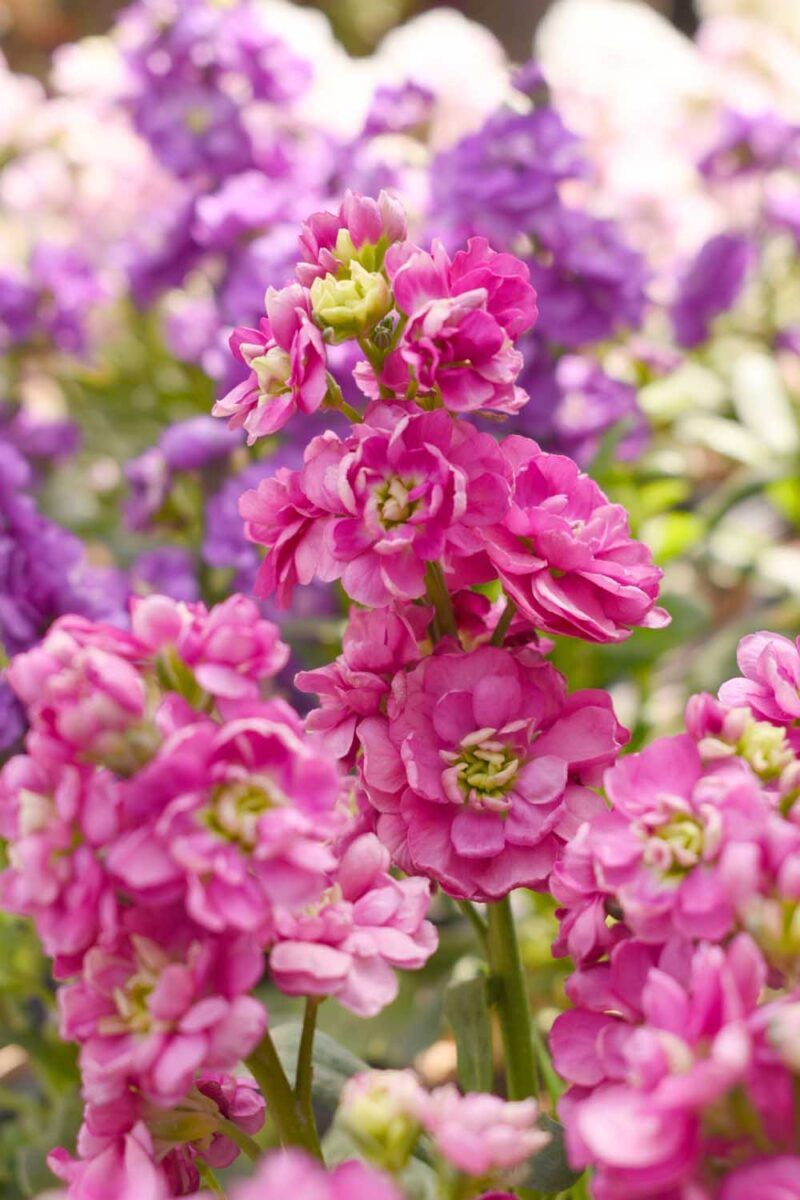
Walk past a bed of stock on a cool evening, and a spicy clove scent will reach you first. I can’t imagine a winter garden without that sweet fragrance drifting through an open kitchen window at dusk.
Dense spikes of single or double flowers come in white, pink, lavender, purple, red, cream, and soft yellow. Plants reach one to three feet tall, and the long stems last beautifully in a vase indoors.
Stock needs two or three weeks of nights between about 40 and 55 degrees to start forming flower buds. That chilly requirement makes November planting a smart move, with flowers following later in winter and spring.
Hot weather above 80 degrees makes the plants struggle, so blooms mostly fade once summer heat settles in. Enjoy them while they shine, and replace them with warm-season flowers when temperatures start climbing in late spring.
Full sun brings the most blooms, and the soil should drain well with a neutral to slightly alkaline pH. Mix in compost before planting, but go easy on high-nitrogen fertilizer, because it often leads to floppy stems.
Water in the morning so the leaves dry by evening, which helps reduce gray mold and mildew trouble. Aphids can be a real nuisance, so check the undersides of leaves and spray them off with water.
Tall varieties may need a stake, especially in breezy coastal gardens where heavy flower spikes tend to lean. Deer and rabbits usually skip stock because of its bitter taste, which makes it handy near open hillsides.
6. Cyclamen
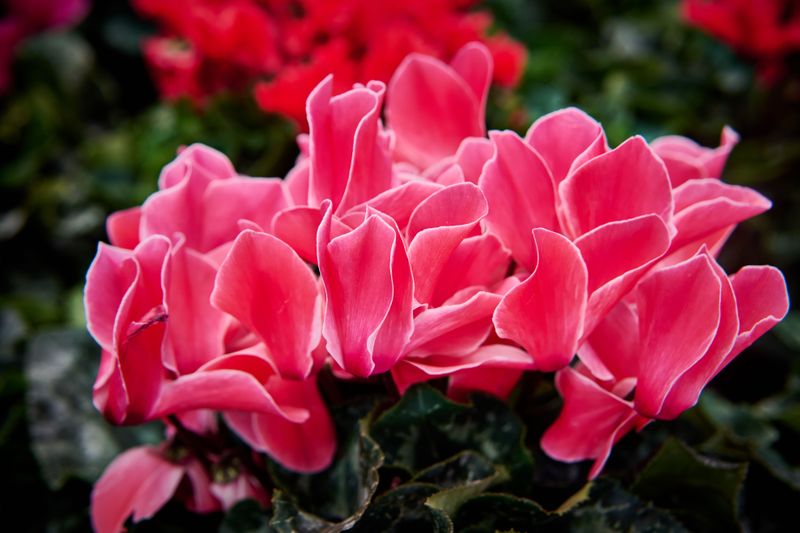
Cyclamen flowers look like a flock of tiny butterflies hovering above heart-shaped leaves with silvery marbled patterns. Florist cyclamen, Cyclamen persicum, comes from the eastern Mediterranean, where cool rainy winters feel a lot like ours.
Swept-back petals come in white, pink, rose, red, and purple, and some types carry a light sweet fragrance. Plants stay low, usually under a foot tall, which makes them wonderful for shady pots near the front door.
Partial shade suits cyclamen best, and bright filtered light under a tree or porch roof works especially well. Mild coastal and Southern California gardens can enjoy flowers from fall well into spring with very little fuss.
Plant the tuber so its top sits slightly above the soil, because a buried crown tends to rot quickly. Loose, well-drained potting mix or garden soil enriched with compost keeps the roots comfortable through rainy stretches.
Personally, I water around the edge of the pot instead of pouring over the center of the plant. Soggy tubers are the most common reason cyclamen struggle, so let the top inch of soil dry between waterings.
Twist and pull old flower stems from the base instead of cutting them, which leaves fewer stubs that can rot. Feed lightly with a diluted bloom fertilizer every few weeks while the plants keep producing new buds.
Leaves often yellow and fade as summer heat arrives, which is a normal dormant rest rather than a problem. Keep pets away from the tubers, since cyclamen is toxic to cats and dogs if they chew on it.
7. Iceland Poppies
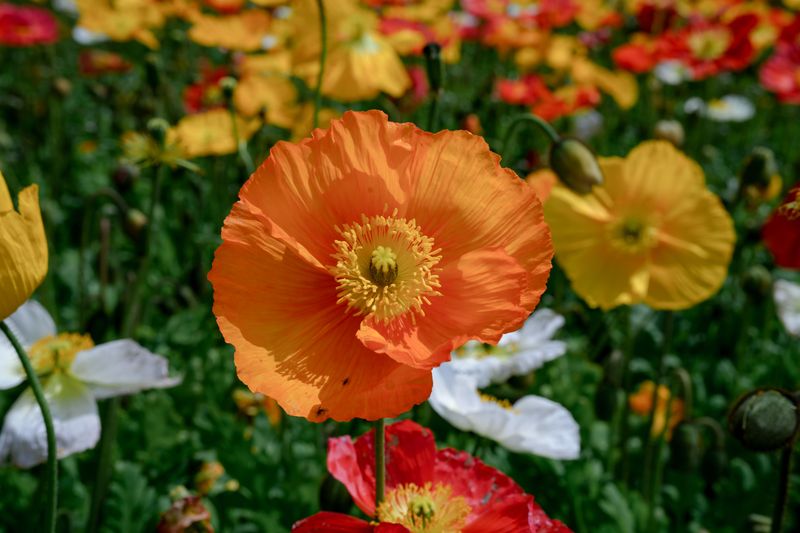
Despite the name, Iceland poppies are not native to Iceland, coming instead from cold subpolar regions of Asia and North America. Their subpolar origins explain why these blooms enjoy chilly weather so much.
Crinkled petals look like silky tissue paper, opening into cups up to four inches across on fuzzy, leafless stems. Shades include white, yellow, orange, salmon, pink, and red, often glowing like lanterns in low winter sunlight.
Temperatures between about 50 and 65 degrees suit them perfectly, which matches many winter days in mild regions. Blooming slows once days climb past 70 degrees, so fall planting gives you the longest stretch of flowers.
Seedlings dislike root disturbance, so handle nursery starts gently and keep the root ball in one piece. Set the crown at soil level in a sunny spot with rich, well-drained soil and steady moisture.
You’re in for a treat if you cut them for the vase when buds just begin cracking open. Picked at that stage, the flowers often last four to seven days indoors, and new buds keep coming outside.
Snails and slugs may nibble on the foliage, so check plants after rainy nights and remove any visitors. Soggy soil can lead to root rot, which is why raised beds and roomy containers work so nicely.
All plant parts contain alkaloids that can be mildly toxic, so keep curious pets and toddlers from nibbling. Bees adore the pollen, and I love watching bumblebees roll around inside the open cups on sunny afternoons.
8. English Primrose
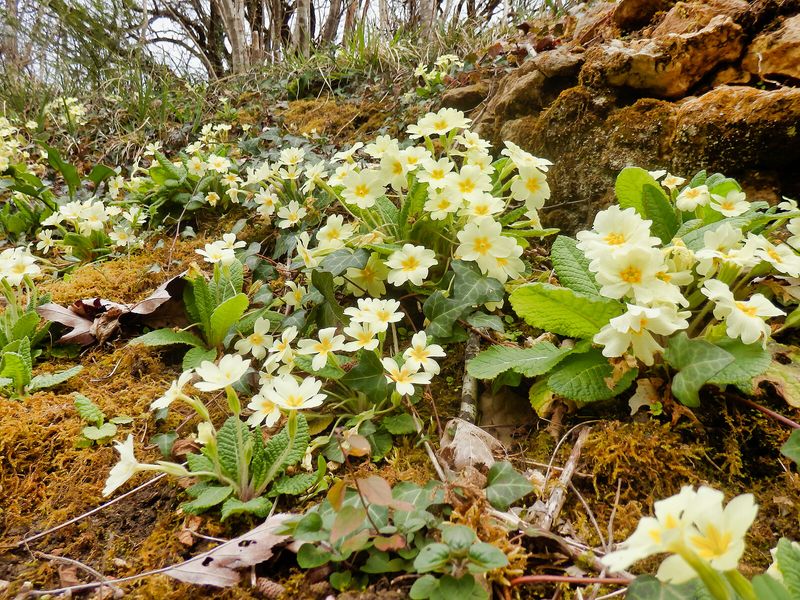
English primroses have brightened cottage gardens for centuries, and their crinkled leaves look like they were pressed with tiny pleats. Flowers cluster right in the center of each rosette, almost like a bouquet someone tucked into the ground.
The wild species wears soft buttery yellow, but modern varieties come in pink, red, purple, blue, orange, and white. Plants stay low, usually four to twelve inches tall, so they shine along shady paths and in window boxes.
Shade lovers can rejoice, because primroses prefer dappled light and need protection from strong afternoon sun. November planting gives them time to root in, with blooms often arriving from late winter into mid-spring.
Rich, humusy soil that stays moist but drains well keeps them happiest, especially with compost mixed in. Primroses sulk if they dry out, so check the soil often during warm, windy spells in winter.
I have to admit that slugs and snails adore primroses even more than I do, munching leaves overnight. Hand-pick them by flashlight after dark, or set out iron phosphate bait, which is a safer option around gardens.
Water at the base to keep leaves dry, and keep mulch slightly away from the crown. Pinch faded blooms regularly, and feed with a balanced fertilizer rather than a high-nitrogen one that favors leaves.
Many gardeners in warmer areas treat them as winter annuals, since summer heat often sends them into decline. Keep pets from snacking, since English primrose is toxic to cats and dogs, though people can eat the flowers.