Pennsylvania Plants That Naturally Change Their Color In Fall
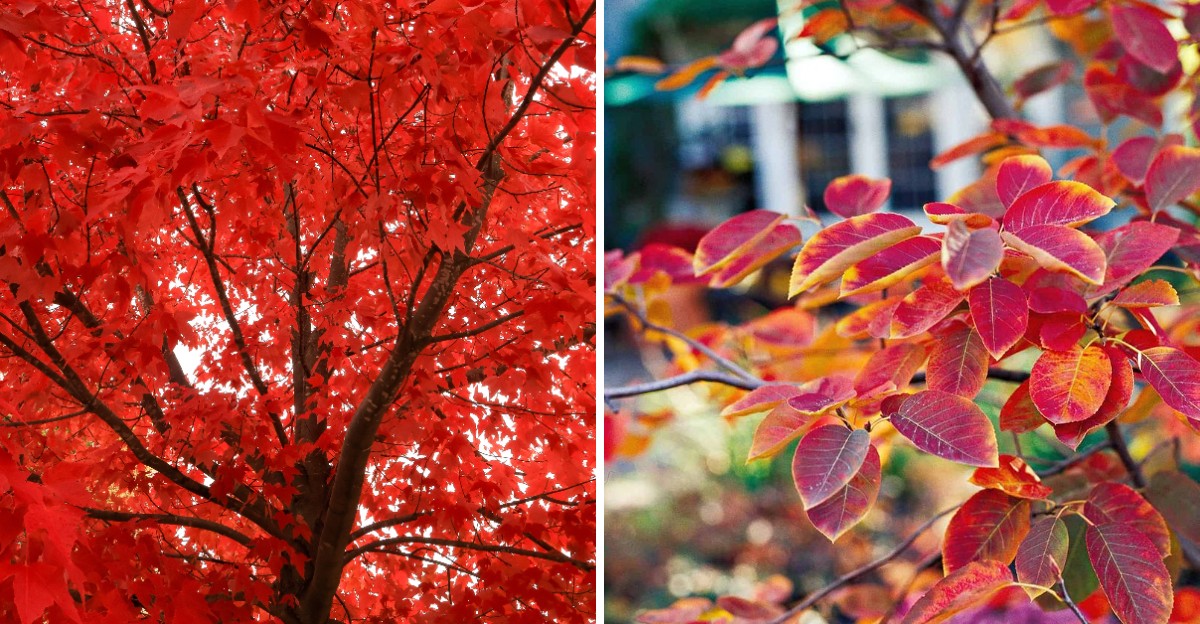
Green leaves hide yellow and orange pigments all summer long, quietly waiting under a thick coat of chlorophyll. Cooler nights and shorter days finally break down that green, and the hidden colors suddenly get their big moment.
Reds work a little differently, because many leaves actually build those pigments fresh during sunny autumn days. Sunny days paired with cool nights tend to produce the boldest reds, so every October brings a slightly different show.
I have to admit, I start watching my backyard like a hawk once Pennsylvania mornings turn crisp and foggy. You might notice certain trees and shrubs blush weeks before their neighbors, almost like they cannot wait for fall.
Personally, I believe the best color is the kind you can plant yourself and enjoy every year from your porch. Which native beauties around Pennsylvania deserve a spot in your yard before the ground freezes this season?
1. Sugar Maple
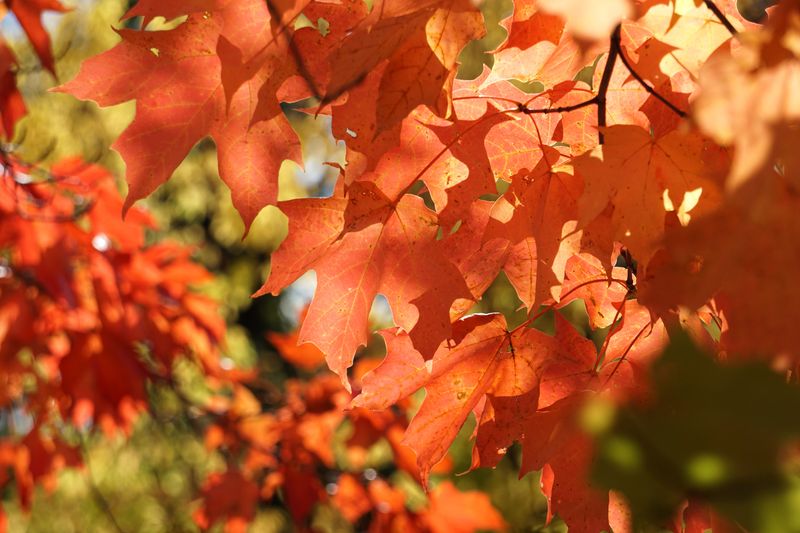
Every bottle of real maple syrup on your breakfast table owes its sweetness to this classic tree and its springtime sap. Come October, Acer saccharum swaps sticky sap stories for a blazing crown of yellow, burnt orange, and scarlet.
I love how the outer leaves often turn orange-red while the inner foliage stays a soft, buttery yellow.
Standing under one feels like stepping inside a glowing lantern, especially when late afternoon sunlight pours through the branches.
Sugar maples usually reach 60 to 75 feet tall, so you need plenty of open space for this grand shade giver. The dense crown forms a round or oval shape, and the leaves carry three to five pointed lobes.
Plant this tree in moist, well-drained soil with full sun or partial shade for the healthiest growth and richest color.
Keep it far from salted roads and cramped spots, because those conditions often stress the tree over time.
Shallow roots make gardening underneath it tricky, so I suggest mulching a wide ring instead of fighting for lawn grass. Fall planting works nicely in October, since cooler air and warm soil help young roots settle before winter.
Wildlife loves this tree as much as we do, from squirrels nibbling seeds to songbirds nesting in its leafy branches.
Its early spring blooms also feed hungry pollinators when very few other plants are offering any nectar at all.
2. Red Maple
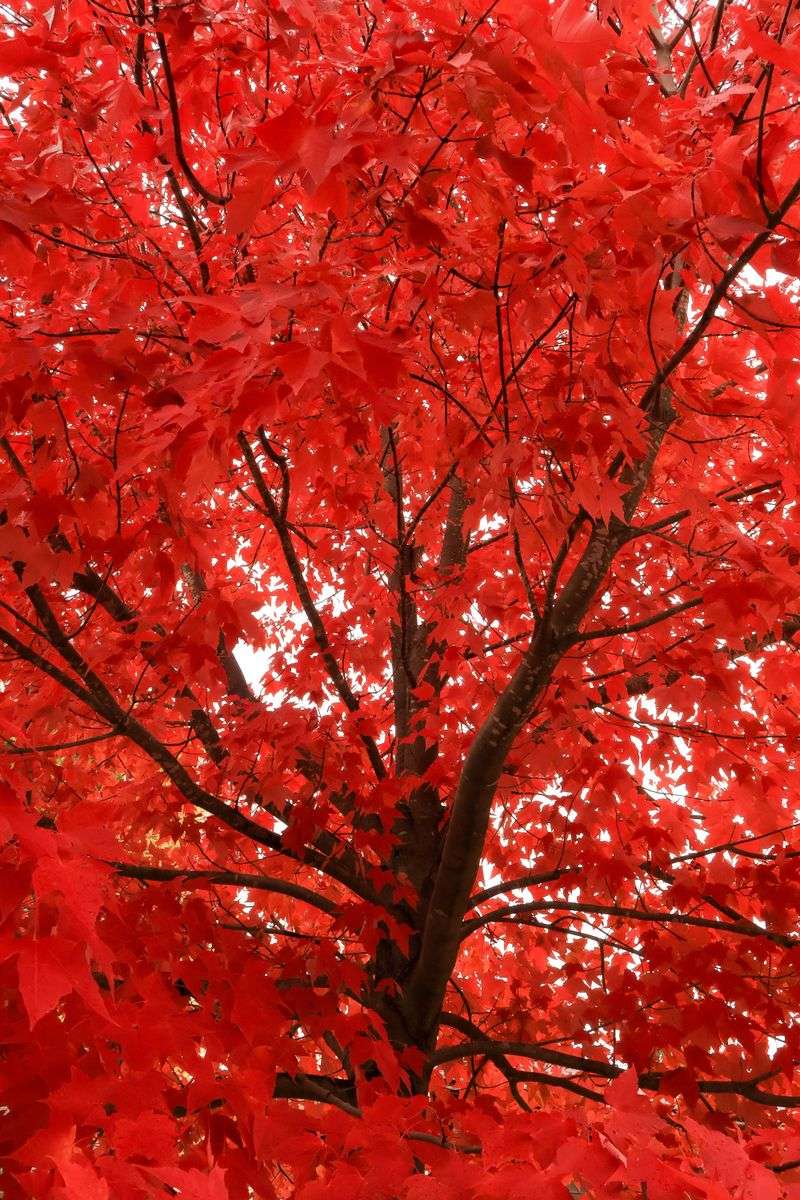
Walk almost any forest trail in Pennsylvania and you will likely pass more red maples than any other tree. Acer rubrum ranks as the most common forest tree here, and October proves exactly how it earned its name.
Leaves explode into scarlet and crimson, often splashed with bright orange and sunny yellow patches across the same branch. Honestly, I think this tree shows off its red side all year, from spring flowers to winter buds and twigs.
Most red maples grow 40 to 70 feet tall, forming a broad oval crown that casts generous summer shade. Young bark looks smooth and silvery gray, then slowly develops furrows and plates as the tree gains years.
Your Pennsylvania Garden Changes Every Week. Your Plan Should Too.
Gardening in Pennsylvania changes quickly throughout the season. Every Friday you’ll receive a simple weekly plan showing exactly what to plant, prune, fertilize, harvest, and protect so you never miss the right timing.
What surprises me most is how forgiving this tree is about soil, handling wet spots, heavy clay, and city conditions.
Acidic soil tends to bring out the most intense fall reds, so skip adding lime anywhere near its roots.
Thin bark bruises easily, so give the trunk a wide mulch ring and keep mowers and string trimmers at a distance. A fresh layer of mulch this month also helps hold soil moisture through the chilly weeks ahead.
Caterpillars of more than 250 moth and butterfly species feed on red maple, including the striking Cecropia moth.
Its flowers open among the earliest each spring, giving emerging bees and hungry squirrels a welcome meal after winter.
3. Black Gum
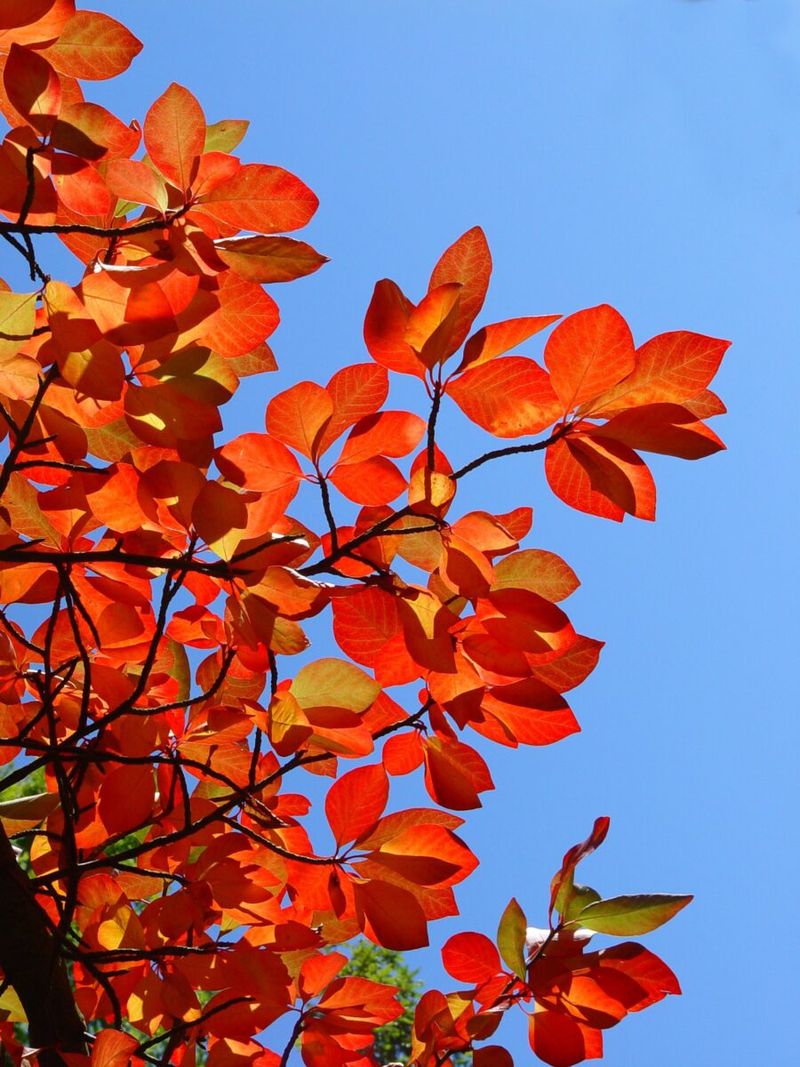
Impatient leaf peepers should get to know this early bird, because its leaves often redden before most neighbors even start.
Nyssa sylvatica, also called black tupelo or sour gum, turns a deep scarlet that practically glows against blue October skies.
You might spot orange and purple tones mixed in too, especially on branches soaking up plenty of sunshine.
The glossy summer leaves give the fall color an extra shine, almost like each one received a fresh coat of polish.
Growth is slow, and garden trees usually reach 20 to 30 feet, though wild giants can tower near 100 feet.
Older trunks develop deep, blocky bark that reminds many people of alligator skin, which I find wonderfully quirky.
Black gum prefers moist, acidic, well-drained soil, yet it handles clay, dry patches, and even occasional flooding with surprising grace.
Start with a small young tree, because its deep root system makes moving an older specimen quite difficult.
Fruit appears only on female trees, and they need a male nearby for those small blue-black berries to form. Robins, thrushes, and flickers gobble these berries in early fall, fueling up for their long migration journeys south.
Bees adore the spring flowers, so your garden gains extra buzzing visitors months before the autumn show begins.
Protect young trees with fencing or tree guards, since deer happily browse tender bark and low branches during winter.
4. Serviceberry
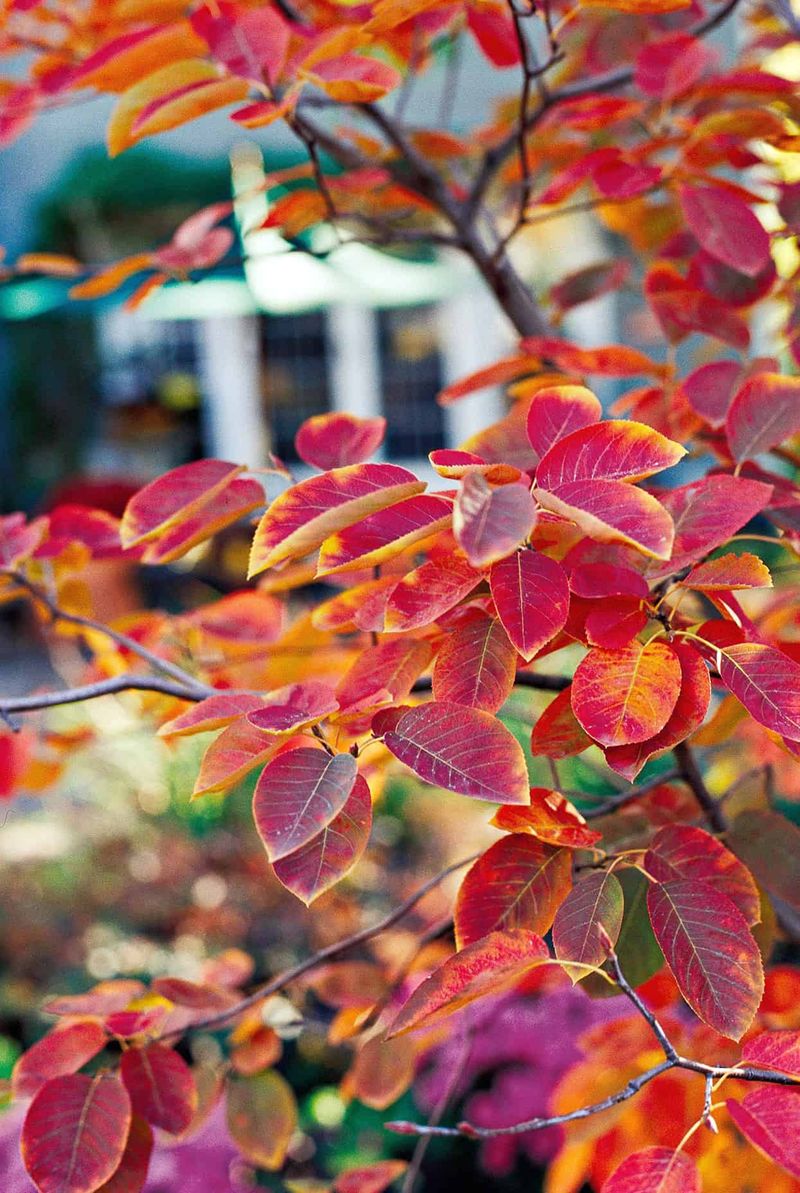
Folks who think one season of beauty is enough have probably never met this hardworking little native tree up close.
Amelanchier arborea delivers spring flowers, summer berries, and autumn color, so it rarely takes a break from impressing visitors.
By October, the leaves glow in orange, red, and gold, sometimes with rich coppery or burgundy tints mixed throughout.
I like how a single serviceberry can light up a small yard without needing the space of a towering shade tree.
Also called downy serviceberry or Juneberry, it usually grows 15 to 30 feet tall as a tree or large shrub. Smooth gray bark, sometimes streaked with reddish lines, keeps the trunks attractive long after the colorful leaves have fallen.
Plant it in full sun or partial shade with well-drained, slightly acidic soil and moderate moisture for best results.
Established plants handle clay, rocky ground, and short dry spells, which makes them easygoing choices for busy gardeners.
Young seedlings tempt rabbits, so wrap their stems with wire mesh before winter arrives and food grows scarce.
October planting works well, giving roots several cool weeks to settle before spring flowers burst open on bare branches.
More than 40 bird species feast on the summer berries, including cedar waxwings, catbirds, and hungry robins.
You can enjoy the fruit too, because the sweet berries taste a lot like blueberries when eaten straight from the branch.
5. Oakleaf Hydrangea
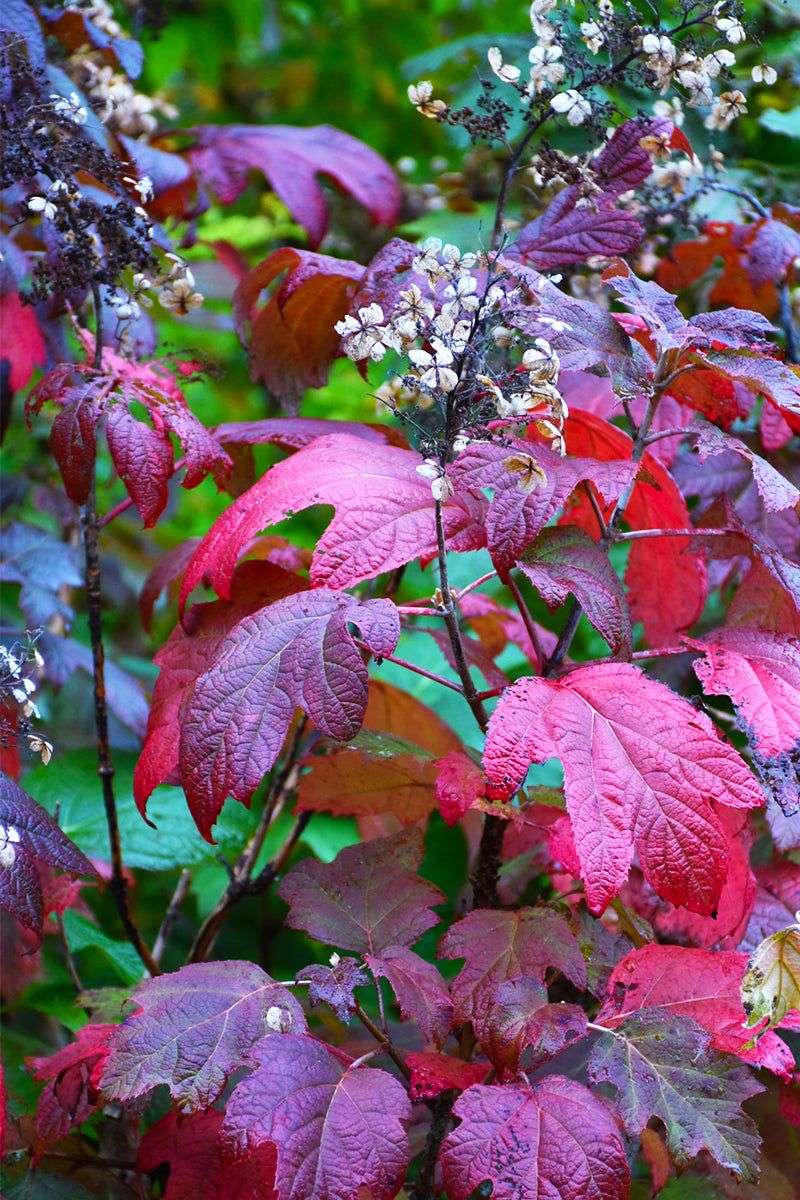
Leaves shaped like giant oak leaves make this shrub a fun conversation starter, especially when they stretch nearly a foot wide.
Hydrangea quercifolia comes from the Southeast, yet it is hardy in Zones 5 through 9, so it grows happily across much of our state.
Autumn turns that leathery green foliage into deep purple, wine red, and bronze, sometimes with flashes of yellow sneaking in.
Personally, I think the fall show beats the summer flowers, and that says plenty about this charming shrub.
Plants usually grow 4 to 8 feet tall and wide, forming a rounded mound that fills garden corners beautifully. Cone-shaped white flower clusters slowly fade to pink and mauve, often lingering on the stems well into winter.
Peeling cinnamon-brown bark on older stems adds winter interest once the colorful leaves finally drop to the ground.
Give this shrub full sun or partial shade with moist, well-drained, slightly acidic soil for the healthiest growth.
Spread two to three inches of shredded bark mulch around the base to hold moisture and steady soil temperatures.
Skip fall pruning, because next year’s flower buds are already forming, so trim only right after summer blooms fade.
Alkaline soil can turn the leaves pale yellow, so test your soil before planting if you have any doubts. Wildlife value stays fairly modest compared to local natives, so I pair it with berry shrubs for hungry birds.
6. Fothergilla
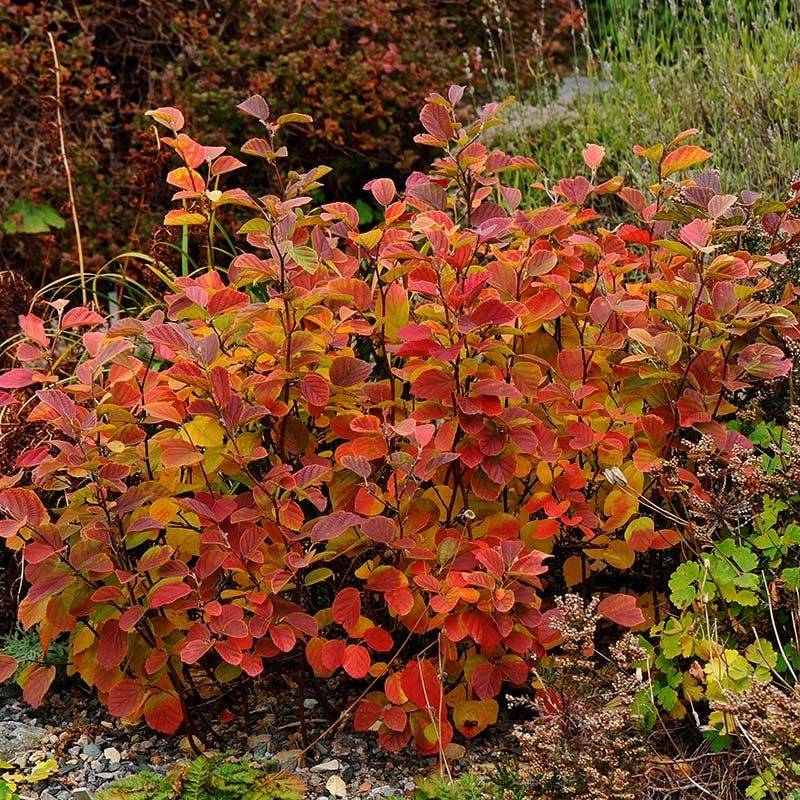
Few shrubs can match a sugar maple for fall drama, but this compact plant gives those big trees real competition.
Fothergilla leaves blend yellow, orange, and red on the same branch, creating a bonfire glow right at eye level.
I can’t imagine a better swap for the invasive burning bush, which many Pennsylvania gardeners still plant for its red leaves.
Fothergilla offers similar fiery color without escaping into nearby woods, so your neighbors and local forests both benefit.
Dwarf fothergilla, Fothergilla gardenii, stays around 2 to 3 feet tall, fitting neatly into small beds and foundation plantings. Large fothergilla, Fothergilla major, grows 5 to 8 feet tall and wide, filling bigger borders with rounded, leafy mounds.
Spring brings fuzzy white bottlebrush flowers with a sweet honey scent, opening before any leaves appear on the branches. Pollinators visit these early blooms eagerly, and the dense branches later give small birds a cozy place to hide.
Sunny spots produce the boldest autumn color, though partial shade still works if you accept a softer display.
Moist, acidic soil rich in organic matter keeps this shrub happy, while alkaline ground often causes yellowing leaves.
Shallow roots appreciate a blanket of mulch, so add a fresh layer this month before cold weather settles in. Deer usually leave fothergilla alone, which feels like a small victory for anyone gardening near woods or open fields.
7. Northern Spicebush
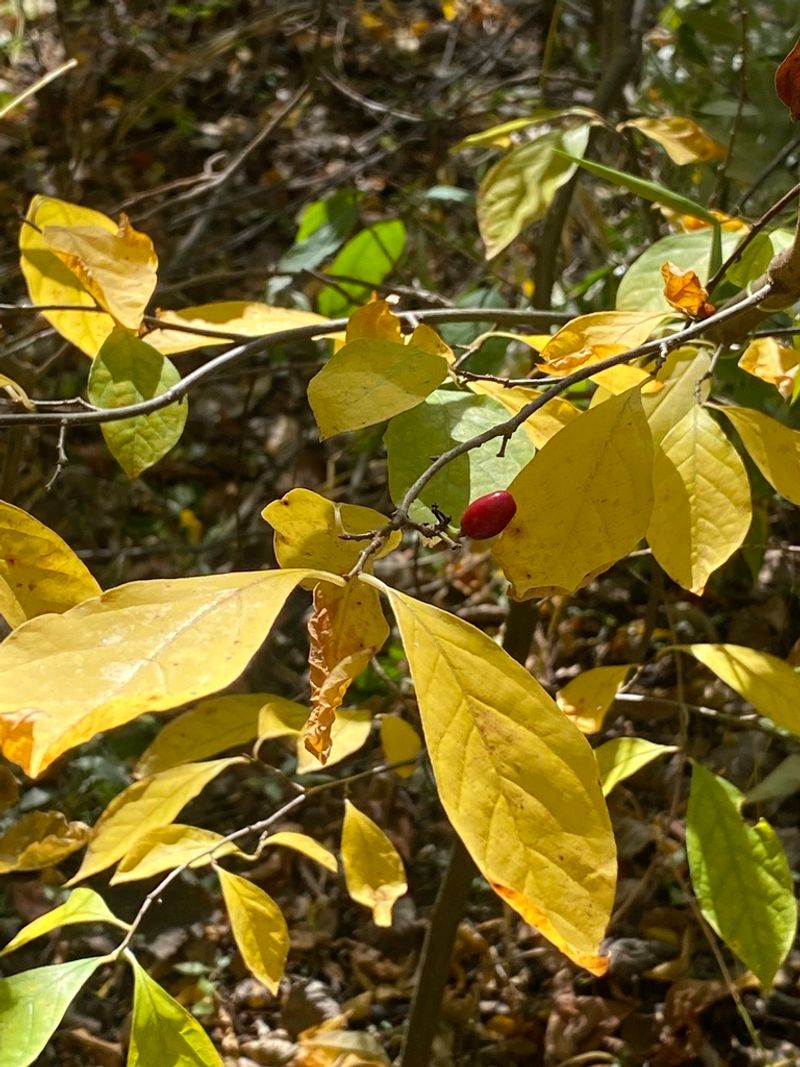
Scratch a twig from this woodland shrub and your fingers will smell like citrus and allspice for a good while.
Lindera benzoin carries that warm fragrance in its leaves, bark, and berries, which makes every garden walk a sensory treat.
October paints the leaves a clear golden yellow that brightens shady corners where few other plants show much color. Female shrubs add shiny red berries against that gold, and I love how the pairing looks almost hand-painted.
Spicebush grows 6 to 12 feet tall and wide, forming a loose rounded shape that suits natural woodland gardens.
Tiny yellow-green flowers open on bare stems in very early spring, cheering up gray landscapes long before leaves unfold.
Partial shade mimics its native forest home, though extra sunlight encourages fuller growth, more fruit, and richer gold leaves.
Rich, evenly moist soil works best, while dry or sandy ground often leaves this shrub struggling to grow.
Plant both male and female shrubs if you want berries, since only female plants produce the bright red fruit. Woods across Pennsylvania host wild spicebush, so a few shrubs in your yard help connect valuable habitat for wildlife.
Spicebush swallowtail butterflies depend on this shrub as a primary host plant for their hungry green caterpillars.
Migrating birds, including wood thrushes, gobble the fall berries, and deer mostly ignore the aromatic leaves, which feels wonderfully convenient.