What to Do With Leftover Halloween Pumpkins in an Ohio Garden
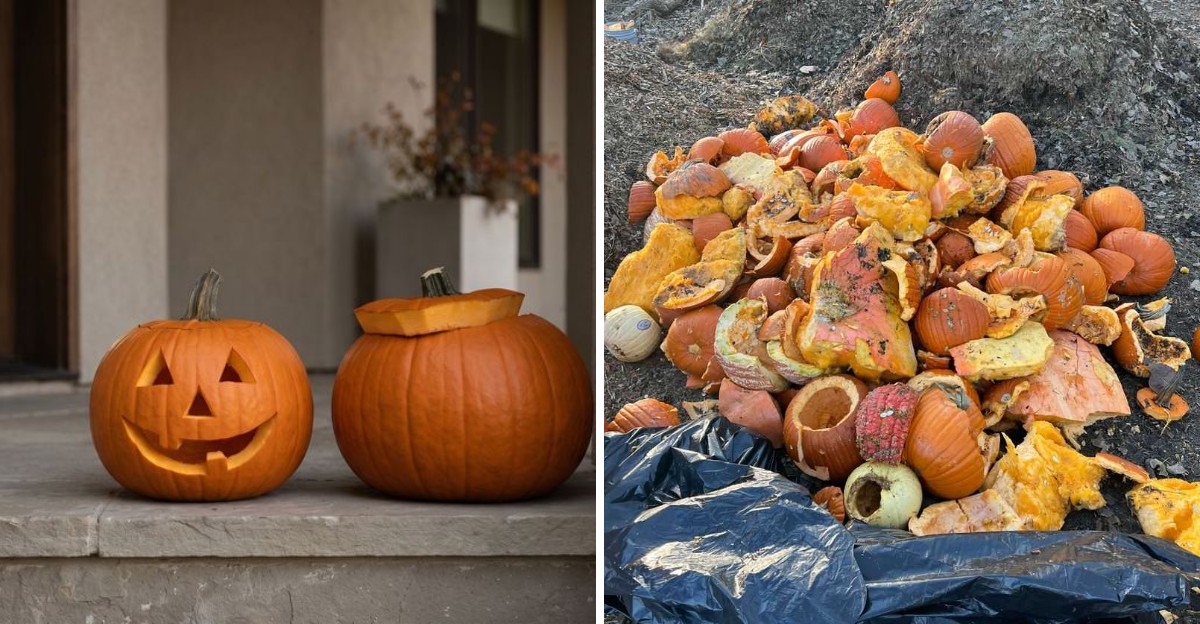
A pumpkin is roughly 90 percent water. That grinning porch decoration is basically a giant orange water balloon wrapped in a tough rind.
Toss it in the trash, and it heads to a landfill with little oxygen. There it slowly breaks down and releases methane, a gas that traps far more heat than carbon dioxide. I can’t imagine sending something that soft and nutrient-packed off to sit in a heap for years.
Here in Ohio, November brings falling leaves, cooler soil, and garden beds ready for a rest. You probably have a sagging, slightly fuzzy jack-o’-lantern sitting by the door right now.
Personally, I see it as free fertilizer with a goofy face.
So what should happen to that slumping gourd once the candy bowl is empty? Your garden might have a better answer than your trash can.
That Slumping Jack-O’-Lantern Still Has One More Job
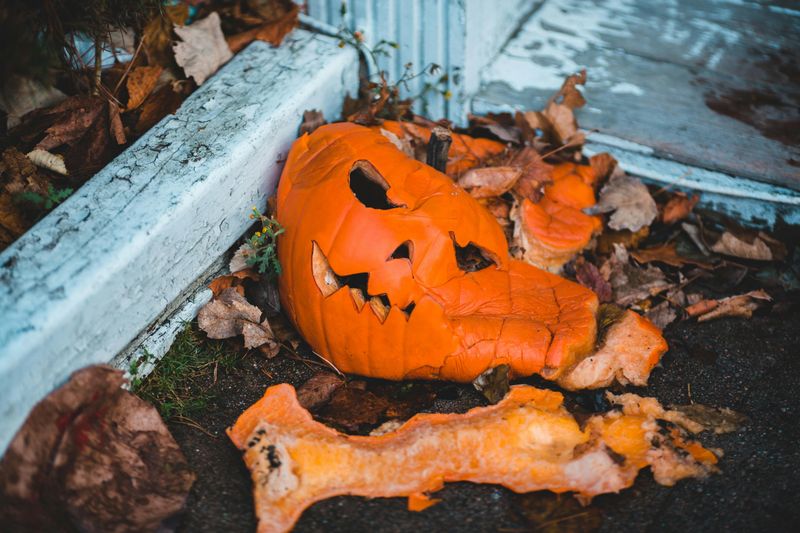
My carved pumpkin usually starts sagging about three days after Halloween. The grin droops, the edges wrinkle, and a little mold appears inside.
That sad look is actually a sign it is ready for its next chapter.
Every year, Americans grow well over a billion pounds of pumpkins, and a large share gets tossed after the holiday. In a landfill, buried food scraps break down without much air.
That process creates methane, a greenhouse gas that holds much more heat than carbon dioxide.
In your garden, the story flips. Soil microbes, worms, and fungi break pumpkins down with oxygen, turning them into dark, crumbly organic matter.
Ohio State University Extension points out that food scraps like these can feed your soil instead of filling up landfill space.
The best part is how little effort it takes. You can compost it, bury it, share it with wildlife carefully, or drop it at a community collection site.
Each option keeps nutrients close to home.
So before you haul that floppy face to the curb, give it a second look. It still has potassium, fiber, and plenty of moisture to offer.
Your flower beds and vegetable rows will gladly take it off your hands.
Chopped Pumpkin Chunks Turn Into Compost Faster Than You’d Guess
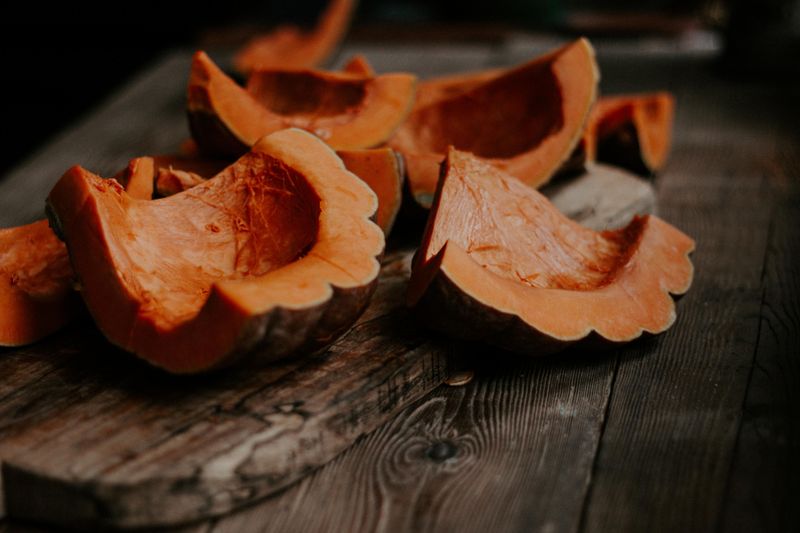
Composting is my favorite pumpkin plan, hands down. The whole thing goes in, including flesh, rind, stem, and stringy guts.
Even moldy pumpkins are fine, since mold is part of the breakdown crew.
Size matters, though. A whole pumpkin can sit in a bin for months.
Grab a shovel or an old knife and hack it into chunks about the size of your fist, which gives microbes more surfaces to work on.
Pumpkin counts as a green, meaning a wet, nitrogen-rich ingredient. Balance it with browns like dry leaves, straw, or shredded cardboard.
A loose rule of thumb is two or three parts browns for every part greens.
Luckily, Ohio yards are full of browns in November. Rake up some oak or maple leaves and layer them right over your pumpkin pieces.
That keeps the pile from turning slimy and smelly.
Your Ohio Garden Changes Every Week. Your Plan Should Too.
Gardening in Ohio changes quickly throughout the season. Every Friday you’ll receive a simple weekly plan showing exactly what to plant, prune, fertilize, harvest, and protect so you never miss the right timing.
Turn the pile every week or two if you can. Activity slows down a lot once winter cold settles in, so expect most of the action to pick up again in spring.
By next summer, you should have rich compost ready to spread around tomatoes, peppers, or perennials.
Bury Pumpkin Pieces Right in Your Empty Garden Bed
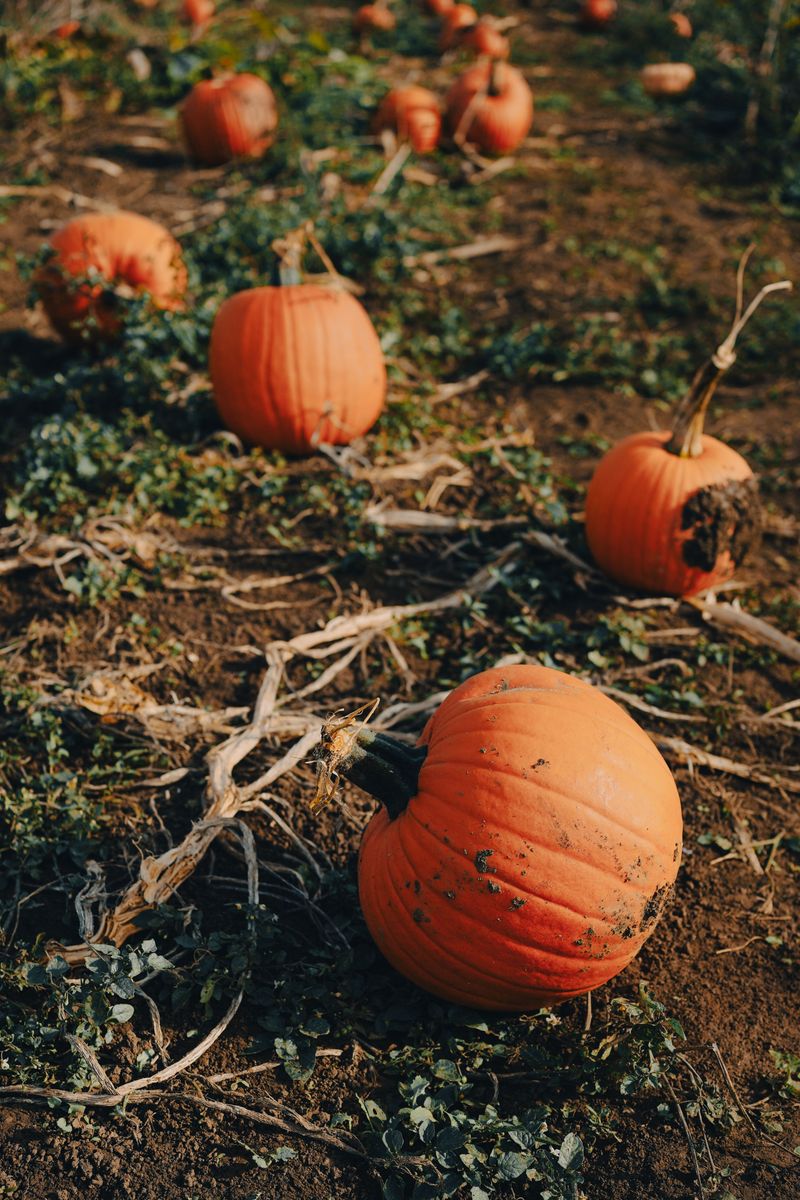
No compost bin? No problem.
Trench composting is an old-school trick that works beautifully with pumpkins, and it only needs a shovel and a free patch of soil.
Pick an empty vegetable bed or a quiet corner of the yard. Dig a hole or trench about 12 inches deep.
Drop in your pumpkin chunks, then cover them completely with soil.
That depth matters for two reasons. It keeps odors down, and it makes the buried snack harder for raccoons, skunks, and curious dogs to dig up.
Shallow burial often turns into a midnight excavation project.
Timing is on your side in fall. Ohio ground usually stays workable through much of November before hard freezes arrive.
Get your pumpkins buried before the soil locks up for winter.
Over the cold months, worms and microbes slowly break everything down. By planting time, that spot often has darker, looser soil.
I like to plant squash or tomatoes nearby the following spring, since they enjoy rich, organic ground.
One small tip helps a lot. Mark the spot with a stake so you remember where your buried treasure sits.
That way you won’t plant tiny seeds right on top of a half-finished rind.
Scrape Off the Paint, Wax, and Glitter Before Anything Else
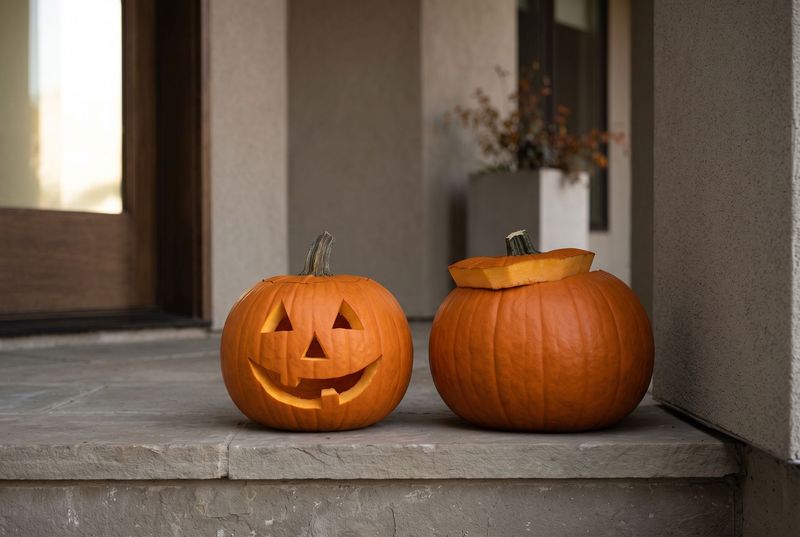
Glitter is the uninvited guest that lingers forever. It sparkles in your soil long after the pumpkin underneath has vanished.
That is why prep work comes before any garden plan.
Start by pulling out candles, wax drips, and stickers. Battery tea lights, plastic stems, and googly eyes need to go too.
None of that breaks down, and it can leave bits of plastic in your beds.
Painted pumpkins need extra care. Cut away the painted sections and toss them in the trash.
Keep only the clean, unpainted flesh and rind for your garden.
Next, decide what to do about seeds. Pumpkin seeds sprout easily, and a compost pile can start growing surprise vines the next spring.
Scoop them out first if you want a tidy garden.
Of course, some gardeners love those volunteer plants. Just know the seeds might not grow the same pumpkin you carved.
Many pumpkins are hybrids, so their babies can look a little different.
Bonus idea for the seeds: rinse and roast them for a crunchy snack, or dry a handful to share with birds. A little sorting now saves you from picking glitter out of your soil for years.
Squirrels and Deer Love a Pumpkin Snack, Within Reason
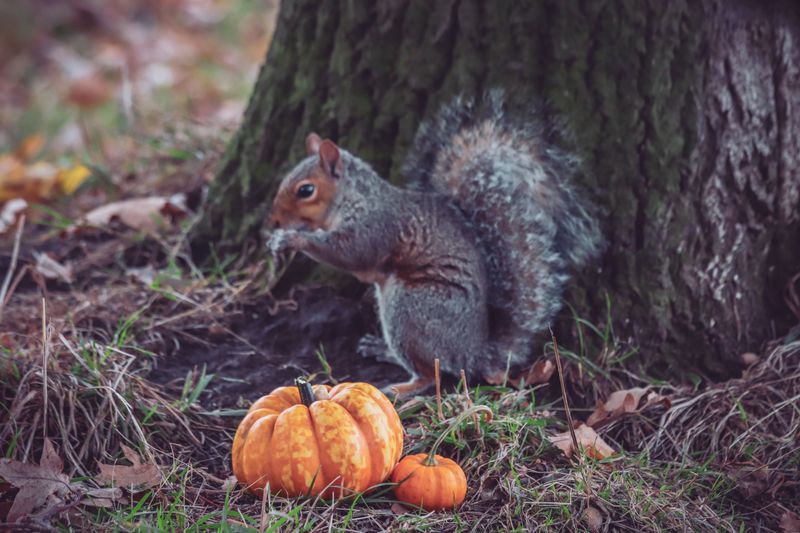
Pumpkins do not stay a secret for long once wildlife finds them. Squirrels, deer, chipmunks, and birds happily munch on the flesh and seeds.
In Toledo, a deer was even caught on camera snacking on a porch jack-o’-lantern.
Sharing can be fun. Cut a pumpkin in half and set it at the far edge of your yard, away from the house.
Then watch from the window with a cup of cocoa.
Still, a little restraint goes a long way. Wildlife experts generally advise against regular feeding.
It can make animals too comfortable around people and draw them closer to roads and homes.
Deer also bring extra concerns. Ohio has detected chronic wasting disease in deer in some counties, and wildlife officials discourage practices that pull deer into tight groups.
Check current Ohio Division of Wildlife guidance before setting out food where deer roam.
Moldy or painted pumpkins should stay off the menu. Spoiled food can upset wild animals, and paint is not a snack anyone needs.
For birds, roasted seeds without salt make a tasty treat. Treat it as a one-time holiday gift, then move the rest of your pumpkin into the compost.
Your Heavy Clay Soil Will Thank You for All That Pumpkin Matter
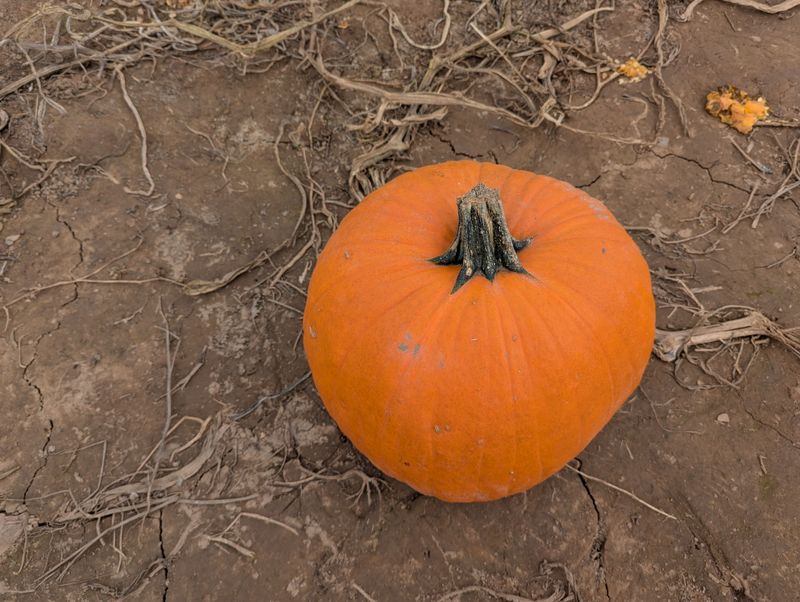
Many gardeners here know the struggle. Clay soil sticks to boots in spring and cracks like a dry riverbed in August.
Organic matter is one of the best fixes, and pumpkins supply plenty of it.
When pumpkin breaks down, it becomes humus, that dark, spongy material gardeners love. Humus helps clay particles clump into looser crumbs.
Roots can then push through more easily, and water drains better.
Sandy spots benefit too. Organic matter acts a bit like a sponge, holding moisture and nutrients that would otherwise wash away.
Either way, your plants get a steadier supply of what they need.
Pumpkins also feed the underground crowd. Earthworms, beneficial fungi, and bacteria thrive on decaying plant material.
A busy soil community builds healthier structure over time.
Fun fact: pumpkins carry potassium, a nutrient plants use for strong stems and good fruit. Once composted, a bit of that returns to your beds.
Spread finished pumpkin compost two or three inches deep over beds in spring, or mix it into the top few inches of soil. Do not expect miracles in one season.
Year after year, though, those Halloween leftovers help build the dark, easy-digging soil every gardener wants.
Community Pumpkin Drop-Off Sites Make Recycling Easy
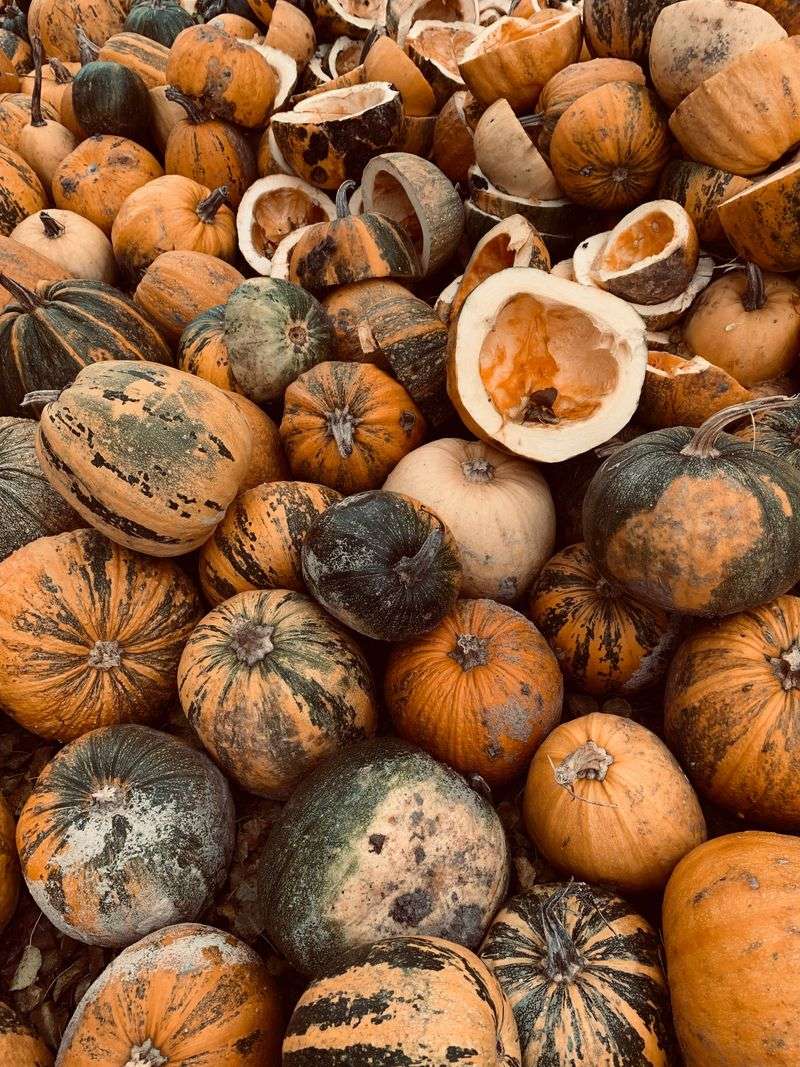
Apartment living or a tiny yard can make composting tricky. Thankfully, plenty of communities run pumpkin collection events after Halloween.
You just drop off your gourds, and they get composted at a larger facility.
Central Ohio has been especially active. Columbus, Dublin, Westerville, Worthington, Grove City, Upper Arlington, Bexley, Grandview, and New Albany have hosted drop-off sites, often in partnership with the Solid Waste Authority of Central Ohio.
The Ohio State University has held pumpkin collections on campus too.
Up north, Cuyahoga County has shared listings of local pumpkin recycling options. Other cities and park districts around the state may offer similar programs.
Most collections run from early November into late November or early December. Dates and locations change yearly, so check your city website or local solid waste district before loading up the car.
The same prep rules apply. Remove candles, paint, glitter, stickers, and plastic decorations first.
Most sites accept only plain pumpkins and gourds.
Whichever path you choose, compost bin, garden trench, or community drop-off, the goal stays simple. Keep pumpkins out of the trash and let them feed the soil.
Next October, carve away knowing you already have a plan.