The Pennsylvania Lawn Task Most Homeowners Skip In November
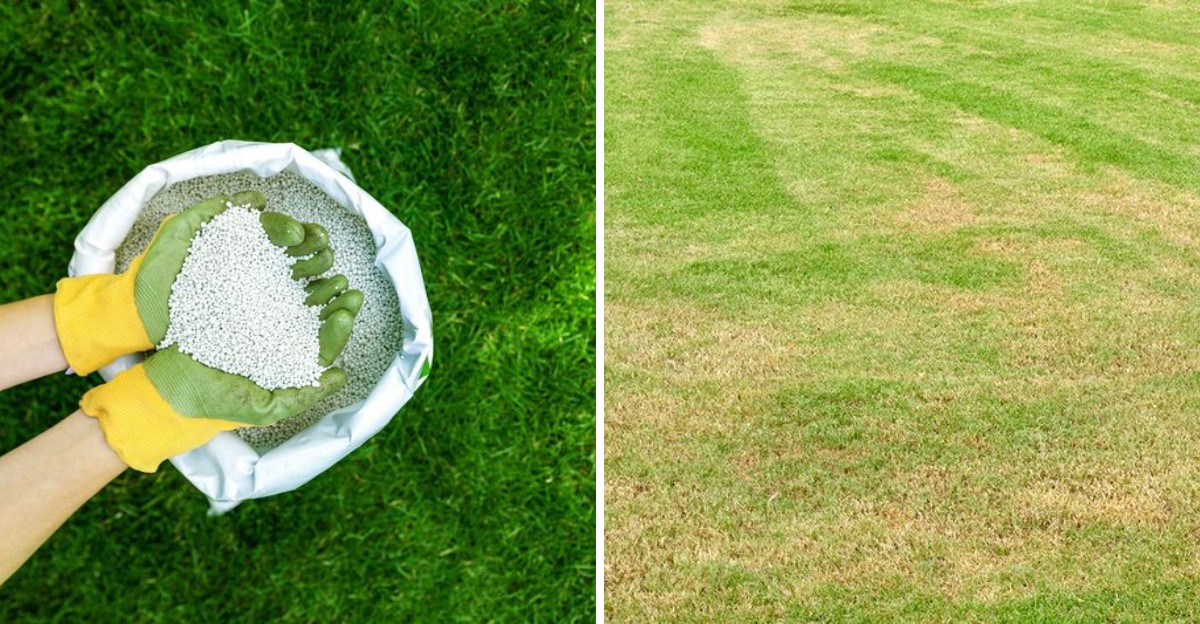
Grass roots in your yard keep working long after the mower goes back in the shed. The blades slow down in the cold, but the roots stay busy until the soil drops to around 40 degrees.
That hidden shift opens a short window in late fall. Turf experts at Penn State have pointed to it for years, and a newer Pennsylvania law even shapes how you use it. Most people miss it.
Personally, I used to call it quits once the leaves were bagged. My lawn honestly looked fine, so why bother? Then spring came, and my grass greened up weeks behind the yard across the street.
You need about one cool afternoon and a spreader to fix that. The trick is knowing what goes in the hopper and when the moment arrives. Get it right, and next April could look very different.
1. Those Busy Grass Roots Are Still Working Under The November Frost
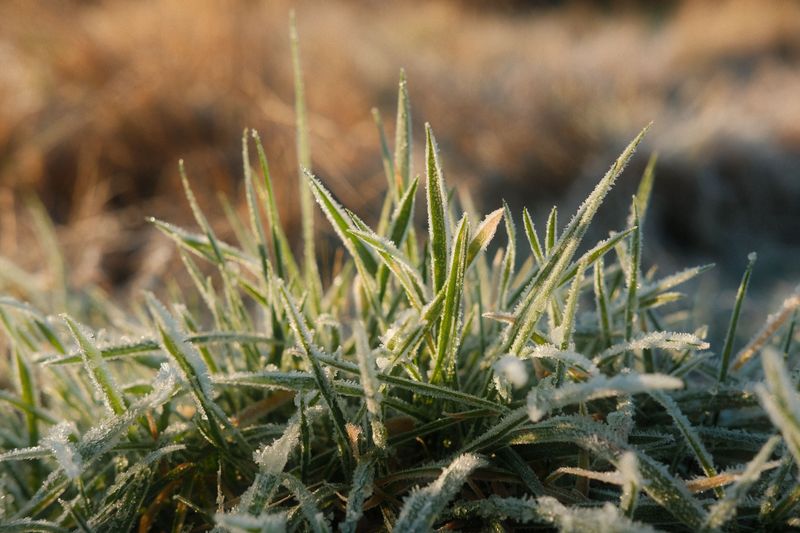
Kneel down on a frosty November morning and the lawn looks finished for the year. Pull up a small plug of soil, though, and you will often spot fresh white root tips. That surprised me the first time I tried it.
Cool-season grasses like Kentucky bluegrass, tall fescue, and perennial ryegrass cover most yards across the state.
Their blades slow down once air temperatures stay cool, but the roots keep growing until the soil gets close to freezing. Turf scientists often point to soil around 40 degrees as the point where things mostly shut down.
During that gap, the grass keeps making food through its green leaves. Instead of pushing out new blades, it sends sugars down to roots, crowns, and rhizomes for storage. It works a lot like a pantry that gets stocked before a long winter.
That stored energy matters a lot in spring. Grass with full reserves greens up sooner and fills in thin spots faster. Grass with low reserves tends to wake up slowly and look patchy.
So the quiet lawn outside your window is not being lazy. It is doing its most important prep work of the year, and it could use a little help from you.
2. A Late Fall Fertilizer Feeding Is The Step Most Yards Miss
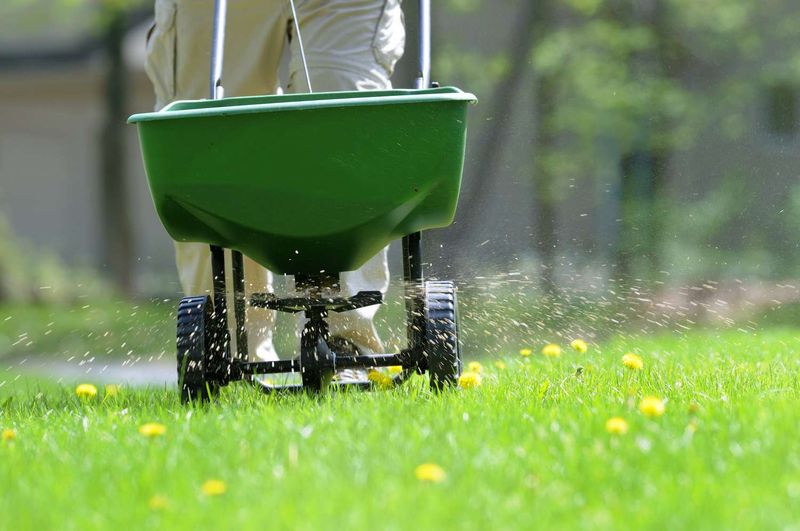
Ask a turf specialist which fall job pays off most, and late fall fertilization tends to top the list. Penn State Extension has recommended this timing for cool-season lawns for many years. Most homeowners still put the spreader away in September.
The idea is simple. You feed the lawn after the blades stop growing but while the leaves are still green.
The grass cannot use that nitrogen to make tall top growth in the cold, so it uses it to make more food and store it below ground.
Those stored carbohydrates help in a few ways. Roots grow deeper over the winter and early spring. The lawn also greens up earlier, often without needing a big spring feeding that pushes soft, disease-prone growth.
I like that this approach can actually save effort. Many experts suggest that a solid late fall feeding lets you go lighter in early spring.
Your Pennsylvania Garden Changes Every Week. Your Plan Should Too.
Gardening in Pennsylvania changes quickly throughout the season. Every Friday you’ll receive a simple weekly plan showing exactly what to plant, prune, fertilize, harvest, and protect so you never miss the right timing.
That means less mowing in April and fewer problems with thatch and leaf diseases later on.
It is one of those rare lawn tasks where a single afternoon of work carries benefits for months. The lawn simply needs the meal at the right moment, and you get to enjoy the payoff.
3. Watch Your Mower Clippings To Time The Spreader Just Right
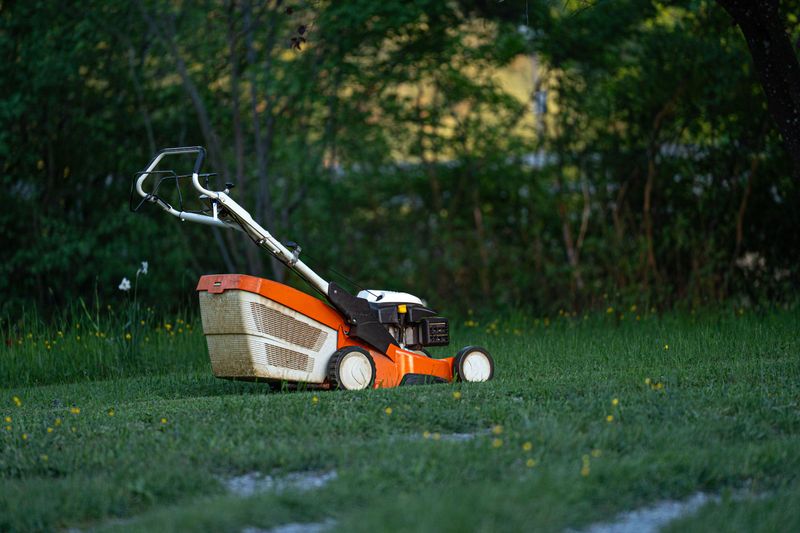
Your mower is the best calendar you own for this job. Once you go a week or more without needing to cut the grass, the timing is getting close. Blades that stay green but no longer grow are the signal you want.
In much of Pennsylvania, that lands somewhere in early to mid November. Northern counties and higher elevations often hit it in late October. The southeast, including the Philadelphia area, can stretch into late November in a mild year.
Going too early brings a problem. Warm spells can push tender new blades that handle cold poorly and invite disease.
Waiting too long brings a different problem, because frozen soil and brown, dormant grass cannot take up much nitrogen.
A good rule of thumb is to fertilize after your last regular mowing while the lawn still has decent green color.
Check the forecast too. A day before light rain helps wash granules into the soil, but heavy downpours can carry them off the yard and into storm drains.
If you missed the window and the grass has turned brown, it is better to wait until spring. A wasted bag helps nobody, especially your local creek.
4. Pennsylvania’s Fertilizer Law Changes How Much Goes On Your Grass
A state fertilizer law now covers the bag sitting in your garage. Pennsylvania passed Act 41 in 2022, and its rules for turf fertilizer took effect in October 2024. Homeowners and lawn care companies both have to follow them.
The biggest rule caps nitrogen at 0.9 pounds per 1,000 square feet in a single application. No more than 0.7 pounds of that can be water-soluble, quick-release nitrogen. Older advice often called for a full pound, so check that your rate fits the new limit.
Timing rules matter in November. Fertilizer cannot go on frozen ground or on a lawn covered with snow.
Phosphorus is also limited, so it should only be used when a soil test shows a need or when you are starting a new lawn.
You also need to sweep up any granules that land on driveways, sidewalks, or streets. Those pellets can wash into storm drains and feed algae in streams and the Chesapeake Bay. Keep fertilizer away from the edges of creeks and ponds as well.
Following the label and the law is easy once you know the rules. Your lawn gets fed, and the water nearby stays cleaner for everyone downstream.
5. Pick A Nitrogen Lawn Fertilizer Instead Of A Fancy Winterizer Bag
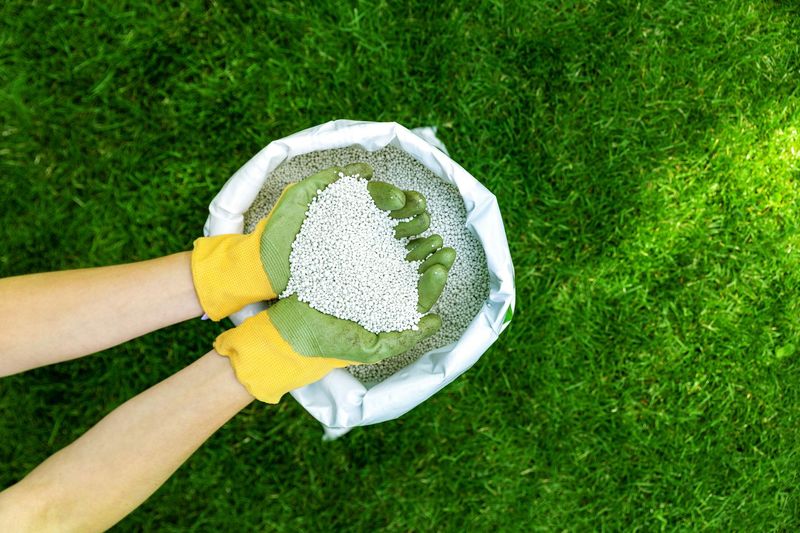
Walk down any garden store aisle in fall and you will see bags shouting ‘winterizer’ in big letters. Some are great products. Others are mostly marketing, so the label on the back matters more than the name on the front.
Nitrogen is the nutrient that drives late fall results. That is the first of the three numbers on the bag, such as the 24 in 24-0-6.
Penn State Extension notes that quick-release nitrogen works well this late in the season because cool soil slows the microbes that break down many slow-release forms.
Many winterizer blends add extra potassium, the third number. Potassium supports cold tolerance and overall plant health, but plenty of Pennsylvania soils already have enough. A soil test tells you whether that extra potassium is worth paying for.
Look for a middle number of zero unless your soil test says otherwise. That keeps you in line with phosphorus rules and saves money.
Spreader settings count as much as the product. Read the bag for the right setting, then make two passes at half rate in a crisscross pattern.
You get even coverage and fewer striped green bands next spring, which my own lawn showed off during one embarrassing April.
6. Skipping The Feeding Shows Up As Thin, Pale Turf In April
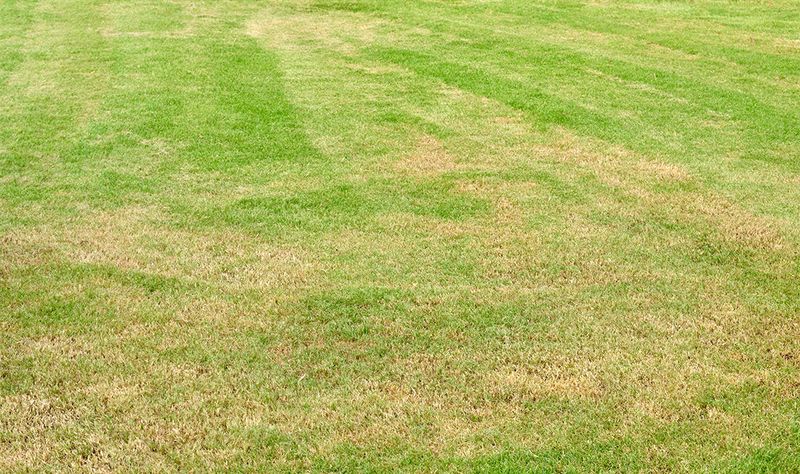
Spring tells on lawns that went to bed hungry. While nearby yards turn bright green in April, an underfed lawn can stay pale and slow for weeks. That lag is the most common clue that the late fall step got skipped.
Thin turf brings more trouble with it. Bare patches give crabgrass and broadleaf weeds open soil and sunlight, which they love. Weak roots also struggle more during the first hot, dry spell of summer.
Homeowners often try to catch up with a heavy spring feeding. That plan can backfire. Too much early nitrogen pushes soft, fast top growth at the expense of roots and can raise the risk of disease and extra mowing.
Not every pale spring lawn comes from a missed feeding, though. Snow mold, compacted soil, heavy shade, low pH, and grub damage can all look similar.
The pattern helps, since circular matted patches point to snow mold while uneven thinning under trees points to shade.
A well-fed lawn rarely looks perfect in March, but it usually bounces back faster. Giving it reserves in November is a cheap way to tip the odds in your favor before the growing season even starts.
7. Rake Or Mulch Those Fallen Oak And Maple Leaves First
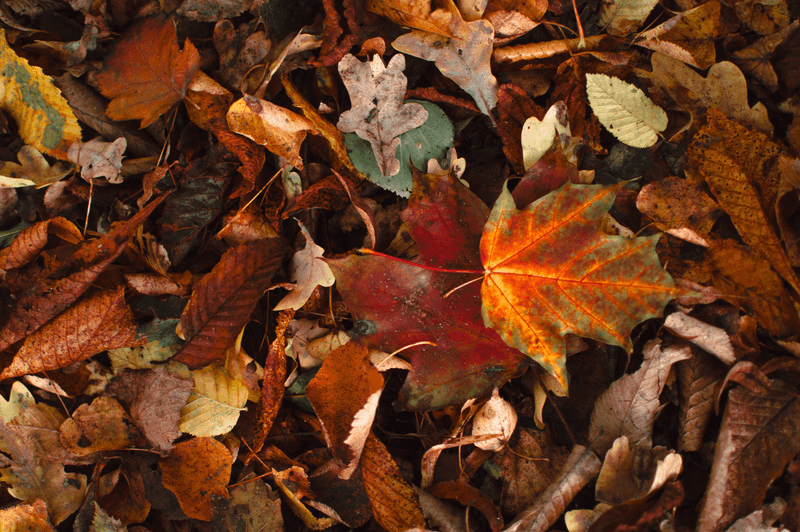
Fertilizer granules cannot do much good if they land on a soggy blanket of leaves. Clearing the lawn first lets the nutrients reach the soil. Leaves also block light that green blades still need in late fall.
Thick, wet mats can smother turf over winter. They hold moisture against the grass and create the damp, dark cover that snow mold fungi enjoy.
Gray and pink snow mold both show up in Pennsylvania lawns after long stretches of snow cover.
You do not have to rake every leaf, which is a relief. Mowing over a light layer chops leaves into small bits that sift down between the blades.
Research at Michigan State University found that shredded maple leaves did not harm turf and could even help it.
Bigger piles from oaks and maples are better raked or bagged. Many towns run curbside leaf collection in November, and gardeners can also use leaves as mulch in flower beds or add them to a compost pile.
Try to finish leaf cleanup before or right after you fertilize. Clean grass, smart timing, and a swept driveway make the whole job easier and keep your hard work from going to waste.
8. A Soil Test Kit Makes Next Year’s Lawn Plan Much Easier
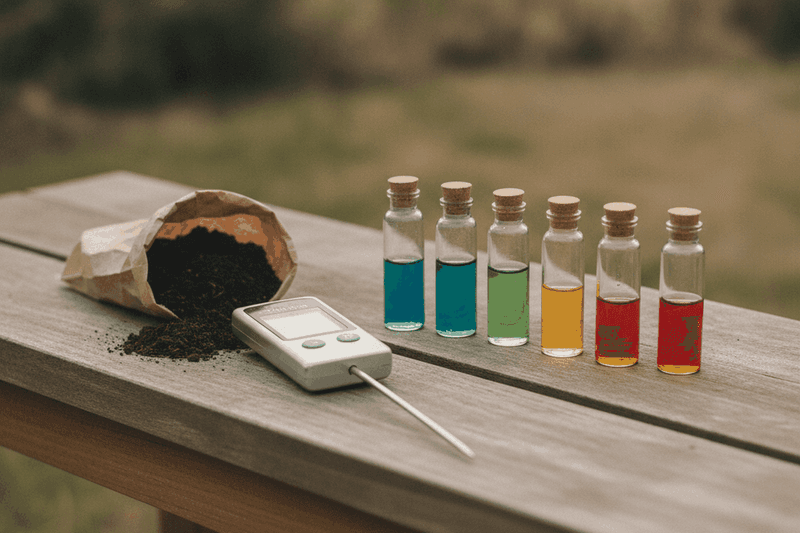
Guessing about your soil costs more than testing it. Penn State’s Agricultural Analytical Services Lab offers soil test kits through county extension offices and online for a modest price. Fall is a fine time to send one in.
The results show your pH plus levels of phosphorus, potassium, and other nutrients. Many Pennsylvania soils lean acidic, and lawn grasses grow best with a pH around 6.0 to 7.0.
If the test calls for lime, late fall works well because freezing and thawing help work it into the soil over winter.
A test also takes the mystery out of fertilizer shopping. You will know whether you need potassium, whether phosphorus is allowed, and how much lime to spread. That keeps you within state rules and keeps extra nutrients out of local streams.
Write your plan down while the details are fresh. Note the date you fertilized, the product, the rate, and how the lawn looked. Next fall, you will have your own record to compare against.
November lawn work feels small, but it sets up the whole next season. A hungry lawn fed at the right time is the best spring gift you can give yourself.