The Pennsylvania Tick Species That Causes The Most Serious Illness (And How To Identify It)
Pennsylvania has several tick species that residents need to be aware of, but one stands above the rest in terms of the serious illness it causes and the consistency with which it shows up in yards, trails, and green spaces across the state.
The blacklegged tick, commonly called the deer tick, is responsible for the majority of Lyme disease cases in Pennsylvania, and the state ranks near the top nationally for reported infections year after year.
What makes this tick particularly challenging to manage is its size. At certain life stages it is barely visible to the naked eye, and the nymph stage, which is also one of the most likely to transmit disease, is small enough that most people would never notice the bite without deliberately checking.
Knowing what this tick looks like at each stage of its development, when it is most active through the Pennsylvania seasons, and where on the body it typically attaches gives residents the most practical foundation for protecting themselves and their families.
Meet The Blacklegged Tick
Most people have heard of Lyme disease, but not everyone knows which tick is responsible for spreading it across Pennsylvania. Meet Ixodes scapularis, commonly called the blacklegged tick or deer tick.
This tiny arachnid is the number one tick threat in the state, and it has earned that reputation for good reason.
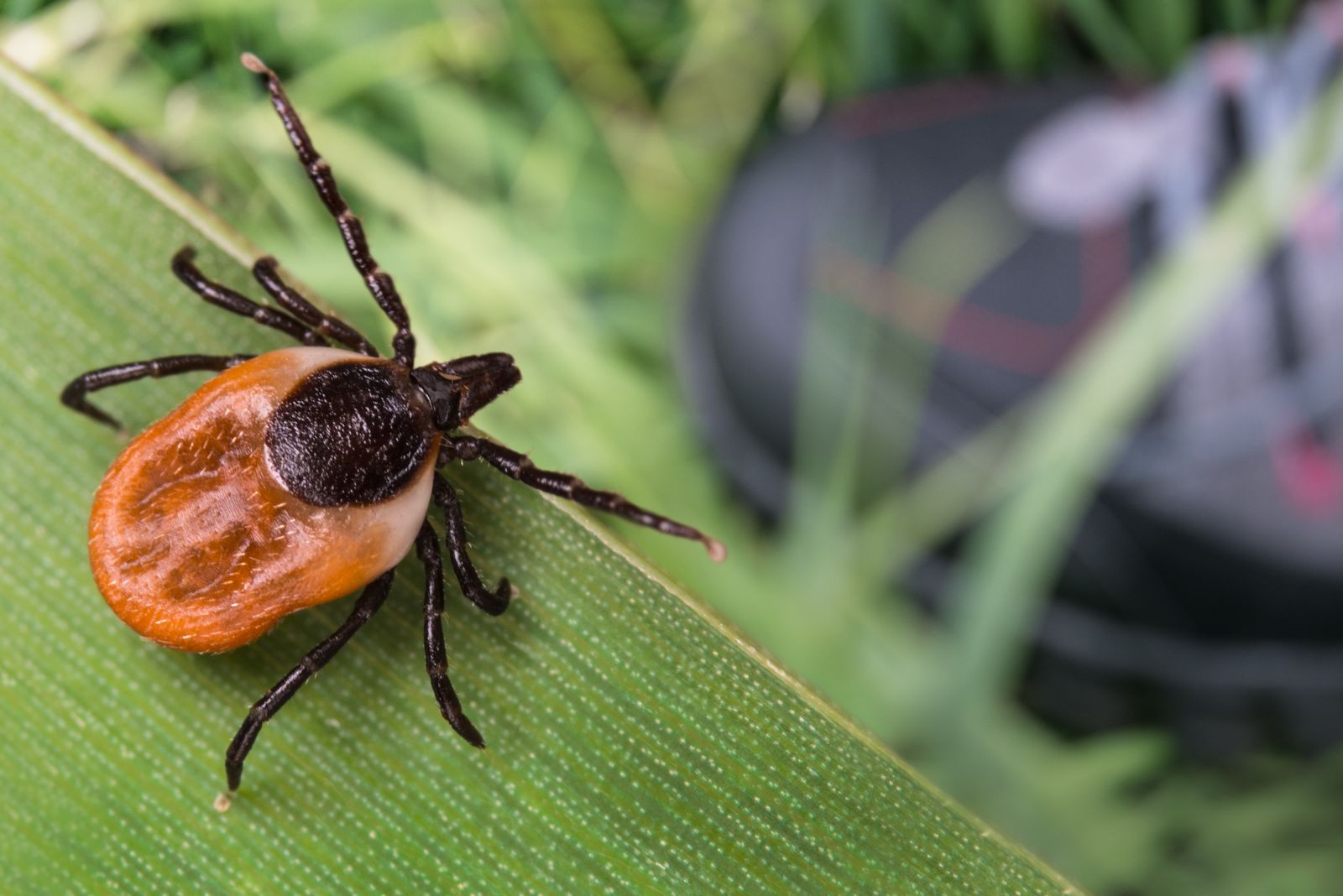
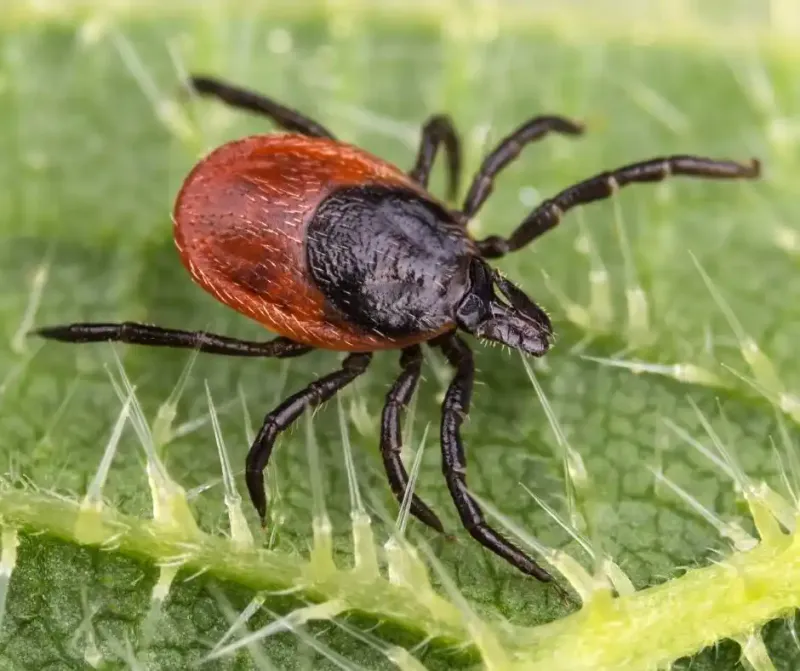
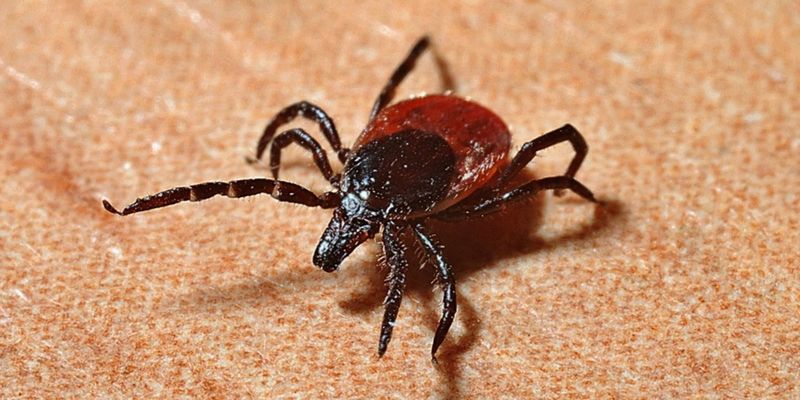
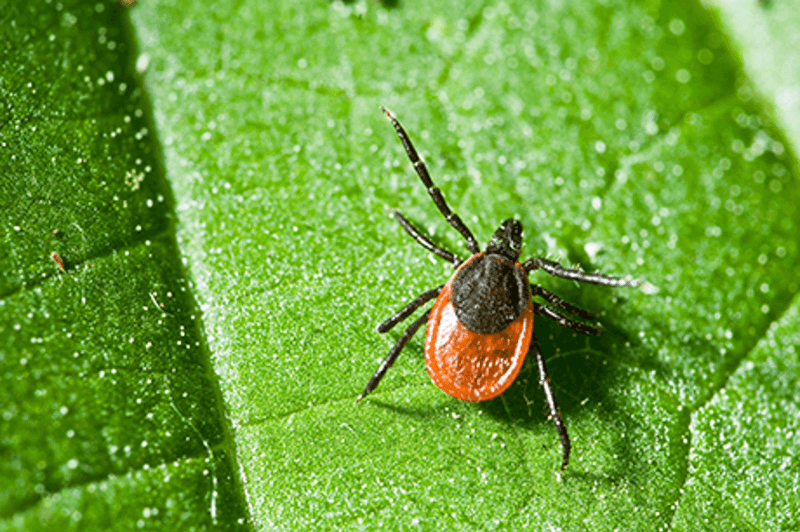
The blacklegged tick gets its name from its distinctly dark legs, which stand out against its reddish-orange body. Adult females are especially recognizable because of the dark brown or black shield-shaped plate, called a scutum, that covers part of their back.
Males are smaller and darker overall, often appearing almost entirely black or very dark brown.
Pennsylvania is one of the most heavily tick-affected states in the entire country. The blacklegged tick thrives in the dense forests, brushy trails, and leafy landscapes that cover much of the state.
From the Pocono Mountains to the suburbs of Philadelphia, this tick has spread widely over the past few decades.
Deer ticks are not just a rural problem. Suburban neighborhoods near wooded areas see just as many encounters.
These ticks are active in surprisingly cool temperatures, sometimes even crawling around on mild winter days when people least expect it. That makes year-round awareness important for anyone living in or visiting Pennsylvania.
Understanding who this tick is and why it matters is the first step toward protecting yourself and your loved ones. Once you know what you are dealing with, the rest of the information in this article will make a lot more sense.
Why The Blacklegged Tick Is So Dangerous
Plenty of ticks can give you a nasty bite, but the blacklegged tick takes things to a whole different level. What makes this species so concerning is not just one disease.
It can transmit several serious illnesses through a single bite, and some of those conditions can cause lasting health problems if not treated early.
Lyme disease is the most well-known infection linked to this tick. Caused by a type of bacteria called Borrelia burgdorferi, Lyme disease can cause fever, fatigue, joint pain, and the famous bullseye rash.
Your Pennsylvania Garden Changes Every Week. Your Plan Should Too.
Gardening in Pennsylvania changes quickly throughout the season. Every Friday you’ll receive a simple weekly plan showing exactly what to plant, prune, fertilize, harvest, and protect so you never miss the right timing.
When caught early, it responds well to antibiotics. Left untreated, it can affect the heart, joints, and nervous system over time.
Anaplasmosis is another bacterial infection spread by the blacklegged tick. Symptoms include high fever, headache, and muscle aches.
Babesiosis is a parasitic illness that attacks red blood cells and can be especially serious for older adults or people with weakened immune systems. Both conditions require medical attention and specific treatments.
Perhaps the most alarming disease on the list is Powassan virus. Unlike Lyme disease, Powassan can be transmitted in as little as 15 minutes after a tick attaches.
There is no specific treatment for it, and it can cause serious brain inflammation in some cases. Cases are still relatively rare, but the numbers have been rising in Pennsylvania.
Together, these four diseases make the blacklegged tick responsible for the vast majority of tick-borne illnesses reported in Pennsylvania each year. No other tick species in the state comes close to matching this level of public health concern.
How To Identify A Blacklegged Tick
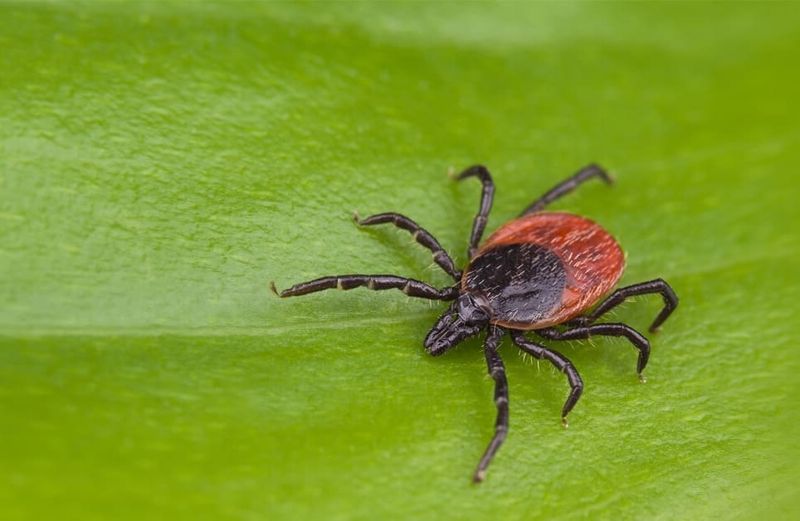
Spotting a blacklegged tick sounds simple until you realize just how small these creatures actually are. Getting familiar with what they look like at different life stages can help you catch them before they become a real problem.
Adult blacklegged ticks are roughly 3 to 5 millimeters long, which is about the size of a sesame seed. Females have a reddish-orange body with a dark brown or black scutum, that shield-like plate near the head.
Their eight legs are noticeably darker than their body. Males are smaller and much darker, sometimes appearing almost entirely black.
Nymphs are where things get really tricky. These juvenile ticks are only about 1 to 2 millimeters long, roughly the size of a poppy seed.
They are incredibly hard to spot on skin or clothing, especially in wooded or grassy settings. Nymphs are responsible for the majority of human Lyme disease cases because people often do not notice them until it is too late.
The overall shape of a blacklegged tick is flat and oval when unfed. After feeding, the body becomes rounder and swollen, sometimes turning a grayish color. Unlike some other ticks, they do not have a hard, white, ornate pattern on their back.
One helpful trick is to use a magnifying glass or the zoom feature on your phone camera when checking for ticks after being outdoors.
Running your fingers through your hair and checking behind the ears, around the waist, and between the toes are all smart habits. The sooner you find a tick, the better your chances of avoiding illness.
When Blacklegged Ticks Are Most Active
Knowing when to be on high alert for blacklegged ticks is just as important as knowing what they look like. These ticks do not follow the same seasonal patterns as many other insects, and their activity calendar might surprise you.
Nymphs are the life stage that poses the greatest risk to humans, and they are most active from late spring through the middle of summer. May, June, and July are the peak months when nymph activity is highest in Pennsylvania.
Because they are so tiny and often painless when they bite, many people do not even realize they have been bitten until symptoms appear days later.
Adult blacklegged ticks have a different schedule. They become active in the fall, typically starting around October, and remain active through early spring as long as temperatures stay above freezing.
It is not unusual to find adult ticks crawling around on a warm February afternoon in Pennsylvania. This extended activity window catches many people off guard during the cooler months.
Unlike mosquitoes, blacklegged ticks do not need warm weather to stay active. They can survive in temperatures just above freezing and will seek a host whenever conditions allow. A light dusting of snow is not enough to stop them.
The practical takeaway here is that tick prevention should not be limited to summer. If you are hiking, gardening, or spending time near wooded areas in any season, taking precautions makes sense.
Treating outdoor gear with permethrin and doing thorough tick checks after every outdoor outing are habits worth building into your routine all year long.
High-Risk Habitats In Pennsylvania

Blacklegged ticks do not randomly appear everywhere. They have favorite hangout spots, and knowing where those are can help you stay one step ahead.
Pennsylvania’s landscape, full of forests, fields, and suburban green spaces, is practically a perfect home for these ticks.
Wooded areas are prime tick territory. Ticks love the cool, shaded, moist conditions found under a thick tree canopy.
Leaf litter on the forest floor is especially appealing because it holds moisture and provides cover. If you are walking through the woods, even on a well-marked trail, you are moving through high-risk habitat.
The edges where forests meet open areas, sometimes called ecotones, are particularly active zones. Ticks tend to gather at these transition points because deer and other wildlife regularly pass through them.
Gardens that border wooded land or neighborhoods near nature trails fall right into this category. Tall grass and dense shrubs are also common tick hiding spots. Ticks do not jump or fly.
Instead, they practice a behavior called questing, where they climb to the tip of a blade of grass or a leaf and wait with their front legs outstretched, ready to grab onto a passing host. Walking through unmowed grass or brushy areas puts you right in their path.
Even your own backyard can be a risk zone if you live near the woods. Stone walls, wood piles, and areas where deer frequently visit all increase your chances of a tick encounter.
Keeping grass mowed short, removing leaf piles, and creating a wood chip or gravel barrier between your lawn and the tree line are all practical ways to reduce tick populations close to home.
Prevention And Protection Tips That Actually Work

Good news: there are plenty of reliable ways to protect yourself and your family from blacklegged ticks. A few simple habits, practiced consistently, can dramatically lower your risk of a tick bite and the illnesses that can come with it.
Start with your clothing. When spending time in tick-prone areas, wear long pants tucked into your socks and long-sleeved shirts.
Light-colored clothing makes it easier to spot a dark tick before it finds your skin. Treating your clothes and gear with permethrin, a synthetic insect repellent, adds a powerful extra layer of defense.
One treatment can last through several washes. On your skin, use an EPA-registered repellent containing DEET, picaridin, or oil of lemon eucalyptus. Apply it to exposed skin before heading outdoors.
Follow the label instructions carefully, especially when applying to children. These repellents are well-tested and effective when used correctly.
After every outdoor adventure, do a full-body tick check. Pay close attention to hidden spots like the scalp, behind the ears, under the arms, around the waist, and behind the knees.
Check your children and your pets too, since pets can carry ticks indoors without you realizing it. Showering within two hours of coming inside can also help wash off unattached ticks.
If you find an attached tick, remove it carefully with fine-tipped tweezers. Grab the tick as close to the skin as possible and pull upward with steady pressure.
Clean the bite area with rubbing alcohol. Watch for symptoms like fever, rash, or fatigue in the days following a bite, and contact a doctor if anything seems off.