Protect Your Dwarf Cavendish Bananas Before Louisiana’s First Freeze
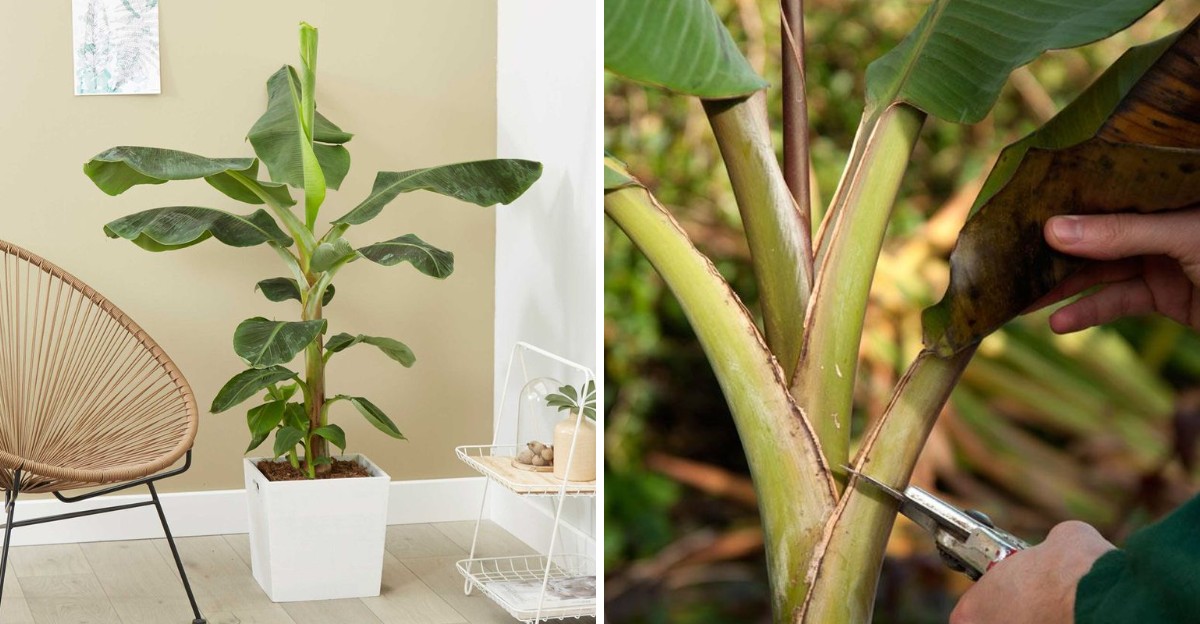
The trunk on my favorite backyard tropical is not wood at all, just tightly rolled leaf stalks packed with water. Botanists actually call it a giant herb, and that watery stalk turns to mush when hard cold arrives.
The real heart of the plant hides underground in a thick bulb-like base called a corm. Protect that hidden treasure well, and fresh green shoots often push up again after winter finally lets go.
Across Louisiana, the first frost can show up in mid-November up north or wait until mid-December near New Orleans. I skipped preparing one year and spent a cold January morning staring at slimy brown leaves.
October gives you a calm window to gather supplies before Louisiana weather turns moody and unpredictable. So what simple moves keep that tropical friend safe until warm spring sunshine returns to your yard?
1. Water Your Banana Plant Deeply Before a Freeze Arrives
Damp soil works like a slow heater, holding warmth from sunny afternoons far longer than dry, dusty ground can. That stored heat drifts upward on cold nights, giving the hidden corm a small but helpful cushion.
I learned this trick from older gardeners who soaked their beds the afternoon before every hard freeze. Their plants mostly bounced back faster, and I noticed the same pattern once I copied them.
Aim to water deeply a day or two before forecasts call for temperatures near freezing in your area. Slow soaking with a hose or soaker line lets moisture reach the root zone instead of running off.
Avoid flooding the bed, though, because soggy soil around a sleepy corm can invite rot problems later. Dwarf Cavendish plants like steady moisture in warm months, but standing water rarely does them any favors.
Timing matters more than volume, so check local forecasts often once mid-November rolls around each year. North Louisiana usually sees cold nights sooner, while coastal gardens can sometimes wait until December for theirs.
Morning watering works best because it gives the surface time to settle before evening temperatures start sliding downward. Skip wetting the leaves, since water sitting on foliage can freeze and add extra damage overnight.
Think of this step as the easy warm-up before the heavier insulation work begins later this fall. It costs almost nothing and takes very little time, yet it gives your banana a real head start.
2. Pile Thick Straw Mulch Around the Banana Base
A banana corm tucked under a fluffy mountain of straw is about as cozy as a plant can get. Gardeners in colder areas sometimes pile mulch one to three feet deep, and the corm stays safely snug.
Mulch traps air, and still air is one of the best natural insulators you can find for free. Ground temperatures swing less under that blanket, which helps the growing point survive sharp cold snaps.
Straw and pine straw both work well, and shredded oak leaves from your own yard make a handy backup. Skip fresh grass clippings, since they mat down into a soggy layer that holds too much water.
Your Louisiana Garden Changes Every Week. Your Plan Should Too.
Gardening in Louisiana changes quickly throughout the season. Every Friday you’ll receive a simple weekly plan showing exactly what to plant, prune, fertilize, harvest, and protect so you never miss the right timing.
I like to start piling mulch in late October, once the summer heat finally loosens its grip. Spreading it early gives you time to fluff and adjust before the first frost warning pops up.
Build the pile wide as well as tall, reaching at least a couple feet out from the stem. Pups growing nearby benefit too, because their small corms are even more tender than the main plant.
Most of Louisiana sits in zones 8b through 10a, so mulch depth can vary with where you live. Southern gardeners may get by with a foot, while northern parishes deserve the deeper three-foot treatment.
Pull the mulch back in spring once frost danger passes, letting the soil warm up for new growth. Your future self will thank you when bright green leaves start unfurling again by early summer.
3. Cover Banana Mulch With a Plastic Tarp to Keep It Dry
Wet straw is a sad, heavy mess, and it loses most of its insulating power once soaked through. Fall rains in the Gulf South can be heavy, and in Louisiana the autumn downpours can stall over a yard for days, so keeping that mulch dry is worth a little effort.
A simple plastic sheet or old tarp laid over the pile works like a raincoat for your banana. Water rolls off the top, while the straw underneath stays light and full of trapped warmth.
I weigh the edges down with bricks, though a few shovels of extra mulch around the rim work too.
Gusty fronts love to grab loose plastic, so anchor every corner before the wind picks up. Louisiana gardeners know how quickly a calm evening can turn into a blustery night.
Dry mulch also reduces rot, since a soggy layer pressed against the corm can invite fungal trouble. Bananas tolerate cold and wet together far less than cold alone, according to many experienced growers.
Leave a little gap near the stem top so moisture does not collect right against the cut surface. Some growers slope the tarp slightly, letting rainwater run away from the plant instead of pooling nearby.
Recycled feed sacks or empty potting soil bags make great budget covers if you lack a tarp. Turned inside out, those bags look tidier and still shed water just as well as fancy sheeting.
Check the cover after big storms and tuck it back in place if anything shifted overnight. A few minutes of upkeep keeps the whole system working smoothly until spring warmth returns to Louisiana again.
4. Wrap the Banana Pseudostem in Straw and Burlap
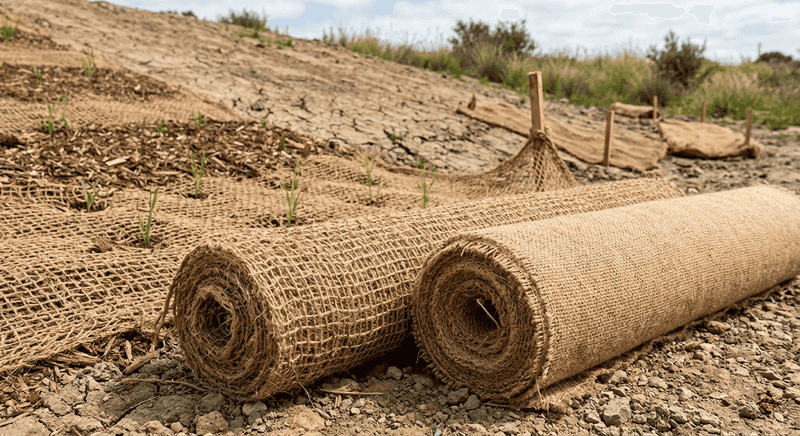
Peel back a banana stalk and you will find layers of leaf sheaths, wrapped like a soggy green onion. That watery structure, called a pseudostem, freezes easily, so giving it a thick coat makes real sense.
Saving the pseudostem matters if you dream of fruit, because flowers form inside it before emerging at the top. A Dwarf Cavendish often needs well over a year of growth before it sends out a bloom stalk.
Start by surrounding the stalk with straw, aiming for roughly a foot of thickness on every side. Wrap garden twine around the bundle in a spiral, snugging it firmly so the straw stays put.
Burlap or frost cloth over the straw adds another layer and keeps everything looking a bit neater. Avoid plastic directly against the stem, since it can trap moisture and turn the stalk mushy.
I tried this on a smaller plant in a breezy corner, and the stalk came through looking firm. That success felt huge, because spring growth started from a taller stem instead of from the ground.
In milder southern parishes, wrapping alone often handles the occasional light freeze without much fuss at all. Northern gardens face harder cold, so combine wrapping with deep mulch around the base for best results.
Remove the wrap gradually once nights stay above freezing, letting the stem adjust to open air slowly. Rushing that step can shock tender tissue, so patience pays off with healthier spring leaves later.
5. Build a Chicken Wire Cage Filled With Dry Leaves
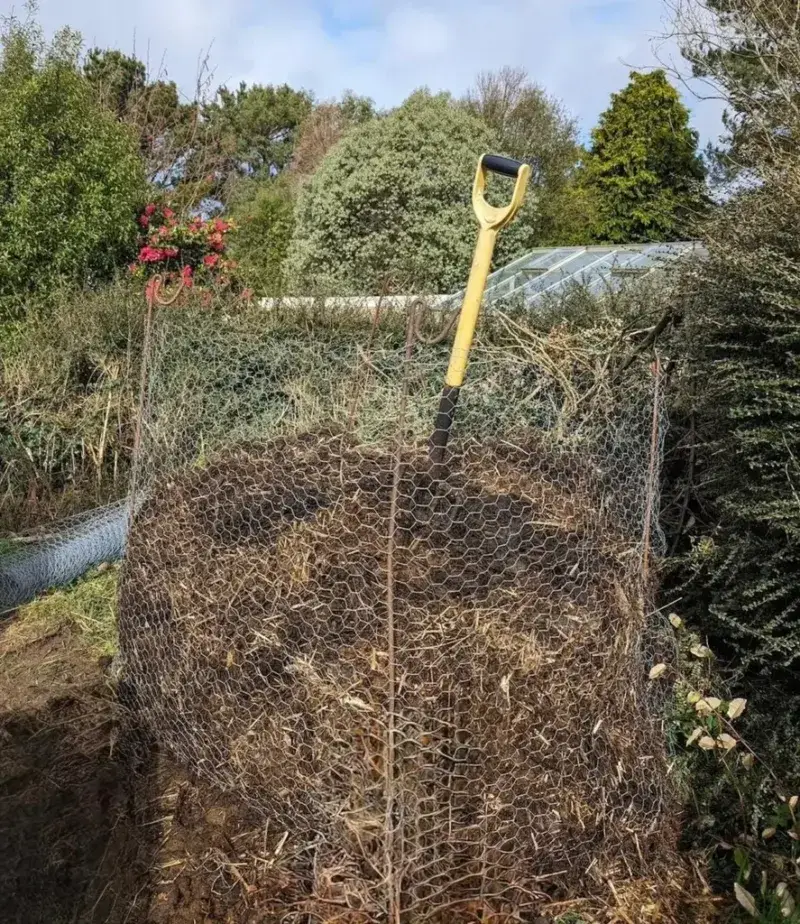
Chicken wire might be the humblest hero in the shed, and bananas seem to love it in winter. A simple cage turns loose leaves into a tall, fluffy cocoon that wraps the plant from top to bottom.
Cut a length of wire fencing and bend it into a cylinder a foot or so wider than the stem. Push a few garden stakes into the ground to keep the cage upright when strong winds roll through.
Fill the space with dry leaves or straw, packing gently so pockets of air stay trapped inside. Those little air pockets do the real work, slowing heat loss on those long, frosty winter nights.
Oak leaves hold their shape well, and October yards usually offer plenty if your neighbors are raking. Bagged leaves from curbside piles are a fun free resource, though check for trash before using them.
Top the cage with a tarp or old compost bags to keep rain from soaking the filling. Secure that cap with twine or clips, because a loose lid flapping in the wind helps nobody.
This method suits taller plants that you cannot easily wrap, and it looks surprisingly tidy too. I like that the cage protects the stem and corm together, saving time on separate wrapping jobs.
Take it down once spring warmth settles in, and compost the old leaves right into your garden beds. Nothing goes to waste, which makes the whole project feel extra satisfying when warm weather finally returns.
6. Trim Frost-Blackened Banana Leaves With a Sloping Cut
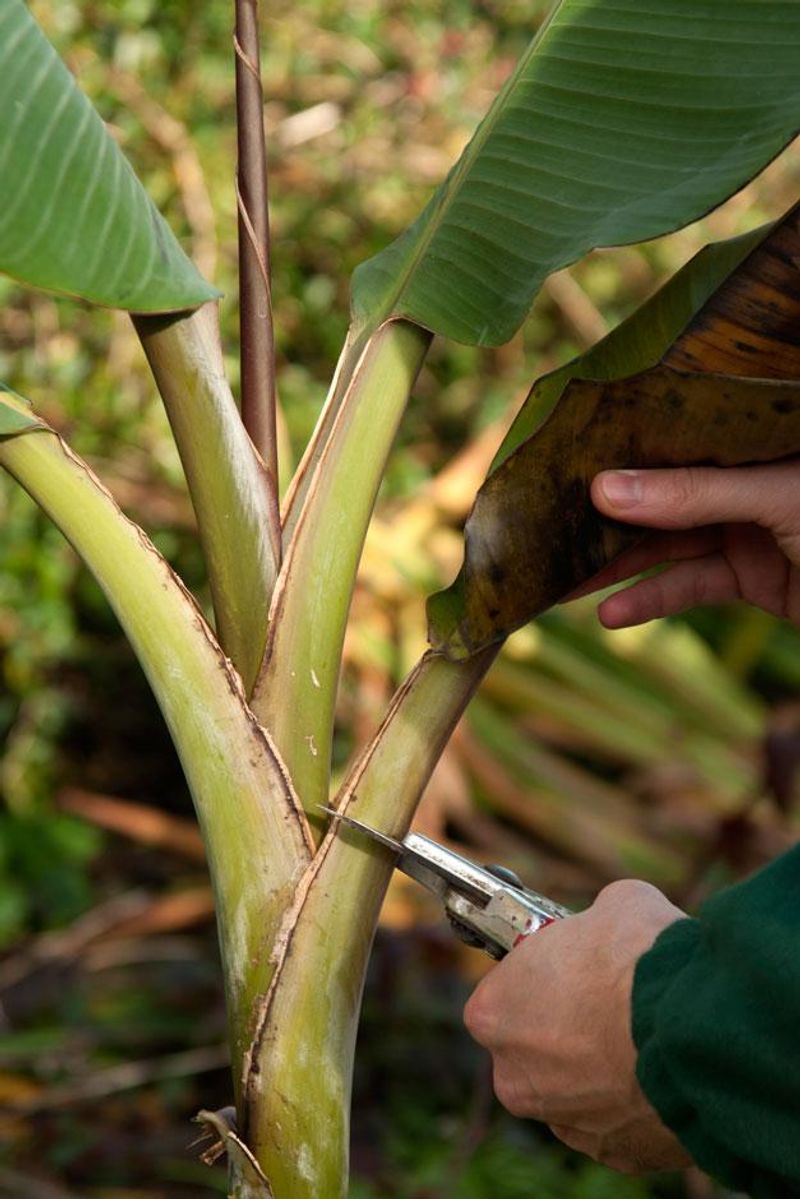
Those huge paddle leaves look glorious all summer, yet a single frosty night can turn them black overnight. Seeing that happen feels heartbreaking, but those darkened leaves actually signal the perfect moment for careful trimming.
Wait for that first light frost, which usually arrives sometime in November across much of Louisiana. Trimming earlier in October is not needed, since healthy leaves keep feeding the corm with energy.
Once leaves blacken, cut them off just above the top of the pseudostem using sharp, clean pruners. Angle each cut so it slopes away from the center, letting rain slide off instead of pooling.
Water sitting in a flat cut can seep downward and start rot inside the stalk over the winter. That small slant is easy to overlook, but it makes a noticeable difference in how stems hold up.
Many growers say this trim also nudges the plant toward dormancy, slowing its growth for the cold months. A resting plant handles chilly weather better than one still pushing out fresh, tender new leaves.
Toss the trimmed foliage on the compost pile, since the big leaves break down fairly quickly there. Just skip composting anything that looks diseased, because spots and streaks belong in the trash bin instead.
After trimming, finish mulching and wrapping so the bare stem gets protection right away. I treat this step as the bridge between summer lushness and winter rest in my own yard.
7. Move Potted Dwarf Cavendish Bananas Indoors
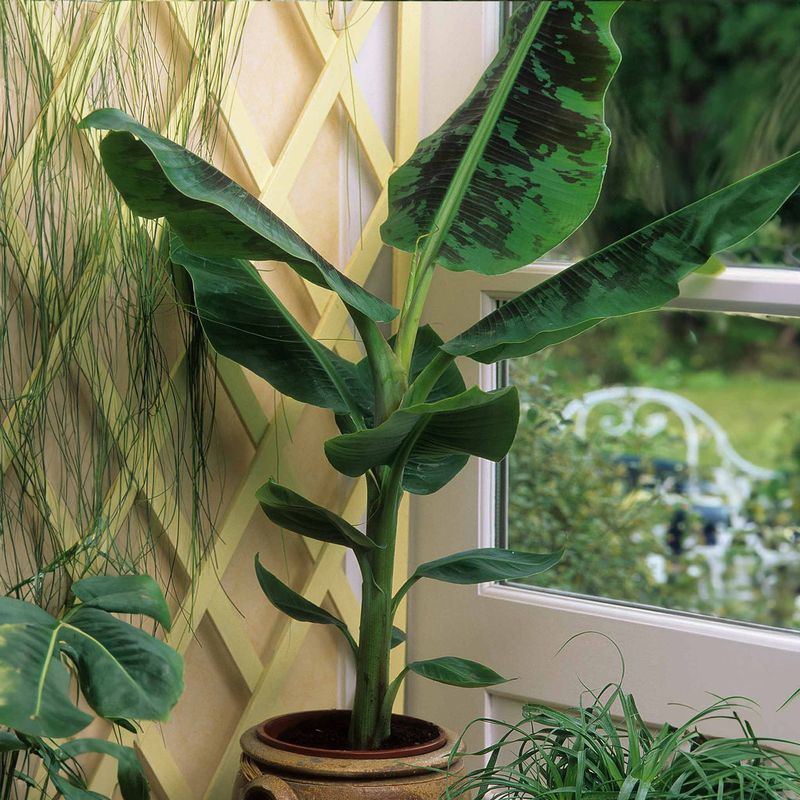
A Dwarf Cavendish in a pot has one huge advantage, because it can simply ride out winter indoors. Its compact size, often topping out around seven to ten feet, makes it a favorite for container growers.
Plan the move before nights regularly dip below 50 degrees, since growth stalls once it gets that chilly. In northern parts of the state, that shift can arrive by late October or early November.
Choose your brightest spot, like a south-facing window or a sunny sunroom with plenty of daylight. Bananas crave light, so a dim corner can leave leaves pale and floppy after just a few weeks.
Before bringing it inside, rinse the leaves and check the undersides for spider mites or other hitchhikers. Indoor air is often dry, and spider mites thrive in those conditions if they sneak in early.
Some growers let a light frost touch the plant first, which can push it toward a resting state. I prefer moving mine a bit earlier, since a sudden hard freeze can surprise everyone in fall.
A rolling plant caddy saves your back, especially when a large pot is full of damp soil. Grab a helper too, because those big containers get awkward on steps and through narrow doorways.
Keep it away from heater vents, which blast hot, dry air that can crisp up the leaf edges. A humidifier nearby or a tray of wet pebbles helps recreate the muggy air bananas enjoy.
8. Cut Back Watering for Dormant Banana Plants
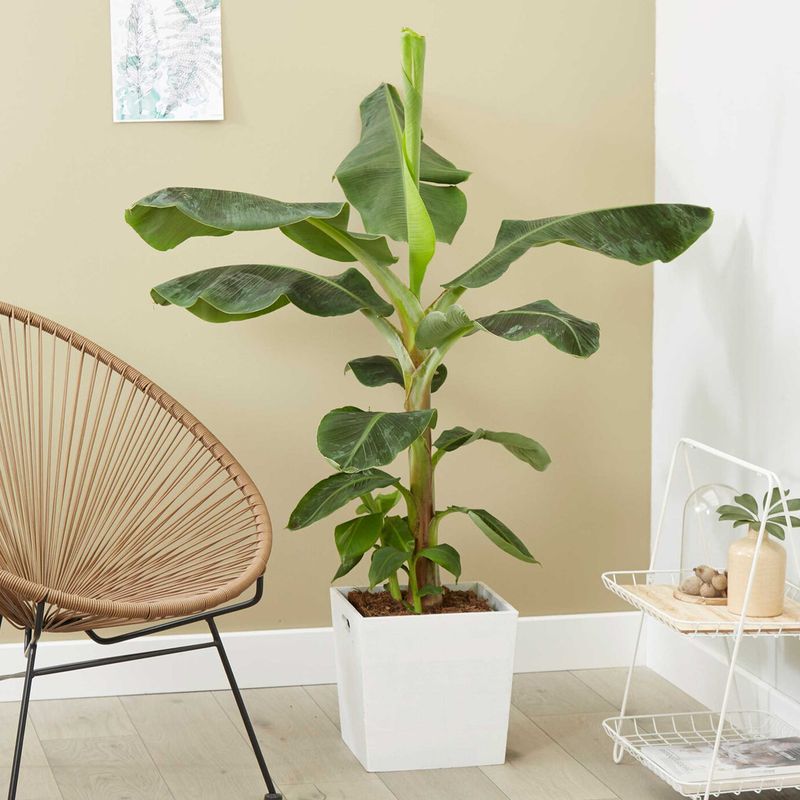
Sleeping plants drink very little, and a banana resting through winter is no exception to that rule. Giving it summer-sized drinks now can drown the roots and start rot in the corm surprisingly fast.
During warm months, a Dwarf Cavendish guzzles water and pushes out new leaves almost every week. Once temperatures cool, growth slows sharply, and the plant cannot use nearly as much moisture anymore.
For potted plants indoors, let the top couple inches of soil dry out before watering again. Push a finger into the mix, and if it still feels damp, wait a few more days.
Outdoor plants under deep mulch usually get enough moisture from winter rain, so extra watering is rarely needed. The exception is right before a hard freeze, when a deep soak helps the soil hold warmth.
I used to fuss over my potted banana every few days, and the soil stayed soggy for weeks. Cutting back made a big difference, and the plant woke up strong once spring sunshine returned again.
Watch for yellowing lower leaves or a mushy stem base, since both can point toward too much water. Drainage holes matter a lot, so make sure the pot is not sitting in a saucer of water.
Ease back into regular watering once new growth appears in spring and days start feeling warm again. That gradual approach helps your banana shake off winter and get back to growing those big leaves.