What Georgia Gardeners Can Still Grow In November For Fresh Winter Harvests
A hard frost can actually make certain garden leaves taste sweeter, almost like nature sprinkled sugar overnight.
Plants convert stored starch into sugars when temperatures drop, and those sugars help protect their cells from freezing.
Most people pack away their trowels after Halloween, yet the cold months here stay surprisingly friendly to many crops. Georgia winters are mild enough that a well-planned bed can keep feeding your family until spring arrives.
I have to admit that my favorite meals of the year come from a chilly garden in January. You might notice fewer bugs and slower weeds once the cool weather settles across the yard.
So which crops still have time to grow strong before the coldest nights finally show up? The answers might surprise you, and a few of them take less than a month to reach your plate.
1. Collards
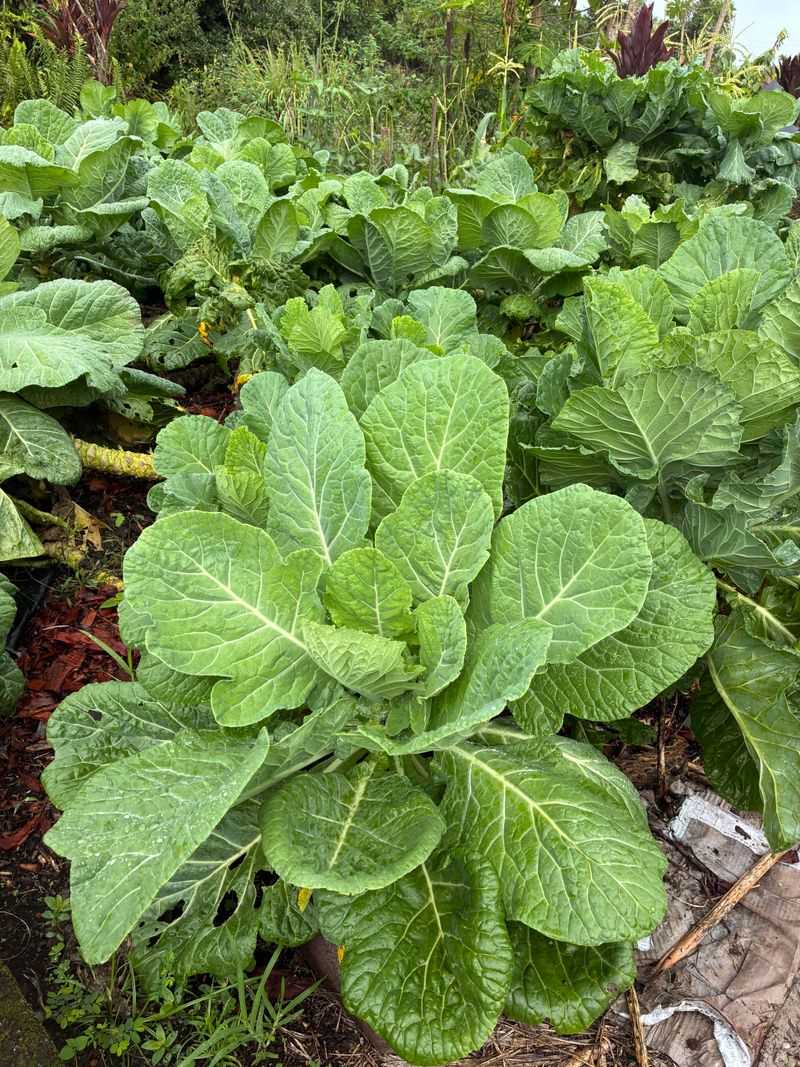
Southern cooks swear collards taste best after the first frost, and I happen to agree with them wholeheartedly.
Those broad, blue-green leaves turn mellow and sweet once cold nights convert their starches into natural sugars.
Planting from seed is late now, so grab sturdy transplants from a local nursery for the quickest start. Gardeners in the milder southern and coastal counties have the best odds with November collards set out early.
Established plants shrug off temperatures down to around 15 degrees, which covers most winter nights across the state.
Varieties like Vates and Georgia Southern have earned their spots in countless backyard beds over many decades.
Give your collards a sunny spot that gets at least eight hours of direct light each day. Rich, well-drained soil with a pH near 6.5 keeps the leaves growing steadily through the shorter days.
Water about an inch each week when rain is scarce, since thirsty plants often produce tough, bitter leaves. A light feeding of balanced fertilizer every few weeks helps the plants keep pushing out tender new growth.
Personally, I harvest the lower, outer leaves first and leave the central bud alone to keep producing. One well-managed plant can feed you for months, which feels like a pretty generous deal from a seedling.
Pull a few leaves before a predicted hard freeze, and toss frost cloth over the rest on bitter nights. Your reward will be a pot of greens that tastes like a warm hug on a gray afternoon.
2. Kale
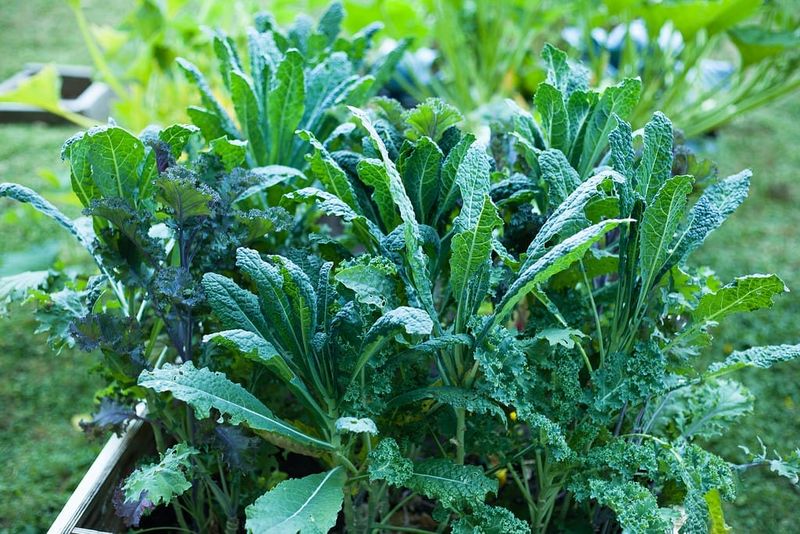
Kale might be the toughest leafy green you can grow, laughing off frosty mornings that send other crops sulking.
Its crinkled leaves come in shades from deep blue-green to purple, adding real color to a sleepy winter bed.
In the southern half of the state, transplants can still go into the ground through November with success.
Farther north, set plants out as early in the month as possible so roots settle in before January.
Mature plants handle hard frosts well, and a thick layer of mulch helps protect them during rare deep freezes. Young transplants are a bit more tender, so a frost cloth on the coldest nights makes a big difference.
Your Georgia Garden Changes Every Week. Your Plan Should Too.
Gardening in Georgia changes quickly throughout the season. Every Friday you’ll receive a simple weekly plan showing exactly what to plant, prune, fertilize, harvest, and protect so you never miss the right timing.
I love how Lacinato, sometimes called dinosaur kale, looks with its bumpy, strappy leaves standing tall in rows. Red Russian brings purple stems and flat leaves, while Winterbor is known for handling cold weather especially well.
Full sun is ideal, though kale tolerates a little shade better than many other cool-season vegetables do. Aim for about an inch of water each week, and choose loose soil that drains well after heavy rains.
Harvest the oldest outer leaves first, snapping them off at the base while the center keeps growing upward. Plants treated this way often keep producing well into early spring before they send up flower stalks.
You might notice the leaves taste noticeably sweeter after a cold snap, thanks to those protective plant sugars. Toss them into soups or bake them into crispy chips for a snack even picky eaters might enjoy.
3. Spinach
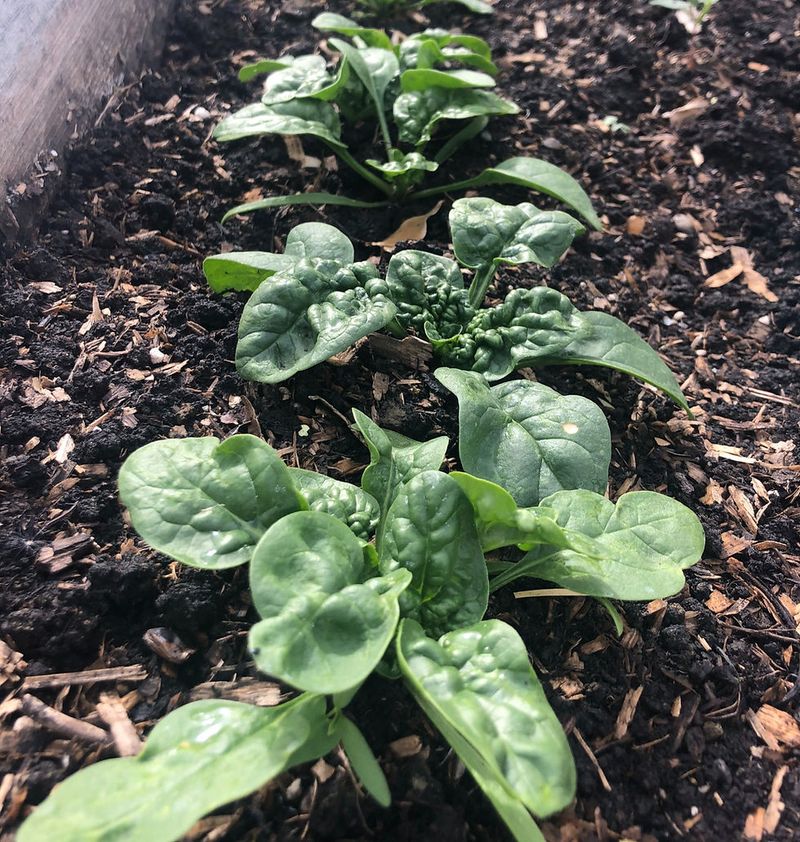
Spinach is a bit of a diva in summer heat, yet it becomes a cheerful overachiever in cool weather. Short, chilly days keep the plants from bolting, which means you get more tender leaves for much longer.
Piedmont gardeners can sow spinach from October through February, giving you plenty of breathing room this month.
Down in South Georgia, November actually marks the start of the recommended sowing window for this leafy favorite.
Seeds sprout slowly in cold soil, so soaking them overnight before planting can help speed things along. Sow them about half an inch deep, then keep the bed evenly moist until the first tiny leaves appear.
Bloomsdale Long Standing produces crinkly, savoyed leaves, while Tyee is a semi-savoy type with dependable vigor. Both perform nicely in fall plantings and handle light frosts without much fuss or extra effort from you.
Spinach likes soil rich in organic matter with a pH between 6.5 and 7.5, so compost helps. Steady moisture matters, but soggy ground can rot the roots, so raised beds are a smart choice here.
I believe spinach is the most rewarding crop for gardeners who enjoy fresh salads straight from the yard.
Pick outer leaves once they reach a usable size, and the plant will keep sending up fresh ones.
Plants that make it through winter often give you a burst of growth as days lengthen in early spring. That early harvest feels like a bonus prize for simply keeping a few seeds in the ground.
4. Lettuce
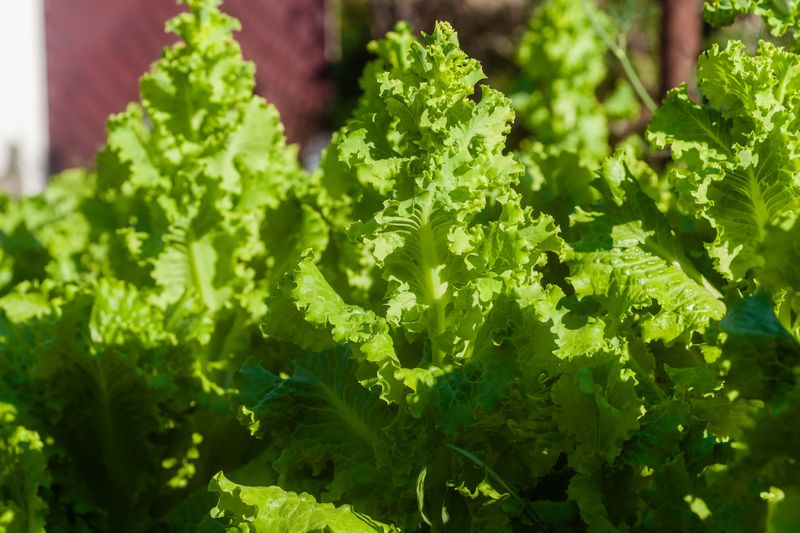
Few things beat a crisp salad picked minutes before supper, especially when the neighbors think your garden is finished.
Lettuce grows happily in cool temperatures, with ideal air temperatures falling somewhere between the mid-forties and upper fifties.
Gardeners in the Piedmont can still sow seeds through November, while southern growers have until March to plant. Sowing small batches every two or three weeks keeps a steady supply of fresh leaves coming into the new year.
Loose-leaf and butterhead types mature faster than heading varieties, so they make the safest bets for late planting. Personally, I like mixing red and green varieties because the bed looks like a colorful quilt by midwinter.
Press seeds just an eighth to a quarter inch deep, since lettuce needs some light to sprout well. Keep the soil consistently moist for the first two weeks, when tiny seedlings are most likely to struggle.
Aim for a spot with plenty of sun, ideally eight hours or more during these short winter days. Fertile, well-drained soil with a pH between 6.0 and 6.5 helps the leaves stay tender instead of bitter.
Lettuce handles light frost, but a hard freeze can turn leaves to mush, so watch the forecast closely. A simple row cover or an old bedsheet draped over hoops can protect your crop on frigid nights.
Harvest outer leaves as needed, or cut the whole head about an inch above the soil for regrowth. You might be surprised how quickly a trimmed plant bounces back with a second round of fresh leaves.
5. Mustard Greens
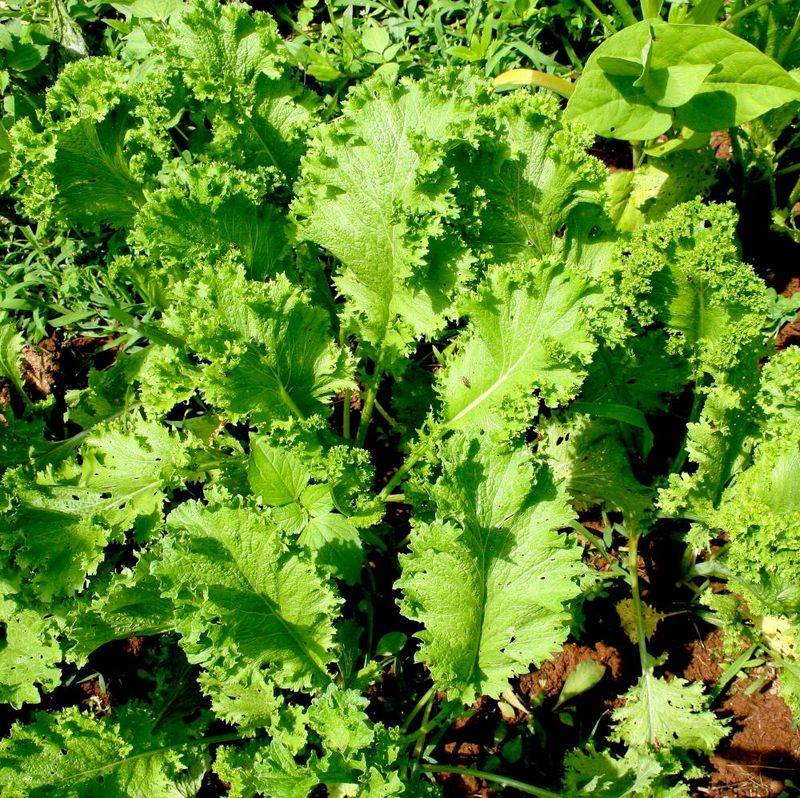
Mustard greens bring a peppery kick that wakes up your taste buds faster than a cold splash of water. The flavor softens into a gentle spice when cooked, making them a beloved partner for Southern cornbread.
Recommended planting windows mostly close around late October, so early November sowings work best in milder areas. Coastal and southern gardens have the strongest chance, since quick-growing mustards can reach baby size in a few weeks.
Cool weather actually improves the leaves, keeping them tender instead of the tough, fiery texture summer brings. Light frosts rarely bother established plants, though a severe freeze can damage leaves without some protection.
I like how fast mustard sprouts, often popping through the soil within a week of sowing the seeds.
Sow them thinly about a quarter to half inch deep, then thin seedlings so each plant has elbow room.
Full sun produces the sturdiest plants, though partial shade still works and gives larger, thinner leaves. Rich, well-drained soil with a pH between 6.0 and 7.5 suits these greens nicely in most backyard beds.
Steady moisture keeps growth quick and tender, so water whenever the top inch of soil feels dry. Harvest leaves at four to six inches for salads, or wait until they reach a foot for cooking.
Red-leaved varieties like Red Giant add striking color to the garden and a lovely contrast on the plate. One small row can give you plenty of zesty greens for weeks of winter meals and side dishes.
6. Carrots
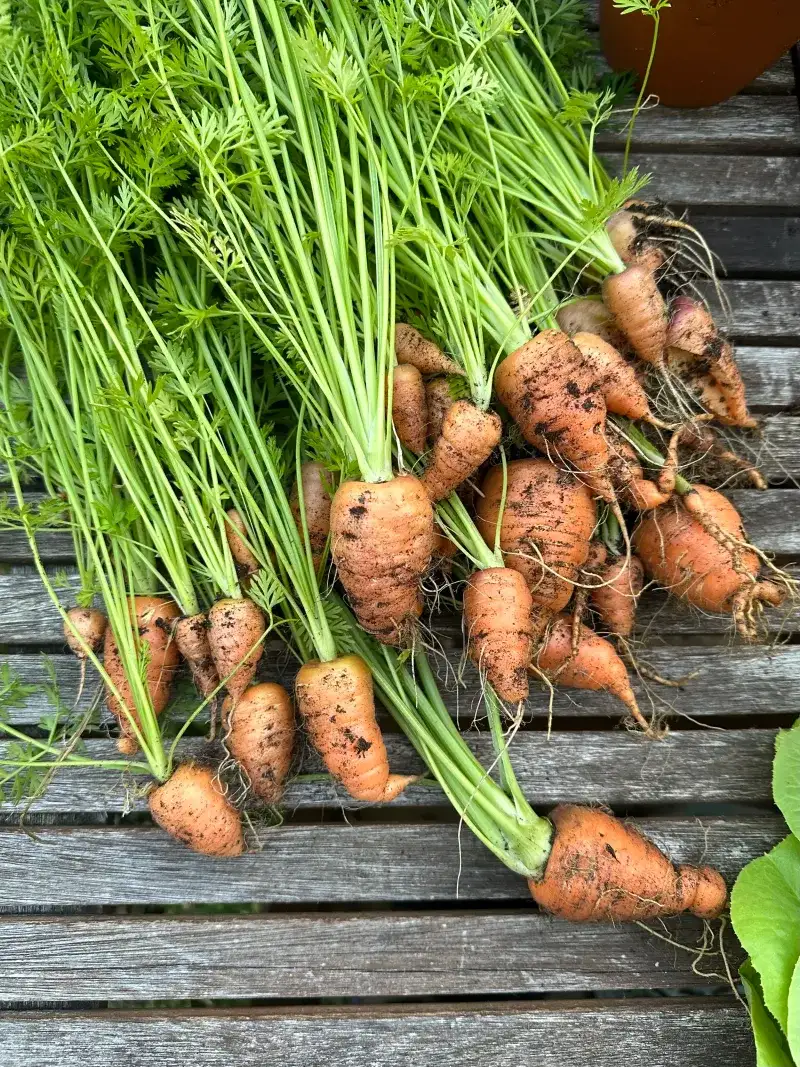
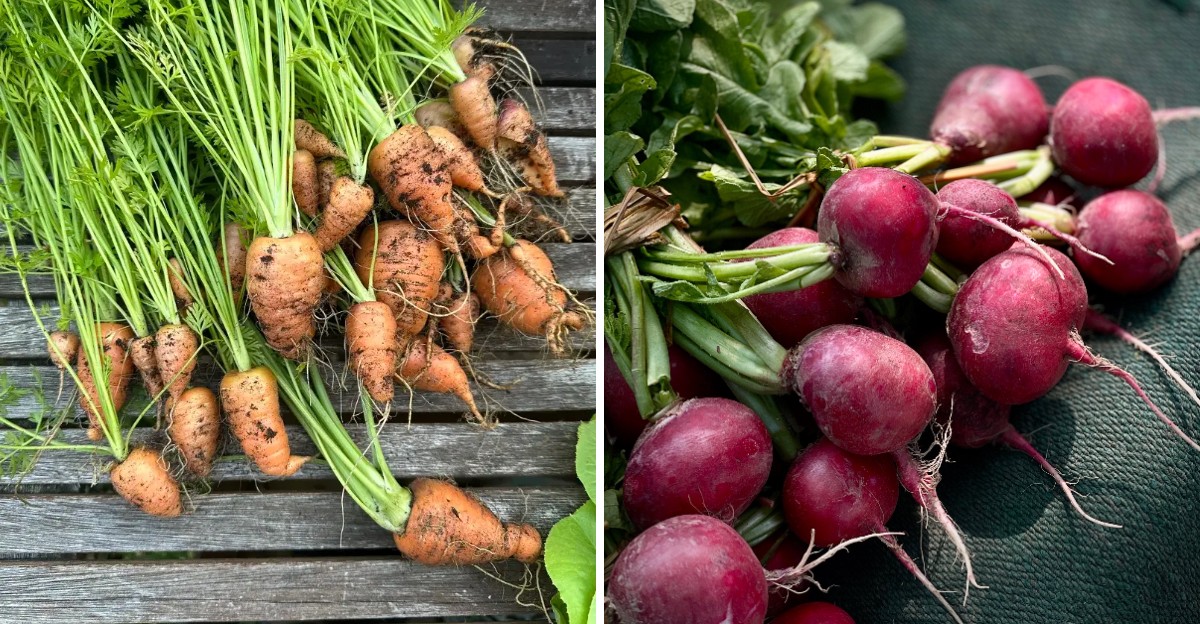
Carrots pulled from cold winter soil taste so sweet that kids sometimes mistake them for candy sticks.
Chilly temperatures encourage the roots to store sugars, which gives them that crunchy, almost dessert-like flavor.
Coastal Plain gardeners can sow carrots from October through February, so November fits comfortably into that window.
Farther north, seeds sown now may grow slowly, but they can overwinter and size up as spring warms.
Loose soil is the secret, because carrots struggle to push through hard clay and often end up forked. Piedmont gardeners with red clay usually get better results by growing them in raised beds filled with loose mix.
Choose long Nantes types for sandy ground, or pick shorter Chantenay and stubby varieties for heavier soils. I have to admit that the little round types are my favorite for containers on a sunny porch.
Sow seeds about a quarter inch deep in full sun, then keep the surface moist until sprouts emerge. Carrot seeds can take up to three weeks to germinate, so a little patience goes a long way here.
Thin seedlings to about two inches apart once they stand an inch tall, or the roots crowd together. A layer of straw mulch keeps the soil evenly moist and protects shoulders from the occasional hard freeze.
Mature carrots hold well in the ground through mild winters, so you can dig them as needed. Think of your garden bed as a living refrigerator that keeps crunchy snacks ready whenever you want them.
7. Radishes
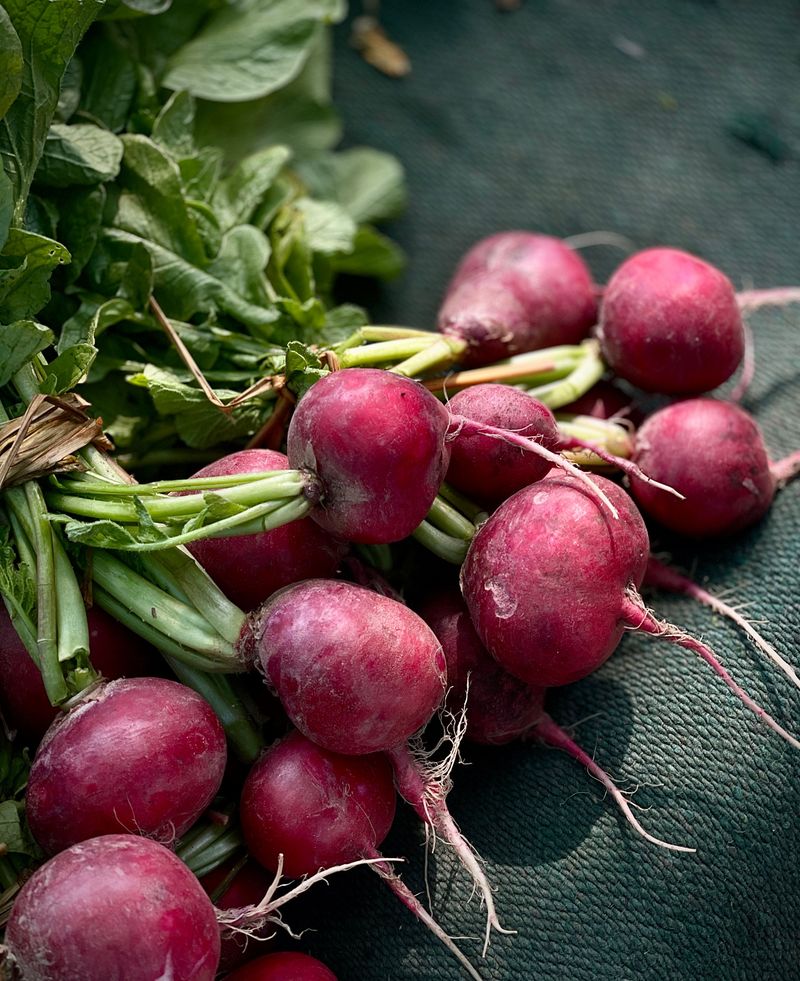
Radishes are the speed racers of the vegetable world, with some varieties ready to eat in about four weeks.
Their bright red globes and spicy crunch make them a favorite for impatient gardeners and curious kids alike.
In the southern part of the state, November marks the start of the recommended radish sowing season. Piedmont gardeners can keep planting from October through February, which leaves lots of room for repeat sowings.
Fall-planted radishes often grow larger and crisper than spring ones, since cooler weather keeps them from turning harsh. Frost does not bother them much, though you should harvest before temperatures stay consistently below 20 degrees.
Sow seeds about half an inch deep in loose, fertile soil that drains well after a hard rain. Poorly prepared soil can lead to spotty germination, so rake out clods and stones before you plant.
Thin spring-type radishes to about an inch apart, but give larger winter types like daikon three to four inches. Crowded radishes tend to grow all leaves and no roots, which is a disappointing surprise at harvest time.
Consistent watering matters more than you might expect, because dry spells make the roots hot and pithy.
Personally, I tuck a few radish seeds between slower crops like carrots to mark rows and loosen soil.
Plant a small batch every week or two, and you can enjoy fresh radishes for much of winter. Slice them thin over tacos or roast them, which mellows their bite into something surprisingly sweet and nutty.
8. Turnips
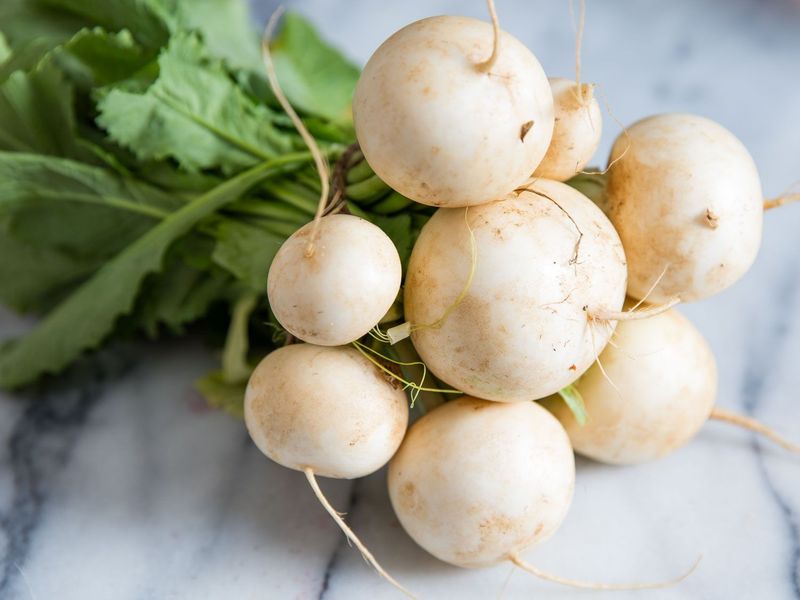
Turnips are the ultimate two-for-one deal, giving you leafy greens up top and crunchy roots below ground.
Many Southern families grow both parts for supper, and a steaming bowl of turnip greens tastes like pure comfort.
Piedmont gardeners can sow seeds from September through February, while South Georgia has an ideal window from October onward. Either way, November lands right in the sweet spot for a fresh planting of these dependable roots.
Frost sweetens both the roots and the greens, so a cold snap is something to welcome rather than fear. Most varieties mature in about 40 to 60 days, which means a winter harvest is well within reach.
Sow seeds directly in the garden, since turnips dislike being transplanted and often sulk after the move. Plant them about half an inch deep in loose, fertile soil with a pH between 6.0 and 7.0.
Pick a sunny site and thin seedlings to a few inches apart so roots have room to swell. Go easy on nitrogen fertilizer, because too much pushes leafy growth at the expense of healthy roots.
I believe the tastiest roots are pulled around golf-ball size, when they are tender and mildly sweet. Larger turnips can turn woody, so check your rows often and harvest before they get too big.
Purple Top White Globe is a classic choice for roots, while Seven Top is grown mainly for greens.
Both will keep your winter garden feeling productive long after the summer tomatoes have faded into memory.