7 Harmless Arizona Critters People Mistake For Venomous Ones Every Fall
A harmless desert snake can flatten its head and buzz its tail in dry leaves, sounding uncannily like a rattler. Most folks who hear that noise in an Arizona backyard grab a shovel first and ask questions much later.
October nights bring plenty of these bluffers into the open as cooler air sends them wandering across patios. Several of them actually help your garden by eating the rodents and crickets you would rather not host.
I have to admit my own heart has jumped more than once while watering pots after sunset. You need a calm eye and a few simple clues to tell a real threat from a convincing actor.
Some of these critters carry mild venom, while others carry none, yet all are far gentler than they look. So which Arizona neighbors deserve a little more grace from you and a little less panic this season?
1. Gopher Snake
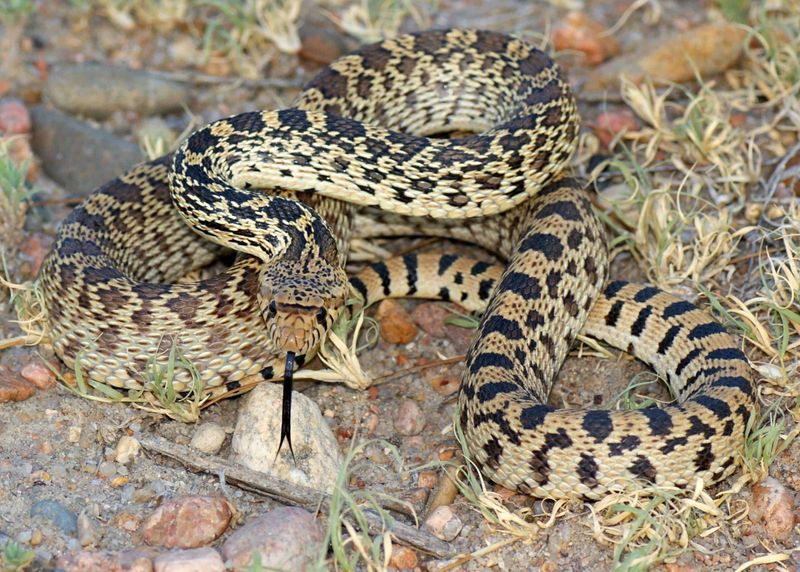
Few backyard actors deserve an award more than the gopher snake, which stages a whole rattlesnake show without any rattle. It hisses loudly and flattens its head into a triangle while its tail drums against crunchy leaves.
That buzzing bluff fools plenty of people, especially since the tan body carries dark blotches much like a rattler. Look closer at the eyes, because gopher snakes have round pupils while rattlesnakes show narrow vertical slits.
Check the tail too, since a gopher snake ends in a simple pointed tip with dark bands instead of segmented rattles. Adults commonly stretch four to six feet, making them the longest snakes you are likely to meet nearby.
Personally, I treat a gopher snake like free pest control with scales and a quiet work ethic. It squeezes rodents as a constrictor and carries no venom, so it poses no real threat to people.
October stays busy for these snakes, because they keep hunting in the mild days before winter brumation slows them down. You might spot one sunning near a woodpile or slipping under shrubs where pocket gophers dig.
Give it space and let it move along, since grabbing any snake earns a defensive bite and plenty of stress. If you want to be sure, snap a photo from a distance and compare the pupils and tail tip later.
2. Sonoran Mountain Kingsnake
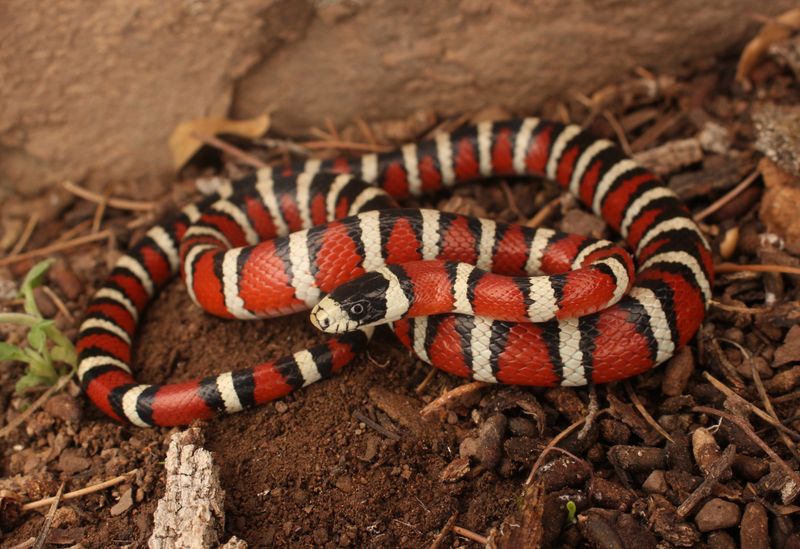
Bold red bands bordered by black and cream make the Sonoran mountain kingsnake look like a walking warning label. Hikers in mountain canyons often freeze, thinking they found the dangerous Arizona coral snake among the oak leaves.
Scientists call this trick Batesian mimicry, where a harmless animal borrows the colors of a risky one for protection. Predators that learned to avoid coral snakes tend to leave this lookalike alone, which works out nicely for the kingsnake.
One quick clue helps a lot, since this kingsnake has red bands touching black, while coral snakes show red touching yellow. The kingsnake also wears a pale whitish snout, and coral snakes carry a solid black head instead.
I love how this snake earns its royal name by eating other snakes, including venomous rattlers that it resists. It also takes lizards and rodents, wrapping them up as a constrictor rather than relying on any venom.
Fall is a good time to watch for them on mild mornings before cooler weather sends them into winter hiding. They favor higher pine and oak country, so lowland desert gardeners rarely find one near the patio.
If you startle one, expect a smelly musk rather than a dangerous bite, which is a fair trade honestly. Admire those colors from a polite distance, then let this mountain beauty slide back under the rocks.
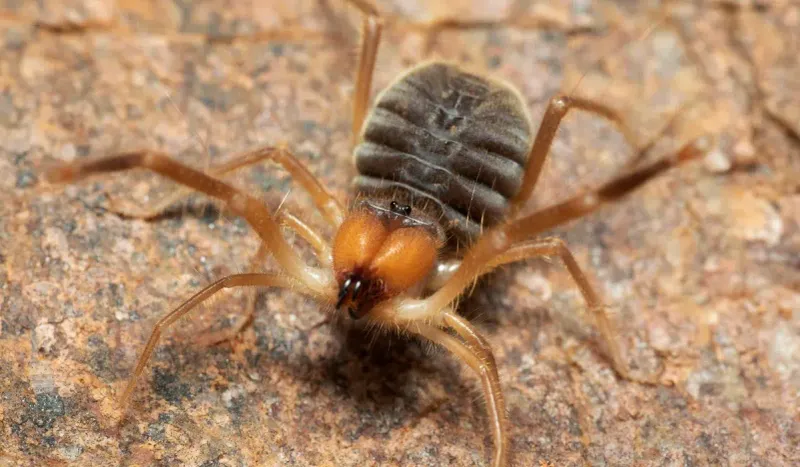
3. Sun Spider
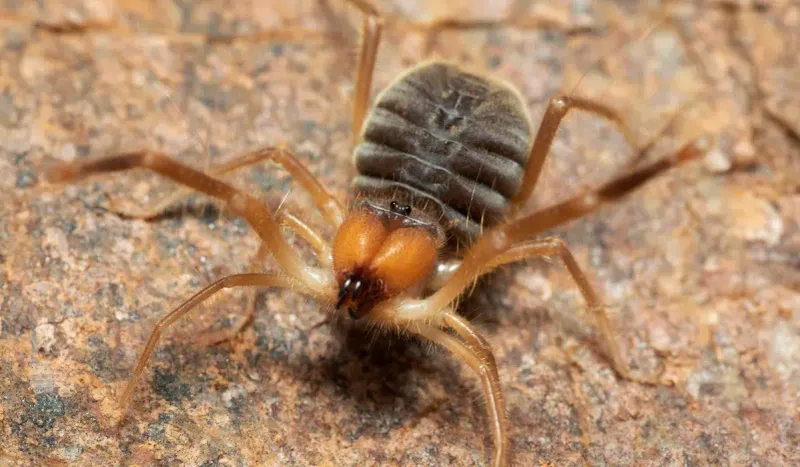
Nothing makes a porch light gathering feel scarier than a tan blur sprinting toward your sandals after dark. Sun spiders scurry surprisingly fast, and their huge jaws look like something borrowed from a monster movie.
Despite the nickname, they are not true spiders or scorpions, belonging instead to their own arachnid group called Solifugae. Local species usually measure under two inches, though long hairy pedipalps make them seem much bigger than that.
Rumors claim they inject venom or make flesh rot, but sun spiders have no venom glands whatsoever. Their powerful jaws can pinch hard if you grab one, yet the bite stays a minor annoyance for people.
What surprises me most is how hungry these hunters are, chasing down insects and other small critters across the ground. They often hang around porch lights because that glow attracts the very insects they love to snack on.
In October, warm evenings still bring them out, so you may notice them dashing near doors or garage edges. Swapping white bulbs for yellow bug lights draws fewer insects and fewer curious hunters to your entryway.
If one wanders indoors, slide a cup over it and carry it outside to the garden. I think of them as tiny night guards, odd looking but helpful for keeping bug numbers down around the house.
4. Desert Tarantula
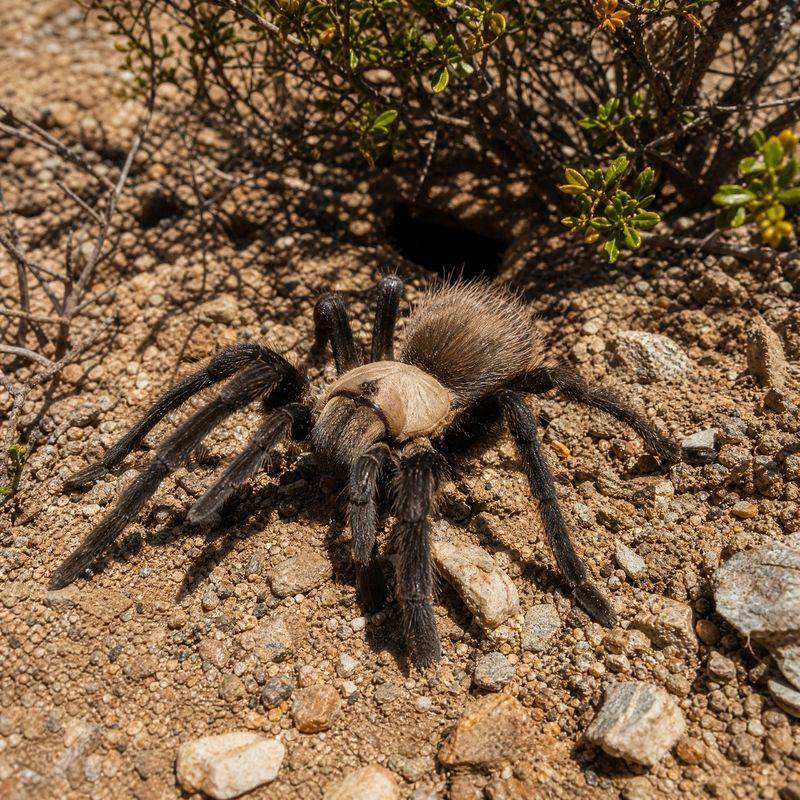
A hairy spider the size of your palm strolling across the road is a classic desert sight this time of year. Those wanderers are usually adult males, searching for females tucked away in quiet burrows nearby.
Around thirty species live in Arizona, and they rank as the largest spiders in the state by a wide margin. Most look sandy tan to dark brown, with thick legs that make them seem heavy and slow.
Tarantulas do carry venom, but local species have mild venom that experts often compare to a bee sting. A bite usually brings brief pain and swelling, and they rarely bite unless someone traps or handles them.
Their bigger trick involves barbed hairs on the abdomen, which they can flick off when they feel threatened. Those tiny hairs can irritate your skin and eyes, so watching beats petting every single time.
I can’t imagine a more polite predator, since they mostly wait near burrows to grab crickets and beetles. Leaving some bare, undisturbed soil in a quiet garden corner may give a female a safe spot to dig.
If a roaming male crosses your driveway, slow down and let him finish his journey without help. Honestly, spotting one is a treat, and it makes a great reason to invite the kids outside for a look.
5. Giant Desert Hairy Scorpion
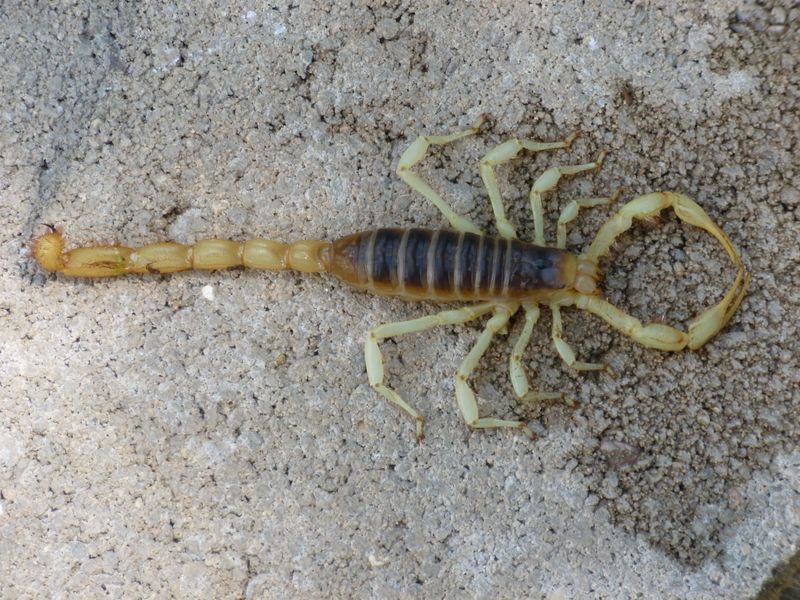
Seeing a scorpion as long as a hot dog bun can make anyone shout across the yard for backup. The giant desert hairy scorpion reaches four to seven inches, earning its place as the largest scorpion in North America.
Its look is surprisingly handsome, with a darker body above and pale yellow legs and tail below. Fine brown hairs cover its body and tail, helping it sense vibrations from prey moving across the sand.
Yes, this scorpion carries venom, so harmless here means mild rather than venom free for healthy adults. Most stings feel like a bee sting with local pain and swelling, though allergic people should still seek care.
The real worry is the bark scorpion, which is smaller and slimmer yet much more medically significant for people. Bark scorpions measure two to three inches with thin claws, while the hairy giant has thick, chunky pincers.
These big hunters mostly stay in burrows dug into sandy soil, coming out at night to catch insects and other arthropods. You may notice them in October as cooling nights push some toward sheltered spots near homes.
Sealing door gaps and moving woodpiles away from walls reduces surprise visits from any scorpion, giant or tiny. A blacklight walk after dark shows them glowing blue green, which is a fun way to check your yard.
6. Western Banded Gecko
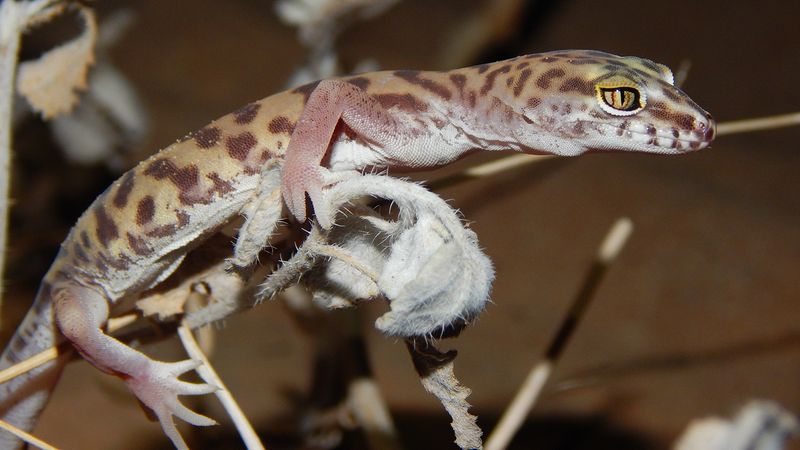
Soft skinned and slightly see-through, the western banded gecko often gets mistaken for a baby Gila monster by startled homeowners. That mix-up makes some sense, because both lizards wear dark crossbands, though the resemblance ends there quickly.
Gila monsters are chunky with beaded black and orange skin, while these geckos stay slim and smooth at a few inches long. Banded geckos also have movable eyelids, which is unusual among geckos and gives them a sleepy, blinking look.
They carry no venom at all and pose no danger to people or pets in your household. When nervous, a banded gecko may squeak or wave its tail, and it can drop that tail to escape.
I like how they hunt like miniature cats, raising their tails and wiggling slightly before pouncing on small insects. That habit makes them welcome helpers around gardens, especially near rock piles where crickets and spiders gather.
Fall evenings are a good time to spot them, since they stay active until colder weather sends them underground. Look along warm sidewalks and rock borders shortly after sunset, using a soft flashlight to avoid scaring them.
Leaving flat stones and native plants in one corner gives these geckos shade and hunting grounds close by. If one wanders into your garage, scoop it gently into a container and release it near the garden.
7. Western Conifer Seed Bug
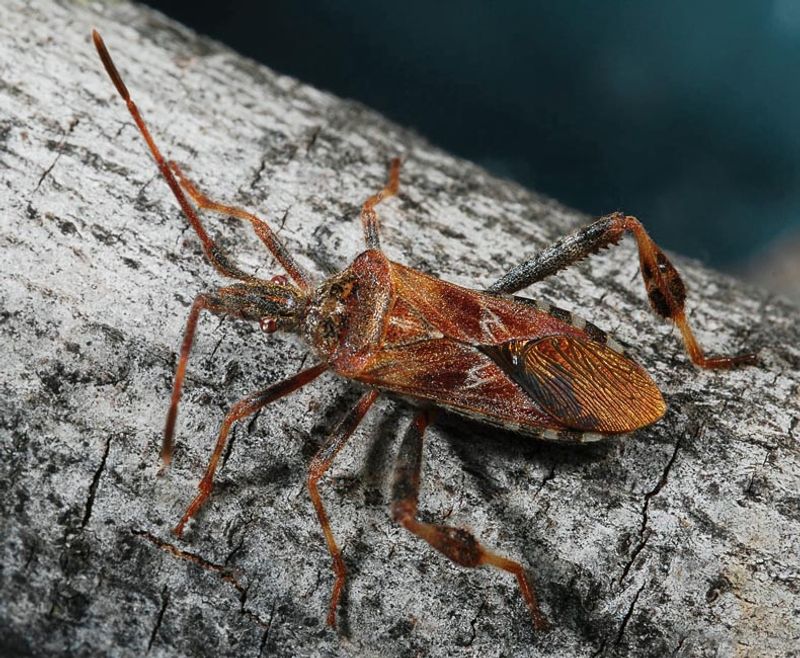
Autumn has a funny way of sending a lanky brown bug onto your window screen just as evenings turn crisp. Western conifer seed bugs slip indoors through tiny cracks, hoping to wait out winter somewhere cozy.
Many people panic because these insects resemble kissing bugs, the blood feeders linked to Chagas disease. Seed bugs, however, sip sap from pine cones and developing seeds, so they have zero interest in people.
Look at the hind legs for a quick answer, since seed bugs have flattened, leaflike expansions there. A faint white zigzag crosses the back, and long antennae add to that gangly, awkward appearance.
They do not bite or sting, and they carry no known diseases, which makes them a nuisance rather than a hazard. If squeezed or startled, they release a sharp piney smell, so use a vacuum instead of bare fingers.
You will mostly find them near pine country homes around Flagstaff and Prescott, where conifers feed them all summer. Lower desert residents see them less often, though they can turn up wherever pines are planted.
October is the right month to caulk gaps and repair torn screens before more of them come knocking. I find a quick evening check around windows saves a lot of surprise encounters on the living room ceiling.