How to Choose a Poinsettia That Really Lasts in Your Michigan Home
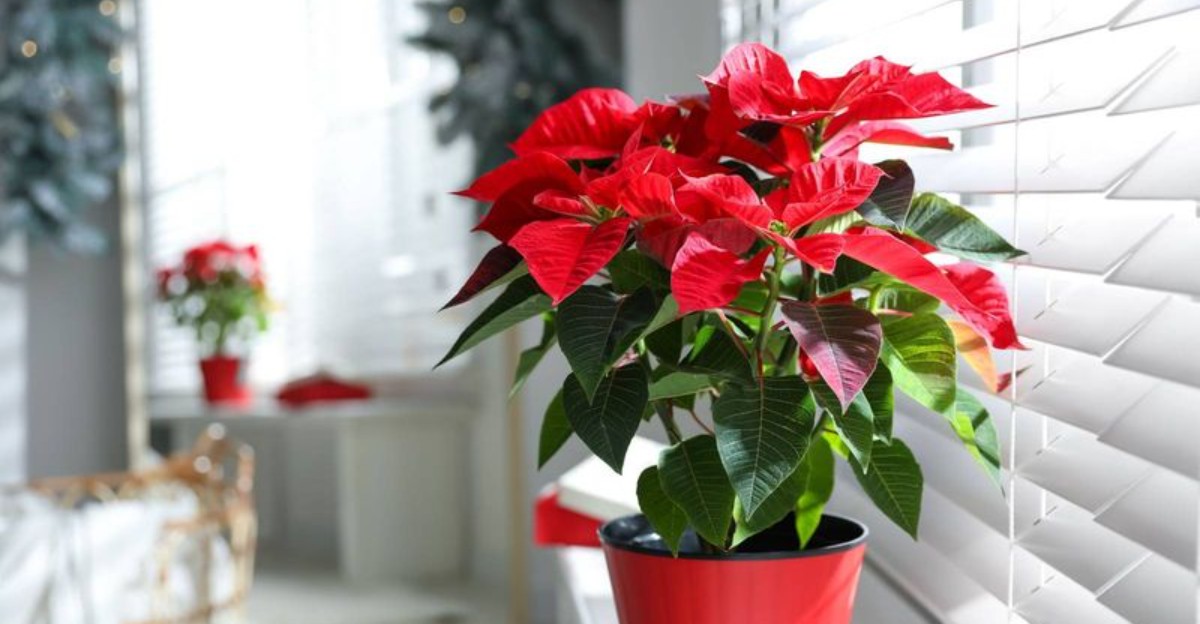
Those blazing red petals on your favorite holiday plant are not petals at all. They are leaves that changed color because the nights grew long.
The real flowers are tiny yellow buttons hiding in the middle. I love that such a showy plant keeps its true blooms so small and humble. Those little buttons also hold the secret to how long the color will stick around.
Here in Michigan, winter puts a tropical plant from Mexico through a lot. Frosty parking lots, dry furnace air, and drafty doorways all test its patience. You need a strong plant from day one to survive all of that.
Personally, I used to grab the reddest pot on the shelf and hope for the best. Some lasted until New Year’s, and some barely made it past a week. Now, I bet you’re wondering: what separates a plant that fades fast from one that glows into February?
1. Those Tiny Yellow Buttons in the Poinsettia Center Tell the Real Story
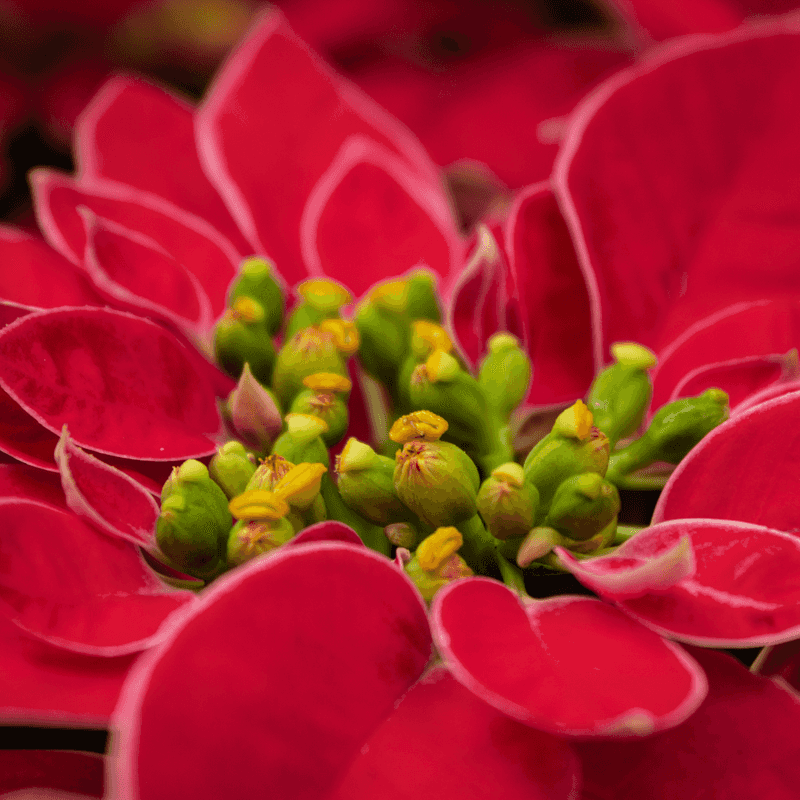
Most shoppers stare at the bright red leaves, but the smart move is to look right in the middle. Those little yellow and green knobs are called cyathia, and they are the true flowers of the plant.
Fresh cyathia look tight, round, and often greenish or bright yellow. When you see that, the plant is early in its bloom cycle. University extension experts agree this is one of the best clues for a long-lasting display.
Now check for yellow dust. Pollen on the bracts or cyathia means the flowers are open and maturing. A plant with missing or brown cyathia is further along, and the colorful bracts often fade or drop sooner after that.
I like to compare a few plants side by side on the shelf. One may look just as red as the next, yet its center tells a very different story. Choose the one with the tightest, least open buds.
Fun fact: the plant is named after Joel Poinsett, the first U.S. minister to Mexico. He sent cuttings home to South Carolina in the 1820s. Two hundred years later, that tiny center still decides how long your holiday color will last.
2. Dark Green Poinsettia Leaves Should Reach All the Way to the Soil
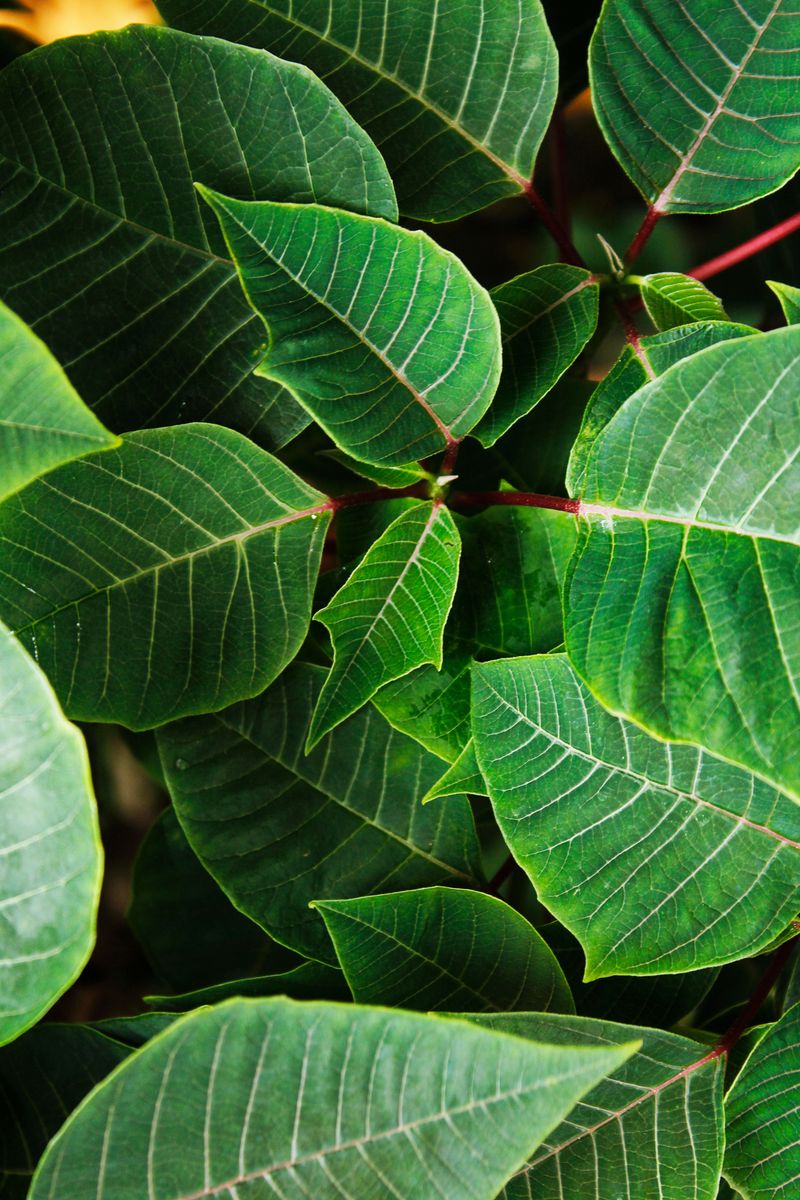
A healthy poinsettia looks full from top to bottom, like a well-dressed holiday guest. The green leaves should be dark, plentiful, and growing right down near the soil line.
Bare lower stems are a warning sign. When a plant drops its bottom leaves, it has usually been stressed by too much water, too little water, or a chilly spot. That stress tends to follow it home.
Look closely at the leaf color too. Yellow patches, brown edges, or crispy tips all point to trouble you can avoid. Even a few wilted leaves can mean the roots have had a rough week.
Next, study the colored bracts. They should be evenly colored, firm, and free of torn spots or bruises. Faded or blotchy bracts often appear on plants that sat near cold doors or under harsh store lights.
You also want a balanced shape. A plant with sturdy stems and bracts spread evenly around the pot looks better on your table and holds up longer. Gently turn the pot to see every side before you decide.
Spending an extra minute on this check is worth it. A lush plant usually rewards you with weeks of steady color.
3. A Quick Lift of the Poinsettia Pot Can Reveal Soggy Roots
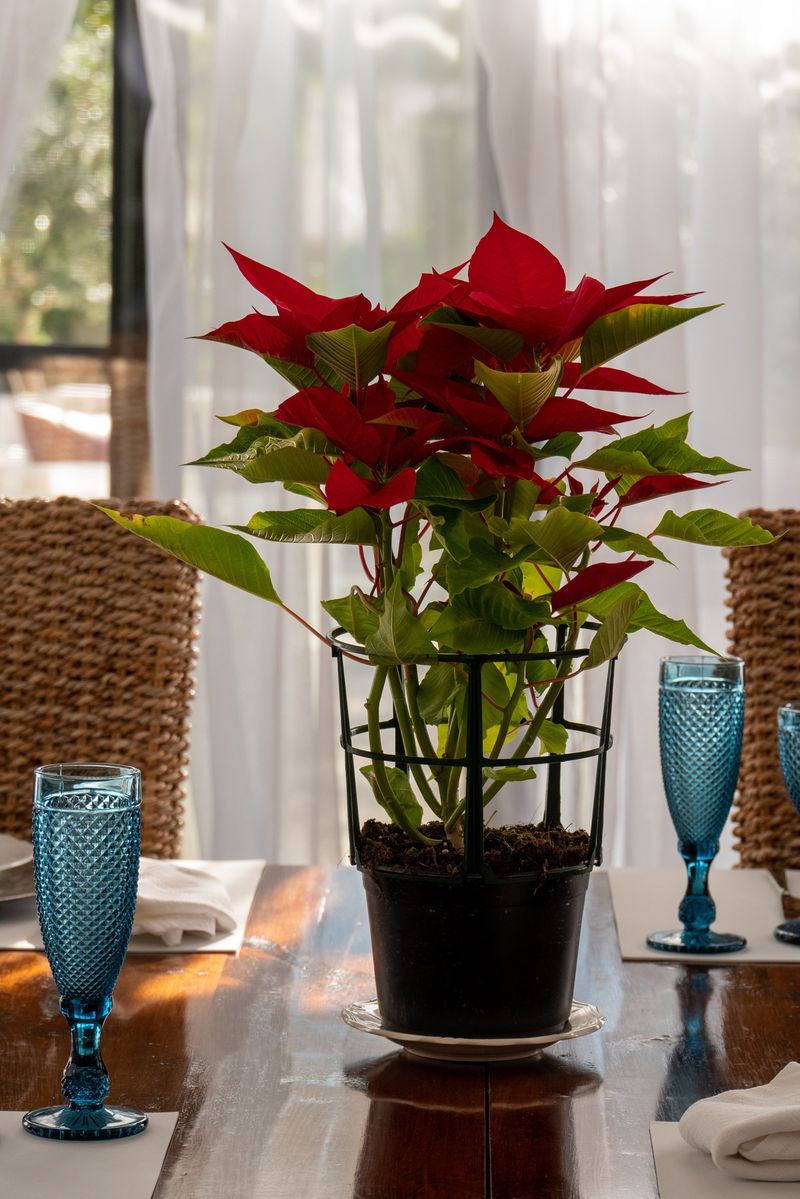
Go ahead and pick up the pot before you fall in love. The weight tells you a lot about what is happening below the surface.
A pot that feels heavy and dripping may be waterlogged. Poinsettias hate wet feet, and soggy soil can lead to root rot. A pot that feels light as a feather may be bone dry, which often causes wilting and leaf drop.
Press a fingertip into the soil if you can. It should feel slightly moist, like a wrung-out sponge. That is the sweet spot for a happy root system.
Watch out for those shiny foil sleeves too. Water can collect inside them and sit around the roots for days. Peek inside the foil, and skip any plant sitting in a puddle.
Wilting is tricky to read in the store. Some plants droop from thirst, but others droop because the roots are already rotting from too much water. If the soil is wet and the plant still sags, leave it behind.
I treat this test like checking a melon at the grocery store. It takes five seconds, and it saves you from a disappointing surprise a week later.
4. Flip a Few Poinsettia Leaves to Catch Whiteflies Early
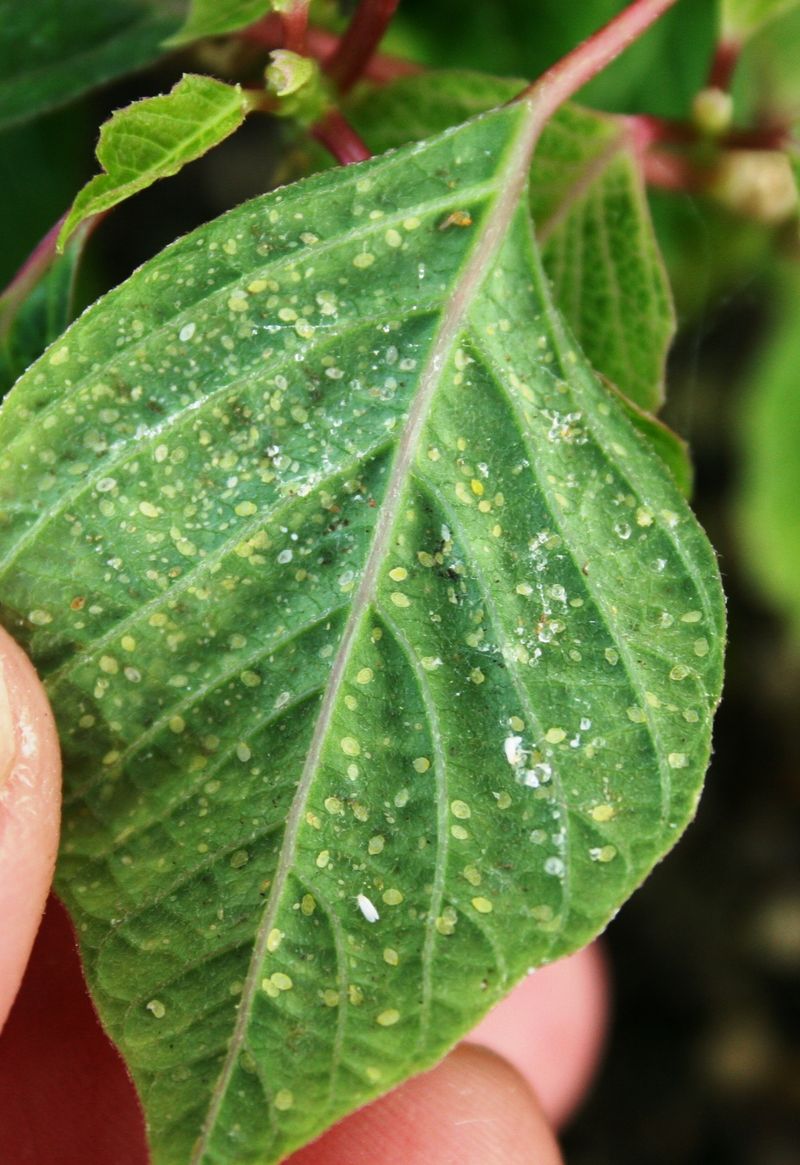
Whiteflies are one of the most common pests on poinsettias, and they love to hide. Tiny, pale, and quick, they cluster on the undersides of leaves where most shoppers never look.
Gently turn over several leaves before buying. Look for small white specks, sticky spots, or tiny insects that flutter up when you brush the plant. Sticky residue, called honeydew, is a strong sign that sap-feeding insects are present.
Check the soil surface while you are at it. Fungus gnats are small dark flies that buzz around damp potting mix. They are more of a nuisance than a big threat, but they can spread to your other houseplants.
Aphids and mealybugs can show up too. Aphids gather on new growth, while mealybugs look like little bits of white cotton tucked into leaf joints.
Why bother with all this? A single infested plant can bring pests into a home full of healthy greenery. In a cozy winter house, bugs can multiply fast with no cold weather to slow them down.
Leaving a buggy plant at the store is easy. Getting rid of pests after they move into your living room is a much bigger chore.
5. A Paper Sleeve Protects Your Poinsettia in a Michigan Parking Lot
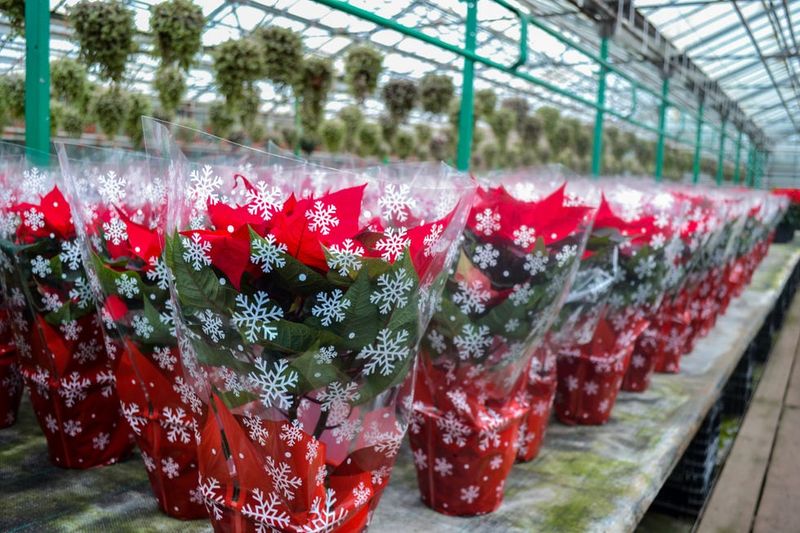
A tropical shrub from Mexico has no business sitting in a frosty Michigan parking lot. Even a short walk to the car in freezing air can damage the leaves and bracts.
Poinsettias get chilled when temperatures drop below about 50 degrees. Extension specialists warn that brief exposure to freezing air can cause leaf damage that shows up hours or days later. Damaged bracts may darken, wilt, or drop.
Always ask for a sleeve or bag at checkout, and accept it gladly. That simple wrap traps a little warmth and blocks biting wind. On bitter days, warm up your car before carrying the plant out.
Make the plant your last stop. Leaving it in a cold car while you grab groceries is a common way to ruin a perfect pick. A few minutes in a car that is below freezing can undo all your careful shopping.
Shopping smart starts in the store too. Avoid plants displayed near automatic doors, where blasts of cold air hit them all day.
Once you get home, remove the sleeve right away. Plants left wrapped too long can droop and drop leaves, so free yours quickly.
6. Bright Window Light Keeps Poinsettia Bracts Glowing Longer
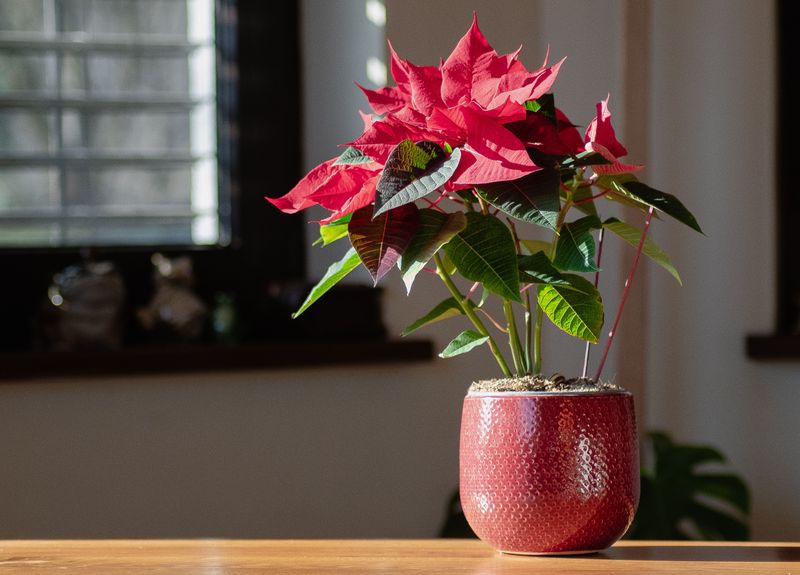
Your carefully chosen plant now needs a good spot to show off. Bright, indirect light for at least six hours a day helps it hold its color and leaves.
An east, west, or south window works well during short Michigan winter days. Just keep leaves from pressing against cold glass. On frigid nights, slide the pot back a few inches.
Temperature matters as much as light. Aim for about 60 to 70 degrees during the day and slightly cooler at night. Cooler nights, around the low 60s, can help the bracts last longer.
Drafts are the sneaky troublemaker. Heat vents, fireplaces, and drafty doors all create sudden temperature swings. Those shifts often cause leaves to yellow and drop much sooner than expected.
I keep mine on a side table near a bright window, away from the furnace register. It looks festive there and stays steady all season.
Indoor air in winter can get very dry once the furnace kicks on. Grouping your poinsettia with other houseplants or using a small humidifier helps ease that dryness. A pebble tray with water works too, as long as the pot sits above the waterline.
7. Poke a Few Holes in That Foil Before You Water Your Poinsettia
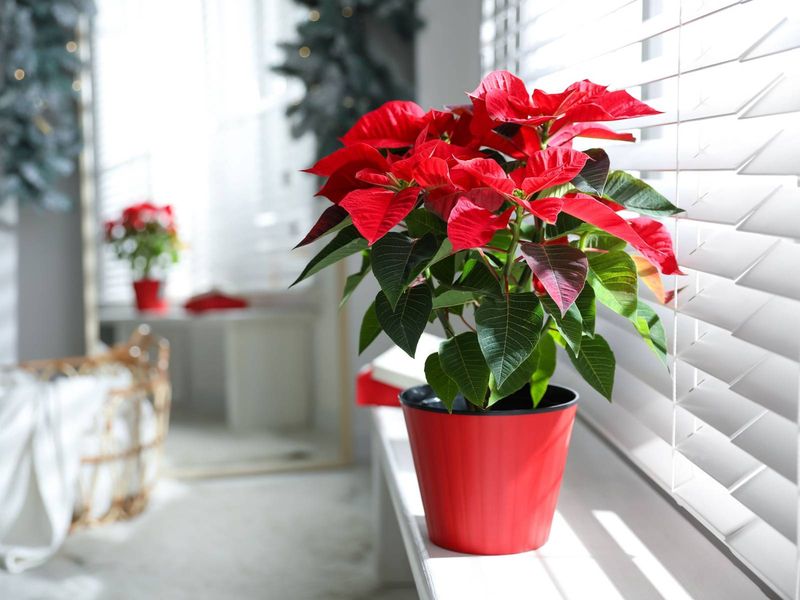
Watering is where many long-lasting plants finally meet their match. The goal is simple: keep soil evenly moist, but never soggy.
Touch the soil every couple of days. When the top inch feels dry, water thoroughly until it flows from the drainage holes. Then let the pot drain fully before placing it back.
That decorative foil can trap water and drown roots. You can poke holes in the bottom and set the pot on a saucer, or remove the plant and water it in the sink. Either way, dump any water left standing after about 15 minutes.
Watch your plant for clues. Yellow lower leaves often point to overwatering, while sudden wilting may mean it needs a drink. Respond early, and your poinsettia will stay steady.
Skip fertilizer while it is blooming. Plants in full color do not need extra feeding during the holidays.
A quick safety note helps too. Poinsettias are far less toxic than old myths claim, though the sap can irritate skin and upset pets that chew leaves. Keep it just out of reach.
With a sharp eye at the store and steady care at home, your holiday plant can glow well past New Year’s.