Don’t Touch This Beautiful But Invasive Michigan Flower Spotted This September
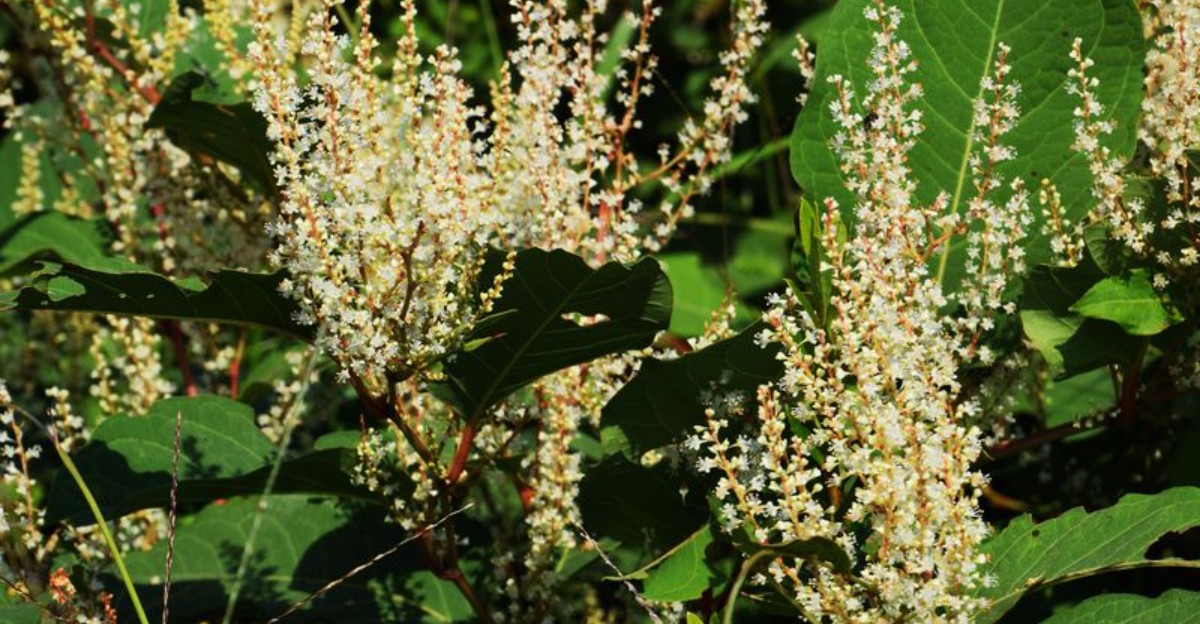
Japanese knotweed is one of the most invasive plants a Michigan resident can come across, and its clusters of delicate white flowers make it easy to mistake for something worth admiring rather than avoiding.
This plant typically blooms in late summer into September, its bamboo-like stalks topped with feathery white flower plumes that can make roadsides and stream banks look surprisingly attractive this time of year.
The real danger isn’t to skin, it’s to the surrounding landscape, since even a small fragment of stem or root left behind after cutting, mowing, or pulling can regrow into an entirely new infestation.
This makes knotweed notoriously difficult to control once it’s disturbed, often spreading further from careless handling than from being left alone.
Anyone spotting this plant should avoid cutting, mowing, or disposing of any part of it in regular yard waste, since doing so is one of the fastest ways to help it spread.
1. Learn To Recognize Japanese Knotweed
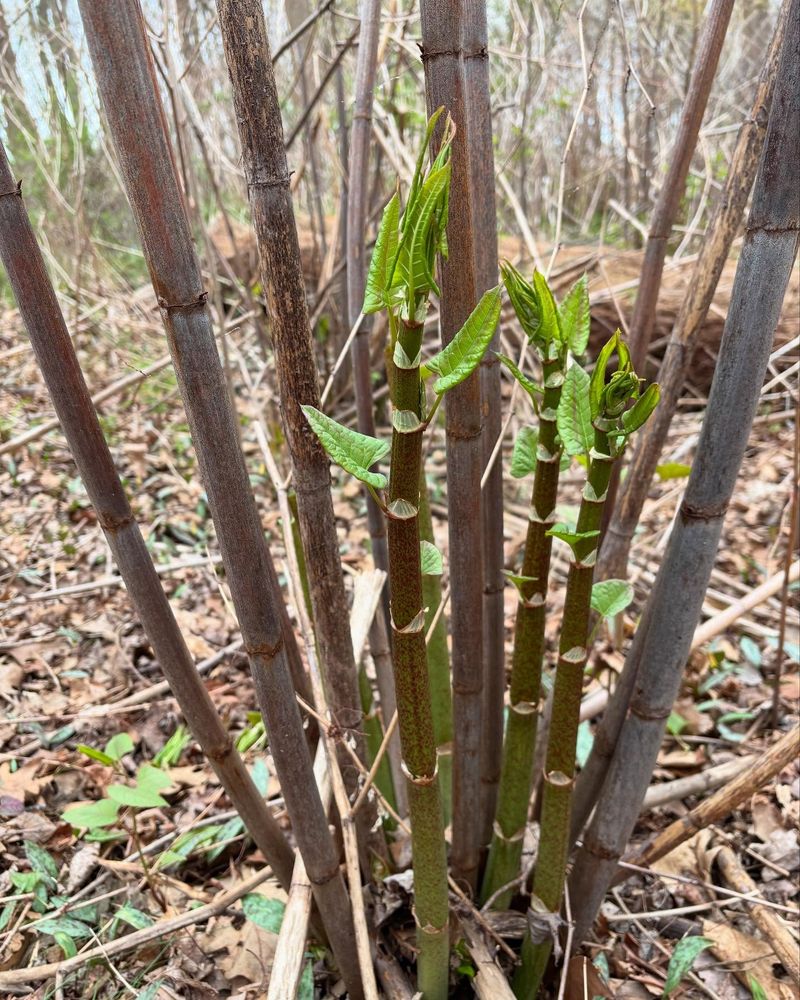
Spotting this plant early gives you a real head start. Japanese knotweed grows tall and fast, often reaching six to nine feet by late summer. Its stems look a lot like bamboo, with a hollow center and neat little joints called nodes spaced along the way.
The leaves grab attention too. They are broad, shaped almost like a heart or a shovel, and can stretch up to six inches long.
They line up in a zigzag pattern along the reddish or green stems, which makes the plant easier to pick out once you know what to search for.
By September, tiny creamy-white flowers show up in loose, feathery clusters. From a distance the whole plant looks soft and lacy, almost like something you would want in a bouquet. That gentle look is exactly why so many people get fooled.
Take a moment to compare it with harmless lookalikes. Bamboo and some native shrubs share a few features, but knotweed’s mix of hollow stems, zigzag leaves, and late flowers is a strong clue.
Snapping a few photos on your phone can help if you want a second opinion later. Getting familiar with these traits pays off.
The sooner you notice a young patch, the easier it is to manage before it takes over a corner of your yard. Walk your property, check fence lines and ditches, and keep an eye on any spot where an unfamiliar bamboo-like plant starts climbing skyward.
2. Its September Flowers Make It Easier To Spot
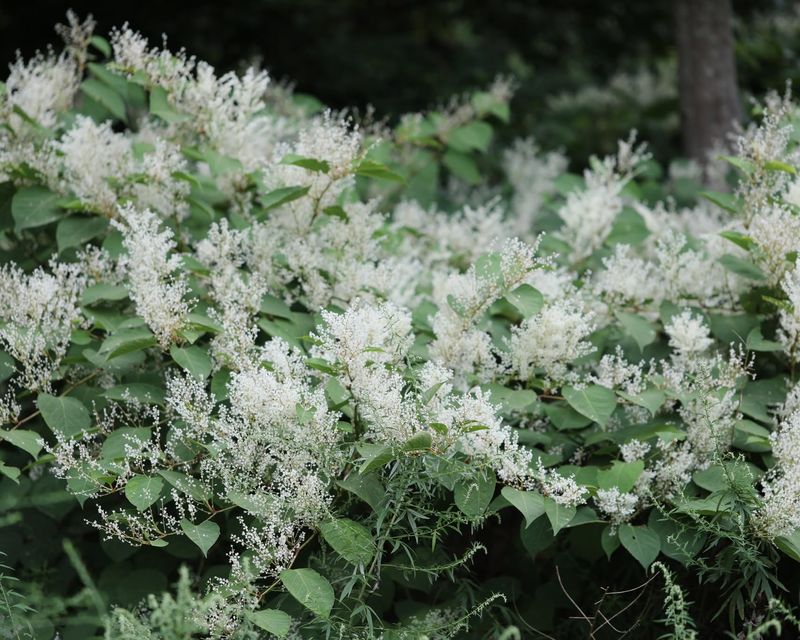
Timing works in your favor during early fall. While knotweed hides among other green plants most of the summer, its flowers give it away once September rolls around.
Those creamy-white blooms burst out in soft, drooping sprays that stand out against the deep green leaves.
The flowers are small on their own, but they gather in thick clusters that catch the light. On a sunny afternoon, a big patch can almost glow, which makes it hard to miss even from across the road or your backyard fence.
Your Michigan Garden Changes Every Week. Your Plan Should Too.
Gardening in Michigan changes quickly throughout the season. Every Friday you’ll receive a simple weekly plan showing exactly what to plant, prune, fertilize, harvest, and protect so you never miss the right timing.
Pollinators love these blooms, so you might notice bees and other insects buzzing around them. That extra activity can help draw your eye to a stand you never noticed before. It is a handy natural signal that something worth checking is growing nearby.
Property owners in Michigan get a real advantage from this fall show. During spring and early summer, young knotweed blends in with weeds and shrubs. Once the flowers appear, though, even beginners can pick it out with confidence.
Use this window to map out where the plant is growing. Walk your land, note every flowering patch, and mark the spots so you remember them later. Knowing exactly where knotweed lives makes future planning much simpler.
Keep in mind that flowers mean the plant is thriving. A blooming stand is usually well established, so spotting it now gives you time to make a careful plan instead of scrambling in a rush.
3. Do Not Mow Or Cut It Carelessly
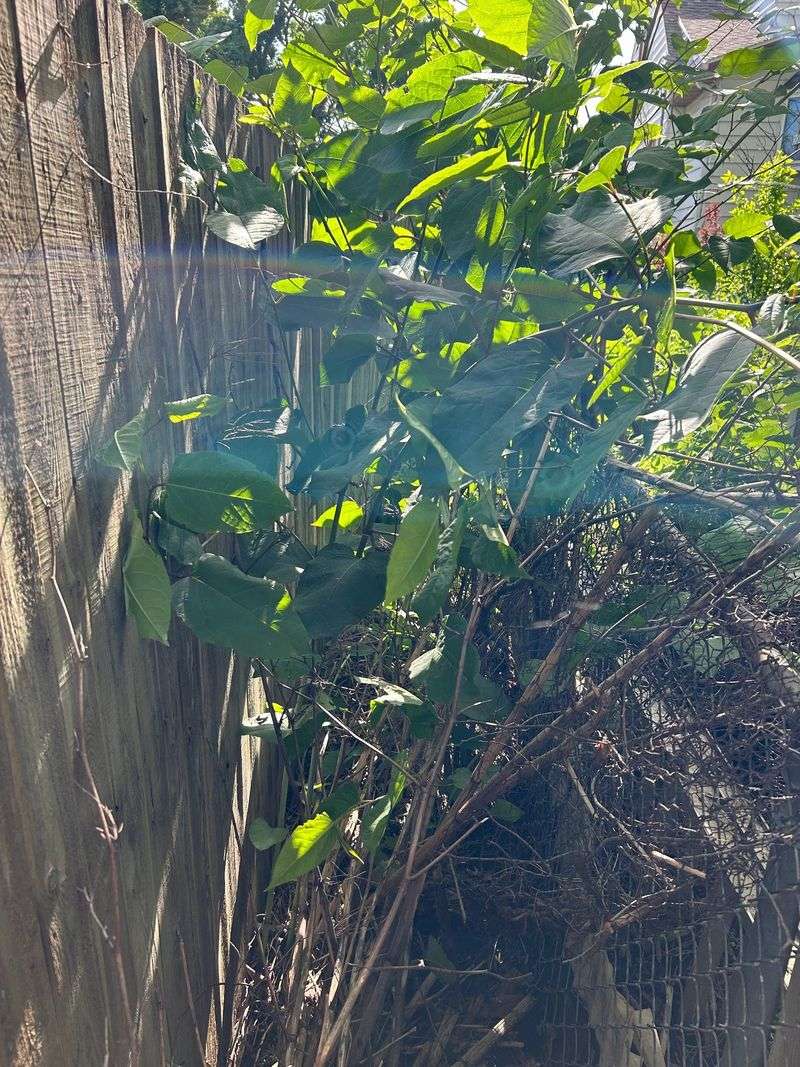
Here is where good intentions can backfire in a big way. Reaching for the mower or trimmer to knock down knotweed feels like the obvious move, but it often makes the problem worse. Every piece you chop can turn into a brand-new plant.
The trouble is how tough this plant really is. Small viable stem fragments containing nodes can sometimes root and establish new plants when they land in suitable moist conditions.
When a mower blade shreds a patch, it flings tiny bits everywhere, and each one is a fresh chance for knotweed to spread.
Careless cutting also scatters pieces into places you never meant to touch. Fragments can hitch a ride on your mower deck, your boots, or garden tools, then sprout somewhere new when you clean up later. What started as one patch becomes several.
Instead of hacking away, slow down and think it through. If you must reduce the height, bag every clipping carefully and avoid letting stray pieces fall into flower beds or ditches. Clean your tools before moving to another part of the yard.
Water makes things trickier too. Fragments that wash into a stream or storm drain can travel far and settle downstream, starting fresh colonies you cannot control. Keep cuttings well away from any water source.
Patience beats brute force with this plant. A rushed mowing job might feel productive, but it usually helps knotweed win. Careful handling protects your yard and your neighbors from an accidental spread.
4. The Rhizomes Are The Real Problem
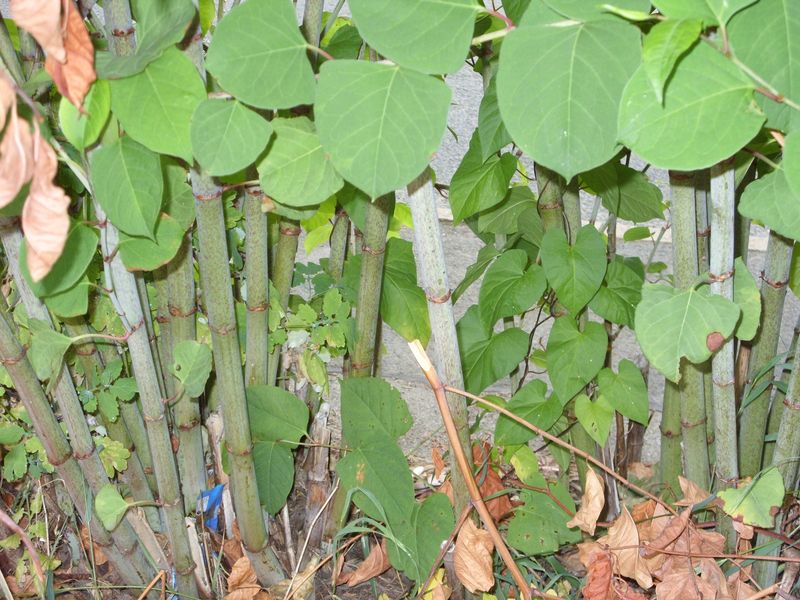
What you see above ground is only half the story. The real strength of Japanese knotweed hides underground in a thick network of roots called rhizomes. These fleshy underground stems can stretch several feet deep and reach far beyond the visible patch.
Rhizomes act like a hidden storage system. They hold energy and water, which lets the plant bounce back even after you clear away every stem you can see. Cut the top, and the roots simply send up fresh shoots a short while later.
The spread underground can be surprising. A single colony can push rhizomes twenty feet or more sideways, popping up in new spots that seem disconnected from the main patch. That is why knotweed sometimes appears on the far side of a driveway or fence.
Because of this root power, pulling stems alone rarely solves anything. The plant treats a quick cleanup as a light trim and keeps growing from the buried network. You have to deal with the roots to make any lasting progress.
Even small root pieces cause trouble. A broken chunk of rhizome left in the soil can grow into a whole new plant, so digging without care can accidentally multiply your problem.
Understanding this underground engine changes how you plan. Real control means targeting the roots over time, not just the leafy stems above.
Once you respect how deep and stubborn those rhizomes are, you can choose smarter, longer-lasting methods that actually work.
5. Do Not Move Soil From An Infested Area
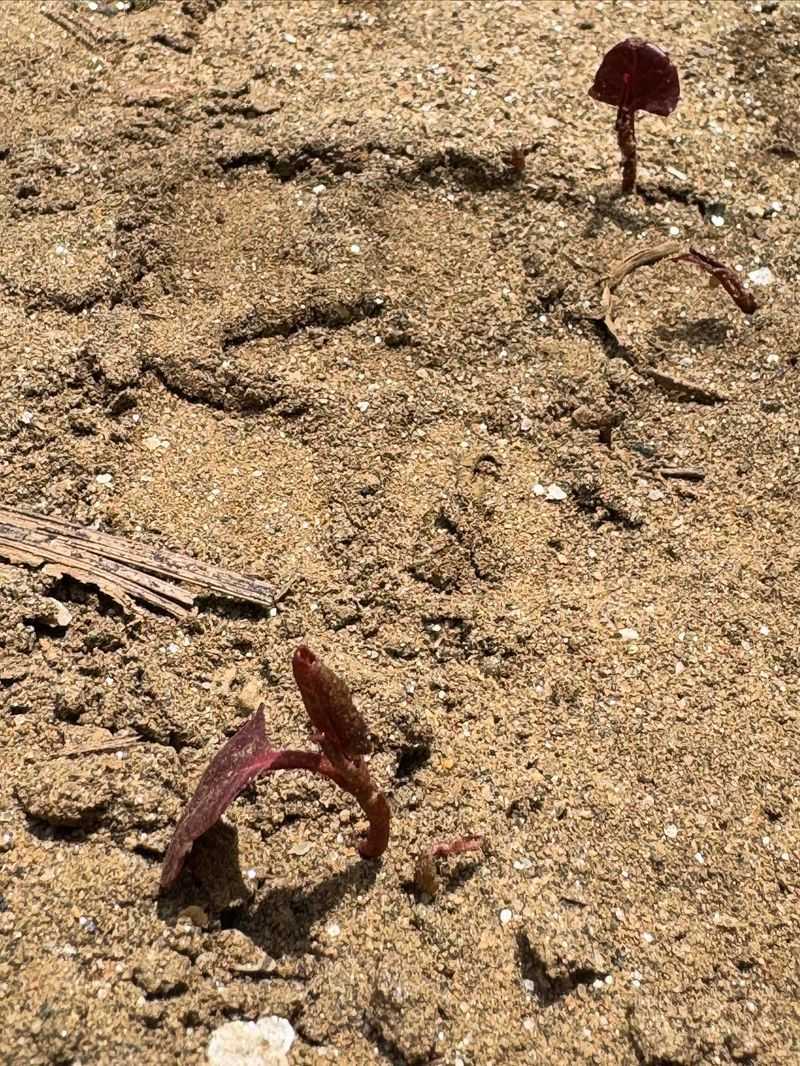
Dirt might seem harmless, but soil near knotweed can carry a hidden passenger. Tiny rhizome fragments hide inside the ground, invisible to the eye, ready to sprout wherever that soil ends up next.
Moving contaminated soil is one of the fastest ways knotweed jumps to new places. When you dig up dirt from an infested spot and dump it elsewhere, you may be planting a fresh colony without even knowing it.
A small problem becomes a big one overnight. This trap catches many well-meaning homeowners.
Maybe you fill a low corner of the yard, share leftover dirt with a neighbor, or haul some to another project. Each move risks spreading root pieces that will grow strong roots in their new home.
Construction and landscaping work raise the stakes even higher. Heavy machines can scoop up and scatter rhizome-filled soil across a whole property, or even carry it off-site on tires and buckets. That kind of spread is tough to trace and tougher to fix.
Play it safe by leaving infested soil right where it is. If you truly must handle it, keep it separate, label it clearly, and never mix it with clean dirt or compost. Ask a professional how to get rid of it the right way.
A little caution here saves huge trouble later. Treat any soil around a knotweed patch as risky, and you will avoid accidentally spreading this stubborn plant across your yard or into someone else’s.
6. Avoid Composting Its Cuttings
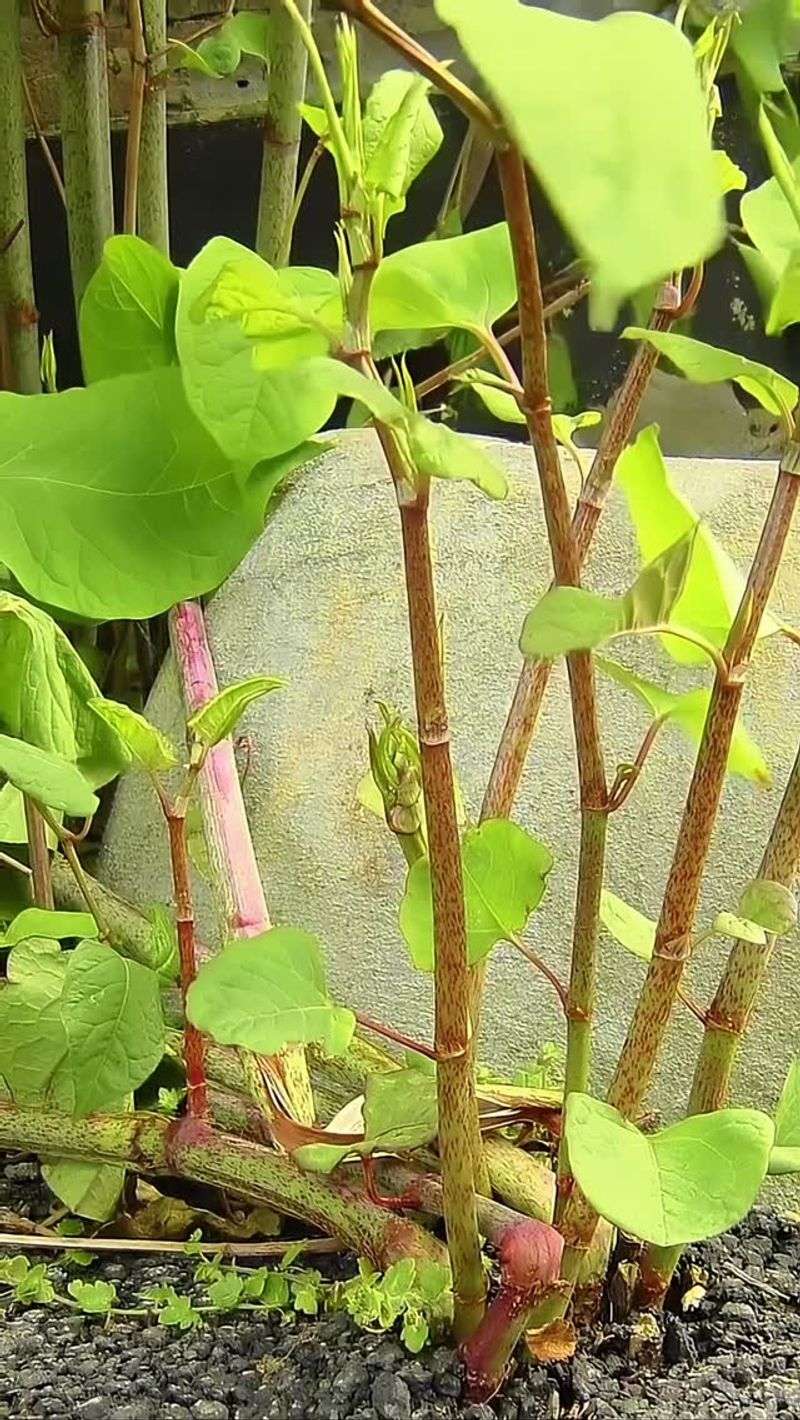
Tossing yard waste into the compost feels natural, but knotweed does not belong there. Its stems and roots are far too tough for an ordinary backyard pile to handle. Instead of breaking down, they can survive and sprout.
Most home compost bins never get hot enough to weaken knotweed fragments. The pieces sit in that rich, moist environment and treat it like a cozy garden bed. Before long, fresh shoots may push right out of your compost heap.
Even a short chunk of stem or root is enough to cause trouble. Because this plant grows so easily from small pieces, a single overlooked fragment can start a brand-new patch right in the middle of your yard.
Spreading that finished compost later makes things worse. If you scoop it into garden beds, you might carry live knotweed straight to your favorite flowers and vegetables, spreading the problem to places you care about most.
So what should you do with the cuttings instead? Keep them sealed and separate from regular yard waste. Many areas have special rules for getting rid of invasive plant material, so check with local authorities before hauling anything away.
Drying the material completely in a sealed bag on a hard surface can help reduce the risk, but proper disposal is always safest. When in doubt, ask an expert how your community handles this plant.
Skipping the compost bin protects your whole garden. It is a small step that keeps knotweed from sneaking into the soil you work so hard to enjoy.
7. Do Not Assume One Cleanup Will Destroy It
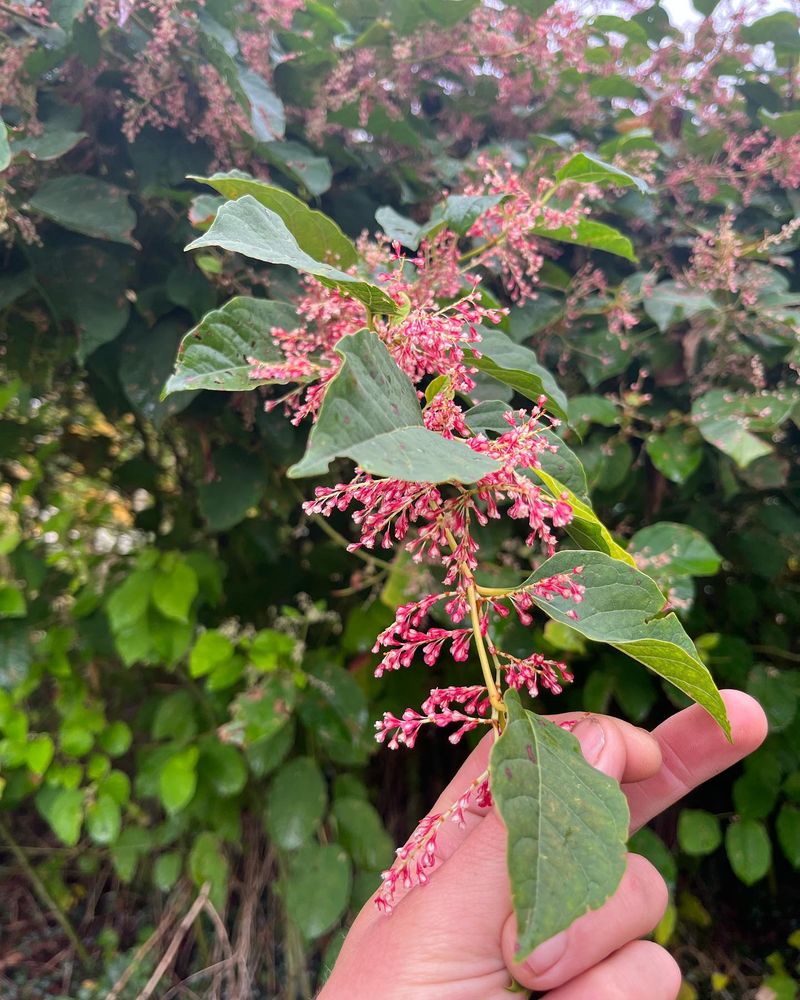
Wishful thinking gets a lot of people in trouble with this plant. One good weekend of clearing feels like victory, but knotweed almost never gives up that easily. It has a habit of coming right back.
The reason ties back to those deep, stubborn roots. Even after you remove every visible stem, the buried rhizomes hold plenty of stored energy. Within weeks, fresh green shoots often poke up as if nothing happened at all.
Real control takes patience and repeat effort. Managing knotweed usually means returning to the same patch season after season, weakening the plant a little more each time. Think of it as a long project rather than a one-day chore.
Different methods work best when combined. Some folks use careful cutting paired with approved treatments applied at the right time of year, often in late summer when the plant pulls energy down to its roots. Timing makes a real difference in the results.
Careful disposal matters every single time too. Each round of cleanup produces material that could spread the plant, so bagging and handling it properly stays important from start to finish.
Keep good notes on what you do and when. Tracking your progress helps you see slow improvement, even when the plant seems to shrug off your efforts at first.
Stick with it, and you will gain the upper hand over time. Knotweed rewards persistence, not shortcuts, so plan for the long game and celebrate the small wins as your patch finally starts to shrink.
8. Report Or Get Help With Large Infestations
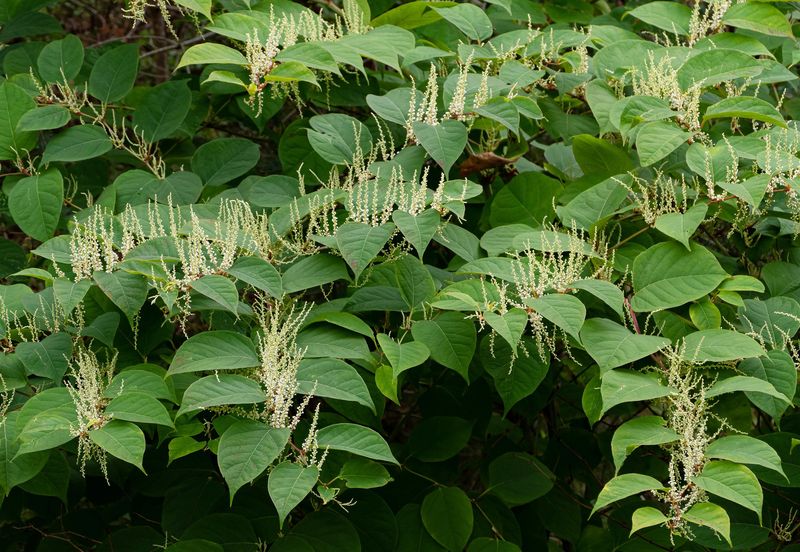
Sometimes the smartest move is calling in backup. When a knotweed patch spreads across a big area or creeps near your home’s foundation, tackling it alone can feel overwhelming and even risky. Experts exist for exactly this reason.
Large colonies react badly to constant poking. Every time you dig, cut, or disturb a big stand without a plan, you risk scattering fragments and helping it spread further. Stepping back and getting advice often protects your property better than rushing in.
Michigan offers helpful resources for situations like this. The state has invasive species programs, and local groups called CISMAs work to manage plants like knotweed. Reaching out to them can point you toward proven, safe control methods.
Professionals bring tools and know-how that most homeowners lack. They understand the right timing, the correct treatments, and the proper disposal steps that keep the plant from bouncing back or moving elsewhere.
Their guidance can save you years of frustration. Reporting a large patch also helps your whole community.
When officials know where knotweed grows, they can track its spread and protect nearby natural areas, waterways, and neighborhoods from further invasion.
Do not feel bad about asking for help. This plant challenges even seasoned gardeners, and there is no shame in teaming up with people who handle it every day.
A quick phone call or online report can set you on the right path. With expert support and a solid plan, even a stubborn, sprawling stand of knotweed becomes something you can finally manage.