9 Things Virginia Gardeners Should Do in November Before the First Hard Freeze
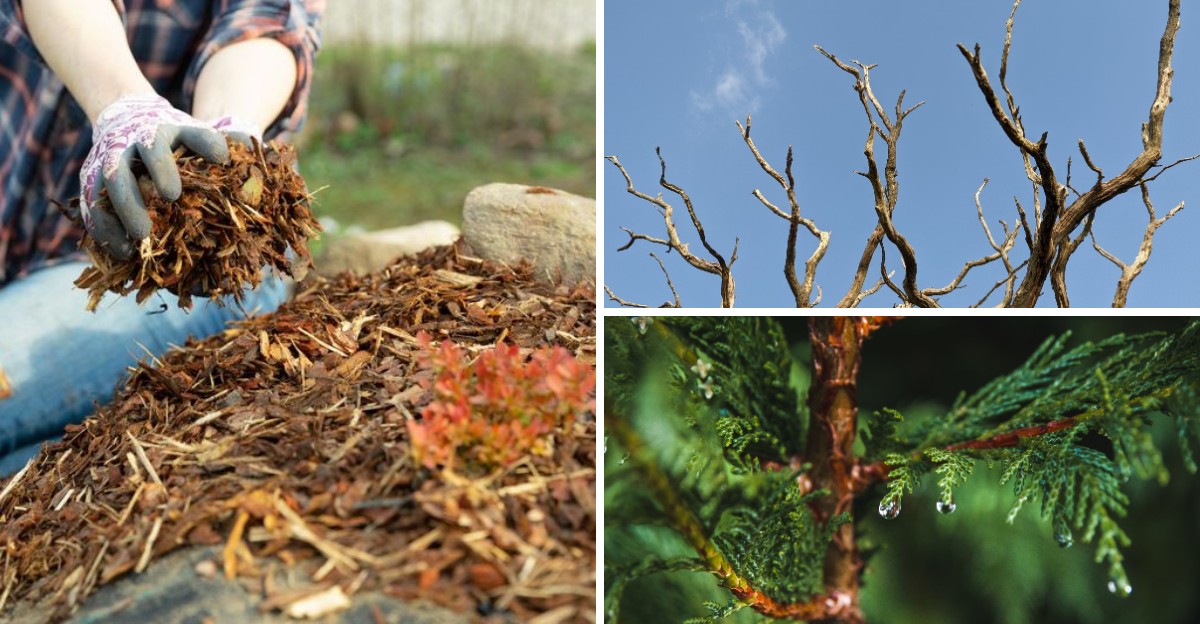
Frost often visits the mountain valleys near Blacksburg weeks before it finally creeps toward the sandy shores of Virginia Beach. That gap gives every gardener in the Commonwealth a slightly different finish line for wrapping up fall chores outside.
A hard freeze usually means temperatures of 28 degrees or lower, and that cold ends most tender growth. Soil holds its warmth much longer than the air, so roots keep working quietly underground for several more weeks.
I love how a crisp afternoon in the yard feels more relaxing than any busy spring weekend of planting. You can smell the fallen leaves and still get your hands pleasantly dirty before the real cold arrives.
Personally, I think the smartest Virginia gardeners treat these weeks like a head start instead of a goodbye. So which small jobs right now will make your garden look happier and healthier when spring finally returns?
1. Tuck Daffodil And Tulip Bulbs Into Cool Soil
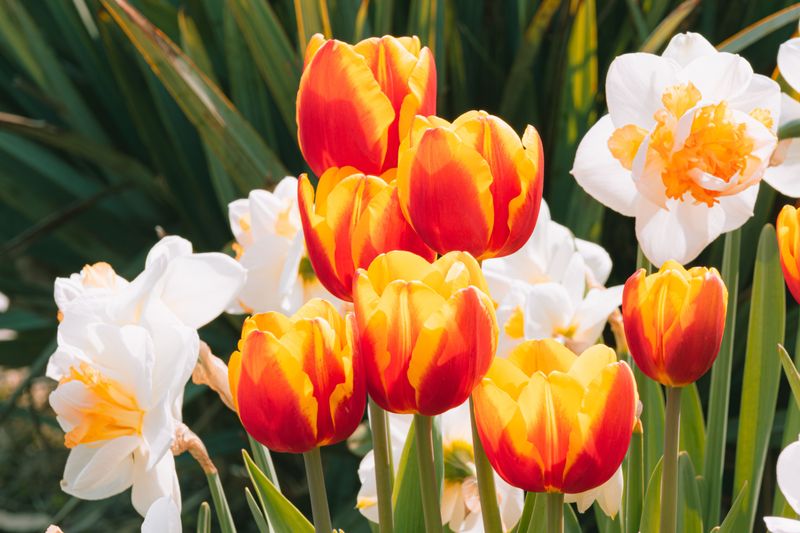
Squirrels happily dig up fresh tulip bulbs like buried treasure, yet they mostly leave daffodils alone because of bitter compounds. I find that little fact oddly satisfying, especially after losing a whole row of tulips one autumn.
Spring bulbs need a long cold rest underground, and many tulips want roughly twelve to sixteen weeks of chill. Planting now gives them that cold time naturally, so you skip the hassle of chilling them in a fridge.
Wait until the soil cools below about 60 degrees, which often happens in early to mid November here. Gardeners near the coast can usually keep planting into December, since their ground stays warm a bit longer.
A simple rule works well for depth, so set each bulb about three times as deep as it is tall. Point the narrow tip upward, and the flat root plate should sit snugly against the bottom of the hole.
Water the bed well after planting, because moisture helps the bulbs push out fresh roots before the ground freezes. Those roots anchor the bulb and soak up nutrients that fuel the bright flowers you will enjoy later.
Deer and voles love tulips too, so I like planting daffodils near the edges where hungry visitors roam. Crocus and grape hyacinth also make cheerful companions, and their small bulbs slip easily into lawn edges.
Store any extra bulbs in a cool, dry spot with good airflow until you finally find time to plant. Soft or moldy bulbs rarely bloom well, so toss those and keep only the firm, heavy ones.
2. Bring Potted Geraniums And Tropicals Indoors
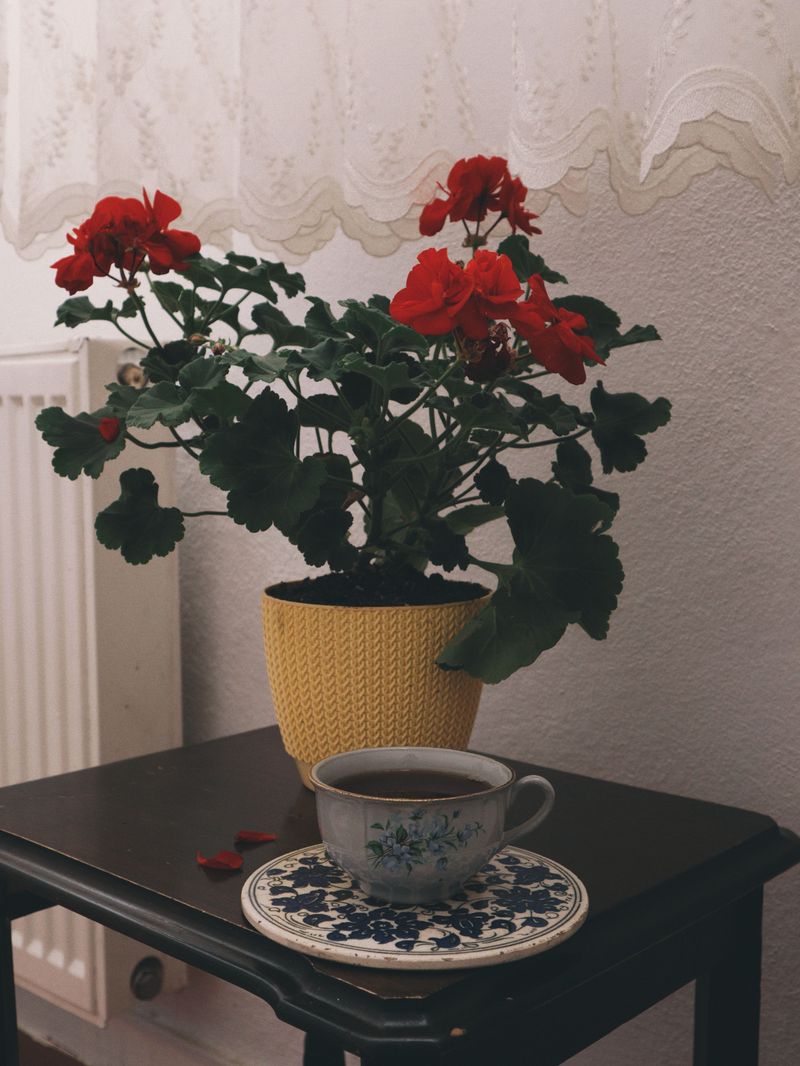
Clay pots can crack when wet soil inside them freezes and expands, which turns a favorite planter into pieces. I learned that lesson the hard way with a pretty blue pot I still miss every spring.
Plants in containers feel cold more sharply than plants in the ground, because their roots lack deep soil insulation. Tender favorites like geraniums and tropical hibiscus need a cozy indoor spot before the first hard freeze arrives.
Aim to move them once nights start sliding into the forties, since many tropicals sulk below fifty degrees. Waiting too long can leave leaves blackened and limp, and some plants struggle to recover from that shock.
Before anything comes inside, check the undersides of leaves for aphids and other tiny hitchhikers that love warm houses. A gentle spray from the hose a few days earlier knocks many of them off without much fuss.
Your plants will be happiest near a bright south or west window, where winter sunlight lasts the longest. Expect some yellow leaves during the first week, since moving indoors is a big change for them.
Geraniums can also rest bare root in paper bags inside a cool basement if your windowsills are crowded. Old gardeners have used that trick for generations, and the stems usually sprout again after spring potting.
Empty any clay or ceramic pots you leave outside, then flip them upside down or store them in the garage. Hardy shrubs in large containers can stay out, but grouping them near a sheltered wall helps a lot.
3. Clear Spent Tomato Vines From The Vegetable Bed
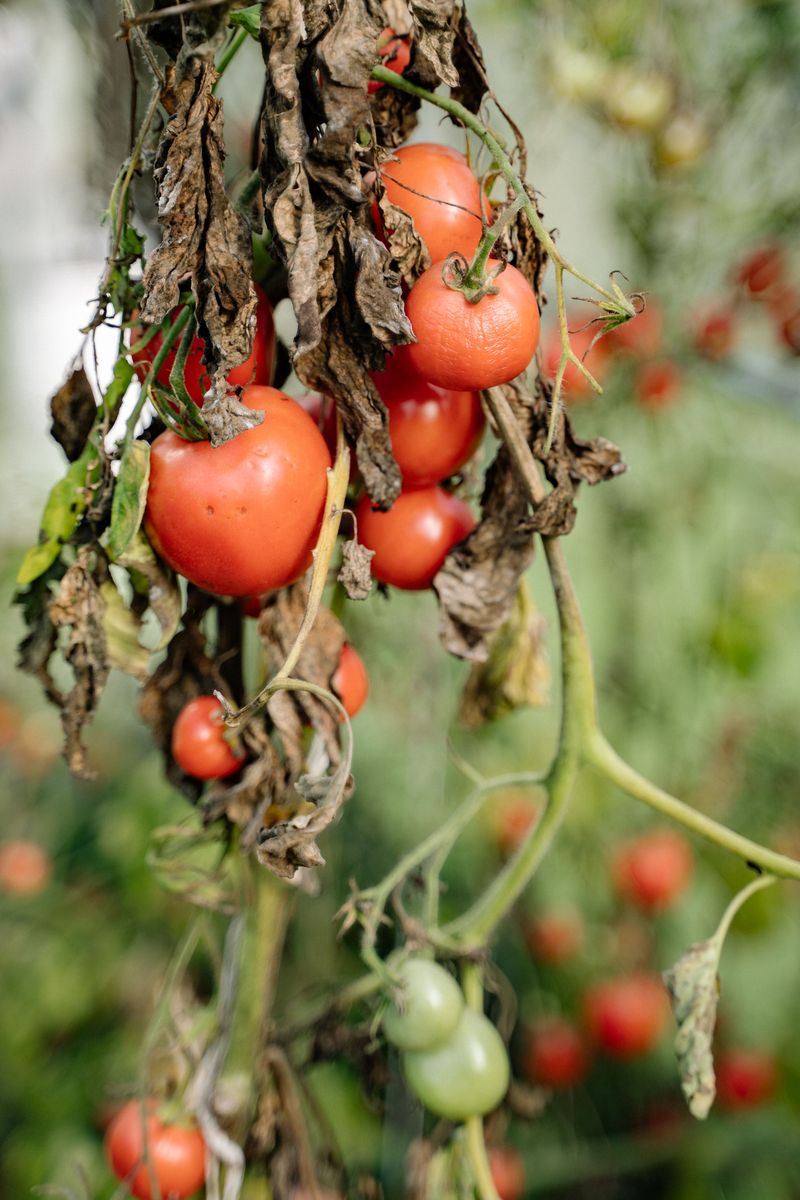
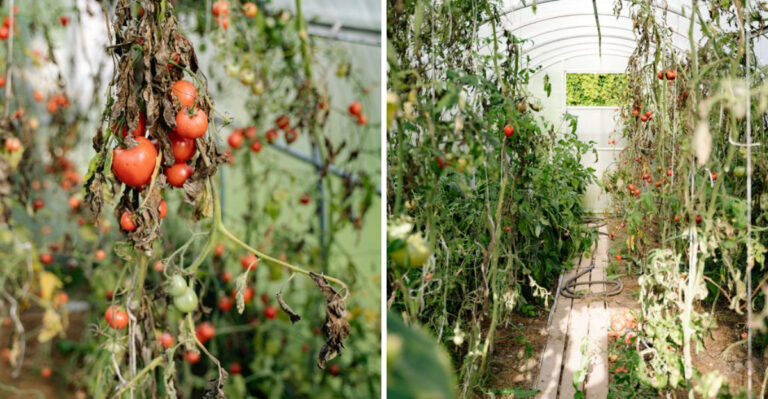
Tomato vines left standing over winter can shelter early blight spores that splash back onto next year’s leaves. I have to admit, yanking crispy vines feels like closing a good book after a long summer.
Fungal diseases and insect eggs often ride out the cold on old stems and fallen fruit in the bed. Clearing that debris now gives those troublemakers fewer places to hide until the soil warms again.
Bag up any plants with spotted leaves or strange wilting, rather than tossing them on the compost pile. Home compost piles seldom get hot enough to break down disease organisms, so the trash is safer.
Healthy vines and squash leaves can go straight into compost, where they will feed your beds next season. Pull up stakes and cages too, and scrub off clinging soil before stacking them in the shed.
Not everything needs to come out, because kale and collards handle frost well and often taste sweeter afterward. Plants turn some starch into sugar in cold weather, which explains that pleasant flavor boost you notice.
Dig carrots and beets before the ground freezes hard, or tuck a thick straw blanket over the rows. That straw layer lets you keep pulling sweet roots for weeks, which feels like a small winter treat.
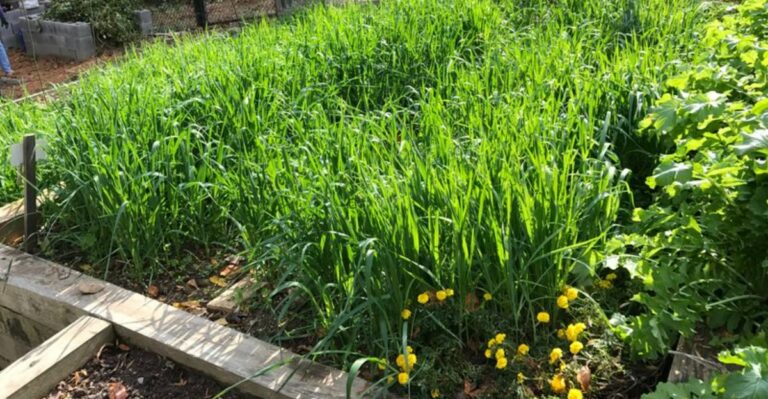
Bare soil washes away easily in winter rain, so cover empty beds with shredded leaves or a cover crop. Cereal rye can still be sown in early November across much of the state, according to extension experts.
4. Spread Shredded Leaf Mulch Around Perennials
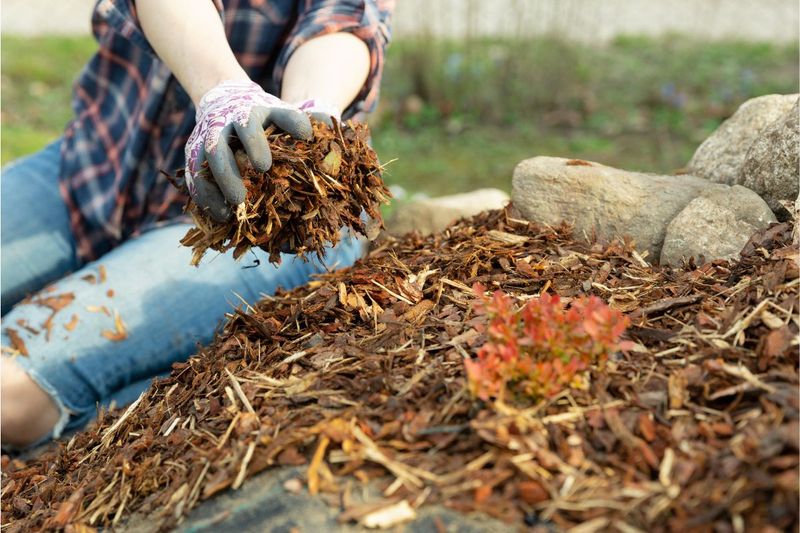
Frost heave sounds dramatic, and it truly can push shallow plants like coral bells right out of the soil. Repeated freezing and thawing makes the ground swell and shrink, leaving roots exposed to icy winter air.
A cozy layer of mulch keeps soil temperatures steadier, so those wild swings happen much less often. I like to think of it as a warm patchwork quilt that stays put until spring.
Timing matters more than most people expect, because mulching too early can keep soil warm and confuse plants. Extension experts suggest waiting until the ground has cooled after a few frosts before spreading winter mulch.
Shredded leaves make wonderful free mulch, and running over them with a mower chops them in minutes. Whole leaves can mat down into soggy sheets, which blocks air and water from reaching the roots.
Pine straw works nicely too, and it stays fluffy while giving beds a tidy, natural look all winter. Aim for about two to three inches, since thicker piles can hold too much moisture against plants.
Keep mulch pulled back a few inches from crowns and stems, because constant dampness there invites rot. Voles also love hiding in deep mulch next to tree trunks, where they sometimes chew tender bark.
Newly planted perennials benefit most, since their young roots have not fully settled into the surrounding soil yet. Come spring, simply pull the mulch back gently so fresh shoots can find sunlight without any struggle.
5. Give Evergreen Shrubs A Deep Drink Of Water
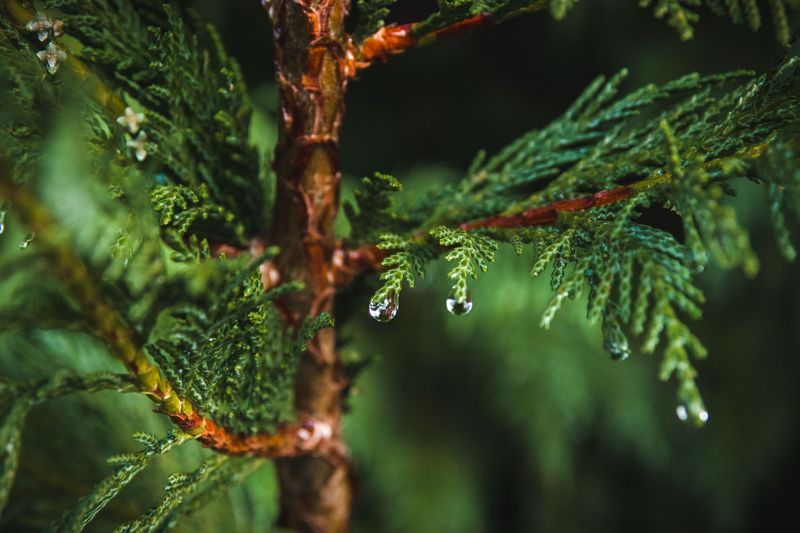
Rhododendron leaves curl up tight like cigars on bitter mornings, which is their clever way of saving moisture. I love spotting that little trick, but it also tells me those shrubs feel thirsty during cold snaps.
Evergreens keep their leaves all winter, so they keep losing water even when frozen roots cannot replace it. Sunny, windy days make that loss worse, and the result often shows up as brown, scorched leaf edges.
Gardeners call that damage winter burn, and boxwoods along with hollies often show it near windy corners. A deep soak before the ground freezes gives these plants a full tank to draw from later.
Fall rainfall can be patchy, so check the soil with your finger a few inches below the surface. If it feels dry, give each shrub a slow, thorough watering that reaches deep into the root zone.
Most landscape plants appreciate about an inch of water per week, counting whatever falls from the sky. A soaker hose or a slowly trickling garden hose works far better than a quick sprinkle from above.
Trees and shrubs planted within the past year need this attention most, since their roots remain fairly small. Their root balls can dry out quickly, even when the surrounding garden soil still feels damp to you.
Water on a mild afternoon when temperatures sit above freezing, so moisture soaks in instead of turning icy. Personally, I keep one hose handy until December, then drain it once steady cold finally settles in.
6. Prune Broken Branches From Bare Trees
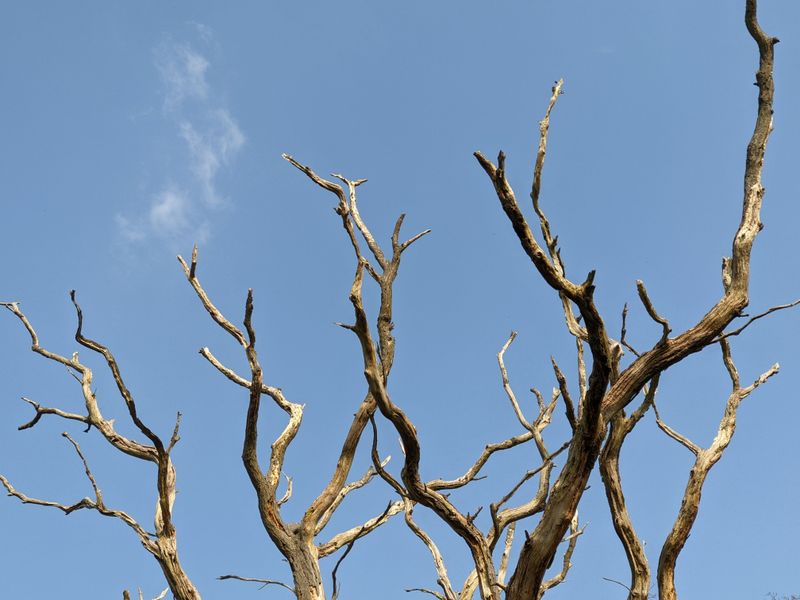
Bare branches reveal secrets that summer leaves hide, like crossing limbs rubbing a raw wound into each other. I enjoy walking the yard after leaf drop, because every tree suddenly looks like a clear sketch.
Light cleanup is the goal, so focus on broken or diseased wood that you can spot from the ground. Removing those limbs before winter storms helps prevent them from snapping off and damaging roofs or cars.
Heavy pruning can wait until late winter, since big fall cuts sometimes spark tender growth that cold damages. Most trees and shrubs handle major shaping better when they are fully dormant in February or early March.
Hold off on azaleas and forsythia, because spring bloomers already formed next year’s flower buds months ago. Cutting them now means trading those cheerful April blossoms for a bunch of plain green leaves instead.
Make each cut just outside the branch collar, which is the slightly swollen ring where branches meet trunks. That collar contains special tissue that helps the tree seal the wound naturally over the coming seasons.
Skip the wound paint, since research shows trees usually heal better when cuts are left open to air. Wipe your pruner blades with household disinfectant between plants whenever you are removing branches with signs of disease.
Large limbs high in the canopy belong to certified arborists, who have the gear and training for safe work. I happily leave those jobs to the pros and stick to anything I can reach from the ground.
7. Leave Coneflower Seed Heads For Hungry Birds
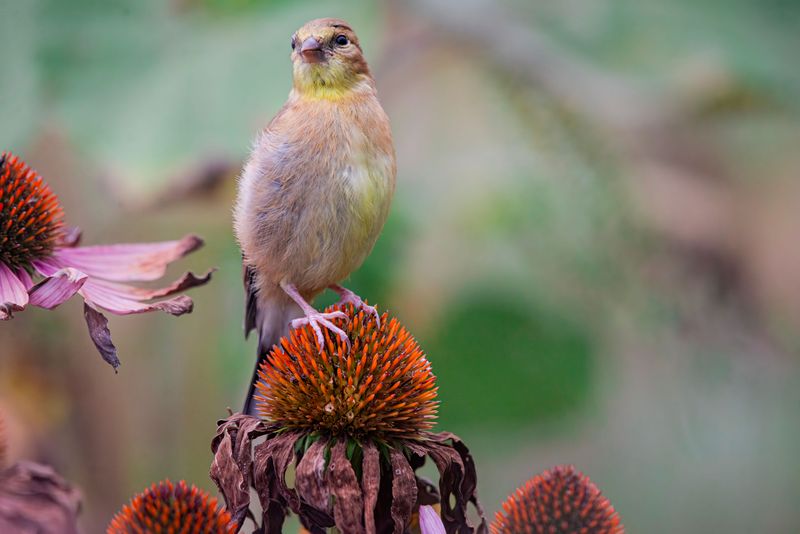
American goldfinches cling sideways to faded coneflower heads in autumn, plucking seeds out one at a time. I could watch those acrobatic little birds for hours from my kitchen window with a warm mug.
Leaving seed heads standing turns your flower bed into a free winter buffet for many hungry songbirds. Black-eyed Susans and native grasses like little bluestem also hold seeds that sparrows happily search through.
Hollow perennial stems matter too, because some native bees tuck themselves inside to spend the winter safely. Trimming stems to roughly a foot tall in spring leaves handy nesting spots for the next generation.
Fallen leaves are more than clutter, since many moths and butterflies spend the cold months hidden inside them. Rake them off the lawn into garden beds, where they can quietly shelter insects and enrich the soil.
Those insects become baby bird food next spring, because chickadees feed their nestlings thousands of caterpillars. I find it amazing that a messy corner today can help raise a whole family of birds later.
A loose brush pile tucked behind a shed gives cardinals and wrens shelter from icy wind and hawks. Stack thicker branches on the bottom and lighter twigs on top, so small birds can slip inside easily.
Fresh water gets surprisingly scarce once puddles freeze, so a heated birdbath can draw a lively crowd. Native winterberry holly helps as well, holding bright red berries that birds snack on through the cold months.
8. Collect Soil Samples For A Fall Soil Test
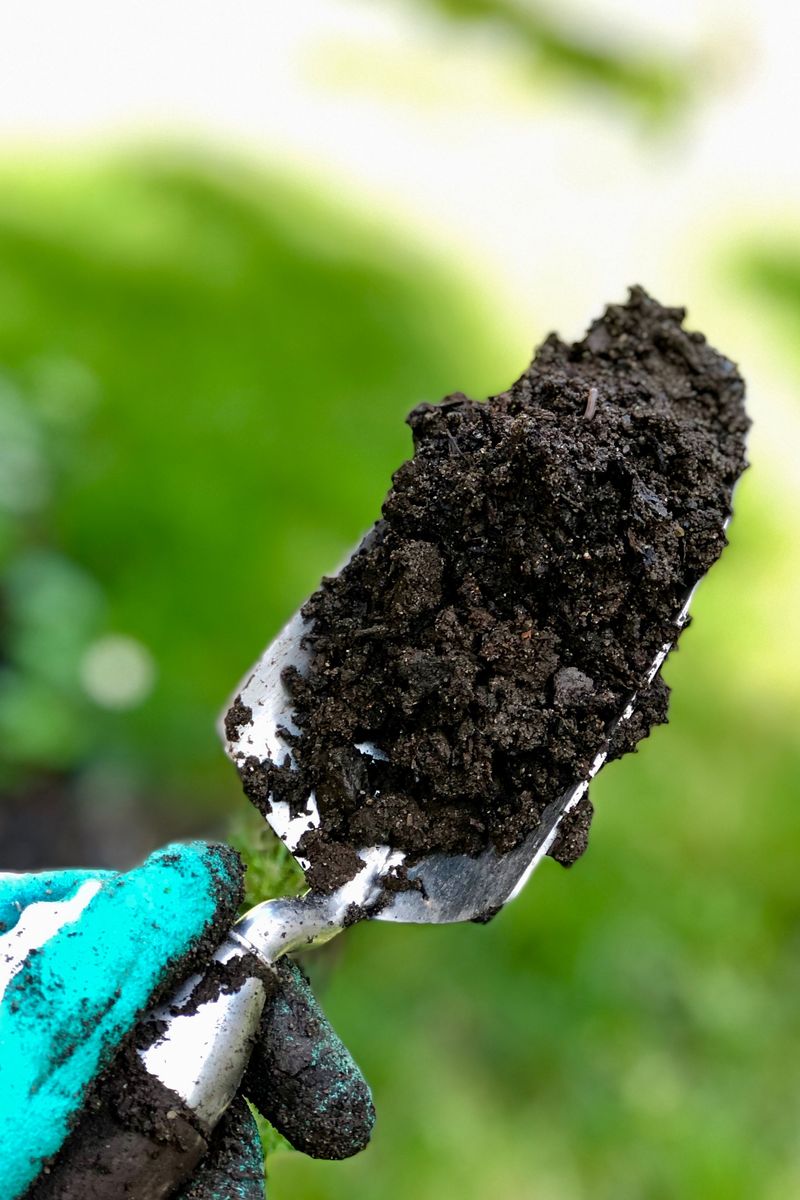
Lime can take several months to shift soil pH, which makes late fall a smart moment to test. What surprises me most is how many gardeners guess at fertilizer for years without checking their soil once.
A soil test tells you the pH and key nutrient levels, so you can stop wasting money on guesswork. Many soils across Virginia lean acidic, and that can lock up nutrients your plants badly need.
Local extension offices hand out sample boxes and instructions, and the lab at Virginia Tech runs the tests. Routine testing costs only a small fee, and results usually arrive within a couple of weeks.
Grab a clean trowel and a plastic bucket, since metal containers can sometimes affect nutrient readings. Dig about six inches deep in vegetable beds, and take ten or more small samples from different spots.
Mix those samples together in the bucket, then fill the box with that blended soil for testing. Lawns need a separate sample taken a few inches deep, because grass roots stay closer to the surface.
Your report will suggest how much lime to add, and spreading it now lets winter rain work it in. Avoid adding lime without a test, because overly sweet soil causes its own set of nutrient troubles.
Fall is also perfect for spreading compost, since worms and soil microbes keep working whenever temperatures stay mild. I like tossing an inch or two over empty beds, then letting nature handle the mixing for me.
9. Plant Native Trees And Shrubs In Cool Weather
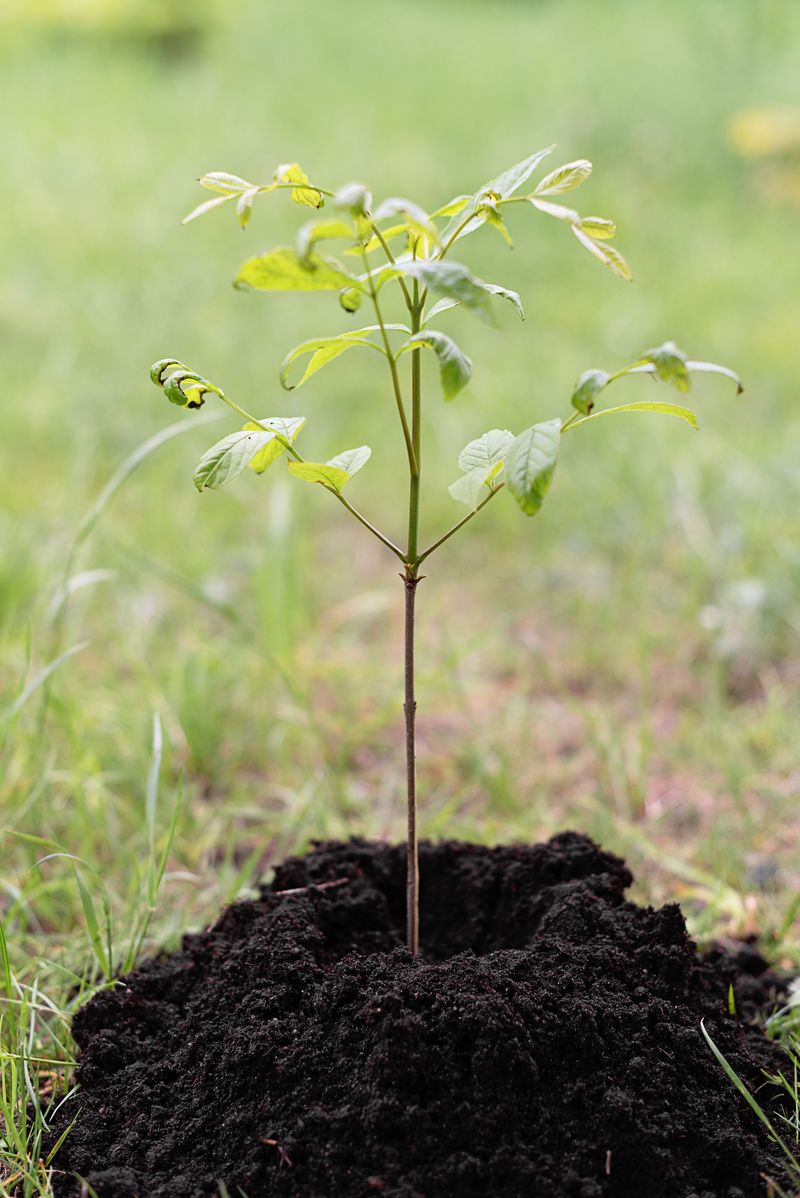
Tree roots keep growing in cool soil long after leaves fall, as long as the ground has not frozen. I believe that hidden underground progress might be the best-kept secret in the whole gardening year.
Planting now lets young trees settle in before summer heat arrives, so they face less stress next July. Nurseries often hold end of season sales too, which makes this a friendly time for your budget.
Native choices like eastern redbud and serviceberry feed local pollinators, and they handle our climate beautifully. Skip invasive options such as Callery pear and burning bush, since both spread aggressively into nearby woods.
Dig a hole two or three times wider than the root ball, but no deeper than the ball itself. The root flare, where trunk widens at the base, should sit right at or slightly above ground level.
Gently loosen circling roots before planting, because roots that keep circling can choke the tree years later. Backfill with the original soil instead of rich potting mix, so roots learn to spread outward naturally.
Water deeply right after planting, then keep checking weekly whenever rain stays scarce through the winter months. Spread two to three inches of mulch in a wide ring, leaving space around the trunk itself.
Save the fertilizer for later, since new plantings mostly need time and moisture to build roots. You might notice very little happening above ground, but spring will show off all that quiet effort.