9 Holiday Plants That Are Safe For Cats And Dogs In New York Homes
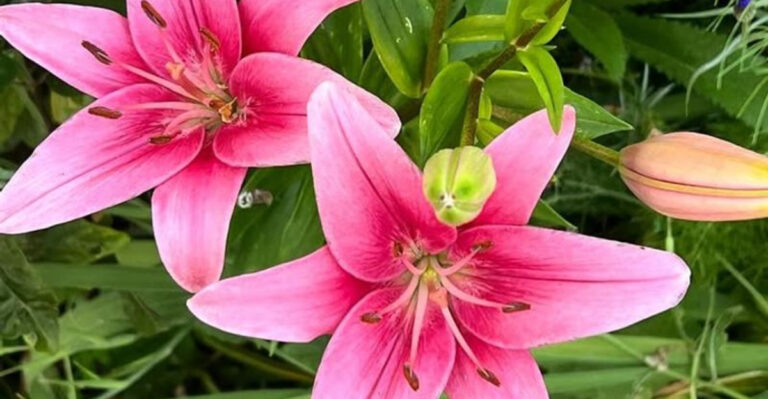
Poinsettias get blamed for poisoning pets, yet the ASPCA says they mostly cause only mild drooling or upset tummies. Lilies are a far bigger worry, since even a little pollen can seriously harm a curious cat’s kidneys.
I find it fascinating how many festive plants carry a scarier reputation than they deserve. Others look innocent on the windowsill but quietly earn spots on every veterinary warning list across the country.
I have a soft spot for houseplants during long New York winters, when the sun sets before dinner. You probably share that urge to fill your rooms with blooms while your dog sniffs every new pot.
The way I see it, nobody should choose between a cheerful home and a safe pet. So which holiday beauties can share a New York apartment with nosy paws and still look lovely?
1. Christmas Cactus
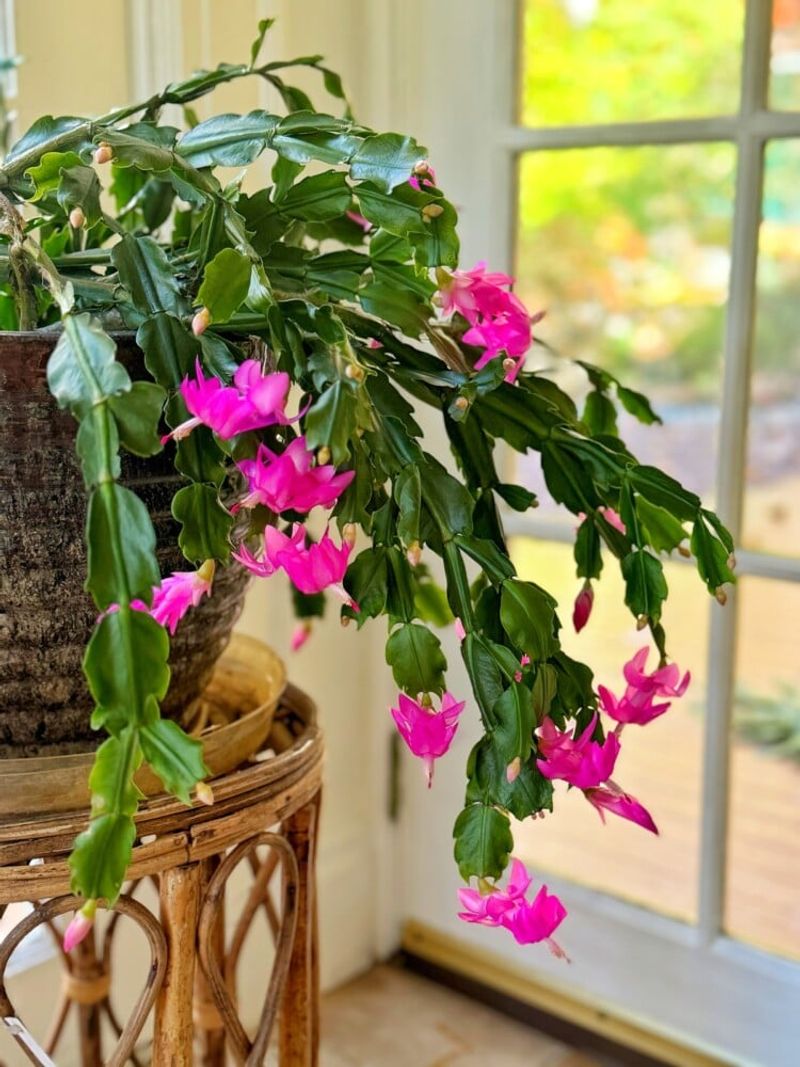
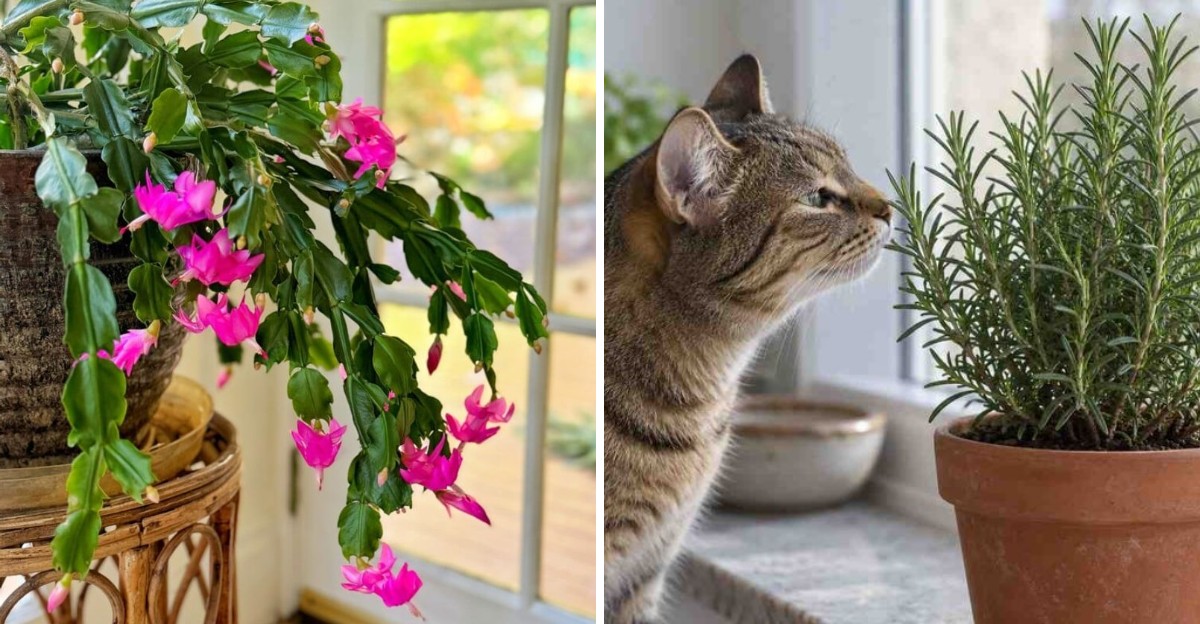
Flat green stems hang over the pot edge and suddenly burst into hot pink blossoms right when the cold sets in. My cat sniffs these flowers every year, and the ASPCA lists the whole plant as safe for pets.
Christmas cactus belongs to the genus Schlumbergera, and it comes from shady, humid forests in Brazil rather than deserts. That background explains why it prefers bright indirect light over the harsh, direct sun most cactus lovers expect.
Blooms appear in red, white, lavender, or pink, and some close cousins flower closer to Thanksgiving or even Easter. Shoppers often mix them up, but every type in this group shares the same friendly safety rating.
Water once the top inch of soil feels dry, then let extra water drain out before returning the pot. Soggy roots cause more trouble than thirst, so a gritty, well-draining mix keeps this plant happy for decades.
Here’s something worth knowing about chewing pets, since fibrous stems can still trigger mild vomiting if eaten in large amounts. Hanging baskets or tall shelves let you enjoy the flowers while curious dogs stay safely out of reach.
Cool nights and long darkness help buds form, so avoid moving the pot around once those tiny pink tips appear. Sudden changes in light or temperature can make buds drop, which feels heartbreaking right before a holiday party.
Many families pass cuttings down for generations, and I love the idea of a living heirloom on the sill. Simply twist off a few segments, let them dry a day, and tuck them into moist soil.
2. African Violet
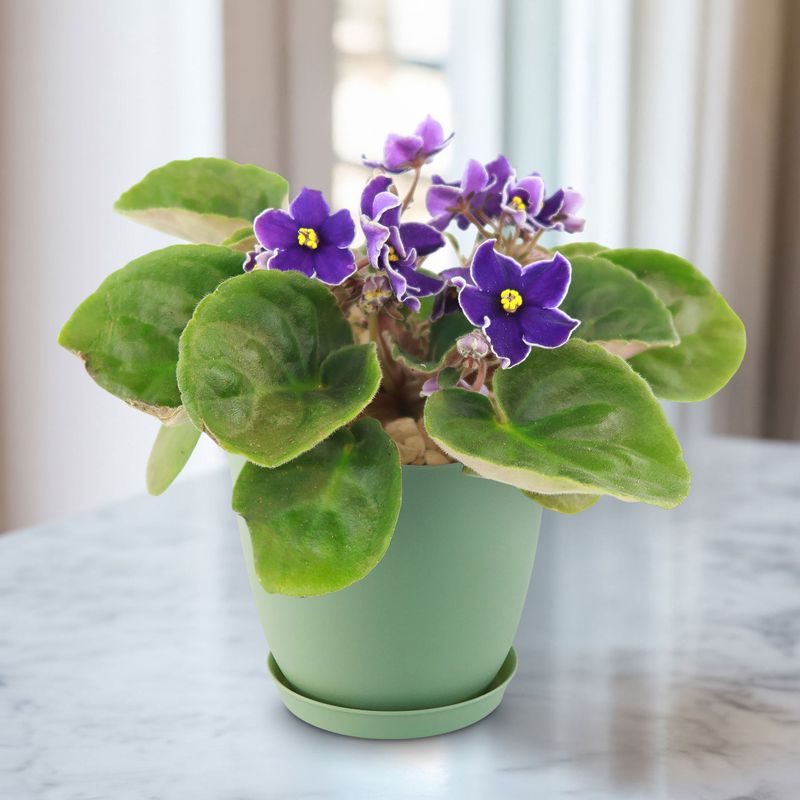
Those fuzzy leaves feel like a puppy’s ear, and I can never walk past one without giving it a gentle touch. African violets also earn a clean bill of health from the ASPCA for both cats and dogs.
Saintpaulia plants stay small enough for a kitchen windowsill, which makes them handy for cramped city apartments with limited space. Purple, pink, white, and bluish flowers can appear several times a year with steady care and decent light.
An east or north window works beautifully, since strong direct sun can scorch those soft leaves and leave pale patches. During gray winter weeks, a simple LED grow light placed above the plant helps keep blooms coming steadily.
Bottom watering is my favorite trick, so set the pot in a shallow dish for about half an hour. Cold water on the leaves causes ugly spots, so use room-temperature water and keep the foliage nice and dry.
Moist but not soggy soil suits this plant best, especially in a light mix made for African violets. Heavy garden soil holds too much water, and crown rot can quickly follow when roots sit wet for days.
Steam heaters dry the air in winter, yet these plants prefer humidity somewhere around forty to sixty percent indoors. A pebble tray filled with water underneath raises moisture nicely and keeps leaf edges from turning crispy and brown.
Drafty windows can chill them fast, so slide pots back a few inches during frosty nights after sunset. Temperatures between sixty and eighty degrees keep violets cheerful, and your cat can snooze beside them without worry.
3. Moth Orchid
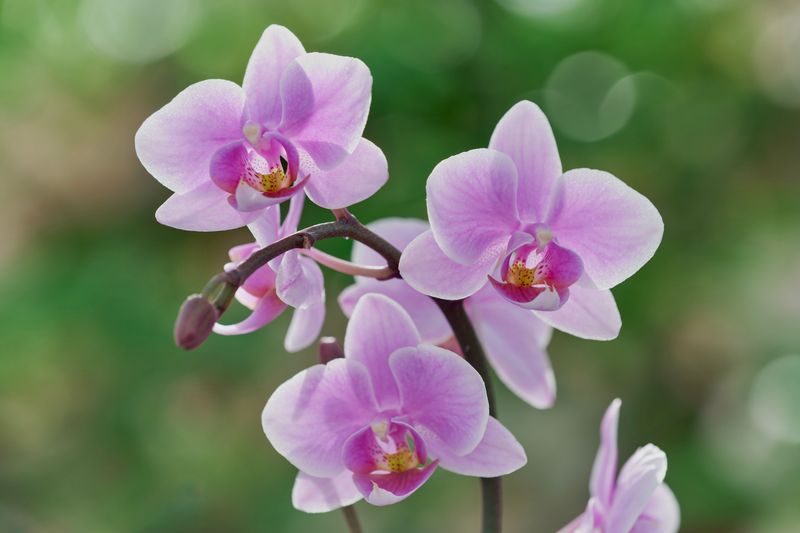
A single moth orchid spike can stay in bloom for two or three months, which beats almost any bouquet. I’m always surprised how fancy it looks, considering grocery stores sell them right beside the bananas and bread.
Phalaenopsis orchids appear on the ASPCA’s nontoxic list for cats and dogs, which makes them wonderful holiday gifts for pet owners. Their wide, flat petals resemble moths in flight, and that resemblance explains the charming common name people use today.
In the wild, these plants cling to tree bark instead of growing in dirt, so regular potting soil smothers them. Bark chips or sphagnum moss let air reach the thick roots, and clear pots let you check their color.
Silvery roots usually mean it is time to water, while bright green roots say the plant still feels satisfied. Many growers water about once a week, then let everything drain fully so the roots avoid sitting in puddles.
Bright indirect light keeps the leaves firm and glossy, and a spot near an east window often works well. Harsh afternoon sun can burn the leaves, leaving yellow or tan patches that rarely fade over time.
Ice cube watering became a popular shortcut, but I prefer lukewarm water because these tropical plants dislike sudden cold. Room temperatures between sixty and eighty degrees suit them, and a slight nighttime drop can encourage fresh flower spikes.
After the last bloom falls, trim the spike just above a node and keep caring for the leaves. With patience, many orchids rebloom the following year, and your pets can admire them safely from the couch.
4. Parlor Palm
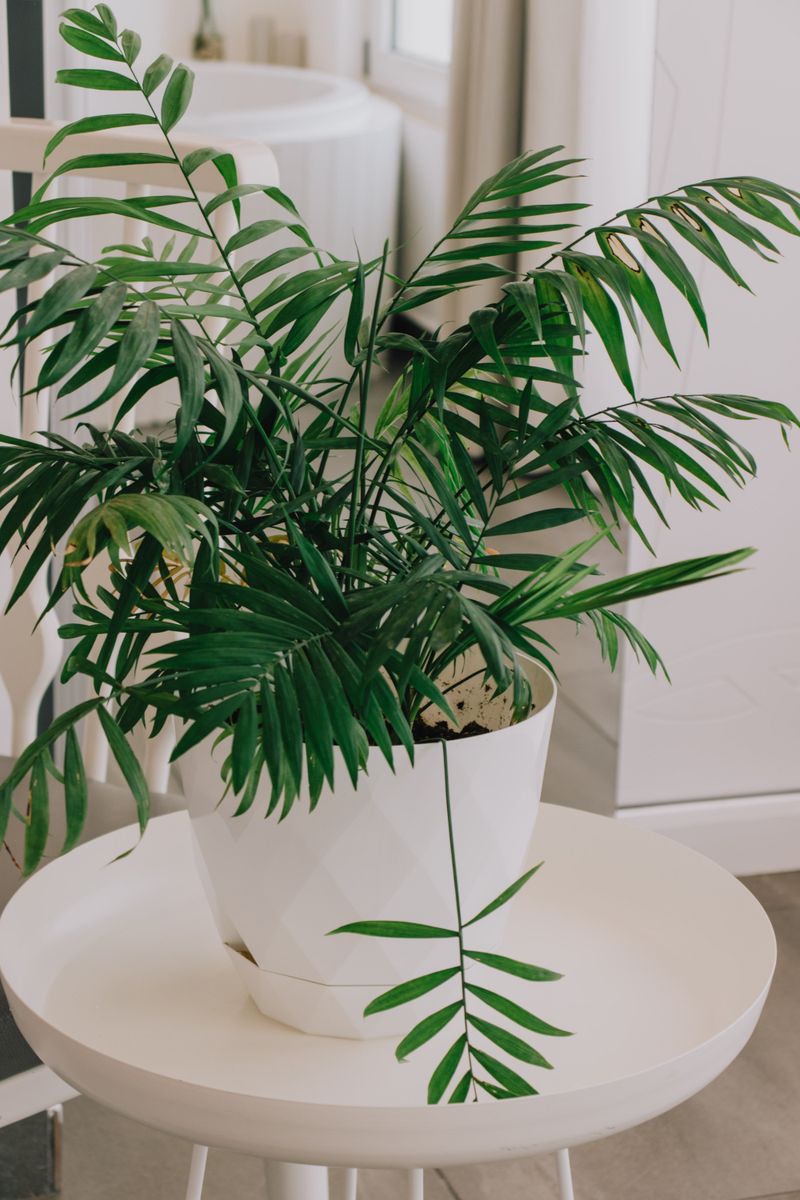
Victorian families loved parlor palms so much that the plant earned its name from their formal sitting rooms. More than a century later, I still think those feathery fronds make any corner feel calm and welcoming.
Chamaedorea elegans comes from rainforests in Mexico and Central America, where it grows beneath taller trees in dappled shade. That shady origin helps it handle indoor light better than many palms, though bright indirect light keeps it fuller.
Cats often bat at the swaying leaves, and you can relax because the ASPCA lists this palm as nontoxic. Eating large amounts may still cause mild stomach upset, so a quick redirect toward cat grass helps tremendously.
Growth happens slowly, which means a tabletop palm can stay manageable on your floor for years without constant repotting. Many people tuck a few tiny ornaments into the fronds, creating a playful little tree for pet-friendly holiday decorating.
Water once the top inch of soil dries, and make sure the pot has a drainage hole at the bottom. Mineral-heavy tap water may cause brown leaf tips, so distilled water or collected rainwater can help noticeably.
Dry winter air from radiators bothers most palms, and a nearby humidifier makes a real difference during the heating season. Skip heavy misting, because constantly wet leaves can invite fungal spots that spoil the soft green look.
Spider mites sometimes appear in dry rooms, leaving fine webbing and speckled leaves along the undersides of fronds. Wiping leaves with a damp cloth every few weeks reduces pests and keeps your palm looking freshly dusted for guests.
5. Boston Fern
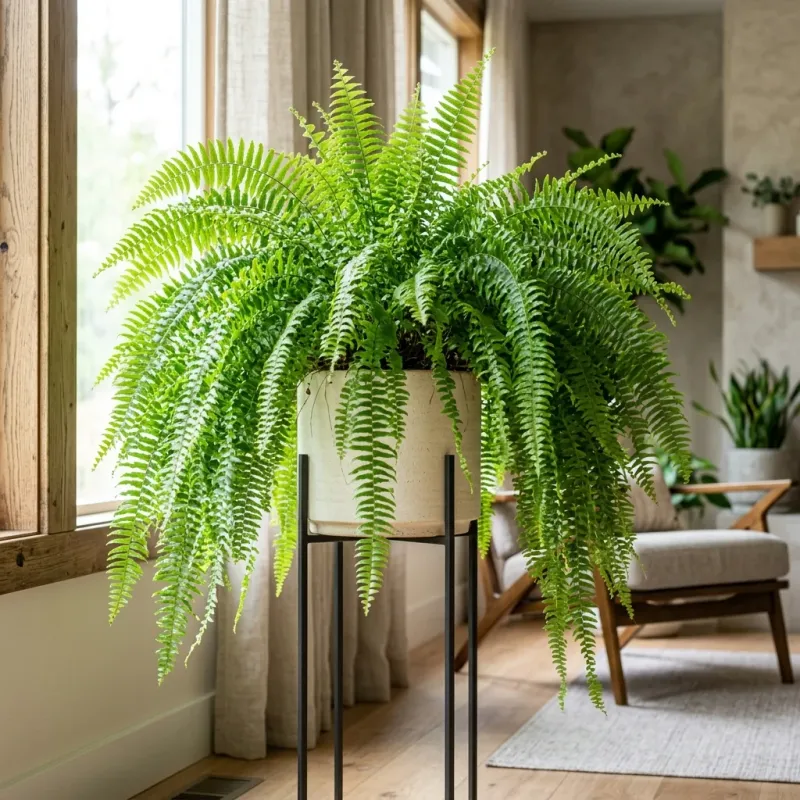
Long green fronds spill over a hanging basket like a leafy waterfall, and my dog seems fascinated by the motion. Boston ferns appear on the ASPCA nontoxic list, so a curious sniff or playful nibble rarely causes alarm.
Nephrolepis exaltata ‘Bostoniensis’ became famous in the late 1800s after a grower spotted a special arching form near Boston. Since then, these ferns have decorated porches and parlors across the Northeast, including countless brownstones throughout New York City.
Fronds can stretch around three feet long, so give the plant room to drape without brushing against hot radiators. Bright indirect light keeps the color rich, while direct sun often scorches the tiny leaflets and turns them crispy.
Consistently moist soil matters most, because ferns sulk quickly when their roots dry out for even a short stretch. Check the pot every few days in winter, and water whenever the surface starts feeling slightly dry to touch.
Humidity becomes the real challenge during heating season, when indoor air can feel as dry as a desert. Bathrooms with a bright window make excellent winter homes, and a humidifier helps fronds stay springy instead of shedding.
Shedding leaflets can make a mess on the floor, so sweep often if your pup enjoys snacking on fallen bits. Large amounts may upset sensitive stomachs, even though the plant itself carries no known toxic compounds for pets.
Temperatures between sixty and seventy-five degrees suit these ferns, and many people move them outside after spring frost passes. Bring them back indoors before autumn nights dip near fifty degrees, then enjoy them again through the holiday season.
6. Prayer Plant
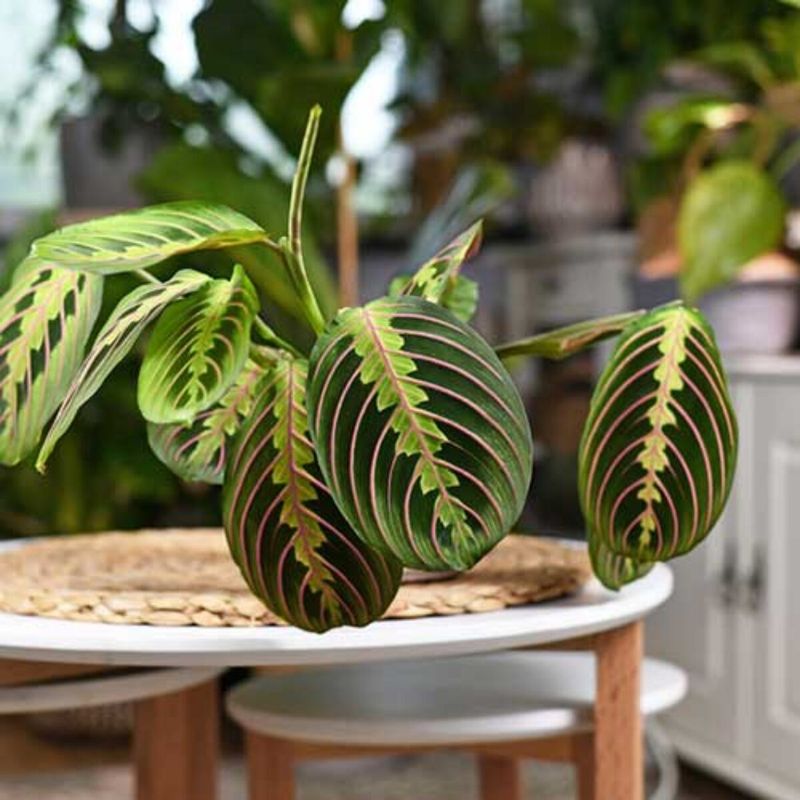
Every evening, prayer plant leaves fold upward like hands pressed together, then slowly lower again when morning light returns. Watching that daily movement never gets old for me, and kids usually think the plant must be moving on purpose.
Scientists call this motion nyctinasty, and Maranta leuconeura performs it using special joints at the base of each leaf. The red-veined variety looks especially festive, with crimson lines tracing across deep green leaves and soft splashes of lime.
Both cats and dogs can safely share space with this plant, according to the ASPCA’s nontoxic plant database. Large nibbles might cause mild stomach upset, yet the plant contains no known toxic compounds that would worry most veterinarians.
Bright indirect light keeps colors vivid, while direct sun fades the patterns and scorches leaf edges in just days. Medium light works too, so a spot a few feet back from a window suits it surprisingly well.
Brown tips often signal trouble with tap water minerals, which bother this plant more than many common houseplants. Filtered water or rainwater helps, and watering when roughly the top quarter of soil feels dry prevents soggy roots.
Humidity above fifty percent keeps leaves unfurling smoothly instead of curling at the edges or developing crunchy margins. Grouping several houseplants together creates a moist little microclimate, which feels like a cozy winter jungle on your shelf.
Cold drafts near doors cause sulking, so keep this tropical beauty in rooms staying above sixty-five degrees. Trailing stems can grow leggy over time, and a quick trim encourages bushier growth for a fuller holiday display.
7. Polka Dot Plant
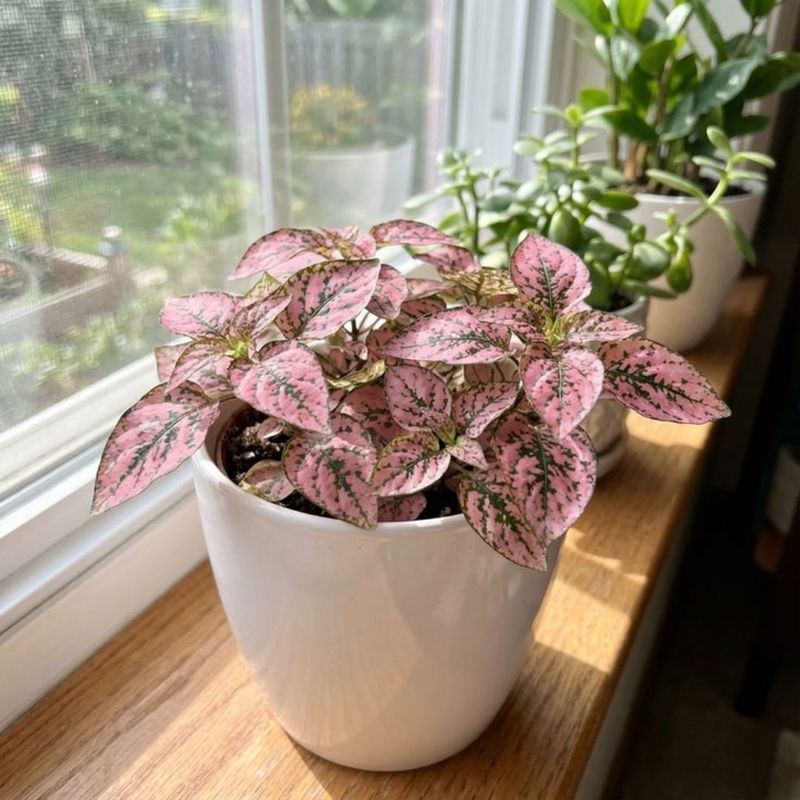
Splashes of bright pink freckles cover every leaf, making this plant look like someone flicked a paintbrush across it. I find it fascinating how a simple leaf pattern can brighten a gloomy afternoon better than any string light.
Hypoestes phyllostachya hails from Madagascar, and gardeners also call it freckle face or the measles plant for obvious reasons. Varieties come splattered with red, white, or deep rose spots, which pair nicely with festive tablecloths and ribbon.
Pet owners appreciate that the ASPCA lists this colorful plant as nontoxic for both cats and dogs. Eating a lot may still cause mild vomiting or diarrhea, so place pots where playful paws cannot easily reach.
Light makes a huge difference with this plant, because dim rooms cause those pretty spots to fade toward plain green. Strong direct sun also washes out color, so bright indirect light near an east window offers the sweet spot.
Water when the top inch of soil dries, keeping things evenly moist without letting the pot sit in water. Winter growth slows down noticeably, so you can water a bit less often until days lengthen in spring.
Pinching stem tips every few weeks keeps the plant compact, bushy, and much less likely to flop over sideways. Small lavender flower spikes may appear eventually, and many growers snip them off so the leaves stay colorful.
Warm rooms around seventy degrees suit polka dot plants best, along with humidity at fifty percent or slightly higher. A pebble tray works wonders here, and you can also tuck cuttings into water to share with friends.
8. Rosemary
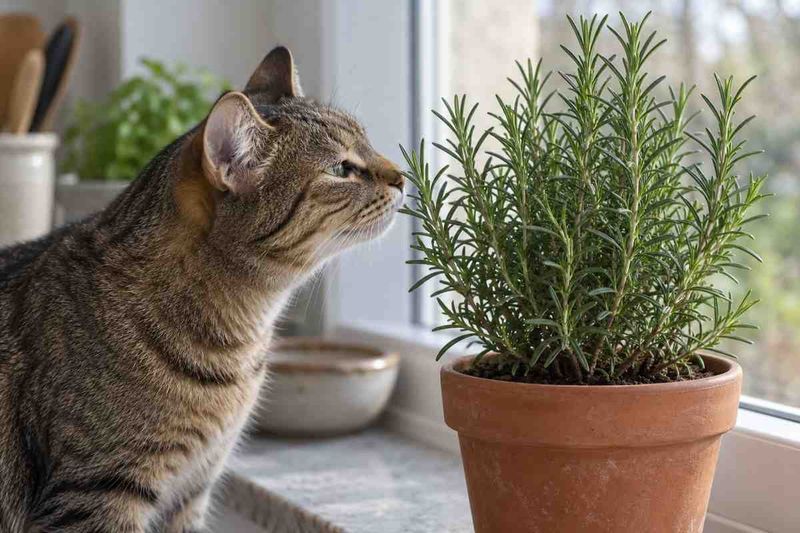
Brush your hand across a rosemary tree, and the whole kitchen suddenly smells like a holiday roast in the oven. Garden centers sell these herbs trimmed into little cone shapes, and I love their tiny evergreen tree look.
Botanists recently moved rosemary into the sage genus, so its scientific name changed to Salvia rosmarinus a few years ago. Older labels still say Rosmarinus officinalis, but both names describe the same fragrant, needle-leaved herb from the Mediterranean.
Cats and dogs can safely sniff around this plant, since the ASPCA lists rosemary as nontoxic for both pets. Strong scent often keeps pets away anyway, although an occasional nibble may still cause a mild upset stomach.
Sun matters more than anything else, so give rosemary your brightest south-facing window during short winter days. Without enough light, the plant often weakens and drops needles, and a grow light can help fill the gap.
Overwatering causes more indoor rosemary failures than almost any other mistake, especially in heavy, wet potting soil. Let the top inch or two dry between waterings, and pick a terracotta pot that breathes and drains easily.
Most rosemary struggles to survive a harsh New York winter outdoors, since most varieties are reliably hardy only to zone 8, while New York ranges from about zone 3 upstate to zone 7 in the city. Keep yours indoors until frost danger passes in spring, then move it outside onto a sunny patio.
Snipping sprigs for cooking doubles as pruning, which helps the plant keep that tidy, tree-like shape all season long. Avoid cutting into old woody stems, because those bare sections rarely sprout new growth again afterward.
9. Gloxinia
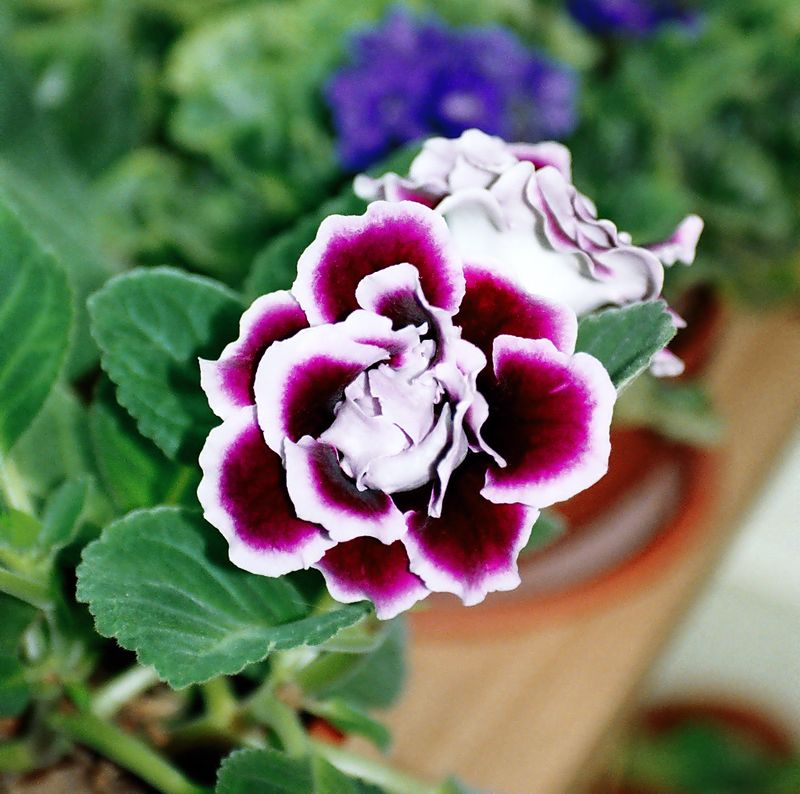
Velvet-soft bells in ruby, purple, or white make gloxinia look like a plant from a fancy Victorian greenhouse. You might be surprised it shares a family with African violets, which explains those similarly fuzzy, cushion-soft leaves.
Sinningia speciosa grows from a tuber and originally comes from Brazil, where it thrives on shady, damp rocky slopes. Florists sell it in bloom as a gift plant, often brightening shop shelves during the darkest stretch of the year.
Animal lovers can relax, because the ASPCA lists gloxinia as nontoxic for both cats and dogs. Fibrous leaves might still cause a mild upset stomach if a pet munches a lot, so supervision remains wise.
Bright indirect light keeps blooms coming, and an east or north window works well for most indoor growers. Midday sun burns the delicate leaves quickly, leaving brown patches that spoil the plant’s lush, velvety look.
Water when the top inch of soil feels dry, aiming at the soil instead of the fuzzy leaves. Room-temperature water matters here, since cold drops can spot the foliage and wet crowns may begin to rot.
Warm rooms between sixty-five and seventy-five degrees suit gloxinia, along with higher humidity and protection from chilly drafts. Feeding every couple of weeks with half-strength fertilizer during active growth helps the plant produce more of those showy bells.
Many plants rest after flowering, and their leaves fade as the tuber prepares for a quiet dormant period. Reduce watering then, store the pot somewhere cool, and watch for fresh sprouts that promise another round of blooms.