The Leaves Of This Virginia Native Shrub Are A Hidden Kitchen Treasure
A shrub growing wild in every Virginia county belongs to the same family as the bay leaf in your pantry. Crush one of its leaves, and your fingers smell like orange peel, black pepper, and a hint of pine.
I still remember the first time I tried it on a woodland walk. I stopped, sniffed my hand again, and wondered how something this good had been hiding beside the trail for years.
Early settlers and Native peoples knew its secrets long before spice racks were common. They brewed its twigs into tea and dried its berries as a stand-in for allspice. Today most people walk past it without a second glance.
You might already have one growing near a creek or along a shady edge of your yard. The leaves are the part I reach for most, and once you taste them, plain bay leaves may seem a bit dull.
1. That Peppery Woodland Shrub Is Hiding In Plain Sight Along Your Creek
Spicebush, Lindera benzoin, grows as a multi-stemmed shrub, but its appeal goes far beyond its shape.
Most spicebushes in Virginia reach about 6 to 12 feet tall, which can feel tree-like when you’re standing in a damp ravine looking up. A statewide plant atlas records it in every county, from the coastal plain to the mountains.
I find that fact a little thrilling. It means a wild spice cabinet could be growing within a short walk of almost anyone in the state.
Spicebush belongs to the laurel family, Lauraceae. That makes it a cousin of bay laurel, cinnamon, avocado, and sassafras, which explains a lot about its fragrance.
Scratch a twig or crush a leaf, and you’ll catch a bright, spicy scent. Many foragers describe it as part citrus, part allspice, with a fresh, almost resinous note.
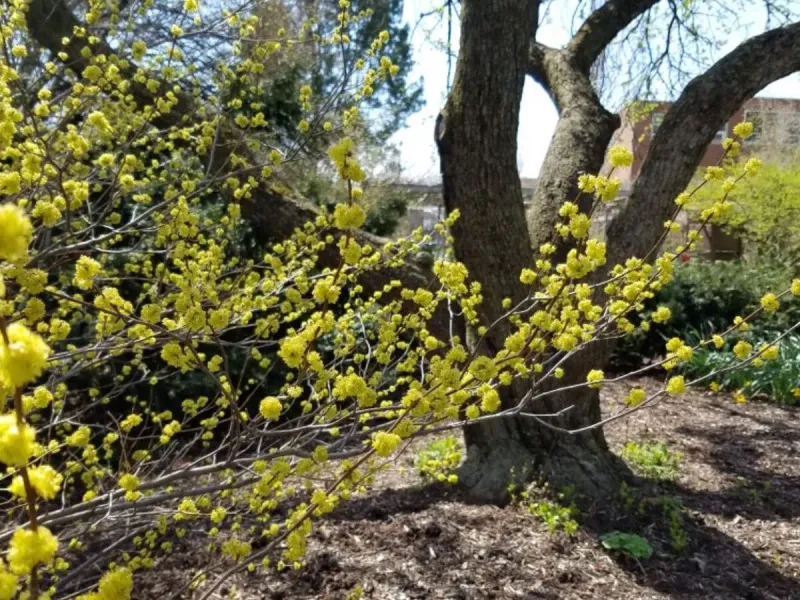
It favors moist, rich soil in shady woodlands, stream banks, and floodplains. Look along creeks in early spring for clouds of tiny yellow flowers on bare branches, usually in March or April.
Those blooms appear before the leaves unfold, so the shrub is easy to spot at that moment. Mark the location in your mind, and come back once the leaves fill in for a closer sniff.
2. Spicebush Leaves Taste Like Citrus With A Peppery Kick
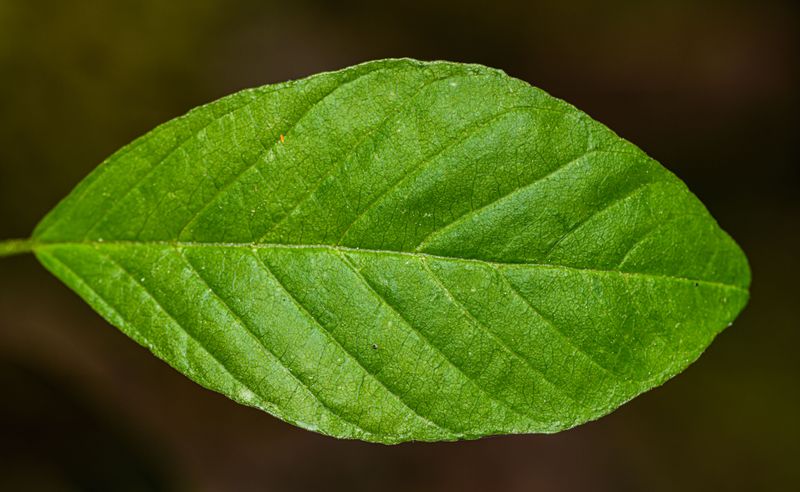
My first nibble of a raw spicebush leaf surprised me more than any garden herb ever has. The taste starts bright and lemony, then warms into something close to allspice and black pepper.
That layered flavor comes from aromatic oils stored in the leaves, twigs, and berries. Different parts lean in slightly different directions, which keeps things interesting in the kitchen.
Leaves tend to taste fresh and citrusy with a soft green note. Twigs carry a woodsy, gently sweet character that many people enjoy in tea.
The red berries are the boldest part of the plant. Dried and ground, they lean toward allspice and pepper, and cooks often use them in place of those spices.
For leaf lovers, the flavor works a lot like bay leaf, but livelier. You can add a few to a dish while it cooks and pull them out before serving.
Young leaves picked in late spring and early summer usually carry the cleanest flavor. Older leaves by late summer can get tougher and a bit more bitter, though they still smell wonderful.
A quick test helps you decide. Rub a leaf between your palms, sniff, and taste a tiny piece; if the aroma makes you smile, it’s ready for the pot.
Trust your nose here, because it’s a better guide than any calendar.
3. Toss Fresh Spicebush Leaves Into Soups, Rice, And Roasts
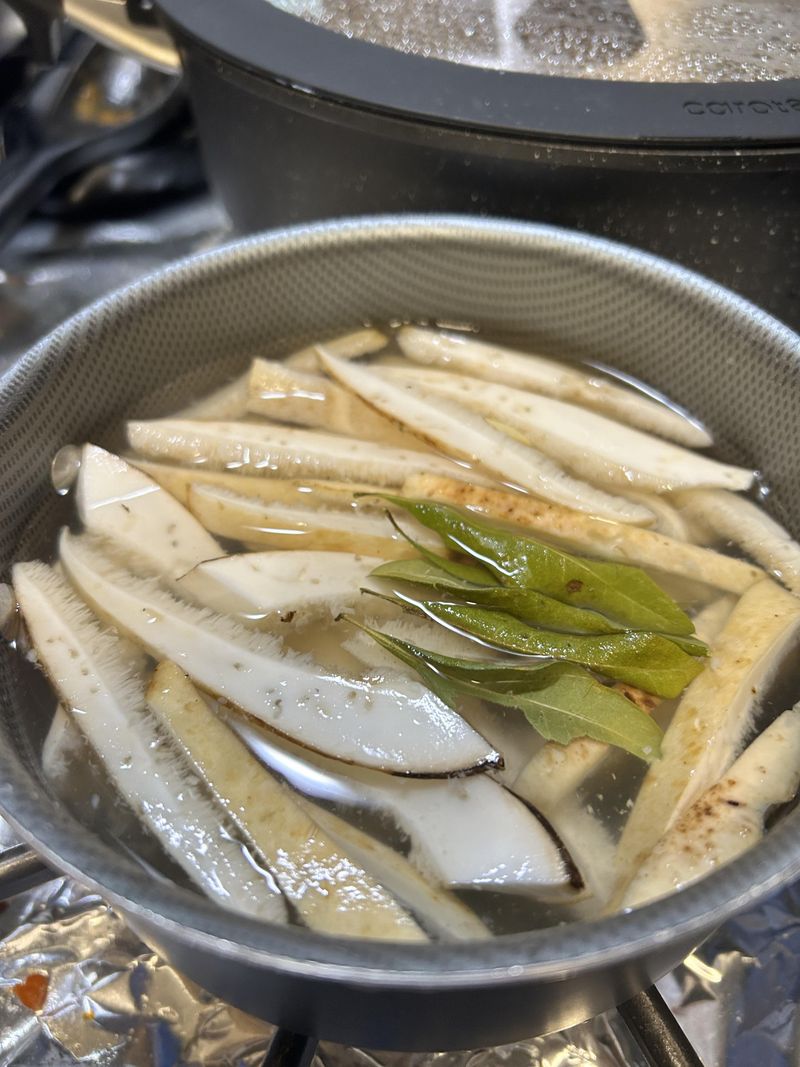
Soup night at my house changed once I started dropping spicebush leaves into the pot. Three or four fresh leaves simmered in chicken broth add a gentle citrus warmth you can’t quite name.
Treat them like bay leaves in most recipes. Add them early, let them steep in the heat, and fish them out before serving because whole leaves stay a bit chewy.
Rice and grains love this trick too. Tuck a couple of leaves into the cooking water, and your plain rice picks up a soft, fragrant lift.
Roasts are another winner. Lay fresh leaves under a pork loin or whole chicken, or stuff a few inside the cavity with garlic and onion.
Fish wrapped in spicebush leaves and baked or grilled turns out especially aromatic. The leaves protect delicate fillets while sharing their flavor.
For quicker meals, slice young, tender leaves into thin ribbons. Scatter them over sautéed greens, stir-fries, or roasted sweet potatoes near the end of cooking.
Sweet dishes deserve a turn as well. Steep a handful of leaves in warm milk or cream for custard, or simmer them in sugar water for a lightly spiced syrup over fruit.
Start small, though, since the flavor builds as it steeps. A light hand lets the spice shine without overwhelming everything else on the plate, and your guests will ask what’s in it.
4. Spicebush Tea Brews Up Beautifully From Leaves And Twigs
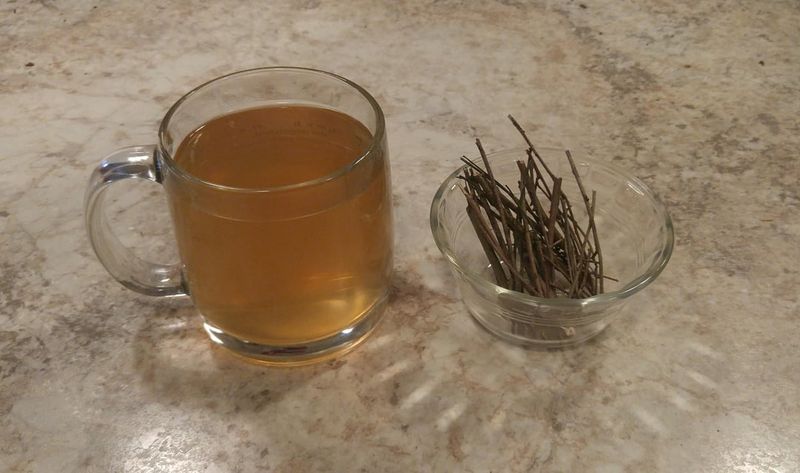
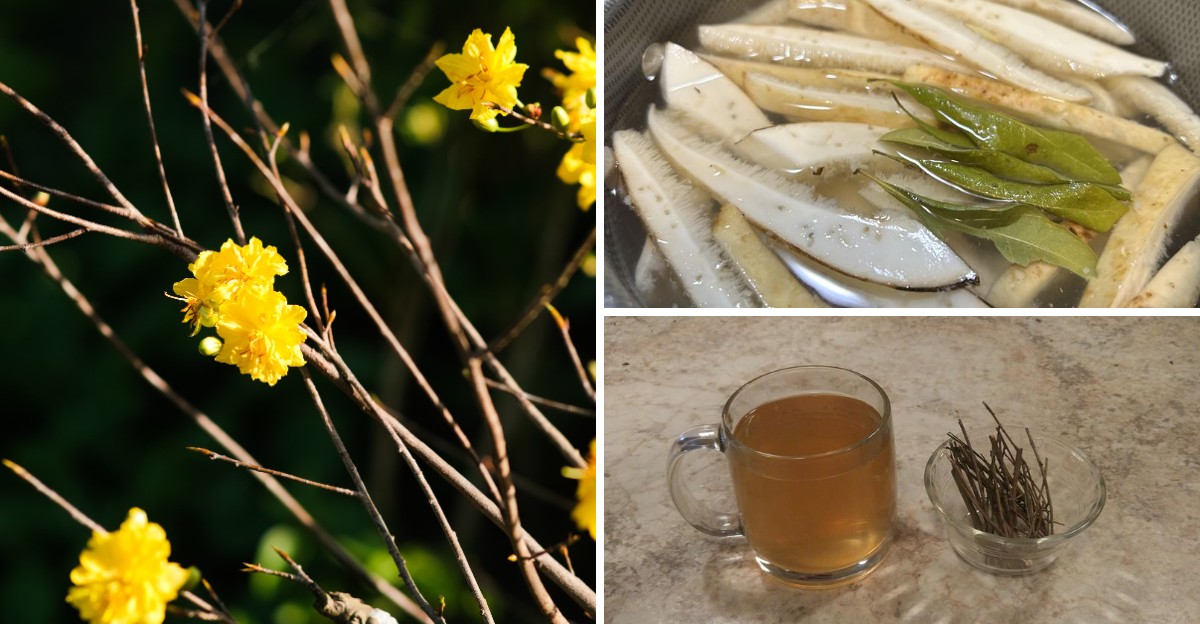
Cold February mornings are the perfect excuse for a mug of spicebush tea. With no leaves on the branches, the slender twigs do the work, and they brew a mellow, woodsy cup.
Snip a handful of pencil-thin twigs, rinse them, and break them into 2 or 3 inch pieces. Simmer them gently in water for about 15 to 20 minutes, then let the pot rest a few minutes more.
In summer, fresh leaves make a lighter, brighter tea. Pour hot water over a small handful of torn leaves, cover the cup, and steep for 5 to 10 minutes.
Covering matters more than you’d guess. The fragrant oils drift away with the steam, and a lid or saucer keeps more of that flavor in your mug.
A spoonful of honey brings out the citrus side nicely. Some folks add a slice of orange or a cinnamon stick for an extra cozy twist.
Iced spicebush tea is a sleeper hit on humid Virginia afternoons. Brew a strong batch, chill it, and serve it over ice with mint from the garden.
Drying leaves for later works, though they lose some punch over time. Store them whole in a sealed jar away from light, and crumble them right before brewing.
Historical accounts suggest spicebush tea was a common home remedy across Appalachia. Today, I enjoy it simply because it tastes like a walk in the woods.
5. Learn The Yellow Flowers And Smooth Oval Leaves Before You Pick
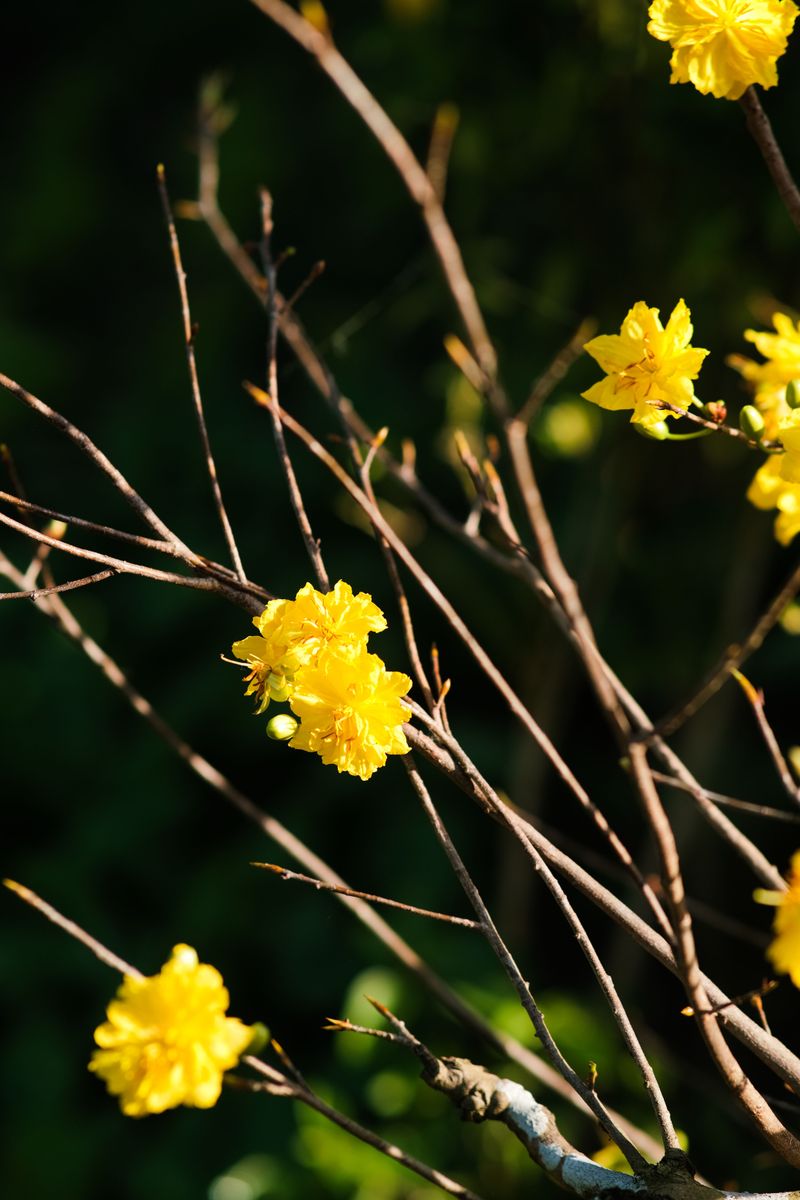
Safe foraging starts with confident identification, and spicebush makes that fairly easy. Even so, take a few minutes to learn its features before anything goes in your mouth.
The leaves are smooth-edged, oval, and pointed at the tip, usually about 2 to 5 inches long. They grow alternately along the stem and often get wider toward the outer end.
Twigs are slender and greenish brown with small pale dots called lenticels. In winter, you’ll spot round flower buds clustered along the stems, often in pairs.
The scent test is your best friend. Crush a leaf or scratch a twig, and a clean, spicy citrus aroma should appear right away.
Early spring brings tiny yellow flowers before the leaves open. Only female shrubs produce the glossy red berries in fall, because spicebush has separate male and female plants.
Watch out for confusing neighbors in the same damp woods. Young pawpaw saplings have bigger leaves with a different, slightly unpleasant smell.
Dogwood leaves have curved veins that arc toward the tip and carry no spicy fragrance.
Snap a photo and compare it with a trusted guide from your local extension office. Local chapters of the Virginia Native Plant Society also lead walks where experts help with plant ID.
When in doubt, leave it out and check again later.
6. Harvest Spicebush Leaves Gently So The Shrub Keeps Growing
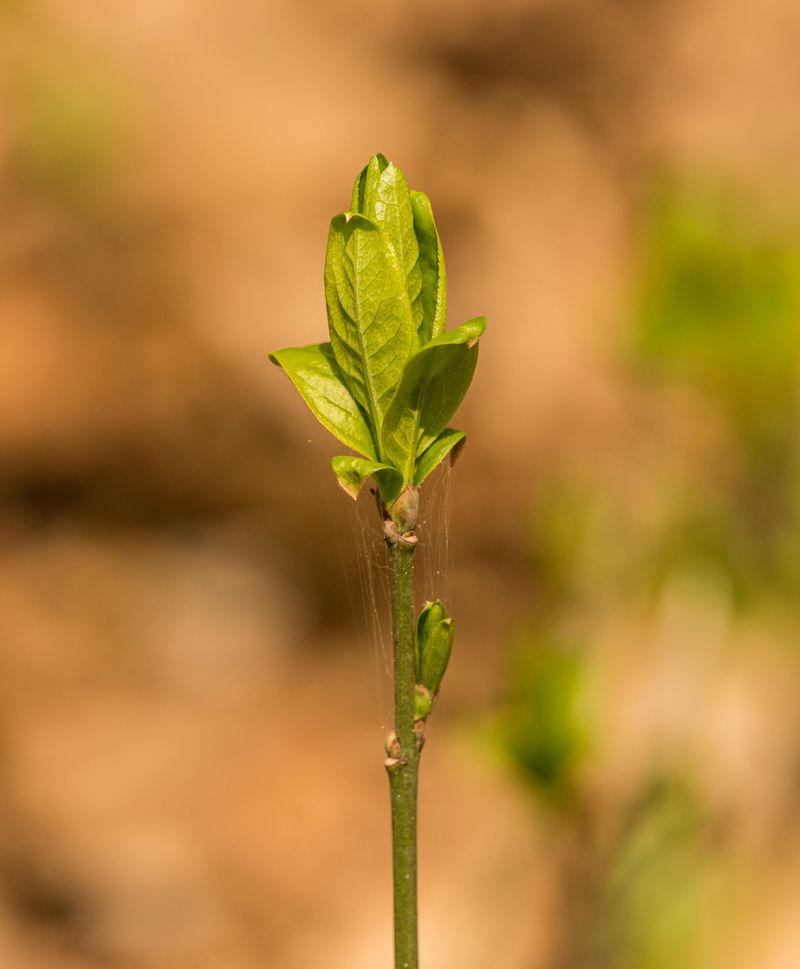
A little restraint goes a long way with any wild plant. Spicebush recovers well, but a thoughtful harvest keeps both the shrub and its wildlife guests happy.
Pick leaves from late spring through summer, choosing healthy, unblemished ones. Take only a few from each branch and spread your picking across several stems.
A simple rule many foragers follow is to harvest no more than about one third of what you see. On a single shrub, I aim for far less than that.
Flip each leaf over before picking. Spicebush swallowtail caterpillars hide inside folded leaves they stitch shut with silk, and you’ll want to leave those homes alone.
Twigs are best snipped in late fall and winter when the shrub is dormant. Use clean pruners and cut just above a bud so the stem heals tidily.
Permission matters as much as technique. Removing plants is generally prohibited in Virginia state parks, and national park rules are strict too, so stick to your own property or ask landowners first.
Avoid shrubs growing beside busy roads, sprayed lawns, or polluted ditches. Rinse everything at home and pat it dry.
Spicebush is widely regarded as safe to eat in culinary amounts, but research on medicinal doses is limited. Pregnant or nursing readers should talk with a doctor first and keep portions modest.
7. Swallowtail Caterpillars Will Thank You For Planting Spicebush
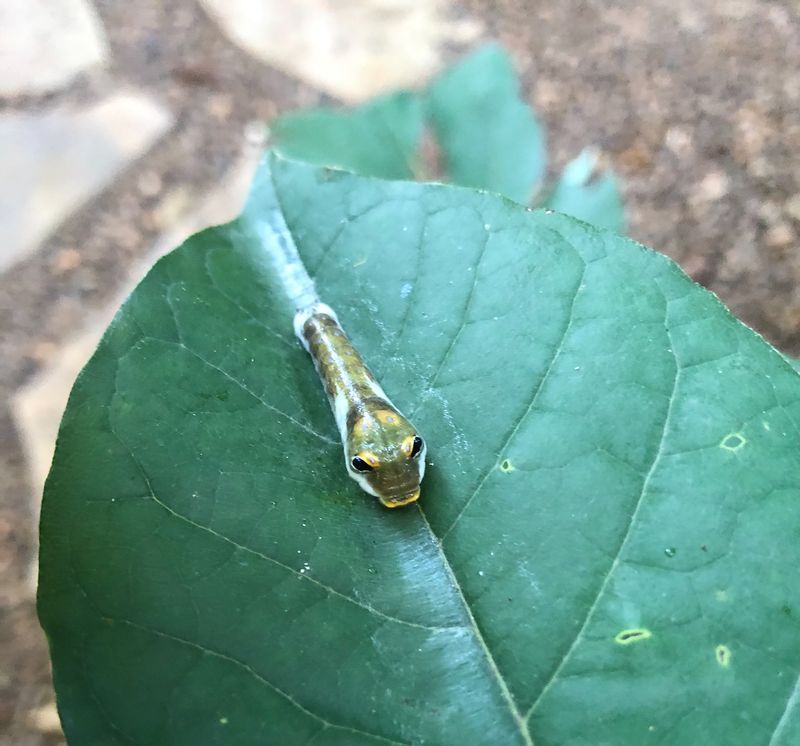
Few things in my garden make me grin like a spicebush swallowtail caterpillar. The older ones are green with two huge false eyespots, which makes them look like a tiny cartoon snake.
That disguise likely helps scare off hungry birds. Spicebush and its relative sassafras are the main host plants for this butterfly, so the shrub keeps the next generation fed.
Eastern tiger swallowtails sometimes use spicebush too. Promethea silkmoth caterpillars also feed on its leaves, adding even more life to your yard.
Many gardeners plant it specifically for these visitors.
Adult spicebush swallowtails are black with blue or blue-green patches on the hind wings. You’ll often see them sipping nectar from milkweed, joe-pye weed, and other summer flowers.
Fall brings another treat. The red berries on female shrubs are rich in fat, which gives migrating songbirds like thrushes, catbirds, and vireos valuable fuel for the trip south.
Early spring flowers matter as well. They open when little else is blooming, offering pollen and nectar to small bees, flies, and other pollinators waking up after winter.
Sharing your leaves with caterpillars is part of the deal. A few chewed edges won’t harm the shrub, and the payoff is a summer full of fluttering wings.
I like to plant two or three spicebushes so there’s plenty for everyone, me included.
8. A Spicebush In Your Shady Yard Pays You Back All Year
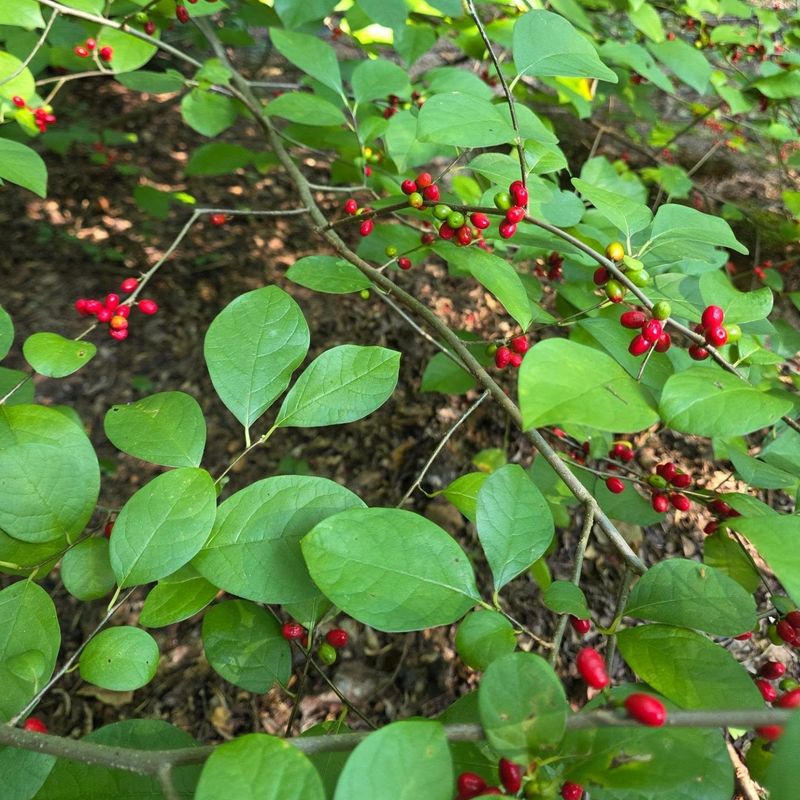
Planting your own spicebush means fresh leaves just steps from the kitchen door. It’s hardy in USDA zones 4 through 9, which covers the whole state with room to spare.
Part shade suits it best, especially in hot summers. It handles full sun if the soil stays moist, and it tolerates deep shade, though flowering and berries may be lighter.
Moist, rich, well-drained soil keeps it happiest. A spot near a downspout, rain garden, or woodland edge often works beautifully.
Fall and early spring are ideal planting windows. Water deeply through the first summer, then the shrub usually takes care of itself.
Prune lightly after flowering only if needed to shape it.
Want berries? Plant at least one male and one female, since only females fruit.
Nurseries can’t easily tell them apart when young, so buying three or more improves your odds.
Look for spicebush at native plant nurseries and Virginia Native Plant Society sales. Please don’t dig shrubs from the wild, since that strips woodlands of a valuable plant.
Deer tend to leave it alone, which many suburban gardeners will appreciate. Pests and diseases rarely cause serious trouble either.
Autumn adds a final bonus as the leaves turn buttery gold. Between the spring blooms, summer leaves for cooking, fall color, and winter twigs for tea, this native earns its spot in nearly any yard.