Rattlesnakes Can Still Appear In Georgia Yards Even As November Temperatures Drop
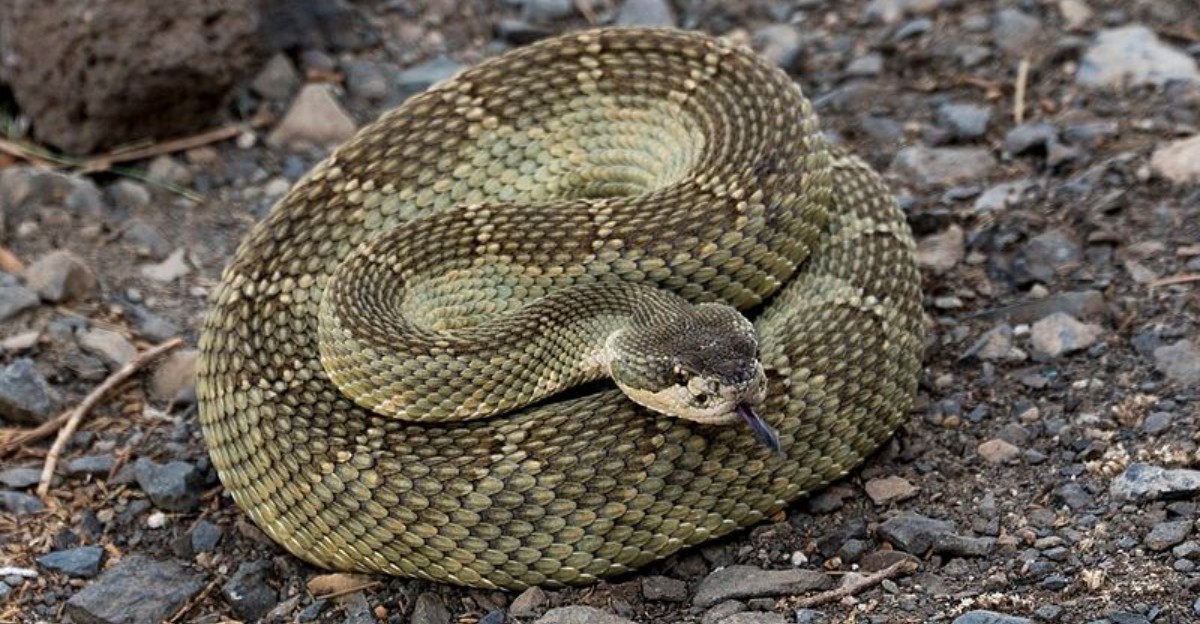
A rattlesnake can go months without a single meal during the cold season, yet still wake up and wander on a sunny afternoon. That surprised me more than any frost warning ever has.
In Georgia, late fall rarely flips a switch from busy to quiet. Warm spells roll in, the leaf litter piles up, and cold-blooded neighbors take full advantage of every bright, mild hour.
I love raking on those golden November days, but I have learned to look before I grab. You need to know that a crisp morning can turn into a warm, sunny afternoon fast.
A pile of leaves by the shed might hold more than leaves.
So what really happens to these reptiles when the thermometer slides downward? The answer is stranger, and far more useful, than a simple long winter nap.
1. That Sleepy Rattlesnake Under The Leaves Is Not Fully Asleep
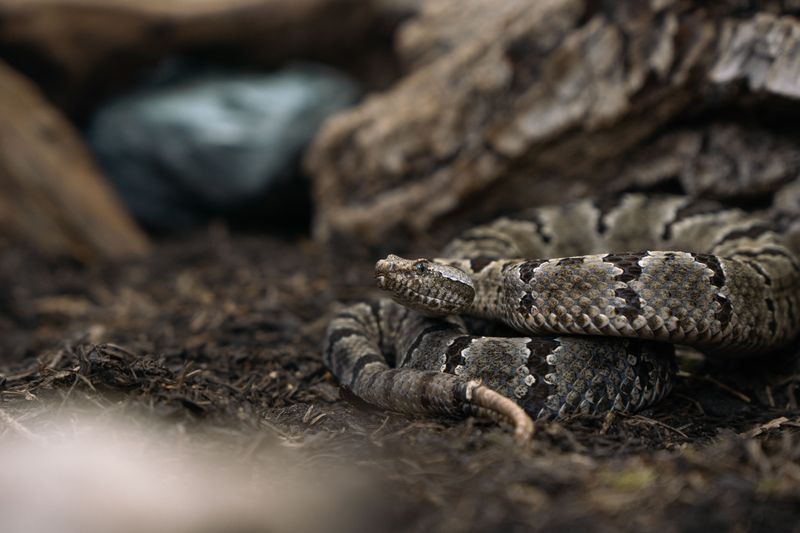
Snakes do not hibernate the way bears or groundhogs do. Experts call their cold-season slowdown brumation, and it works more like a dimmer switch than an off button.
During brumation, a rattlesnake’s body cools along with the air around it. Its heart rate, breathing, and digestion all slow way down.
That is how it can skip meals for weeks or even months without trouble.
The surprising part is that the snake stays somewhat alert. It can wake up, shift position, drink water, and crawl out to soak up sunshine when conditions allow.
A brumating snake is resting, not switched off.
I find that fascinating, and also a little humbling. It means a quiet woodpile in November is not automatically an empty woodpile.
Brumation also starts gradually. Snakes do not all vanish on the same date, and individuals of the same species may tuck in at different times depending on their size, health, and shelter.
For you as a gardener, the takeaway is simple. Cooler weather lowers snake activity, but it does not erase it.
Treat November yard work with a bit of the same awareness you use in summer, and you will be ready if a sluggish visitor turns up.
2. Sunny November Afternoons Can Coax Rattlesnakes Out To Bask
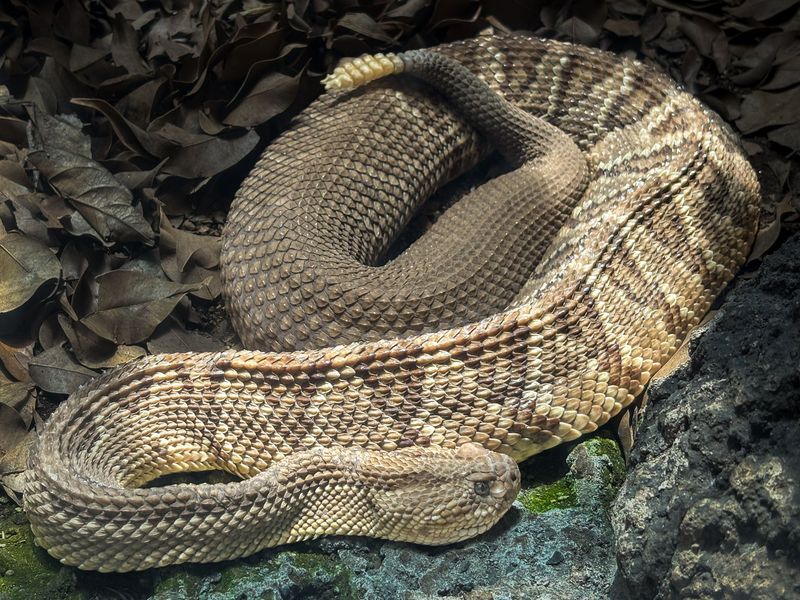
Warm spells are the real reason you might spot a rattlesnake this month. Snakes rely on outside heat to power their bodies, so a mild, sunny day acts like a wake-up call.
Many reptile experts note that snakes start heading toward winter shelter once temperatures settle below about 60 degrees. In Georgia, though, November often swings between chilly mornings and afternoons in the upper 60s or 70s.
On those bright days, a snake may slide out of its shelter to bask near the entrance. Rocks, sidewalks, south-facing walls, and patches of bare dirt soak up heat and become favorite sunning spots.
Personally, I keep an eye on the forecast during fall cleanup. If the week shows a sudden warm stretch, I slow down around stumps, rock borders, and sunny edges of the yard.
Time of day matters too. Late morning through mid-afternoon is usually when the ground is warmest and basking is most likely.
Once a cold front pushes through, activity drops again. That back-and-forth pattern can continue into December in the southern half of the state, so a single frost does not mean the season is over for good.
3. Stump Holes And Rock Piles Make Perfect Snake Shelters
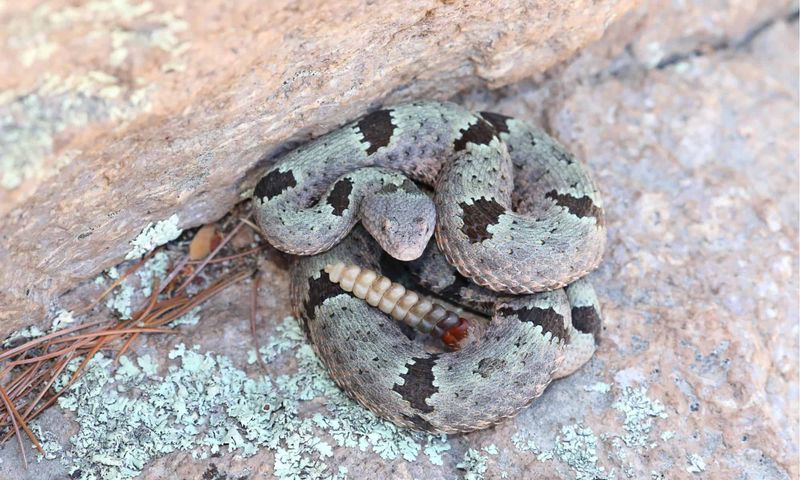
Old stump holes are prime real estate for a cold snake. Rattlesnakes look for protected underground spaces that stay a few degrees warmer than the open air.
Common choices include abandoned rodent and armadillo burrows, holes left by rotting tree roots, rock piles, and deep crevices. In parts of south Georgia, gopher tortoise burrows are famous winter hideouts for eastern diamondbacks.
Around homes, the list can grow. Gaps under porches, crawl space openings, sheds sitting directly on the ground, and stacks of lumber can all offer a snug pocket out of the wind.
Some rattlesnakes return to the same shelter year after year. Timber rattlesnakes in the north Georgia mountains are known to use traditional den sites on rocky slopes, sometimes with several snakes sharing one spot.
That loyalty is worth remembering. If you saw a rattlesnake near a certain stump or rock wall last fall, that area deserves extra caution this year.
I walk my property every autumn and make a quick list of these hidey-holes. Seeing them on paper helps me decide what to seal, fill, or simply avoid poking with my bare hands.
4. Three Rattlesnake Species Call The Peach State Home
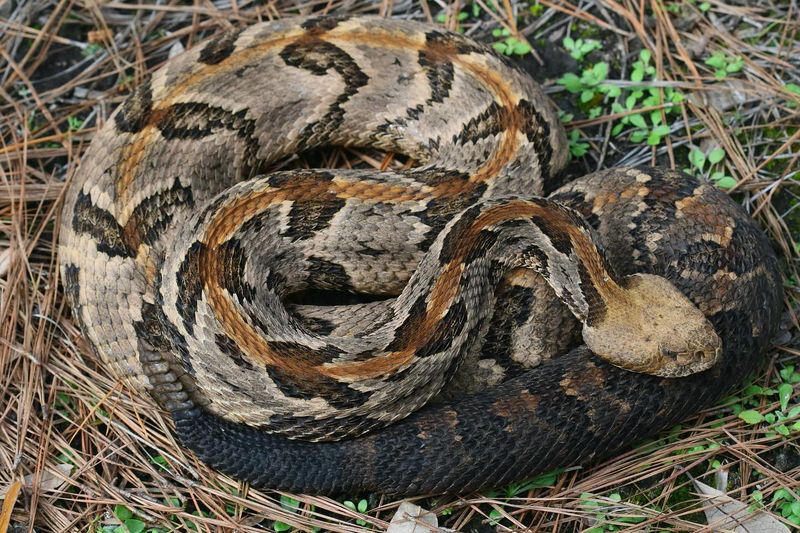
Georgia has three native rattlesnakes, and each one has its own personality and preferred neighborhood. Knowing them helps you figure out who might be around your house.
The timber rattlesnake, called the canebrake rattlesnake in the lowlands, lives across most of the state. It favors forests, river bottoms, and quiet wooded edges.
Look for dark, wavy crossbands on a gray, tan, or pinkish body, often with a rusty stripe down the back.
The eastern diamondback is the biggest venomous snake in North America. It lives mainly in the Coastal Plain south of the Fall Line, in sandy pine flatwoods and scrubby areas.
Its bold diamond pattern outlined in cream is hard to mistake.
The pygmy rattlesnake is the little one, usually under two feet long. It hangs out near wetlands and under logs or leaves in the southern part of the state, and its tiny rattle sounds like a buzzing insect.
Fun fact. Many pygmy rattlesnake warnings go unheard because that faint buzz is so easy to miss.
Georgia also has harmless lookalikes, like rat snakes and hognose snakes, so a good field guide is worth having.
5. Mice Near Your Woodpile Can Invite Hungry Rattlesnakes
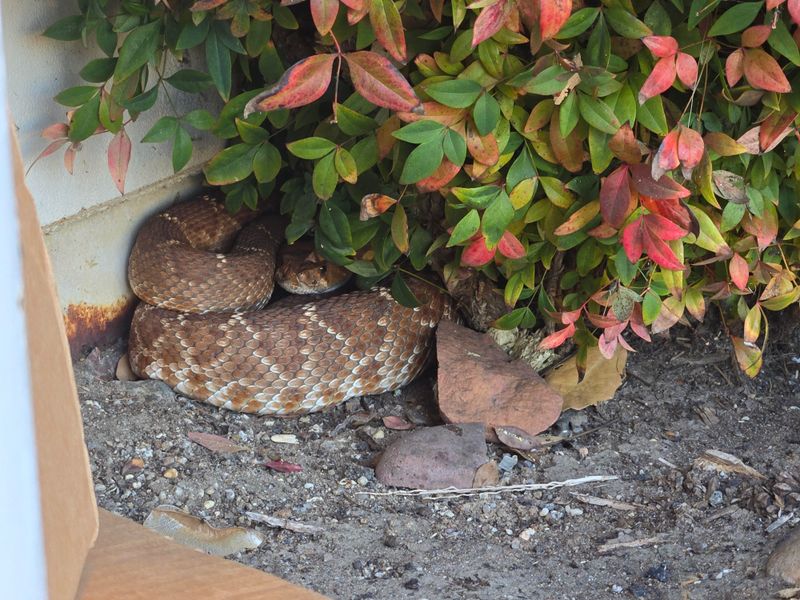
Follow the food and you will usually find the snake. Rattlesnakes hunt mice, rats, chipmunks, and squirrels, and those critters love busy fall yards.
Spilled birdseed, open pet food, compost with kitchen scraps, and fallen fruit all draw rodents close to the house. Once rodents settle in, snakes have a reason to stop by before brumation.
You can cut down that buffet pretty easily. Store seed and pet food in sealed metal or heavy plastic bins.
Clean up under feeders regularly, and pick up dropped pecans or fruit.
Firewood deserves special attention this time of year. Stack it on a rack at least a foot off the ground and away from the house, so mice and snakes have fewer cozy gaps.
Keep grass mowed near patios and walkways, and clear brush piles you no longer need. Short grass makes snakes feel exposed, and most will move along to better cover.
I like to leave wild areas for wildlife at the far edges of my property. Keeping the zone near the house tidy and the messy habitat farther out works well for everyone.
6. Sturdy Boots And Garden Gloves Are Your Best Fall Friends
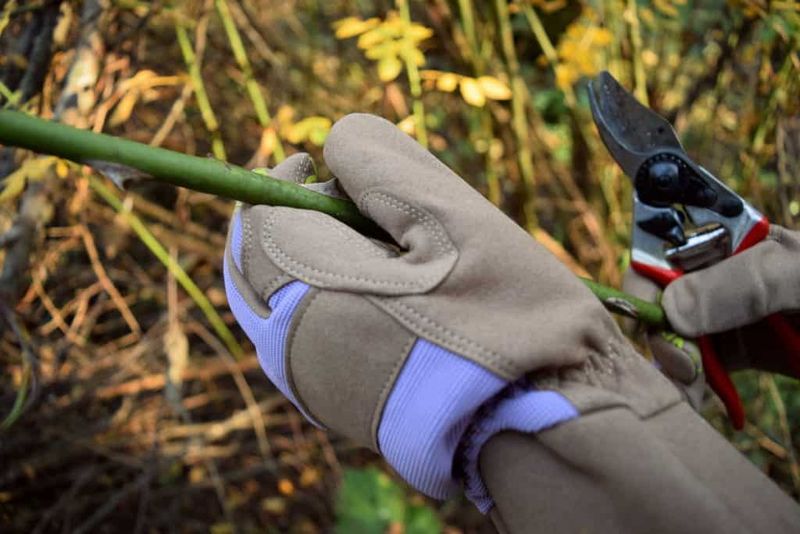
Most snakebites happen when a hand or foot lands somewhere the person cannot see. That makes good habits during fall cleanup just as valuable as any snake-proofing project.
Start with what you wear. Tall boots and long, loose pants add a helpful layer of protection, and thick leather gloves are smart when you clear brush or move firewood.
Next, use tools instead of fingers. A rake, hoe, or long stick lets you shift leaves, pine straw, and debris while keeping some distance.
Tap the pile first, then wait a moment so any snake has time to slip away.
Watch where you step over logs. Step onto the log first and look down the far side, rather than swinging a foot blindly into the shadow.
At dusk, carry a flashlight. Some rattlesnakes move around in the evening during warmer spells, and good light helps you spot them on paths.
I keep my boots right by the back door so they are easy to grab. Habits stick best when they are convenient, and that small change has made my fall chores feel a lot calmer.
7. Spotting A Coiled Rattlesnake Means It Is Time To Back Away
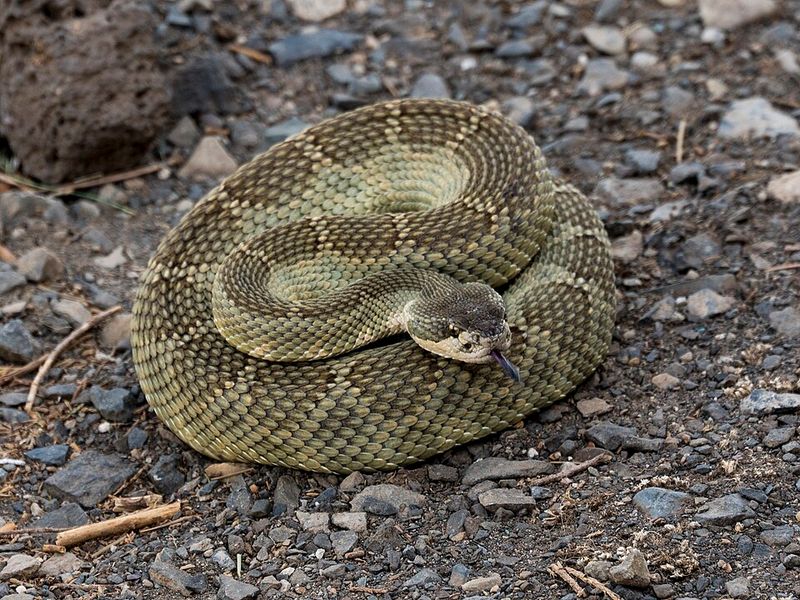
Stay calm, step back slowly, and give the snake plenty of room. That one move prevents most problems.
Rattlesnakes are not looking for a fight. They strike mainly when they feel cornered, stepped on, or grabbed.
A distance of at least six feet, more if you can, gives the snake a clear chance to leave.
Keep kids and pets inside or away until the snake moves on. Dogs are curious and often get bitten on the face or legs, so leash them during walks near brush.
Please do not try to catch, move, or harm the snake. Many bites happen to people trying to handle or attack a snake.
In Georgia, the eastern indigo snake is protected, and harming nonvenomous snakes is against state law, so mistaken identity can cause trouble.
If the snake has settled somewhere troublesome, like your garage, call a licensed wildlife removal professional. They have the right tools and training.
If someone is bitten, call 911 right away. Keep the person calm and still, remove rings or tight items, and skip ice, tourniquets, or cutting the wound.
8. Sealed Crawl Spaces And Porch Gaps Keep Snakes Out All Winter
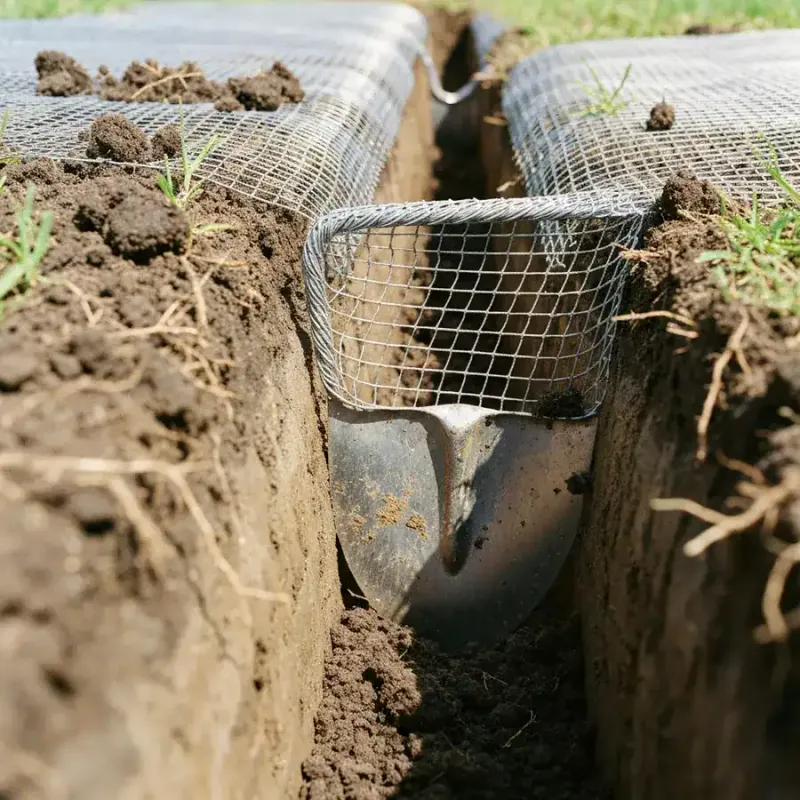
November is a wonderful month to snake-proof the spots around your home. Insects are fewer, the weather is pleasant, and you can see gaps easily once plants thin out for winter.
Walk around the foundation and look for openings under porches, decks, steps, and sheds. Cover them with quarter-inch hardware cloth, buried a few inches into the soil if possible.
Check crawl space vents and doors for damage. Seal cracks in the foundation and gaps around pipes with caulk or expanding foam, and add weather stripping to garage doors.
Skip the mothballs and so-called snake repellents. University wildlife experts report they do not reliably work, and mothballs used outdoors can harm soil, pets, and people.
Remember that snakes play a helpful role. Rattlesnakes control rodents that spread disease and damage gardens, and the eastern diamondback has declined across much of its range.
My goal is not a snake-free world, just a snake-free porch.
With a tidy yard near the house, sealed gaps, and smart habits, you can enjoy crisp fall days outside and let these remarkable reptiles rest peacefully somewhere else.