What Pennsylvania Lawns Need After The Leaves Drop
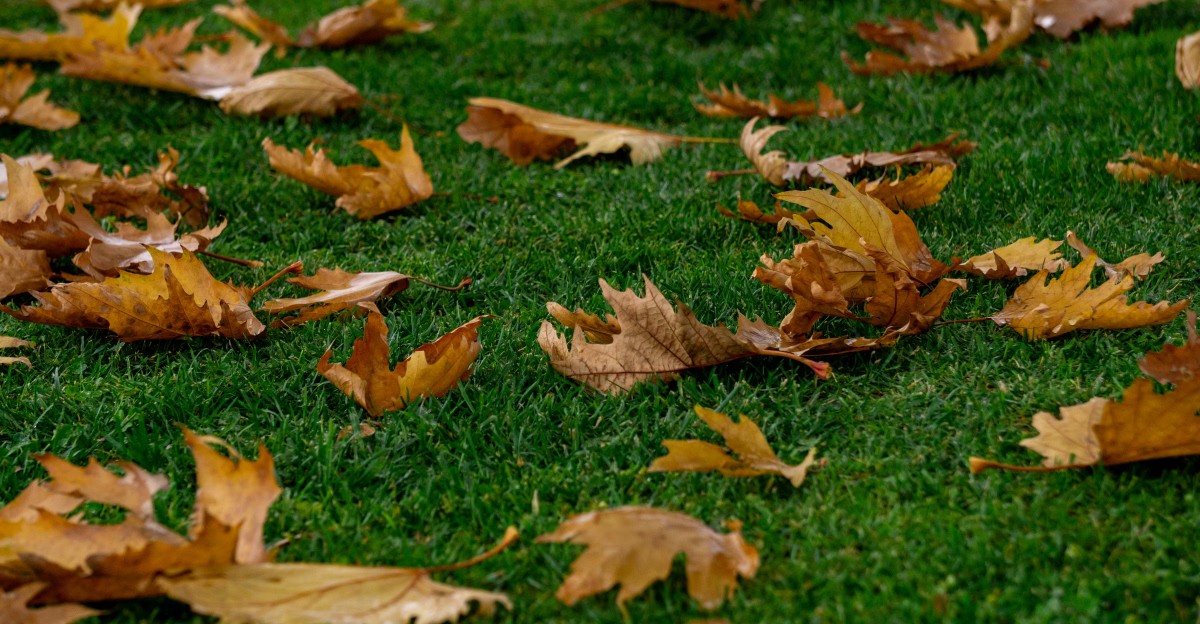
Your grass roots keep growing underground long after the mower blades stop spinning each autumn weekend in your backyard. Turf scientists say cool-season roots stay busy until the soil cools to roughly forty degrees Fahrenheit.
That hidden growth spurt means bare-looking yards in Pennsylvania are quietly stocking up sugars for a strong spring. Penn State turf experts even favor late fall as one of the smartest times to feed cool-season grass.
I skipped my own late chores one year, and my yard looked patchy and tired well into June. You build next spring’s lawn right now, while your neighbors are busy putting rakes back in sheds.
Pennsylvania winters bring heavy snow and salty sidewalks, and both can test your turf in sneaky ways. Hang up the rake, but don’t hang up the work that keeps spring easy.
1. Shred Fallen Oak And Maple Leaves With Your Mower
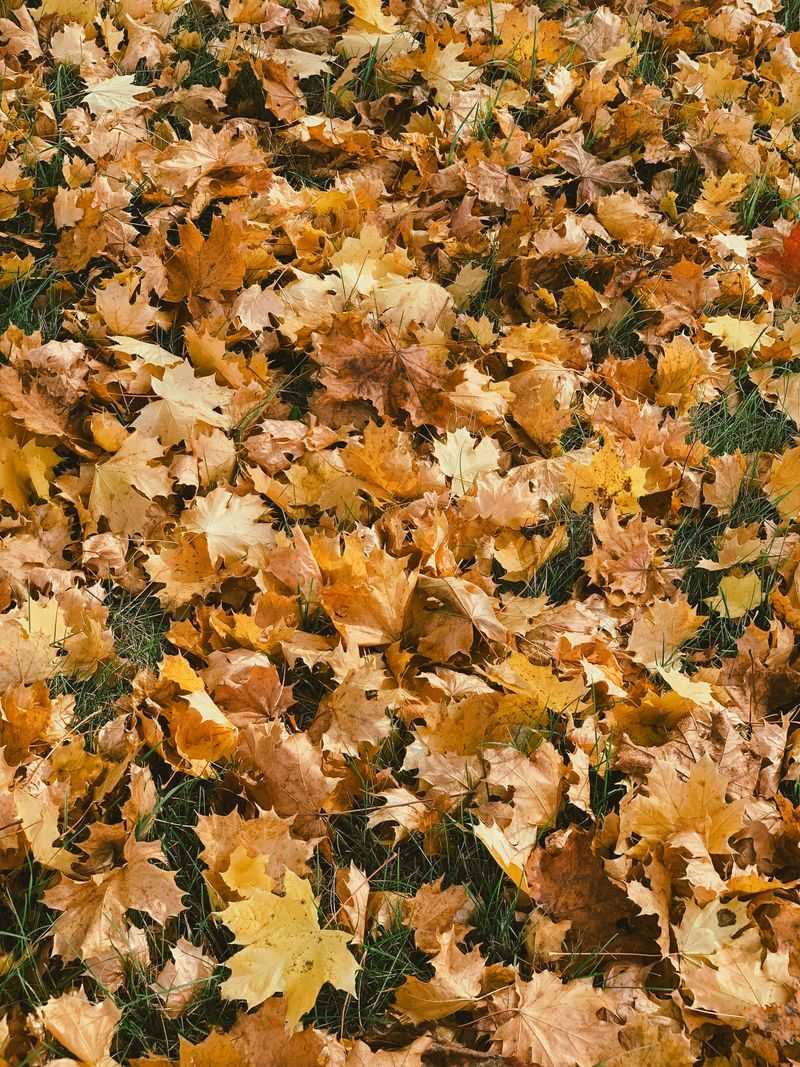
Crunchy maple leaves sound lovely underfoot, but a soggy layer on your lawn turns into a smothering wet blanket. Grass under that mat loses sunlight fast, and it can thin out before the first real snowfall arrives.
I used to rake every leaf into giant piles, then haul heavy bags to the curb each Saturday. Turns out my mower could handle most of that job while feeding the soil at the same time.
Research from Michigan State University found that mowing leaves into small bits did not harm healthy turfgrass stands. Those chopped pieces settle between grass blades, where soil microbes and earthworms gradually break them down over winter.
Aim to mow when the leaves are dry, since damp ones clump together and clog the mower deck. You want pieces about the size of a dime, small enough that green grass still shows through.
A thick drift of oak leaves may need two passes, or you can bag part of it. Extra shredded leaves make fantastic mulch for flower beds or a great brown ingredient for your compost pile.
Keep an eye on spots near fences and shrubs, where wind loves to pile leaves into deep corners. Those hidden drifts often hide the worst matting, so a quick rake there makes a big difference.
Matted leaves left through winter also create the damp, shady conditions that snow mold fungi seem to enjoy. I now finish my final leaf pass right after the last big oak drops its stubborn brown leaves.
2. Feed Hungry Grass Roots With A Late Fall Fertilizer
Grass blades slow down in late fall, yet the roots below keep working like tiny pantry stockers. A late feeding gives them nitrogen to store, which helps the lawn green up earlier next spring.
Penn State Extension lists late fall among the best feeding windows for cool-season lawns like bluegrass and fescue. The timing works once top growth slows but the grass still shows green color across the yard.
In much of the state, that window usually falls somewhere between late October and mid-November each year. Northern counties often cool off sooner, so gardeners up there may need to feed a bit earlier.
Pennsylvania passed a lawn fertilizer law in 2022, and it sets clear limits for homeowners and lawn companies. Each application can contain no more than 0.9 pounds of nitrogen per 1,000 square feet of turf.
The same law also bans spreading fertilizer on frozen ground, so watch your forecast before loading the spreader. Sweep any granules off driveways and sidewalks too, because rain can wash them straight into storm drains.
I learned to read the bag carefully, since every fertilizer lists nitrogen as the first of its three numbers, followed by phosphorus and potassium. Skip high phosphorus products unless a soil test shows a real need, which protects local streams too.
Feeding too early can push soft leafy growth that frost bites, so patience pays off with this task. You might notice the payoff next April, when your yard looks greener than the lawn across the street.
3. Spot Spray Ground Ivy And Dandelions Before Hard Frost
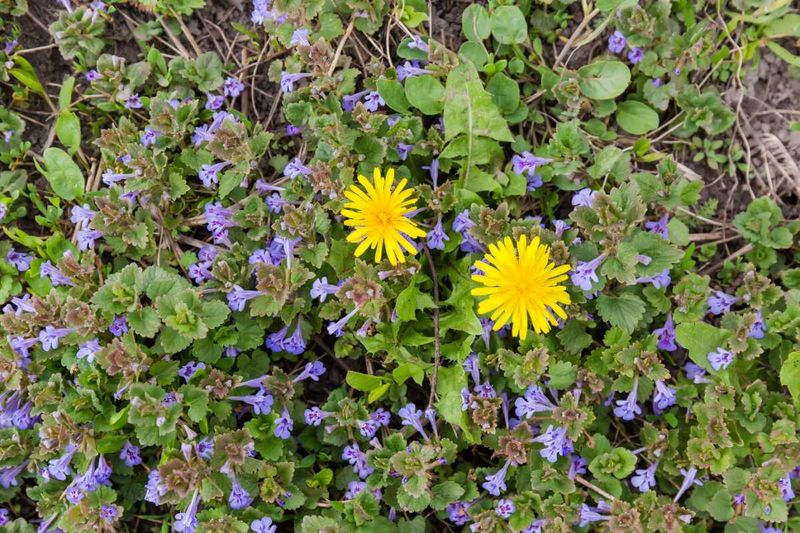
Ground ivy smells minty when you crush it, which feels like a cruel joke from such a pushy weed. Also called creeping Charlie, it belongs to the mint family and spreads by long runners across shady lawns.
Fall turns out to be the smartest season to fight perennial broadleaf weeds like ground ivy and dandelions. Those plants move sugars down to their roots before winter, and herbicides ride along with that flow.
That downward trip carries the product deeper, giving you better control than a spring spray usually offers. University turf experts often suggest spraying from mid-September into late October, while weeds still look green and active.
Once leaves drop, check whether the weeds still have fresh green foliage before reaching for the sprayer. Daytime temperatures above 50 degrees help the herbicide work, so pick a mild afternoon with calm winds.
For stubborn ground ivy and wild violets, products containing triclopyr tend to give the strongest results. Read the label closely and spot treat only the weedy patches instead of blanketing the whole yard.
I keep a small pump sprayer just for lawn weeds, so nothing drifts onto my vegetable beds. Skip spraying right before rain, and keep kids and pets off treated areas until the spray dries.
Hand pulling ground ivy after a soaking rain works surprisingly well if you prefer to skip chemicals. Thick healthy grass remains your best long-term weed blocker, since it leaves little open room for sneaky invaders to settle.
4. Lower The Mower Deck Gradually For The Final Cut
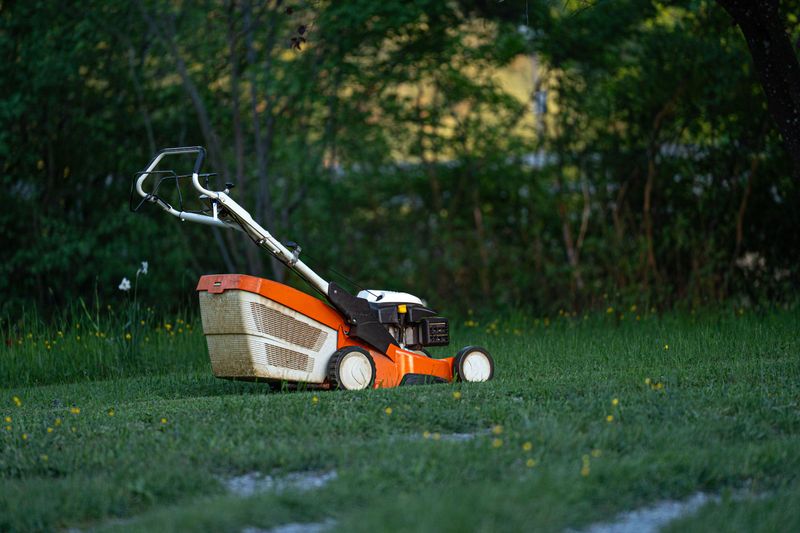
Your mower deserves one more starring role before it heads into the garage for its long winter nap. Cool-season grass keeps growing slowly until hard frosts arrive, so those final cuts still matter quite a lot.
Many turf specialists suggest dropping the deck a little over the last few mowings of the season. A final height around 2.5 inches keeps blades from flopping over and matting under heavy snow later.
Matted grass holds moisture against the crowns, and that soggy setup gives snow mold an easy start. Shorter grass also gives voles fewer hiding spots, and those little runway makers love tall winter cover.
Resist the urge to scalp the lawn in one dramatic pass, because that shocks the grass badly. Follow the old one-third rule and remove no more than a third of the blade at once.
I lower my deck one notch every week or so, starting when the maples begin turning orange. That slow approach lets the grass adjust gently, and my yard looks neat right through the holidays.
Sharp blades matter more than people think, since dull ones tear grass tips and leave ragged brown edges. Leave the clippings on the lawn, where they break down quickly and return nitrogen to the soil.
After your last mow, run the engine dry or add fuel stabilizer before storing it for winter. Scrape the caked clippings from under the deck too, and spring mowing will feel like a fresh start.
5. Pull A Core Aerator Across Compacted Soil
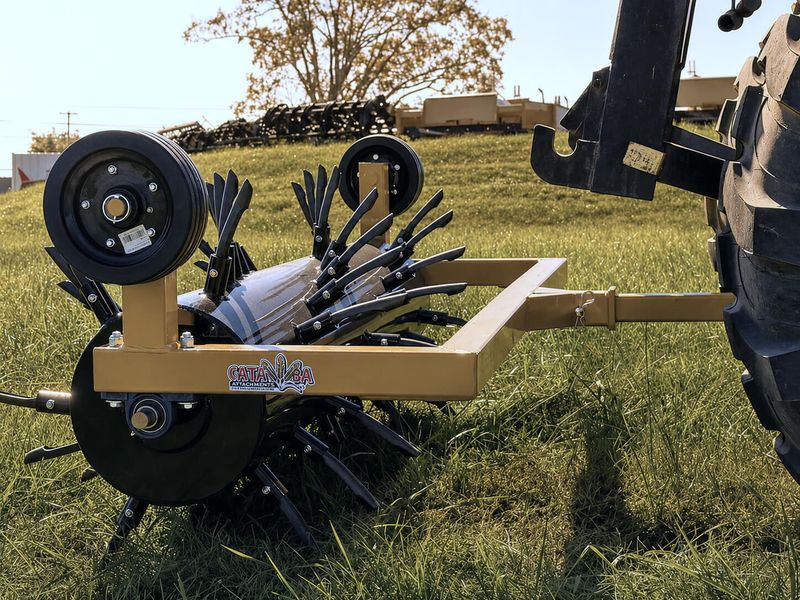
Push a screwdriver into your lawn, and you will learn a surprising amount about what lies underneath. If it slides in easily, your soil breathes well, but a hard struggle often means serious compaction.
Compacted soil squeezes out the air pockets that roots need, and water tends to run off instead. Heavy clay is common across many parts of the state, so this problem shows up in plenty of yards.
Core aerators pull out little plugs of soil, leaving holes that let oxygen and moisture reach roots. Those plugs look a bit like goose droppings scattered on the lawn, but they melt away within weeks.
Early fall is the prime time for aerating cool-season grass, because roots recover quickly in mild weather. After the leaves drop, you can still aerate if the grass is green and the soil is unfrozen.
Moist soil works best, so try aerating a day or two after a decent rain soaks the yard. Bone-dry ground resists the tines, while muddy ground just smears, and neither gives you clean plugs.
I rent a machine with a friend and split the cost, which makes the job far less painful. Mark sprinkler heads and buried cable lines first, because those tines dig a few inches down.
If cold weather beats you to it this year, aeration in spring works fine once the grass wakes up. Just skip it on frozen soil, since the machine can tear up dormant turf that cannot heal quickly.
6. Send A Soil Sample To The Penn State Lab
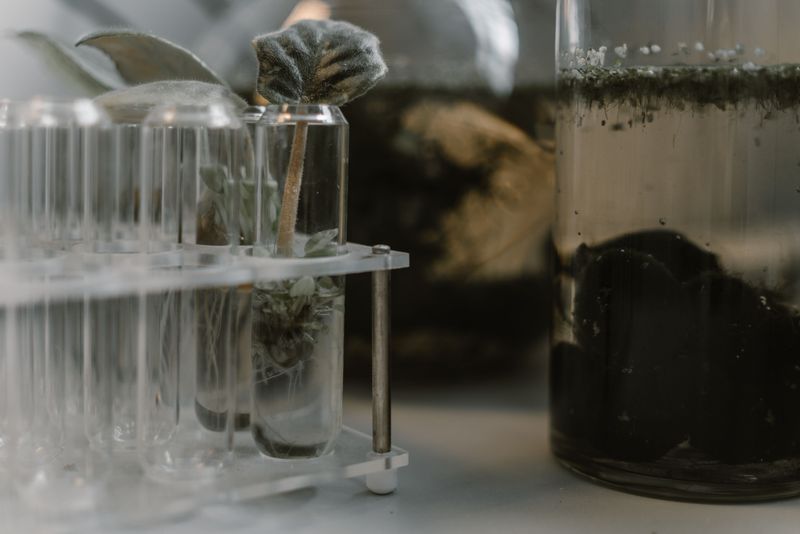
A small bag of dirt can tell you more about your lawn than any fancy product label. Penn State sells inexpensive soil test kits through county extension offices, and the results feel like a secret map.
The lab reports your soil pH along with phosphorus and potassium levels, then suggests exact amounts to apply. That guidance saves money because you stop buying nutrients your yard already has in good supply.
Grab samples from about ten spots around the lawn, digging down about three inches each time. Mix them together in a clean plastic bucket, and pull out bits of grass before filling the kit bag.
Most lawn grasses grow happiest with a soil pH between roughly 6.0 and 7.0, which is slightly acidic to neutral. Plenty of yards in the region test on the acidic side, and rain gradually pulls calcium from soil.
Fall is a great time to spread lime, since freezing and thawing help work it into the soil. Lime moves slowly, often taking several months to shift pH, so an early start gives it time.
I ignored testing for years and kept tossing fertilizer around, hoping my thin patches would magically thicken. My first report showed very acidic soil, and two seasons of lime made a visible difference.
Pelletized lime spreads cleanly with a regular broadcast spreader and creates far less dust than powdered versions. Test again every three years or so, and you will have a clear picture of how things change.
7. Keep Snow Mold Patches From Spreading Across Your Lawn
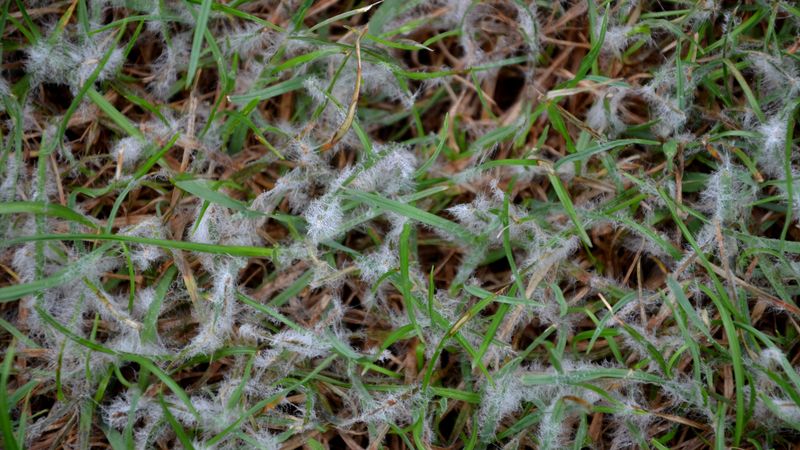
Snow mold sounds like something from a cartoon, but those crusty gray circles appear in real yards each spring. They show up as snowbanks melt, often looking like someone dropped wet cobwebs across the grass.
Two main types visit northern lawns, called gray snow mold and pink snow mold, and both love cold dampness. Pink snow mold can even develop without snow cover during long stretches of chilly, wet weather.
Deep snow piled onto unfrozen ground creates the perfect humid hideout, which is why driveway piles cause trouble. Spread shoveled snow around instead of building one giant mountain on the same patch of lawn.
Your best defense comes from habits you already practice, like clearing leaves and keeping the final mow shorter. Heavy nitrogen pushed too early in fall can also encourage lush, tender growth that fungi readily exploit.
I spotted my first patches near the downspout, where snow lingered weeks longer than anywhere else nearby. A gentle rake fluffed the matted blades, and the grass greened up within a few warm weeks.
Home lawns rarely need fungicide for snow mold, since most damage stays on the leaf blades. Golf courses treat it more often, but backyard turf usually recovers once soil warms and growth resumes.
Good drainage helps too, so note low spots where meltwater pools and plan to level them next season. A healthy lawn going into winter shrugs off these chilly fungi far better than a stressed one.
8. Shield Grass Edges From Road Salt And Foot Traffic
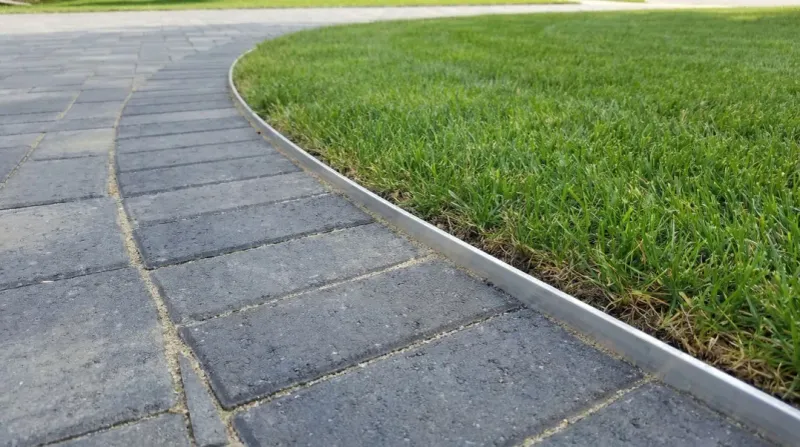
That crispy brown strip along your sidewalk each March often marks where rock salt soaked into the soil. Sodium chloride pulls water away from grass roots, and heavy doses leave turf thin and slow to recover.
Pennsylvania roads get plenty of salt each winter, so curbside lawns take a beating from plow spray. Choosing calcium magnesium acetate or calcium chloride for your own walkways can reduce harm to nearby grass.
Sand or kitty litter adds traction without any salt, and I keep a bucket by the back door. Shovel early so snow does not pack into ice, which means you need less melting product overall.
Frozen grass blades are surprisingly brittle, and walking on them can crush cells and leave footprint-shaped scars. Those tan tracks often linger into spring, since dormant turf cannot repair itself until growth resumes.
Try to keep cars and trailers off the lawn during soggy thaws, when ruts form in seconds. I set reflective driveway markers before the first storm, so the plow driver can see my edges.
Pick up fallen branches and forgotten toys now, because heavy objects left under snow can smother grass. Garden hoses and patio furniture deserve a winter home too, instead of sitting on the turf until April.
When spring arrives, a deep watering helps flush leftover salt down past the root zone of roadside strips. Gypsum gets mentioned often for salt damage, though results vary, so fresh seed may still be needed.