The 9 Last-Minute Trees Ohio Gardeners Can Still Plant in This Warm Spell
Tree roots keep growing underground until the soil cools to around forty degrees, long after the leaves fall. That hidden schedule means your planting season may be much longer than the calendar suggests this year.
Ohio soil often stays warmer than the air well into late fall, especially during a stretch of mild days. Those sunny afternoons give young roots a quiet chance to settle in before the ground starts freezing hard.
I have to admit that I love sneaking one more planting project in when everyone else is raking leaves. You get cooler digging weather, and many nurseries offer tempting discounts on their leftover fall stock.
Some trees handle a late start far better than others, and picking the right ones makes a big difference. Nine trees stand out as worthy picks before the first hard freeze settles over Ohio this season, and a little extra care helps even the slow starters.
1. Sugar Maple
It takes about forty gallons of sugar maple sap to boil down into one single gallon of syrup. I find that number amazing every spring, and it makes me appreciate this tree even more.
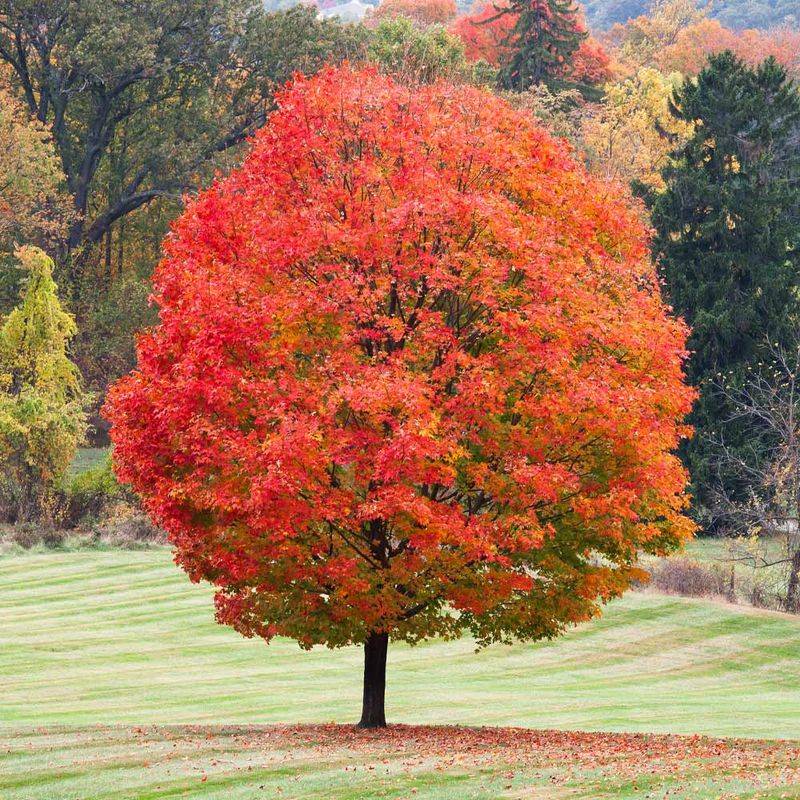
Beyond the syrup, Acer saccharum puts on one of the best fall shows you will see in any Ohio backyard. Its leaves glow in warm yellow and orange, with some trees adding deep red tones near the tips.
A sugar maple is a long-term friend, so give it plenty of room from the very first day. Mature trees often reach sixty to seventy-five feet tall, with a wide rounded crown that casts deep shade.
Rich, moist soil that drains well suits this tree best, and slightly acidic to neutral pH keeps it happy. Full sun or partial shade both work, though young trees handle a bit of shade quite nicely.
You should skip spots near salted roads or driveways, because road salt causes leaf scorch and slow decline. Tight, compacted soil near new construction can also stress the roots and limit healthy growth for years.
During a warm spell, plant a container-grown or balled tree so the root ball stays intact and moves easily. Dig the hole two or three times wider than the root ball, but keep the depth the same.
Water deeply once a week until the ground freezes, then spread two to three inches of mulch. Keep that mulch a few inches away from the trunk so the bark stays dry and healthy all winter.
2. Red Maple
Long before most trees wake up, red maples hang tiny scarlet flowers on bare twigs in late winter. Bees out on the first warm days head straight for those blooms, and I love watching them.
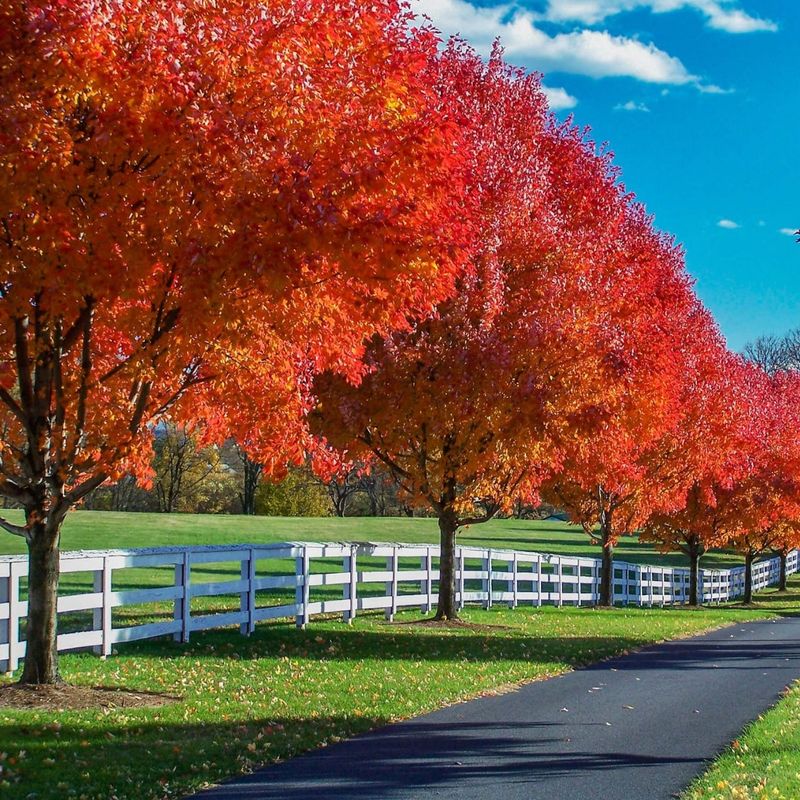
Acer rubrum earns its name in more than one season, since fall leaves often turn a glowing red. Some trees lean orange or yellow instead, so pick a named variety if you want a guaranteed color.
Wet spots in the yard are where this maple really shines compared to fussier shade trees. It handles soggy ground better than most, yet it also manages moderately dry soil once the roots get established.
Expect a mature height of forty to sixty feet, with fairly quick growth that rewards impatient gardeners like me. That speed means you can enjoy real shade within a decade instead of waiting a whole generation.
Slightly acidic soil keeps red maples green and healthy, while very alkaline soil can turn leaves pale yellow. A simple soil test from your county extension office tells you which situation you have before buying.
Shallow surface roots can lift sidewalks or bump the mower, so plant it well away from paved areas. Twenty feet or more from driveways and foundations gives the roots plenty of space to spread out.
After planting, water slowly at the base until the soil feels moist about a foot below the surface. Repeat weekly during dry, mild weather, and your young maple should greet spring with a strong start.
3. Northern Red Oak
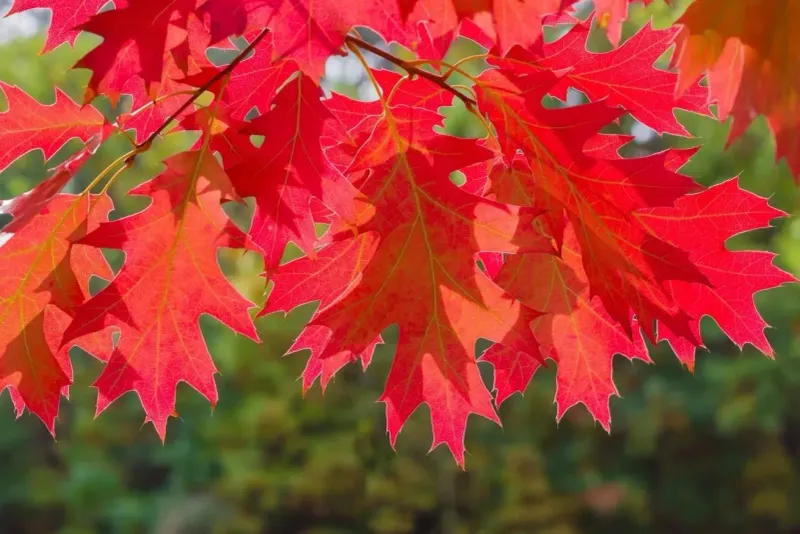
Each acorn on a northern red oak takes two full growing seasons to ripen on the branch. Squirrels and blue jays seem to know this calendar well, and they wait patiently for the payoff.
Quercus rubra grows faster than many people expect from an oak, often adding about two feet yearly. That pace makes it a smart pick if you want a big shade tree without waiting forever.
Fall color tends toward russet red and warm brown, and the leaves often cling well into early winter. I like how those rustling leaves add sound and movement to a quiet yard after everything else drops.
Mature trees commonly reach sixty to seventy-five feet, so choose an open spot far from power lines. Full sun gives the best growth, though young trees can handle some light shade from nearby trees.
Slightly acidic, well-drained soil suits it best, but it adapts to many soil types across the state. Very alkaline soil can cause yellow leaves, so check your pH before you commit to this tree.
Oaks can be slow to grow new roots after planting, so a container tree is the safer choice now. Water deeply each week until the ground freezes, and add a ring of mulch around the base.
Plan future pruning carefully, because Ohio State experts advise avoiding oak cuts from April through July. Fresh wounds during those months attract beetles that spread oak wilt, so prune during the dormant season instead.
4. Downy Serviceberry
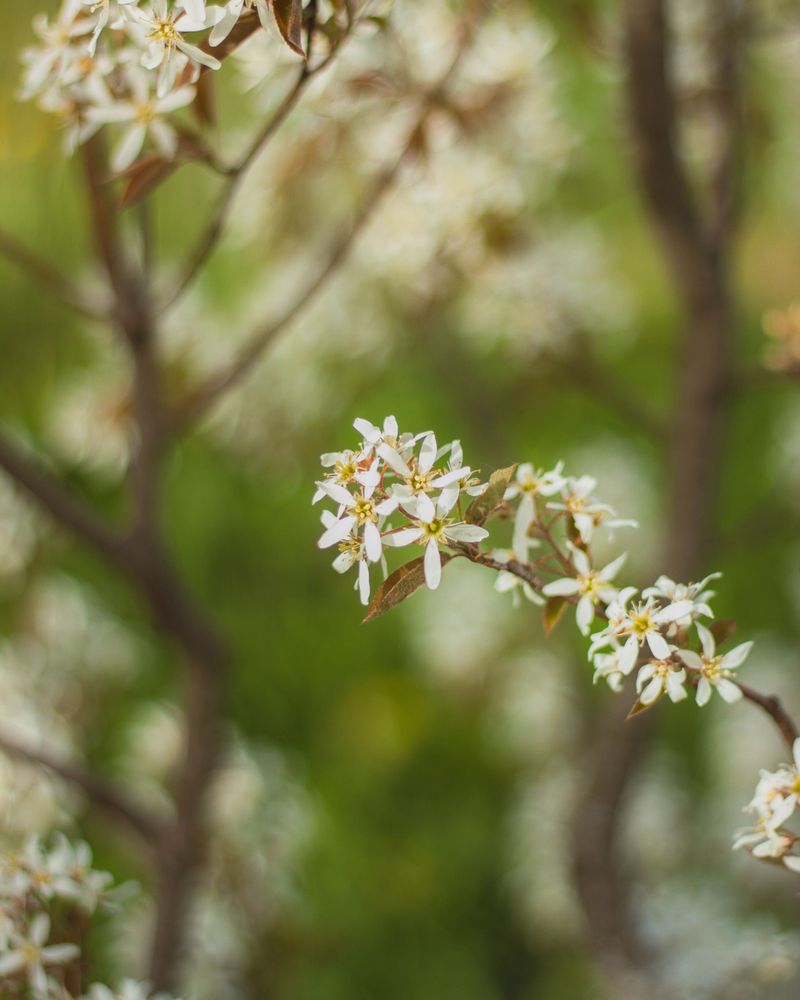
Old-timers called this tree shadbush because its white blossoms opened when shad fish swam upstream each spring. Personally, I love a plant that comes with a story, and this one has plenty of them.
Amelanchier arborea is a native small tree that works hard in every season of the year. Starry white flowers appear in early spring, and early bees visit them when little else is blooming nearby.
By early summer, small berries ripen from red to purple, and they taste a lot like mild blueberries. You will need to pick fast, because robins and cedar waxwings strip the branches in just a few days.
Autumn brings another show, with leaves turning shades of orange and red across the slender branches. Smooth gray bark then carries the tree through winter, so it never looks dull outside your kitchen window.
Most serviceberries stay fifteen to twenty-five feet tall, which makes them perfect for smaller yards and corners. Grow it as a single trunk tree or let it form a multi-stemmed clump, depending on your style.
Full sun produces the most berries and the brightest fall color, though partial shade still works quite well. Moist, well-drained, slightly acidic soil keeps it thriving, so avoid low spots where water sits for days.
Since serviceberries root in slowly, buy a container plant and water it weekly during this mild stretch. A thick layer of shredded bark mulch helps hold soil warmth and moisture as the nights grow colder.
5. Eastern Redbud
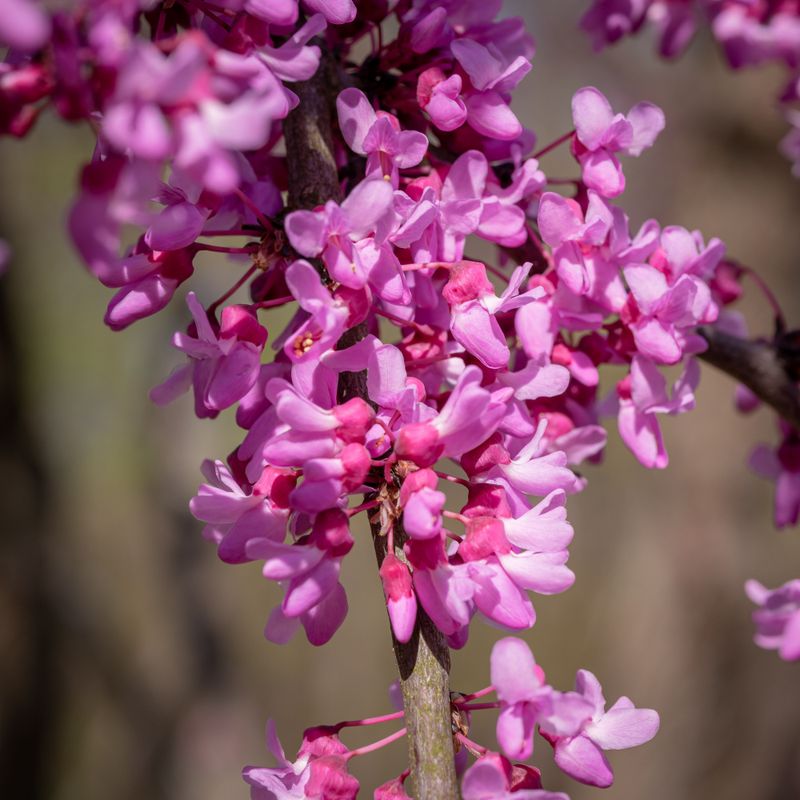
Few trees bloom straight out of their trunks, yet eastern redbud does exactly that every spring. Clusters of pink-purple flowers pop right from the bark, and kids think the tree is playing tricks.
Cercis canadensis belongs to the pea family, and its flat seed pods look like tiny green snow peas. Those flowers are edible too, and some cooks sprinkle them on spring salads for a pop of color.
Heart-shaped leaves follow the flowers, giving the tree a soft, friendly look throughout the summer months. In autumn, many of those leaves turn a pleasant yellow before dropping to the ground in late fall.
Redbuds usually reach twenty to thirty feet tall, with a spreading crown that fits nicely in most yards. I believe it looks best near a patio or woodland edge where you can enjoy those blooms up close.
Full sun to partial shade both work, though more sunlight usually brings heavier flowering each spring. Good drainage matters a lot, because soggy clay can shorten this tree’s life quite a bit over time.
Ohio Extension experts often call redbud a slower rooter, so late planting carries a little more risk here. Choose a smaller container-grown tree, since young plants usually settle in faster than big ones.
Water deeply each week until the ground freezes, then spread mulch over the root zone to insulate it. Avoid fertilizer now, because soft new growth could get hurt when the cold finally settles in for winter.
6. American Hornbeam
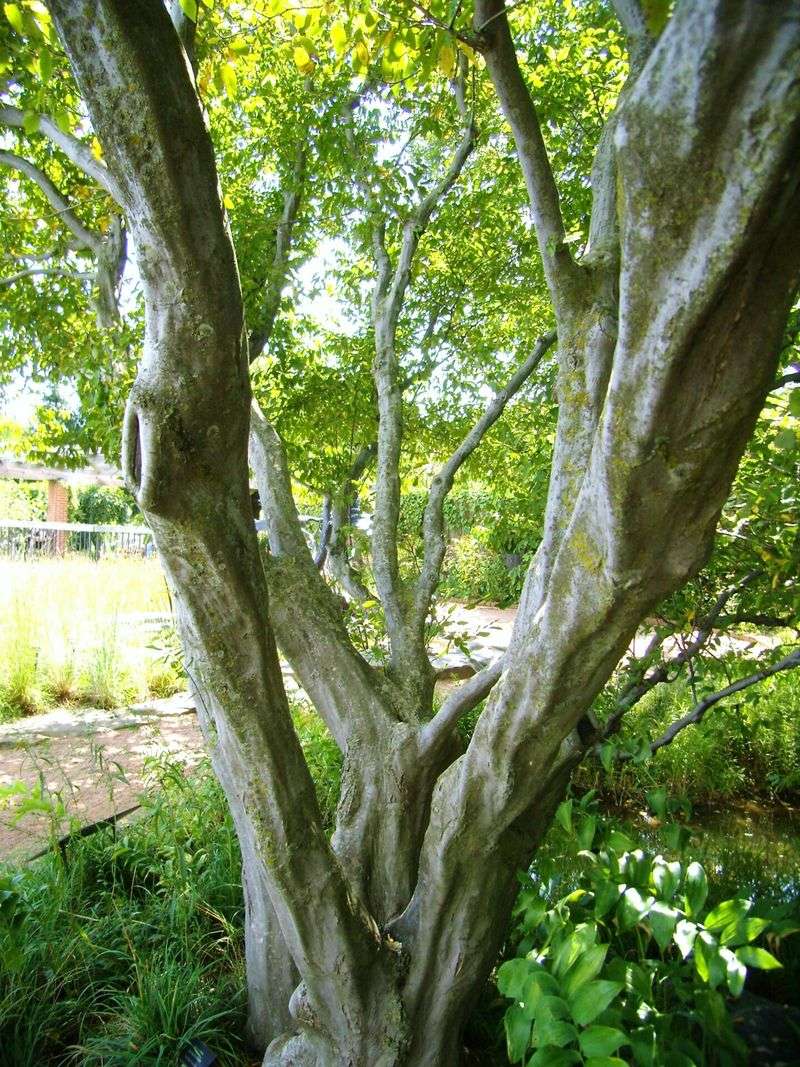
Run your hand along the trunk of an American hornbeam, and you will feel ripples like flexed arm muscles. That smooth, fluted gray bark earned it the fun nickname musclewood, and I think it suits perfectly.
Carpinus caroliniana is native to eastern woodlands, where it grows happily beneath taller oaks and maples. Its wood is incredibly hard, which explains another common name you might hear, which is ironwood.
Shady yards finally get a winner here, since this tree handles full shade better than most landscape picks. It also grows well in full sun, giving you plenty of freedom when choosing the perfect planting spot.
Most hornbeams stay twenty to thirty feet tall, with a neat rounded shape and slow, steady growth. Fall color varies from yellow to orange-red, and the papery seed clusters add a charming detail.
Moist, slightly acidic soil is ideal, though this tough native tolerates brief flooding and clay soil well. It does not enjoy long droughts, so steady watering during dry stretches keeps it looking its best.
You might notice young hornbeams look a bit sparse at first, which is normal for this slow grower. Give it a couple of seasons, and the branches fill in to create a tidy, graceful outline.
Plant during a mild spell so the roots can explore the warm soil before winter sets in. Water thoroughly after planting, then mulch the base to keep moisture steady through those first freezing nights.
7. Swamp White Oak
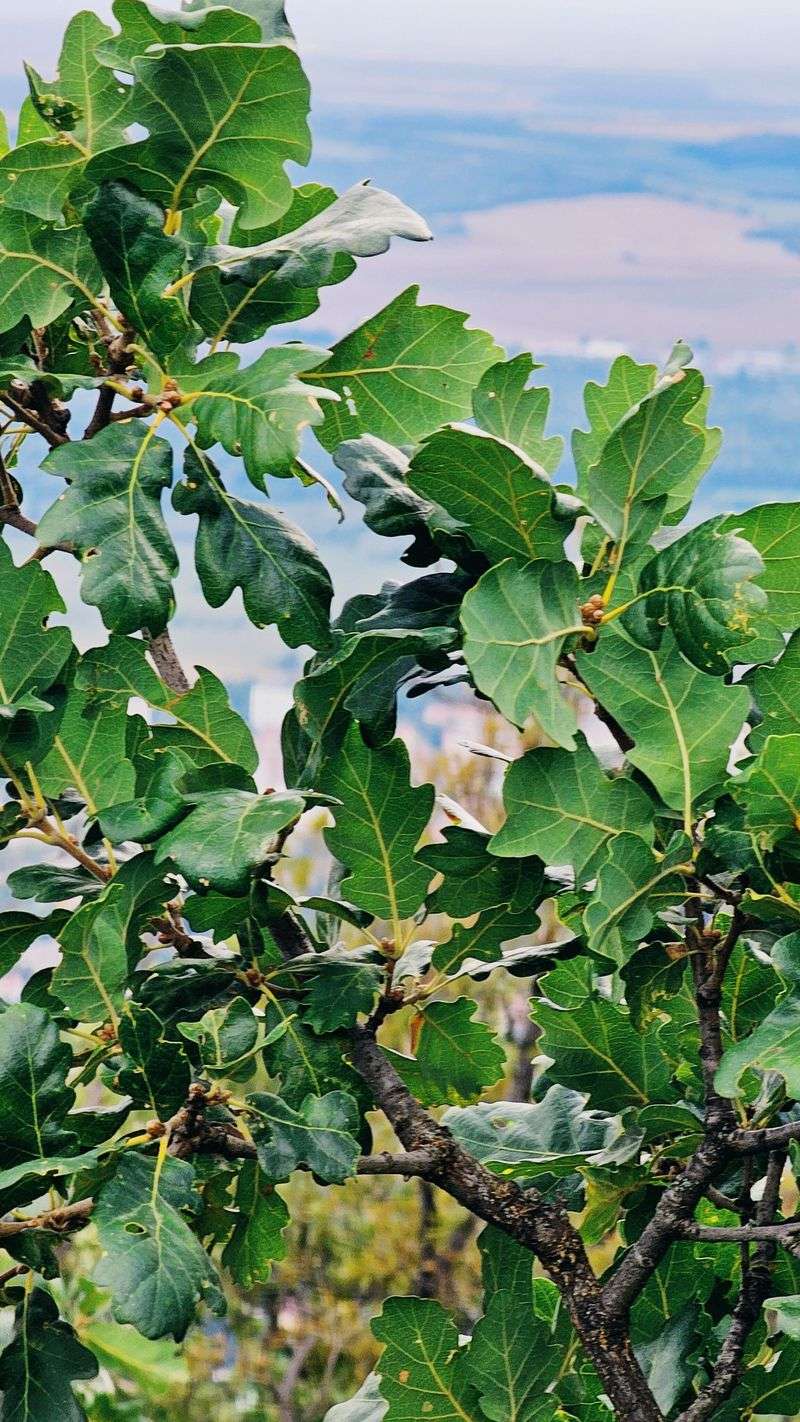
Flip a swamp white oak leaf over, and you will find a soft silvery underside that shimmers in the wind. Its scientific name, Quercus bicolor, actually means two-colored oak, which makes perfect sense once you look.
Wet clay soil frustrates many gardeners, but this native oak handles soggy ground with surprising ease. It grows naturally along streams and bottomlands, so heavy spring rains rarely bother an established tree.
I like how it also tolerates dry summer spells once its deep roots settle in after a few years. That flexibility makes it one of the most adaptable oaks you can find for tough suburban yards.
Mature trees usually reach fifty to sixty feet tall, with a broad rounded crown and peeling bark. Acorns hang on long stalks, and wildlife like deer, turkeys, and squirrels eagerly gather them each fall.
Plant it in full sun, because shade slows its growth and weakens the overall shape over time. Slightly acidic soil works best, as very alkaline ground can lead to yellowing leaves during summer.
Many nurseries sell swamp white oak in containers, which helps it transplant better than oaks with long taproots. Choose a younger tree now, since smaller root systems adjust faster before winter cold arrives.
Water deeply after planting and continue weekly until the soil freezes solid for the winter. Remember the same pruning rule as other oaks, and save any trimming for the dormant months after hard frost.
8. Eastern White Pine
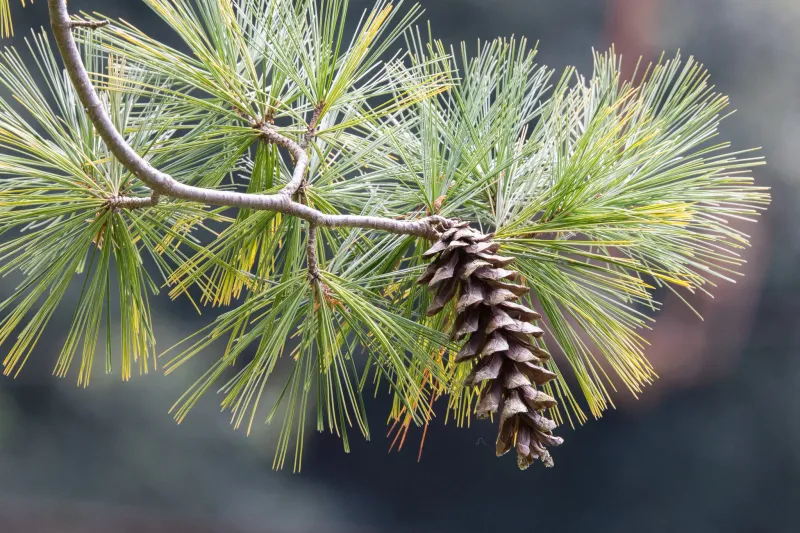
Count the needles in one bundle of eastern white pine, and you will find five every single time. A handy trick to remember is that the word white also has five letters.
Pinus strobus is a native evergreen with soft, bluish-green needles that feel almost feathery in your hand. Its gentle texture makes it a lovely contrast against bare winter branches in the surrounding yard.
Fast growth is one of its biggest perks, since young pines can add over a foot each year. Mature trees often reach fifty to eighty feet, so give this giant plenty of room to stretch upward.
Acidic, well-drained soil suits it best, and full sun keeps the branches thick and full all year. Heavy clay, road salt, and polluted air can cause yellowed needles, so pick your spot with care.
Evergreens keep losing water through their needles all winter, which makes late planting a bit trickier. Plant your pine as soon as possible during this warm spell rather than waiting for the last mild day.
You need to soak the root zone thoroughly every week until the ground freezes solid outside. A wide ring of mulch helps the soil hold moisture and protects those young roots from sudden cold snaps.
Place it where winter wind is gentler, perhaps on the east side of your house or fence. That small bit of shelter reduces needle browning and helps your new pine enter spring looking healthy.
9. American Linden
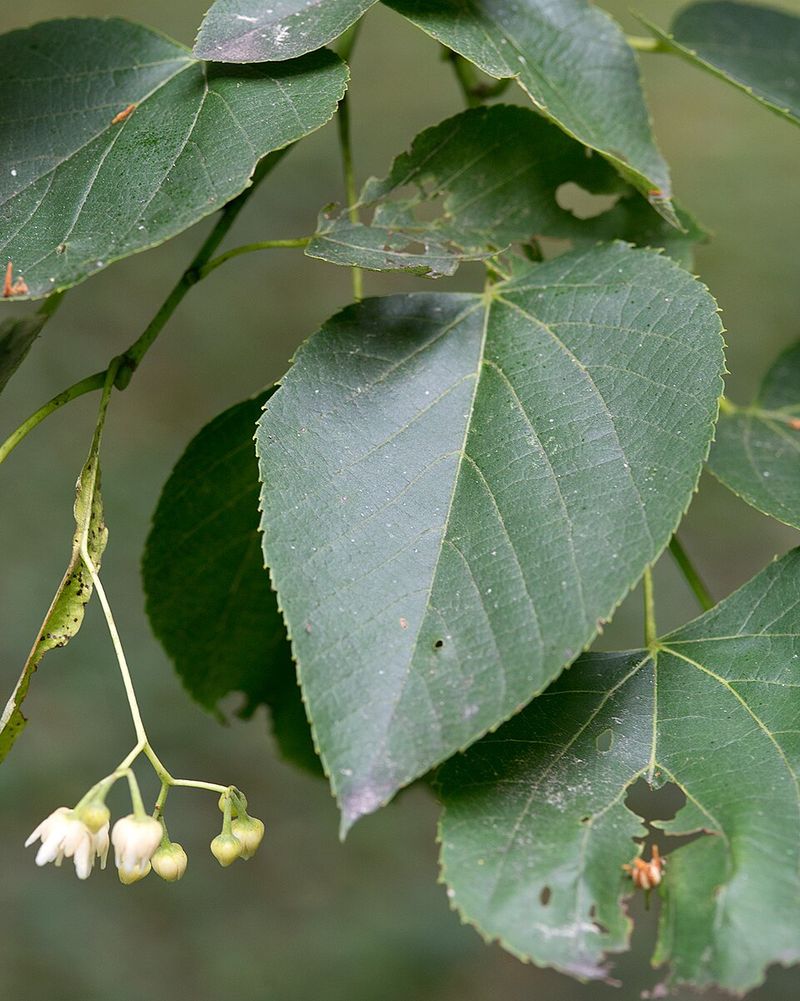
Stand under an American linden in early summer, and you will hear a steady hum overhead. Bees flock to its pale yellow flowers so heavily that people nicknamed it the bee tree long ago.
Tilia americana is also called basswood, and woodcarvers love its soft, light wood for detailed projects. Native tribes once used the stringy inner bark to make strong cords and woven mats.
Big heart-shaped leaves create a dense canopy that cools the yard during hot July afternoons. In fall, those leaves turn soft yellow, giving the tree a gentle glow before winter arrives.
Plenty of space is a must, because mature lindens often reach sixty to eighty feet tall. The crown spreads wide too, so this tree works best in large yards, parks, or open country lots.
Moist, fertile soil suits it best, though it also manages clay and slightly alkaline ground fairly well. Full sun or partial shade both work, which gives you some freedom when choosing a location.
Personally, I think linden is one of the most underrated shade trees for gardeners across Ohio today. It grows steadily, handles city conditions decently, and rewards you with that lovely sweet summer fragrance.
For late planting, choose a balled or container tree and dig a wide, shallow hole for it. Water deeply until the soil freezes, and your bee tree should be ready to welcome pollinators next summer.