The Brown Patches In Your Minnesota Lawn That Never Greened Up Are Not Coming Back
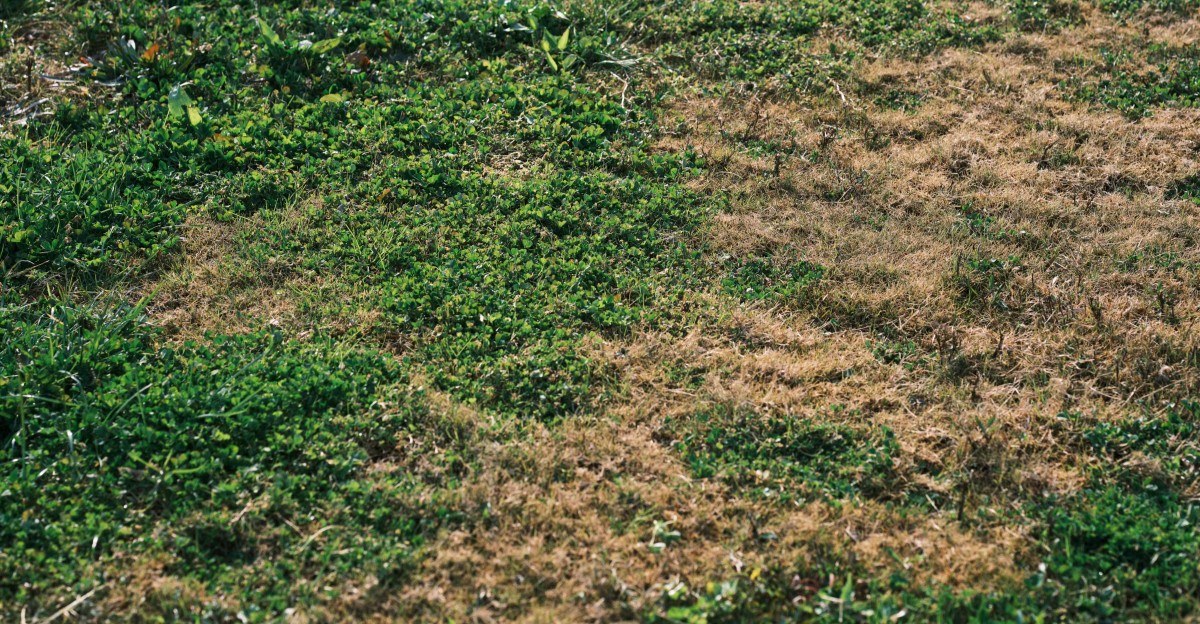
Grass crowns can rupture from the inside when a warm thaw is followed by a hard freeze. That tiny growing point sits right at soil level, and once it fails, the blade above it has no way back.
I spent weeks this spring waiting on one stubborn tan patch near my driveway. The rest of the yard turned bright green, but that spot stayed crunchy and pale.
You might spot the same thing in your own lawn right now. Some brown areas are just slow risers, while others are finished for good. A quick tug on the grass can tell you which one you have.
Patience helps sleepy grass, but it does nothing for turf that has truly lost its roots. Here is what really happened under that brown spot, and the simple steps that bring it back to green.
That Tan Patch Of Grass Is Hiding A Clue Right At Soil Level
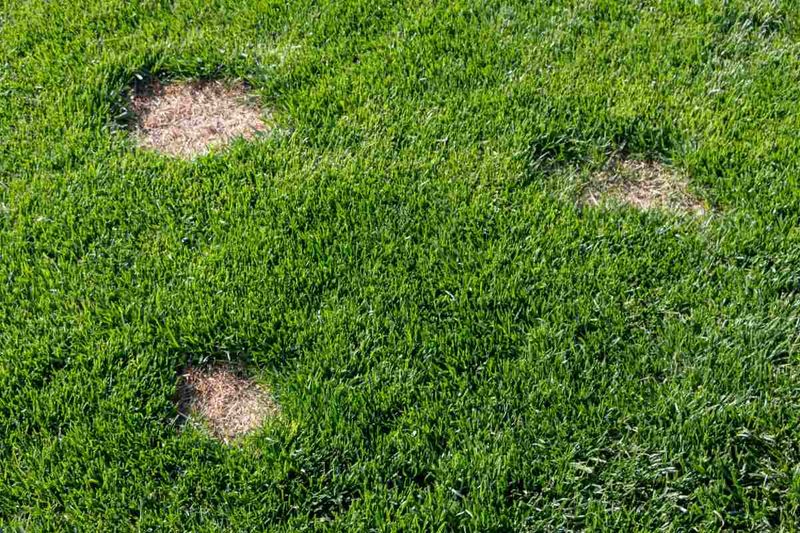
Grab a handful of the brown grass and give it a gentle pull. That simple test tells you more than any guess from the porch.
Healthy grass that is only slow to wake up stays anchored. Look closely at the base and you may spot a firm, white or light green crown with tiny new shoots. That grass just needs more warm days.
Grass that slides out easily, or crumbles at the base, is a different story. The crown is the growing point of each grass plant, and when it turns brown, mushy, or hollow, no new blades can form.
University of Minnesota Extension notes that cool-season lawns like Kentucky bluegrass usually green up by mid to late spring once soils warm.
By late May or June, a patch that still looks like straw while the rest of the yard is lush has usually lost its crowns. Watering and waiting rarely changes that outcome.
Fun fact for the curious gardener. A single Kentucky bluegrass plant can spread by underground stems called rhizomes, so tiny patches sometimes fill in from the edges.
Larger brown areas, bigger than a dinner plate, rarely close up fast enough to beat the weeds.
Raking And Reseeding Those Thin Lawn Spots Is The Real Fix
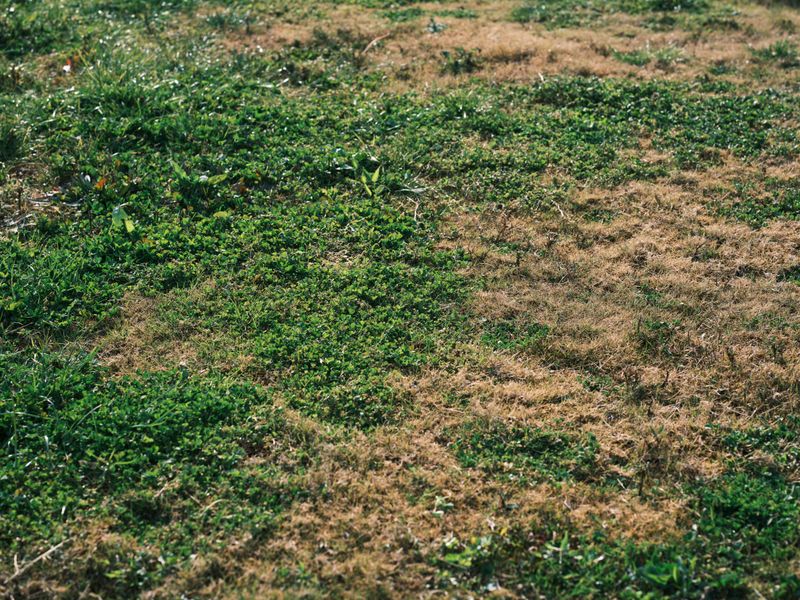
Once the crowns are gone, new seed is your best friend. I learned this after one full summer of staring at the same bald spot.
Start by raking out the brown grass and loose debris. Loosen the top inch or two of soil with a hard rake or garden fork so seed can make good contact.
Choose a seed mix that matches your yard. Kentucky bluegrass and perennial ryegrass blends work well in sun, while fine fescues handle shade better.
Along salty driveway edges, look for salt-tolerant mixes like those suggested by the University of Minnesota.
Spread seed evenly, rake it lightly into the soil, and press it down with your feet or a roller. A thin layer of straw or compost helps hold moisture.
Keep the top of the soil damp with light, frequent watering until seedlings reach about two inches. That might mean watering once or twice a day during warm, breezy stretches.
Timing matters a lot here. Minnesota Extension points to mid-August through mid-September as the prime window, since warm soil and cool nights help grass while weeds slow down. Spring seeding can work, but summer heat and crabgrass make it tougher.
Winter Ice And Freeze-Thaw Cycles Can Damage Grass Crowns
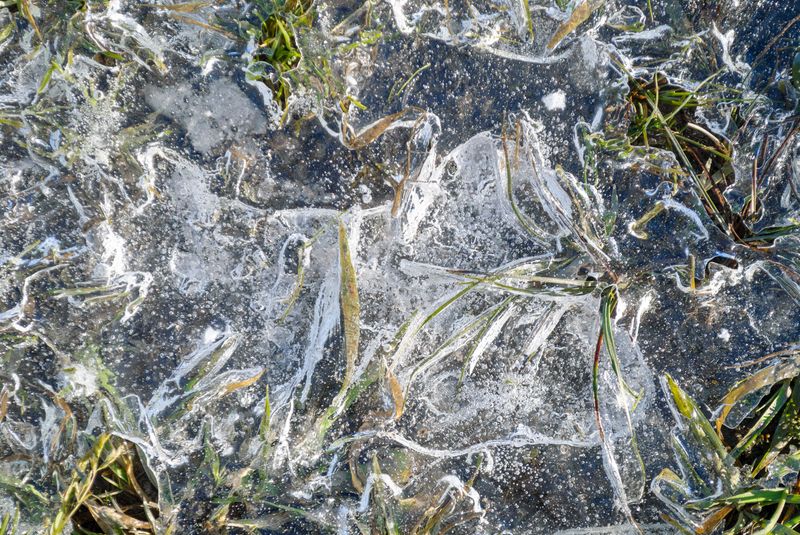
Our winters do some sneaky work under the snow. The damage often shows up only when everything else turns green.
Crown hydration is one of the main culprits. During a midwinter thaw, grass crowns soak up water. A sudden hard freeze then forms ice crystals inside the plant cells and ruptures them.
Low spots catch this damage most. Water pools there, refreezes, and sometimes forms a thick ice sheet.
Extension experts note that long-lasting ice can limit oxygen and let harmful gases build up around the grass.
Winter desiccation causes a different kind of harm. When snow cover is thin, dry winds pull moisture from exposed grass while the frozen soil cannot supply more. Hilltops and windy corners often show this pattern first.
Look for clues in where the patches sit. Brown areas in dips, near downspouts, or on exposed slopes point toward winter injury.
A practical tip for next fall is to fix drainage problems before the snow arrives. Fill shallow dips with topsoil, aim downspouts away from the lawn, and avoid piling snow on the same low spot all winter.
Salty Strips Along The Driveway Rarely Bounce Back
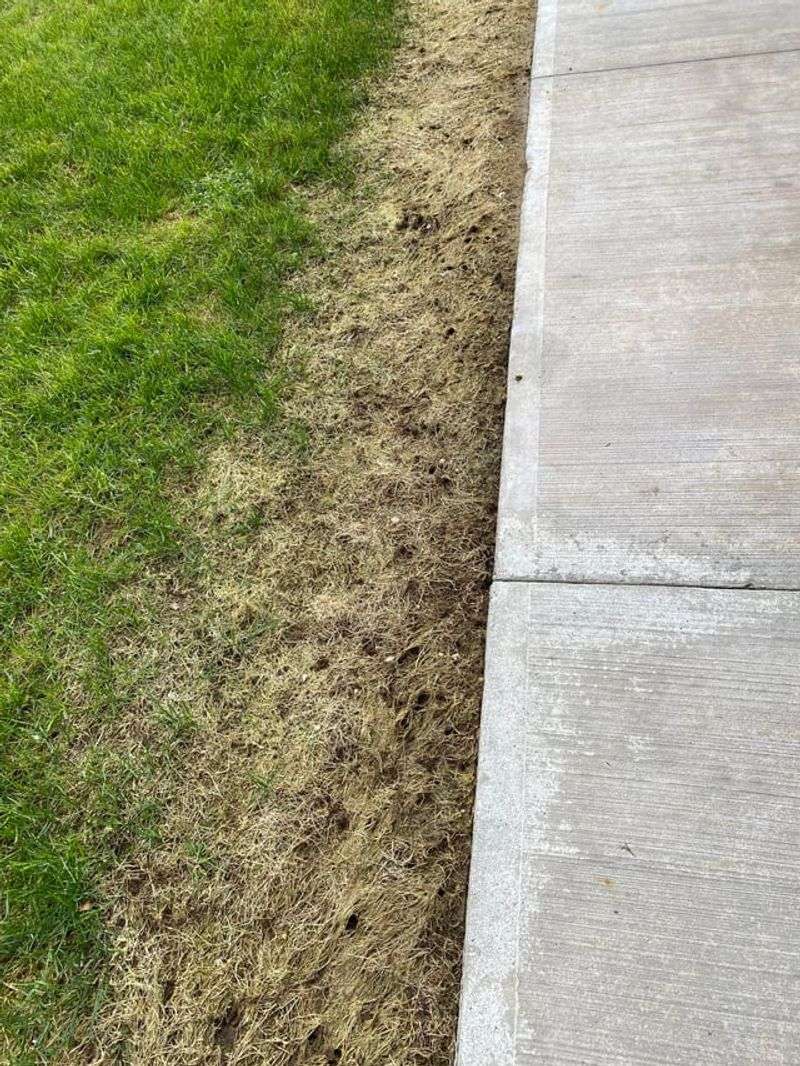
Ever notice how the brown lines follow the sidewalk like a shadow? That pattern is a classic sign of de-icing salt.
Sodium chloride is the most common road and sidewalk salt in the state. When snow melts, salty water soaks into the soil next to pavement. That salt pulls moisture away from roots and can leave grass looking burned and dried out.
Plows and shovels add to the problem. They toss salty slush onto the same strip of lawn again and again.
Your first move is to flush the soil. Several deep waterings in spring help push salt below the root zone. After that, rake out the brown grass and reseed.
The University of Minnesota recommends salt-tolerant seed mixes, often featuring fine fescues and alkaligrass.These blends hold up better along roads and driveways than plain bluegrass.
For next winter, use less salt and shovel early so ice has less chance to form. Products like calcium magnesium acetate are gentler on plants, though they cost more. Sand adds traction without any salt at all.
Spongy Turf That Peels Up Like Carpet Points To White Grubs
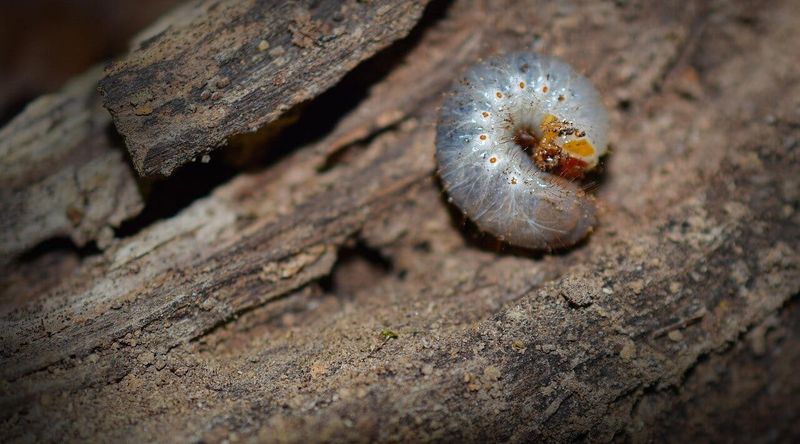
Here is a fun test that feels a little like opening a mystery box. Grab the edge of a brown patch and lift.
If the turf rolls back like a loose rug, white grubs are a strong suspect. These C-shaped larvae of Japanese beetles, June beetles, and masked chafers chew off grass roots. With no roots, the grass cannot pull up water.
Damage usually shows most in late summer and early fall, when young grubs feed hard. They also feed for a while in spring before turning into beetles.
Count what you find in a one-foot square of soil. Extension guidelines suggest treatment is often worth it only when you see roughly 8 to 10 or more grubs per square foot. Watch for skunks, raccoons, and birds tearing up your lawn too. They love a grub buffet.
Preventive products work best when applied in early summer, before eggs hatch. Spring treatments for large, older grubs are much less effective.
Healthy, well-watered grass also tolerates a few grubs without much browning, so good care counts.
Gray And Pink Snow Mold Leave Matted Circles Behind
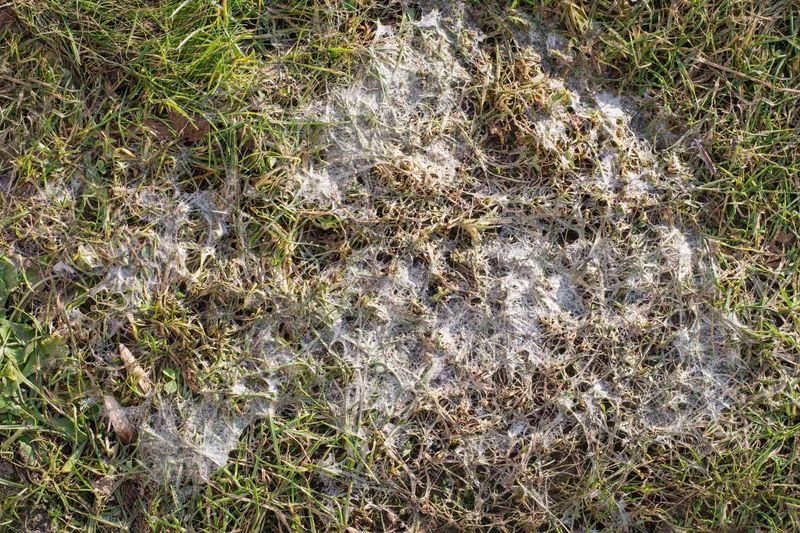
Right after the snow melts, some lawns look like someone spilled cobwebs across them. That crusty, matted look is snow mold.
Gray snow mold forms circular, straw-colored patches with a grayish fuzz. It mostly affects leaf blades, so the crowns often survive. A gentle raking usually helps those spots recover within a few weeks.
Pink snow mold is the tougher cousin. It can show a pinkish or salmon edge and sometimes reaches the crowns. Severe cases leave patches that stay brown long after spring arrives.
Long-lasting snow piles make it worse. Deep drifts, snow dumped from driveways, and unmowed tall grass create the cool, damp conditions these fungi love.
Rake matted areas lightly in spring to let air and sunlight in. If the patch stays brown into late spring, the crowns likely failed, and reseeding is the way forward.
Prevention is simpler than treatment for home lawns. Keep mowing into fall until grass stops growing, clear fallen leaves, and skip heavy nitrogen in late fall. Spread snow piles around rather than heaping them in one corner.
Hard Packed Soil Under The Grass Can Starve The Roots
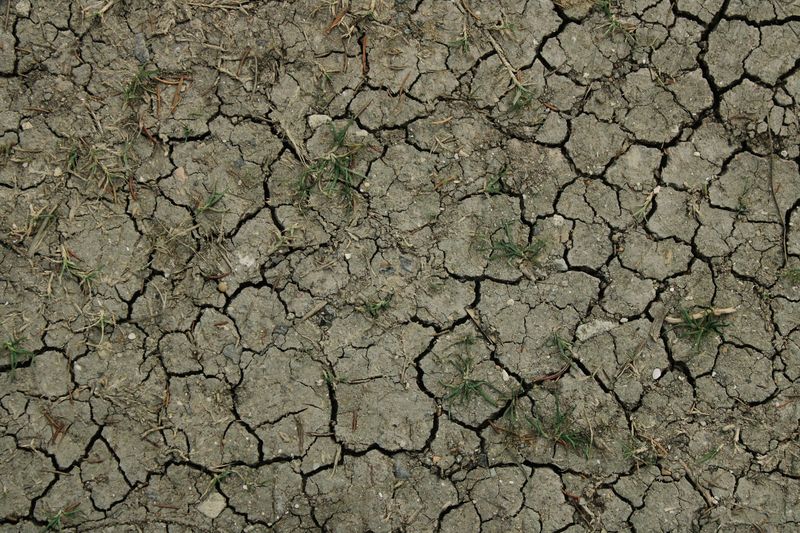
Some brown spots line up perfectly with a dog’s favorite running route or the kids’ shortcut to the swing set. Foot traffic tells the story.
Compacted soil squeezes out the air spaces that roots need. Water runs off instead of soaking in, and roots stay short and shallow. Weak grass then struggles through heat, drought, and winter.
Try pushing a screwdriver into the soil after a rain. If it barely goes in, compaction is likely part of your problem.
Core aeration helps the most. The machine pulls small plugs of soil out of the lawn, letting air and water reach the roots again.
Late summer and early fall are ideal times in our climate, and they pair nicely with overseeding.
Thick thatch causes a similar headache. A spongy layer over half an inch thick can block water and shelter pests, so aerating helps break that down too.
Short, frequent watering adds to shallow roots. Deep watering about once or twice a week, totaling around one inch including rain, trains roots to grow down. Consider stepping stones for paths people use every day.
Fall Feeding And Smart Mowing Keep Next Spring’s Lawn Green
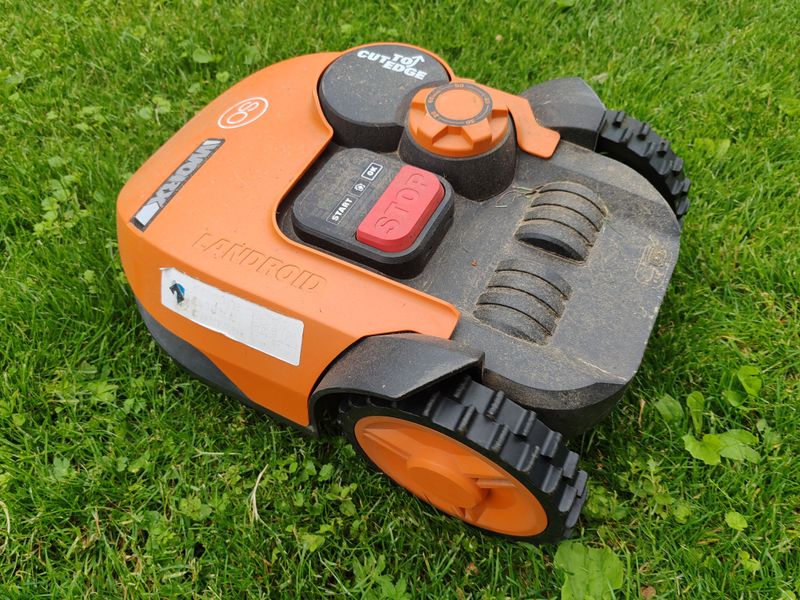
After one season of patching bare spots, I started caring a lot more about fall. A strong lawn going into winter has a much better shot at waking up green.
Fertilizer timing makes a real difference. University of Minnesota Extension suggests applying nitrogen in late summer to early fall, around Labor Day, when cool-season grass builds roots.
Get a soil test first, since Minnesota law limits phosphorus use on lawns unless a test shows a need or you are establishing new grass.
Mow at about three inches through the growing season. Taller grass shades out weeds and supports deeper roots.
Lower the height a bit for the final mow of the year to reduce matting under snow. Rake or mulch-mow fallen leaves so they do not smother turf all winter.
Keep an eye on drainage, salt use, and snow piles too. Small tweaks there prevent many of the patches covered above.
The big takeaway is simple. Brown patches without living crowns will not return, but reseeding plus steady fall care can turn those spots into some of the thickest grass in your yard.